Loading...


Engineering Materials
Quiz by Osama elsayed elsaid
Customize this quiz to suit your class
Instantly translate to 100+ languages
Tag the questions with any skills you have. Your dashboard will track each student's mastery of each skill.
Give this quiz to my class
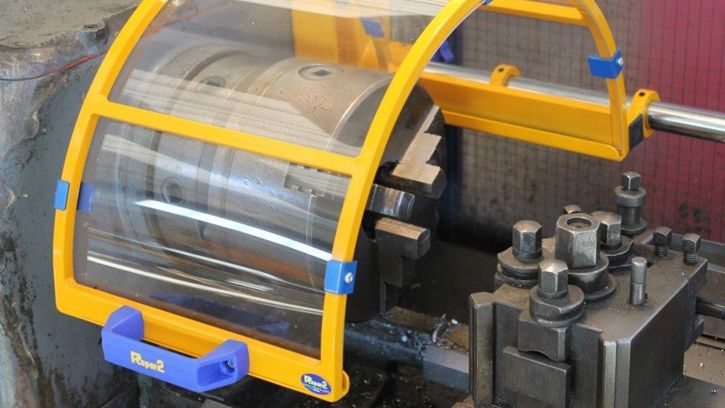

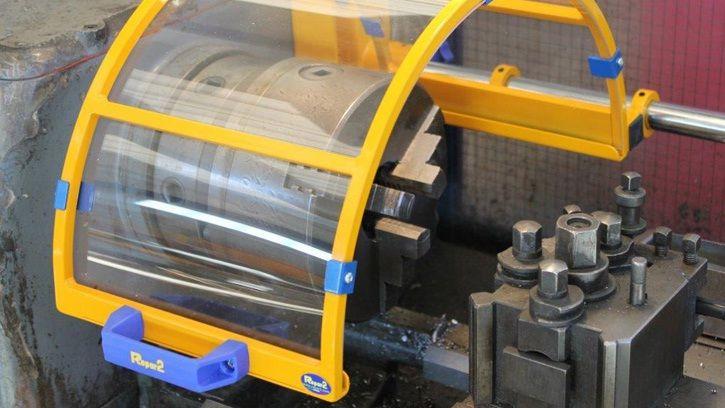

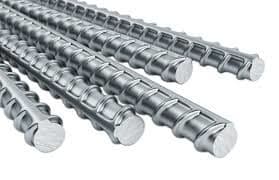


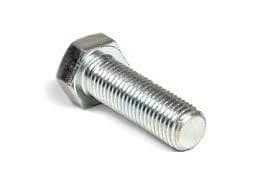



 Engineering materials selection and propertiesScience and Engineering of MaterialsIntroduction to Materials Science & EngineeringMaterials for engineering Biomedical Engineering Flashcard 1 Q: What is biomedical engineering? A: The field that designs medical solutions (devices, implants, machines, medicines) to improve health. Flashcard 2 Q: How many bones does an adult have? A: 206 bones. Flashcard 3 Q: How many bones are humans born with? A: About 270 bones. Flashcard 4 Q: What is a prosthetic? A: An artificial device used to replace a missing body part. Flashcard 5 Q: What must engineers consider when designing prosthetics? A: Connection to the body Communication with the body Life-like movement Flashcard 6 Q: What is internal fixation? A: Hardware attached inside the body directly to the bone to repair it. Flashcard 7 Q: Examples of internal fixation? A: Rods, screws, plates, pins, bone grafts. Flashcard 8 Q: What is external fixation? A: Supports outside the body used to stabilize bones while they heal. Flashcard 9 Q: Examples of external fixation? A: Casts, braces, slings, external screws. Flashcard 10 Q: What is biocompatibility? A: Materials that can safely exist in the body without causing harm or rejection. Circulatory System Flashcard 11 Q: What is the job of the circulatory system? A: Deliver oxygen and nutrients and remove wastes from cells. Flashcard 12 Q: What do arteries do? A: Carry blood away from the heart. Flashcard 13 Q: What do veins do? A: Carry blood back to the heart. Flashcard 14 Q: What do capillaries do? A: Exchange oxygen, nutrients, and waste with tissues. Flashcard 15 Q: What are the 4 main components of blood? A: Plasma Red blood cells White blood cells Platelets Flashcard 16 Q: Name 3 circulatory diseases. A: Arteriosclerosis Hypertension (high blood pressure) Coronary heart disease Flashcard 17 Q: What lifestyle choices increase circulatory disease risk? A: Tobacco use Alcohol use Poor nutrition Physical inactivity Obesity Stem Cells Flashcard 18 Q: What are stem cells? A: Cells that can develop into many different specialized cell types. Flashcard 19 Q: Why is embryonic stem cell research controversial? A: Because it involves destroying embryos, which some believe is destroying human life. pH and Indicators Flashcard 20 Q: What pH number is an acid? A: Below 7. Flashcard 21 Q: What pH number is neutral? A: 7. Flashcard 22 Q: What pH number is a base? A: Above 7. Flashcard 23 Q: Examples of pH indicators? A: Litmus paper Red cabbage indicator Anthocyanins Hydrogels Flashcard 24 Q: What is a hydrogel? A: A material made of polymer chains that can hold large amounts of water. Flashcard 25 Q: Examples of hydrogels? A: Gelatin Collagen Alginate Fireworks Flashcard 26 Q: What are the 4 main parts of fireworks? A: Oxidizer, fuel, binder, metal salt. Flashcard 27 Q: What color does Barium produce? A: Light green. Flashcard 28 Q: What color does Copper produce? A: Blue-green. Flashcard 29 Q: What color does Strontium produce? A: Dark red. Flashcard 30 Q: What color does Potassium produce? A: Light purple. Flashcard 31 Q: What color does Lithium produce? A: Orange-red. Flashcard 32 Q: What effect does Iron produce in fireworks? A: Sparks.Important Preparations Before an Earthquake Strikes • Follow the structural design and engineering practices when constructing a house or building. • Evaluate the structural soundness of the buildings and houses: strengthen if necessary. • Be aware of the earthquake evacuation plans for all of the buildings you occupy regularly. • Strap or bolt heavy furniture and cabinets to the wall to keep them in place. • Breakable items, harmful chemical, and flammable materials should be stored properly in the lowermost secure shelves • Prepare and know where fire extinguishers, first aid kits, alarms, and communication facilities are located and learn how to use them beforehand. • Pick safe places in each room of your home, workplace, and school and practice doing drop, cover, and hold.Essential Things to Do While an Earthquake is Happening • Stay calm. • Duck under a sturdy desk or table and hold onto it. Protect your head with your arms. • If there is no sturdy furniture, sit on the floor in a corner next to an interior wall and cover your head and neck with your arms. • Move away from glass windows, sliding doors, shelves, cabinets, and other heavy objects. • Grab anything handy to shield your head and face from falling debris and splinting glass. • Stay indoors until the shaking stops. If you must leave the building. use the stairs rather than elevators. • Stay away from trees, power lines, posts, and concrete structures and proceed cautiously to an open area. • Move away from steep. slopes, which may be affected by landslides. • Move quickly to higher grounds since tsunamis might follow • Pull over to a clear location and stop. Avoid bridges, overpasses, and power lines, if possible. • Be updated about disaster. prevention instructions from battery operated radios.Essential Safety Measures After an Earthquake • Check yourself and others for injuries. • Do not panic. • Expect and prepare for aftershocks. These aftershocks may be weaker but they may sometimes cause more damage than the major earthquake. • Look for emergency supply kits. They should include food, water, medication, clothing, and other things you may need. • If you need to evacuate, leave a message stating where you are going • Do not enter damaged buildings since they might have weakened foundations, increasing their susceptibility for collapse. There can also be a lot of falling debris. • Do not use elevators • Check water and electrical lines for damages. Turn the main switch off to avoid any incidences of electric shock • Look for and extinguish fires to reduce their chances of spreading. • Avoid fallen power lines. • Tune in to radio broadcasts and be updated on disaster prevention instructions.Administrative jobs involve performing administrative roles that support workers in the agriculture industry. b. Engineering jobs involve using high-level science and math to solve complex problems. Professionals, evaluate, design, test and install agricultural equipment and systems. c. Labor jobs require workers to perform manual tasks such as planting, harvesting, caring for animals and maintaining equipment Sales jobs are performed by professionals who are responsible for selling materials and products to customers. e. Science jobs are those of scientists who work in agriculture and specialize in crops, livestock or food production. Agricultural Jobs: a. Farm workers perform essential manual labor tasks under the supervision of farmers and ranchers. They harvest or inspect crops, assist in watering the plants, applying fertilizer and pesticides to control weeds and insects. b. Growers are responsible for taking care and raising crops that involves proper management of the growing plants and its environment to keep the crops/plants healthy. c. Grain Elevator operators assist in maintaining essential quality standards of grains by properly storing, shipping and purchasing grains. They receive incoming grain deliveries, store the grain safely and they may assist in preparing outgoing shipments, drying grain and blending different grain types. d. Agricultural equipment technicians maintain, install and repair machines and implements. They perform preventive maintenance, which may involve refueling machines, replacing batteries, changing the oil and lubricating moving parts. When they detect a malfunctioning equipment, they perform diagnostic tests and conduct necessary repairs. e. Purchasing agents are responsible for buying agricultural products and raw materials at wholesale for processing and reuse. These professionals often have to meet specific purchasing quotas for processors. They work with several farming clients, who serve as suppliers of grain, milk and other agricultural products. f. Farm warehouse managers are responsible for overseeing all activities related to storing, shipping and receiving agricultural materials. They send and receive shipments, including loading and unloading products and materials Agriculture specialists perform administrative support and clerical tasks that focus on a certain aspect of farming. Some agriculture specialists focus on storage, which requires them to work with farmers to develop high-performing crop and grain storage and inventory systems. h. Sales representatives sell materials and products to businesses and government agencies. They seek out prospective customers by attending trade shows, reviewing customer lists and following leads from existing clients. They determine customers' needs, explain how their products meet clients' needs and create packages that meet customers' budgetary and timeline needs. i. Crop managers oversee the many steps in the crop production process. They supervise seed sourcing, planting processes and scheduling as well as fertilizing, irrigation and harvesting. j. Environmental engineers use science and engineering principles to design and apply solutions to problems that occur on agricultural sites. They assess environmental conditions—including testing soil and analyzing drainage capabilities—and develop improvements. k. Feed mill managers supervise the production and storage of animal feed. They are responsible for monitoring inventory levels, scheduling feed production and inspecting the quality of the grain. These professionals set and maintain quality standards, assess and improve operating procedures and track customer complaints. l. Research scientists who specialize in agriculture often work as food scientists, who research and develop processes for manufacturing, storing and packaging food. They are responsible for developing or improving products, but some specialize in detecting contaminants or administering government regulations Introduction to Hedging Instruments: Forwards, Futures, Options, and Swaps Hedging instruments are financial tools used by businesses and investors to mitigate risk. These instruments help protect against adverse price movements in assets such as commodities, currencies, interest rates, or securities. The four main hedging instruments are forwards, futures, options, and swaps. 1. Forwards A forward contract is a customised agreement between two parties to buy or sell an asset at a predetermined price on a specified future date. Key Characteristics: Over-the-counter (OTC): Traded directly between parties, not on an exchange. Customisation: Can be tailored to suit the needs of the parties involved. Settlement: Occurs at the end of the contract, which may involve physical delivery or cash settlement. Risk: Forwards carry counter-party risk, as there is a possibility one party may default. Example: A company that needs to import raw materials in six months may enter into a forward contract to lock in the current price, avoiding the risk of price increases. 2. Futures A futures contract is similar to a forward, but it is standardised and traded on an exchange. This standardisation eliminates counter-party risk. Key Characteristics: Standardised: Contract size, expiration, and other terms are fixed by the exchange. Mark-to-market: Gains and losses are settled daily. Liquidity: Futures are highly liquid because they are traded on exchanges. Regulation: As they are traded on formal exchanges, they are more regulated than forwards. Example: A wheat farmer may sell futures contracts to hedge against a possible decline in wheat prices before harvest. 3. Options Options provide the right, but not the obligation, to buy or sell an asset at a specified price on or before a certain date. There are two types of options: call options and put options. Call Option: Gives the holder the right to buy an asset at a predetermined price. Put Option: Gives the holder the right to sell an asset at a predetermined price. Key Characteristics: Premium: The buyer pays a premium upfront to obtain the option. Limited Risk: The maximum loss is limited to the premium paid. Flexibility: Options can be used for speculative or hedging purposes. Example: An investor holding stocks may buy a put option to protect against potential declines in the stock's price. 4. Swaps A swap is a contract in which two parties agree to exchange cash flows or liabilities over a specific period. The most common types are interest rate swaps and currency swaps. Key Characteristics: Customizable: Like forwards, swaps are often tailored to meet the needs of the parties involved. Counterparty Risk: Swaps are typically OTC instruments, exposing parties to default risk. Common Uses: Used to manage interest rate risk or currency risk. Example: A company with a variablerate loan may enter into an interest rate swap to exchange its variable payments for fixedrate payments, thus locking in stable costs. Hedging instruments are essential for managing financial risk in volatile markets. Each instrument serves different purposes, with varying levels of complexity, risk, and customization. Whether through forwards, futures, options, or swaps, businesses can better plan for the future by reducing exposure to uncertain price fluctuations. Hedging Strategies for Market Risk, Credit Risk, and Currency Risk 1. Hedging Strategies for Market Risk Market risk (also known as systematic risk) arises from fluctuations in asset prices, such as stocks, bonds, commodities, and interest rates, due to economic factors or market volatility. Key Hedging Instruments for Market Risk: Derivatives (Options, Futures, and Forwards): These instruments allow investors to hedge against unfavorable price movements in stocks, commodities, or interest rates. Example: An investor holding a large stock portfolio might buy a put option to protect against a potential market downturn. If the market declines, the put option increases in value, offsetting losses in the portfolio. Short Selling: Investors can sell borrowed assets with the expectation of buying them back at a lower price, profiting from the decline. Example: A fund manager expecting a market decline may short sell stocks to hedge a portfolio against losses. Common Hedging Strategies: Portfolio Diversification: Reducing market risk by spreading investments across various asset classes (stocks, bonds, commodities) and sectors. Using Index Futures: Large portfolios can be hedged using index futures that track the performance of the overall market. If the market declines, profits from the short position in the futures contract will offset losses in the portfolio. Risk Parity: Allocating assets based on the level of risk rather than the dollar amount invested, balancing risk exposure across asset classes. 2. Hedging Strategies for Credit Risk Credit risk refers to the possibility that a borrower will default on a debt obligation. This is especially important for banks, lenders, and institutions dealing with bonds and loans. Key Hedging Instruments for Credit Risk: Credit Default Swaps (CDS): A financial derivative where the buyer of a CDS pays a premium to the seller in exchange for protection against a default on a loan or bond. Example: A bank holding corporate bonds can buy a CDS to ensure they are compensated if the issuing company defaults. Collateralised Debt Obligations (CDOs): These instruments pool together various debt instruments and allow risk to be distributed among multiple investors. Credit Insurance: Companies may use insurance to protect against the risk of a customer defaulting on payments. Common Hedging Strategies: Diversification of Loan Portfolio: Spreading out credit exposures across various industries, geographies, and borrower profiles reduces the overall risk of default. Tightening Lending Standards: Limiting exposure to highrisk borrowers by implementing stringent credit assessments. AssetBacked Securities: Banks can sell loans or bonds packaged as assetbacked securities to reduce their exposure to credit risk. 3. Hedging Strategies for Currency Risk Currency risk (or exchange rate risk) arises from fluctuations in foreign exchange rates, which can affect companies involved in international trade or with investments in foreign countries. Key Hedging Instruments for Currency Risk: Forward Contracts: A firm agrees to exchange a specified amount of currency at a predetermined exchange rate on a future date. Example: A U.S. exporter expecting payment in euros might enter into a forward contract to sell euros and lock in a favorable exchange rate. Currency Options: These give the right, but not the obligation, to buy or sell currency at a specific price. Example: A U.S.based company buying goods from Japan might buy a call option on the yen to hedge against the risk of yen appreciation. Currency Swaps: Two parties exchange interest payments and principal in different currencies to hedge against exchange rate fluctuations. Common Hedging Strategies: Natural Hedging: Companies can offset currency risk by balancing foreign revenue with costs in the same currency. For example, if a company generates revenue in euros, it can also incur expenses in euros, reducing exposure to exchange rate fluctuations. Multi-Currency Invoicing: Firms can invoice in their home currency, shifting the currency risk to the buyer. Currency Diversification: Holding a diversified basket of currencies can reduce exposure to large fluctuations in any one currency. Effective hedging strategies are crucial for managing various types of risks in financial markets. Market risk can be managed using instruments like futures and options, while credit risk can be mitigated through diversification and credit derivatives. Currency risk, often faced by multinational firms, can be hedged using forward contracts, options, or swaps. Each strategy helps firms and investors protect their portfolios, ensure financial stability, and reduce the impact of adverse movements in the financial markets. Portfolio Risk Management Techniques: Diversification, Asset Allocation, and Risk Budgeting Managing risk is a fundamental aspect of portfolio management. Investors use various techniques to control and reduce the risks inherent in investing. Three key techniques used in portfolio risk management are diversification, asset allocation, and risk budgeting. Each of these techniques helps in mitigating potential losses while aiming to achieve the desired return. 1. Diversification Diversification is a risk management strategy that involves spreading investments across different assets, sectors, or geographic regions to reduce exposure to any single risk. The idea is that different assets perform differently under various market conditions, so losses in one investment can be offset by gains in others. Key Benefits of Diversification: Reduction of Unsystematic Risk: Unsystematic risk, which is unique to a specific company or industry, can be reduced by holding a variety of investments that respond differently to market conditions. Improved Stability: A diversified portfolio is less volatile, as the negative performance of one asset can be balanced by the positive performance of others. Methods of Diversification: Across Asset Classes: Investing in a mix of asset classes such as stocks, bonds, commodities, and real estate. Example: A portfolio with 60% equities, 30% bonds, and 10% commodities is more diversified than one solely consisting of stocks. Within Asset Classes: Diversifying within a single asset class (e.g., holding stocks from different sectors like technology, healthcare, and energy). Geographic Diversification: Investing in assets across various countries or regions to mitigate country-specific risks. Example: Holding U.S. stocks along with emerging market equities can reduce risks related to a downturn in one country's economy. 2. Asset Allocation Asset allocation refers to the process of dividing investments among different asset classes (such as stocks, bonds, and cash) to align with an investor's risk tolerance, time horizon, and financial goals. Asset allocation plays a crucial role in portfolio risk management by determining the overall risk-return profile of the portfolio. Key Elements of Asset Allocation: Strategic Asset Allocation: A longterm approach that involves setting target allocations for different asset classes based on financial goals and risk tolerance. Example: A young investor with a longterm horizon might allocate 70% to stocks, 20% to bonds, and 10% to cash. Tactical Asset Allocation: A more active approach that involves adjusting the asset mix in response to short-term market conditions. Example: If the investor expects an economic downturn, they might temporarily reduce exposure to equities and increase exposure to bonds. Types of Asset Allocation Models: Conservative: Focuses on preserving capital with a larger allocation to bonds and cash (e.g., 20% stocks, 80% bonds). Balanced: A moderate risk approach with an equal focus on growth and income (e.g., 50% stocks, 50% bonds). Aggressive: Targets higher returns by investing predominantly in equities, accepting higher risk (e.g., 80% stocks, 20% bonds). Example of Asset Allocation: A 40 year old investor with moderate risk tolerance may allocate their portfolio as follows: 50% equities, 40% bonds, and 10% in alternative investments such as real estate or commodities. The equities provide growth potential, while the bonds and alternative assets offer stability and income. 3. Risk Budgeting Risk budgeting is a method of allocating risk across different components of a portfolio, rather than focusing solely on returns. The goal is to optimise the portfolio’s risk-return profile by distributing risk in a way that aligns with the investor’s objectives and risk tolerance. Key Concepts of Risk Budgeting: Risk Contribution: Each asset class or investment in the portfolio contributes a certain amount of risk (measured by metrics such as volatility or Value at Risk). Risk budgeting ensures that no single asset class dominates the overall risk of the portfolio. Example: A portfolio may contain 60% stocks and 40% bonds, but if the stocks are highly volatile, they may contribute 90% of the portfolio's risk. Target Risk: Investors set a maximum acceptable level of risk (e.g., a portfolio volatility of 10%) and allocate investments so that the total risk remains within this target. Techniques in Risk Budgeting: Risk Parity: Allocates risk evenly across asset classes, rather than allocating capital based solely on return expectations. Example: In a risk-parity portfolio, both bonds and stocks might be balanced in such a way that they contribute equally to the overall portfolio risk, even though the dollar investment in bonds may be larger due to their lower volatility. Value at Risk (VaR): This technique measures the potential loss in a portfolio over a specific time period, under normal market conditions, at a given confidence level. The risk budget ensures that the potential loss stays within acceptable limits. Example of Risk Budgeting: An investor targets an overall portfolio risk of 8% volatility. After analyzing the risk contribution of each asset class, they determine that equities, which currently make up 60% of the portfolio, contribute 70% of the risk. To adhere to the risk budget, the investor may reduce their equity exposure and increase their allocation to bonds or other less volatile assets. Diversification, asset allocation, and risk budgeting are complementary techniques used in portfolio risk management. Diversification reduces unsystematic risk by spreading investments across various assets. Asset allocation ensures that investments align with an investor's goals and risk tolerance. Risk budgeting focuses on managing the contribution of risk from each asset class to create a balanced and efficient portfolio. Together, these strategies help investors achieve a balance between risk and return, ensuring longterm portfolio stability. Risk Mitigation Through Insurance, Securitisation, and Other Financial Engineering Techniques Risk mitigation is a core objective in financial management, and various strategies can be employed to reduce or manage risks. Three major approaches are insurance, securitisation, and financial engineering techniques. Each of these methods helps firms and individuals transfer, reduce, or eliminate certain financial risks. 1. Insurance as a Risk Mitigation Tool Insurance is a traditional risk transfer method that protects against financial losses by shifting the risk to an insurance company in exchange for premium payments. It is widely used to mitigate various forms of risk, such as operational, liability, and property risks. Key Aspects of Insurance for Risk Mitigation: Risk Transfer: The insurer takes on the risk in exchange for a premium, thus protecting the insured party from unexpected financial losses. Indemnity: In the event of a loss, the insurance policy compensates the insured based on the terms of the contract. Customisable Coverage: Insurance policies can be tailored to address specific risks, such as property damage, business interruption, liability, or cyber risks. Types of Insurance for Businesses: Property and Casualty Insurance: Covers physical assets like buildings, machinery, and inventory from risks like fire, theft, or natural disasters. Liability Insurance: Protects businesses against legal liabilities arising from accidents, negligence, or professional errors. Business Interruption Insurance: Compensates for lost income if a business has to halt operations due to unforeseen events. Credit Insurance: Shields companies from losses due to the nonpayment of trade receivables. 2. Securitisation as a Risk Mitigation Technique Securitisation is a financial engineering process that involves pooling various financial assets (such as loans, mortgages, or receivables) and converting them into marketable securities. This process allows firms to transfer risk to investors, thereby reducing their exposure. Key Elements of Securitisation: Risk Transfer: By securitising assets, companies can transfer the risk of default or nonpayment to investors who purchase the securities. Liquidity Creation: Securitisation converts illiquid assets (like mortgages or loans) into liquid, tradeable securities, improving cash flow for the originating firm. Diversification of Risk: Pooling assets with different risk profiles reduces the impact of individual defaults, spreading the risk across multiple investors. Common Forms of Securitisation: MortgageBacked Securities (MBS): Pools of mortgages are bundled and sold as securities to investors, transferring the risk of mortgage defaults. Example: A bank that issues home loans can bundle those loans into MBS and sell them to investors, transferring the credit risk of potential defaults. Asset-Backed Securities (ABS): Similar to MBS, but backed by other types of assets like credit card receivables, auto loans, or student loans. Collateralised Debt Obligations (CDOs): Structured financial products that pool different types of debt, such as loans and bonds, and sell them as securities with varying risk levels. Example: A bank may issue a portfolio of auto loans and then pool these loans into an assetbacked security (ABS). The ABS is sold to investors, who take on the risk of loan defaults. By securitising the loans, the bank reduces its exposure to credit risk and generates immediate cash flow. 3. Financial Engineering Techniques for Risk Mitigation Financial engineering involves the use of complex financial instruments, derivatives, and structured products to manage or mitigate financial risks. These techniques allow firms to hedge against specific risks, optimize capital structure, and improve financial stability. Common Financial Engineering Techniques: Derivatives: Financial instruments like futures, forwards, options, and swaps are used to hedge against price fluctuations, interest rate changes, or currency movements. Example: A company with significant foreign exchange exposure may use currency forwards or options to hedge against exchange rate fluctuations, ensuring predictable cash flows. Options and Futures: Options: Provides the right (but not the obligation) to buy or sell an asset at a predetermined price, allowing firms to hedge against unfavorable price movements. Example: An airline company can buy options on jet fuel to hedge against rising fuel prices. Futures: Standardized contracts to buy or sell an asset at a set price on a future date, commonly used to hedge commodities or financial assets. Example: A wheat producer may use futures contracts to lock in a favorable price for its crop, hedging against a potential price drop. Swaps: These involve the exchange of cash flows between two parties, often used to manage interest rate risk or currency risk. Interest Rate Swaps: Firms can exchange floatingrate interest payments for fixedrate payments to hedge against rising interest rates. Currency Swaps: Used to hedge exchange rate risk in crossborder transactions by exchanging principal and interest payments in different currencies. Example: A company with a variablerate loan may enter into an interest rate swap to exchange its variable payments for fixedrate payments, locking in stable costs. Structured Products: These are customised financial instruments designed to achieve specific riskreturn objectives. They often combine derivatives with other securities to create tailored risk exposures. Example: A structured note that combines a bond with an embedded option, offering downside protection while allowing for potential upside linked to the performance of an equity index. Credit Derivatives: Tools like credit default swaps (CDS) allow investors to transfer credit risk to other parties. Example: A bondholder worried about a company’s potential default may purchase a CDS, which pays out in case of a default event. Example: A company may issue a bond with an embedded call option, allowing it to repurchase the bond if interest rates decline. This financial engineering tool enables the company to mitigate the risk of rising interest rates, reducing future borrowing costs. Risk mitigation through insurance, securitisation, and financial engineering offers businesses a variety of tools to manage and transfer risks. Insurance allows for the direct transfer of risk to an insurer, while securitisation helps companies offload risk by packaging and selling assets as securities. Financial engineering techniques, including derivatives, swaps, and structured products, provide sophisticated ways to hedge market, interest rate, and currency risks. Each approach helps organizations improve financial stability, enhance liquidity, and manage potential losses in a volatile market environment.