Loading...


English 9 - 4th Quarter Exam
Quiz by KIMBERLY COLICO
Track each student's skills and progress in your Mastery dashboards
It refers to the timeliness of the information. What is it?
It is the significance of the information to the reader. What is it?
It pertains to understanding more about your information’s source which will help you determine when, how, and where to use that information. What is it?
It refers to the reliability, truthfulness, and correctness of the content. What is it?
It talks about the simplicity, clarity, directness, and appeal of the presentation of the information to the readers. What is it?
In knowing the currency of the information, these are the questions that we need to consider:
a. When was the information published or posted?
b. Has the information been revised or updated?
What are the two elements that we have to consider in judging the relevance and worth of ideas?
What are the two elements that we need to consider in judging the soundness of author's reasoning?
What does soundness mean in judging the soundness of the author's reasoning?
In judging the effectiveness of the presentation, there are two elements that we have to consider: it's purpose and accuracy.
In judging the relevance and worth of ideas, do we have to know the intended audience?
In judging the soundness of the author's reasoning it is not important if the author is an expert on the subject.
What is the question that we have to consider in judging the accuracy of the information presented?
Why is it important to ask if the author’s purpose have met by the presentation of the materials?
Who / what is the source of the information?
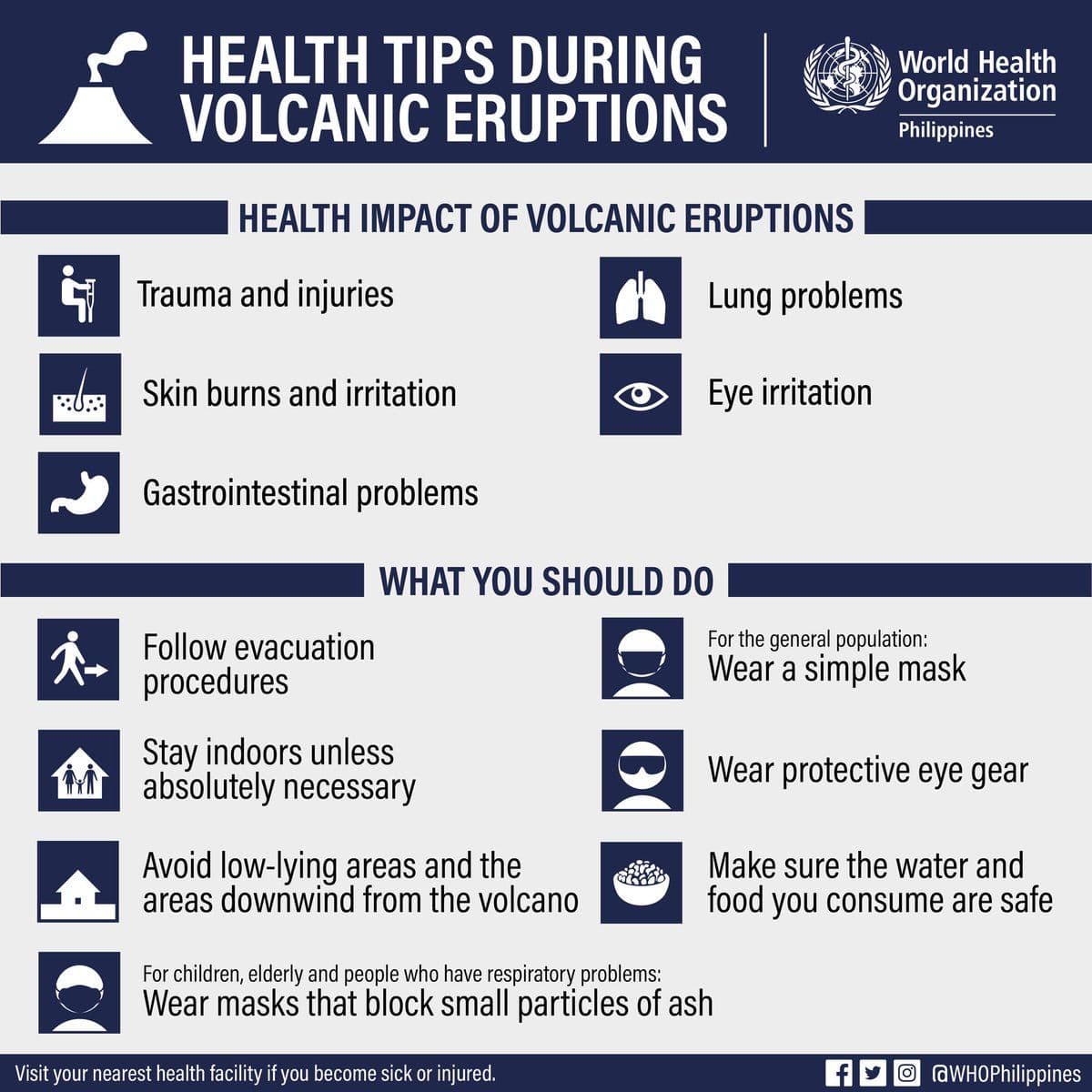
Who is the intended audience of the information?
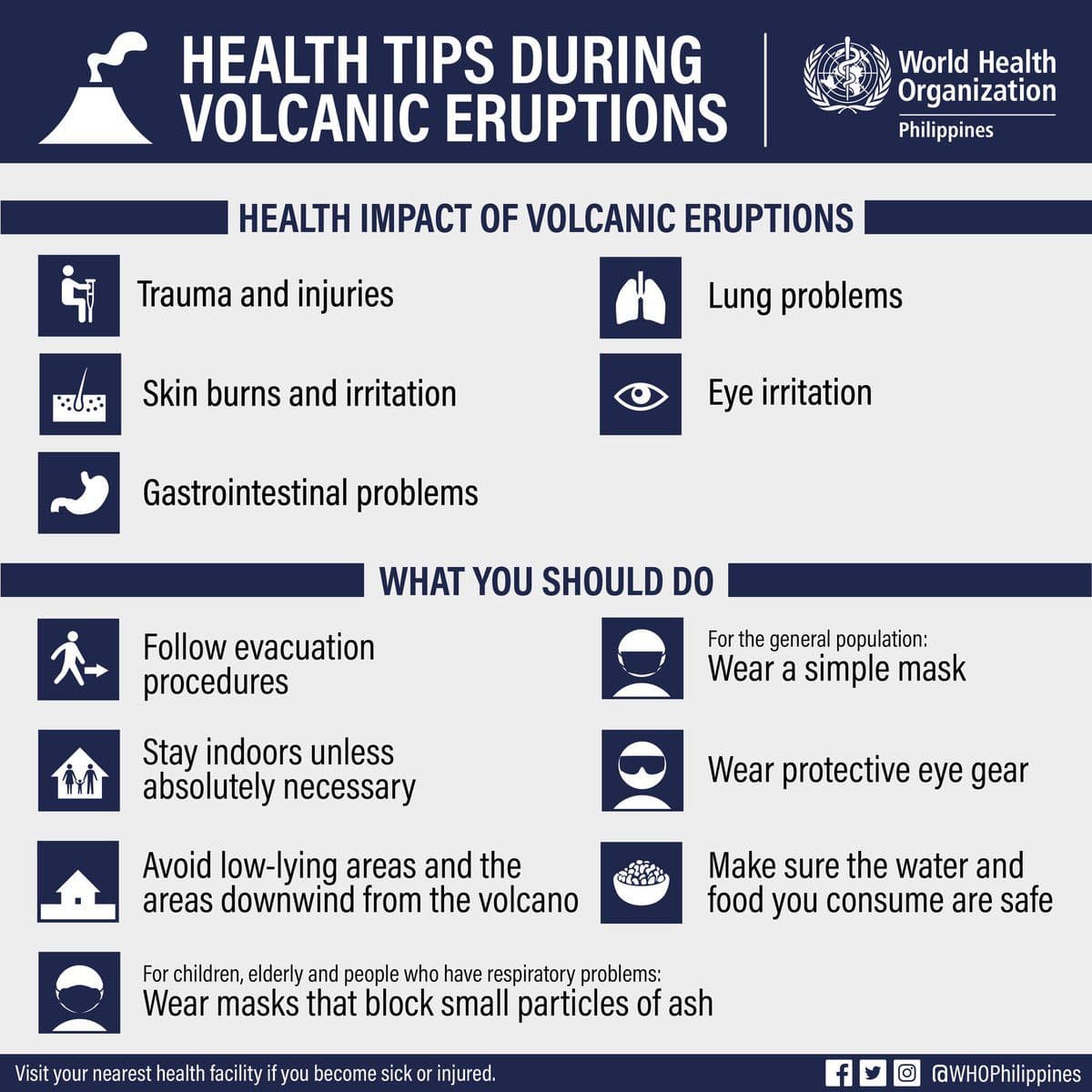
Is the information relevant to the target audience?
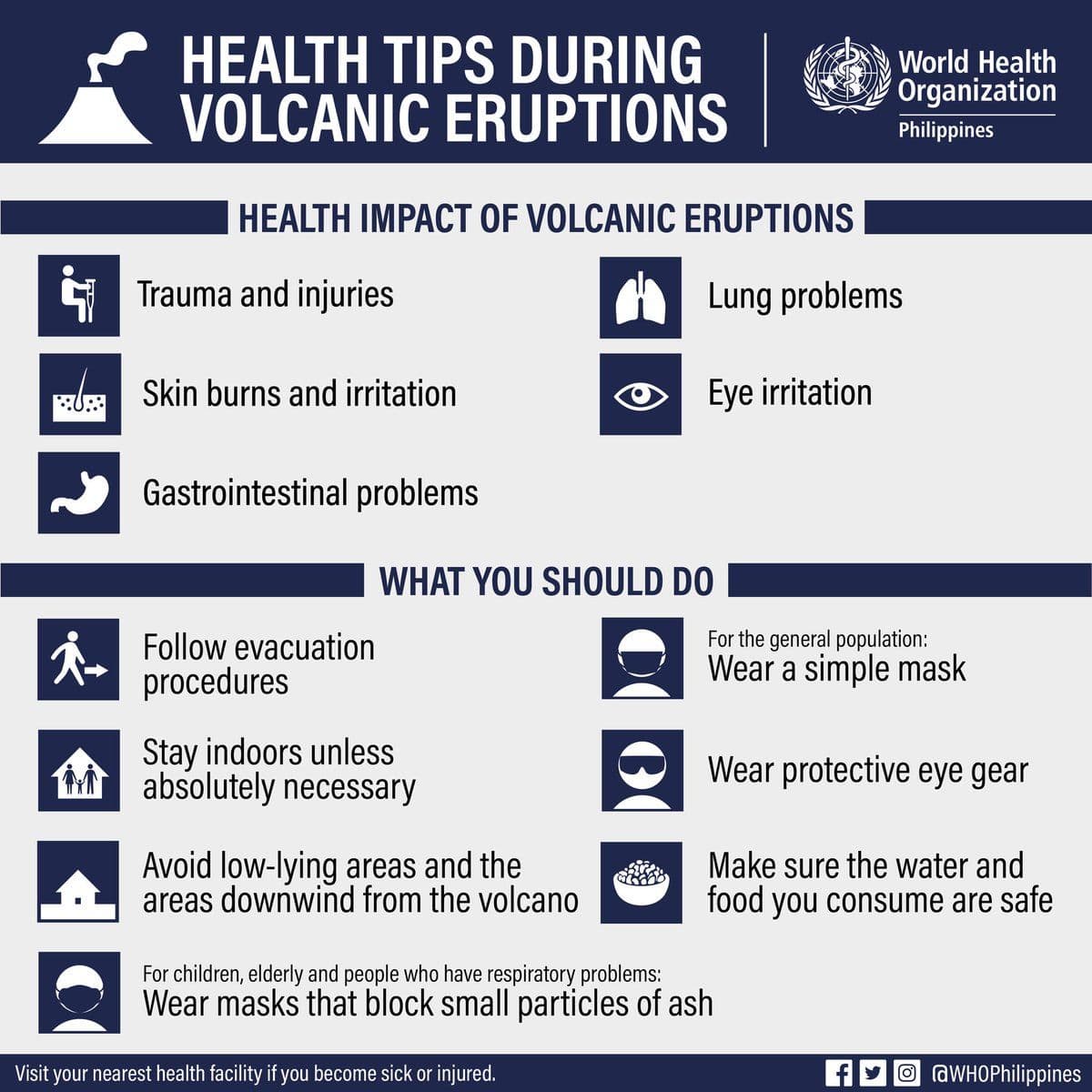
Is the source, reliable and credible?
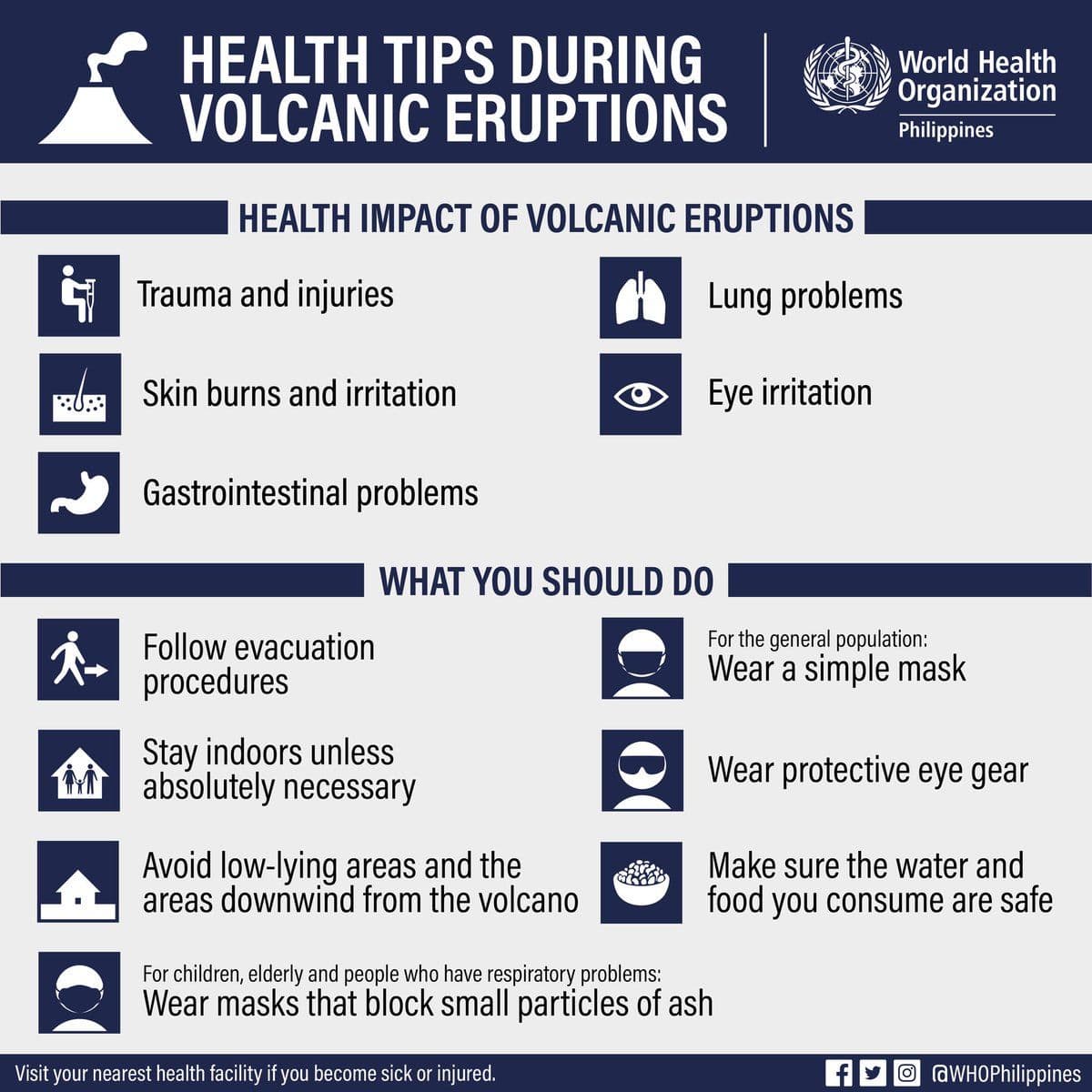
What is the message conveyed on the picture?
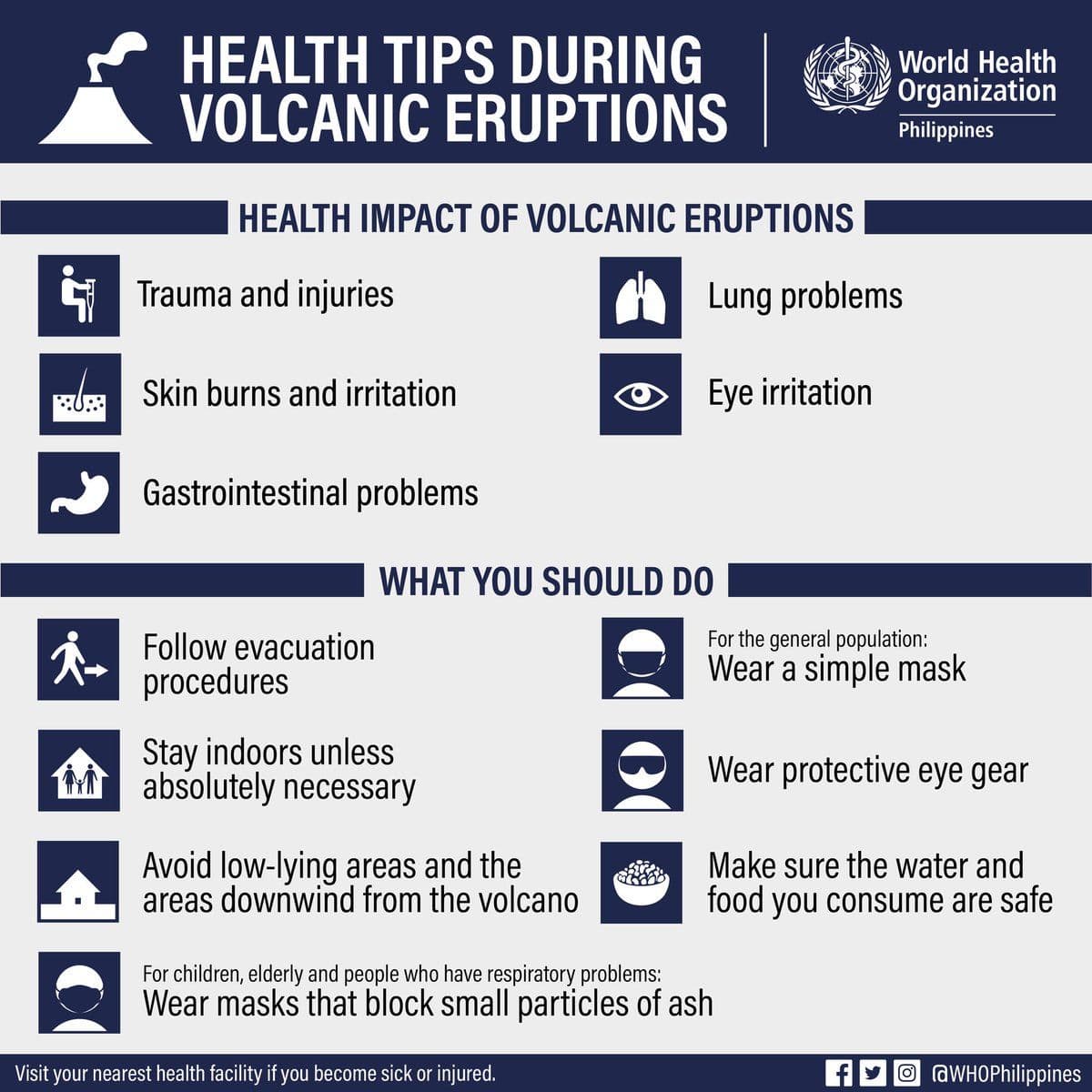
Are the pictures and graphs related to the information presented?
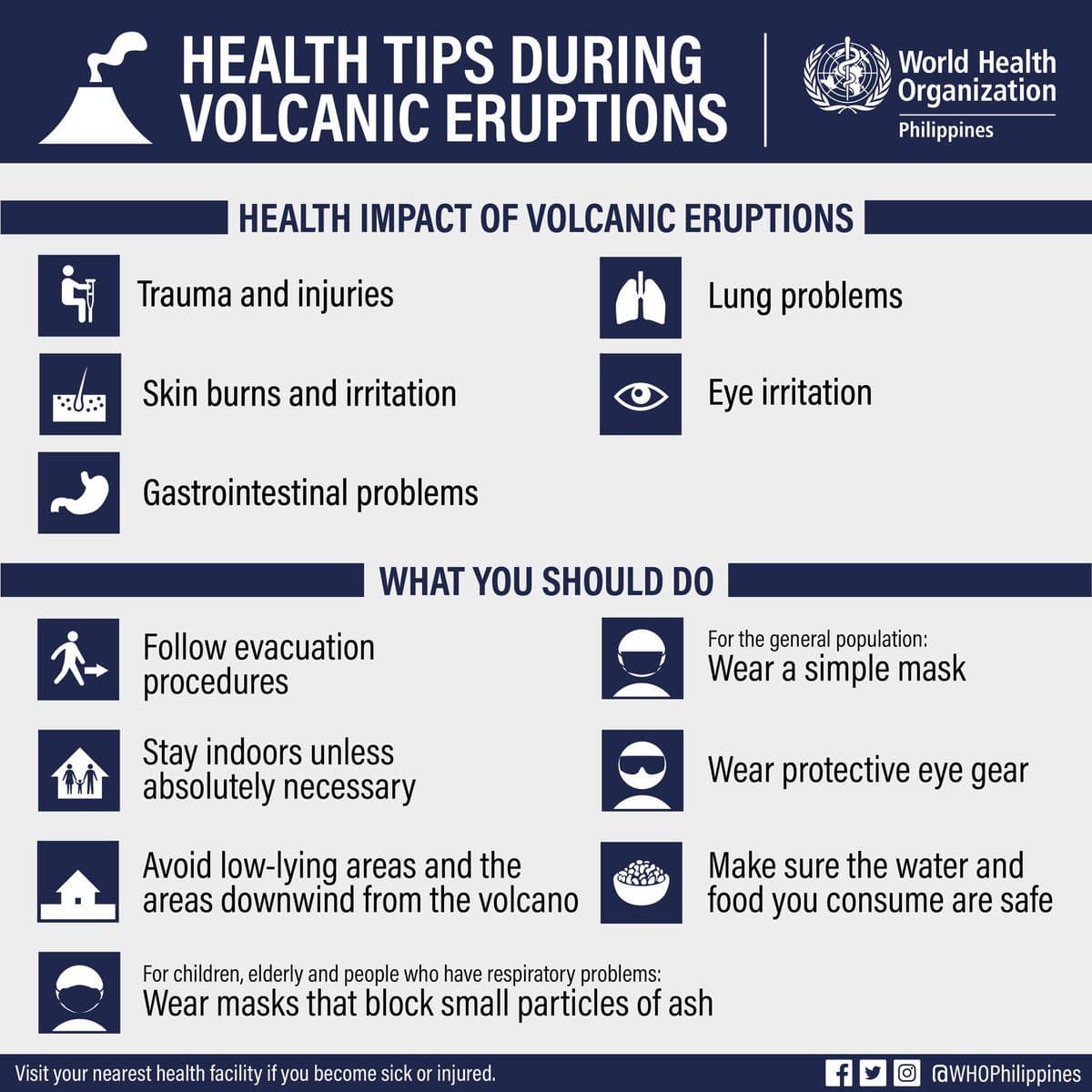
Does the author’s purpose have met by the presentation of the materials?
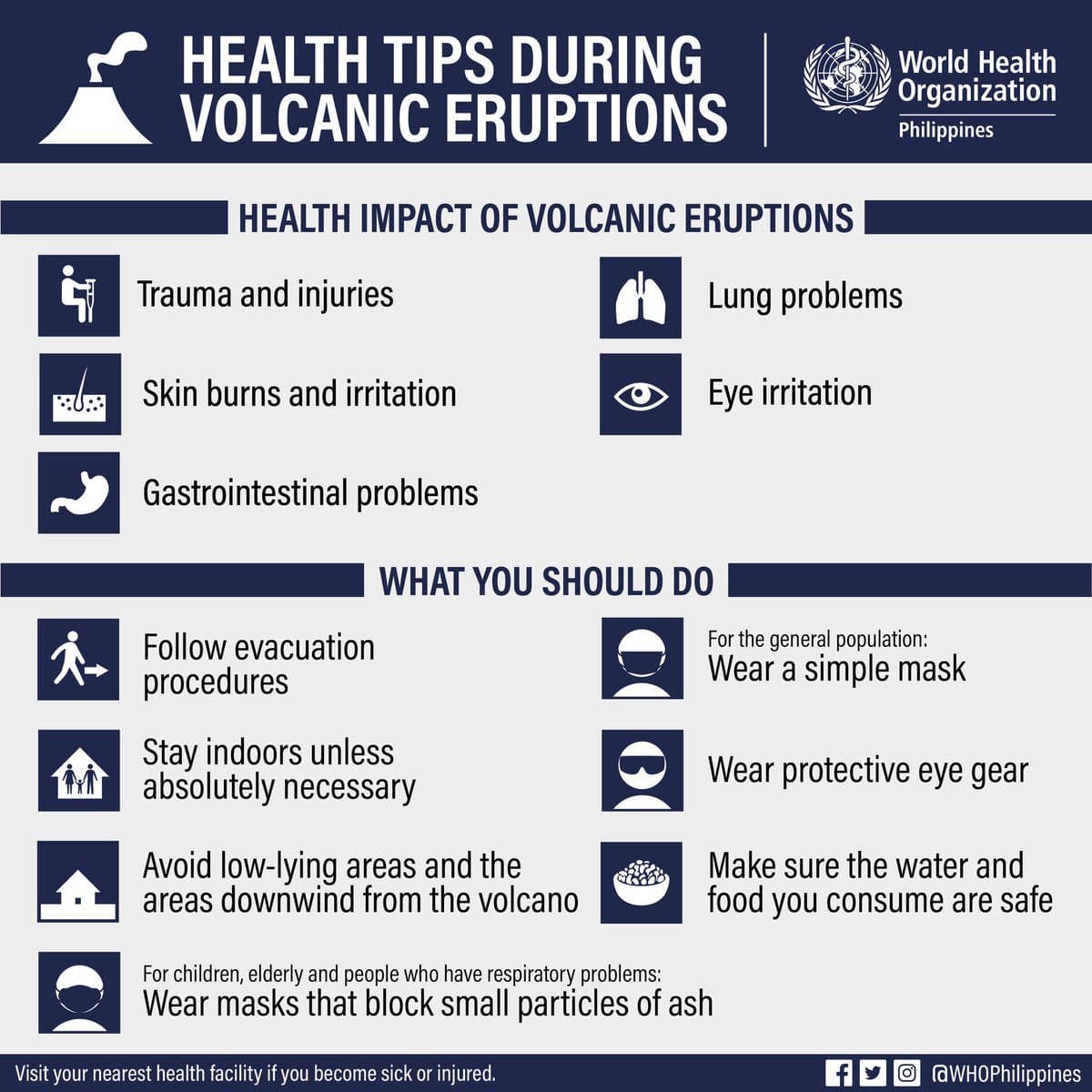
Is the picture relevant to your current state?
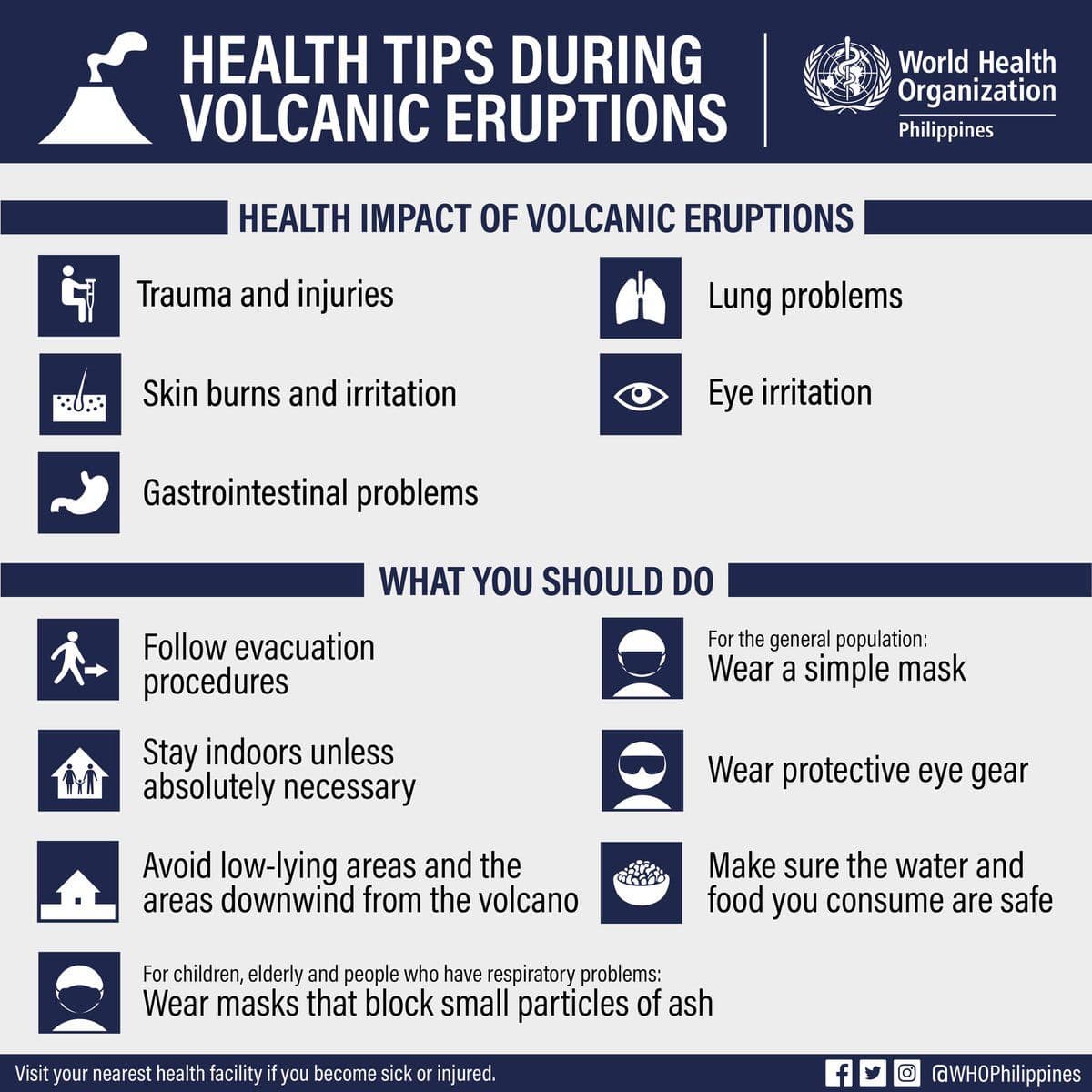
Critical thinking is an important skill in reacting to lay value judgment.
What is the first step in reacting to lay value judgment?
What is the second step in reacting to lay value judgement?
After knowing the stand of the speaker on the issue, what is the next thing that you have to do?
After knowing the stand and reliability of the speaker on the issue, what is the next step to do in reacting to lay value judgement?
Why is it important to research on the claims of the opposing side on an issue?
What is the final step in reacting to lay value judgment after hearing to the speaker's point of view and evaluating the opposing side on an issue?
If the speaker is already has already been proven to be reliable, there is no need to consider the claims of the opposing side.