Loading...


English-Three-Little-Wolves
Quiz by Jiska 't Mannetje
Customize this quiz to suit your class
Instantly translate to 100+ languages
Tag the questions with any skills you have. Your dashboard will track each student's mastery of each skill.
Give this quiz to my class





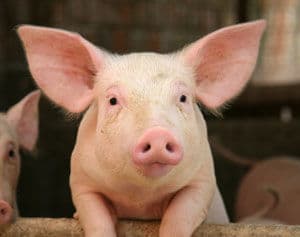


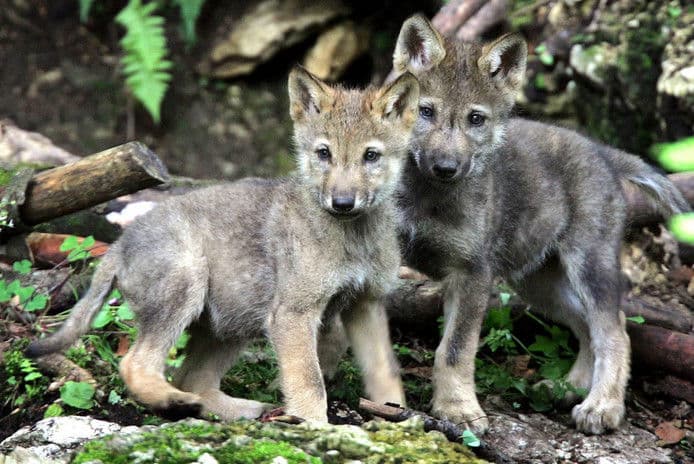

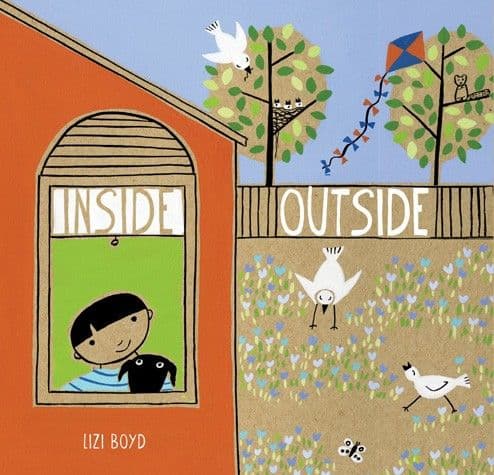
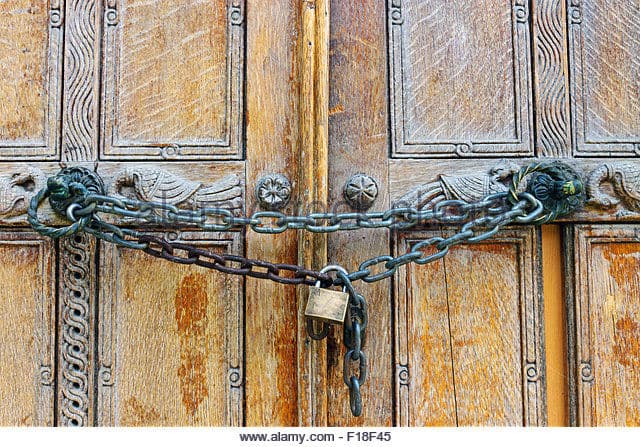

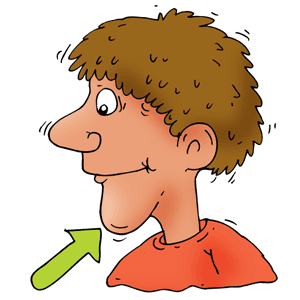
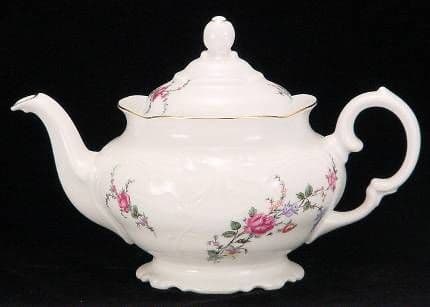












 Can you create an evaluation using this information PHONETICS VS. PHONOLOGY Whereas phonetics is the study of sounds that occur in language, phonology is the study of how these sounds are organized and how they function in language. It uses the classifications of sounds derived from phonetics to describe and analyze how sounds occur in speech. STRUCTURALIST PHONEMICS STRUCTURALIST PHONEMICS As linguists began to study sounds in fine detail, they recognized increasingly complex aspects of phonetic organization. For example, the sound /p/ appears in different varieties in English. STRUCTURALIST PHONEMICS One of the varieties of /p/ is indicated by [ph]. This sound is produced with an accompanying puff of air called aspiration, as in the words “pill,” and “peace.” Another sound, indicated by [p•], is produced when there is little or no aspiration; this sound occurs in a word like “spill.” A third major variety for the /p/ sound is the unreleased [p– ], which may occur at the end of a word like “stop.” To deal with these variations for the /p/ sound, the structuralists suggested the existence of an abstract unit which they termed a phoneme. STRUCTURALIST PHONEMICS A phoneme was defined by the structuralists as an abstract phonological unit that represents a class of real sounds, termed the allophones of a phoneme. The phoneme /p/ in English, then, is represented by the allophones [ph], [p•], and [p– ]. STRUCTURALISTS: MINIMAL PAIRS How do we know what these abstract units of sound called phonemes are? In order to find the phonemes of a language, the structuralists developed the concept of the minimal pair, defined as any two words that: a) Contain the same number of segments b) Differ in meaning c) Exhibit only one phonetic difference. STRUCTURALISTS: MINIMAL PAIRS In practical terms, phonemes distinguish meanings; and a phoneme can also be defined as the smallest meaning-distinguishing unit of sound. For instance, the words “pin” /pɪn/ and “bin” /bɪn/ mean different things, and the only one difference in these words occurs in the initial sounds. STRUCTURALISTS: MINIMAL PAIRS By using the concept of a minimal pair, we can determine that the three variations of the /p/ sound do not represent three phonemes. Certainly, it is possible to pronounce the word cap with either an aspirated [ph ] or unreleased [p– ]; however, the two forms [kæph ] and [kæp– ] are not a minimal pair, even though they involve different sounds, because they are identical in meaning. STRUCTURALISTS: FREE VARIATION The two forms [kæph ] and [kæp– ] are, therefore, said to exhibit free variation: that is, the pronunciation may vary without signifying a change in meaning. In other words, we may conclude that the unreleased [p– ] and the aspirated [ph ] are not representations of different phonemes in English; they are, in fact, allophones of one phoneme, /p/. STRUCTURALISTS: COMPLEMENTARY DISTRIBUTION When phonemes have more than one allophone in a language, the allophones are said to be in complementary distribution. Complementary distribution means that the allophones of a phoneme occur in different phonetic environments (that is, with different sounds surrounding them). TRANSFORMATIONAL- GENERATIVE PHONOLOGY TRANSFORMATIONAL-GENERATIVE PHONOLOGY Transformational-generative phonology is a relatively recent development in linguistic theory. Chomsky launched Transformational-Generative Grammar in 1957, but the earliest studies within this framework were largely concerned with syntax. A decade later, the first comprehensive transformational-generative treatment of English phonology appeared: Chomsky and Halle’s The Sound Pattern of English (1968). TRANSFORMATIONAL-GENERATIVE PHONOLOGY Transformational-generative phonologists strongly oppose the structuralists’ phonemic level. They replace this level by a series of rules that directly relate underlying representations to observed phonetic representations. The central mechanisms in transformational-generative phonology, then, are underlying representations and phonological rules. PHONOLOGICAL RULES A rule is an operational statement in which some linguistic entity is modified, resulting in a new linguistic entity. Rules may add elements, remove elements, or change elements. By using phonological rules, linguists attempt to demonstrate that there is order in linguistic phenomena and that linguistic patterns are systematic. PHONOLOGICAL DERIVATION A phonological derivation is an operation that begins with an underlying representation and, through the application of a set of specific rules, yields the actual sound the speaker produces. The representation of a phonological rule has the following general appearance. /A/ → [B] / C “A” changes to “B” under condition “C” PHONOLOGICAL RULE – EXAMPLE In most Southern dialects, the word ten is pronounced like the word tin. This is not an isolated fact, for den is pronounced like din and Ben is pronounced like bin, and so on. This very general fact can be represented by the phonological rule: /ɛ/ → [I] / ___ [n] den /dɛn/ → /dIn/ Ben /bɛn/ → /bIn/ ten /tɛn/ → /tIn/ /ɛ/ → [I] / ___ [n] - high - low - tense + front + high - tense + front + sonorant + anterior + coronal - continuant NOTATIONAL DEVICES IN PHONOLOGICAL RULES The statement of phonological rules can be complex, and linguists have developed several notational devices for writing them. Often, the following symbols will be necessary for stating the conditions under which rules apply: # indicates a word boundary + indicates an intraword boundary $ indicates a syllable boundary UNDERLYING REPRESENTATIONS AND RELATED ISSUES The transformational-generative description of phonology relates underlying representations to phonetic representations by rules. This can be represented in a simple example: In English, there are certain pairs of words like sign / signature, and malign / malignant that exhibit a regular alternation in their phonetic representations: [g] is present in the second member of the pairs but absent in the first member. UNDERLYING REPRESENTATIONS AND RELATED ISSUES To explain the relatedness of words such as sign / signature, we could claim that the underlying representation of the segment in all such pairs is /g/ and that a rule operates to delete /g/ before syllable-final nasals. Thus, the rule “/g/ is deleted before syllable-final nasal” would appear formally as: + voice - anterior →∅ ____ [+ nasal] $ - coronal UNDERLYING REPRESENTATIONS AND RELATED ISSUES On the left-hand side of the arrow, we place the features needed to uniquely specify /g/ among the consonants; that is, no other consonant has the features [+ voice], [- anterior], and [- coronal]. The symbols → mean that the sound /g/ changes to nothing or more properly “/g/ is deleted.” The horizontal line following the slash mark refers to the position of /g/ - namely, before a segment that is [+nasal]. Finally, this [+nasal] segment occurs before a syllable boundary, as indicated by $. A less formal way of writing this rule would be: /g/ → / _ [+nasal] $ Notice that this rule also helps describe such alternations as phlegm/phlegmatic and paradigm/paradigmatic. Application Activity: Think of other words in which this rule can be applied. Write the sound segments to prove /g/ is deleted. Another example is the process through which the prefix meaning “not” is added to words. This prefix alternates among the forms /Im/, /In/, and /Iŋ/, depending on the point of articulation of the initial segment of the following word. -If the segment begins in the extreme front part of the mouth (labials), the form is /Im/, as in improper. -If the segment begins in the extreme back part of the mouth (velars), the form is /Iŋ/, as in incomplete. -If the segment begins in the mid-region of the mouth (all other sounds), the form is /In/, as in indecent. *Exceptions:Words beginning with /r/ or /l/. Analyze the Word “in + complete,” for example. /n/ → [ŋ] / __ [k] - continuant - continuant - continuant + sonorant → + sonorant - sonorant + anterior - anterior - strident + coronal - coronal - coronal + tense THE VELAR SOFTENING RULE Still another example of alternation in English is found in pairs of words like “electric / electricity,” in which the segments /k/ and /s/ alternate. /k/ changes to [s] only before non- low, front vowels. THE VELAR SOFTENING RULE /k/ → [s] / __ - continuant + continuant - strident → - sonorant V - anterior + anterior - low - coronal + coronal - backAll living things are made up of one or more cells. A cell is the smallest unit that can carry on all of the processes of life. Beginning in the 17th century, curious naturalists were able to use microscopes to study objects too small to be seen with the unaided eye. Their studies led them to propose the cellular basis of life. Hooke In 1665, English scientist Robert Hooke studied nature by using an early light microscope, such as the one in Figure 4-1a. A light micro- scope is an instrument that uses optical lenses to magnify objects by bending light rays. Hooke looked at a thin slice of cork from the bark of a cork oak tree. “I could exceedingly plainly perceive it to be all perforated and porous,” Hooke wrote. He described “a great many little boxes” that reminded him of the cubicles or “cells” where monks live. When Hooke focused his microscope on the cells of tree stems, roots, and ferns, he found that each had similar little boxes. The drawings that Hooke made of the cells he saw are shown in Figure 4-1b. The “little boxes” that Hooke observed were the remains of dead plant cells, such as the cork cells shown in Figure 4-1c. SECTION 1 OBJECTIVES ● Name the scientists who first observed living and nonliving cells. ● Summarize the research that led to the development of the cell theory. ● State the three principles of the cell theory. ● Explain why the cell is considered to be the basic unit of life. VOCABULARY cell cell theory Robert Hooke used an early microscope (a) to see cells in thin slices of cork. His drawings of what he saw (b) indicate that he had clearly observed the remains of cork cells (300) (c). FIGURE 4-1 (a) (b) (c) Copyright © by Holt, Rinehart and Winston. All rights reserved. 70 CHAPTER 4 Leeuwenhoek The first person to observe living cells was a Dutch trader named Anton van Leeuwenhoek. Leeuwenhoek made microscopes that were simple and tiny, but he ground lenses so precisely that the magnification was 10 times that of Hooke’s instruments. In 1673, Leeuwenhoek, shown in Figure 4-2a, was able to observe a previ- ously unseen world of microorganisms. He observed cells with green stripes from an alga of the genus Spirogyra, as shown in Figure 4-2b, and bell-shaped cells on stalks of a protist of the genus Vorticella, as shown in Figure 4-2c. Leeuwenhoek called these organisms animalcules. We now call them protists. THE CELL THEORY Although Hooke and Leeuwenhoek were the first to report observ- ing cells, the importance of this observation was not realized until about 150 years later. At this time, biologists began to organize information about cells into a unified understanding. In 1838, the German botanist Matthias Schleiden concluded that all plants were composed of cells. The next year, the German zoologist Theodor Schwann concluded the same thing for animals. And finally, in his study of human diseases, the German physician Rudolf Virchow (1821–1902) noted that all cells come from other cells. These three observations were combined to form a basic theory about the cel- lular nature of life. The cell theory has three essential parts, which are summarized in Table 4-1. Anton van Leeuwenhoek (1632–1723) is shown here with one of his hand-held lenses (a). Leeuwenhoek observed an alga of the genus Spirogyra (b) and a protist of the genus Vorticella (c). FIGURE 4-2 TABLE 4-1 The Cell Theory All living organisms are composed of one or more cells. Cells are the basic units of structure and function in an organism. Cells come only from the reproduction of existing cells. (a) (b) (c) www.scilinks.org Topic: Cell Theory Keyword: HM60241 mb06se_csfs01.qxd 5/18/07 10:54 AM Page 70Think about the geography and location of the city or town you live in. Are there bodies of water like rivers and lakes or a coast nearby? Perhaps you live in a place with vast open fields suitable for farming or raising livestock. The natural environment is important when understanding how cities and towns developed. The earliest North American colonies depended on their natural environment. The type of soil, climate, length of seasons, and proximity to bodies of water all played a role in how each colony prospered. By the 1700’s, the American colonies grew into three distinct regions. The New England, Middle, and Southern regions each had different geographical and cultural characteristics that determined the development of their economy, society, and relationships to each other. The New England Colonies included Connecticut, Rhode Island, Massachusetts, and New Hampshire. The geography of this region featured dense forests and hills. Combined with the hard rocky land, cold climate and long winters, New England was a poor area for large farming operations. However, many colonists known as "yeoman farmers" had small family-owned farms that grew a variety of crops. Many other colonists relied on fishing and whaling off the New England coast. Others settled in small towns and became craftsmen or merchants. The forests provided excellent lumber for building boats and homes for the growing population. Many of the settlers to the New England Colonies were Puritans, hardworking, and very religious. Close families and strong communities were very important to them. The Middle Colonies included Pennsylvania, Delaware, New York, and New Jersey. The geography of this region featured a warmer climate with fertile soil, flat land, easily navigable rivers, and wide valleys making it perfect for farming and growing crops. Wealthy farmers grew cash crops and raised livestock. Mining and trading were also important aspects of the economy here. Over time, cities grew, and urban merchants sold and traded goods with people throughout the other colonies. Compared to other regions, the people of the middle colonies supported religious freedom and tolerance and had a diverse population with settlers arriving from many areas in Europe. The Southern Colonies included the first English colony of Virginia, and grew to include Maryland, North Carolina, South Carolina, and Georgia. The geography included rich, fertile soil with broad coastal plains that made it possible for large plantations to grow tobacco, rice, and indigo. Most of these plantations featured a labor force of enslaved Black people. These enslaved men, women, and children had few, if any, rights and often saw their families torn apart at the whim of the plantation owner. Enslaved children were even put to work as young as age three, weeding fields, carrying drinking water, or helping in the home. Smaller farms owned by subsistence farmers also existed across the Southern Colonies. Often, the people working these would grow crops for their families with little left over to sell or trade. Indentured servants also arrived in the South who would work for 5-7 years in exchange for their passage to North America. The Church of England (also known as the Anglican Church) was the dominant religion in the region. Most settlers to the South did not come for religious freedom like they did in the northern colonies. Therefore, they often maintained their allegiance to the established Church of England. The lucky accident Probably every Zumba fan knows this story: Alberto ‘Beto’ Pérez invented Zumba by accident. He was an aerobics instructor in his home town of Cali, Colombia. One day he forgot the music for his class. He had some cassettes of Latin dance music in his bag. He played them and improvised the exercises: a mix of dance steps and aerobic movements. His class loved it. The music was different, the moves looked attractive and the workout was fun. That’s how this ultra-energetic new fitness programme was born. Before, things were not easy for Beto. As a child, he loved dancing: he watched and imitated John Travolta, but his mother had no money for dance lessons. At the age of fourteen Beto already worked to help support his family. Still, he danced when he could. In the late 1980s, a dance called the lambada became very popular. Beto won a national lambada competition when he was nineteen. After that, a dance academy in Cali contacted him with an offer: he could study dance and teach aerobics. It was then, as an aerobics instructor, that he created Zumba. He decided to take his idea to the USA. He went to Miami, Florida with little money and almost no English. Fitness centre managers were not interested in his videos at first. Then one day a gym owner said, ‘OK, teach me.’ It was early afternoon, the gym was empty. But soon people started coming in. When they saw Beto dancing, they immediately wanted to join this new class. And so he got his first job in America. Breaking the world record for the largest Zumba class (Mandaluyong City, The Philippines). In Miami, he met Alberto Perlman and Alberto Aghion, who became his business partners. Together, the ‘three Albertos’ built up Zumba to the global business it is today. The company trains thousands of certified instructors, runs classes for all age groups, sells music, training videos and clothes. According to the official website, fifteen million people around the world take part in Zumba classes to keep fit and have fun. And it all started by accident!To the Lakota, and other indigenous people on North America's Great Plains, the bison was an essential part of their culture ( expressed in the quote on the previous page). The bison provided meat for nutrition, a hide for clothing and shelter, bones for tools, and fat for soap. The bison was also central to their religious beliefs. So, when European settlers hunted the bison nearly to extinction, Lakota culture suffered. Culture is central to a society and the identity of its people, as well as its continued existence. Therefore, geographers study culture as a way to understand similarities and differences among societies across the world, and in some cases, to help preserve these societies. Analyzing Culture All of a group's learned behaviors, actions, beliefs, and objects are a part of culture. It is a visible force seen in a group's actions, possessions, and influence on the landscape. For example, in a large city you can see people working in offices, factories, and stores, and living in high-rise apartments or suburban homes. You might observe them attending movies, concerts, or sporting events. Culture is also an invisible force guiding people through shared belief systems, customs, and traditions. Culture is learned, in that it develops through experiences, and not merely transmitted through genetics. For example, many people in the United States have developed a strong sense of competitiveness in school and business, and believe that hard work is a key to success. These types of elements, visible and invisible, are cultural traits. A series of interrelated traits make up a cultural complex, such as the process of steps and acceptable behaviors related to greeting a person in different cultures. A single cultural artifact, such as an automobile, may represent many different values, beliefs, behaviors and traditions and be representative of a cultural complex. Since culture is learned there are many ways that one generation passes its culture to the next. Children and adults learn traits three ways: • imitation, as when learning a language by repeating sounds or behaviors from a person or television • informal instruction, as when a parent reminds a child to say "please" • formal instruction, as when students learn history in school 132 HUMAN GEOGRAPHY: AP" EDITION CULTURAL COMPLEX OF THE AUTOMOBILE The automobile provides much more than just transportation, as it reflects many values that are central to American culture. Origins of Culture The area in which a unique culture or a specific trait develops is a culture hearth. Classical Greece was a culture hearth for democracy more than 2,000 years ago. New York City was a culture hearth for rap music in the 1970s. Geographers study how cultures develop in hearths and diffuse-or spread-to other places. Geographers also study taboos, behaviors heavily discouraged by a culture. For example, many cultures have taboos against eating certain foods, such as pork or insects. What is considered taboo changes over time. In the United States, marriages between Protestants and Catholics were once taboo, but they are not widely opposed now. Traditional, Folk, and Indigenous Cultures With the beginning of the Industrial Revolution in the late 18th century, modern transportation and communication connected people as never before and led to extensive cultural mixing, especially as cities have grown. The world prior to this time was very different; however, remnants of the past are still evident in our modern cultures. Traditional, folk, and indigenous cultures share some important characteristics and are often grouped together, but they do have some subtle differences. Traditional Culture Recently, the meanings of traditional, folk, and indigenous culture have begun to merge, causing geographers to debate when each should be used. Increasingly, the term traditional culture is used to encompass all three cultural designations. All three types share the function of passing down long-held beliefs, values, and practices and are generally resistant to rapid changes in their culture. Folk Culture The beliefs and practices of small, homogenous groups of people, often living in rural areas that are relatively isolated and slow to change, are known as folk cultures. Like all cultures, they demonstrate the diverse ways that people have adapted to a physical environment. For example, people around the world learned to make shelters out of available resources, whether 3.1: INTRODUCTION TO CULTURE 133 it was snow or mud bricks or wood. However, people used similar resources such as wood differently. In Scandinavia, people used trees to build cabins. In the American Midwest, people processed trees into boards, built a frame, and attached the boards to it. Many traits of folk culture continue today. Corn was first grown in Mexico around 10,000 years ago, and it is still grown there today. While many elements of folk culture exist side by side with modern culture, there are people whose societies have changed little, if at all, from long ago. These people practice traditional cultures, those which have not been affected by modern technology or influences. They often live in remote regions, such as some small tribes in the Amazon rainforest, and have scant knowledge of the outside world. As the lines continue blurring between cultural designations, the Amish of Pennsylvania are often referenced as both folk and traditional culture. Indigenous Culture When members of an ethnic group reside in their ancestral lands, and typically possess unique cultural traits, such as speaking their own exclusive language, they are considered an indigenous culture. Some indigenous peoples have been displaced from their native lands, but still practice their indigenous culture. Native Americans in the United States, such as the Navajo, have kept indigenous cultural practices. First Nations of Canada, such as the Inuit, have also retained their indigenous culture. Globalization and Popular Culture As a result of the Industrial Revolution, improvements in transportation and communication have shortened the time required for movement, trade, or other forms of interaction between two places. This development, known as space-time compression (see Topics 1.4 and 3.6), has accelerated culture change around the world. In 1817, a freight shipment from Cincinnati needed 52 days to reach New York City. By 1850, because of canals and railroads, it took half that long. And by 1852, it took only 7 days. Today, an airplane flight takes only a few hours, and digital information takes seconds or less. Similar change has occurred on the global scale. People travel freely across the world in a matter of hours, and communication has advanced to a point where people share information instantaneously across the globe. The increased global interaction has had a profound impact on cultures, from spreading English across the world to instant sharing of news, events and music. Globalization specifically refers to the increased integration of the world economy since the 1970s. The process of intensified interaction among peoples, governments, and companies of different countries around the globe has had profound impacts on culture. The culture of the United States is intertwined with globalization. Through the influence of its corporations, Hollywood movies, and government, the United States exerts widespread influence in other countries. But other countries also shape American culture. For example, in 2019, the National Basketball Association included players from 38 countries or territories. When cultural traits- such as clothing, music, movies, and types of 134 HUMAN GEOGRAPHY: AP. EDITION businesses-spread quickly over a large area and are adopted by various groups, they become part of popular culture. Elements of popular culture often begin in urban areas and diffuse quickly through globalization processes such as the media and Internet. These elements can quickly be adopted worldwide, making them part of global culture. People around the world follow European soccer, Indian Bollywood movies, and Japanese animation known as anime. With people in many nations wearing similar clothes, listening to similar music, and eating similar food, popular cultural traits often promote uniformity in beliefs, values, and the cultural landscape across many places The cultural landscape, also known as the built environment (see Topic 3.2), is the modification of the environment by a group and is a visible reflection of that group's cultural beliefs and values. Traditional Culture to Popular Culture Popular culture emphasizes trying what is new rather than preserving what is traditional. Many people, especially older generations or those who follow a folk culture, openly resist the adoption of popular cultural traits. They do this by preserving traditional languages, religions, values, and foods. While older generations often resist the adoption of popular culture, they seldom are successful in keeping their traditional cultures from changing, especially among the young people of their society. One clash between popular and traditional culture is occurring in Brazil. As the population expands to the interior of the rain forest, many indigenous cultures, like the Yanamamo tribe, have more contact with outside groups. Remaining isolated by the forest is becoming increasingly difficult as many young people from the indigenous cultures become exposed to popular culture and begin to integrate into the larger Brazilian society. As the young people leave their communities, they are more likely to accept popular culture at the expense of their indigenous cultural heritage, which threatens the very existence of their folk culture. Traditional culture typically exhibits horizontal diversity, meaning each traditional culture has its own customs and language that makes it distinct from other culture groups. Yet, people people within each group are usually homogeneous, or very similar to each other. By contrast, popular culture typically exhibits vertical diversity, meaning that modern urban societies are usually heterogeneous, or exhibiting differences, within the society and usually contain numerous multiethnic neighborhoods. However, on a global scale popular cultures are relatively similar with the same type of malls, shops, fast food, and clothing. Urban global culture centers are not identical, yet, global cities often do not have as much horizontal diversity across space as folk cultures. 3.1: INTRODUCTION TO CULTURE 135 COMPARING TRADITIONAL AND POPULAR CULTURE Trait Traditional Culture Popular or Global Culture Society • Rural and isolated location • Urban and connected location • Homogeneous and • Diverse and multiethnic indigenous population population • Most people speak an • Many people speak a global indigenous or ethnic local language such as English or language Arabic • Horizontal diversity • Vertical diversity Social • Emphasis on community and • Emphasis on individualism and Structure conformity making choices • Families live close to each • Dispersed families other • Weakly defined gender roles • Well-defined gender roles Diffusion • Relatively slow and limited • Relatively rapid and extensive • Primarily through relocation • Often hierarchical • Oral traditions and stories • Social media and mass media Buildings and • Materials produced locally, • Materials produced in distant Housing such as stone or grass factories, such as steel or glass • Built by community or owner • Built by a business • Similar style for community • Variety of architectural styles • Different between cultures • Similar between cities • Traditional architecture • Postmodern / contemporary architecture Food • Locally produced • Often imported • Choices limited by tradition • Wide range of choice • Prepared by the family or • Purchased in restaurants community Spatial Focus • Local and regional • National and global Artifacts, Mentifacts, and Sociofacts Whether a cultural attribute is considered traditional, folk, indigenous, or popular in nature, it is valuable to differentiate between elements of culture that can be seen and those that can not. There are artifacts that comprise the material culture, which consists of tangible things, or those that can be experienced by the senses. Art, clothing, food, music, sports, and housing types are all tangible elements of culture. Another element of the study of artifacts is understanding the techniques to use or build a specific artifact. Artifacts can be unique to a particular culture, or can be shared. For example, people of all cultures need to communicate through language, yet there are many groups that possess languages unique to their culture. The ability to read, write and understand the English language is an artifact of importance for much of popular global culture. 136 HUMAN GEOGRAPHY: AP" EDITION Mentifacts comprise a group's nonmaterial culture and consist ofintangible concepts, or those not having a physical presence. Beliefs, values, practices, and aesthetics (pleasing in appearance) determine what a cultural group views as acceptable and desirable. Mentifacts can also be unique or shared. People of many cultures possess an belief in one or many deities, and often the deities are unique to that culture. The belief in a god is a mentifact-the religious building or symbols are artifacts. Cultural groups also possess sociofacts, which are the ways people organize their society and relate to one another. Taken altogether, people tend to see the whole of their culture as greater than the sum of its individual parts. Sociofacts are embodied through families, governments, sports teams, religious organizations, education systems, and other social constructs. As with artifacts and mentifacts, sociofacts may also be unique or similar to other societies. Families are the foundations of most societies, yet what constitutes the structure of a family may vary widely between cultural groups. For example, Western cultures tend to view the nuclear family, consisting of the parents and their children as the basic family unit. By contrast, in many Western African cultures the norm is the extended family, consisting of several generations and other family members such as cousins living under one roof.Yaama I'm Jack Evans and you're watching BTN. Here's what's coming up. We uncover the story behind this famous photo, learn about First Nations seasons and find out the history of Book Week. What is Statehood? Reporter: Tatenda Chibika INTRO: But first, the Prime Minister Anthony Albanese has announced that Australia will join other countries in recognising Palestine as an independent state. So, what does that mean? Tatenda found out. Anthony Albanese, Prime Minister: Australia will recognise the state of Palestine. Australia will recognise the right of the Palestinian people to a state of their own. We will work with the international community to make this right a reality. Tatenda Chibika, Reporter: That's the moment our Prime Minister said Australia would recognise Palestine as an independent state at the upcoming United Nations General assembly next month. It's something other countries, including France and Canada, have said they'll be doing too. So, what does that mean exactly? To be considered an independent state under international law a place needs to have its own land or territories with defined borders, it needs to have people who permanently live there, have a working government and it has to be able to talk and make deals with other countries. Once a place meets all those rules, it can ask to be recognised by other independent states and countries. But a big step in becoming an independent state is being fully recognised by the United Nations. To do that you first need to get approval from at least nine members of the UN's Security Council. That's a group of countries responsible for maintaining international peace and security. But even then, that tick of approval can still be blocked by one of the Security Council's five permanent members Russia, China, the UK, the US and France. If the Security Council approves, the decision then goes to the UN's General Assembly where at least two thirds of the UN's 193 members have to agree to make it official. Yeah, it's a pretty complex process which is why we've only seen a handful of countries recognised by the UN in recent years like South Sudan and Montenegro. Others like Kosovo are only 'partially' recognised which means they have some recognition but not enough to become a full member state at the UN. Right now, Palestine is recognised by more than 140 countries — that's more than two thirds of the UN General Assembly. So, why hasn't it become a UN member state yet? Well, it came pretty close last year when 12 members of the Security Council voted in favour of it. VANESSA FRAZIER, AMBASSADOR OF MALTA, APRIL 2024 UNSC PRESIDENT: I shall now put the draft resolution to the vote. But the US, a close ally to Israel, used its special powers to block Palestine from becoming a member state. VANESSA FRAZIER: Those against? At the time, the U.S said Palestine and Israel needed to come to an agreement on their own first. Throughout the years, there have been attempts to figure out a way for both Palestine and Israel to exist peacefully alongside each other but that hasn't happened yet. And now Israel has said that recognising Palestine as an independent state would be rewarding Hamas the group in charge of Gaza which was responsible for the terror attacks on October 7th, 2023. But the Palestinian Authority which governs parts of the West Bank says Hamas won't have a role in any future state of Palestine which will exist peacefully alongside Israel. Australia, like the US, had previously said that it wanted Israel and Palestine to figure out things by themselves first but because of how the war has been going the Australian government is worried that if it continues to wait, there might not be a Palestinian state to recognise. ANTHONY ALBANESE, PRIME MINISTER: There has been too many lives lost, both Israeli's and Palestinians and the world is saying we need a solution to this conflict, we need to end the cycle of violence and the way to do that is to have a two-state solution. News Quiz Russia's President Vladimir Putin stepped foot on American Soil for the first time in a decade to meet with US President Donald Trump. What state did they meet in? Alabama, Alaska or Arizona?It's Alaska. The two leaders met to discuss a way to end the war in Ukraine but weren't able to make any final agreements. DONALD TRUMP, US PRESIDENT: There were many, many points that we agreed on. Most of them, I would say, a couple of big ones, that we haven't quite got there, but we've made some headway. There's no deal until there's a deal. A lot of people criticised the two world leaders for not including Ukraine's president Volodymyr Zelenskyy in the meeting. But that didn't seem to worry Mr Trump who said the meeting was a success and Mr Putin even invited the US President to meet up again in Russia. DONALD TRUMP: We'll see you again very soon. Thank you very much, Vladimir. VLADIMIR PUTIN, RUSSIAN PRESIDENT: Next time in Moscow. DONALD TRUMP: Oh, that's an interesting one. No, no, no. I'll get a little heat on that one. Last week thousands of people marked the 80th anniversary of VJ Day. What does VJ Day commemorate? The victory of Allied forces in Europe, the surrender of Japan and the end of World War II or the dropping of the first atomic bomb? VJ Day or Victory over Japan day commemorates the surrender of Japan and the end of World War II on the 15th of August 1945. Around the world, and here in Australia, people marked the anniversary with ceremonies remembering those who fought in the war. REPORTER: Who will you be remembering today? VETERAN: Oh, a lot of fellows that I knew that never made it home. Scientists in the UK have created toothpaste that includes which of these ingredients? Hair, eye lashes or fingernails? Yeah, they're all a bit random and gross but the answer is hair. According to scientists from King's College in London, hair could be the key to good oral health because it contains a protein called Keratin which they say when mixed with saliva forms a crystal-like protective coating similar to enamel. And Swifties rejoice because Taylor Swift has announced her 12th Studio album. It's called life of a show what? Is it show pony, show girl or show bag? It's Life of a Showgirl and it'll be released October 3rd. Vincent Lingiari Reporter: Joseph Baronio INTRO: Now to this very famous photograph. It was taken 50 years ago and depicts a really significant moment in Australian history. Joe found out about the story behind it. On the 16th of August 1975, this famous photo was taken. It shows the former Prime Minister Gough Whitlam pouring sand into the hand of Aboriginal leader Vincent Lingiari. A simple gesture that symbolised handing the land at Wave Hill in the Northern Territory back to the Gurindji people. But the journey to get there was far from simple. It started back in the 1960s. At the time, Wave Hill was the biggest cattle station in the world, controlled by British landowner Lord Vestey. The Gurindji people, who had lived on the land for generations, worked for Vestey, but they weren't paid fairly, and conditions were tough. NEWS REPORTER: The station's 100 aboriginal stockmen, with their 100 dependents, are camped in the dry bed of the Victoria River with little shade from 90-degree heat, dust and flies. Eventually, Gurindji leader Vincent Lingiari said it was time to act. VINCENT LINGIARI: I said, "What was it before Lord Vestey born and I was born?" It was blackfella country. So, on August 23rd, 1966, Mr Lingiari and his fellow Aboriginal workers went on strike. It became known as the Wave Hill Walk Off. They moved their camp away from the Wave Hill station to a sacred site called Daguragu on Wattie Creek. They wanted to set up their own cattle station, and said they wouldn't move until their land was returned to them. For years, petitions and negotiations went on between the Gurindji people, the NT Administration, and the Australian Government in Canberra. CLAPPERS: 31. 32. 33. DAVID QUINN, ABSCOL: Well, it's basic justice that their land is recognised. PROTESTORS: Equal rights! As the news spread across the country, thousands of Aussies joined the campaign, including the leader of the Labor Party, Gough Whitlam, who made this promise during his 1972 election campaign. GOUGH WHITLAM: We will legislate to give Aborigines land rights. Not just because their case is beyond argument, but because all of us as Australians are diminished, while the Aborigines are denied their rightful place in this nation. Later that year, Gough Whitlam became Prime Minister. (Song From Little Things Big Things Grow, Song by Kev Carmody and Paul Kelly, 1993) From little things big things grow,from little things big things grow… But it wasn't until 1975, 9 years after the Wave Hill Walk Off started, that he followed through with his promise. Eight years went by, eight long years of waiting'Til one day a tall stranger appeared in the landAnd he came with lawyers and he came with great ceremony GOUGH WHITLAM: I solemnly hand to you these deeds as proof in Australian law that these lands belong to the Gurindji people. And through Vincent's fingers poured a handful of sandFrom little things big things grow 50 years on, and The Wave Hill Walk Off is seen as a pivotal moment in Australia's history. It led to significant legal and social changes for First Nations people, which is something many agree is worth celebrating. First Nations Seasons Reporter: Saskia Mortarotti INTRO: Recently, Melbourne's Lord Mayor suggested ditching the four-season calendar that most of us are familiar with and adopting a six-season Wurundjeri calendar instead saying it gives a better description of what the weather's actually like there. Sas found out more about the different seasonal calendars used by First Nations people. SASKIA MORTAROTTI, REPORTER: Right now, in most of the country, it's pretty cold. COLD GIRL: Think of somewhere warm. What? It's 32 degrees in Darwin in the middle of winter? But ah, yeah. There are some places where it's, well, quite warm. Which makes you wonder whether the weather actually matches the seasons. You see, Australia is pretty big, and we have lots of different weather patterns. Which is something First Nations people have tracked for thousands of years with their own seasonal calendars. KARL WINDA TELFER, CULTURAL CREATIVE KANYANYAPILLA: Why have we got four seasons when you know that don't make any sense here. It doesn't relate to the country here. This is Karl Telfer. He's an artist and storyteller who produced the Kuri Kurru exhibition at the Museum of Discovery in Adelaide that explores the 6 different seasons of the Kaurna Meyunna. SASKIA MORTAROTTI: So, how do you know when you're in one of those six seasons? KARL WINDA TELFER: Well, there are stars that rise. So, you know, there are certain stars, like in Parnatti, for example. There's a star called Parna, and we know what that star is. So, that talks to us about, okay, the time now is going to be cold on the ground. First Nations calendars like the Kaurna one don't just tell us what's happening with the weather; they're also used to track when certain plants and animals are around. KARL WINDA TELFER: It teaches you about what plants you can, you know, what you can eat what you can't and all that what is ready certain times a year and fruit everything, bird shows you the right time to eat the fruit, perfect time, if you try and go get them the next week they're gone. Karl says we can also use these calendars to see how the environment has changed over time. KARL WINDA TELFER: Kudlilla is the season we're in now and Kudlilla that talks about like the rain but we're not having enough rain these days, well, these times. And this is due to climate and the climate changing. There are many different First Nations seasonal calendars around the country. Like Ngan'gi calendar from the Northern Territory which has 13 seasons that follow the life cycle of the native spear grass. Or the Wurundjeri Calendar in Victoria which has 6 seasons. And recently, Melbourne's Lord Mayor, Nicholas Reece, said Melbourne, or Naarm, would be better off adopting the Wurundjeri calendar because it's more in tune to what's happening with the weather. Something many, including Karl, think we should be doing right across the country. KARL WINDA TELFER: I'm talking about the English four seasons. So, this is totally different systems that we're talking about and weather patterns and currents and all sorts of different things, because it's the sea country too. So, my question is, well, why do we have that? If that doesn't work, you know? Quiz How many seasons are there in the Tiwi Island Calendar? 1, 2 or 3? It's 3, although they also have 13 minor seasons. Book Week Reporter: Wren Gillett INTRO: This week, kids across Australia have been dressing up as their favourite characters to celebrate Book Week. Wren finds out why Book Week began 80 years ago and why it's still important today for getting young Aussies into reading. STUDENT: I read an hour every night, maybe even two hours some nights. STUDENT: My favourite book series are the Harry Potter series and the Keeper of the Lost City series. STUDENT: Probably Bad Guys and Weirdo. STUDENT: I like the Amulet, I've been reading that. STUDENT: I love reading Dork Diaries and Exploding Endings. Whether it's Fantasy, mystery, history — whatever you're into. Book week is a time to celebrate, well, books. STUDENT: Me and my friends are dressing up as Inside Out. STUDENT: I was thinking SpongeBob. STUDENT: I'm dressing up as Winnie the Pooh and it's just a fun way to express what kind of books you like. And guess what, book week has actually been a thing for many, many years. WREN GILLETT, REPORTER: Once upon a time, in a land not so far away, literacy lovers noticed a problem. The year was 1945. The second World War had just ended, and kids were mainly reading books from overseas, in particular the UK. Because, at the time, there weren't many Aussie authors writing books for children. WREN GILLETT: So, a group of passionate teachers, librarians, booksellers, publishers, and book-loving volunteers, decided to create what we now know as The Children's Book Council of Australia. Familiar logo, right? Together, they launched book week, all in an effort to get Aussie kids' reading more. And it seemed to work. The 1960s saw a boom in Australian children's books being published. REPORTER: How many books do you read a week? STUDENT: Well, it really depends on the week. If there's exams, I might read only one or two. But if there's no exams and if I've got plenty of time, I might read up to five or six. WREN GILLETT: But today, it's a slightly different story. Studies show that less than one in five eight to 18-year-olds are reading in their free time, and that only one in three actually enjoy reading for fun. WREN GILLETT: Why do you reckon we're seeing this trend? STUDENT: People are getting sucked into screens and they're like spending hours just scrolling through TikTok and stuff, and they're getting so attached to it that they don't feel the need to pick up books and read them. Yeah, there's a lot of different things competing for our attention these days, but many think books are still worth our time. PETER HELLIER, AUSSIE COMEDIAN AND AUTHOR: Books are the exact opposite of boring. And if you think they're boring, I'm sorry, but you're wrong. This is Peter Hellier, he's a pretty famous Aussie comedian, actor, and the author behind these books. And he's just released another one called Detective Galileo, about a trail horse who dreams of solving crimes. PETER HELLIER: He joins the police force and quickly finds out that the horses don't actually solve the crimes, it's the police officers who solve the crime. So he promptly gets thrown out of the force and begins his own detective agency, which I'm reliably told is the only detective agency in the world run by a horse. Peter actually started writing books when he was a kid. PETER HELLIER: I started writing when I was six, seven, eight years old. In fact, I started my own publishing company called Better Books. And I would write these books, and then I would get a parent or one of my parents or teachers to type them up. And I would read them in front of the class. And, you see, each has the logo, the Better Books logo, there it is — the famous Better Books logo. WREN GILLETT: You weren't mucking around. PETER HELLIER: There all on all of them. There we go. There we go. Many, Including Peter, say there's plenty to get from a good book. They help us learn new words and phrases, get a better understanding of the world around us, and strengthen our imaginations. PETER HELLIER: Books can take you absolutely anywhere. They can take you to countries that you never dreamed about going. Countries that exist, countries that don't exist. Reading just makes the world a much bigger place. It's why for the past 80 years, schools around the country have been taking part in book week. STUDENT: Reading is a place where you can have your own world just to yourself. STUDENT: It's like watching a movie inside your head, but you can choose how it goes. STUDENT: Picking up a book is a good idea, maybe you should start with something that you're interested with and then you can start exploring from there. Quiz What is the title of the book that took out this year's Book of the year Award for younger readers? It's Laughter is the Best Endingby Maryam Master. Some other winners included I'm not really here by Gary Loneborough which took out book of the year for older readers and best picture book went to The Truck Cat, by Deborah Frenkel. Sport Australia's men's national basketball team — the Boomers — have won their third Asia Cup in a row, with an epically narrow victory over China. COMMENTATOR: It is Australia who are celebrating! China started strong, leading 25-17 at quarter time. But Aussie Xavier Cooks led a fierce comeback, shooting 30 points and collecting nine rebounds, earning him the title of MVP. And there seriously couldn't have been a tighter finish. Just as the final buzzer went off, China missed a shot that would have won them the game, leaving Australia with a 90-89 victory. COMMENTATOR: An unbelievable finish. The 2025 AFLW season kicked off last week, and so did a new trick. Yeah, 19-year-old Ash Centra from Collingwood, pulled out this move in the warm-up before their season-opener to Carlton, and since then, a lot of people have been trying to do it, with some success, kind of? FOOTY PLAYER: No, I'm not doing it on camera. But despite the epic warmup, Carlton did end up beating Collingwood by 24 points. Now, the moves from these athletes in China weren't quite so graceful but give 'em a break, okay, they're robots. For the first time ever, humanoid robots from all over the world, competed in their very own games, which featured, soccer, boxing, running, and ahh, lots of falling over. Lots. Luckily though, they did bring their own cheer squad. Young Rapper Reporter: Rylie INTRO: Finally, we're going to meet another winner of this year's Heywire competition — which asks young people in regional areas to share their stories. Rylie's going to tell us how music helped to transform his life. Check it out. Mum and I were homeless. We lived at a caravan park, in motels and tents around Warrnambool. It wasn't pretty. I'm First Nations, and I remember feeling like, my own country is failing me right now. So, we camped right along here. I remember pitching a tent right here and this was actually around the same time I started to get into music which was a good way for me to have something to look forward to. I was raised by the SoundCloud era, listening to a lot of trap music. When I was in school, I'd rap along to songs by Juice World, then I started to make my own. My first track was recorded on my phone. It was bad but a lot of fun to make. Some kids in my school heard it and shamed me. That put me off music for the next couple of years, until a friend of mine bought a microphone and encouraged me to give it another go. There was something about that mic and the energy of the crew around me that gave me confidence. It lit a fire in me. Over time, I was able to focus my flow. My songs are about escapism, living the life, being a success. I rap about stuff that takes me to a better place in my head. I'm manifesting my future. My stage name is Hundo Milli, it's short for hundreds of millions. Money's not really the end goal; it's more about having the freedom to dream big. Mum taught me to never stop believing. Even when times were tough, she kept pushing for us to get housing and eventually we did. We're some of the lucky ones. Today, I'm in a Melbourne studio recording my next single. I remember living in my tent dreaming about this very moment and now I'm here, doing what I love. Ain't nothing going to stop me. Closer Well, that's all we've got for you today, but we'll be back before you know it. In the meantime, you can head to our website, there's plenty to see and do. You can also catch Newsbreak every weeknight and there's BTN High for all you highschoolers out there. Have an awesome week and I'll see you next time. Bye.The Revolt of the Northern Earls (1569) Most people in the North remained loyal to the Catholic noble families who controlled the north and their Catholic faith. When Elizabeth came to power, she promoted ‘new men’ (Protestants) from the gentry and the powerful Catholic nobles lost their power and influence. This led them to organise the most serious rebellion of Elizabeth’s reign in 1569. Why did the Northern Earl’s revolt? The Earls had lost their power when Elizabeth became Queen (and wanted it back). They wanted Catholicism restored in England (and felt that ordinary Catholics would support it). Elizabeth was refusing to marry or to name an heir, causing uncertainty about England’s future. Mary Queen of Scots (if freed from prison) could replace Elizabeth and solve all these problems Who were the key players in the Revolt? Earl of Northumberland • A Catholic who had held an important position under Mary I. • He lost a lot of influence under Elizabeth (as she favoured Protestant gentry) • Elizabeth also took the rights to a valuable copper mine found on his lands Earl of Westmorland • From a rich Catholic family in the north Also the Duke of Norfolk’s brother in law Duke of Norfolk • England’s most senior Protestant noble, but he had very close links to old northern Catholic families, & was sympathetic to them & greedy for power. • He hated William Cecil & Robert Dudley, Earl of Leicester (Elizabeth’s favourite) who were Protestant and from the gentry • He planned to marry Mary QS, but later backed down and urged the earls to call off the rebellion. Mary also supported the plan to marry him What role did religion play? (7/10 – but only because it was linked to power) • Most northerners held onto their Catholic beliefs & although Elizabeth didn’t persecute them, they knew that she wanted their religion to gradually die out, so they supported the revolt. • In 1561 Elizabeth hired a strict Protestant as archbishop of Durham to promote Protestantism in the north, but he was unpopular & turned many northerners against the Protestant religion. What role did politics/power play? (9/10 – this was the most important cause of the revolt) • The Northern Earls lost a lot of their power/influence (even jobs/money under Elizabeth) • Northumberland was jealous of new Protestant families being given top jobs in the North • William Cecil & Robert Dudley were not from ancient noble families, but were very close to the Queen, so the northern Earls resented them getting top jobs in her Government • Elizabeth also confiscated large areas of land & the profits from their copper mines • It is possible, that had Elizabeth allowed the Catholic Northern Earls to keep their jobs, money and influence at court, they may have ‘tolerated’ her as a Protestant Queen (greedy/selfish). What role did Mary Queen of Scots and the Succession play? • Elizabeth was refusing to name an heir and it was becoming clear that she would not marry • If Mary Queen of Scots married the Duke of Norfolk, England would have an heir and England would be Catholic again. The country would be stable without people competing for power. • However, some of Elizabeth’s courtiers got worried that it might not work and that it might lead to charges of treason (punishable by death) • So by September 1569, Robert Dudley (Earl of Leicester) decided to tell Elizabeth about the plot. By this time it was much more serious than simply marrying Norfolk to Mary. • Mary QS had secretly asked Spain to send troops to help the rebellion & overthrow Elizabeth Plan for the Revolt of the Northern Earls (1569) • The Earls of Northumberland & Westmorland will raise rebel troops from their lands in the north and take control of Durham. • The rebels will then march south towards London to join with the Duke of Norfolk • 1000s of Spanish troops will land in England to support the rebel forces • The Duke of Norfolk & rebel forces will seize control of Government & overthrow Elizabeth • Mary Queen of Scots is to be freed, ready to marry the Duke of Norfolk Key Events of the Revolt • Once Elizabeth knew of the plot, Norfolk was arrested and sent to the Tower of London • The Northern Earls were worried they would be executed for their involvement and in a desperate attempt to avoid punishment, pushed ahead with the revolt • They raised an army of ordinary Catholics and took control of Durham cathedral • Catholic mass was celebrated across the north for 2 weeks. • They then headed south, to try and free Mary • Mary QSs was moved south to Coventry on the orders of Elizabeth, so she couldn’t escape • The rebellion failed as Spanish troops never arrived • Elizabeth’s friend (Earl of Sussex) had raised an army of 7,000 men to defend her throne. Results: • The rebellion was a serious threat to Elizabeth • She executed 450 rebels in the north • Northumberland was executed in 1572 & his head was put on a spike on the city gate • The Privy Council called for the Duke of Norfolk’s execution too, but Elizabeth released him. • Mary Queen of Scots was kept in prison for the next 14 years. • The failed plot also led the Pope to take action against Elizabeth • In 1570 he excommunicated Elizabeth from the Catholic Church • He also issued a Papal Bull (order) calling on all loyal Catholics to overthrow her hoping it would encourage another rebellion. • In 1571 Elizabeth called parliament to pass an Act making it treason to claim that she was not the rightful Queen and to bring in/print papal bulls in England. The Significance of the Revolt of the Northern Earls • It was the first and most serious rebellion by English Catholics against Elizabeth • Treason laws were made much harsher • It ended the influence of the powerful Catholic Earls in the North • It led to harsher treatment of Catholics, e.g. 1572 Elizabeth sent the Earl of Huntingdon (strict Protestant) to the north to carry out laws against Catholics (and suppress Catholicism). • Although Elizabeth’s brutal revenge on the rebels show how serious a threat it was, most Catholics in the north stayed loyal, but the Pope’s Papal Bull now put their loyalty in doubt There was little support for the revolt among the rest of the Catholic nobility and ordinary people. When faced with a choice between Elizabeth and their religion, most Catholics chose to support the Queen. 1569, was the last time English Catholics tried to remove Elizabeth by force. The future plots against her were always uncovered by Cecil & Walsingham, before they had a chance to get any public support. Despite this, the Northern Revolt & Papal Bull changed Elizabeth’s attitude towards Catholics who were now seen as potential traitors. From 1570, Elizabeth became less tolerant of recusants (people refusing to attend her church) & took increasingly tough measures against Catholics. The Ridolfi, Throckmorton & Babington plots • In the 1870s-80s, there were 3 Catholic plots to assassinate Elizabeth & replace her with Mary. • The plots were supported by France, Spain, the Pope and some Catholic nobles. • They reinforced the form Mary & from Catholics at home and abroad. Also the threat from Spain. The Ridolfi Plot (1571) • Ridolfi was an Italian banker living in England and a spy for the Pope. • He organised a plot to murder Eliz, marry Mary QS to the Duke of Norfolk & make her Queen. • The Pope & King Philip supported the plot & Philip told the Duke of Alba in the Netherlands to prepare 10,000 troops (but to only invade AFTER the English had overthrown Elizabeth). • The plot failed because Sir William Cecil intercepted coded letters & Norfolk was executed. • Mary was kept under closer watch. • Ridolfi was abroad when the plot was discovered and never returned to England. 1574: Catholic Priests and Priest Holes • From 1574 Catholic priests were smuggled into England to keep the religion alive. • They stayed with rich Catholic families, so Catholic families were kept under surveillance. • Catholic homes were raided – to find ‘priest holes’ where Catholic priests were hiding. • Catholic priests who were found could be hung, drawn and quartered (although not all were) • In 1581, Parliament also passed 2 new tougher laws against Catholics: • Recusants would be fined £20 (which would bankrupt most families) • Trying to convert people to Catholicism was now treason (punishable by death) The Throckmorton Plot (1583) • It aimed to assassinate Elizabeth and replace her with Mary. The French Duke of Guise (Mary’s cousin) would invade England with an army, funded by King Philip (Pope also supported it). • An Englishman, Throckmorton carried messages between Mary & Catholic plotters abroad. • Sir Walsingham (Secretary of State) uncovered the plot after his agents found the plans for the plot in Throckmorton’s house. Throckmorton confessed under torture and was executed. Significance: • The plots showed that Mary’s presence in England posed a serious threat • It also showed that France & Spain were a serious threat (& could invade) • Throckmorton’s papers showed a list of Catholic supporters in England, so the threat from English Catholics was also real • 1,000s of Catholics were imprisoned or kept under surveillance/house arrest • In 1585 another Act was passed to make helping Catholic priests punishable by death. • The Bond of Association was signed by the English nobles & gentry & forced them to promise to execute anyone who tried to overthrow the Queen. Weaknesses of the Plots The plots lacked public support & were uncovered by informers & spies before they had the chance to work King Philip was reluctant to destroy his alliance with Elizabeth (France was still a bigger rival) so is support for the plots was half-hearted, he rarely followed through on his promises to help the plotters or send an army The Babington Plot (1586) In 1586, Walsingham used his spy network to PROVE that Mary supported the Babington plot. His evidence persuaded Elizabeth to put Mary on trial & execute her for treason. • This was a plot to murder Elizabeth and put Mary on the throne • France would invade England with 60,000 men and Spain would also send an army • Babington was passing coded letters between Mary & her supporters in England & Europe. • But all of her letters were being intercepted and read by Walsingham. • Walsingham used his spies to follow every stage of the plot & had the letters decoded • One of Mary’s letters approved plans to murder the Queen and free Mary from prison • They also contained the names of 6 Catholics who planned to kill Elizabeth • They were arrested, hung, drawn and quartered for treason. • Mary had been implicated in plots before, but Elizabeth was always reluctant to execute her • But the proof found by Walsingham finally persuaded her to put Mary on trial • In October 1586, Mary was found guilty & was sentenced to death • But Elizabeth still hesitated, and did not sign the death warrant until February 1587. Significance 1) This plot was very significant because by 1585 England was effectively at war with Spain since Elizabeth had sent her army to help the Dutch Protestants fight the Spanish 2) This meant that Elizabeth’ situation was more dangerous than during previous plots. 3) Elizabeth’s government also became more determined to crush Catholicism 4) 1000s of recusants were arrested & 31 priests were executed 5) Mary’s execution removed the Catholic threat at home 6) English Catholics had no one to rally around, & lost hope of overthrowing Elizabeth 7) But Mary’s death increased the threat of a foreign invasion as England was at war with Spain and King Philip had been preparing an attack on England since 1585 8) Mary’s death made Philip even more determined to invade, Mary had left her claim to the English throne to King Philip upon her death Why was Mary Queen of Scots finally executed? 1 • A new Act in 1585 stated that in the event of Elizabeth’s assassination, Mary could be executed as long as she had been proved guilty & Walsingham had provided hard proof. 2 • Another reason was that by 1587, it was clear that Philip was planning to invade England • There were rumours that Spanish ships had landed in Wales & that Mary had escaped. This convinced Elizabeth that Mary had to be executed if she wanted to keep her throne. Walsingham’s Spy Network: • Walsingham (Secretary of State from 1573) had a network of spies all over England & abroad. He had spies in every English town, some were normal people paid to spy on neighbours. • He also had agents and spies in Spain, France, Germany and Italy • He hired mathematicians to crack written codes and people to open/seal letters secretly • He also pressured captured Catholic priests to spy on others for him in return for a pardon. • He used double agents to infiltrate Catholic networks - to help him discover traitors • But he only used torture against Catholic priests caught in England in the most serious cases • But 130 priests and 60 of their supporters were still executed during Elizabeth’s reign. Why did Relations with Spain get worse (1569-1588) • England had tried to stay on good terms with Spain, because Eliz wanted to avoid an expensive war that could lead to her being overthrown (English Catholics could support it) • But by the 1570s, Elizabeth wanted to have an empire of her own. • She also needed to make more money to defend her country and throne (by improving trade) • This religious, political and economic rivalry led to growing tensions between England & Spain Political and Religious Rivalry 1) Land abroad, gave countries wealth/power. By the 1580s, Eliz wanted an empire to rival Spain’s (especially as Spain had supported the Catholic plots against Eliz – even if it was half-hearted) 2) Religion was another cause of conflict. Philip opposed Elizabeth’s religious settlement 1559 3) Luckily for Elizabeth, in the 1550s Spain & France were competing to be the greatest European power and both wanted England as an ally against the other. 4) But from 1567, Spanish ships were sailing to the Netherlands with money for the Alba’s army 5) This alarmed English Protestants and Elizabeth’s Privy Council who put more and more pressure on her to send an army to help the Dutch Protestant rebels (in the Netherlands). Economic (commercial) Rivalry: The New World, privateers and Sir Francis Drake • Under Elizabeth, English merchants wanted to make big profits in the New World (Americas). • However, trading in the New World was difficult because of Spain’s power 1) Spain controlled most of the New World where there were huge profits to be made and anyone who wanted to trade there needed a licence from Spain (which it would not give): 2) But the Americas had valuable crops like tobacco, sugar, and also silver and gold 3) Elizabeth secretly encouraged privateers to trade illegally & raid Spanish ports & ships 4) At first Elizabeth denied responsibility for their actions, which delaye war with Spain Sir Francis Drake: Elizabeth sends Drake to rob Spanish colonies and ships (which infuriates Spain) 1) Spain’s support for the Ridolfi plot (1571) made her more willing to support Drake • In 1572 Eliz hired Drake to sail to the New World & steal £40,000 of Spanish silver • In 1577 she sent Drake back again with a secret mission to rob Spain’s colonies/ships • Drake brought back £400,000 of Spanish treasure & claimed an area of California in Elizabeth’s name (New Albion). He gave a lot of this money to Elizabeth • He boosted England’s finances at a time of growing concern over Spain’s threat • He became famous as the first Englishman to circumnavigate the globe. • Eliz knighted Drake as a reward, which infuriated Philip (as he saw Drake as a pirate) • Drake’s actions & his claim to California made it clear that England did not accept Spain’s domination of the New World. Elizabeth’s Support for the Dutch Rebels led to War with Spain (1585-88) • By the 1580s, tension between England & Spain had reached boiling point • At first, Eliz refused to send her army to help the Dutch rebels, because she wanted to avoid a war with Spain. So she tried to get the Spanish to leave the Netherlands in other INDIRECT ways: 1) By allowing Drake (& other English privateers) to attack and rob Spanish ships and colonies 2) By encouraging others (the French heir/mercenaries) to fight the Spanish in the Netherlands • In the 1570s, Elizabeth promised to marry the heir to the French throne (the Duke of Alencon) so that he would take an army to fight the Spanish in the Netherlands The Spanish Fury (1576) and the Pacification of Ghent (1576) • By 1576, the Spanish Govt in the Netherlands was bankrupt (the war was expensive) • After months without pay, Spain’s soldiers violently robbed Dutch towns in the “Spanish Fury” Spanish troops rebelling and robbing cities in the Netherlands in 1576. This united the Dutch Protestants & Catholics against Spain. They drew up the ‘Pacification of Ghent’ (demanding that): • Spanish troops leave the Netherlands • Spain allows the Dutch to rule themselves • The persecution of Dutch Protestants stops What did Elizabeth do? • Elizabeth sent £100,000 to help the Dutch rebels • In 1577 King Philip’s brother, Don Juan agreed to the rebels demands (but this was a trick) as just 6 months later Philip sent an even bigger army to attack the Dutch. • Elizabeth then hired a mercenary army of 6000 English & Scottish volunteers to help the Dutch. • But her plan backfired because the mercenaries destroyed Dutch Catholic churches, which caused the Catholics to make peace with Spain. • In 1578, her Privy Council urged Eliz to send her official army to help the Dutch, but she refused. The Dutch were disappointed & turned to France for help. The French Duke of Alencon arrived with an army to fight the Spanish, but by 1579 Spain had taken control again. • In 1580 Spain got even stronger after Philip won control of Portugal & its empire. • So Elizabeth gave the Duke of Alencon £70,000 to help him fight the Spanish • In 1582, Alencon took his army the Netherlands but failed to defeat Spain. • Elizabeth’s foreign policy in the Netherlands had failed & she had only managed to annoy Spain 1585: Why did Eliz finally decide to send her army to the Netherlands? (she lost her 2 main allies) • 1584 the Duke of Alencon died (so he could no longer fight the Spanish in the Netherlands) • 1 month later, William of Orange, the leader of the Dutch Protestant rebels was assassinated. • In 1585, Spain signed the Treaty of Joinville with France, agreeing to stamp out Protestantism in France/Europe meaning France & Spain were now allies against Protestantism • Elizabeth now felt she had no choice but to send her official army to the Netherlands • She signed the Treaty of Nonsuch with the Dutch rebels which promised them military help 1585: Robert Dudley’s campaign in the Netherlands was unsuccessful She sent 7,400 man army to the Netherlands led by Dudley. But he accepted the title of ‘Governor General’. Eliz was angry as it suggested that she had deposed King Philip so she told Dudley to resign this position. His army was defeated by the bigger Spanish Army as Eliz had not provided him with enough money to win. In 1587 Dudley resigned and returned to England. At the same time, Eliz had sent Drake to raid Spanish colonies in the New World to disrupt King Philip’s flow of money. Philip was furious and told the Pope he planned to invade England at the end of 1585. Drake singes the King of Spain’s beard 1587 • In 1587 Elizabeth ordered Drake to attack Spain’s most important port Cadiz • He destroyed 30 ships in 3 days – known as the ‘Singeing of the King of Spain’s Beard’ • He also stole lots of wood, meaning the Armada did not have quality barrels for food/water • Drake’s disruption delayed the Armada by a year (& meant that its food rotted in 1588). • This bought England more time to prepare for war. The Spanish Armada (1588) The Plan • By 1588, the Spanish Armada was ready to invade England • It had 130 ships with 8000 sailors & 18,000 soldiers • The Duke of Medina Sidonia would lead the Armada, but he had little experience at sea and didn’t want the job • The Armada would collect Parma’s army from France & sail to England under the protection of the Armada’s warships • Parma would march to London to depose Elizabeth & impose a Catholic government in England. 1) The Armada reached the English Channel The Armada set out in May 1588, but was delayed for a few weeks by bad weather In July the Armada was near England & signal fires were lit to warn Elizabeth English ships set sail to meet the Armada The Armada sailed up the channel in a crescent (half moon) formation, to use the large armed galleons to protect the weaker supply and army ships The English navy carried out a few minor raids, but did not inflict much damage Only 2 Spanish ships were lost (by accident) 2) The English attack the Spanish at Calais (with fire ships) and at Gravelines The Armada sailed up the English channel & anchored at Calais to wait for Parma’s army But Parma’s men didn't reach the coast in time (news had reached them too late) At midnight, the English sent 8 fireships into the Spanish ships causing panic They cut their anchors, broke formation & headed for the open sea (without Parma) The Spanish ships sailed to Gravelines, but bad weather stopped them returning to Calais The English attacked and the battle lasted many hours (5 Spanish ships were sunk) The rest were forced to sail away from France towards Scotland The English ships followed them to make sure they didn’t come back to collect Parma’s army 3) The Armada’s Journey back to Spain around Ireland was a disaster The Spanish called off the attack and returned to Spain around Scotland & Ireland Bad storms sank many ships and wrecked more on the Irish coast Many sailors died from starvation & disease – less than half the men made it back to Spain How did England defeat the Spanish Armada? !) Faster Ships • Years before the battle, England had started building smaller, faster ships (galleons) that could fire canon balls quicker & further than Spanish ships • Spanish ships were huge and slow to change direction. 2) Bad Planning & Communication (Spanish) • Philip’s plan to join with the Duke of Parma’s army in France was risky. • Parma had lots of small ships which took 48 hours to load, man and set sail. • It took too long (a week) for word to reach Parma that Medina was in the English Channel, by which time Medina had set sail to Calais. • Parma was not ready to set sail & the English were already ready to attack (leaving Medina with very little back up when anchored in France). 2) English Tactics were more effective • Spanish ships aimed to come alongside the English ones, jump on board & fight the enemy. But the English ships were faster & kept a safe distance. • They chased the Armada down the Channel, with heavy cannon fire, which forced the Spanish to arrive in France before Parma’s army was ready • As the Armada was waiting, the English sent fireships into the Spanish fleet. • This caused the Armada to panic, cut their anchors & sail away to the north • When the Spanish ships regrouped, the English attacked them in the Battle of Gravelines & the Armada was forced to sail north, chased by faster ships. 5) Bad Weather • Strong winds made it impossible for the Armada to return & pick up Parma’s army and storms wrecked or sunk Spanish ships as they tried to return home along the Scottish-Irish coasts. 2) Spanish Supplies • The Armada was not well supplied with food/weapons. Drake’s attack on Cadiz port in 1587 had destroyed food barrels. Delays in setting sail meant that by the time the English attacked the Armada it had been at sea for 10 weeks and had rotting food. 1000s died from starvation/disease. The consequences of the English victory? • Victory over the Spanish Armada gave Elizabeth a great propaganda victory • A new portrait was made, and a medal was made to commemorate her victory, it said “God blew and they were scattered”. • Elizabeth claimed that God was on the side of Protestantism • This led to a feeling of English pride and encouraged the Dutch rebels to renew their fight against the Spanish • The defeat of the Armada showed the strength of the English navy and gave England the confidence to trade and explore more widely at sea • Although Philip did not give up and continued the war for the rest of Elizabeth’s reign, the defeat had cost Spain dearly, both financially and in terms of its power • The Armada marked the start of a long decline in Spain’s power and fortunes. • English ships were sent on voyages of discovery and set up valuable new trade routes • By the end of Elizabeth’s reign, the navy was also trying to set up a new colony in Virginia • The English victory boosted Elizabeth’s popularity & strengthened the Protestant causeComprehension questions multiple choice for 5th grade English as a second language learners in hong kong on this text " My name is Humpty Dumpty this was my favorite spot high up on the wall I know it's an odd place for an egg to be but I loved being so close to the birds then one day I fell I'm sort of famous for that part folks called it the great fall which sounds a little grand it was just an accident but it changed my life fortunately all the king's men managed to put me back together well most of me there were some parts that couldn't be healed with bandages and glue after that day I became afraid of heights I was so scared that it kept me from enjoying some of my favorite things I walked past the wall every day I would think about climbing that ladder again I really missed the birds and being high above the city but I could never do it again because I knew that accidents can happen I eventually settled for watching the birds from the ground it wasn't the same but it was better than nothing then one day an idea flew by making planes was harder than I thought it was easy to get cuts and scratches but day after day I kept trying and trying until I got it just right my plane was perfect and it flew like nothing could stop it I hadn't felt that happy in a long time it wasn't the same as being up in the sky with the birds but it was close enough unfortunately accidents happen they always do I almost walked away again but then I thought about all the times I'd spent working on my plane and all the other things I'd missed I decided I was going to climb that wall but higher I got the more nervous I felt I didn't want to admit it I was terrified I didn't look up I didn't look down I just kept climbing one step at a time until I was no longer afraid maybe now you won't think of me as that egg who was famous for falling hopefully you'll remember me as the egg who got back up and learned how to fly life begins when you get back up"