Loading...


Enzymes & Plant Nutrition
Quiz by Arjumand Hasan Nahdi
Customize this quiz to suit your class
Instantly translate to 100+ languages
Tag the questions with any skills you have. Your dashboard will track each student's mastery of each skill.
Give this quiz to my class
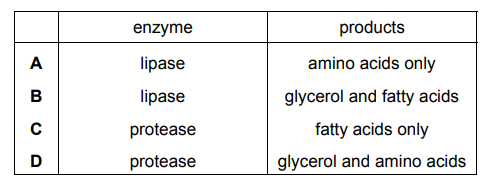
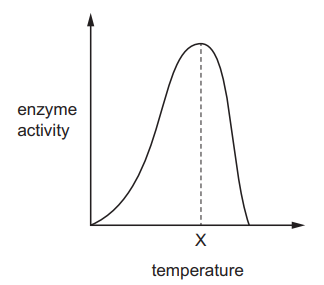


 Life Processes Identify and define the seven life processes (MRS GREN). Classification Group living organisms based on observed similarities and differences. Classify vertebrates into taxonomic groups based on visible physical characteristics. Construct a dichotomous key to classify vertebrates. Cells Compare the structure of generalised plant and animal cells, and selected microbes (e.g. bacteria, fungi and Amoeba) Distinguish among cell wall, cell membrane, nucleus, cytoplasm, temporary and permanent vacuoles, mitochondrion, chloroplast, endoplasmic reticulum and ribosomes. Relate the structure of organelles to their functions; Identify specialised cells such as blood cells, ciliated epithelial cells, nerve cells, root hair cells, sperm cells and egg cells. Explain the importance of cell specialisation in multicellular organisms; include hierarchy of cells, tissues, organs; organ systems and then organism Diffusion, Osmosis, Active transport and Osmoregulation Explain the processes of diffusion, osmosis and active transport. Identify everyday instances of these processes occurring. Discuss the importance of diffusion, osmosis and active transport in living systems. Nutrition in Plants Describe the process of photosynthesis in green plants; test for end products, starch or reducing sugar (glucose). Relate the structure of the leaf of a flowering plant to its function in photosynthesis; draw and label the external features and the internal structure (cross section) of a leaf as seen in cross section under the light microscope. Nutrition in Humans Discuss the importance of a balanced diet in humans. State components of a balanced diet (carbohydrates, fats, proteins, vitamins and minerals, water and roughage and their roles) along with the results of their deficiency or surplus. Suggest dietary recommendations for treating and preventing named deficiency and physiological diseases (such as those outlined in the manual and your notes). Perform tests to distinguish among food substances - Test for proteins (Biuret), fats (grease spot), starch (iodine), reducing sugars (Benedict’s solution). The Digestive System in Humans Relate the structures of the human alimentary canal to their functions; Draw and label simple diagrams of the alimentary canal and internal structure of a tooth required. Describe mastication and the role of teeth in the mechanical breakdown of food to be included. (Compare types of teeth in humans and compare types of teeth in herbivores and carnivores.) Explain the role and importance of enzymes role of digestive enzymes in the mouth, stomach and pancreatic enzymes in the small intestine. Discuss properties of enzymes. Deduce from tables and graphs the effects of temperature and pH on enzyme activity. Experimental Skills Follow all drawing rules as outlined in the drawing skills checklist posted in the classroom (including calculation of magnification).Plant cells have three kinds of structures that are not found in animal cells and that are extremely important to plant survival: plastids, central vacuoles, and cell walls. PLANT CELLS Most of the organelles and other parts of the cell just described are common to all eukaryotic cells. However, plant cells have three additional kinds of structures that are extremely important to plant function: cell walls, large central vacuoles, and plastids. To understand why plant cells have structures not found in ani- mal cells, consider how a plant’s lifestyle differs from an animal’s. Plants make their own carbon-containing molecules directly from carbon taken in from the environment. Plant cells take carbon diox- ide gas from the air, and in a process called photosynthesis, they convert carbon dioxide and water into sugars. The organelles and structures in plant cells are shown in Figure 4-21. SECTION 4 OBJECTIVES ● List three structures that are present in plant cells but not in animal cells. ● Compare the plasma membrane, the primary cell wall, and the secondary cell wall. ● Explain the role of the central vacuole. ● Describe the roles of plastids in the life of a plant. ● Identify features that distinguish prokaryotes, eukaryotes, plant cells, and animal cells. VOCABULARY cell wall central vacuole plastid chloroplast thylakoid chlorophyll Chloroplast Golgi apparatus Mitochondrion Cell membrane Nucleolus Nucleus Cytoskeleton Rough endoplasmic reticulum Pore Smooth endoplasmic reticulum Central vacuole Ribosome Cell wall In addition to containing almost all of the types of organelles that animal cells contain, plant cells contain three unique features. Those features are the cell wall, the central vacuole, and plastids, such as chloroplasts. FIGURE 4-21 Copyright © by Holt, Rinehart and Winston. All rights reserved. 88 CHAPTER 4 CELL WALL The cell wall is a rigid layer that lies outside the cell’s plasma membrane. Plant cell walls contain a carbohydrate called cellulose. Cellulose is embedded in a matrix of proteins and other carbohy- drates that form a stiff box around each cell. Pores in the cell wall allow water, ions, and some molecules to enter and exit the cell. Primary and Secondary Cell Walls The main component of the cell wall, cellulose, is made directly on the surface of the plasma membrane by enzymes that travel along the membrane. These enzymes are guided by microtubules inside the plasma membrane. Growth of the primary cell wall occurs in one direction, based on the orientation of the microtubules. Other components of the cell wall are made in the ER. These materials move in vesicles to the Golgi and then to the cell surface. Some plants also produce a secondary cell wall. When the cell stops growing, it secretes the secondary cell wall between the plasma membrane and the primary cell wall. The secondary cell wall is very strong but can no longer expand. The wood in desks and tabletops is made of billions of secondary cell walls. The cells inside the walls have died and disintegrated. CENTRAL VACUOLE Plant cells may contain a reservoir that stores large amounts of water. The central vacuole is a large, fluid-filled organelle that stores not only water but also enzymes, metabolic wastes, and other materials. The central vacuole, shown in Figure 4-22, forms as other smaller vacuoles fuse together. Central vacuoles can make up 90 percent of the plant cell’s volume and can push all of the other organelles into a thin layer against the plasma membrane. When water is plentiful, it fills a plant’s vacuoles. The cells expand and the plant stands upright. In a dry period, the vacuoles lose water, the cells shrink, and the plant wilts. Other Vacuoles Some vacuoles store toxic materials. The vacuoles of acacia trees, for example, store poisons that provide a defense against plant-eating ani- mals. Tobacco plant cells store the toxin nicotine in a storage vacuole. Other vacuoles store plant pigments, such as the colorful pigments found in rose petals. The central vacuole occupies up to 90 percent of the volume of some plant cells. The central vacuole stores water and helps keep plant tissue firm. FIGURE 4-22 Central vacuole Nucleus Chloroplast Copyright © by Holt, Rinehart and Winston. All rights reserved. CELL STRUCTURE AND FUNCTION 89 PLASTIDS Plastids are another unique feature of plant cells. Plastids are organelles that, like mitochondria, are surrounded by a double mem- brane and contain their own DNA. There are several types of plastids, including chloroplasts, chromoplasts, and leucoplasts. Chloroplasts Chloroplasts use light energy to make carbohydrates from carbon dioxide and water. As Figure 4-23 shows, each chloroplast contains a system of flattened, membranous sacs called thylakoids. Thylakoids contain the green pigment chlorophyll, the main mole- cule that absorbs light and captures light energy for the cell. Chloroplasts can be found not only in plant cells but also in a wide variety of eukaryotic algae, such as seaweed. Chloroplast DNA is very similar to the DNA of certain photosyn- thetic bacteria. Plant cell chloroplasts can arise only by the divi- sion of preexisting chloroplasts. These facts may suggest that chloroplasts are descendants of ancient prokaryotic cells. Like mitochondria, chloroplasts are also thought to be the descendants of ancient prokaryotic cells that were incorporated into plant cells through a process called endosymbiosis. Chromoplasts Chromoplasts are plastids that contain colorful pigments and that may or may not take part in photosynthesis. Carrot root cells, for example, contain chromoplasts filled with the orange pigment carotene. Chromoplasts in flower petal cells contain red, purple, yellow, or white pigments. Other Plastids Several other types of plastids share the general features of chloro- plasts but differ in content. For example, amyloplasts store starch. Chloroplasts, chromoplasts, and amyloplasts arise from a common precursor, called a proplastid. Thylakoid Inner membrane Outer membrane chloroplast from the Greek chloros, meaning “pale green,” and plastos, meaning “formed” Word Roots and Origins A chloroplast captures energy from sunlight and uses that energy to convert carbon dioxide and water into sugar and other carbohydrates. FIGURE 4-23 Copyright © by Holt, Rinehart and Winston. All rights reserved. 90 CHAPTER 4 COMPARING CELLS All cells share common features, such as a cell membrane, cyto- plasm, ribosomes, and genetic material. But there is a high level of diversity among cells, as shown in Figure 4-24. There are signifi- cant differences between prokaryotes and eukaryotes. In addition, plant cells have features that are not found in animal cells. Prokaryotes Versus Eukaryotes Prokaryotes differ from eukaryotes in that prokaryotes lack a nucleus and membrane-bound organelles. Prokaryotes have a region, called a nucleoid, in which their genetic material is concen- trated. However, prokaryotes lack an internal membrane system. Plant Cells Versus Animal Cells Three unique features distinguish plant cells from animal cells. One is the production of a cell wall by plant cells. Plant cells contain a large central vacuole. Third, plant cells contain a variety of plastids, which are not found in animal cells. Cell walls, central vacuoles, and plastids are unique features that are important to plant function. 1. Identify three unique features of plant cells. 2. List the differences between the plasma mem- brane, the primary cell wall, and the secondary cell wall. 3. Identify three functions of plastids. 4. Name three things that may be stored in vacuoles. 5. Describe the features that distinguish prokary- otes from eukaryotes and plant cells from animal cells. CRITICAL THINKINGWhat is a Plant Cell? Plant cells are eukaryotic cells that vary in several fundamental factors from other eukaryotic organisms. Both plant and animal cells contain a nucleus along with similar organelles. One of the distinctive aspects of a plant cell is the presence of a cell wall outside the cell membrane. Plant Cell Structure Just like different organs within the body, plant cell structure includes various components known as cell organelles that perform different functions to sustain itself. These organelles include: Cell Wall It is a rigid layer which is composed of polysaccharides cellulose, pectin and hemicellulose. It is located outside the cell membrane. It also comprises glycoproteins and polymers such as lignin, cutin, or suberin. The primary function of the cell wall is to protect and provide structural support to the cell. The plant cell wall is also involved in protecting the cell against mechanical stress and providing form and structure to the cell. It also filters the molecules passing in and out of it. The formation of the cell wall is guided by microtubules. It consists of three layers, namely, primary, secondary and the middle lamella. The primary cell wall is formed by cellulose laid down by enzymes. Cell membrane It is the semi-permeable membrane that is present within the cell wall. It is composed of a thin layer of protein and fat. The cell membrane plays an important role in regulating the entry and exit of specific substances within the cell. For instance, cell membrane keeps toxins from entering inside, while nutrients and essential minerals are transported across. Nucleus The nucleus is a membrane-bound structure that is present only in eukaryotic cells. The vital function of a nucleus is to store DNA or hereditary information required for cell division, metabolism and growth. 1. Nucleolus: It manufactures cells’ protein-producing structures and ribosomes. 2. Nucleopore: Nuclear membrane is perforated with holes called nucleopore that allow proteins and nucleic acids to pass through. Plastids They are membrane-bound organelles that have their own DNA. They are necessary to store starch and to carry out the process of photosynthesis. It is also used in the synthesis of many molecules, which form the building blocks of the cell. Some of the vital types of plastids and their functions are stated below: Leucoplasts They are found in the non-photosynthetic tissue of plants. They are used for the storage of protein, lipid and starch. Chromoplasts They are heterogeneous, colored plastid which is responsible for pigment synthesis and for storage in photosynthetic eukaryotic organisms. Chromoplasts have red-, orange- and yellow-colored pigments which provide color to all ripe fruits and flowers. Central Vacuole It occupies around 30% of the cell’s volume in a mature plant cell. Tonoplast is a membrane that surrounds the central vacuole. The vital function of the central vacuole apart from storage is to sustain turgor pressure against the cell wall. The central vacuole consists of cell sap. It is a mixture of salts, enzymes and other substances. Golgi Apparatus They are found in all eukaryotic cells, which are involved in distributing synthesized macromolecules to various parts of the cell. Ribosomes They are the smallest membrane-bound organelles which comprise RNA and protein. They are the sites for protein synthesis, hence, also referred to as the protein factories of the cell. Mitochondria They are the double-membraned organelles found in the cytoplasm of all eukaryotic cells. They provide energy by breaking down carbohydrate and sugar molecules, hence they are also referred to as the “Powerhouse of the cell.” Lysosome Lysosomes are called suicidal bags as they hold digestive enzymes in an enclosed membrane. They perform the function of cellular waste disposal by digesting worn-out organelles, food particles and foreign bodies in the cell. In plants, the role of lysosomes is undertaken by the vacuoles. Chloroplasts It is an elongated organelle enclosed by phospholipid membrane. The chloroplast is shaped like a disc and the stroma is the fluid within the chloroplast that comprises a circular DNA. Each chloroplast contains a green colored pigment called chlorophyll required for the process of photosynthesis. The chlorophyll absorbs light energy from the sun and uses it to transform carbon dioxide and water into glucose. Structure of Chloroplast Chloroplasts are found in all higher plants. It is oval or biconvex, found within the mesophyll of the plant cell. The size of the chloroplast usually varies between 4-6 µm in diameter and 1-3 µm in thickness. They are double-membrane organelle with the presence of outer, inner and intermembrane space. There are two distinct regions present inside a chloroplast known as the grana and stroma. • Grana are made up of stacks of disc-shaped structures known as thylakoids or lamellae. The granum of the chloroplast consists of chlorophyll pigments and are the functional units of chloroplasts. • Stroma is the homogenous matrix which contains grana and is similar to the cytoplasm in cells in which all the organelles are embedded. Stroma also contains various enzymes, DNA, ribosomes, and other substances. Stroma lamellae function by connecting the stacks of thylakoid sacs or grana. The chloroplast structure consists of the following parts: Membrane Envelope It comprises inner and outer lipid bilayer membranes. The inner membrane separates the stroma from the intermembrane space. Intermembrane Space The space between inner and outer membranes. Thylakoid System (Lamellae) The system is suspended in the stroma. It is a collection of membranous sacs called thylakoids or lamellae. The green colored pigments called chlorophyll are found in the thylakoid membranes. It is the sight for the process of light-dependent reactions of the photosynthesis process. The thylakoids are arranged in stacks known as grana and each granum contains around 10-20 thylakoids. Stroma It is a colorless, alkaline, aqueous, protein-rich fluid present within the inner membrane of the chloroplast present surrounding the grana. Grana Stack of lamellae in plastids is known as grana. These are the sites of conversion of light energy into chemical energy. Chlorophyll It is a green photosynthetic pigment that helps in the process of photosynthesis. Functions of Chloroplast Following are the important chloroplast functions: • The most important function of the chloroplast is to synthesize food by the process of photosynthesis. • Absorbs light energy and converts it into chemical energy. • Chloroplast has a structure called chlorophyll which functions by trapping the solar energy and is used for the synthesis of food in all green plants. • Produces NADPH and molecular oxygen (O 2 ) by photolysis of water. • Produces ATP – Adenosine triphosphate by the process of photosynthesis. • The carbon dioxide (CO2) obtained from the air is used to generate carbon and sugar during the Calvin Cycle or dark reaction of photosynthesis. Mitochondria “Mitochondria are membrane-bound organelles present in the cytoplasm of all eukaryotic cells, that produce adenosine triphosphate (ATP), the main energy molecule used by the cell.” What are Mitochondria? Popularly known as the “Powerhouse of the cell,” mitochondria (singular: mitochondrion) are a double membrane-bound organelle found in most eukaryotic organisms. They are found inside the cytoplasm and essentially function as the cell’s “digestive system.” They play a major role in breaking down nutrients and generating energy-rich molecules for the cell. Many of the biochemical reactions involved in cellular respiration take place within the mitochondria. The term ‘mitochondrion’ is derived from the Greek words “mitos” and “chondrion” which means “thread” and “granules-like”, respectively. It was first described by a German pathologist named Richard Altmann in the year 1890. Structure of Mitochondria • The mitochondrion is a double-membraned, rod-shaped structure found in both plant and animal cell. • Its size ranges from 0.5 to 1.0 micrometers in diameter. • The structure comprises an outer membrane, an inner membrane, and a gel-like material called the matrix. • The outer membrane and the inner membrane are made of proteins and phospholipid layers separated by the intermembrane space. • The outer membrane covers the surface of the mitochondrion and has a large number of special proteins known as porins. Cristae The inner membrane of mitochondria is rather complex in structure. It has many folds that form a layered structure called cristae, and this helps in increasing the surface area inside the organelle. The cristae and the proteins of the inner membrane aid in the production of ATP molecules. The inner mitochondrial membrane is strictly permeable only to oxygen and ATP molecules. A number of chemical reactions take place within the inner membrane of mitochondria. Mitochondrial Matrix The mitochondrial matrix is a viscous fluid that contains a mixture of enzymes and proteins. It also comprises ribosomes, inorganic ions, mitochondrial DNA, nucleotide cofactors, and organic molecules. The enzymes present in the matrix play an important role in the synthesis of ATP molecules. Functions of Mitochondria The most important function of mitochondria is to produce energy through the process of oxidative phosphorylation. It is also involved in the following process: 1. Regulates the metabolic activity of the cell 2. Promotes the growth of new cells and cell multiplication 3. Helps in detoxifying ammonia in the liver cells 4. Plays an important role in apoptosis or programmed cell death 5. Responsible for building certain parts of the blood and various hormones like testosterone and estrogen 6. Helps in maintaining an adequate concentration of calcium ions within the compartments of the cell 7. It is also involved in various cellular activities like cellular differentiation, cell signaling, cell senescence, controlling the cell cycle and in cell growth. Disorders Associated with Mitochondria Any irregularity in the way mitochondria function can directly affect human health, but often, it is difficult to identify because symptoms differ from person to person. Disorders of the mitochondria can be quite severe; in some cases, they can even cause an organ to fail.Animal Cells Animal cells contain many organelles, which are subunits within the cell that perform specialized functions. The organelles may be membrane-bound (enclosed within a lipid bilayer) or non-membrane bound (free in the cytoplasm). Here is a list of animal cell components and organelles and their functions: • Cell Membrane: The cell membrane or plasma membrane is a selectively permeable lipid bilayer that encloses the contents of the cell and regulates the transport of materials into and out of it. • Cytoplasm: The cytoplasm is the jelly-like fluid that gives a cell is shape and contains the molecules the cell needs for its processes. • Cytoskeleton: The cytoskeleton is a network of protein fibers that provides structural support, maintains cell shape, and enables cell movement. It is composed of three main types of protein filaments: microfilaments, intermediate filaments, and microtubules. • Nucleus: The nucleus is the control center of the cell, containing DNA and regulating gene expression. It is surrounded by a double-layered nuclear envelope or nuclear membrane that has nuclear pores that allow the exchange of materials between the nucleus and the cytoplasm. Nucleolus: Located within the nucleus, the nucleolus is the site of pre-ribosome production. • Mitochondria: Often referred to as the “powerhouse” of the cell, mitochondria are responsible for generating energy in the form of adenosine triphosphate (ATP) through cellular respiration. • Endoplasmic Reticulum (ER): The ER is a network of membrane-bound tubes and sacs involved in the synthesis, folding, and transport of proteins and lipids. There are two types of ER: the rough ER, which is studded with ribosomes and involved in protein synthesis, and the smooth ER, which is responsible for lipid synthesis and detoxification. • Ribosomes: These small structures, composed of RNA and proteins, are the sites of protein synthesis within the cell. They can be found either free-floating in the cytoplasm or attached to the rough ER. • Golgi Apparatus: The Golgi apparatus is responsible for modifying, sorting, and packaging proteins and lipids for transport to their final destinations within or outside the cell. • Lysosomes: Lysosomes are membrane-bound organelles containing enzymes that break down waste materials and cellular debris, playing a crucial role in the recycling of cellular components. • Peroxisomes: These small organelles contain enzymes that neutralize toxic substances and break down fatty acids, contributing to cellular detoxification and energy production. • Centrosome: The centrosome is an organelle found in animal cells but not plant cells. It is a small organelle near the nucleus with radiating tubules. The centrosome produces and organizes microtubules and regulates cell division so that the cell contents equally divide between daughter cells.The endoplasmic reticulum (EN-doh-PLAZ-mik ri-TIK-yuh-luhm), abbre- viated ER, is a system of membranous tubes and sacs, called cisternae (sis-TUHR-nee). The ER functions primarily as an intracellu- lar highway, a path along which molecules move from one part of the cell to another. The amount of ER inside a cell fluctuates, depending on the cell’s activity. There are two types of ER: rough and smooth. The two types of ER are thought to be continuous. Rough Endoplasmic Reticulum The rough endoplasmic reticulum is a system of interconnected, flattened sacs covered with ribosomes, as shown in Figure 4-15. The rough ER produces phospholipids and proteins. Certain types of proteins are made on the rough ER’s ribosomes. These proteins are later exported from the cell or inserted into one of the cell’s own membranes. For example, ribosomes on the rough ER make digestive enzymes, which accumulate inside the endoplasmic retic- ulum. Little sacs or vesicles then pinch off from the ends of the rough ER and store the digestive enzymes until they are released from the cell. Rough ER is most abundant in cells that produce large amounts of protein for export, such as cells in digestive glands and antibody-producing cells. Smooth Endoplasmic Reticulum The smooth ER lacks ribosomes and thus has a smooth appear- ance. Most cells contain very little smooth ER. Smooth ER builds lipids such as cholesterol. In the ovaries and testes, smooth ER produces the steroid hormones estrogen and testosterone. In skeletal and heart muscle cells, smooth ER releases calcium, which stimulates contraction. Smooth ER is also abundant in liver and kidney cells, where it helps detoxify drugs and poisons. Long-term abuse of alcohol and other drugs causes these cells to produce more smooth ER. Increased amounts of smooth ER in liver cells is one of the factors that can lead to drug tolerance. As Figure 4-15 shows, rough ER and smooth ER form an interconnected network. Copyright © by Holt, Rinehart and Winston. All rights reserved. reticulum from the Latin rete, meaning “net”; reticulum means “little net” Word Roots and Origins The endoplasmic reticulum (ER) serves as a site of synthesis for proteins, lipids, and other materials. The dark lines in the photo represent the membranes of the ER, and the narrow lighter areas between the dark lines show the channels and spaces (cisternae) inside the ER. FIGURE 4-15 Smooth ER Ribosomes Rough ER Cisternae 82 CHAPTER 4 GOLGI APPARATUS The Golgi apparatus, shown in Figure 4-16, is another system of flattened, membranous sacs. The sacs nearest the nucleus receive vesicles from the ER containing newly made proteins or lipids. Vesicles travel from one part of the Golgi apparatus to the next and transport substances as they go. The stacked membranes modify the vesicle contents as they move along. The proteins get “address labels” that direct them to various other parts of the cell. During this modification, the Golgi apparatus can add carbohydrate labels to proteins or alter new lipids in various ways. VESICLES Cells contain several types of vesicles, which perform various roles. Vesicles are small, spherically shaped sacs that are surrounded by a single membrane and that are classified by their contents. Vesicles often migrate to and merge with the plasma membrane. As they do, they release their contents to the outside of the cell. Lysosomes Lysosomes (LIE-suh-SOHMZ) are vesicles that bud from the Golgi appa- ratus and that contain digestive enzymes. These enzymes can break down large molecules, such as proteins, nucleic acids, car- bohydrates, and phospholipids. In the liver, lysosomes break down glycogen in order to release glucose into the bloodstream. Certain white blood cells use lysosomes to break down bacteria. Within a cell, lysosomes digest worn-out organelles in a process called autophagy (aw-TAHF-uh-jee). Lysosomes are also responsible for breaking down cells when it is time for the cells to die. The digestion of damaged or extra cells by the enzymes of their own lysosomes is called autolysis (aw-TAHL-uh-sis). Lysosomes play a very important role in maintaining an organism’s health by destroying cells that are no longer functioning properly. Copyright © by Holt, Rinehart and Winston. All rights reserved. The Golgi apparatus modifies many cellular products and prepares them for export. FIGURE 4-16 CELL STRUCTURE AND FUNCTION 83 Peroxisomes Peroxisomes are similar to lysosomes but contain different enzymes and are not produced by the Golgi apparatus. Peroxisomes are abundant in liver and kidney cells, where they neutralize free radicals (oxygen ions that can damage cells) and detoxify alcohol and other drugs. Peroxisomes are named for the hydrogen peroxide, H2O2, they produce when breaking down alco- hol and killing bacteria. Peroxisomes also break down fatty acids, which the mitochondria can then use as an energy source. Other Vesicles Specialized peroxisomes, called glyoxysomes, can be found in the seeds of some plants. They break down stored fats to provide energy for the developing plant embryo. Some cells engulf material by surrounding it with plasma membrane. The resulting pocket buds off to become a vesicle inside the cell. This vesicle is called an endosome. Lysosomes fuse with endosomes and digest the engulfed material. Food vacuoles are vesicles that store nutrients for a cell. Contractile vacuoles are vesicles that can contract and dispose of excess water inside a cell. Protein Synthesis One of the major functions of a cell is the production of protein. The path some proteins take from synthesis to export can be seen in Figure 4-17. In step , proteins are assembled by ribosomes on the rough ER. Then, in step , vesicles transport proteins to the Golgi apparatus. In step , the Golgi modifies proteins and pack- ages them in new vesicles. In step , vesicles release proteins that have destinations outside the cell. In step , vesicles containing enzymes remain inside the cell as lysosomes, peroxisomes, endo- somes, or other types of vesicles. 5 4 3 2 1 Copyright © by Holt, Rinehart and Winston. All rights reserved. Proteins are assembled by ribosomes on the rough ER. Vesicles carry proteins from the rough ER to the Golgi apparatus. Proteins are modified in the Golgi apparatus and enter new vesicles. Some vesicles release their proteins outside the cell. Other vesicles remain in the cell and become lysosomes and other vesicles. NucleusCARBOHYDRATES Carbohydrates are organic compounds composed of carbon, hydrogen, and oxygen in a ratio of about one carbon atom to two hydrogen atoms to one oxygen atom. The number of carbon atoms in a carbohydrate varies. Some carbohydrates serve as a source of energy. Other carbohydrates are used as structural materials. Carbohydrates can exist as monosaccharides, disaccharides, or polysaccharides. Monosaccharides A monomer of a carbohydrate is called a monosaccharide (MAHN-oh-SAK-uh-RIED). A monosaccharide—or simple sugar— contains carbon, hydrogen, and oxygen in a ratio of 1:2:1. The gen- eral formula for a monosaccharide is written as (CH2O)n, where n is any whole number from 3 to 8. For example, a six-carbon mono- saccharide, (CH2O)6, would have the formula C6H12O6. The most common monosaccharides are glucose, fructose, and galactose, as shown in Figure 3-6. Glucose is a main source of energy for cells. Fructose is found in fruits and is the sweetest of the monosaccharides. Galactose is found in milk. Notice in Figure 3-6 that glucose, fructose, and galactose have the same molecular formula, C6H12O6, but differing structures. The different structures determine the slightly different properties of the three compounds. Compounds like these sugars, with a single chemical formula but different structural forms, are called isomers (IE-soh-muhrz). SECTION 2 OBJECTIVES ● Distinguish between monosaccharides, disaccharides, and polysaccharides. ● Explain the relationship between amino acids and protein structure. ● Describe the induced fit model of enzyme action. ● Compare the structure and function of each of the different types of lipids. ● Compare the nucleic acids DNA and RNA. VOCABULARY carbohydrate monosaccharide disaccharide polysaccharide protein amino acid peptide bond polypeptide enzyme substrate active site lipid fatty acid phospholipid wax steroid nucleic acid deoxyribonucleic acid (DNA) ribonucleic acid (RNA) nucleotide C HO H C H OH C OH H C CH2OH H C H OH O Glucose C OH C O H OH C OH H CH2OH C H CH2OH Fructose C H HO C OH H C OH H C CH2OH H C H OH O Galactose Glucose, fructose, and galactose have the same chemical formula, but their structural differences result in different properties among the three compounds. FIGURE 3-6 Copyright © by Holt, Rinehart and Winston. All rights reserved. 56 CHAPTER 3 Disaccharides and Polysaccharides In living things, two monosaccharides can combine in a condensa- tion reaction to form a double sugar, or disaccharide (die-SAK-e-RIED). For example in Figure 3-4, the monosaccharides fructose and glu- cose can combine to form the disaccharide sucrose. A polysaccharide is a complex molecule composed of three or more monosaccharides. Animals store glucose in the form of the polysaccharide glycogen. Glycogen consists of hundreds of glucose molecules strung together in a highly branched chain. Much of the glucose that comes from food is ultimately stored in your liver and muscles as glycogen and is ready to be used for quick energy. Plants store glucose molecules in the form of the polysaccha- ride starch. Starch molecules have two basic forms—highly branched chains that are similar to glycogen and long, coiled, unbranched chains. Plants also make a large polysaccharide called cellulose. Cellulose, which gives strength and rigidity to plant cells, makes up about 50 percent of wood. In a single cellu- lose molecule, thousands of glucose monomers are linked in long, straight chains. These chains tend to form hydrogen bonds with each other. The resulting structure is strong and can be broken down by hydrolysis only under certain conditions. PROTEINS Proteins are organic compounds composed mainly of carbon, hydrogen, oxygen, and nitrogen. Like most of the other biological macromolecules, proteins are formed from the linkage of monomers called amino acids. Hair and horns, as shown in Figure 3-7a, are made mostly of proteins, as are skin, muscles and many biological catalysts (enzymes). Amino Acids There are 20 different amino acids, and all share a basic structure. As Figure 3-7b shows, each amino acid contains a central carbon atom covalently bonded to four other atoms or functional groups. A single hydrogen atom, highlighted in blue in the illustration, bonds at one site. A carboxyl group, —COOH, highlighted in green, bonds at a second site. An amino group, —NH2, highlighted in yel- low, bonds at a third site. A side chain called the R group, high- lighted in red, bonds at the fourth site. The main difference among the different amino acids is in their R groups. The R group can be complex or it can be simple, such as the CH3 group shown in the amino acid alanine in Figure 3-7b. The differences among the amino acid R groups gives different proteins very different shapes. The different shapes allow pro- teins to carry out many different activities in living things. Amino acids are commonly shown in a simplified way such as balls, as shown in Figure 3-7c. (a) Many structures, such as hair and horns are made of proteins. (b) Proteins are made up of amino acids. Amino acids differ only in the type of R group (shown in red) they carry. Polar R groups can dissolve in water, but nonpolar R groups cannot. (c) Amino acids have complex structures, so, in this and other textbooks, they are often simplified into balls. FIGURE 3-7 (b) Alanine (an amino acid) (c) Simplified version of amino acid CH3 H N OH C C H O H (a) Copyright © by Holt, Rinehart and Winston. All rights reserved. BIOCHEMISTRY 57 H H N C C OH H O H CH3 H2O Glycine Alanine H N OH C C H O H H H N C C H O H CH3 N OH C C H O H (a) (b) (a) The peptide bond (shaded blue) that binds amino acids together to form a polypeptide results from a condensation reaction that produces water. (b) Poly- peptides are commonly shown as a string of balls in this textbook and elsewhere. Each ball represents an amino acid. FIGURE 3-8 Substrate Products Enzyme 1 2 3 In the induced fit model of enzyme action, the enzyme can attach only to a substrate (reactant) with a specific shape. The enzyme then changes and reduces the activation energy of the reaction so reactants can become products. The enzyme is unchanged and is available to be used again. 3 2 1 FIGURE 3-9 Dipeptides and Polypeptides Figure 3-8a shows how two amino acids bond to form a dipeptide (die-PEP-TIED). In this condensation reaction, the two amino acids form a covalent bond, called a peptide bond (shaded in blue in Figure 3-8a) and release a water molecule. Amino acids often form very long chains called polypeptides (PAHL-i-PEP-TIEDZ). Proteins are composed of one or more polypep- tides. Some proteins are very large molecules, containing hun- dreds of amino acids. Often, these long proteins are bent and folded upon themselves as a result of interactions—such as hydrogen bonding—between individual amino acids. Protein shape can also be influenced by conditions such as temperature and the type of solvent in which a protein is dissolved. For exam- ple, cooking an egg changes the shape of proteins in the egg white. The firm, opaque result is very different from the initial clear, runny material. Enzymes Enzymes—RNA or protein molecules that act as biological catalysts—are essential for the functioning of any cell. Many enzymes are proteins. Figure 3-9 shows an induced fit model of enzyme action. Enzyme reactions depend on a physical fit between the enzyme molecule and its specific substrate, the reactant being catalyzed. Notice that the enzyme has folds, or an active site, with a shape that allows the substrate to fit into the active site. An enzyme acts only on a specific substrate because only that substrate fits into its active site. The linkage of the enzyme and substrate causes a slight change in the enzyme’s shape. The change in the enzyme’s shape weakens some chemical bonds in the substrate, which is one way that enzymes reduce activation energy, the energy needed to start the reaction. After the reaction, the enzyme releases the products. Like any catalyst, the enzyme itself is unchanged, so it can be used many times. An enzyme may not work if its environment is changed. For example, change in temperature or pH can cause a change in the shape of the enzyme or the substrate. If such a change happens, the reaction that the enzyme would have catalyzed cannot occur.Lipids are large, nonpolar organic molecules. They do not dissolve in water. Lipids include triglycerides (trie-GLIS-uhr-IEDZ), phospho- lipids, steroids, waxes, and pigments. Lipid molecules have a higher ratio of carbon and hydrogen atoms to oxygen atoms than carbohydrates have. Because lipid molecules have larger numbers of carbon-hydrogen bonds per gram than other organic com- pounds do, they store more energy per gram. Fatty Acids Fatty acids are unbranched carbon chains that make up most lipids. Figure 3-10 shows that a fatty acid contains a long carbon chain (from 12 to 28 carbons) with a carboxyl group, —COOH, attached at one end. The two ends of the fatty-acid molecule have different properties. The carboxyl end is polar and is thus hydrophilic or attracted to water molecules. In contrast, the hydro- carbon end of the fatty-acid molecule is nonpolar. This end tends not to interact with water molecules and is said to be hydrophobic (HIE-droh-FOH-bik), or “water fearing.” In saturated fatty acids, such as palmitic acid, which is shown in Figure 3-10, each carbon atom is covalently bonded to four atoms. The carbon atoms are in effect full, or saturated. In contrast, linoleic acid, also shown in Figure 3-10, has carbon atoms that are not bonded to the maximum number of atoms to which they can bond. Instead, they have formed double bonds within the carbon chain. This type of fatty acid is said to be unsaturated. Triglycerides Three classes of lipids important to living things contain fatty acids: triglycerides (fats), phospholipids, and waxes. A triglyceride is composed of three molecules of fatty acid joined to one molecule of the alcohol glycerol. Saturated triglycerides are composed of saturated fatty acids. They typically have high melting points and tend to be hard at room temperature. Common dietary saturated triglycerides include butter and fats in red meat. In contrast, unsaturated triglycerides are composed of unsaturated fatty acids and are usually soft or liquid at room temperature. Unsaturated triglycerides are found primarily in plant seeds where they serve as an energy and carbon source for germinating plants. Phospholipids Phospholipids have two, rather than three, fatty acids attached to a molecule of glycerol. They have a phosphate group attached to the third carbon of the glycerol. As shown in Figure 3-11, the cell membrane is made of two layers of phospholipids, called the lipid bilayer. The inability of lipids to dissolve in water allows the mem- brane to form a barrier between the inside and outside of the cell. Hydrophilic “head” Phospholipids Hydrophobic “tail” Phospholipids Water Water The lipid bilayer of a cell membrane is a double row of phospholipids.The “tails” face each other.The “head” of a phospholipid, which contains a phosphate group, is polar and hydrophilic.The two tails are two fatty acids and are nonpolar and hydrophobic. FIGURE 3-11 H C H C O OH H C H H C H H C H H C H H C H H C H H C H H C H H C H H C H H C H H C H C H H H H C H H C H H C H H C H H C H C O OH H C H H C H H C H C H C H C H H C H H C H C H H C H H C H C H H H H C H Fatty acids have a polar carboxyl head, highlighted in purple, and a nonpolar hydrocarbon tail, highlighted in green. FIGURE 3-10 Palmitic acid Linoleic acid mb06se_bchs02.qxd 5/18/07 10:49 AM Page 59 60 CHAPTER 3 1. Compare the structure of monosaccharides, dis- accharides, and polysaccharides. 2. How are proteins constructed from amino acids? 3. How do amino acids differ from one another? 4. Describe a model of enzyme action. 5. Why do phospholipids orient in a bilayer when in a watery environment, such as a cell? 6. Describe how the three major types of lipids differ in structure from one another. 7. What are the functions of the two types of nucleic acids? CRITICAL THINKING 8. Applying Information Before a long race, run- ners often “carbo load.” This means that they eat substantial quantities of carbohydrates. How might this help their performance? 9. Recognizing Relationships High temperatures can weaken bonds within a protein molecule. How might this explain the effects of using a hot curling iron or rollers in one’s hair? 10. Applying Information You want to eat more unsaturated than saturated fats. Name examples of foods you would eat more of and less of. SECTION 2 REVIEW Waxes A wax is a type of structural lipid consisting of a long fatty-acid chain joined to a long alcohol chain. Waxes are waterproof, and in plants, form a protective coating on the outer surfaces. Waxes also form protective layers in animals. For example, earwax helps pre- vent microorganisms from entering the ear canal. Steroids Unlike most other lipids, which are composed of fatty acids, steroid molecules are composed of four fused carbon rings with various functional groups attached to them. Many animal hor- mones, such as the male hormone testosterone, are steroid com- pounds. One of the most familiar steroids in humans is cholesterol. Cholesterol is needed by the body for nerve and other cells to func- tion normally. It is also a component of the cell membrane. NUCLEIC ACIDS Nucleic acids are very large and complex organic molecules that store and transfer important information in the cell. There are two major types of nucleic acids: deoxyribonucleic acid and ribonucleic acid. Deoxyribonucleic acid, or DNA, contains information that deter- mines the characteristics of an organism and directs its cell activi- ties. Ribonucleic (RIE-boh-noo-KLEE-ik) acid, or RNA, stores and transfers information from DNA that is essential for the manufactur- ing of proteins. Some RNA molecules can also act as enzymes. Both DNA and RNA are polymers, composed of thousands of linked monomers called nucleotides (NOO-klee-uh-TIEDS). As shown in Figure 3- 12, each nucleotide is made of three main components: a phosphate group, a five-carbon sugar, and a ring-shaped nitrogenous base.A solution is a mixture in which one or more substances are uniformly distributed in another substance. Solutions can be mixtures of liquids, solids, or gases. For example, plasma, the liquid part of blood, is a very complex solution. It is composed of many types of ions and large molecules, as well as gases, that are dissolved in water. A solute (SAHL-YOOT) is a substance dissolved in the solvent. The particles that compose a solute may be ions, atoms, or molecules. The solvent is the substance in which the solute is dissolved. For example, when sugar, a solute, and water, a solvent, are mixed, a solution of sugar water results. Though the sugar dissolves in the water, neither the sugar molecules nor the water molecules are altered chemically. If the water is boiled away, the sugar molecules remain and are unchanged. Solutions can be composed of various proportions of a given solute in a given solvent. Thus, solutions can vary in concentra- tion. The concentration of a solution is the amount of solute dis- solved in a fixed amount of the solution. For example, a 2 percent saltwater solution contains 2 g of salt dissolved in enough water to make 100 mL of solution. The more solute dissolved, the greater is the concentration of the solution. A saturated solution is one in which no more solute can dissolve. Aqueous (AY-kwee-uhs) solutions—solutions in which water is the solvent—are universally important to living things. Marine microorganisms spend their lives immersed in the sea, an aqueous solution. Most nutrients that plants need are in aqueous solutions in moist soil. Body cells exist in an aqueous solution of intercellu- lar fluid and are themselves filled with fluid; in fact, most chemical reactions that occur in the body occur in aqueous solutions. Copyright © by Holt, Rinehart and Winston. All rights reserved. Liquid water Solid water Ice (solid water) is less dense than liquid water because of the structure of ice crystals. The water molecules in ice are bonded to each other in a way that creates large amounts of open space between the molecules, relative to liquid water. FIGURE 2-12 solvent from the Latin solvere, meaning “to loosen” Word Roots and Origins CHEMISTRY OF LIFE 43 ACIDS AND BASES One of the most important aspects of a living system is the degree of its acidity or alkalinity. What do we mean when we use the terms acid and base? Ionization of Water As water molecules move about, they bump into one another. Some of these collisions are strong enough to result in a chemical change: one water molecule loses a proton (a hydrogen nucleus), and the other gains this proton. This reaction really occurs in two steps. First, one molecule of water pulls apart another water molecule, or dissociates, into two ions of opposite charge: H2O ∏ H OH The OH ion is known as the hydroxide ion. The free H ion can react with another water molecule, as shown in the equation below. H H2O ∏ H3O The H3O ion is known as the hydronium ion. Acidity or alkalin- ity is a measure of the relative amounts of hydronium ions and hydroxide ions dissolved in a solution. If the number of hydronium ions in a solution equals the number of hydroxide ions, the solution is said to be neutral. Pure water contains equal numbers of hydro- nium ions and hydroxide ions and is therefore a neutral solution. Acids If the number of hydronium ions in a solution is greater than the number of hydroxide ions, the solution is an acid. For example, when hydrogen chloride gas, HCl, is dissolved in water, its mol- ecules dissociate to form hydrogen ions, H, and chloride ions, Cl, as is shown in the equation below. HCl ∏ H Cl These free hydrogen ions combine with water molecules to form hydronium ions, H3O. This aqueous solution contains many more hydronium ions than it does hydroxide ions, making it an acidic solution. Acids tend to have a sour taste; how- ever, never taste a substance to test it for acidity. In concentrated forms, they are highly corrosive to some materials, as you can see in Figure 2-13. Bases If sodium hydroxide, NaOH, a solid, is dissolved in water, it dissociates to form sodium ions, Na, and hydroxide ions, OH, as shown in the equation below. NaOH ∏ Na OH Copyright © by Holt, Rinehart and Winston. All rights reserved. Eco Connection onnection Acid Precipitation Acid precipitation, more commonly called acid rain, describes rain, snow, sleet, or fog that contains high levels of sulfuric and nitric acids. These acids form when sulfur dioxide gas, SO2, and nitrogen oxide gas, NO, react with water in the atmosphere to produce sulfuric acid, H2SO4, and nitric acid, HNO3. Acid precipitation makes soil and bodies of water, such as lakes, more acidic than normal. These high acid levels can harm plant and animal life directly. A high level of acid in a lake may kill mollusks, fish, and amphibians. Even in a lake that does not have a very elevated level of acid, acid precipitation may leach aluminum and magnesium from soils, poisoning water- dwelling species. Reducing fossil-fuel consump- tion, such as occurs in gasoline engines and coal-burning power plants, should reduce high acid levels in precipitation. Sulfur dioxide, SO2, which is produced when fossil fuels are burned, reacts with water in the atmosphere to produce acid precipitation. Acid precipitation, or acid rain, can make lakes and rivers too acidic to support life and can even corrode stone, such as the face of this statue. FIGURE 2-13 44 CHAPTER 2 This solution then contains more hydroxide ions than hydronium ions and is therefore defined as a base. The adjective alkaline refers to bases. Bases have a bitter taste; however, never taste a substance to test for alkalinity. They tend to feel slippery because the OH ions react with the oil on our skin to form a soap. In fact, commercial soap is the product of a reaction between a base and a fat. pH Scientists have developed a scale for comparing the relative con- centrations of hydronium ions and hydroxide ions in a solution. This scale is called the pH scale, and it ranges from 0 to 14, as shown in Figure 2-14. A solution with a pH of 0 is very acidic, a solution with a pH of 7 is neutral, and a solution with a pH of 14 is very basic. A solution’s pH is measured on a logarithmic scale. That is, the change of one pH unit reflects a 10-fold change in the acidity or alkalinity. For example, urine has 10 times the H3O ions at a pH of 6 than water does at a pH of 7. Vinegar, has 1,000 times more H3O ions at a pH of 3 than urine at a pH of 6, and 10,000 times more H3O ions than water at a pH of 7. The pH of a solution can be measured with litmus paper or with some other chemical indicator that changes color at various pH levels. Buffers The control of pH is important for living systems. Enzymes can function only within a very narrow pH range. The control of pH in organisms is often accomplished with buffers. Buffers are chemi- cal substances that neutralize small amounts of either an acid or a base added to a solution. As Figure 2-14 shows, the composition of your internal environment—in terms of acidity and alkalinity— varies greatly. Some of your body fluids, such as stomach acid and urine, are acidic. Others, such as intestinal fluid and blood, are