Loading...


Everyone Speak Kids 1 Unit 1- Hi !my name's Jake.
Quiz by YOU CAN
Customize this quiz to suit your class
Instantly translate to 100+ languages
Tag the questions with any skills you have. Your dashboard will track each student's mastery of each skill.
Give this quiz to my class
Good_________.
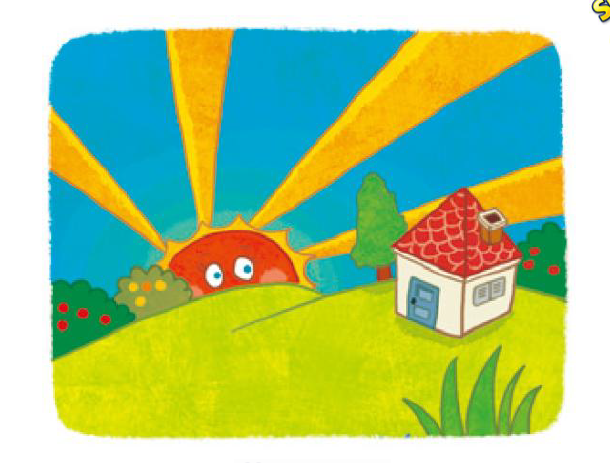
Good afternoon.
Good night.
Good morning.
Good evening.
Good ________.

Good morning
Good evening.
Good night
Good afternoon.
Good_________.

Good ________.

Good ____________.
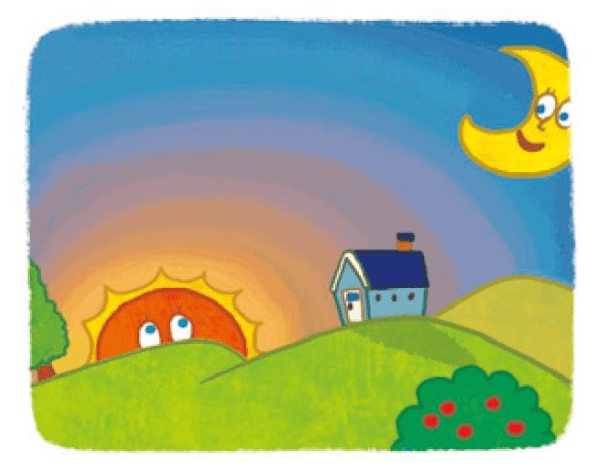
Good ________.

What's your __________?

Guess the Picture
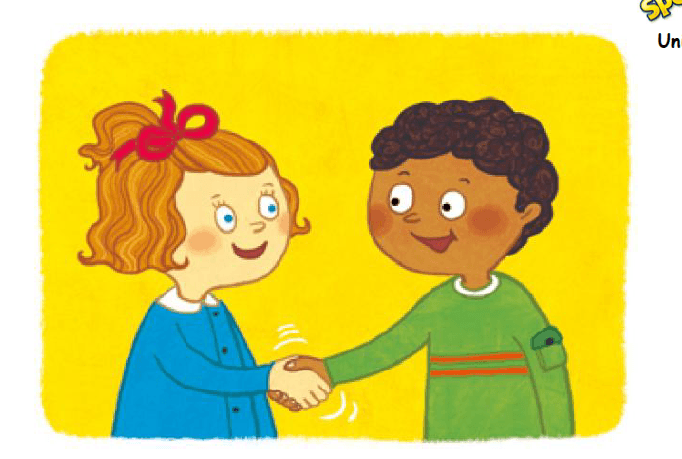
Guess the picture
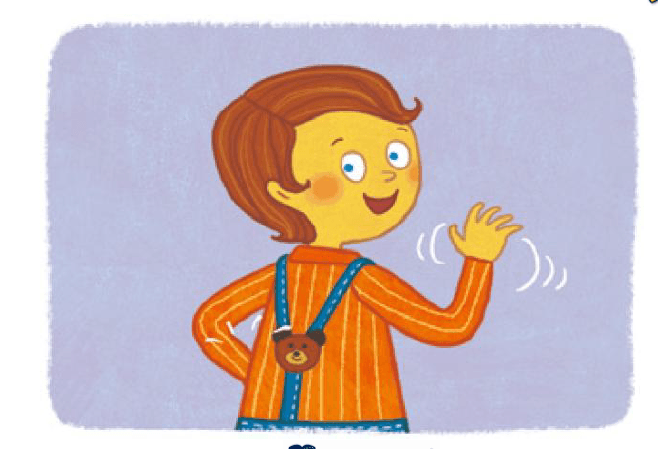
Guess the picture.
Guess the picture

Guess the picture

Guess the picture.
 She went by the name of Belisa Crepusculario, not because she had been baptized with that name or given it by her mother, but because she herself had searched until she found the poetry of "beauty" and "twilight" and cloaked herself in it. She made her living selling words. She journeyed through the country from the high cold mountains to the burning coasts, stopping at fairs and in markets where she set up four poles covered by a canvas awning under which she took refuge from the sun and rain to minister to her customers. She did not have to peddle her merchandise because from having wandered far and near, everyone knew who she was. Some people waited for her from one year to the next, and when she appeared in the village with her bundle beneath her arm, they would form a line in front of her stall. Her prices were fair. For five centavos she delivered verses from memory, for seven she improved the quality of dreams, for nine she wrote love letters, for twelve she invented insults for irreconcilable enemies. She also sold stories, not fantasies but long, true stories she recited at one telling, never skipping a word. This is how she carried news from one town to another. People paid her to add a line or two: our son was born, so-and-so died, our children got married, the crops burned in the field. Wherever she went a small crowd gathered around to listen as she began to speak, and that was how they learned about each others' doings, about distant relatives, about what was going on in the civil war. To anyone who paid her fifty centavos in trade, she gave the gift of a secret word to drive away melancholy. It was not the same word for everyone, naturally, because that would have been collective dece it. Each person received his or her own word, with the assurance that no one else would use it that way in this universe or the Beyond. Belisa Crepusculario had been born into a family so poor they did not even have names to give their children. She came into the world and grew up in an inhospitable land where some years the rains became avalanches of water that bore everything away before them and others when not a drop fell from the sky and the sun swelled to fill the horizon and the world became a desert. Until she was twelve, Belisa had no occupation or virtue other than having withstood hunger and the exhaustion of centuries. During one interminable drought, it fell to her to bury four younger brothers and sisters, when she realized that her turn was next, she decided to set out across the 2 plains in the direction of the sea, in hopes that she might trick death along the way. The land was eroded, split with deep cracks, strewn with rocks, fossils of trees and thorny bushes, and skeletons of animals bleached by the sun. From time to time she ran into families who, like her, were heading south, following the mirage of water. Some had begun the march carrying their belongings on their back or in small carts, but they could barely move their own bones, and after a while they had to abandon their possessions. They dragged themselves along painfully, their skin turned to lizard hide and their eyes burned by the reverberating glare. Belisa greeted them with a wave as she passed, but she did not stop, because she had no strength to waste in acts of compassion. Many people fell by the wayside, but she was so stubborn that she survived to cross through that hell and at long last reach the first trickles of water, fine, almost invisible threads that fed spindly vegetation and farther down widened into small streams and marshes. Belisa Crepusculario saved her life and in the process accidentally discovered writing. In a village near the coast, the wind blew a page of newspaper at her feet. She picked up the brittle yellow paper and stood a long while looking at it, unable to determine its purpose, until curiosity overcame her shyness. She walked over to a man who was washing his horse in the muddy pool where she had quenched her thirst. "What is this?" she asked. "The sports page of the newspaper," the man replied, concealing his surprise at her ignorance. The answer astounded the girl, but she did not want to seem rude, so she merely inquired about the significance of the fly tracks scattered across the page. "Those are words, child. Here it says that Fulgencio Barba knocked out El Negro Tiznao in the third round." That was the day Belisa Crepusculario found out that words make their way in the world without a master, and that anyone with a little cleverness can appropriate them and do business with them. She made a quick assessment of her situation and concluded that aside from becoming a prostitute or working as a servant in the kitchens of the rich there were few occupations she was qualified for. It seemed to her that selling words would be an honorable alternative. From that moment on, she worked at that profession, and was never tempted by any other. At the beginning, she offered her merchandise unaware that words could be written outside of newspapers. When she learned otherwise, she calculated the infinite possibilities of her trade and with her savings paid a priest twenty pesos to teach her to read and write, with her three 3 remaining coins she bought a dictionary. She poured over it from A to Z and then threw it into the sea, because it was not her intention to defraud her customers with packaged words. One August morning several years later, Belisa Crepusculario was sitting in her tent in the middle of a plaza, surrounded by the uproar of market day, selling legal arguments to an old man who had been trying for sixteen years to get his pension. Suddenly she heard yelling and thudding hoofbeats. She looked up from her writing and saw, first, a cloud of dust, and then a band of horsemen come galloping into the plaza. They were the Colonel's men, sent under orders of El Mulato, a giant known throughout the land for the speed of his knife and his loyalty to his chief. Both the Colonel and El Mulato had spent their lives fighting in the civil war, and their names were ineradicably linked to devastation and calamity. The rebels swept into town like a stampeding herd, wrapped in noise, bathed in sweat, and leaving a hurricane of fear in their trail. Chickens took wing, dogs ran for their lives, women and children scurried out of sight, until the only living soul left in the market was Belisa Crepusculario. She had never seen El Mulato and was surprised to see him walking toward her. "I'm looking for you," he shouted, pointing his coiled whip at her, even before the words were out, two men rushed her -- knocking over her canopy and shattering her inkwell -- bound her hand and foot, and threw her like a sea bag across the rump of El Mulato's mount. Then they thundered off toward the hills. Hours later, just as Belisa Crepusculario was near death, her heart ground to sand by the pounding of the horse, they stopped, and four strong hands set her down. She tried to stand on her feet and hold her head high, but her strength failed her and she slumped to the ground, sinking into a confused dream. She awakened several hours later to the murmur of night in the camp, but before she had time to sort out the sounds, she opened her eyes and found herself staring into the impatient glare of El Mulato, kneeling beside her. "Well, woman, at last you've come to," he said. To speed her to her senses, he tipped his canteen and offered her a sip of liquor laced with gunpowder. She demanded to know the reason for such rough treatment, and El Mulato explained that the Colonel needed her services. He allowed her to splash water on her face, and then led her to the far end of the camp where the most feared man in all the land was lazing in a hammock strung between two trees. She could not see his face, because he lay in the deceptive shadow of the leaves and the indelible shadow of all his years as a bandit, but she imagined from the way his 4 gigantic aide addressed him with such humility that he must have a very menacing expression. She was surprised by the Colonel's voice, as soft and well-modulated as a professor's. "Are you the woman who sells words?" he asked. "At your service," she stammered, peering into the dark and trying to see him better. The Colonel stood up, and turned straight toward her. She saw dark skin and the eyes of a ferocious puma, and she knew immediately that she was standing before the loneliest man in the world. "I want to be President," he announced. The Colonel was weary of riding across that godforsaken land, waging useless wars and suffering defeats that no subterfuge could transform into victories. For years he had been sleeping in the open air, bitten by mosquitoes, eating iguanas and snake soup, but those minor inconveniences were not why he wanted to change his destiny. What truly troubled him was the terror he saw in people's eyes. He longed to ride into a town beneath a triumphal arch with bright flags and flowers everywhere, he wanted to be cheered, and be given newly laid eggs and freshly baked bread. Men fled at the sight of him, children trembled, and women miscarried from fright, he had had enough, and so he had decided to become President. El Mulato had suggested that they ride to the capital, gallop up to the Palace, and take over the government, the way they had taken so many other things without anyone's permission. The Colonel, however, did not want to be just another tyrant, there had been enough of those before him and, besides, if he did that, he would never win people's hearts. It was his aspiration to win the popular vote in the December elections. "To do that, I have to talk like a candidate. Can you sell me the words for a speech?" the Colonel asked Belisa Crepusculario. She had accepted many assignments, but none like this. She did not dare refuse, fearing that El Mulato would shoot her between the eyes, or worse still, that the Colonel would burst into tears. There was more to it than that, however, she felt the urge to help him because she felt a throbbing warmth beneath her skin, a powerful desire to touch that man, to fondle him, to clasp him in her arms. All night and a good part of the following day, Belisa Crepusculario searched her repertory for words adequate for a presidential speech, closely watched by El Mulato, who could not take his eyes from her firm wanderer's legs and virginal breasts. She discarded harsh, cold words, words 5 that were too flowery, words worn from abuse, words that offered improbable promises, untruthful and confusing words, until all she had left were words sure to touch the minds of men and women's intuition. Calling upon the knowledge she had purchased from the priest for twenty pesos, she wrote the speech on a sheet of paper and then signaled El Mulato to untie the rope that bound her ankles to a tree. He led her once more to the Colonel, and again she felt the throbbing anxiety that had seized her when she first saw him. She handed him the paper and waited while he looked at it, holding it gingerly between thumbs and fingertips. "What the shit does this say," he asked finally. "Don't you know how to read?" "War's what I know," he replied. She read the speech aloud. She read it three times, so her client could engrave it on his memory. When she finished, she saw the emotion in the faces of the soldiers who had gathered round to listen, and saw that the Colonel's eyes glittered with enthusiasm, convinced that with those words the presidential chair would be his. "If after they've heard it three times, the boys are still standing there with their mouths hanging open, it must mean the thing's damn good, Colonel" was El Mulato's approval. "All right, woman. How much do I owe you?" the leader asked. "One peso, Colonel." "That's not much," he said, opening the pouch he wore at his belt, heavy with proceeds from the last foray. "The peso entitles you to a bonus. I'm going to give you two secret words," said Belisa Crepusculario. "What for?" She explained that for every fifty centavos a client paid, she gave him the gift of a word for his exclusive use. The Colonel shrugged. He had no interest at all in her offer, but he did not want to be impolite to someone who had served him so well. She walked slowly to the leather stool where he was sitting, and bent down to give him her gift. The man smelled the scent of a mountain cat issuing from the woman, a fiery heat radiating from her hips, he heard the terrible whisper of her hair, and a breath of sweetmint murmured into his ear the two secret words that were his alone. "They are yours, Colonel," she said as she stepped back. "You may use them as much as you 6 please." El Mulato accompanied Belisa to the roadside, his eyes as entreating as a stray dog's, but when he reached out to touch her, he was stopped by an avalanche of words he had never heard before; believing them to be an irrevocable curse, the flame of his desire was extinguished. During the months of September, October, and November the Colonel delivered his speech so many times that had it not been crafted from glowing and durable words it would have turned to ash as he spoke. He travelled up and down and across the country, riding into cities with a triumphal air, stopping in even the most forgotten villages where only the dump heap betrayed a human presence, to convince his fellow citizens to vote for him. While he spoke from a platform erected in the middle of the plaza, El Mulato and his men handed out sweets and painted his name on all the walls in gold frost. No one paid the least attention to those advertising ploys; they were dazzled by the clarity of the Colonel's proposals and the poetic lucidity of his arguments, infected by his powerful wish to right the wrongs of history, happy for the first time in their lives. When the Candidate had finished his speech, his soldiers would fire their pistols into the air and set off firecrackers, and when finally they rode off, they left behind a wake of hope that lingered for days on the air, like the splendid memory of a comet's tail. Soon the Colonel was the favorite. No one had ever witnessed such a phenomenon: a man who surfaced from the civil war, covered with scars and speaking like a professor, a man whose fame spread to every corner of the land and captured the nation's heart. The press focused their attention on him. Newspapermen came from far away to interview him and repeat his phrases, and the number of his followers and enemies continued to grow. "We're doing great, Colonel," said El Mulato, after twelve successful weeks of campaigning. But the Candidate did not hear. He was repeating his secret words, as he did more and more obsessively. He said them when he was mellow with nostalgia; he murmured them in his sleep; he carried them with him on horseback; he thought them before delivering his famous speech; and he caught himself savoring them in his leisure time. And every time he thought of those two words, he thought of Belisa Crepusculario, and his senses were inflamed with the memory of her feral scent, her fiery heat, the whisper of her hair, and her sweetmint breath in his ear, until he began to go around like a sleepwalker, and his men realized that he might die before he ever sat in the presidential chair. "What's got hold of you, Colonel," El Mulato asked so often that finally one day his chief broke 7 down and told him the source of his befuddlement: those two words that were buried like two daggers in his gut. "Tell me what they are and maybe they'll lose their magic," his faithful aide suggested. "I can't tell them, they're for me alone," the Colonel replied. Saddened by watching his chief decline like a man with a death sentence on his head, El Mulato slung his rifle over his shoulder and set out to find Belisa Crepusculario. He followed her trail through all that vast country, until he found her in a village in the far south, sitting under her tent reciting her rosary of news. He planted himself, spraddle-legged, before her, weapon in hand. "You! You're coming with me," he ordered. She had been waiting. She picked up her inkwell, folded the canvas of her small stall, arranged her shawl around her shoulders, and without a word took her place behind El Mulato's saddle. They did not exchange so much as a word in all the trip; El Mulato's desire for her had turned into rage, and only his fear of her tongue prevented his cutting her to shreds with his whip. Nor was he inclined to tell her that the Colonel was in a fog, and that a spell whispered into his ear had done what years of battle had not been able to do. Three days later they arrived at the encampment, and immediately, in view of all the troops, El Mulato led his prisoner before the Candidate. "I brought this witch here so you can give her back her words, Colonel," El Mulato said, pointing the barrel of his rifle at the woman's head. "And then she can give you back your manhood." The Colonel and Belisa Crepusculario stared at each other, measuring one another from a distance. The men knew then that their leader would never undo the witchcraft of those accursed words, because the whole world could see the voracious-puma eyes soften as the woman walked to him and took his hand in hers. Copyright © 1989 by Isabel Allende From The Stories of Eva Luna, Translated by Margaret Sayers PedenThe Creature Constitution Independence Hall Philadelphia, 1786. None of the creatures in the hall were able to sleep. Every night, the mice would run through the spiders' webs. Then the spiders would chase the mice. The crickets would chirp all night. The pigeons in the clock tower would start singing early in the morning. Everyone was tired and unhappy. Maddy the Mouse had the biggest ears in the hall. She heard everything. She worried that no one would ever sleeр. Then the humans began meeting in the hall. Maddy sneaked into the room and listened as they talked. They needed something with rules that everyone would follow. They called it a constitution. Maddy thought a constitution was a great idea. She called a meeting. Every creature came. There were so many animals that they could barely move. "The humans have a great idea," Maddy said. "They are writing a constitution. We should have our own constitution." "What's a constitution?" asked a pigeon. "It's a list of rules for us to live by," Maddy said. "We need rules so we can all sleep." All the creatures agreed. "There are too many of us to talk about the rules right now," Maddy said. "Each group should pick five creatures to talk for them at a meeting tomorrow. They will decide what the new rules will be." The groups each went back to where they lived. They picked animals to speak for their group. The next day, the chosen creatures met. Everyone listened to each other's problems. When the groups started to argue, Maddy reminded them to work together. Each group then shared the rules that they thought would let everyone sleep better. They came up with rules that everyone could agree on. Maddy had found a way for them to all work together. The creatures asked Maddy to be their leader. They would bring new problems to Maddy and the other groups. The night they signed their constitution, the creatures in the building all had a good night's sleep.Earlier in 2019 there was a lot of femicide uh girls being killed by their boyfriends because they did one or two things there are also cultures of if there is violence in terms of a marital relationship that that is fine if there's a marital rape that that is fine so you find such situations being normalized and it being also a taboo to speak about those issues the 2030 agenda for sustainable development is grounded in respect for human rights and the power of people to change the world every individual on the planet has the right to health and well-being in all aspects of their sexuality their body and their reproductive choices ensuring these rights is integral to addressing poverty education violence against women and gender equality sexual and reproductive health rights are agreed in international law they were fought for by courageous women's rights activists and advocates across a broad range of professional fields and frontline experiences by movements of all ages levels and backgrounds they are still being fought for while progress has been made globally many barriers remain especially for those most marginalized excluded or discriminated against human rights are central to delivering the 17 sustainable development goals in the sustainable development agenda indeed each sdg target is simultaneously a metric and a claim for human rights the interplay between these political commitments and human rights obligations is particularly important when it comes to achieving sexual and reproductive health rights for decades human rights-based tactics have been used to drive progress in this episode of right to a better world experts share challenges they have faced and tactics they have used to address them the challenges they describe occur in settings all around the world the strategies used are ones that they have found to be successful in their own settings viewers are encouraged to learn from these experiences and consider how tactics could be adapted to their own context when sexual and reproductive health begins with equality the discussions decisions programs and policies which follow can build towards a future where every individual is not only born free but lives free and equal in dignity and rights without violence or discrimination the time to take action is now violence against women is any act that results in or is likely to result in physical sexual or psychological harm or suffering to women this includes threats of such acts coercion or arbitrary deprivation of liberty in public or private life it happens everywhere in every country in the home in communities at work and at school crises including health and humanitarian crises frequently contribute to higher rates of violence against women violence against women is directed at women because of their status as women the consequences are dire jeopardizing women's health including sexual and reproductive health and mental health hampering their ability to participate fully in society causing tremendous physical and psychological suffering for both women and their children the majority of women survivors of violence do not disclose or seek any type of services efforts to address violence against women must recognize the many different contexts in which it occurs and the many different forms it can take the majority of violence against women is committed by an intimate partner her current or previous boyfriend or husband globally around 30 of women have experienced physical and or sexual violence by an intimate partner in their lifetime this increases the risk of acquiring an sti or in some regions hiv by 1.5 fold when a woman is experiencing violence especially from her partner she's really unable to keep safe from hiv men have power to decide how when and where sex should be done and the woman is at risk of being infected because she cannot say no schools are another setting where violence against girls can take place assault and harassment during their commute bullying sexual harassment and mental or physical abuse on school property are all challenges across various country contexts this has a direct impact on girls access to inclusive quality education a target of sdg4 and an indirect impact on many of their other human rights young girls are taking advantage of at a very young age and they do not understand the choices and the avenues whereby they can exercise their rights when it comes to sexual productive health and rights and so you find a lot of dropouts and a lot of girls also going through a lot of traumatic experiences that would be avoided if they had guidance promoting a safe and secure working environment for all is a cornerstone of sdg 8. this includes a workplace free from sexual harassment and violence but for many women especially women migrant workers and others in precarious employment this is far from reality so we went to naivasha which is a flower farm and we've met the informal workers the casual liberals working for the flower farms when for example the sexual violence cases are reported companies don't take them very seriously a wide range of tactics have been used to prevent and address violence against women and girls and to recognize it as a fundamental violation of human rights prevention of intimate partner violence is possible when interventions are informed by evidence of what works we started out by describing the problem we've now moved to research on what works what are the kinds of interventions that are successful both for preventing the problem from happening in the first place and also from interventions to respond the respect women framework on preventing violence against women developed by the who un women ohchr and other international agencies promotes seven strategies which focus on relationship skills strengthening empowerment of women services for health justice police and social sector poverty reduction environments made safer including schools workplaces and public spaces child and adolescence abuse prevented and transformation of gender attitudes beliefs and norms this action-oriented framework can enable policy makers and health implementers to design plan implement monitor and evaluate interventions and programs to prevent violence against women we have come a long way for sure we still have some ways to go and we need to do more to stop this violence from happening in the first place this involves addressing the social norms that still prevail in many settings that make this form of violence acceptable women are not exposed to gender-based violence by accident all because of an inbuilt vulnerability violence against women is rooted in discriminatory social norms and power dynamics dismantling these underlying causes of violence against women and girls is at the heart of achieving gender equality and empowering all women and girls as set out in the targets and indicators of sdg 5 ensuring healthy lives in sdg3 and reducing inequalities in sdg 10. women and men are valued differently society has heap privileges on the men while the women are looked at as subordinate power is not only the problem but also the solution to preventing violence against women we are making it personal everyone connects with power every day people living with power or grappling with power they find themselves within this whole conversation if you're working to create gnome change there has to be change at all levels strategies to raise awareness in communities about violence against women and girls are critical as there is still a lot of stigma and shame which inhibits many women and girls from talking about it intervention is like a big complicated word sometimes it's just about talking about dialogue i mean the fact that we went into schools and just began a conversation with parents um bringing them together in the school along with the school personnel and then having the conversation start from there and we also sort of train providers within schools to appropriately refer children to health facilities for care what we found was that this dialogue began to spark other conversations in the community and i guess they just felt that oh it's actually okay to talk about this openly rather than pretend that nothing is going on sassa is a community mobilization approach to prevent violence against women and hiv and aids it is activist led it's not workshop heavy based it comes away from the traditional programming of organizations going to do things themselves instead they support activists who do the activities with their friends and neighbors health systems play a critical role in responding to violence wherever it occurs supporting health workers to respond appropriately to violence as well as ensuring their work environment enables them to provide safe effective and quality survivor centred care are important strategies for better addressing violence against women and girls um we came to learn not to ask direct questions not to give our opinion or our judgment on them and let her speak and once with that flow starts once that connection is established that doctor-patient relationship emotionally is established she will actually tell you the whole history legal frameworks to promote enforce and monitor equality and non-discrimination on the basis of sex are an important sdg 5 indicator but putting laws in place does not automatically make them effective there are existing protections for women in the workplace or for individuals in the workplace in relation to harassment but we know from our call for evidence that they are not actually addressing the problem the recommendations that we developed included government implementing a mandatory duty for employers to take preventative steps to address harassment in the workplace so what we would like to see is government implement a much stronger legislative duty it has taken decades of struggle by the women's rights movement to persuade the international community to view violence against women as a human rights concern and a sustainable development priority not a private matter governments have obligations to respect protect and fulfill the right to a life free of violence and to provide for sanctions when they fail when seeking accountability the priority consideration must always be the safety and well-being of survivors respecting their wishes and autonomy and supporting them to make informed choices about the type of justice they want context is vitally important there are many strategies to hold perpetrators accountable including strategic litigation and public campaigns when the teachers impregnate the girls that means the system has failed and okay what they do is they blacklist the teachers and they are always removed from the payroll but we think that is not enough the case that was quite interesting is where one of the judges she did find a ruling against the teacher service commission the commission that is responsible for hiring teachers asking them that they must take responsibility and they were ordered to pay compensation to the girls who had gotten pregnant while in school the justice police issue came about a few years back when a young girl was raped and the punishment for her being ripped was that harappa she was gang-ripped and therapists were told to slash grass feminist organizations and young women organizations came back to the police and the police commissioner to ask and request that the people who are found to be perpetrators should be punished according to our constitution and according to the laws of the land and those are very big campaigns to get better justice so consequently they were jailed but also it was a sign that the system the police system had to be checked in terms of when someone reports a case any case of violence what happens and how is it followed through the maria pedra is another example of litigation that became a political mobilizer so this was a case from the inter-american commission that really galvanized a change in public policy a huge change because it was a case that addressed gender-based violence intimate partner violence it called on responsibility of brazil also for not having prevented this kind of violence the reality of a case that says you have the right to not be bruised you have the right to be free of physical psychological violence it's powerful it can change women's lives investing in autonomous women's movements has been one of the most important drivers of changes in laws and policies to address violence against women over the past 40 years according to data from over 70 countries women organizing to advance women's status define the very concept of violence against women raised awareness of the issue and put it on national and global policy agendas often we thought that it takes generations or centuries to change working intensely with the communities we can actually see change coming violence against women and girls is a violation of fundamental human rights to life and to physical and psychological integrity not to be tortured or treated in an inhuman and degrading way to respect for private and family life and the right not to be discriminated against this understanding is more than theoretical human rights-based tactics can offer a practical route to addressing systemic challenges across all the circumstances where violence against women and girls occurs including but not limited to at the hands of their partners at school and in the workplace by using evidence-informed prevention strategies addressing power relations and social norms community mobilizing and dialogue supporting health systems and professionals putting in place strong legal frameworks accessing justice and ending impunity feminist organizing and mobilizing every individual can help to deliver the 2030 agenda for sustainable development building a world in which women and girls are free from all forms of violence and discrimination [Music] youBroken windows are covered. Floorboards are patched and doors screwed back on. The road that was ruined by German tanks is shovelled and raked smooth. Boot-shaped bruises turn yellow then fade and disappear. Flowers grow and spread across the ugly German footprints stomped into garden beds. The village looks pretty once more. School stops for the summer and everyone is put to work on the kolkhoz, the village farm. Women and big boys begin harvesting the barley crops in the outer fields. The biggest girls milk the cows, morning and night, and keep the barns clean. Old Nikolay mends ploughs, horse harnesses, pitchforks and scythes in his workshop. Anna Pushinka teaches Yelena and her friends how to get the honey from the beehives that are scattered through the orchards. I am in charge of collecting eggs. My friends Olga and Nina help. Olga and Nina are five, a year younger than me. They are twins and look exactly alike, except Nina’s nose is a little bit crooked from when she fell out of bed and squashed it sideways on the floor. The hens, ducks and geese wander free in the summer, so collecting eggs is like a treasure hunt and takes hours. Catching the hens for their daily hugs takes even longer, but I think it’s important because hugs make everyone happy and happy hens lay bigger eggs. Olga says I’m the best hen-hugger in all of Russia. Nina says I’ll be the best cow-hugger, too, when my arms grow longer. But good hugs have nothing to do with the size of your arms. It’s all to do with the size of your heart. When we are done with the hens, Olga, Nina and I can spend the rest of the day doing whatever we like. We climb the apricot trees, chase squirrels, lie in the meadow marvelling at how hot Ushanka’s black fur becomes in the sunshine, make daisy chains and race little boats of bark in the stream. I teach Olga and Nina the alphabet and we use charcoal to write our letters and our names all over the village – on doors and walls and the freshly cut ends of firewood. In between, I practise my knots. In case the German princemonsters return. I slip into Old Nikolay’s workshop and tie knots in the harnesses hanging on the walls. I wander into gardens where the washing is hung out to dry and tie knots in the laces on pants and smocks. I creep up behind Anna Pushinka and tie knots in her apron strings. I find baling twine in the hay shed and tie my own ankles together. I do such a good job of these last knots that I can’t get them undone. I have to jump all the way to Olga and Nina’s house and ask them to cut me free with their mama’s knife. At the end of each day, Ushanka and I run out into the distant barley fields to meet Mama. This is my favourite part of the day, because Mama always shouts, ‘Little Rabbit!’ and smothers my head with kisses. And as we walk home, we sing. Everyone – women, big boys and me. I love to sing. Almost as much as I love to be kissed by Mama. Sometimes one of the boys, Mikhail, has his balalaika with him. He takes the instrument out from beneath the sheaves of barley piled high on the wagon and plays music. We sing about forests and orchards and people who find their true love. As we walk home, arm in arm, my heart fills with happiness and my belly swells with pride that I am allowed to sing along with the big boys. And I can almost forget about the German prince-monsters and their lies about Russia and their big ugly boots. Almost. But today, when Mikhail reaches for his balalaika, I see other things hiding beneath the barley sheaves. Three of the mamas rush forward and cover them up, but it’s too late. I know they are there. I’ve already seen them. Rifles. Lots of rifles. Mikhail hugs his balalaika to his chest and blushes. ‘So play!’ cries Mama, her voice oddly loud and high. ‘Let’s play Sasha’s favourite song, “The Little Birch Tree”.’ So Mikhail plays and everyone sings about the lovely birch tree with its curly leaves and the branches that will be turned into silver flutes. They sing too quickly, too loudly, and as they sing and walk, they cast nervous sideways glances at me. ‘It’s alright,’ I say, when the song comes to an end. ‘I didn’t see the rifles.’ Mama nods and smiles, and I know it was the right thing to say. But I did see the rifles. And I think about Yelena wanting to get lots of guns and dynamite for the Partisans so they can shoot the Germans and blow them into thousands of tiny pieces, and Mama looking as though she agreed, and I know this is what the mamas and the big boys are doing. As well as harvesting, they are helping the Partisans. Three days later, I wake before dawn and I am all alone. Yelena is always here beside me when I wake. But not this morning. I climb down from our bed above the stove. Mama is filling a cloth sack with bread. She ties it closed with a piece of string and hands it to Yelena. ‘Stay out of sight,’ says Mama. ‘And don’t return until after dark.’ ‘Where’s she going?’ I ask. ‘Nowhere,’ snaps Mama. ‘Then why does she need all that bread?’ I ask. ‘There’s nothing left for us.’ Mama baked four loaves last night and she has stuffed them all into the sack. Yelena opens her mouth, but before she can speak, Mama shoves her out the door and sends her on the way to nowhere. Mama turns and stares at me, her blue, blue cornflower eyes wide with worry. ‘I know,’ I say, flopping down on the bench. ‘I didn’t see any bread.’ Mama sits beside me and takes my hand. ‘And . . .?’ she prods, obviously waiting for more. I puzzle for a while, then say, ‘And I don’t have a sister called Yelena.’ Mama laughs, softly and with a little bit of sadness around the edges. ‘Sweet Little Rabbit! You do have a sister called Yelena.’ ‘I do?’ I ask, now confused. ‘I haven’t seen the rifles or the bread, but I have seen Yelena?’ ‘Yes.’ Mama smiles and the magic makes me smile, too. And I am glad that Yelena is real because I love her very much. ‘Yelena is real,’ Mama explains, ‘but she does not carry sacks of bread into the forest for the Partisans.’ ‘Of course not!’ I shout, slapping my forehead. ‘Because there is no bread!’ Mama laughs loudly now, with not a hint of sadness. She hugs me, pressing me against her warm, loving heart, covering my head with kisses. ‘Clever Little Rabbit,’ she murmurs, and then, in barely a whisper, ‘Your papa would be so proud.’ When I wake the next morning, Yelena is sleeping beside me, her mouth open, her braided hair unravelling. Mama is serving kasha to a strange woman seated at our table. I crawl down from above the stove and slide along the bench beside her. I stare at her pants, her tunic, the rope she is using as a belt and her big boots. She’s dressed like a man! And there’s a rifle leaning against the wall near the door. ‘Hello,’ I say. ‘I’m Sasha.’ The woman doesn’t reply. She just shovels down her kasha. I line my four wooden bears along the table in front of her bowl and say, ‘These are my bears: Big Bear, Medium Bear, Little Bear and Even Littler Bear.’ ‘Hello, Sasha. Hello, bears.’ She smiles but she doesn’t tell me her name. ‘Why are you dressed like a man?’ I ask, tugging at the sleeve of her tunic. ‘Because men’s clothes make it easier to run and climb and crawl and shoot,’ she says. ‘You’re a Partisan!’ I gasp. ‘But she’s not real,’ says Mama, placing a bowl of kasha before me. ‘Is the kasha real?’ I ask. Mama laughs. ‘Yes, Little Rabbit.’ I’m glad the food is real, because I’m hungry. But I’m disappointed that the woman is not real. I was going to ask if I could use her rope-belt to tie her ankles together. For practice. But if she’s not real, then the rope and her ankles aren’t either. The woman finishes her kasha, hangs her rifle over her shoulder, kisses Mama on the cheek then slips out the door. I run to the window to watch her leave, but by the time I get there, she’s gone. Vanished. ‘Because she’s not real,’ I whisper. A week later, Mama and I are working in the garden. We sing as we weed between the flowers and pluck caterpillars from the vegetables. Anna Pushinka is picking strawberries in her garden and wanders over. ‘Taste these,’ she says, holding out the basket. Mama reaches in and takes out a fat strawberry and a tiny piece of folded paper. The strawberry goes into her mouth, the paper into her pocket. ‘What’s on the paper?’ I ask. ‘Paper?’ Anna Pushinka replies with a wave of her hand. ‘Goodness, Sasha! Who has money for paper? These are lean times. We must choose between paper for writing and noodles for our soup. And I always choose noodles.’ She chuckles and I know the paper is yet another thing that is not real. That night, Mama slips the paper to Yelena, but she drops it on the floor. I pick it up for her, and I see that there are tiny words and numbers written all over it. I wish I could read better. I’m desperate to know what it says. Or rather, what it doesn’t say, because it’s not real. Later, when Mama has tucked us into our bed above the stove and Ushanka has wrapped herself around the top of my head, I ask Yelena, ‘What’s on the paper?’ ‘What paper?’ says Yelena. ‘The paper that isn’t real,’ I reply. Yelena stares at me, nibbling her lip, then whispers, ‘A message for the Partisans. Stuff about where the Germans have their headquarters and when their trains are travelling and where they store their ammunition.’ ‘Why?’ ‘So the Partisans can blow them up.’ Yelena grabs my arm. ‘But don’t tell anyone. It’s a secret.’ ‘What’s a secret?’ I ask. ‘The message.’ ‘What message?’ I say, my eyes wide. Yelena laughs. ‘Good boy, Sasha.’ My belly swells with pride. I know how to play this game. ‘How are your knots coming along?’ asks Yelena. ‘Good! Yesterday, I crept into the dairy and tied knots in the apron strings of all the girls who were milking and only one of them noticed. Today, I tied Olga’s ankles together with Mama’s embroidery thread and just now, while you were taking a bath, I tied the sleeves of your blouse together in an enormous knot.’ Yelena rolls her eyes, then says, ‘I’ll see if I can find you some rope for practising.’ ‘Practising what?’ I ask. ‘Your knots,’ she says. ‘What knots?’ Yelena, my big sister who is twelve and always serious tENGLISH GROUP PROJECT: THE GLOBAL VENTURE (Thailand) Comprehensive Presentation Script & Role Outline (5-Person Distribution) 1. Strategic Role & Workload Distribution Matrix Role / Name Core Domain / Responsibility Presentation Delivery Scope Member 1Member 1 Tan Finance & Housing (Rent, cost of living, deposits, urban/rural margins)Finance & Housing (Rent, cost of living, deposits, urban/rural margins) Slide 3: Finance Lead, Slide 8: Data VisualizerSlide 3: Finance Lead, Slide 8: Data Visualizer Member 2Member 2 Huy Work Culture & Professional Etiquette (Hierarchy, industry growth, networking)Work Culture & Professional Etiquette (Hierarchy, industry growth, networking) Slide 3: Culture Lead, Slide 9: Adaptation ExpertSlide 3: Culture Lead, Slide 9: Adaptation Expert Member 3Member 3 Minh Legal, Immigration & Visa Pathways (Non-Immigrant B visas, extensions, 90-day rules)Legal, Immigration & Visa Pathways (Non-Immigrant B visas, extensions, 90-day rules) Slide 3: Legal Anchor, Slide 4: Legal FrameworkSlide 3: Legal Anchor, Slide 4: Legal Framework Member 4Member 4 THanh Healthcare Ecosystem & Public Safety (Insurance, emergency networks, local hazards)Healthcare Ecosystem & Public Safety (Insurance, emergency networks, local hazards) Slide 3: Safety Anchor, Slide 10: Matrix PresenterSlide 3: Safety Anchor, Slide 10: Matrix Presenter Member 5Member 5 Sơn(project manager),Kiên Logistics, Climate & Project Manager (Transit, weather, group synthesis)Logistics, Climate & Project Manager (Transit, weather, group synthesis) Slide 1-2: Opener, Slide 6: Email Lead, Slide 11-12: CloserSlide 1-2: Opener, Slide 6: Email Lead, Slide 11-12: Closer 3. Complete Presentation Script (Slide-by-Slide) Execution Note: During delivery, presenters should display the corresponding slide from the HTML presentation tool. Speak clearly, maintaining eye contact with the grading panel. 12-Slide Presentation Guide: Secondments in Thailand Slide 1: Title Slide Purpose: Introduce the topic clearly. Content guide: Include the presentation title, group members’ names, course/module name, and date. Speaker guide: Briefly say that the presentation explains what employees and companies should consider before sending someone on secondment to Thailand. Slide 2: Agenda / Overview Welcome everyone. Our presentation is about secondments in Thailand. We will cover the main areas that a company and employee should prepare for before relocation. These include finance and housing, work culture, legal and visa requirements, healthcare and safety, and daily logistics such as transport and climate. By the end of the presentation, we hope to show that a successful secondment depends not only on the job itself, but also on good planning before and after arrival in Thailand. Slide 3: What Is a Secondment? A secondment is a temporary work assignment where an employee is transferred to another country, branch, client site, or partner organization while usually remaining connected to the original employer. Secondments require coordination between the employee, home employer, host organization, and local authorities. Slide 4: Finance & Housing — Cost of Living Finance and housing are one of the first things a secondee should plan before moving to Thailand. The cost of living can vary a lot depending on whether the employee is based in Bangkok, another major city, or a regional area. Urban areas usually have higher rent, but they also offer better access to transport, hospitals, offices, and international services. In smaller cities or rural areas, rent may be lower, but transport and convenience can become bigger concerns. So, the key point is that secondees should not only compare prices, but also consider location, commute, and what support the employer provides. Slide 6: Work Culture — Hierarchy & Etiquette Purpose: Help secondees understand workplace expectations. Content guide: Cover respect for seniority, polite communication, indirect feedback, saving face, punctuality, proper greetings, and professional dress. Speaker guide: Explain that foreign employees should avoid being too blunt in meetings and should observe how local colleagues communicate with managers or senior staff. Suggested visual: “Do and Don’t” etiquette list. Slide 7: Work Culture — Industry Growth & Networking Purpose: Connect secondments to career and business opportunities. Content guide: Mention sectors where Thailand often attracts foreign professionals, such as manufacturing, tourism, logistics, finance, technology, and regional business operations. Discuss relationship-building and networking. Speaker guide: Emphasize that trust and long-term relationships are important in Thai professional settings. Networking can happen through industry events, chambers of commerce, company introductions, and informal business meals. Suggested visual: Thailand industry opportunity map or sector icons. Slide 8: Legal & Immigration — Visa Pathways Purpose: Explain the main legal entry pathway for work-related secondments. Content guide: Introduce the Non-Immigrant B visa as a common work/business visa category. Mention that supporting documents may include passport, application forms, employment or company letters, and other evidence requested by Thai authorities. Speaker guide: Make clear that a visa alone may not be enough to legally work; seconded employees normally need the correct visa and work authorization. The exact process depends on the employer, role, nationality, and assignment structure. Suggested visual: Simple flowchart: Home employer → Host company → Visa application → Arrival → Work permit/compliance. Slide 9: Legal & Immigration — Compliance Rules Purpose: Explain ongoing responsibilities after arrival. Content guide: Cover visa extensions, work permit validity, re-entry permits, address reporting, and 90-day reporting for eligible long-stay foreigners. Speaker guide: Stress that compliance is not a one-time task. Employees and HR teams should track deadlines carefully because missing reporting or renewal dates can cause fines, delays, or legal issues. Suggested visual: Compliance checklist or timeline. Slide 10: Healthcare & Public Safety Purpose: Explain how secondees should prepare for health and safety risks. Content guide: Cover international health insurance, access to private hospitals, emergency numbers, vaccinations or health checks if required, and common local hazards such as road safety, flooding, heat, food hygiene, and mosquito-borne illnesses. Speaker guide: Explain that Thailand has strong healthcare options in major cities, but employees should confirm insurance coverage before arrival. They should also know what to do in an emergency and save important contact numbers. Suggested visual: Emergency preparation checklist. Slide 11: Logistics & Climate Purpose: Explain practical relocation and daily-life planning. Content guide: Cover public transit, taxis, ride-hailing, domestic travel, airport access, SIM cards, banking, weather, rainy season, heat, and packing needs. Speaker guide: Mention that weather affects commuting, clothing, housing choice, and travel planning. Employees should plan around heat, rain, and possible flooding, especially during the rainy season. Suggested visual: Seasonal calendar showing hot, rainy, and cool periods. Slide 12: Project Manager / Group Synthesis Purpose: Bring the presentation together and end with key recommendations. Content guide: Summarize the main risks and preparation steps: budget early, secure compliant visa/work permit arrangements, understand workplace culture, arrange insurance, and prepare for climate/logistics. Speaker guide: Conclude by saying that a successful secondment in Thailand depends on both professional readiness and personal relocation planning. End with 3–5 recommendations for companies and employees. Suggested visual: Final checklist: “Before departure,” “Upon arrival,” and “During secondment.” A simple way to divide the work is: Member 1: Slides 1–3 introduction. Member 2: Slides 4–5 finance and housing. Member 3: Slides 6–7 work culture. Member 4: Slides 8–9 legal and immigration. Member 5: Slides 10–12 healthcare, logistics, and conclusion. Everyone vs. EveryoneWhy Everyone must get ready for the 4th Industrial Revolution by Bernard MarrWords Everyone Should Know