Loading...


Family and Clothing Part 2
Quiz by Greg Williford
Customize this quiz to suit your class
Instantly translate to 100+ languages
Tag the questions with any skills you have. Your dashboard will track each student's mastery of each skill.
Give this quiz to my class
Mi prima lleva puestas las botas marrones.
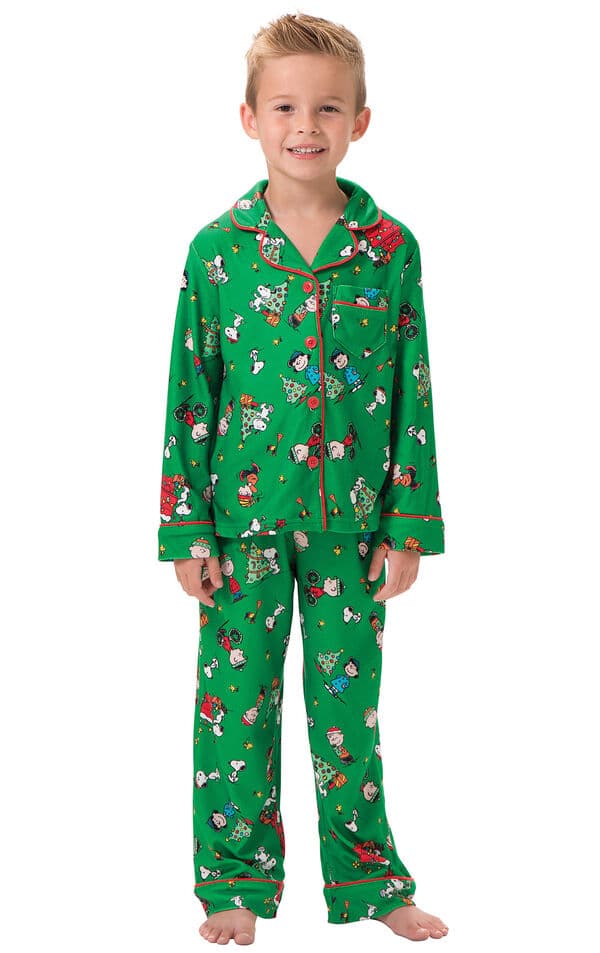
Mi sobrino lleva puesto el pijama verde.
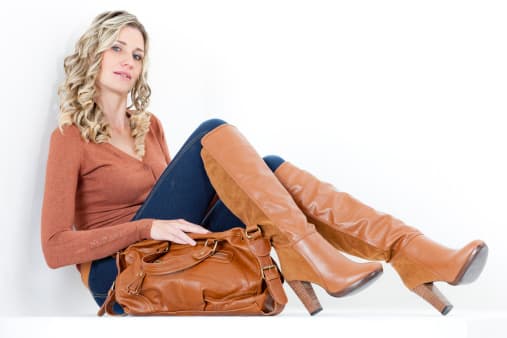
Mi prima lleva puestas las botas marrones.
Mi sobrino lleva puesto el pijama verde.
Mi sobrina lleva puestas las medias rosadas.
Mi esposo lleva puesta la corbata roja.
Mi esposa lleva puesto el abrigo blanco.
My father is wearing the blue suit.
My mother is wearing the green skirt.
My brother is wearing the black pants.
My sister is wearing the blue dress.
I am wearing the white T-shirt.
My grandfather is wearing the black hat.
My grandmother is wearing the red scarf.
My uncle is wearing the brown jacket.
My aunt is wearing the green gloves.
My cousin (male) is wearing the black shoes.
My cousin (female) is wearing the brown boots.
My nephew is wearing the green pajamas.
My niece is wearing the pink stockings.
My husband is wearing the red tie.
My wife is wearing the white coat.
I want some free points.
To the Lakota, and other indigenous people on North America's Great Plains, the bison was an essential part of their culture ( expressed in the quote on the previous page). The bison provided meat for nutrition, a hide for clothing and shelter, bones for tools, and fat for soap. The bison was also central to their religious beliefs. So, when European settlers hunted the bison nearly to extinction, Lakota culture suffered. Culture is central to a society and the identity of its people, as well as its continued existence. Therefore, geographers study culture as a way to understand similarities and differences among societies across the world, and in some cases, to help preserve these societies. Analyzing Culture All of a group's learned behaviors, actions, beliefs, and objects are a part of culture. It is a visible force seen in a group's actions, possessions, and influence on the landscape. For example, in a large city you can see people working in offices, factories, and stores, and living in high-rise apartments or suburban homes. You might observe them attending movies, concerts, or sporting events. Culture is also an invisible force guiding people through shared belief systems, customs, and traditions. Culture is learned, in that it develops through experiences, and not merely transmitted through genetics. For example, many people in the United States have developed a strong sense of competitiveness in school and business, and believe that hard work is a key to success. These types of elements, visible and invisible, are cultural traits. A series of interrelated traits make up a cultural complex, such as the process of steps and acceptable behaviors related to greeting a person in different cultures. A single cultural artifact, such as an automobile, may represent many different values, beliefs, behaviors and traditions and be representative of a cultural complex. Since culture is learned there are many ways that one generation passes its culture to the next. Children and adults learn traits three ways: • imitation, as when learning a language by repeating sounds or behaviors from a person or television • informal instruction, as when a parent reminds a child to say "please" • formal instruction, as when students learn history in school 132 HUMAN GEOGRAPHY: AP" EDITION CULTURAL COMPLEX OF THE AUTOMOBILE The automobile provides much more than just transportation, as it reflects many values that are central to American culture. Origins of Culture The area in which a unique culture or a specific trait develops is a culture hearth. Classical Greece was a culture hearth for democracy more than 2,000 years ago. New York City was a culture hearth for rap music in the 1970s. Geographers study how cultures develop in hearths and diffuse-or spread-to other places. Geographers also study taboos, behaviors heavily discouraged by a culture. For example, many cultures have taboos against eating certain foods, such as pork or insects. What is considered taboo changes over time. In the United States, marriages between Protestants and Catholics were once taboo, but they are not widely opposed now. Traditional, Folk, and Indigenous Cultures With the beginning of the Industrial Revolution in the late 18th century, modern transportation and communication connected people as never before and led to extensive cultural mixing, especially as cities have grown. The world prior to this time was very different; however, remnants of the past are still evident in our modern cultures. Traditional, folk, and indigenous cultures share some important characteristics and are often grouped together, but they do have some subtle differences. Traditional Culture Recently, the meanings of traditional, folk, and indigenous culture have begun to merge, causing geographers to debate when each should be used. Increasingly, the term traditional culture is used to encompass all three cultural designations. All three types share the function of passing down long-held beliefs, values, and practices and are generally resistant to rapid changes in their culture. Folk Culture The beliefs and practices of small, homogenous groups of people, often living in rural areas that are relatively isolated and slow to change, are known as folk cultures. Like all cultures, they demonstrate the diverse ways that people have adapted to a physical environment. For example, people around the world learned to make shelters out of available resources, whether 3.1: INTRODUCTION TO CULTURE 133 it was snow or mud bricks or wood. However, people used similar resources such as wood differently. In Scandinavia, people used trees to build cabins. In the American Midwest, people processed trees into boards, built a frame, and attached the boards to it. Many traits of folk culture continue today. Corn was first grown in Mexico around 10,000 years ago, and it is still grown there today. While many elements of folk culture exist side by side with modern culture, there are people whose societies have changed little, if at all, from long ago. These people practice traditional cultures, those which have not been affected by modern technology or influences. They often live in remote regions, such as some small tribes in the Amazon rainforest, and have scant knowledge of the outside world. As the lines continue blurring between cultural designations, the Amish of Pennsylvania are often referenced as both folk and traditional culture. Indigenous Culture When members of an ethnic group reside in their ancestral lands, and typically possess unique cultural traits, such as speaking their own exclusive language, they are considered an indigenous culture. Some indigenous peoples have been displaced from their native lands, but still practice their indigenous culture. Native Americans in the United States, such as the Navajo, have kept indigenous cultural practices. First Nations of Canada, such as the Inuit, have also retained their indigenous culture. Globalization and Popular Culture As a result of the Industrial Revolution, improvements in transportation and communication have shortened the time required for movement, trade, or other forms of interaction between two places. This development, known as space-time compression (see Topics 1.4 and 3.6), has accelerated culture change around the world. In 1817, a freight shipment from Cincinnati needed 52 days to reach New York City. By 1850, because of canals and railroads, it took half that long. And by 1852, it took only 7 days. Today, an airplane flight takes only a few hours, and digital information takes seconds or less. Similar change has occurred on the global scale. People travel freely across the world in a matter of hours, and communication has advanced to a point where people share information instantaneously across the globe. The increased global interaction has had a profound impact on cultures, from spreading English across the world to instant sharing of news, events and music. Globalization specifically refers to the increased integration of the world economy since the 1970s. The process of intensified interaction among peoples, governments, and companies of different countries around the globe has had profound impacts on culture. The culture of the United States is intertwined with globalization. Through the influence of its corporations, Hollywood movies, and government, the United States exerts widespread influence in other countries. But other countries also shape American culture. For example, in 2019, the National Basketball Association included players from 38 countries or territories. When cultural traits- such as clothing, music, movies, and types of 134 HUMAN GEOGRAPHY: AP. EDITION businesses-spread quickly over a large area and are adopted by various groups, they become part of popular culture. Elements of popular culture often begin in urban areas and diffuse quickly through globalization processes such as the media and Internet. These elements can quickly be adopted worldwide, making them part of global culture. People around the world follow European soccer, Indian Bollywood movies, and Japanese animation known as anime. With people in many nations wearing similar clothes, listening to similar music, and eating similar food, popular cultural traits often promote uniformity in beliefs, values, and the cultural landscape across many places The cultural landscape, also known as the built environment (see Topic 3.2), is the modification of the environment by a group and is a visible reflection of that group's cultural beliefs and values. Traditional Culture to Popular Culture Popular culture emphasizes trying what is new rather than preserving what is traditional. Many people, especially older generations or those who follow a folk culture, openly resist the adoption of popular cultural traits. They do this by preserving traditional languages, religions, values, and foods. While older generations often resist the adoption of popular culture, they seldom are successful in keeping their traditional cultures from changing, especially among the young people of their society. One clash between popular and traditional culture is occurring in Brazil. As the population expands to the interior of the rain forest, many indigenous cultures, like the Yanamamo tribe, have more contact with outside groups. Remaining isolated by the forest is becoming increasingly difficult as many young people from the indigenous cultures become exposed to popular culture and begin to integrate into the larger Brazilian society. As the young people leave their communities, they are more likely to accept popular culture at the expense of their indigenous cultural heritage, which threatens the very existence of their folk culture. Traditional culture typically exhibits horizontal diversity, meaning each traditional culture has its own customs and language that makes it distinct from other culture groups. Yet, people people within each group are usually homogeneous, or very similar to each other. By contrast, popular culture typically exhibits vertical diversity, meaning that modern urban societies are usually heterogeneous, or exhibiting differences, within the society and usually contain numerous multiethnic neighborhoods. However, on a global scale popular cultures are relatively similar with the same type of malls, shops, fast food, and clothing. Urban global culture centers are not identical, yet, global cities often do not have as much horizontal diversity across space as folk cultures. 3.1: INTRODUCTION TO CULTURE 135 COMPARING TRADITIONAL AND POPULAR CULTURE Trait Traditional Culture Popular or Global Culture Society • Rural and isolated location • Urban and connected location • Homogeneous and • Diverse and multiethnic indigenous population population • Most people speak an • Many people speak a global indigenous or ethnic local language such as English or language Arabic • Horizontal diversity • Vertical diversity Social • Emphasis on community and • Emphasis on individualism and Structure conformity making choices • Families live close to each • Dispersed families other • Weakly defined gender roles • Well-defined gender roles Diffusion • Relatively slow and limited • Relatively rapid and extensive • Primarily through relocation • Often hierarchical • Oral traditions and stories • Social media and mass media Buildings and • Materials produced locally, • Materials produced in distant Housing such as stone or grass factories, such as steel or glass • Built by community or owner • Built by a business • Similar style for community • Variety of architectural styles • Different between cultures • Similar between cities • Traditional architecture • Postmodern / contemporary architecture Food • Locally produced • Often imported • Choices limited by tradition • Wide range of choice • Prepared by the family or • Purchased in restaurants community Spatial Focus • Local and regional • National and global Artifacts, Mentifacts, and Sociofacts Whether a cultural attribute is considered traditional, folk, indigenous, or popular in nature, it is valuable to differentiate between elements of culture that can be seen and those that can not. There are artifacts that comprise the material culture, which consists of tangible things, or those that can be experienced by the senses. Art, clothing, food, music, sports, and housing types are all tangible elements of culture. Another element of the study of artifacts is understanding the techniques to use or build a specific artifact. Artifacts can be unique to a particular culture, or can be shared. For example, people of all cultures need to communicate through language, yet there are many groups that possess languages unique to their culture. The ability to read, write and understand the English language is an artifact of importance for much of popular global culture. 136 HUMAN GEOGRAPHY: AP" EDITION Mentifacts comprise a group's nonmaterial culture and consist ofintangible concepts, or those not having a physical presence. Beliefs, values, practices, and aesthetics (pleasing in appearance) determine what a cultural group views as acceptable and desirable. Mentifacts can also be unique or shared. People of many cultures possess an belief in one or many deities, and often the deities are unique to that culture. The belief in a god is a mentifact-the religious building or symbols are artifacts. Cultural groups also possess sociofacts, which are the ways people organize their society and relate to one another. Taken altogether, people tend to see the whole of their culture as greater than the sum of its individual parts. Sociofacts are embodied through families, governments, sports teams, religious organizations, education systems, and other social constructs. As with artifacts and mentifacts, sociofacts may also be unique or similar to other societies. Families are the foundations of most societies, yet what constitutes the structure of a family may vary widely between cultural groups. For example, Western cultures tend to view the nuclear family, consisting of the parents and their children as the basic family unit. By contrast, in many Western African cultures the norm is the extended family, consisting of several generations and other family members such as cousins living under one roof.Create me a multiple choice test questions with 4 options on the following topic:Consumer Education for Different Audience 1. Children and Youth: - Focus: Building foundational knowledge about basic consumer concepts, making safe choices, understanding money and value, and recognizing scams and unsafe situations. 2. Teens and Young Adults: - Focus: Building financial literacy, responsible debt management, understanding contracts and agreements, responsible technology use, online safety, and consumer rights. 3. Working Adults and Families: - Focus: Managing budgets, making informed purchasing decisions, understanding credit and debt, finding consumer protection resources, and navigating complex financial products (mortgages, insurance, investments). 4. Seniors: - Focus: Protecting themselves from scams and fraud, understanding common consumer issues like telemarketing, identity theft, and online scams, managing medications and healthcare costs, and accessing community resources. 5. Special Populations: - Focus: Adapting consumer education programs to the specific needs of people with disabilities, immigrants, refugees, and other marginalized communities. 6. Business and Industry:- Focus: Understanding ethical marketing practices, complying with consumer protection laws, and providing clear and accurate information to consumers. 7. Policymakers and Regulators: - Focus: Understanding consumer needs, developing effective consumer protection laws, enforcing regulations, and ensuring a fair and competitive marketplace. Adapting consumer education programs for children, teens, and seniors requires tailoring content and delivery methods to their unique needs and learning styles. Children (Ages 5-12): - Understanding the concept of money: Teaching children about saving, spending, and the value of money. - Developing basic budgeting skills: Helping children learn to make choices about how to spend their allowance or pocket money. EFFECTIVE STRATEGIES •Focus on basic concepts: Introduce core concepts like saving, spending, and budgeting in a fun and engaging way. Use simple language and relatable examples. •Real-life scenarios: Use age-appropriate scenarios to illustrate financial concepts, like buying toys or snacks. •Parental involvement: Encourage parent participation and provide resources to help them reinforce lessons at home. Teens (Ages 13-18): - Building budgeting and financial planning skills: Teaching teens how to manage their money, set financial goals, and plan for the future. - Navigating the digital marketplace: Equipping teens with the knowledge and skills to make safe and informed online purchases, understand digital marketing, and protect themselves from scams. EFFECTIVE STRATEGIES • Practical skills: Focus on skills relevant to teens, like managing money for social activities, saving for college, and understanding credit cards. • Digital literacy: Address the growing influence of online shopping, social media advertising, and financial scams. • Real-world applications: Connect financial concepts to real-life decisions teens make, like choosing a part-time job or making purchases online. Seniors (Ages 65+) - Managing retirement savings and healthcare costs: Providing information and resources on retirement planning, Medicare and Medicaid, and other healthcare options. - Navigating the digital world: Offering technology training and resources to help seniors access online services and information safely and securely. EFFECTIVE STRATEGIES • Addressing specific concerns: Focus on topics relevant to senior citizens, like retirement planning, managing healthcare expenses, and avoiding scams. • Clear and concise communication: Use simple language and visual aids to ensure easy understanding. • Social interaction: Create opportunities for seniors to share experiences and learn from each other. Teaching Financial Literacy in school and Communities In Schools: Curriculum Integration: Financial literacy concepts can be seamlessly integrated into existing subjects, making learning more relevant and engaging. - Math: Budgeting exercises, calculating interest rates, analyzing financial data, and understanding compound interest are all natural applications of math skills. - Social Studies: Exploring the history of money, financial institutions, economic systems, and the impact of financial decisions on society provide valuable context. - Economics: Discussions about supply and demand, inflation, investment, and the role of consumers in the economy enhance financial literacy. Dedicated Courses: Offering elective courses or workshops specifically focused on personal finance provides deeper dives into crucial topics. - Personal Finance: Cover budgeting, saving, investing, credit, debt management, and insurance. - Entrepreneurship: Introduce concepts like business planning, marketing, financial forecasting, and managing cash flow. In Communities: Community Centers and Libraries: Workshops, seminars, and classes tailored to adults and families provide accessible learning opportunities. - Financial Planning: Cover budgeting, retirement planning, debt management, and estate planning. - Homeownership: Provide guidance on buying, selling, and maintaining a home. - Consumer Protection: Educate individuals about their rights and how to avoid scams. Partnerships with Financial Institutions: Collaborations with banks, credit unions, and financial advisors offer valuable resources, workshops, and financial literacy programs. Consumer Education for Low-Income and Vulnerable Populations Low-income refers to individuals or households with limited financial resources, typically below a certain threshold. Low-income individuals may face challenges like: 1. Limited education and job opportunities 2. Poor living conditions and housing 3. Food insecurity and malnutrition Causes of low income: 1. Unemployment or underemployment 2. Low-paying jobs or minimum wage 3. Limited education or skills 4. Single parenthood or large family size Vulnerable population'' is a term that is used to describe a group of people who possess some sort of disadvantage. elderly people, people with low incomes, homeless people, people in prison, migrant workers, pregnant women, Family Consumer Education: Managing Household Finances and Resources Financial literacy is the ability to understand and manage personal finances effectively. 1. Debt Debt is money you spend that isn’t yours. If you borrow money from the bank, use a credit card, or take out a short-term loan, or a payday loan, you are accumulating debt. Good debt is considered money borrowed for things that are absolutely necessary for making a life e.g. a house and for advancing your money-making potential e.g. an education. Bad debt is considered borrowing money or using a credit card to pay for things you don’t need, such as expensive clothes, hi-tech electronics, eating out at restaurants, going on holidays, etc. 2. Saving Saving is an essential part of financial wellness, a secure present, and a happy future. 3. Budgeting Budgeting is the life skill of planning and managing your money. By understanding exactly where your money goes every month, you are empowered to create an actionable plan by which you can spend less, by curtailing those unnecessary expenses and saving more for the things you need and want. 4. Investing Investing is all about creating and growing the wealth you need to enjoy a financially secure and happy future. It’s about putting your money into something that will make you a profit over time, such as property, retirement funds, and unit trusts Integrating Consumer Education into the Home Economics Curriculum. Integrating consumer education into the home economics curriculum can provide students with essential skills for making informed choices about their personal finances, food, clothing, and overall well-being. Here are some strategies and ideas for effectively incorporating consumer education: Financial Literacy Budgeting: Teach students how to create and manage a personal budget, including setting financial goals, tracking expenses, and understanding savings. Saving and Investment: Cover the basics of saving, including different saving accounts, and introduce concepts related to investing. Food and Nutrition Food Label Literacy: Engage students in learning how to read and interpret food labels, including nutrition facts and ingredient lists. Grocery Shopping Skills: Teach students how to compare product costs, understand unit pricing, and make healthy, budget-friendly choices while shopping. Clothing and Textile Education Consumer Choices in Clothing:Discuss factors influencing clothing purchases, such as quality, price, and sustainability. Fashion and Trends: Analyze the impact of marketing and advertising on consumer behavior regarding clothing. Sustainable Purchasing Eco-Friendly Choices: Raise awareness about environmentally friendly products and the importance of sustainability in consumer choices. Project-Based Learning - Assign real-life projects where students must apply their knowledge, such as creating a meal plan within a budget, planning a shopping list based on nutrient needs, or evaluating the cost-effectiveness of different products. Technology Integration - Use technology to teach students about online shopping, price comparison websites, and apps that aid budgeting and financial planning. Collaborative Learning Opportunities - Organize team projects where students work together to solve consumer-related problems, emphasizing teamwork and communication skills. Assessment and Reflection - Incorporate assessments that allow students to reflect on what they have learned about consumer education and how they can apply these skills in their daily lives. 1. Settlements Importance of Rivers Fertile Land: The soil near rivers was great for farming, thanks to regular flooding that added nutrients. Trade and Travel: Rivers made moving things and people easy, which helped trade and communication. Protection: Rivers could act as natural barriers, making it harder for enemies to attack. Food: Rivers were full of fish and other food, adding to what people could eat. Energy: People used the river's flow to power machines, for example, grinding grain. Cleanliness: Rivers were used to wash away waste, keeping settlements cleaner. Culture: Rivers often had spiritual importance, and ceremonies and stories revolved around them. Common Geographic Features of Ancient Civilizations Mesopotamia: the Tigris and Euphrates Rivers in central Iraq Indus River Valley: the river runs in the northwestern part of India Nile River Valley: the major river of Egypt Yellow River Valley: a major river flowing through the southern part of China Rivers provided water, food, transportation, and shaped the way of life and development of these ancient civilizations. Impact of Mountains on Settlements Mountains served as barriers to early settlement due to the lack of technology to cross them. The Himalayan Mountains isolated much of India and China during their early development. Impact of Deserts on Migration Deserts posed significant challenges to people who wanted to migrate due to their harsh and unforgiving conditions. Notable deserts include the Empty Quarter in Saudi Arabia and the Sahara Desert in Africa. Changes in Migration and Cultural Blending Advancements in transportation technology post-Industrial Revolution increased cultural blending. Transportation advancements enabled global migration. Before, cultures were isolated, focusing on beliefs and local adaptations. The Industrial Revolution transformed migration and cultural blending. 2. How Humans Modify and Adapt to Their Environment Ways Humans Modify Their Environment Mining: Removing the earth's surface for precious metals. Irrigation: Diverting water for farming. Transportation: Moving goods with trains, cars, airplanes, and boats. Mining Strip mining removes large layers of the earth. Can impact the environment by removing plants and polluting water sources. Irrigation Diverting water for farming and urban development. Transportation Moving goods using trains, cars, airplanes, and boats. Human Adaptation to the Environment Adjusting to environmental conditions by changing behavior. Examples: Wearing specific clothing, using specific building materials. Human Modification of the Environment Changing the earth to meet human needs by physically altering the environment. Examples: Dams, canals, roads, bridges. Impact of Weather and Geological Events on Humans Events like earthquakes, hurricanes, and cold weather affect human settlements. Examples: Building earthquake-resistant buildings, creating levees, using ice for tourism. 3. Understanding Culture Introduction to Culture Culture refers to the way of life of a group of people who live in a particular place. It includes traditions, beliefs, values, and the way they do things. Cultural Characteristics Religious traditions Language Family values Laws Cultural characteristics make each culture unique. Cultural Representations Art Architecture Music Literature Cultural representations express a culture's creativity and show their beliefs and history to the world. Government and Culture Types of government reflect cultural beliefs and traditions. Examples: democratic republic, communist state. The way a country is governed tells a lot about its culture. Economic Systems and Cultures Economic systems reflect cultural values. Examples: bartering, modern economies (e.g., United States, China). How people earn and spend money also reflects their culture. Spread of Cultural Ideas Trade: Spreading ideas through interactions during trade. Travel: Visitors bringing new ideas. War: Conquering armies imposing beliefs. Cultural ideas spread through trade, travel, and war. Multicultural Societies Blending of multiple cultural and ethnic groups. Common in advanced societies with immigration. Multicultural societies create something new by bringing together different cultures. Cultural Adaptation Cultures can change and adapt by taking new ideas and blending them with their own traditions. Example: 'Tex-Mex' food, which blends Mexican and Texan traditions.MEANING OF A WAGE A wage is an amount of money which one gets for work done during a period of time. It can be paid for work done in one day, one week, two weeks. A wage is not paid for the time or day when work is not done. An income is the total amount of money that one gets from different sources during a period of time. These can include the money or wages one is paid at work and extra money one gets as a gift or the money receives for the extra work done after office hours. THE FOLLOWING ARE OTHER SOURCES OF INCOME: 1. Transport allowances 2. Housing allowances 3. Interest from savings 4. Dividends 5. Gratuity 6. Pension Reasons why people work are as follows: 1. To remain healthy 2. To exercise the body and mind 3. To provide for himself and family 4. To pay bills (school fees, services rendered) 5. To get money for clothing and shelterAnimal Rights and Diet Success Criteria I can explain key terms which describe the type of diets people have I can explain the advantages and disadvantages of different types of diet Animal Rights and Diet Match up the terms with the meaning Term Meaning Omnivore - eats fish but no other type of meat Vegetarian - eats most types of meat and vegetables Pescetarian - doesn’t eat any products that come from animals Vegan - doesn’t eat meat but will eat dairy products like milk Place the different diets on a spectrum All meat No animal products at all Vegetarian Vegan Omnivore Pescetarian Omnivore Omnivore Most people in the UK are omnivores Match the countries with the amount of meat eaten per person per year Country Meat per person per year India 9.9 kg USA 4.4 kg Bangladesh 120 kg UK 111.5kg Nepal 84.2 kg Australia 4 kg Numeracy How much meat is consumed in the UK per year? (Amount of meat eaten X the UK population) 2. How much meat is consumed in Bangladesh per year? (Amount of meat eaten X the Bangladesh population) Country Meat per person per year USA 120 kg Australia 111.5kg UK 84.2 kg Nepal 9.9 kg India 4.4 kg Bangladesh 4 kg UK – 64 million Bangladesh – 165 million http://www.telegraph.co.uk/travel/maps-and-graphics/world-according-to-meat-consumption/ 7 Why do people eat meat? Discuss Tradition (their family has always done it) Culture (celebrations) Taste Convenience Nutrients such as B12, protein and iron Consumption of meat is rising across developing countries because higher incomes generally mean more meat eating. Pescetarian "Yeah, I'm a vegetarian." "But that looks like fish you're eating." "Oh yeah, I eat fish.“ An estimated 5% - 6% of people in the UK are pescetarians. How many people is this? Approx. 3.6 million Calculation – 66,000,000 /100 x 5.5 = 3,630,000 9 Which group is cuter? Animals Fish 10 People often don’t feel as much love for fish as they do for fluffy, cute mammals. The may think fish don’t feel pain. They may be fussy. They think fish isn’t meat. Not farmed as much as mammals; can be wild. To get nutrients they wouldn’t get from just vegetables and grains. (Omega 3 is in plants but in higher concentrations in oily fish) Why are people pescetarians? https://www.vegsoc.org/sslpage.aspx?pid=753 http://articles.mercola.com/omega-3.aspx Fish – In a perfect world, fish can provide you all the omega-3s you need. Unfortunately, the vast majority of the fish supply is now heavily tainted with industrial toxins and pollutants, such as heavy metals which include mercury, lead, arsenic, and cadmium, PCBs, and radioactive poisons. These toxins make eating fish no longer recommended. 11 Vegetarianism Vegetarians will not eat any meat or product that comes from the slaughter of animals e.g. gelatine. About 3% of the UK population are vegetarian. How many people is this? 1.9 million 12 Why are people vegetarian? They don’t like the idea that animals are killed so they can eat Health reasons Don’t like meat Brought up vegetarian Environmental reasons Religious reasons (e.g. some Buddhist, Hindus) Watch the following clip twice. The second time, write down the fact which surprises you the most. https://www.youtube.com/watch?v=VW6wfpHFdaI The World Health Organization has classified processed meats – including ham, salami, sausages and hot dogs – as a Group 1 carcinogen (same as smoking/alcohol) which means that there is strong evidence that processed meats cause cancer. Red meat, such as beef, lamb and pork has been classified as a 'probable' cause of cancer. 13 Veganism Not just a diet Around 1% of the population of UK are vegans. A vegan is described by the Vegan Society as “a philosophy and way of living which seeks to exclude—as far as is possible and practicable—all forms of exploitation of, and cruelty to, animals for food, clothing or any other purpose; and by extension, promotes the development and use of animal-free alternatives for the benefit of humans, animals and the environment. In dietary terms it denotes the practice of dispensing with all products derived wholly or partly from animals” Why are people vegan? Why are people vegan? James Aspey: https://www.youtube.com/watch?v=a22XxXP3nU8 Warning: some of the content in this video clip may upset some viewers from 7:14 – 8:11 https://www.youtube.com/watch?v=BtqXeym7H8A Why are people vegan? “Don’t want bad karma” Feel healthier Reduce chances of diseases. Example heart disease. Don’t want to exploit animals Believe in animal rights Sustainability Environment Create a Table of Pros & Cons of Veganism Pros √ Cons - Create a Table of Pros & Cons of Veganism Pros Cons No animals have died for you to eat Some people think it is healthier Help the environment Fewer antibiotics/chemicals that are given to some animals Makes you feel good No vitamin B12 so have to supplement Harder to find food at shops or restaurants May be harder to get enough iron May be more expensive to get substitute meats Judged by family and friends Could put farmers out of business Group Work Source 1 Summarise it in your jotter Explain what the source is/what it says What does it suggest? What is your opinion? Feedback to rest of class https://www.youtube.com/watch?v=SYyjel5VuHg Farmer’s PoemCritical Safety Steps to Take Before Volcanic Eruption Occurs • Learn whether the volcano near you is active of Inactive, and then learn about your community warning systems and evacuation plans. • Prepare an emergency disaster plan for you and your family. • Prepare the necessary things needed, such as nonperishable food, flashlights, and batteries so that you can leave immediately once evacuation is issued. • Prepare goggles and masks or anything that can be used to cover your nose and mouth. • Evacuate to a place until the warning signs of a volcanic eruption has subsided. Critical Safety Steps to Take During Volcanic Eruption • Do not panic; stay calm Move to higher places since low-lying areas are the most likely paths where the lava would flow. • Seek a place for cover for there are big pyroclastic materials that might be falling. • Use masks to avoid breathing in the ashes and goggles to protect your eyes. Also wear long sleeves and pants to protect your body. • Close all doors and windows to avoid the ashes from entering the house. • Always stay indoors or inside the evacuation centers. • Machineries should be turned off and placed inside. • Tune in to radio broadcasts to be updated on the latest information. Critical Safety Steps to Take After Volcanic Eruption • Once the order is given, go back to your house, but leave your children with someone you trust and ask them to take care of them for a while. • Check your house for damage. • Clean everything around and make sure you use masks and protective clothing while doing so to prevent irritation from contact with ash. • Tune in to radio broadcasts to be updated on disaster prevention instructions.Día de los Muertos (Day of the Dead) When and Where? People all over the world celebrate Día de los Muertos, or "Day of the Dead." People in Mexico have celebrated holidays like this one for thousands of years. All over the United States, people hold parades and celebrations. These usually take place around November 1 and 2. Is It Halloween? Día de los Muertos might seem like Halloween. The two holidays are different, though. Halloween is often about scaring people. Día de los Muertos is a time of joy. People remember and celebrate loved ones who have died Lidia's Día de los Muertos. Lidia Terán-Cooper grew up in Mexico. Lidia and her family spent every Día de los Muertos at the cemetery. The family brought flowers and a picnic. They told stories about those who had died. Bands played special songs. Lidia and the other children danced and played all day. Día de los Muertos was always a happy day for Lidia. Lidia lives in the United States now. Lidia and her family walk in the parade in Tucson (TOO-sawn), Arizona, every year. Before the parade, Lidia makes masks. Children and adults paint the masks and wear them in the parade. Day of the Dead for Children. Some places have a parade for children. Children decorate cardboard wings to wear. They paint their faces and put on costumes.Altars. Día de los Muertos has many other traditions. Some people build altars in their homes. The altars are covered with cloth. The family puts up photos of the person who has died. They might add a favorite item or piece of clothing of the loved one. The family lights candles around the altars. They also make special bread. They might even leave a favorite drink. Flowers, skeleton toys, and dolls also decorate the altars. Sugar Skulls. Some people make sugar skulls. People decorate the sugar skulls with colorful frosting. Children love eating the sweet skulls. Art. Some artists make paintings for the holiday. The paintings show skeletons dancing and playing music. The art is a way to celebrate friends and family members who have died. Full of Life. Día de los Muertos helps people to feel better after losing someone they love. Marching in a parade or decorating altars can help them celebrate that special person. No other holiday is so full of life, costumes, masks, joy, memories, and love• Agriculture is growing of crops and keeping of animals. • People who practice agriculture are called farmers. • Agriculture is very important to the family. Benefits to the family • It provides food. • It provides money. • Agriculture gives us medicine. • It provides jobs. • Agriculture gives us transport and power. • It helps most families become self sufficient. • Farm tools are instruments used on farms to make work easier. • They are usually handheld and are used frequently when practicing agricultural activities. • Farm tools are light in weight, easy to handle and are suited to the strength of the farmer Name of tool Picture Use Watering can For fine watering of seed beds bucket Carrying manure, fertilizer,seed and ripe crops Name of tool Picture Use Sickle Cutting grass and harvesting of cereals like rice and wheat Slasher Cutting down tall grass and weeds USES OF FARM TOOLS Name of tool Picture Use Garden trowel Transplanting seedlings and making planting holes Hand fork Shallow cultivation of soil Aerating the soil USES OF FARM TOOLS Name of tool Picture Use Shovel Loading and offloading soil or manure into a wheelbarrow, scotch cart or truck Spade Digging and turning over of moist soil USES OF FARM TOOLS Name of tool Picture Use Garden fork Loosening and turn soil Garden line Marking straight ridges and garden beds USES OF FARM TOOLS Name of tool Picture Use wheelbarrow Moving items around the farm Items such as soil, mulch, animal feed. Etc Knapsack sprayer Spraying pesticides and herbicides Spraying fertilizers on crops. • An inventory is a record of the things that you have. • This is a list of tools issued out and tools received back and from whom Inventory of farm tools Inventory record sheets Created by Date Name of tool Sheet Tool numbenumber Description r Location Quantity Spade 1/15 Black,wooden handle Store room 2 SAFETY IN AGRICULTURE • Agricultural activities can be dangerous. • Hazards involved results in injury, disability and death of people and animals. • The hazards are usually caused by physical injury and chemical poisoning. Common hazards in Agriculture 1. physical injury These include: • Injury caused by accidents during use of farm tools, equipment and machinery. • Misuse and improper storage of farm tools and equipment. • Being kicked by animals. • Drowning in farm pond, pool or dam. Common hazards in Agriculture 2 . Chemical poisoning These include: • Spraying without protective clothing. • Eating or smoking when spraying chemicals. • Dumping toxic chemical left overs on land and in water. • Eating agriculture produces without prior permission from adults. • Pesticides, herbicides and fertilizers pollute water sources and kill animals. Chemical poisoning Ways of preventing common agricultural hazards 1. Wear protective clothing such as gloves, gumboots, respirator, hat and overalls. 2. Do not eat, drink or smoke when spraying. 3. Dispose off all chemical remains safely. 4. Bury or burn empty chemical containers and chemical left overs. 5. Wash thoroughly with running water and soap after using chemicals. 6. Do not spray during windy days. 7. Handle tools the right way. 8. Fence farm ponds and dams. Ways of preventing common agricultural hazards Climate and Landuse Seasons of Zimbabwe Seasons of Zimbabwe Definition of terms • A season is a time of the year with almost the same weather patterns. • Weather is the state of the atmosphere at a particular time at a particular place. • it is the daily condition of air around us. • Seasons are determined by rainfall and temperature. Seasons of Zimbabwe • There are four seasons in Zimbabwe , which are: 1.The rain season 2.Post rain season 3.Cool dry season 4.Hot dry season Seasons of Zimbabwe 1.The rain season ( summer) • It is also called the hot- wet season. • The season begins in mid November to mid March. • The period is rainy and hot. • Dams and rivers fill up. Seasons of Zimbabwe 2 . The post rain season ( autumn ) • It starts mid March – May • The days are bright and sunny. • The leaves change from green to red, orange, yellow or brown before falling. • In addition, there is less sunlight because the days are shorter. • It is the harvesting period of most crops. Seasons of Zimbabwe 3. The cold dry season ( winter ) • It begins mid May – mid August • The mornings, evenings and nights are very cold. • Has short days and long nights. Seasons of Zimbabwe 4 . The hot season (spring ) • It begins mid August – mid November. • The days are very hot with cool nights. • A season for trees to develop new shoots. Summer Activities Agricultural activities done during the rain season includes: • Ploughing and planting of summer crops for example maize, cotton. • Weeding • Pest and disease control • Applying fertilizers. • Weekly dipping of animals because ticks, lice and mites would be many. • Harvesting of summer crops • Preparing fireguards. A fireguard is a fire break. • Beginning of the planting of wheat, barley and oats. Winter Activities • Planting of winter crops such as wheat, barley and oats. • Harvesting and selling of summer crops continues. • Constructing frost barriers for frost sensitive crops such as tomatoes. • Vaccinating animals against blackleg. • Supplementary feeding of grazing animals. • Dosing of animals to kill internal parasites. Spring Activities • Shelling and threshing of grain crops. • Dry planting of summer crops. • Carrying manure to fields. • Ploughing and harrowing. • Making planting holes Soil Components •Soil is made up of 4 components: 1)Mineral matter 2)Organic matter 3)Soil water 4)Soil air