Loading...

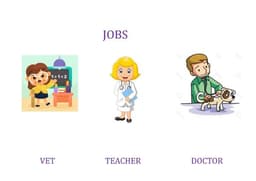
Family and jobs
Quiz by Ecaterina Popa
Customize this quiz to suit your class
Instantly translate to 100+ languages
Tag the questions with any skills you have. Your dashboard will track each student's mastery of each skill.
Give this quiz to my class
He is a ...

doctor
teacher
He is ...
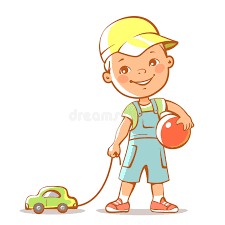
a brother
a sister
He is a ...

He is ...
She is ...

He is ...

He is ...

She is a ...

He is ...

He is a ...

He is a ....

He is a ...
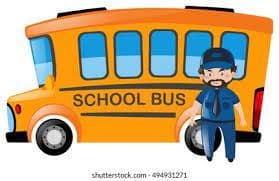
He is a....
She is ...

She is ...

He is...

She is ...

 Discussing Family and JobsMy Family and Their JobsFamily and Friends starter JobsFamily and Friends 1 Unit 4 JobsVerb to be questions that correctly conjugate with the subject or subject pronoun on the topic of family, hobbies and jobsDATE: Wednesday 8th May, 2024 CLASS: Year 4 SUBJECT: Social Studies TOPIC: Employment Meaning of employment It means having a job or work to do to earn a living. An employed person can take care of himself and provide for his family. Self-employed means working for yourself or doing your personal work. Unemployment means a situation in which a person does not have a job or earn a living. CONSEQUENCES OF UNEMPLOYMENT IN OUR SOCIETY ARE: 1. It brings about hardship. 2. It leads to bad social habit like hard drugs, armed robbery etc. 3. It makes a society to become poorer. 4. It causes insecurity in the society. 5. An unemployed person is a burden to his or her family and the larger society. WAYS OF REDUCING UNEMPLOYMENT Unemployment can be reduced in several ways, some of which are: 1. Setting up more factories, industries and offices where people can get jobs. 2. Encouraging people to be self- employed, rather than looking for government jobs. 3. Encouraging young people to go into farming. 4. Government should create more job opportunities. 5. Government should help small business owners with loans that will help their businesses to grow. 6. Government should provide electricity for businesses. VOCABULARY (Number, jobs, greeting and family)• Agriculture is growing of crops and keeping of animals. • People who practice agriculture are called farmers. • Agriculture is very important to the family. Benefits to the family • It provides food. • It provides money. • Agriculture gives us medicine. • It provides jobs. • Agriculture gives us transport and power. • It helps most families become self sufficient. • Farm tools are instruments used on farms to make work easier. • They are usually handheld and are used frequently when practicing agricultural activities. • Farm tools are light in weight, easy to handle and are suited to the strength of the farmer Name of tool Picture Use Watering can For fine watering of seed beds bucket Carrying manure, fertilizer,seed and ripe crops Name of tool Picture Use Sickle Cutting grass and harvesting of cereals like rice and wheat Slasher Cutting down tall grass and weeds USES OF FARM TOOLS Name of tool Picture Use Garden trowel Transplanting seedlings and making planting holes Hand fork Shallow cultivation of soil Aerating the soil USES OF FARM TOOLS Name of tool Picture Use Shovel Loading and offloading soil or manure into a wheelbarrow, scotch cart or truck Spade Digging and turning over of moist soil USES OF FARM TOOLS Name of tool Picture Use Garden fork Loosening and turn soil Garden line Marking straight ridges and garden beds USES OF FARM TOOLS Name of tool Picture Use wheelbarrow Moving items around the farm Items such as soil, mulch, animal feed. Etc Knapsack sprayer Spraying pesticides and herbicides Spraying fertilizers on crops. • An inventory is a record of the things that you have. • This is a list of tools issued out and tools received back and from whom Inventory of farm tools Inventory record sheets Created by Date Name of tool Sheet Tool numbenumber Description r Location Quantity Spade 1/15 Black,wooden handle Store room 2 SAFETY IN AGRICULTURE • Agricultural activities can be dangerous. • Hazards involved results in injury, disability and death of people and animals. • The hazards are usually caused by physical injury and chemical poisoning. Common hazards in Agriculture 1. physical injury These include: • Injury caused by accidents during use of farm tools, equipment and machinery. • Misuse and improper storage of farm tools and equipment. • Being kicked by animals. • Drowning in farm pond, pool or dam. Common hazards in Agriculture 2 . Chemical poisoning These include: • Spraying without protective clothing. • Eating or smoking when spraying chemicals. • Dumping toxic chemical left overs on land and in water. • Eating agriculture produces without prior permission from adults. • Pesticides, herbicides and fertilizers pollute water sources and kill animals. Chemical poisoning Ways of preventing common agricultural hazards 1. Wear protective clothing such as gloves, gumboots, respirator, hat and overalls. 2. Do not eat, drink or smoke when spraying. 3. Dispose off all chemical remains safely. 4. Bury or burn empty chemical containers and chemical left overs. 5. Wash thoroughly with running water and soap after using chemicals. 6. Do not spray during windy days. 7. Handle tools the right way. 8. Fence farm ponds and dams. Ways of preventing common agricultural hazards Climate and Landuse Seasons of Zimbabwe Seasons of Zimbabwe Definition of terms • A season is a time of the year with almost the same weather patterns. • Weather is the state of the atmosphere at a particular time at a particular place. • it is the daily condition of air around us. • Seasons are determined by rainfall and temperature. Seasons of Zimbabwe • There are four seasons in Zimbabwe , which are: 1.The rain season 2.Post rain season 3.Cool dry season 4.Hot dry season Seasons of Zimbabwe 1.The rain season ( summer) • It is also called the hot- wet season. • The season begins in mid November to mid March. • The period is rainy and hot. • Dams and rivers fill up. Seasons of Zimbabwe 2 . The post rain season ( autumn ) • It starts mid March – May • The days are bright and sunny. • The leaves change from green to red, orange, yellow or brown before falling. • In addition, there is less sunlight because the days are shorter. • It is the harvesting period of most crops. Seasons of Zimbabwe 3. The cold dry season ( winter ) • It begins mid May – mid August • The mornings, evenings and nights are very cold. • Has short days and long nights. Seasons of Zimbabwe 4 . The hot season (spring ) • It begins mid August – mid November. • The days are very hot with cool nights. • A season for trees to develop new shoots. Summer Activities Agricultural activities done during the rain season includes: • Ploughing and planting of summer crops for example maize, cotton. • Weeding • Pest and disease control • Applying fertilizers. • Weekly dipping of animals because ticks, lice and mites would be many. • Harvesting of summer crops • Preparing fireguards. A fireguard is a fire break. • Beginning of the planting of wheat, barley and oats. Winter Activities • Planting of winter crops such as wheat, barley and oats. • Harvesting and selling of summer crops continues. • Constructing frost barriers for frost sensitive crops such as tomatoes. • Vaccinating animals against blackleg. • Supplementary feeding of grazing animals. • Dosing of animals to kill internal parasites. Spring Activities • Shelling and threshing of grain crops. • Dry planting of summer crops. • Carrying manure to fields. • Ploughing and harrowing. • Making planting holes Soil Components •Soil is made up of 4 components: 1)Mineral matter 2)Organic matter 3)Soil water 4)Soil air