Loading...


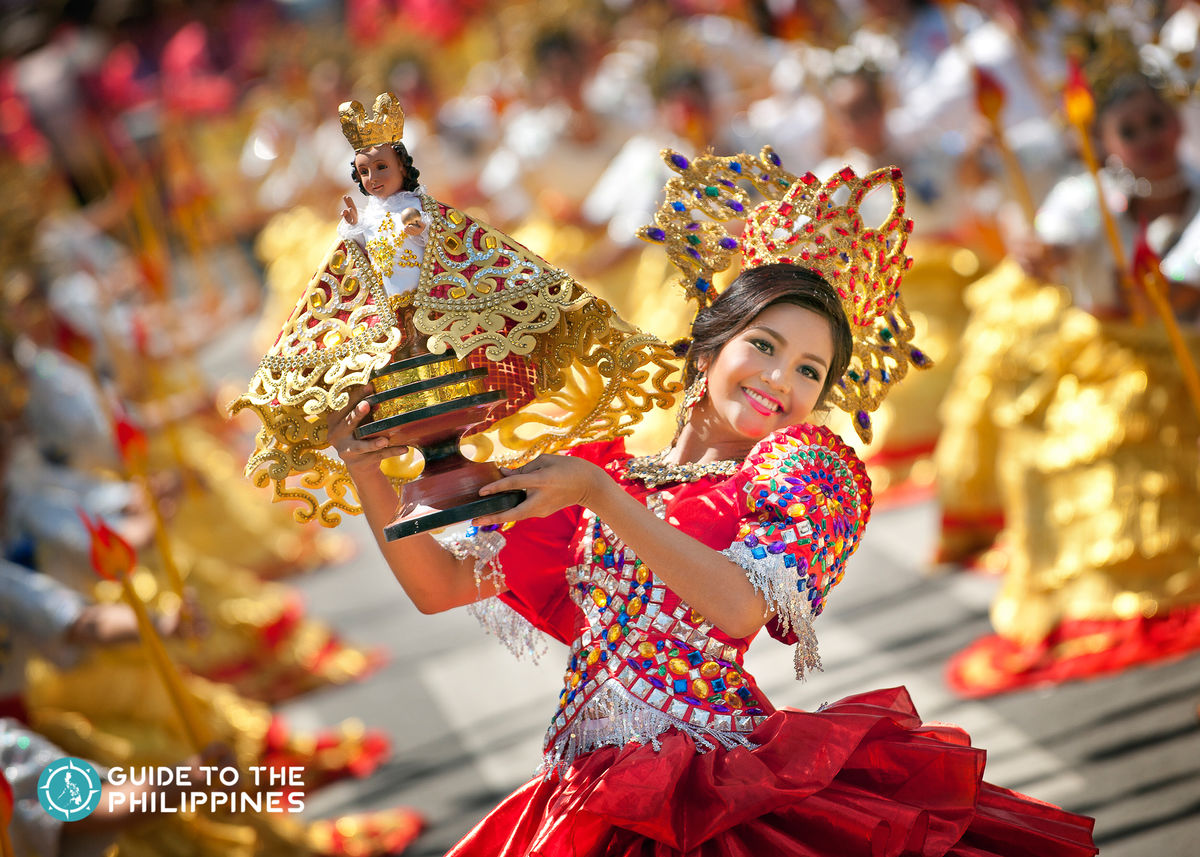
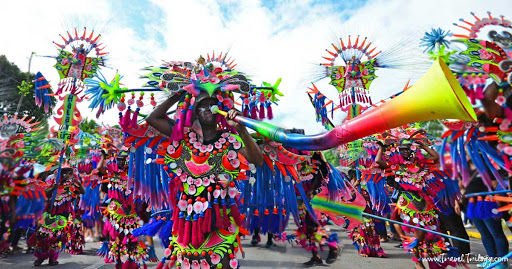
FESTIVAL IN THE PHILIPPINES
Quiz by MARILYN DE GUZMAN
Customize this quiz to suit your class
Instantly translate to 100+ languages
Tag the questions with any skills you have. Your dashboard will track each student's mastery of each skill.
Give this quiz to my class


 1 Arts Lesson 1 Festival and Theatrical forms in the philippinesCanada Where Is It? Canada is the biggest country in North America. It is so big that it reaches from the Atlantic Ocean to the Pacific Ocean. Canada is farther north than most other countries. Canada has only one neighbor, the United States. Ottawa is the country's capital. The city's buildings are fun to visit. People. Nearly all Canadians speak French, English, or both. People come from far-away countries to live in Canada. Together, all of these different people make Canada strong. Most Canadians live in big cities in the south of Canada. Few people live in the far north. Land. Canada has many different landforms. In the west are rows of steep mountains. Then there are flat or rolling plains. A high flat area with thousands of lakes is in the middle. The land in the south is where most of the cities are. In the east are hills. In the north, the land is covered with ice and snow. Animals. Some animals live only in the cold north. Others live only in the mountains or forests. Polar bears and baby harp seals live in the north. They both have white fur to hide on the snow. Big sheep live in the mountains. They have feet that help them climb rocks. Many animals in Canada move in winter and spring. Canada geese fly south every winter. They return in the spring when it is warmer. Celebrations. All across Canada, people celebrate winter. There are festivals for ice-skating and ice carving. There are dogsled races across the snow. The biggest winter festival is in Quebec City. There is an ice castle to visit and games to play. Conclusion. Canada is a very big country with many different landforms and animals. It has many different people, too. Canadians say their differences make them strong.Duān wǔ jié. In ancient times, there was a great poet called Qu Yuan. He couldn't bear the anguish when his mother land was invaded so he drowned himself in the river. Local residents rode boats to salvage him and drop the rice balls into the river to distract the fishes’ attention from Qu’s body. Later, people memorialized Qu’s patriotism by rowing and making tombs on the Dragon Boat Festival or duan wu jie. That's how the tradition of dragon boat racing and eating Zongzi was started. An ancient practice on Duan wu jie is to put wormwood on the front door to repel evil things. In some places people drink realgar wine and children wear sachets. Now the family gets together on Duan wu jie. Nowadays people have a variety of other activities to celebrate this traditional festival. India Where Is It? India is a country in Asia. Much of it is surrounded by water. To the south and west is the Arabian Sea. To the south and east is the Bay of Bengal. The capital of India is New Delhi (DEL-ee). It is part of the much larger city of Delhi. More than twenty million people live in Delhi and New Delhi. People. More than one billion people live in India. Only China has more people than India. Most Indian people live in the countryside. The cities do not have as many people. They are very crowded, though. Around half of the people in India make their living from growing food. They grow crops or raise sheep, goats, and chickens for meat. They do not raise cows for meat. Most Indians are Hindu. Hurting a cow is against the Hindu religion. Land. India has many mountains and different kinds of flat land. The mountains are in the north. They are the highest in the world. Rich land covers the north of India. It was formed long ago as rivers flooded over and over. In the west is the dry desert. In the south is raised, flat land. This land takes up more than half of India. In May or June every year, winds bring a large amount of rain. This is called the monsoon season. Most of India's rain falls during this season. Celebrations People in India celebrate many special days. Diwali (dih-WAH-lee) lasts for five days. During this festival, people light small candles. They shoot firecrackers and give sweets to family and friends. Holi (HOH-lee) is a spring Hindu festival. During Holi, people celebrate the end of winter. They throw colored water and powder on each other. Animals. Many kinds of animals live in India. It is the only country in the world with both lions and tigers. Elephants live in the flat lands and forests. The mountains are home to bears, foxes, sheep, and wild goats. India is also home to the world's largest mangrove forest. Here, tigers swim with sea turtles, sharks, and crocodiles. Conclusion. India is a country of many people. People farm its rich soil to feed the nation. Its mountains and forests are home to many animals. Which part of India would you like to see?Are you feeling adventurous? Then spread your wings and travel km southeast of Taiwan, where you'll discover a part of the country unlike any other. Known as Lanyu* or Orchid Island, this tiny drop of earth in the Pacific* is home to the Tao*, Taiwan's only ocean-dependent indigenous* tribe. The Tao people are the people of the "alibangbang*," or flying fish, one of Mother Nature's greatest gifts. The annual flying fish season is at the heart of Tao culture and comes with many traditions and taboos. Spanning around eight months of the year, the flying fish season involves multiple customs and rituals. A special religious ceremony, usually held in February, marks the beginning of this important period and ensures a prosperous and plentiful season. Tao boat captains head to the beach with elaborate costumes on. There, they pray and make sacrifices to appeal to the flying fish spirits to bless their tribe, and to the gods for good fortune and courage on the dangerous seas. Although local fishers can catch flying fish between March and June, they are restricted to capturing only those found in shallow waters. During this period, netting* any deep-sea or coral reef fish is not permitted. If the fishers didn't follow this rule, various species would not have the time needed to recover their numbers, and harmony with nature would be lost. At the end of June, the annual sea harvest concludes with another ceremony to express gratitude and respect for nature's endless* cycles. After the ceremony, flying fish can no longer be caught. Therefore, from July onward*, only dried and stored alibangbang can be eaten. Furthermore, after the Mid-Autumn Festival*, even these dried fish must no longer be consumed. This custom seems to have been engraved in the locals’ hearts* and is believed to prevent ill luck and guarantee abundance in seasons to come. Just as the locals are concluding their scaly* harvest for the year, scores of tourists begin arriving on Lanyu for the summer season. To make sure you don't feel like a fish out of water, here are some basic guidelines to help you enjoy your stay while respecting local traditions. First, it is considered a taboo to touch or photograph the Tao fishing boats without permission since it would bring bad luck. Also, you should never enter locals’ private gardens uninvited* to view or sample drying fish. Additionally, avoid asking about future fishing trips, as locals believe that the gods may be angered and that the harvest may be spoiled as a consequence. Finally, as a sign of respect for the local community and environment, don't snorkel* or dive in the island's traditional fishing waters during the flying fish season. Such activities can disturb the local ecosystem. The customs and taboos mentioned above reflect the importance of preserving and cherishing natural resources and local culture. The ancient wisdom of Lanyu’s Tao inhabitants thus appears to give us much to learn about living in harmony with this planet. Everyone is, after all, in the same boat under nature's wing.Cefr 1 level vocabulary matching with definitions in hebrew to the following list of words : chance, concert, cooking, cousin, discount, factory, festival, taste, variety, adjust, create, develop, land, last, crowded, amazing, delicious, exciting, illegal, northern, traditional, unpleasant, upset. for example: variety means: a. מגוון b. דומהc. הרבהIt's Cinco de Mayo, Carlos! Carlos and Maria walked past the city park after the baseball game. "It's almost Cinco de Mayo," Carlos said. "The festival is only a month away." "Miss Lopez is teaching us a special dance for the festival," said Maria. "We need one more boy." "Will you dance with us?" asked Maria. "Are you dancing in front of people?" asked Carlos. "Miss Lopez will help you," said Maria, smiling. That evening, Carlos asked Abuela about Cinco de Mayo. "There was a big battle on May 5th, in 1862," said Abuela. "A big army came to attack the small town of Puebla." "Only a small group of young soldiers lived in Puebla. They were scared, but they didn't give up," said Abuela. "The big army didn't think the young soldiers would fight," said Abuela. "But the young soldiers won!" she said. "So, that's what we celebrate on Cinco de Mayo!" said Carlos. Carlos couldn't sleep that night. He thought about the soldiers. He thought about learning the dance. "I can be brave, too," he said. Miss Lopez showed Carlos the steps. He stepped on Maria's foot. He tripped and slipped. "Don't worry," said Maria. "You'll get better." Carlos felt he would never learn. But he didn't give up. His father gave him a surprise on the morning of the festival. "Real cowboy boots!" Carlos said. There were so many things to see. Carlos and Maria stopped to watch a puppet show. The crowd was clapping. "I hope they clap for us," said Carlos. They saw rows of shining cars. "Let's look at the hot rods!" he said. "Hurry, Carlos!" said Maria. "We just have time to put on our costumes." It was time for their dance. Carlos looked at the big crowd. His heart pounded. "You can do it," whispered Maria. Then the music started. People began to clap in time to the music. Carlos stomped his feet in his new cowboy boots. Suddenly, the music stopped. It was over. He hadn't tripped once. The crowd cheered and clapped. Abuela's cheer was the loudest! Spring festival or Chun Jie is the first day of the Chinese lunar calendar. When Chun Jie is approaching, people are busy purchasing goods, cleaning the house, cooking traditional food, making Spring Festival couplets, and hanging spring festival pictures. Having a family dinner is the main activity on Chun Jie. Dumplings are essential to the dinner. Dumplings represent reunion and goodwill. The whole family gathers to enjoy quality family time. On Chun Jie,Lunar New Year's Day, people in new clothes visit each other and give money to kids to send good wishes. During Chun Jie holidays, all kinds of celebrations are held including temple fairs performances and Lantern exhibitions which lasts nearly half a month.