Loading...


Finnish (3)
Quiz by Simon Presley
Customize this quiz to suit your class
Instantly translate to 100+ languages
Tag the questions with any skills you have. Your dashboard will track each student's mastery of each skill.
Give this quiz to my class
What's this?

punaiset farkut
mustat farkut
siniset farkut
ruskeat farkut
Hänellä on punaiset hiukset.

What's this?

Hänellä on punaiset hiukset.

a happy family

She is sad.

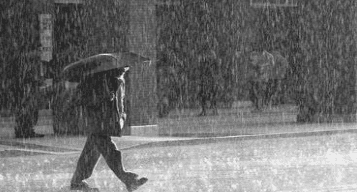
What kind of weather is this?
Match!

dark brown

Match the opposites...!
Minä pidän punaisesta hameesta.
Hän käyttää keltaista paitaa ja hänellä on myös valkoiset farkut ja ruskea vyö.
Match!
 A Choose the correct answer. 1 When his grandma died, he came ….. some of her money and property. A into C across B up D round 2 We should try to ….. the amount of rubbish in our area. A increase C provide B improve D reduce 3 I avoid driving to work because there are always ….. jams in the centre. A transport C power B traffic D station 4 By the end of the year, there will be more ….. farms in our city. A solar C floating B vertical D electric 5 Who is going to ….. our new piano? A deal C deliver B produce D construct 6 She doesn’t like being ….. in the house; she wants people around her. A healthy C lonely B crowded D alone 7 Why don’t you come ….. for dinner tonight? A up C over B into D back 8 Mr Jones has found the cure for a serious ….. . A disease C crime B pollution D poverty 9 Scientists are hopeful ….. the future of energy sources. A for C about B in D with 10 Do you think ….. tube trains will ever be used? A drone C charging B front D vacuum Grammar B Choose the correct answer. 1 I’ll still ….. two hours from now. A have gardened C garden B have gardening D be gardening 2 ….. you ….. your homework by 7 o’clock? A Will ... finish C Will … have finished B Will … be finishing D Won’t … finish 3 By 2100, experts ….. new energy sources. A will have discovered C will be discovering B will be discovered D will discover 4 The film will have started before we ….. there. A will have got C get B will get D will be getting 5 This time tomorrow, Sheila ….. a job interview. A will have C will be having B is having D will have had 6 David ..... back from work by dinner time. A will be coming C will have come B will come D won’t be coming 7 I can’t believe that in a few hours, we ….. our first live concert. A are performing C will have performed B will be performing D will perform 8 ….. next Friday, I will be flying to Glasgow. A This time C By B At D Until 9 Jake ….. by the end of September. A will retire C will have retired B is retiring D will be retiring 10 ….. the time Mum gets home, I will have tidied my room. A Before C Until B At D By Everyday English C Choose the correct answer. 1 A: How did you find that job? B: a I’ll be working in the local library. b I’ll be there from June 15th. c There was an advert online. 2 A: I can’t wait! B: a Sounds like fun. b I’ll work in my uncle’s restaurant. c I’ll stay there for two weeks. 3 A: Do you have any plans for the summer? B: a Really? b What about you? c Haven’t I told you? 4 A: What will your duties be? B: a I’ll be flying to London to see my uncle. b I’ll be helping customers. c I’ll have earned enough money to buy a new smartphone. 5 A: How long will you stay there? B: a Until the end of July. b Well, this time next week, I’ll be relaxing. c And what are your plans? 1. My sister ___________ a new job last week. a. start b. started c. starts d. starting 2. We usually ________ to the beach every summer. a. go b. goes c. went d. going 3. By this time next year, I ________ my degree. a. will finish b. finishes c. finish d. finishing 4. Look! The children ___________ a movie in the living room. a. watching b. watches c. watch d. watched 5. They ________ their homework at the moment. a. doing b. do c. does d. are doing 6. Yesterday, I ________ my keys at home. a. leave b. leaves c. left d. leaving 7. By this time next week, they ________ on vacation. a. will be b. is c. are d. was 8. She ________ to the gym every day. a. goes b. go c. going d. went 9. We ___________ our friends when the phone rang. a. visit b. visits c. visited d. visiting 10. At this time yesterday, they __________ dinner. a. have b. has c. had d. having 11. Sarah ________ her homework right now. a. do b. does c. doing d. did 12. He ________ a lot of books last month. a. read b. reads c. reading d. will read 13. By the time we arrive, they ________. a. leaves b. leave c. will leave d. left 14. My grandparents ___________ married for 50 years. a. is b. was c. are d. were 15. Next weekend, we ________ to the mountains. a. go b. goes c. going d. will go 16. It's raining, so we ________ an umbrella. a. need b. needs c. needing d. needed 17. Yesterday, I ________ my lunch at the new restaurant. a. have b. has c. had d. having 18. They ________ to the party if they are invited. a. go b. goes c. going d. will go 19. While I ________ TV, my sister was studying. a. watch b. watching c. watched d. watches 20. By this time tomorrow, I ________ my presentation. a. finish b. finishes c. finished d. will finishMeaning of Tray Clothes These are materials used to cover food placed inside a tray before serving them. They are used to serve sick people. The following are the steps in making tray clothes: 1. Use paper pattern according to measurement of your choice to cut out the materials. The materials may be cut in rectangular, triangular or circular shape. 2. Cut out the shape with a hem of ½ an inch to tack round it. 3. Cut out the paper shape from the clothing material. 4. Run stitches to hold down the hems. 5. Finish the edges with lace or bias binding. 6. Trim your article. HANDKERCHIEF Handkerchief is used for the following purposes: 1. To wipe away sweat from the face. 2. To cover one’s mouth when sneezing or coughing. 3. To blow out phlegm from the nose. The following are the methods for making handkerchief: 1. Use paper pattern to cut materials into 16inches by 16inches 2. Turn a hem of 1/2inch and tack it round in circumstance. 3. Run stitches to hold down the hem. 4. Iron the article to smoothen the edges.RPMS Quiz: Quality vs. Efficiency 1. A teacher spends five hours creating a highly interactive digital game for a single 40-minute lesson. This is an example of prioritizing: • A) Quality over Efficiency • B) Efficiency over Quality • C) Administrative Competence • D) Resource Management • Hint: The focus is on high-level engagement, but the time investment is very high. 2. Which of the following best describes "Efficiency" in the context of the RPMS? • A) Submitting all MOVs and reports on or before the deadline with minimal errors. • B) Ensuring 100% of students pass the quarterly examination. • C) Creating the most aesthetically pleasing portfolio in the department. • D) Conducting home visits for every single student in a class of 50. • Hint: Look for the option that emphasizes timeliness and resource use. 3. Using a "template" or a "reusable slide deck" for lesson planning is a strategy to improve: • A) Efficiency • B) Instructional Diversity • C) Subject Matter Mastery • D) Classroom Discipline • Hint: Templates reduce the time spent on repetitive formatting. 4. If a teacher provides detailed, personalized feedback to every student but submits the grades two weeks late, they have achieved: • A) High Quality, Low Efficiency • B) Low Quality, High Efficiency • C) High Quality, High Efficiency • D) Low Quality, Low Efficiency • Hint: The work itself is excellent, but the timing is poor. 5. Which tool improves Efficiency without sacrificing the Quality of assessment data? • A) Automated Google Forms for multiple-choice quizzes. • B) Giving everyone a passing grade to save time on checking. • C) Writing long paragraphs of feedback on 200 paper-based essays. • D) Skipping assessments entirely to finish the syllabus faster. • Hint: Look for a balance where technology handles the "busy work." 6. When discussing Quality in your RPMS portfolio, which "Means of Verification" (MOV) is most appropriate? • A) Sample of student work with constructive teacher comments. • B) A logbook showing you arrived at school at 7:00 AM daily. • C) A certificate for attending a 1-hour webinar. • D) A photo of your organized teacher's cabinet. • Hint: Quality is evidenced by the impact on student learning. 7. The concept of "Doing the right things" (Effectiveness) represents: • A) Quality • B) Efficiency • C) Speed • D) Compliance • Hint: "Doing the right things" is about results; "Doing things right" is about process. 8. How does "Efficiency" help a teacher maintain "Quality" in the long run? • A) It prevents burnout by optimizing workload, leaving energy for creative teaching. • B) It allows the teacher to take more side jobs. • C) It ensures the teacher never has to talk to parents. • D) It proves that the teacher is smarter than their peers. • Hint: Consider the relationship between teacher well-being and performance. 9. If a teacher's RPMS rating for Quality is 5 (Outstanding) but Efficiency is 2 (Fair), what is the most likely reason? • A) The teacher produces excellent work but often misses deadlines. • B) The teacher is very fast but makes many mistakes in their reports. • C) The teacher is both slow and produces poor results. • D) The students are failing despite the teacher being very organized. • Hint: Check the gap between the high-standard output and the slow delivery. 10. What is the ultimate goal of balancing Quality and Efficiency in the PPST-RPMS? • A) To achieve sustainable professional excellence that benefits the learners. • B) To get a higher salary increase only. • C) To impress the School Head during the observation. • D) To finish the school year with the least amount of work possible. • Hint: It's about long-term growth for both teacher and student. ________________________________________ Answer Key: 1. A | 2. A | 3. A | 4. A | 5. A | 6. A | 7. A | 8. A | 9. A | 10. A ________________________________________Here’s your **edited version** of the activity, now focused on **Shirley Jackson’s *“The Lottery”*** and **past and present participles**, while keeping the fun “Great Grammar Magician” game theme: --- ### 🎩 THE GREAT GRAMMAR MAGICIAN: “THE LOTTERY SPELL!” 🍀 It seems like you already know how **past and present participles** can transform simple verbs into more descriptive and expressive words. Now, it’s time to show your magical grammar powers and help the Great Grammar Magician complete her enchanting performance inspired by *“The Lottery”* by Shirley Jackson! --- ### 🌼 **THE LOTTERY SPELL!** **Directions:** The class will be divided into two groups, and each group will work together to help the Great Grammar Magician finish her magical act! Each group will receive **three magic flags** that can be used as advantages during the game: 🟩 **Green Flag** – Use for a clue about the question. 🟨 **Yellow Flag** – Use to look at the question first and decide whether to answer it or choose another one. 🟦 **Blue Flag** – Use to get another chance to answer the same question. The goal is to earn the **highest points** as a group. The first representative to raise their hand gets to choose a question to answer. There will be **six questions**, representing the **six stones** drawn during the “lottery.” Each stone contains a **Magic Spell Card** with a question your group must answer correctly to earn a point. --- ### 🪄 **MAGIC SPELL QUESTIONS** **1. Remembering** **Question:** Who is the author of *“The Lottery”?* **Expected Answer:** Shirley Jackson. --- **2. Understanding** **Question:** What is *“The Lottery”* mainly about? **Expected Answer:** It’s about a small town that follows a cruel tradition of holding a lottery where one person is chosen to be sacrificed. --- **3. Applying** **Question:** Identify a **past or present participle** used in *“The Lottery.”* Explain its function in the sentence. **Expected Answer:** Example: *“The children assembled first, of course.”* — “assembled” is a **past participle** used to describe what the children did before the lottery began. --- **4. Analyzing** **Question:** How does Shirley Jackson use participles to create suspense or describe actions in the story? **Expected Answer:** Participles like “gathered,” “watching,” or “whispered” make the actions more vivid and help build tension in the story. --- **5. Evaluating** **Question:** Do you think the townspeople’s calm behavior (described with participles like “smiling,” “talking,” “laughing”) makes the story more shocking? Why or why not? **Expected Answer:** (Open-ended) Yes, because the ordinary actions make the violent ending more disturbing / No, because it just shows how normal the ritual is to them. --- **6. Creating** **Question:** Write your own short two-line description using **past or present participles** to show tension or fear in a situation like the one in *“The Lottery.”* **Expected Answer:** (Open-ended) Example: *Shaking hands held the paper tight.* *The crowd waited, holding their breath.* --- ### 🪶 **Tie-Breaker Question** **Question:** If you were in *“The Lottery,”* what would you be doing as the black box was brought out? Use at least one participle in your answer. **Expected Answer:** (Open-ended; checks creativity and grammar) Example: *Standing in silence, I would watch the slips being drawn, my heart pounding.* --- Would you like me to make this version **visually formatted for a classroom printout** (e.g., with bold headers, emojis, and clear section boxes)?1. Flammable materials, like alcohol, should never be dispensed or used near A. an open door. B. an open flame. C. another student. D. a sink. 2. If a laboratory fire erupts, immediately A. notify your instructor. B. run for the fire extinguisher. C. throw water on the fire. D. open the windows. 3. Approved eye protection devices (such as goggles) are worn in the laboratory A. to avoid eye strain. B. to improve your vision. C. only if you don’t have corrective glasses. D. any time chemicals, heat or glassware are used. 4. If you wear contact lenses in the school laboratory, A. take them out before starting the lab. B. you do not have to wear protective goggles. C. advise your science instructor that you wear contact lenses. D. keep the information to yourself. 5. If you do not understand a direction or part of a lab procedure, you should A. figure it out as you do the lab. B. try several methods until something works. C. ask the instructor before proceeding. D. skip it and go on to the next part. 6. After completing an experiment, all chemical wastes should be A. left at your lab station for the next class. B. disposed of according to your instructor’s directions. C. dumped in the sink. D. taken home. 7. If a lab experiment is not completed, you should A. discuss the issue with your instructor. B. sneak in after school and work alone. C. come in during lunch and finish while eating lunch. D. make up some results. 8. You are heating a substance in a test tube. Always point the open end of the tube A. toward yourself. B. toward your lab partner. C. toward another classmate. D. away from all people. Science Laboratory Safety teSt 9. You are heating a piece of glass and now want to pick it up. You should A. use a rag or paper towels. B. pick up the end that looks cooler. C. use tongs. D. pour cold water on it. 10. You have been injured in the laboratory (cut, burn, etc.). First you should A. visit the school nurse after class. B. see a doctor after school. C. tell the science instructor at once. D. apply first aid yourself. 11. When gathering glassware and equipment for an experiment, you should A. read all directions carefully to know what equipment is necessary. B. examine all glassware to check for chips or cracks. C. clean any glassware that appears dirty. D. All of the above. 12. You want to place a piece of glass tubing into a rubber stopper after the tubing has been fire polished and cooled. This is best done by A. lubricating the tubing with water or glycerin. B. using a towel or cotton gloves for protection. C. twisting the tubing and stopper carefully. D. all of the above. 13. Personal eyeglasses provide as much protection as A. a face shield. B. safety glasses. C. splashproof chemical goggles. D. none of the above. 14. Long hair in the laboratory must be A. cut short. B. held away from the experiment with one hand. C. always neatly groomed. D. tied back or kept entirely out of the way with a hair band, hairpins, or other confining device. 15. In a laboratory, the following should not be worn. A. loose clothing. B. dangling jewelry. C. sandals. D. all of the above. 16. The following footwear is best in the laboratory. A. sandals B. open-toed shoes C. closed-toed shoes D. shoes appropriate for the weather3 © 2017 Flinn Scientific, Inc. All Rights Reserved. 17. Horseplay or practical jokes in the laboratory are A. always against the rules. B. okay. C. not dangerous. D. okay if you are working alone. 18. If a piece of equipment is not working properly, stop, turn it off, and tell A. the custodian. B. your lab partner. C. your best friend in the class. D. the science instructor. 19. If an acid is splashed on your skin, wash at once with A. soap. B. oil. C. weak base. D. plenty of water. 20. When you finish working with chemicals, biological specimens, and other lab substances, always A. treat your hands with skin lotion. B. wash your hands thoroughly with soap and water. C. wipe your hands on a towel. D. wipe your hands on your clothes. True—False T F 22. ■ ■ Hot glass looks the same as cold glass. 23. ■ ■ All chemicals in the lab are to be considered dangerous. 24. ■ ■ Return all unused chemicals to their original containers. 25. ■ ■ Work areas should be kept clean and tidy. 26. ■ ■ Pipets are used to measure and dispense small amounts of liquids. You should draw the liquid into the pipet using your mouth. 27. ■ ■ Laboratory work can be started immediately upon entering the laboratory even if the instructor is not yet present. 28. ■ ■ Never remove chemicals or other equipment from the laboratory. T F 29. ■ ■ Chipped or cracked glassware is okay to use. 30. ■ ■ Read all procedures thoroughly before entering the laboratory. 31. ■ ■ All unauthorized experiments are prohibited. 32. ■ ■ You are allowed to enter the chemical preparation/storage area any time you need to get an item. 33. ■ ■ Laboratory aprons should be worn during all lab activities. 34. ■ ■ It’s okay to pick up broken glass with your bare hands as long as the glass is placed in the trash. 35. ■ ■ Never leave a lit burner unattended. 21. Draw a diagram of your science room and label the locations of the following: ■ Fire Blanket ■ Fire Extinguisher(s) ■ Exits ■ Eyewash Station ■ Emergency Shower ■ Closest Fire Alarm Station ■ Waste Disposal Container(s)4 © 2017 Flinn Scientific, Inc. All Rights Reserved. Name: ________________________________________________ Date: ______________________________________________ 1. Flammable materials, like alcohol, should never be dispensed or used near A. an open door. B. an open flame. C. another student. D. a sink. 2. If a laboratory fire erupts, immediately A. notify your instructor. B. run for the fire extinguisher. C. throw water on the fire. D. open the windows. 3. Approved eye protection devices (such as goggles) are worn in the laboratory A. to avoid eye strain. B. to improve your vision. C. only if you don’t have corrective glasses. D. any time chemicals, heat or glassware are used. 4. If you wear contact lenses in the school laboratory, A. take them out before starting the lab. B. you do not have to wear protective goggles. C. advise your science instructor that you wear contact lenses. D. keep the information to yourself. 5. If you do not understand a direction or part of a lab procedure, you should A. figure it out as you do the lab. B. try several methods until something works. C. ask the instructor before proceeding. D. skip it and go on to the next part. 6. After completing an experiment, all chemical wastes should be A. left at your lab station for the next class. B. disposed of according to your instructor’s directions. C. dumped in the sink. D. taken home. 7. If a lab experiment is not completed, you should A. discuss the issue with your instructor. B. sneak in after school and work alone. C. come in during lunch and finish while eating lunch. D. make up some results. 8. You are heating a substance in a test tube. Always point the open end of the tube A. toward yourself. B. toward your lab partner. C. toward another classmate. D. away from all people. Science Laboratory Safety teSt 9. You are heating a piece of glass and now want to pick it up. You should A. use a rag or paper towels. B. pick up the end that looks cooler. C. use tongs. D. pour cold water on it. 10. You have been injured in the laboratory (cut, burn, etc.). First you should A. visit the school nurse after class. B. see a doctor after school. C. tell the science instructor at once. D. apply first aid yourself. 11. When gathering glassware and equipment for an experiment, you should A. read all directions carefully to know what equipment is necessary. B. examine all glassware to check for chips or cracks. C. clean any glassware that appears dirty. D. All of the above. 12. You want to place a piece of glass tubing into a rubber stopper after the tubing has been fire polished and cooled. This is best done by A. lubricating the tubing with water or glycerin. B. using a towel or cotton gloves for protection. C. twisting the tubing and stopper carefully. D. all of the above. 13. Personal eyeglasses provide as much protection as A. a face shield. B. safety glasses. C. splashproof chemical goggles. D. none of the above. 14. Long hair in the laboratory must be A. cut short. B. held away from the experiment with one hand. C. always neatly groomed. D. tied back or kept entirely out of the way with a hair band, hairpins, or other confining device. 15. In a laboratory, the following should not be worn. A. loose clothing. B. dangling jewelry. C. sandals. D. all of the above. 16. The following footwear is best in the laboratory. A. sandals B. open-toed shoes C. closed-toed shoes D. shoes appropriate for the weather5 © 2017 Flinn Scientific, Inc. All Rights Reserved. 17. Horseplay or practical jokes in the laboratory are A. always against the rules. B. okay. C. not dangerous. D. okay if you are working alone. 18. If a piece of equipment is not working properly, stop, turn it off, and tell A. the custodian. B. your lab partner. C. your best friend in the class. D. the science instructor. 19. If an acid is splashed on your skin, wash at once with A. soap. B. oil. C. weak base. D. plenty of water. 20. When you finish working with chemicals, biological specimens, and other lab substances, always A. treat your hands with skin lotion. B. wash your hands thoroughly with soap and water. C. wipe your hands on a towel. D. wipe your hands on your clothes. 21. Draw a diagram of your science room and label the locations of the following: ■ Fire Blanket ■ Fire Extinguisher(s) ■ Exits ■ Eyewash Station ■ Emergency Shower ■ Closest Fire Alarm Station ■ Waste Disposal Container(s) True—False T F 22. ■ ■ Hot glass looks the same as cold glass. 23. ■ ■ All chemicals in the lab are to be considered dangerous. 24. ■ ■ Return all unused chemicals to their original containers. 25. ■ ■ Work areas should be kept clean and tidy. 26. ■ ■ Pipets are used to measure and dispense small amounts of liquids. You should draw the liquid into the pipet using your mouth. 27. ■ ■ Laboratory work can be started immediately upon entering the laboratory even if the instructor is not yet present. 28. ■ ■ Never remove chemicals or other equipment from the laboratory. T F 29. ■ ■ Chipped or cracked glassware is okay to use. 30. ■ ■ Read all procedures thoroughly before entering the laboratory. 31. ■ ■ All unauthorized experiments are prohibited. 32. ■ ■ You are allowed to enter the chemical preparation/storage area any time you need to get an item. 33. ■ ■ Laboratory aprons should be worn during all lab activities. 34. ■ ■ It’s okay to pick up broken glass with your bare hands as long as the glass is placed in the trash. 35. ■ ■ Never leave a lit burner unattended.1. How many pillars of Islam are there in total? A) Three B) Five (Correct) C) Six D) Seven Hint: Think about the famous Hadith of Gabriel where he asks about the basic practices of Islam. 2. What is the first pillar of Islam? A) Salah (Prayer) B) Zakat (Charity) C) Shahadah (Declaration of faith) (Correct) D) Sawm (Fasting) Hint: It is the declaration that there is no god but Allah and Muhammad is His messenger. 3. How many times a day must a Muslim perform Salah (prayer)? A) Three times B) Five times (Correct) C) Four times D) Six times Hint: Count Fajr, Dhuhr, Asr, Maghrib, and Isha. 4. What does the word 'Zakat' mean in terms of practice? A) Fasting all day B) Giving charity to the poor (Correct) C) Traveling to Makkah D) Reading the Quran Hint: It involves sharing a small part of your saved wealth to purify the rest of it. 5. During which Islamic month do Muslims fast (Sawm)? A) Muharram B) Ramadan (Correct) C) Shawwal D) Dhul-Hijjah Hint: It is the month in which the Quran was first revealed. 6. Where must a Muslim go to perform Hajj? A) Madinah B) Jerusalem C) Makkah (Correct) D) Cairo Hint: This city contains the Kaaba, the direction Muslims face during prayer. 7. Which pillar of Islam directly trains a Muslim in patience and feeling the hunger of the poor? A) Shahadah B) Sawm (Fasting) (Correct) C) Salah D) Hajj Hint: It is done during the daylight hours of Ramadan. Part 2: Pillars of Iman (أركان الإيمان) 8. How many pillars of Iman (faith) are there? A) Five B) Six (Correct) C) Four D) Eight Hint: It is one more than the number of pillars of Islam. 9. What is the first and most important pillar of Iman? A) Belief in Angels B) Belief in Allah (Correct) C) Belief in the Books D) Belief in the Last Day Hint: This is the belief in Monotheism (Tawhid). 10. Muslims believe that angels are created from what? A) Fire B) Clay C) Light (Correct) D) Water Hint: Think of a bright source that illuminates the dark, which matches their pure and luminous nature. 11. Which angel was responsible for bringing the revelation (Quran) to the Prophet Muhammad? A) Angel Mikaeel (Michael) B) Angel Jibreel (Gabriel) (Correct) C) Angel Israfeel D) Angel Malak al-Mawt Hint: He is the leader of all angels and visited the Prophet in the cave of Hira. 12. Belief in the Holy Books is a pillar of Iman. Which book was given to Prophet Isa (Jesus)? A) The Torah B) The Zabur C) The Injeel (Correct) D) The Quran Hint: The English translation often links this word closely to the 'Gospel'. 13. Who is the final Prophet and Messenger sent by Allah to mankind? A) Prophet Ibrahim (Abraham) B) Prophet Musa (Moses) C) Prophet Muhammad (Correct) D) Prophet Nuh (Noah) Hint: He was born in Makkah and received the Quran. 14. What does 'Belief in the Last Day' mean? A) Belief in the last day of Ramadan B) Belief in the Day of Judgment (Correct) C) Belief in the weekend D) Belief that the sun will never set Hint: It is the day when people will be rewarded with Paradise or punished based on their deeds. 15. What is the sixth pillar of Iman? A) Belief in Qadar (Divine Decree/Fate) (Correct) B) Belief in Hellfire C) Belief in the Companions D) Belief in Charity Hint: It relates to destiny and accepting whatever Allah has written for us. 16. What is the Arabic word for the 'Divine Decree' or destiny in the pillars of Iman? A) Zakat B) Qadar (Correct) C) Injeel D) Tawhid Hint: It sounds like 'Al-Qadr', as in the night of decree (Laylat al-Qadr). 17. Belief in Prophets includes believing in messengers mentioned in other scriptures. Who did Allah speak to directly? A) Prophet Musa (Moses) (Correct) B) Prophet Nuh (Noah) C) Prophet Yusuf (Joseph) D) Prophet Yunus (Jonah) Hint: He is the prophet associated with Mount Sinai and parting the sea. Part 3: Ihsan (الإحسان) 18. What is the meaning of 'Ihsan' according to the famous Hadith? A) To give all your money away B) To worship Allah as if you see Him (Correct) C) To memorize the whole Quran D) To fast twice a week Hint: It is the highest level of religion, focusing on absolute perfection and sincerity in worship. 19. If you cannot see Allah during worship, what must you always remember according to Ihsan? A) That other people are watching you B) That Allah sees you (Correct) C) That you should finish quickly D) That the angels will pray for you Hint: Allah is All-Seeing (Al-Baseer) and All-Knowing (Al-Aleem). 20. Which of the following represents the correct order of levels in religion from lowest to highest? A) Ihsan, then Iman, then Islam B) Islam, then Iman, then Ihsan (Correct) C) Iman, then Islam, then Ihsan D) Islam, then Ihsan, then Iman Hint: Every Muhsin (person of Ihsan) is a Mu'min (person of Iman) and a Muslim, but not vice versa.7.03 Patients with Infectious Disease The center adheres to infection control policies to ensure the safety of patients, physicians, and staff members. Patients who are currently being treated for an infectious disease or condition that is transmitted via the contact route may not be treated at the center. Patients with disease spread via droplet (e.g. influenza) or airborne (e.g. tuberculosis, measles) routes will reschedule their procedures in consultation with their physicians. The infection control nurse, in consultation with the infection control consultant, will determine whether the patient requires isolation or other additional precautions. If a patient with current Clostridium difficile-associated diarrhea is treated at the center, all rooms where the patient was housed, even briefly, should be cleaned by housekeeping under supervision of the staff at the center. Physicians must document relevant information in their pre-admission documentation. Standard Precautions will be followed in the care of all patients. Cigarroa Interventional Institute establishes policies to ensure compliance with infection control policies for the care of patients with drug-resistant organisms. The physician will screen patients through the medical history review prior to scheduling a patient at the center. During the pre-operative (pre-op) phone call or interview, a pre-op screening of the patient will be conducted. Strict isolation policies are required to treat patients with active MRSA, VRSA, or tuberculosis. Since this facility has no provisions for strict isolation, those patients with active infections will be referred elsewhere for treatment. Patients who are undergoing or completed a course of antibiotic therapy, are colonized and/or are not actively infected may be treated at the center. Patients with active infections requiring transmission-based precautions are not appropriate candidates for this facility and will be referred to another facility or rescheduled. Procedures cannot be scheduled for patients currently undergoing an infection with transmission based precautions. The patient must finish the course, and they will be rescheduled. Definitions and Standards: The following definitions and standards are provided for informational purposes only: Airborne Transmission and Precautions: This mode of transmission occurs by the spreading of either airborne droplet nuclei (small particle residue of 5 microns or smaller), of evaporated droplets which contain microorganisms that remain suspended in the air for long periods of time) or dust particles containing microorganisms. Patients must be isolated in private rooms with special air handling and ventilation, and the door must remain closed. Patient transport should be restricted to essential transport only. Respiratory precautions must be taken when in the presence of patients with active tuberculosis, including respiratory masks. Droplet Transmission and Precautions: Droplets are transmitted from the host source by coughing, sneezing, talking, or during procedures such as suctioning or bronchoscopy. Patients must be isolated, and a distance of 3 feet maintained between the infected patient and others. Caregivers within 3 feet of the patient should wear a mask. Patient transport should be minimized. Contact Transmission and Precautions: Direct contact transmission involves direct body surface to body surface contact with physical transfer of microorganisms between a susceptible host and an infected person. Indirect contact transmission involves contact with an intermediate object (usually inanimate) and a susceptible host. Patients should be isolated as much as possible. Gloves and hand washing are essential for all contact with the patient and contact with objects, which come in contact with the patient. Gloves should be changed after each contact. Reportable Condition If the patient is determined to have a reportable condition at any time during pre-admission, the Director of Operations/Nurse Manager will be notified. The procedural physician will be contacted and the case will be canceled. The Department of Health will also be notified the same day following state regulations regarding Reportable Communicable Diseases. To report a disease or condition, contact: The City of Laredo Epidemiology 24/7 Reporting Line: (956) 763-2915, if unable to report locally, call The Texas Departmrent of Health Services epidemiology program: 24/7Number for Immediately Reportable – 1-800-705-8868