Loading...


Flower Structures
Quiz by Zac Martin
Customize this quiz to suit your class
Instantly translate to 100+ languages
Tag the questions with any skills you have. Your dashboard will track each student's mastery of each skill.
Give this quiz to my class
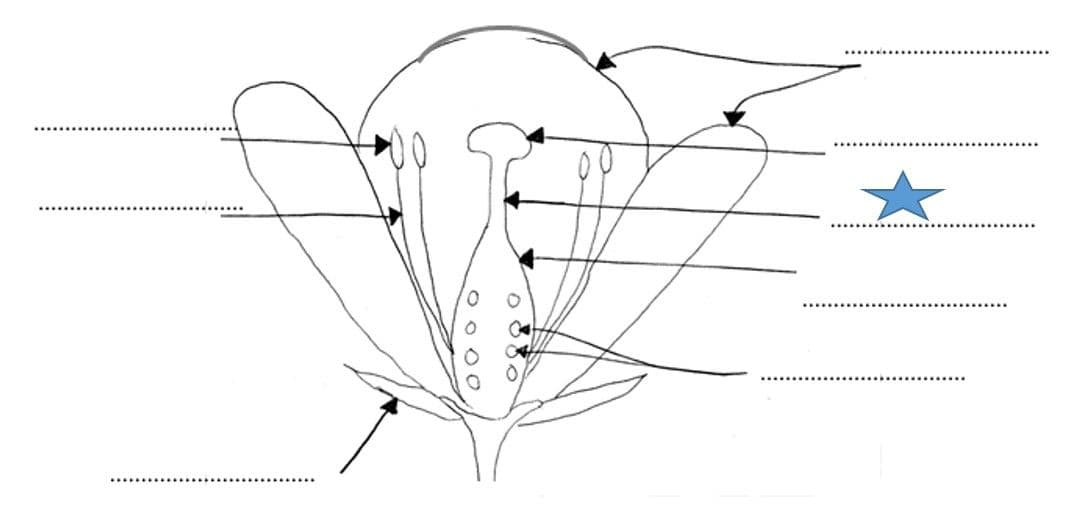
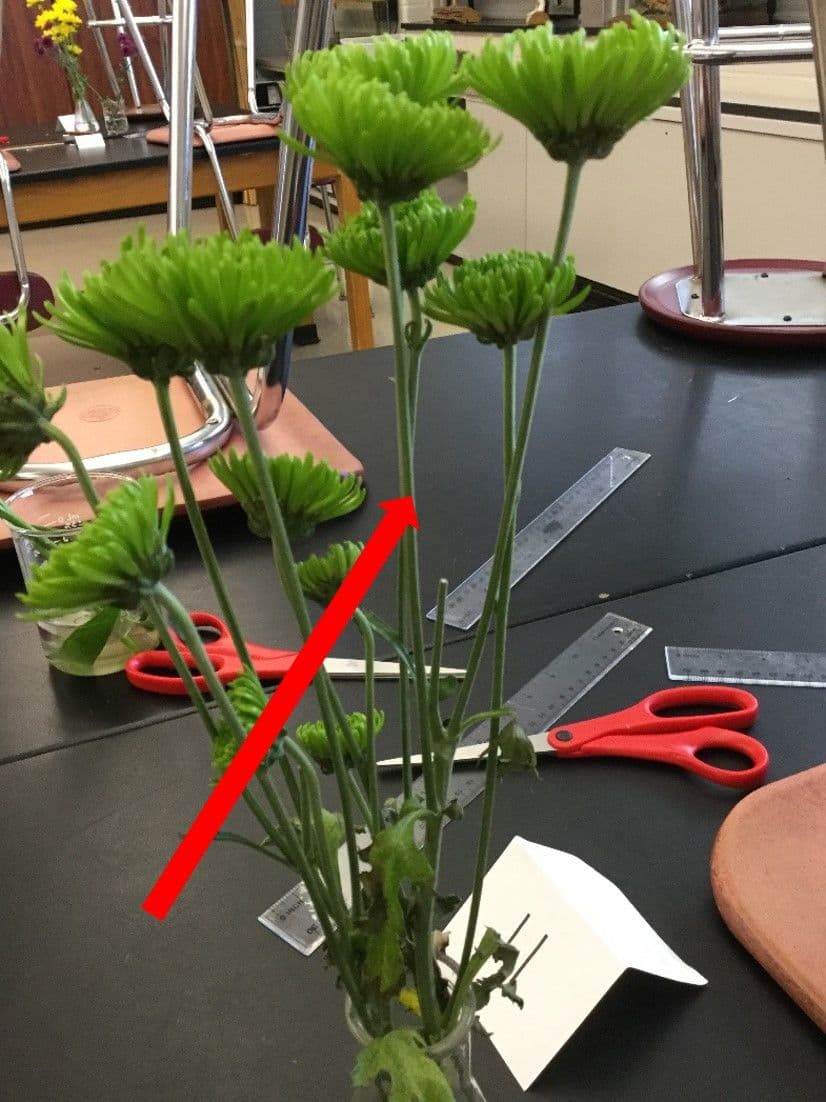
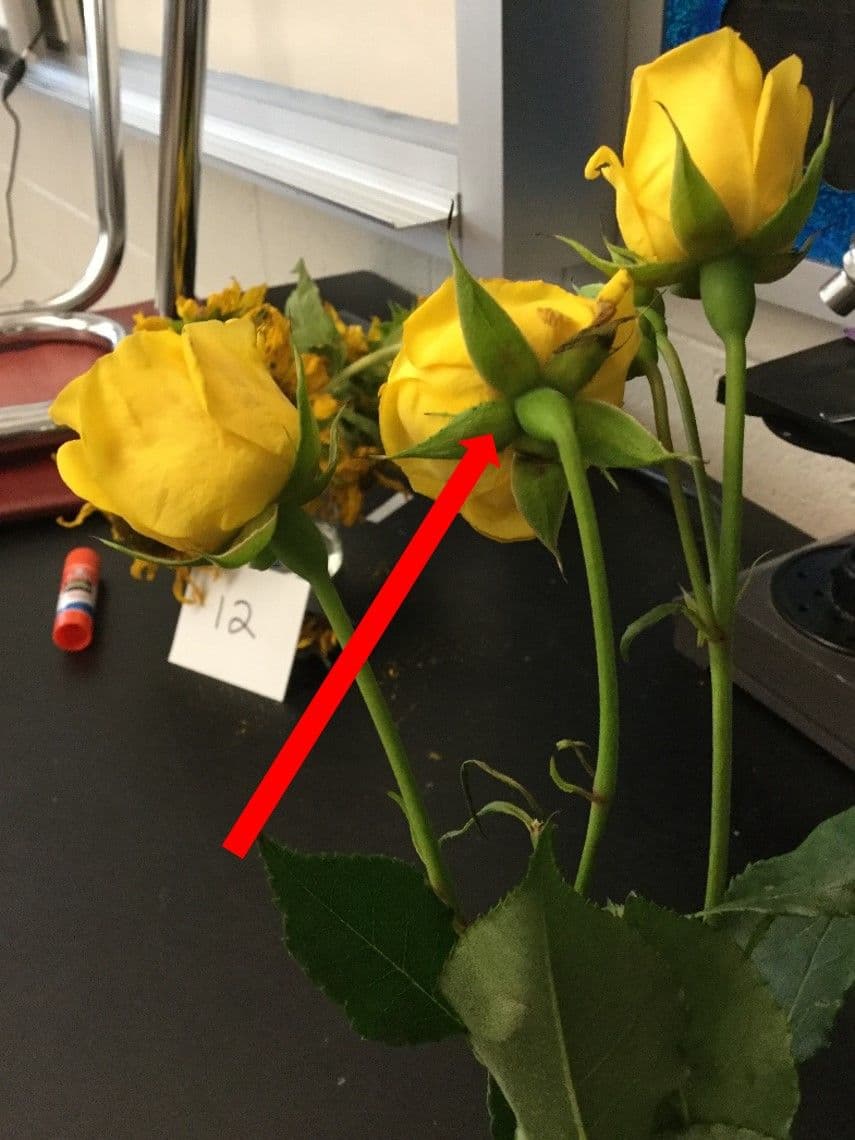 Plant cells have three kinds of structures that are not found in animal cells and that are extremely important to plant survival: plastids, central vacuoles, and cell walls. PLANT CELLS Most of the organelles and other parts of the cell just described are common to all eukaryotic cells. However, plant cells have three additional kinds of structures that are extremely important to plant function: cell walls, large central vacuoles, and plastids. To understand why plant cells have structures not found in ani- mal cells, consider how a plant’s lifestyle differs from an animal’s. Plants make their own carbon-containing molecules directly from carbon taken in from the environment. Plant cells take carbon diox- ide gas from the air, and in a process called photosynthesis, they convert carbon dioxide and water into sugars. The organelles and structures in plant cells are shown in Figure 4-21. SECTION 4 OBJECTIVES ● List three structures that are present in plant cells but not in animal cells. ● Compare the plasma membrane, the primary cell wall, and the secondary cell wall. ● Explain the role of the central vacuole. ● Describe the roles of plastids in the life of a plant. ● Identify features that distinguish prokaryotes, eukaryotes, plant cells, and animal cells. VOCABULARY cell wall central vacuole plastid chloroplast thylakoid chlorophyll Chloroplast Golgi apparatus Mitochondrion Cell membrane Nucleolus Nucleus Cytoskeleton Rough endoplasmic reticulum Pore Smooth endoplasmic reticulum Central vacuole Ribosome Cell wall In addition to containing almost all of the types of organelles that animal cells contain, plant cells contain three unique features. Those features are the cell wall, the central vacuole, and plastids, such as chloroplasts. FIGURE 4-21 Copyright © by Holt, Rinehart and Winston. All rights reserved. 88 CHAPTER 4 CELL WALL The cell wall is a rigid layer that lies outside the cell’s plasma membrane. Plant cell walls contain a carbohydrate called cellulose. Cellulose is embedded in a matrix of proteins and other carbohy- drates that form a stiff box around each cell. Pores in the cell wall allow water, ions, and some molecules to enter and exit the cell. Primary and Secondary Cell Walls The main component of the cell wall, cellulose, is made directly on the surface of the plasma membrane by enzymes that travel along the membrane. These enzymes are guided by microtubules inside the plasma membrane. Growth of the primary cell wall occurs in one direction, based on the orientation of the microtubules. Other components of the cell wall are made in the ER. These materials move in vesicles to the Golgi and then to the cell surface. Some plants also produce a secondary cell wall. When the cell stops growing, it secretes the secondary cell wall between the plasma membrane and the primary cell wall. The secondary cell wall is very strong but can no longer expand. The wood in desks and tabletops is made of billions of secondary cell walls. The cells inside the walls have died and disintegrated. CENTRAL VACUOLE Plant cells may contain a reservoir that stores large amounts of water. The central vacuole is a large, fluid-filled organelle that stores not only water but also enzymes, metabolic wastes, and other materials. The central vacuole, shown in Figure 4-22, forms as other smaller vacuoles fuse together. Central vacuoles can make up 90 percent of the plant cell’s volume and can push all of the other organelles into a thin layer against the plasma membrane. When water is plentiful, it fills a plant’s vacuoles. The cells expand and the plant stands upright. In a dry period, the vacuoles lose water, the cells shrink, and the plant wilts. Other Vacuoles Some vacuoles store toxic materials. The vacuoles of acacia trees, for example, store poisons that provide a defense against plant-eating ani- mals. Tobacco plant cells store the toxin nicotine in a storage vacuole. Other vacuoles store plant pigments, such as the colorful pigments found in rose petals. The central vacuole occupies up to 90 percent of the volume of some plant cells. The central vacuole stores water and helps keep plant tissue firm. FIGURE 4-22 Central vacuole Nucleus Chloroplast Copyright © by Holt, Rinehart and Winston. All rights reserved. CELL STRUCTURE AND FUNCTION 89 PLASTIDS Plastids are another unique feature of plant cells. Plastids are organelles that, like mitochondria, are surrounded by a double mem- brane and contain their own DNA. There are several types of plastids, including chloroplasts, chromoplasts, and leucoplasts. Chloroplasts Chloroplasts use light energy to make carbohydrates from carbon dioxide and water. As Figure 4-23 shows, each chloroplast contains a system of flattened, membranous sacs called thylakoids. Thylakoids contain the green pigment chlorophyll, the main mole- cule that absorbs light and captures light energy for the cell. Chloroplasts can be found not only in plant cells but also in a wide variety of eukaryotic algae, such as seaweed. Chloroplast DNA is very similar to the DNA of certain photosyn- thetic bacteria. Plant cell chloroplasts can arise only by the divi- sion of preexisting chloroplasts. These facts may suggest that chloroplasts are descendants of ancient prokaryotic cells. Like mitochondria, chloroplasts are also thought to be the descendants of ancient prokaryotic cells that were incorporated into plant cells through a process called endosymbiosis. Chromoplasts Chromoplasts are plastids that contain colorful pigments and that may or may not take part in photosynthesis. Carrot root cells, for example, contain chromoplasts filled with the orange pigment carotene. Chromoplasts in flower petal cells contain red, purple, yellow, or white pigments. Other Plastids Several other types of plastids share the general features of chloro- plasts but differ in content. For example, amyloplasts store starch. Chloroplasts, chromoplasts, and amyloplasts arise from a common precursor, called a proplastid. Thylakoid Inner membrane Outer membrane chloroplast from the Greek chloros, meaning “pale green,” and plastos, meaning “formed” Word Roots and Origins A chloroplast captures energy from sunlight and uses that energy to convert carbon dioxide and water into sugar and other carbohydrates. FIGURE 4-23 Copyright © by Holt, Rinehart and Winston. All rights reserved. 90 CHAPTER 4 COMPARING CELLS All cells share common features, such as a cell membrane, cyto- plasm, ribosomes, and genetic material. But there is a high level of diversity among cells, as shown in Figure 4-24. There are signifi- cant differences between prokaryotes and eukaryotes. In addition, plant cells have features that are not found in animal cells. Prokaryotes Versus Eukaryotes Prokaryotes differ from eukaryotes in that prokaryotes lack a nucleus and membrane-bound organelles. Prokaryotes have a region, called a nucleoid, in which their genetic material is concen- trated. However, prokaryotes lack an internal membrane system. Plant Cells Versus Animal Cells Three unique features distinguish plant cells from animal cells. One is the production of a cell wall by plant cells. Plant cells contain a large central vacuole. Third, plant cells contain a variety of plastids, which are not found in animal cells. Cell walls, central vacuoles, and plastids are unique features that are important to plant function. 1. Identify three unique features of plant cells. 2. List the differences between the plasma mem- brane, the primary cell wall, and the secondary cell wall. 3. Identify three functions of plastids. 4. Name three things that may be stored in vacuoles. 5. Describe the features that distinguish prokary- otes from eukaryotes and plant cells from animal cells. CRITICAL THINKINGFlower structurePlant Reproduction: Flower Structure SHSWhat is a Plant Cell? Plant cells are eukaryotic cells that vary in several fundamental factors from other eukaryotic organisms. Both plant and animal cells contain a nucleus along with similar organelles. One of the distinctive aspects of a plant cell is the presence of a cell wall outside the cell membrane. Plant Cell Structure Just like different organs within the body, plant cell structure includes various components known as cell organelles that perform different functions to sustain itself. These organelles include: Cell Wall It is a rigid layer which is composed of polysaccharides cellulose, pectin and hemicellulose. It is located outside the cell membrane. It also comprises glycoproteins and polymers such as lignin, cutin, or suberin. The primary function of the cell wall is to protect and provide structural support to the cell. The plant cell wall is also involved in protecting the cell against mechanical stress and providing form and structure to the cell. It also filters the molecules passing in and out of it. The formation of the cell wall is guided by microtubules. It consists of three layers, namely, primary, secondary and the middle lamella. The primary cell wall is formed by cellulose laid down by enzymes. Cell membrane It is the semi-permeable membrane that is present within the cell wall. It is composed of a thin layer of protein and fat. The cell membrane plays an important role in regulating the entry and exit of specific substances within the cell. For instance, cell membrane keeps toxins from entering inside, while nutrients and essential minerals are transported across. Nucleus The nucleus is a membrane-bound structure that is present only in eukaryotic cells. The vital function of a nucleus is to store DNA or hereditary information required for cell division, metabolism and growth. 1. Nucleolus: It manufactures cells’ protein-producing structures and ribosomes. 2. Nucleopore: Nuclear membrane is perforated with holes called nucleopore that allow proteins and nucleic acids to pass through. Plastids They are membrane-bound organelles that have their own DNA. They are necessary to store starch and to carry out the process of photosynthesis. It is also used in the synthesis of many molecules, which form the building blocks of the cell. Some of the vital types of plastids and their functions are stated below: Leucoplasts They are found in the non-photosynthetic tissue of plants. They are used for the storage of protein, lipid and starch. Chromoplasts They are heterogeneous, colored plastid which is responsible for pigment synthesis and for storage in photosynthetic eukaryotic organisms. Chromoplasts have red-, orange- and yellow-colored pigments which provide color to all ripe fruits and flowers. Central Vacuole It occupies around 30% of the cell’s volume in a mature plant cell. Tonoplast is a membrane that surrounds the central vacuole. The vital function of the central vacuole apart from storage is to sustain turgor pressure against the cell wall. The central vacuole consists of cell sap. It is a mixture of salts, enzymes and other substances. Golgi Apparatus They are found in all eukaryotic cells, which are involved in distributing synthesized macromolecules to various parts of the cell. Ribosomes They are the smallest membrane-bound organelles which comprise RNA and protein. They are the sites for protein synthesis, hence, also referred to as the protein factories of the cell. Mitochondria They are the double-membraned organelles found in the cytoplasm of all eukaryotic cells. They provide energy by breaking down carbohydrate and sugar molecules, hence they are also referred to as the “Powerhouse of the cell.” Lysosome Lysosomes are called suicidal bags as they hold digestive enzymes in an enclosed membrane. They perform the function of cellular waste disposal by digesting worn-out organelles, food particles and foreign bodies in the cell. In plants, the role of lysosomes is undertaken by the vacuoles. Chloroplasts It is an elongated organelle enclosed by phospholipid membrane. The chloroplast is shaped like a disc and the stroma is the fluid within the chloroplast that comprises a circular DNA. Each chloroplast contains a green colored pigment called chlorophyll required for the process of photosynthesis. The chlorophyll absorbs light energy from the sun and uses it to transform carbon dioxide and water into glucose. Structure of Chloroplast Chloroplasts are found in all higher plants. It is oval or biconvex, found within the mesophyll of the plant cell. The size of the chloroplast usually varies between 4-6 µm in diameter and 1-3 µm in thickness. They are double-membrane organelle with the presence of outer, inner and intermembrane space. There are two distinct regions present inside a chloroplast known as the grana and stroma. • Grana are made up of stacks of disc-shaped structures known as thylakoids or lamellae. The granum of the chloroplast consists of chlorophyll pigments and are the functional units of chloroplasts. • Stroma is the homogenous matrix which contains grana and is similar to the cytoplasm in cells in which all the organelles are embedded. Stroma also contains various enzymes, DNA, ribosomes, and other substances. Stroma lamellae function by connecting the stacks of thylakoid sacs or grana. The chloroplast structure consists of the following parts: Membrane Envelope It comprises inner and outer lipid bilayer membranes. The inner membrane separates the stroma from the intermembrane space. Intermembrane Space The space between inner and outer membranes. Thylakoid System (Lamellae) The system is suspended in the stroma. It is a collection of membranous sacs called thylakoids or lamellae. The green colored pigments called chlorophyll are found in the thylakoid membranes. It is the sight for the process of light-dependent reactions of the photosynthesis process. The thylakoids are arranged in stacks known as grana and each granum contains around 10-20 thylakoids. Stroma It is a colorless, alkaline, aqueous, protein-rich fluid present within the inner membrane of the chloroplast present surrounding the grana. Grana Stack of lamellae in plastids is known as grana. These are the sites of conversion of light energy into chemical energy. Chlorophyll It is a green photosynthetic pigment that helps in the process of photosynthesis. Functions of Chloroplast Following are the important chloroplast functions: • The most important function of the chloroplast is to synthesize food by the process of photosynthesis. • Absorbs light energy and converts it into chemical energy. • Chloroplast has a structure called chlorophyll which functions by trapping the solar energy and is used for the synthesis of food in all green plants. • Produces NADPH and molecular oxygen (O 2 ) by photolysis of water. • Produces ATP – Adenosine triphosphate by the process of photosynthesis. • The carbon dioxide (CO2) obtained from the air is used to generate carbon and sugar during the Calvin Cycle or dark reaction of photosynthesis. Mitochondria “Mitochondria are membrane-bound organelles present in the cytoplasm of all eukaryotic cells, that produce adenosine triphosphate (ATP), the main energy molecule used by the cell.” What are Mitochondria? Popularly known as the “Powerhouse of the cell,” mitochondria (singular: mitochondrion) are a double membrane-bound organelle found in most eukaryotic organisms. They are found inside the cytoplasm and essentially function as the cell’s “digestive system.” They play a major role in breaking down nutrients and generating energy-rich molecules for the cell. Many of the biochemical reactions involved in cellular respiration take place within the mitochondria. The term ‘mitochondrion’ is derived from the Greek words “mitos” and “chondrion” which means “thread” and “granules-like”, respectively. It was first described by a German pathologist named Richard Altmann in the year 1890. Structure of Mitochondria • The mitochondrion is a double-membraned, rod-shaped structure found in both plant and animal cell. • Its size ranges from 0.5 to 1.0 micrometers in diameter. • The structure comprises an outer membrane, an inner membrane, and a gel-like material called the matrix. • The outer membrane and the inner membrane are made of proteins and phospholipid layers separated by the intermembrane space. • The outer membrane covers the surface of the mitochondrion and has a large number of special proteins known as porins. Cristae The inner membrane of mitochondria is rather complex in structure. It has many folds that form a layered structure called cristae, and this helps in increasing the surface area inside the organelle. The cristae and the proteins of the inner membrane aid in the production of ATP molecules. The inner mitochondrial membrane is strictly permeable only to oxygen and ATP molecules. A number of chemical reactions take place within the inner membrane of mitochondria. Mitochondrial Matrix The mitochondrial matrix is a viscous fluid that contains a mixture of enzymes and proteins. It also comprises ribosomes, inorganic ions, mitochondrial DNA, nucleotide cofactors, and organic molecules. The enzymes present in the matrix play an important role in the synthesis of ATP molecules. Functions of Mitochondria The most important function of mitochondria is to produce energy through the process of oxidative phosphorylation. It is also involved in the following process: 1. Regulates the metabolic activity of the cell 2. Promotes the growth of new cells and cell multiplication 3. Helps in detoxifying ammonia in the liver cells 4. Plays an important role in apoptosis or programmed cell death 5. Responsible for building certain parts of the blood and various hormones like testosterone and estrogen 6. Helps in maintaining an adequate concentration of calcium ions within the compartments of the cell 7. It is also involved in various cellular activities like cellular differentiation, cell signaling, cell senescence, controlling the cell cycle and in cell growth. Disorders Associated with Mitochondria Any irregularity in the way mitochondria function can directly affect human health, but often, it is difficult to identify because symptoms differ from person to person. Disorders of the mitochondria can be quite severe; in some cases, they can even cause an organ to fail.Cohesion and Adhesion Water molecules stick to each other as a result of hydrogen bond- ing. An attractive force that holds molecules of a single substance together is known as cohesion. Cohesion due to hydrogen bonding between water molecules contributes to the upward movement of water from plant roots to their leaves. Related to cohesion is the surface tension of water. The cohe- sive forces in water resulting from hydrogen bonds cause the mol- ecules at the surface of water to be pulled downward into the liquid. As a result, water acts as if it has a thin “skin” on its sur- face. You can observe water’s surface tension by slightly overfill- ing a drinking glass with water. The water will appear to bulge above the rim of the glass. Surface tension also enables small crea- tures such as spiders and water-striders to run on water without breaking the surface. Adhesion is the attractive force between two particles of differ- ent substances, such as water molecules and glass molecules. A related property is capillarity (KAP-uh-LER-i-tee), which is the attrac- tion between molecules that results in the rise of the surface of a liquid when in contact with a solid. Together, the forces of adhe- sion, cohesion, and capillarity help water rise through narrow tubes against the force of gravity. Figure 2-11 shows cohesion and adhesion in the water-conducting tubes in the stem of a flower. Temperature Moderation Water has a high heat capacity, which means that water can absorb or release relatively large amounts of energy in the form of heat with only a slight change in temperature. This property of water is related to hydrogen bonding. Energy must be absorbed to break hydrogen bonds, and energy is released as heat when hydrogen bonds form. The energy that water initially absorbs breaks hydro- gen bonds between molecules. Only after these hydrogen bonds are broken does the energy begin to increase the motion of the water molecules, which raises the temperature of the water. When the temperature of water drops, hydrogen bonds reform, which releases a large amount of energy in the form of heat. Therefore, during a hot summer day, water can absorb a large quantity of energy from the sun and can cool the air without a large increase in the water’s temperature. At night, the gradually cooling water warms the air. In this way, the Earth’s oceans stabilize global temperatures enough to allow life to exist. Water’s high heat capac- ity also allows organisms to keep cells at an even temperature despite temperature changes in the environment. As a liquid evaporates, the surface of the liquid that remains behind cools down. A relatively large amount of energy is absorbed by water during evaporation, which significantly cools the surface of the remaining liquid. Evaporative cooling prevents organisms that live on land from overheating. For example, the evaporation of sweat from a person’s skin releases body heat and prevents over- heating on a hot day or during strenuous activity. Adhesion Cohesion Hydrogen bonds Cohesion, adhesion, and capillarity contribute to the upward movement of water from the roots of plants. FIGURE 2–11 www.scilinks.org Topic: Hydrogen Bonding Keyword: HM60777 mb06se_cols03.qxd 5/18/07 10:47 AM Page 41 42 CHAPTER 2 Density of Ice Unlike most solids, which are denser than their liquids, solid water is less dense than liquid water. This property is due to the shape of the water molecule and hydrogen bonding. The angle between the hydrogen atoms is quite wide. So, when water forms solid ice, the angles in the molecules cause ice crystals to have large amounts of open space, as shown in Figure 2-12. This open space lattice structure causes ice to have a low density. Because ice floats on water, bodies of water such as ponds and lakes freeze from the top down and not the bottom up. Ice insulates the water below from the cold air, which allows fish and other aquatic crea- tures to survive under the icy surface.Contact with the Americas In 1001, Viking sailors led by Leif Erikson reached the eastern tip of North America. Archaeologists have found evidence of the Viking settlement of Vinland in present-day Newfoundland, Canada. The Vikings did not stay in Vinland long and no one is sure why they left. However, Viking stories describe fierce battles with Skraelings, the Viking name for the Inuit. Evidence suggests that Asians continued to cross the Bering Sea into North America after the last ice age ended. Some scholars believe that ancient seafarers from Polynesia may have traveled to the Americas using their knowledge of the stars and winds. Modern Polynesians have sailed canoes thousands of miles in this way. Still others think that fishing boats from China and Japan blew off course and landed on the western coast of North or South America. Perhaps such voyages occurred. If so, they were long forgotten. Before 1492, the peoples of Asia and Europe had no knowledge of the Americas and their remarkable civilizations. The Voyages of Columbus Portuguese sailors had pioneered new routes around Africa toward Asia in the late 1400s. Spain, too, wanted a share of the riches. King Ferdinand and Queen Isabella hoped to keep their rival, Portugal, from controlling trade with India, China, and Japan. They agreed to finance a voyage of exploration by Christopher Columbus. Columbus, an Italian sea captain, planned to reach the East Indies by sailing west across the Atlantic. Finding a sea route straight to Asia would give the Spanish direct access to the silks, spices, and precious metals of Asia. The spice trade was a major cause for European exploration and a reason the Spanish rulers supported Columbus’s voyage. They also wanted wealth from any source. “Get gold,” King Ferdinand said to Columbus. “Humanely if possible, but at all hazards—get gold.” Crossing the Atlantic In August 1492, Columbus set out with three ships and about 90 sailors. As captain, he commanded the largest vessel, the Santa María. The other ships were the Niña and the Pinta. After a brief stop at the Canary Islands, the little fleet continued west into unknown seas. Fair winds sped them along, but a month passed without the sight of land. Some sailors began to grumble. They had never been away from land for so long and feared being lost at sea. Still, Columbus sailed on. On October 7, sailors saw flocks of birds flying southwest. Columbus changed course to follow the birds. A few days later, crew members spotted tree branches and flowers floating in the water. At 2 a.m. on October 12, the lookout on the Pinta spotted white cliffs shining in the moonlight. “Tierra! Tierra!” he shouted. “Land! Land!” At dawn, Columbus rowed ashore and planted the banner of Spain. He was convinced that he had reached the East Indies in Asia. He called the people he found there “Indians.” In fact, he had reached islands off the coasts of North America and South America in the Caribbean Sea. These islands later became known as the West Indies. For three months, Columbus explored the West Indies. To his delight, he found signs of gold on the islands. Eager to report his success, he returned to Spain. Columbus Claims Lands for Spain In Spain, Columbus presented Queen Isabella and King Ferdinand with gifts of pink pearls and brilliantly colored parrots. Columbus brought with him many things that Europeans had never seen before: tobacco, pineapples, and hammocks used for sleeping. Columbus also described the “Indians” he had met, the Taino (ty noh). The Taino, he promised, could easily be converted to Christianity and could also be used as slaves. The Spanish monarchs were impressed. They gave Columbus the title Admiral of the Ocean Sea. They also agreed to finance future voyages. The promise of great wealth, and the chance to spread Christianity, gave them a reason to explore further. Columbus made three more voyages across the Atlantic. In 1493, he founded the first Spanish colony in the Americas, Santo Domingo, on an island he called Hispaniola (present-day Haiti and the Dominican Republic). A colony is an area settled and ruled by the government of a distant land. Columbus also explored present-day Cuba and Jamaica. He sailed along the coasts of Central America and northern South America. He claimed all of these lands for Queen Isabella of Spain. Columbus proved to be a better explorer than governor. During his third expedition, settlers on Hispaniola complained of his harsh rule. Queen Isabella appointed an investigator, who sent Columbus back to Spain in chains. In the end, the queen pardoned Columbus, but he never regained the honors he had won earlier. He died in 1506, still convinced that he had reached Asia. The Impact of Columbus’s Voyages Columbus has long been honored as the bold sea captain who “discovered America.” Today, we recognize that American Indians had discovered and settled these lands long before 1492. We also recognize that Columbus and the Europeans who followed him treated the ancient inhabitants of the Americas brutally. Still, Columbus’s voyages did change history. They marked the beginning of lasting contact among the peoples of Europe, Africa, and the Americas. For a great many American Indians, contact had tragic results. Columbus and those who followed were convinced that European culture was superior to that of the Indians. The Spanish claimed Taino lands and forced the Taino to work in gold mines, on ranches, or in Spanish households. Many Taino died from harsh conditions or European diseases. The Taino population was wiped out. Still, the voyages of Columbus signaled a turning point for the Americas. A turning point is a moment in history that marks a decisive change. Curious Europeans saw the new lands as a place where they could settle, trade, and grow rich. Spanish Exploration Continues After the voyages of Columbus, the Spanish explored and settled other Caribbean islands that Columbus had found. They sought gold, land for crops, people to enslave, and converts to Christianity for the Spanish crown. By 1511, they had conquered Puerto Rico, Jamaica, and Cuba. They also explored the eastern coasts of North America and South America in search of a western route to Asia. In 1513, Vasco Núñez de Balboa (bal boh uh) crossed the Isthmus of Panama. American Indians had told him that a large body of water lay to the west. With a party of Spanish soldiers and Indians, Balboa reached the Pacific Ocean and claimed the ocean for Spain. The Spanish had no idea how wide the Pacific was until a sea captain named Ferdinand Magellan (muh jel un) sailed across it. The expedition—made up of five ships and about 250 crew members—left Spain in 1519. Fifteen months later, it cut through the stormy southern tip of South America by way of what is now known as the Strait of Magellan and entered the Pacific Ocean. Crossing the vast Pacific, the sailors ran out of food: Primary Source “We remained 3 months and 20 days without taking in provisions or other refreshments and ate only old biscuit reduced to powder, full of grubs and stinking from the dirt which rats had made on it. We drank water that was yellow and stinking.” —Antonio Pigafetta, The Diary of Antonio Pigafetta Magellan himself was killed in a battle with the local people of the Philippine Islands off the coast of Asia. In 1522, only one ship and 18 sailors returned to Spain. They were the first people to circumnavigate, or sail completely around, the world. In doing so, they had found an all-water western route to Asia. Europeans became aware of the true size of the Earth. How Did the Columbian Exchange Affect the Rest of the World? The encounter between the peoples of the Eastern and Western Hemispheres sparked a global exchange of goods and ideas. Because it started with the voyages of Columbus, this transfer is known as the Columbian Exchange. The Columbian Exchange refers to a biological and cultural exchange of animals, plants, human populations, diseases, food, government, technology, the arts, and languages. The exchange went in both directions. Europeans learned much from American Indians. At the same time, Europeans contributed in many ways to the culture of the Americas. This exchange also brought about many modifications, or changes, to the physical environment of the Americas, with both positive and negative results. Changing Environments Europeans introduced domestic animals such as chickens from Europe and Africa. European pigs, cattle, and horses often escaped into the wild and multiplied rapidly. Forests and grasslands were converted to pastures. As horses spread through what would become the United States, Indians learned to ride them and used them to carry heavy loads. Plants from Europe and Africa changed the way American Indians lived. The first bananas came from the Canary Islands. By 1520, one Spaniard reported that banana trees had spread “so greatly that it is marvelous to see the great abundance of them.” Oranges, lemons, and figs were also new to the Americas. In North America, explorers also brought such plants as bluegrass, the daisy, and the dandelion. These plants spread quickly in American soil and modified American grasslands. Tragically, Europeans also brought new diseases, such as smallpox and influenza. American Indians had no resistance to these diseases. Historians estimate that within 75 years, diseases from Europe had killed almost 90 percent of the people in the Caribbean Islands and in Mexico. American Indian Influences on Europe, Africa and Asia American Indians introduced Europeans to valuable food crops such as corn, potatoes, sweet potatoes, beans, tomatoes, manioc, squash, peanuts, pineapples, and blueberries. Today, almost half the world’s food crops come from plants that were first grown in the Americas. Europeans carried the new foods with them as they sailed around the world. Everywhere, people’s diets changed and populations increased. In South Asia, people used American hot peppers and chilies to spice stews. Chinese peasants began growing corn and sweet potatoes. Italians made sauces from tomatoes. People in West Africa grew manioc and corn. European settlers often adopted American Indian skills. In the North, Indians showed Europeans how to use snowshoes and trap beavers and other fur-bearing animals. European explorers learned how to paddle Indian canoes. Some leaders studied American Indian political structures. In the 1700s, Benjamin Franklin admired the Iroquois League and urged American colonists to unite in a similar way. Positive and Negative Consequences Through the Columbian Exchange, Europeans and American Indians modified their environments and gained new resources and skills. At the same time, warfare and disease killed many on both sides. Europeans viewed expansion positively. They gained great wealth, explored trade routes, and spread Christianity. Yet their farming, mining, and diseases took a toll on the physical environment and left many American Indians dead. Despite these negatives, the Columbian Exchange shaped the modern world, including what would become the United States.Text StructuresA. Arundhati Roy B. Jhumpa Lahiri C. Salman Rushdie D. Anita Desai ________________________________________ 2. The Lowland was published in: A. 2001 B. 2013 C. 2010 D. 2005 ________________________________________ 3. Which earlier work earned Lahiri the Pulitzer Prize? A. The Namesake B. Unaccustomed Earth C. Interpreter of Maladies D. The Lowland ________________________________________ 4. The novel is primarily about: A. Technology and modernity B. Immigration, family, and political violence C. Business rivalry D. Mythology and folklore ________________________________________ 5. The two central brothers in the novel are: A. Rahul and Anil B. Subhash and Udayan C. Gogol and Ashoke D. Amit and Nikhil ________________________________________ 6. Where did the brothers grow up? A. Mumbai B. Dhaka C. Calcutta D. Delhi ________________________________________ 7. Udayan becomes involved in: A. Peace activism B. Cinema C. Naxalite movement D. Business ________________________________________ 8. Subhash moves to: A. London B. Rhode Island C. Toronto D. Chicago ________________________________________ 9. Udayan is killed in: A. Jail B. A riot C. The lowland near his house D. A car accident ________________________________________ 10. Why does Subhash marry Gauri? A. Love B. To protect her and her unborn child C. Financial benefit D. Family pressure ________________________________________ 11. Gauri eventually: A. Becomes a politician B. Starts a business C. Leaves her family D. Returns to India ________________________________________ 12. Subhash raises Bela: A. With Gauri B. Alone C. With help from his parents D. In India ________________________________________ 13. Bela grows up believing: A. Udayan is her father B. Subhash is her father C. She has no father D. Her father died in war ________________________________________ 14. The setting of political unrest is linked to: A. Partition B. Naxalbari uprising C. Independence movement D. Civil War ________________________________________ 15. The narrative style uses: A. Magical realism B. Non-linear structure C. Poetry D. Second-person narration ________________________________________ 16. Gauri’s character represents: A. Traditional motherhood B. Obedient wife C. Intellectual autonomy and emotional detachment D. Political activism ________________________________________ 17. Bela’s character signifies: A. Rebellion against education B. Second-generation identity struggle C. Complete assimilation D. Materialistic living ________________________________________ 18. Memory in the novel functions as: A. A simple recollection B. A haunting presence affecting identity C. A forgotten history D. A symbolic decoration ________________________________________ 19. The lowland itself symbolizes: A. Wealth B. Stability C. Transitional, unstable space D. Escape ________________________________________ 20. Lahiri’s prose style can be described as: A. Flowery and ornate B. Minimalistic and restrained C. Dramatic and verbose D. Highly poetic ________________________________________ 21. Water imagery reflects: A. Joy and happiness B. Power and victory C. Memory and emotional fluidity D. Evil ________________________________________ 22. Which theory applies strongly to this novel? A. Structuralism B. Postcolonial hybridity C. Absurdism D. Modernism ________________________________________ 23. Postcolonial hybridity is linked to: A. Complete assimilation B. Identity in-between cultures C. Traditional values D. Language fluency alone ________________________________________ 24. Which character best reflects second-generation identity conflict? A. Gauri B. Bela C. Subhash D. Udayan ________________________________________ 25. What does Subhash struggle with most? A. Career failure B. Language C. Guilt and secrecy D. Wealth ________________________________________ 26. Udayan’s ideology centers on: A. Business growth B. Armed communist revolution C. Religious reform D. Education ________________________________________ 27. The novel shows how political violence leads to: A. Personal healing B. Economic prosperity C. Emotional trauma across generations D. Cultural unity ________________________________________ 28. Betrayal appears as: A. Only political B. Only emotional C. Both political and familial D. A background idea ________________________________________ 29. The genre of the text best fits: A. Fantasy B. Realistic political family saga C. Science fiction D. Thriller ________________________________________ 30. The narrative constantly shifts between: A. Dream and reality B. India and America C. Past and future India D. Fiction and nonfiction ________________________________________ 31. Homi Bhabha’s "third space" represents: A. Physical land B. A zone of cultural in-betweenness C. A literal building D. A heavenlike vision ________________________________________ 32. Gauri symbolizes: A. Traditional widowhood B. Female agency vs social expectation C. Blind loyalty D. Economic dependence ________________________________________ 33. Bela unknowingly inherits: A. Udayan’s ideology B. Gauri’s academic passion only C. Subhash’s calmness D. Grandparents’ wealth ________________________________________ 34. Lahiri uses silence to: A. Avoid details B. Deepen psychological complexity C. Reduce story relevance D. Simplify events ________________________________________ 35. A major structural device is: A. Letters B. Non-linear flashbacks C. Mythic storytelling D. Metafiction ________________________________________ 36. Which text offers a migrant theme comparison? A. The God of Small Things B. The White Tiger C. The Namesake D. Train to Pakistan ________________________________________ 38. The Naxalite movement first emerged in: A. Mumbai B. Naxalbari village C. Delhi D. Kerala ________________________________________ 39. Which theme repeats strongly? A. Celebration of success B. Silence and secrets C. Fantasy D. Heroism ________________________________________ 40. What does Bela do as an adult? A. Becomes a doctor B. Engages in environmental activism C. Joins corporate life D. Moves into politics ________________________________________ 41. The immigrant experience in the novel is portrayed as: A. Full belonging B. Alienation and partial belonging C. Achievement D. Liberation ________________________________________ 42. Which idea does Lahiri question through Gauri? A. Heroism B. Maternal expectation C. Religious devotion D. Wealth ________________________________________ 43. Subhash represents: A. Pure rebellion B. Survival and adaptation C. Anti-immigrant sentiment D. Total withdrawal ________________________________________ 44. Lahiri’s writing expects readers to: A. Passively accept the plot B. Read emotional subtext in silences C. Ignore symbols D. Only enjoy the story ________________________________________ 45. The lowland as a metaphor mainly signifies: A. Joy B. Unstable cultural ground C. Triumph D. Isolation from family ________________________________________ 46. Why is The Lowland considered significant? A. Its fantasy themes B. Its deep engagement with politics & identity C. Its humor D. Its romantic style ________________________________________ 47. Which comparative author also writes about diaspora identity? A. Chetan Bhagat B. Amitav Ghosh C. Premchand D. Ruskin Bond ________________________________________ 48. Udayan’s death drives the plot because: A. Family hides it B. It forces new relationships & trauma C. People forget him D. It has no consequence ________________________________________ 49. The narrative ends emphasizing: A. Closure and peace B. Lasting consequences of secrets C. National identity D. Religious conflict ________________________________________ 50. Scholars study this work because it explores: A. Only Indian history B. Trauma, diaspora, gender & politics C. Folk storytelling D. Comedy