Loading...


Folds and Faults: Terminology
Quiz by Mrs J Addison
Customize this quiz to suit your class
Instantly translate to 100+ languages
Tag the questions with any skills you have. Your dashboard will track each student's mastery of each skill.
Give this quiz to my class


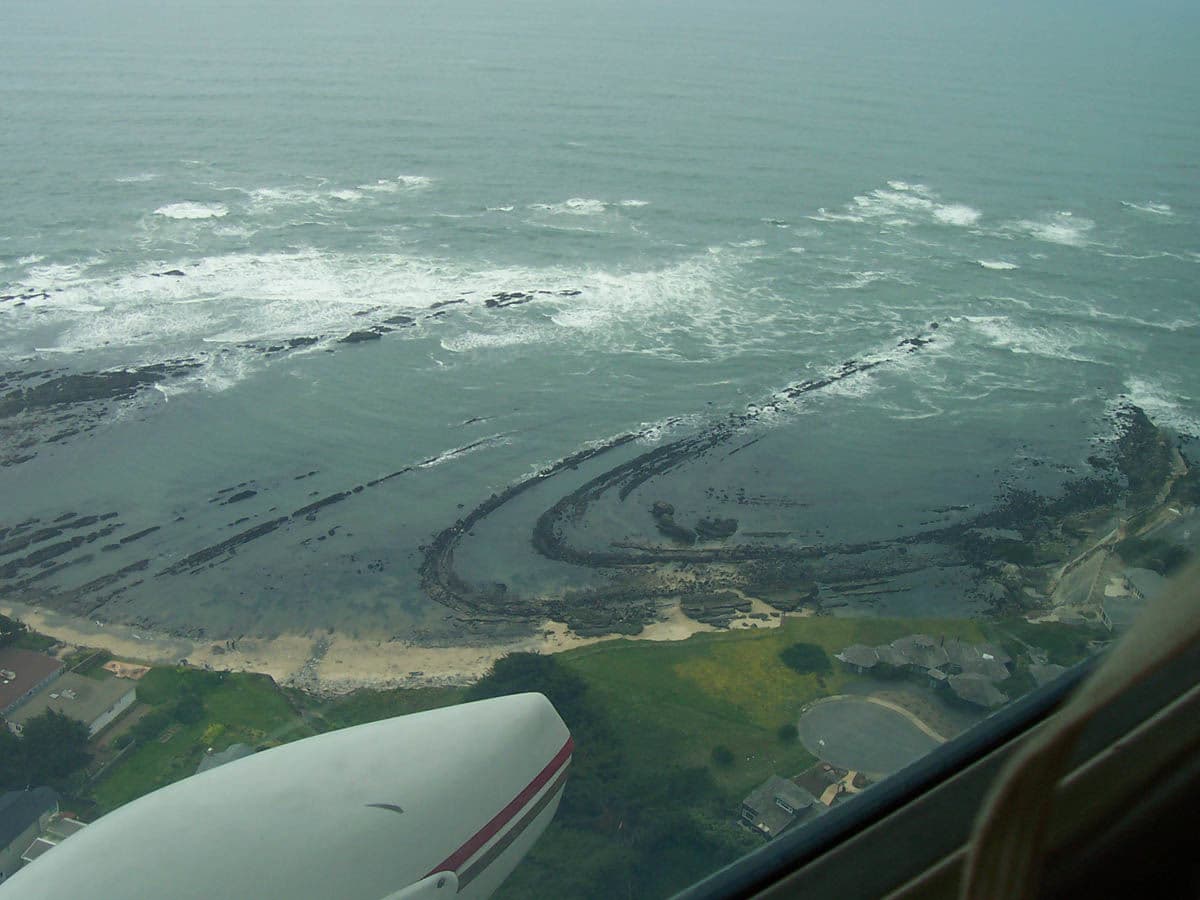
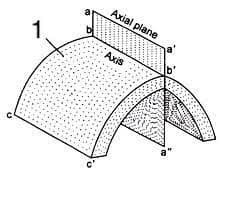 Folds and FaultsMovements of Plates and Formation of Folds and FaultsEarthquakes, Faults and FoldsBums in the Attic I want a house on a hill like the ones with the gardens where Papa works. We go on Sundays, Papa's day off. I used to go. I don't anymore. You don't like to go out with us, Papa says. Getting too old? Getting too stuck-up, says Nenny. I don't tell them I am ashamed -all of us staring out the window like the hungry. I am tired of looking at what we can't have. When we win the lottery . . . Mama begins, and then I stop listening. People who live on hills sleep so close to the stars they forget those of us who live too much on earth. They don't look down at all except to be content to live on hills. They 86 Sandra Cisneros have nothing to do with last week's garbage or fear of rats. Night comes. Nothing wakes them but the wind. One day I'll own my own house, but I won't forget who I am or where I came from. Passing bums will ask, Can I come in? I'll offer them the attic, ask them to stay, because I know how it is to be without a house. Some days after dinner, guests and I will sit in front of a fire. Floorboards will squeak upstairs. The attic grum- ble. Rats? they'll ask. Bums, I'll say, and I'll be happy. Minerva is only a little bit older than me but already she has two kids and a husband who left. Her mother raised her kids alone and it looks like her daughters will go that way too. Minerva cries because her luck is unlucky. Every night and every day. And prays. But when the kids are asleep after she's fed them their pancake dinner, she writes poems on little pieces of paper that she folds over and over and holds in her hands a long time, little pieces of paper that smell like a dime. She lets me read her poems. I let her read mine. She is always sad like a house on fire-always something wrong. 84 Sandra Cisneros She has many troubles, but the big one is her husband who left and keeps leaving. One day she is through and lets him know enough is enough. Out the door he goes. Clothes, records, shoes. Out the window and the door locked. But that night he comes back and sends a big rock through the window. Then he is sorry and she opens the door again. Same story. Next week she comes over black and blue and asks what can she do? Minerva. I don't know which way she'll go. There is nothing I can do. Some substances, such as macromolecules and nutrients, are too large to pass through the cell membrane by the transport processes you have studied so far. Cells employ two other transport mecha- nisms—endocytosis and exocytosis—to move such substances into or out of cells. Endocytosis and exocytosis are also used to transport large quantities of small molecules into or out of cells at a single time. Both endocytosis and exocytosis require cells to expend energy. Therefore, they are types of active transport. Endocytosis Endocytosis (EN-doh-sie-TOH-sis) is the process by which cells ingest external fluid, macromolecules, and large particles, including other cells. As you can see in Figure 5-7, these external materials are enclosed by a portion of the cell’s membrane, which folds into itself and forms a pouch. The pouch then pinches off from the cell membrane and becomes a membrane-bound organelle called a vesicle. Some of the vesicles fuse with lysosomes, and their con- tents are digested by lysosomal enzymes. Other vesicles that form during endocytosis fuse with other membrane-bound organelles. Two main types of endocytosis are based on the kind of material that is taken into the cell: pinocytosis (PIEN-oh-sie-TOH-sis) involves the transport of solutes or fluids, and phagocytosis (FAG-oh-sie-TOH-sis) is the movement of large particles or whole cells. Many unicellular organisms feed by phagocytosis. In addition, certain cells in animals use phagocytosis to ingest bacteria and viruses that invade the body. These cells, known as phagocytes, allow lysosomes to fuse with the vesicles that contain the ingested bacteria and viruses. Lysosomal enzymes then destroy the bacteria and viruses before they can harm the animal. CYTOSOL EXTERNAL ENVIRONMENT During endocytosis, the cell membrane folds around food or liquid and forms a small pouch. The pouch then pinches off from the cell membrane to become a vesicle. FIGURE 5-7 vesicle from the Latin vesicula, meaning “bladder” or “sac” Word Roots and Origins www.scilinks.org Topic: Endocytosis Keyword: HM60505 mb06se_homs02.qxd 5/18/07 11:03 AM Page 105 106 CHAPTER 5 1. Explain the difference between passive trans- port and active transport. 2. What functions do carrier proteins perform in active transport? 3. What provides the energy that drives the sodium-potassium pump? 4. Explain the difference between pinocytosis and phagocytosis. 5. Describe the steps involved in exocytosis. 6. How do endocytosis and exocytosis differ? How can that difference be seen? CRITICAL THINKING 7. Analyzing Information During intense exercise, potassium tends to accumulate in the fluid surrounding muscle cells. What membrane protein helps muscle cells counteract this tendency? Explain your answer. 8. Evaluating Differences How does the sodium- potassium pump differ from facilitated diffusion? 9. Relating Concepts The vesicles formed during pinocytosis are much smaller than those formed during phagocytosis. Explain. SECTION 2 REVIEW Vesicle Cell membrane EXTERNAL ENVIRONMENT CYTOSOL During exocytosis, a vesicle moves to the cell membrane, fuses with it, and then releases its contents to the outside of the cell. FIGURE 5-8 INSIDE OF CELL Vesicle OUTSIDE OF CELL Exocytosis Exocytosis (EK-soh-sie-TOH-sis) is the process by which a substance is released from the cell through a vesicle that transports the sub- stance to the cell surface and then fuses with the membrane to let the substance out of the cell. This process, illustrated in Figure 5-8, is basically the reverse of endocytosis. During exocytosis, vesi- cles release their contents into the cell’s external environment. Figure 5-8 also shows a photo of a vesicle during exocytosis. Cells may use exocytosis to release large molecules such as pro- teins, waste products, or toxins that would damage the cell if they were released within the cytosol. Recall that proteins are made on ribosomes and packaged into vesicles by the Golgi apparatus. The vesicles then move to the cell membrane and fuse with it, deliver- ing the proteins outside the cell. Cells in the nervous and endocrine systems also use exocytosis to release small molecules that control the activities of other cells.Internal Surface of the Anterior
Abdominal Wall
• Right and Left medial umbilical folds - lateral to the
median umbilical fold, they are folds of peritoneum
containing R/L medial umbilical ligaments.
• *R/L medial umbilical ligaments - remnant of the
fetal umbilical arteries which carried
DEOXGENATED BLOOD.
• R/L lateral umbilical folds - lateral to the medial
umbilical folds, they are peritoneal coverings of the
inferior epigastric arteries & veins.
• *Inferior epigastric arteries- patent arteries that
arise from the external iliac arteries. They (the
ligament ) form the lateral border of the inguinal
triangle (Hesselbach’s triangle).Most of the functions of a eukaryotic cell are controlled by the nucleus, shown in Figure 4-12. The nucleus is filled with a jellylike liquid called the nucleoplasm, which holds the contents of the nucleus and is similar in function to a cell’s cytoplasm. The nucleus houses and protects the cell’s genetic information. The hereditary information that contains the instructions for the structure and function of the organism is coded in the organism’s DNA, which is contained in the nucleus. When a cell is not dividing, the DNA is in the form of a threadlike material called chromatin. When a cell is about to divide, the chromatin condenses to form chromosomes. Chromosomes are structures in the nucleus made of DNA and protein. The nucleus is the site where DNA is transcribed into ribonucleic acid (RNA). RNA moves through nuclear pores to the cytoplasm, where, depending on the type of RNA, it carries out its function. Nuclear Envelope The nucleus is surrounded by a double membrane called the nuclear envelope. The nuclear envelope is made up of two phos- pholipid bilayers. Covering the surface of the nuclear envelope are tiny, protein-lined holes, which are called nuclear pores. The nuclear pores provide passageways for RNA and other materials to enter and leave the nucleus. Nucleolus Most nuclei contain at least one denser area, called the nucleolus (noo-KLEE-uh-luhs). The nucleolus (plural, nucleoli) is the site where DNA is concentrated when it is in the process of making ribosomal RNA. Ribosomes (RIE-buh-SOHMZ) are organelles made of protein and RNA that direct protein synthesis in the cytoplasm. The nucleus of a cell is surrounded by a double membrane called the nuclear envelope. The nucleus stores the cell’s DNA. FIGURE 4-12 Nuclear envelope Nucleolus Nuclear pores DNA (chromatin) Copyright © by Holt, Rinehart and Winston. All rights reserved. 80 CHAPTER 4 MITOCHONDRIA Mitochondria (MIET-oh-KAHN-dree-uh) (singular, mitochondrion) are tiny organelles that transfer energy from organic molecules to adenosine triphosphate (ATP). ATP ultimately powers most of the cell’s chemical reactions. Highly active cells, such as muscle cells, can have hundreds of mitochondria. Cells that are not very active, such as fat-storage cells, have few mitochondria. Like a nucleus, a mitochondrion has an inner and an outer phos- pholipid membrane, as shown in Figure 4-13. The outer membrane separates the mitochondrion from the cytosol. The inner membrane has many folds, called cristae (KRIS-tee). Cristae contain proteins that carry out energy-harvesting chemical reactions. Mitochondrial DNA Mitochondria have their own DNA and can reproduce only by the division of preexisting mitochondria. Scientists think that mito- chondria originated from prokaryotic cells that were incorporated into ancient eukaryotic cells. This symbiotic relationship provided the prokaryotic invaders with a protected place to live and pro- vided the eukaryotic cell with an increased supply of ATP. RIBOSOMES Ribosomes are small, roughly spherical organelles that are respon- sible for building protein. Ribosomes do not have a membrane. They are made of protein and RNA molecules. Ribosome assembly begins in the nucleolus and is completed in the cytoplasm. One large and one small subunit come together to make a functioning ribosome, shown in Figure 4-14. Some ribosomes are free within the cytosol. Others are attached to the rough endoplasmic reticulum.CARBOHYDRATES Carbohydrates are organic compounds composed of carbon, hydrogen, and oxygen in a ratio of about one carbon atom to two hydrogen atoms to one oxygen atom. The number of carbon atoms in a carbohydrate varies. Some carbohydrates serve as a source of energy. Other carbohydrates are used as structural materials. Carbohydrates can exist as monosaccharides, disaccharides, or polysaccharides. Monosaccharides A monomer of a carbohydrate is called a monosaccharide (MAHN-oh-SAK-uh-RIED). A monosaccharide—or simple sugar— contains carbon, hydrogen, and oxygen in a ratio of 1:2:1. The gen- eral formula for a monosaccharide is written as (CH2O)n, where n is any whole number from 3 to 8. For example, a six-carbon mono- saccharide, (CH2O)6, would have the formula C6H12O6. The most common monosaccharides are glucose, fructose, and galactose, as shown in Figure 3-6. Glucose is a main source of energy for cells. Fructose is found in fruits and is the sweetest of the monosaccharides. Galactose is found in milk. Notice in Figure 3-6 that glucose, fructose, and galactose have the same molecular formula, C6H12O6, but differing structures. The different structures determine the slightly different properties of the three compounds. Compounds like these sugars, with a single chemical formula but different structural forms, are called isomers (IE-soh-muhrz). SECTION 2 OBJECTIVES ● Distinguish between monosaccharides, disaccharides, and polysaccharides. ● Explain the relationship between amino acids and protein structure. ● Describe the induced fit model of enzyme action. ● Compare the structure and function of each of the different types of lipids. ● Compare the nucleic acids DNA and RNA. VOCABULARY carbohydrate monosaccharide disaccharide polysaccharide protein amino acid peptide bond polypeptide enzyme substrate active site lipid fatty acid phospholipid wax steroid nucleic acid deoxyribonucleic acid (DNA) ribonucleic acid (RNA) nucleotide C HO H C H OH C OH H C CH2OH H C H OH O Glucose C OH C O H OH C OH H CH2OH C H CH2OH Fructose C H HO C OH H C OH H C CH2OH H C H OH O Galactose Glucose, fructose, and galactose have the same chemical formula, but their structural differences result in different properties among the three compounds. FIGURE 3-6 Copyright © by Holt, Rinehart and Winston. All rights reserved. 56 CHAPTER 3 Disaccharides and Polysaccharides In living things, two monosaccharides can combine in a condensa- tion reaction to form a double sugar, or disaccharide (die-SAK-e-RIED). For example in Figure 3-4, the monosaccharides fructose and glu- cose can combine to form the disaccharide sucrose. A polysaccharide is a complex molecule composed of three or more monosaccharides. Animals store glucose in the form of the polysaccharide glycogen. Glycogen consists of hundreds of glucose molecules strung together in a highly branched chain. Much of the glucose that comes from food is ultimately stored in your liver and muscles as glycogen and is ready to be used for quick energy. Plants store glucose molecules in the form of the polysaccha- ride starch. Starch molecules have two basic forms—highly branched chains that are similar to glycogen and long, coiled, unbranched chains. Plants also make a large polysaccharide called cellulose. Cellulose, which gives strength and rigidity to plant cells, makes up about 50 percent of wood. In a single cellu- lose molecule, thousands of glucose monomers are linked in long, straight chains. These chains tend to form hydrogen bonds with each other. The resulting structure is strong and can be broken down by hydrolysis only under certain conditions. PROTEINS Proteins are organic compounds composed mainly of carbon, hydrogen, oxygen, and nitrogen. Like most of the other biological macromolecules, proteins are formed from the linkage of monomers called amino acids. Hair and horns, as shown in Figure 3-7a, are made mostly of proteins, as are skin, muscles and many biological catalysts (enzymes). Amino Acids There are 20 different amino acids, and all share a basic structure. As Figure 3-7b shows, each amino acid contains a central carbon atom covalently bonded to four other atoms or functional groups. A single hydrogen atom, highlighted in blue in the illustration, bonds at one site. A carboxyl group, —COOH, highlighted in green, bonds at a second site. An amino group, —NH2, highlighted in yel- low, bonds at a third site. A side chain called the R group, high- lighted in red, bonds at the fourth site. The main difference among the different amino acids is in their R groups. The R group can be complex or it can be simple, such as the CH3 group shown in the amino acid alanine in Figure 3-7b. The differences among the amino acid R groups gives different proteins very different shapes. The different shapes allow pro- teins to carry out many different activities in living things. Amino acids are commonly shown in a simplified way such as balls, as shown in Figure 3-7c. (a) Many structures, such as hair and horns are made of proteins. (b) Proteins are made up of amino acids. Amino acids differ only in the type of R group (shown in red) they carry. Polar R groups can dissolve in water, but nonpolar R groups cannot. (c) Amino acids have complex structures, so, in this and other textbooks, they are often simplified into balls. FIGURE 3-7 (b) Alanine (an amino acid) (c) Simplified version of amino acid CH3 H N OH C C H O H (a) Copyright © by Holt, Rinehart and Winston. All rights reserved. BIOCHEMISTRY 57 H H N C C OH H O H CH3 H2O Glycine Alanine H N OH C C H O H H H N C C H O H CH3 N OH C C H O H (a) (b) (a) The peptide bond (shaded blue) that binds amino acids together to form a polypeptide results from a condensation reaction that produces water. (b) Poly- peptides are commonly shown as a string of balls in this textbook and elsewhere. Each ball represents an amino acid. FIGURE 3-8 Substrate Products Enzyme 1 2 3 In the induced fit model of enzyme action, the enzyme can attach only to a substrate (reactant) with a specific shape. The enzyme then changes and reduces the activation energy of the reaction so reactants can become products. The enzyme is unchanged and is available to be used again. 3 2 1 FIGURE 3-9 Dipeptides and Polypeptides Figure 3-8a shows how two amino acids bond to form a dipeptide (die-PEP-TIED). In this condensation reaction, the two amino acids form a covalent bond, called a peptide bond (shaded in blue in Figure 3-8a) and release a water molecule. Amino acids often form very long chains called polypeptides (PAHL-i-PEP-TIEDZ). Proteins are composed of one or more polypep- tides. Some proteins are very large molecules, containing hun- dreds of amino acids. Often, these long proteins are bent and folded upon themselves as a result of interactions—such as hydrogen bonding—between individual amino acids. Protein shape can also be influenced by conditions such as temperature and the type of solvent in which a protein is dissolved. For exam- ple, cooking an egg changes the shape of proteins in the egg white. The firm, opaque result is very different from the initial clear, runny material. Enzymes Enzymes—RNA or protein molecules that act as biological catalysts—are essential for the functioning of any cell. Many enzymes are proteins. Figure 3-9 shows an induced fit model of enzyme action. Enzyme reactions depend on a physical fit between the enzyme molecule and its specific substrate, the reactant being catalyzed. Notice that the enzyme has folds, or an active site, with a shape that allows the substrate to fit into the active site. An enzyme acts only on a specific substrate because only that substrate fits into its active site. The linkage of the enzyme and substrate causes a slight change in the enzyme’s shape. The change in the enzyme’s shape weakens some chemical bonds in the substrate, which is one way that enzymes reduce activation energy, the energy needed to start the reaction. After the reaction, the enzyme releases the products. Like any catalyst, the enzyme itself is unchanged, so it can be used many times. An enzyme may not work if its environment is changed. For example, change in temperature or pH can cause a change in the shape of the enzyme or the substrate. If such a change happens, the reaction that the enzyme would have catalyzed cannot occur.
Folds and FaultsMovements of Plates and Formation of Folds and FaultsEarthquakes, Faults and FoldsBums in the Attic I want a house on a hill like the ones with the gardens where Papa works. We go on Sundays, Papa's day off. I used to go. I don't anymore. You don't like to go out with us, Papa says. Getting too old? Getting too stuck-up, says Nenny. I don't tell them I am ashamed -all of us staring out the window like the hungry. I am tired of looking at what we can't have. When we win the lottery . . . Mama begins, and then I stop listening. People who live on hills sleep so close to the stars they forget those of us who live too much on earth. They don't look down at all except to be content to live on hills. They 86 Sandra Cisneros have nothing to do with last week's garbage or fear of rats. Night comes. Nothing wakes them but the wind. One day I'll own my own house, but I won't forget who I am or where I came from. Passing bums will ask, Can I come in? I'll offer them the attic, ask them to stay, because I know how it is to be without a house. Some days after dinner, guests and I will sit in front of a fire. Floorboards will squeak upstairs. The attic grum- ble. Rats? they'll ask. Bums, I'll say, and I'll be happy. Minerva is only a little bit older than me but already she has two kids and a husband who left. Her mother raised her kids alone and it looks like her daughters will go that way too. Minerva cries because her luck is unlucky. Every night and every day. And prays. But when the kids are asleep after she's fed them their pancake dinner, she writes poems on little pieces of paper that she folds over and over and holds in her hands a long time, little pieces of paper that smell like a dime. She lets me read her poems. I let her read mine. She is always sad like a house on fire-always something wrong. 84 Sandra Cisneros She has many troubles, but the big one is her husband who left and keeps leaving. One day she is through and lets him know enough is enough. Out the door he goes. Clothes, records, shoes. Out the window and the door locked. But that night he comes back and sends a big rock through the window. Then he is sorry and she opens the door again. Same story. Next week she comes over black and blue and asks what can she do? Minerva. I don't know which way she'll go. There is nothing I can do. Some substances, such as macromolecules and nutrients, are too large to pass through the cell membrane by the transport processes you have studied so far. Cells employ two other transport mecha- nisms—endocytosis and exocytosis—to move such substances into or out of cells. Endocytosis and exocytosis are also used to transport large quantities of small molecules into or out of cells at a single time. Both endocytosis and exocytosis require cells to expend energy. Therefore, they are types of active transport. Endocytosis Endocytosis (EN-doh-sie-TOH-sis) is the process by which cells ingest external fluid, macromolecules, and large particles, including other cells. As you can see in Figure 5-7, these external materials are enclosed by a portion of the cell’s membrane, which folds into itself and forms a pouch. The pouch then pinches off from the cell membrane and becomes a membrane-bound organelle called a vesicle. Some of the vesicles fuse with lysosomes, and their con- tents are digested by lysosomal enzymes. Other vesicles that form during endocytosis fuse with other membrane-bound organelles. Two main types of endocytosis are based on the kind of material that is taken into the cell: pinocytosis (PIEN-oh-sie-TOH-sis) involves the transport of solutes or fluids, and phagocytosis (FAG-oh-sie-TOH-sis) is the movement of large particles or whole cells. Many unicellular organisms feed by phagocytosis. In addition, certain cells in animals use phagocytosis to ingest bacteria and viruses that invade the body. These cells, known as phagocytes, allow lysosomes to fuse with the vesicles that contain the ingested bacteria and viruses. Lysosomal enzymes then destroy the bacteria and viruses before they can harm the animal. CYTOSOL EXTERNAL ENVIRONMENT During endocytosis, the cell membrane folds around food or liquid and forms a small pouch. The pouch then pinches off from the cell membrane to become a vesicle. FIGURE 5-7 vesicle from the Latin vesicula, meaning “bladder” or “sac” Word Roots and Origins www.scilinks.org Topic: Endocytosis Keyword: HM60505 mb06se_homs02.qxd 5/18/07 11:03 AM Page 105 106 CHAPTER 5 1. Explain the difference between passive trans- port and active transport. 2. What functions do carrier proteins perform in active transport? 3. What provides the energy that drives the sodium-potassium pump? 4. Explain the difference between pinocytosis and phagocytosis. 5. Describe the steps involved in exocytosis. 6. How do endocytosis and exocytosis differ? How can that difference be seen? CRITICAL THINKING 7. Analyzing Information During intense exercise, potassium tends to accumulate in the fluid surrounding muscle cells. What membrane protein helps muscle cells counteract this tendency? Explain your answer. 8. Evaluating Differences How does the sodium- potassium pump differ from facilitated diffusion? 9. Relating Concepts The vesicles formed during pinocytosis are much smaller than those formed during phagocytosis. Explain. SECTION 2 REVIEW Vesicle Cell membrane EXTERNAL ENVIRONMENT CYTOSOL During exocytosis, a vesicle moves to the cell membrane, fuses with it, and then releases its contents to the outside of the cell. FIGURE 5-8 INSIDE OF CELL Vesicle OUTSIDE OF CELL Exocytosis Exocytosis (EK-soh-sie-TOH-sis) is the process by which a substance is released from the cell through a vesicle that transports the sub- stance to the cell surface and then fuses with the membrane to let the substance out of the cell. This process, illustrated in Figure 5-8, is basically the reverse of endocytosis. During exocytosis, vesi- cles release their contents into the cell’s external environment. Figure 5-8 also shows a photo of a vesicle during exocytosis. Cells may use exocytosis to release large molecules such as pro- teins, waste products, or toxins that would damage the cell if they were released within the cytosol. Recall that proteins are made on ribosomes and packaged into vesicles by the Golgi apparatus. The vesicles then move to the cell membrane and fuse with it, deliver- ing the proteins outside the cell. Cells in the nervous and endocrine systems also use exocytosis to release small molecules that control the activities of other cells.Internal Surface of the Anterior
Abdominal Wall
• Right and Left medial umbilical folds - lateral to the
median umbilical fold, they are folds of peritoneum
containing R/L medial umbilical ligaments.
• *R/L medial umbilical ligaments - remnant of the
fetal umbilical arteries which carried
DEOXGENATED BLOOD.
• R/L lateral umbilical folds - lateral to the medial
umbilical folds, they are peritoneal coverings of the
inferior epigastric arteries & veins.
• *Inferior epigastric arteries- patent arteries that
arise from the external iliac arteries. They (the
ligament ) form the lateral border of the inguinal
triangle (Hesselbach’s triangle).Most of the functions of a eukaryotic cell are controlled by the nucleus, shown in Figure 4-12. The nucleus is filled with a jellylike liquid called the nucleoplasm, which holds the contents of the nucleus and is similar in function to a cell’s cytoplasm. The nucleus houses and protects the cell’s genetic information. The hereditary information that contains the instructions for the structure and function of the organism is coded in the organism’s DNA, which is contained in the nucleus. When a cell is not dividing, the DNA is in the form of a threadlike material called chromatin. When a cell is about to divide, the chromatin condenses to form chromosomes. Chromosomes are structures in the nucleus made of DNA and protein. The nucleus is the site where DNA is transcribed into ribonucleic acid (RNA). RNA moves through nuclear pores to the cytoplasm, where, depending on the type of RNA, it carries out its function. Nuclear Envelope The nucleus is surrounded by a double membrane called the nuclear envelope. The nuclear envelope is made up of two phos- pholipid bilayers. Covering the surface of the nuclear envelope are tiny, protein-lined holes, which are called nuclear pores. The nuclear pores provide passageways for RNA and other materials to enter and leave the nucleus. Nucleolus Most nuclei contain at least one denser area, called the nucleolus (noo-KLEE-uh-luhs). The nucleolus (plural, nucleoli) is the site where DNA is concentrated when it is in the process of making ribosomal RNA. Ribosomes (RIE-buh-SOHMZ) are organelles made of protein and RNA that direct protein synthesis in the cytoplasm. The nucleus of a cell is surrounded by a double membrane called the nuclear envelope. The nucleus stores the cell’s DNA. FIGURE 4-12 Nuclear envelope Nucleolus Nuclear pores DNA (chromatin) Copyright © by Holt, Rinehart and Winston. All rights reserved. 80 CHAPTER 4 MITOCHONDRIA Mitochondria (MIET-oh-KAHN-dree-uh) (singular, mitochondrion) are tiny organelles that transfer energy from organic molecules to adenosine triphosphate (ATP). ATP ultimately powers most of the cell’s chemical reactions. Highly active cells, such as muscle cells, can have hundreds of mitochondria. Cells that are not very active, such as fat-storage cells, have few mitochondria. Like a nucleus, a mitochondrion has an inner and an outer phos- pholipid membrane, as shown in Figure 4-13. The outer membrane separates the mitochondrion from the cytosol. The inner membrane has many folds, called cristae (KRIS-tee). Cristae contain proteins that carry out energy-harvesting chemical reactions. Mitochondrial DNA Mitochondria have their own DNA and can reproduce only by the division of preexisting mitochondria. Scientists think that mito- chondria originated from prokaryotic cells that were incorporated into ancient eukaryotic cells. This symbiotic relationship provided the prokaryotic invaders with a protected place to live and pro- vided the eukaryotic cell with an increased supply of ATP. RIBOSOMES Ribosomes are small, roughly spherical organelles that are respon- sible for building protein. Ribosomes do not have a membrane. They are made of protein and RNA molecules. Ribosome assembly begins in the nucleolus and is completed in the cytoplasm. One large and one small subunit come together to make a functioning ribosome, shown in Figure 4-14. Some ribosomes are free within the cytosol. Others are attached to the rough endoplasmic reticulum.CARBOHYDRATES Carbohydrates are organic compounds composed of carbon, hydrogen, and oxygen in a ratio of about one carbon atom to two hydrogen atoms to one oxygen atom. The number of carbon atoms in a carbohydrate varies. Some carbohydrates serve as a source of energy. Other carbohydrates are used as structural materials. Carbohydrates can exist as monosaccharides, disaccharides, or polysaccharides. Monosaccharides A monomer of a carbohydrate is called a monosaccharide (MAHN-oh-SAK-uh-RIED). A monosaccharide—or simple sugar— contains carbon, hydrogen, and oxygen in a ratio of 1:2:1. The gen- eral formula for a monosaccharide is written as (CH2O)n, where n is any whole number from 3 to 8. For example, a six-carbon mono- saccharide, (CH2O)6, would have the formula C6H12O6. The most common monosaccharides are glucose, fructose, and galactose, as shown in Figure 3-6. Glucose is a main source of energy for cells. Fructose is found in fruits and is the sweetest of the monosaccharides. Galactose is found in milk. Notice in Figure 3-6 that glucose, fructose, and galactose have the same molecular formula, C6H12O6, but differing structures. The different structures determine the slightly different properties of the three compounds. Compounds like these sugars, with a single chemical formula but different structural forms, are called isomers (IE-soh-muhrz). SECTION 2 OBJECTIVES ● Distinguish between monosaccharides, disaccharides, and polysaccharides. ● Explain the relationship between amino acids and protein structure. ● Describe the induced fit model of enzyme action. ● Compare the structure and function of each of the different types of lipids. ● Compare the nucleic acids DNA and RNA. VOCABULARY carbohydrate monosaccharide disaccharide polysaccharide protein amino acid peptide bond polypeptide enzyme substrate active site lipid fatty acid phospholipid wax steroid nucleic acid deoxyribonucleic acid (DNA) ribonucleic acid (RNA) nucleotide C HO H C H OH C OH H C CH2OH H C H OH O Glucose C OH C O H OH C OH H CH2OH C H CH2OH Fructose C H HO C OH H C OH H C CH2OH H C H OH O Galactose Glucose, fructose, and galactose have the same chemical formula, but their structural differences result in different properties among the three compounds. FIGURE 3-6 Copyright © by Holt, Rinehart and Winston. All rights reserved. 56 CHAPTER 3 Disaccharides and Polysaccharides In living things, two monosaccharides can combine in a condensa- tion reaction to form a double sugar, or disaccharide (die-SAK-e-RIED). For example in Figure 3-4, the monosaccharides fructose and glu- cose can combine to form the disaccharide sucrose. A polysaccharide is a complex molecule composed of three or more monosaccharides. Animals store glucose in the form of the polysaccharide glycogen. Glycogen consists of hundreds of glucose molecules strung together in a highly branched chain. Much of the glucose that comes from food is ultimately stored in your liver and muscles as glycogen and is ready to be used for quick energy. Plants store glucose molecules in the form of the polysaccha- ride starch. Starch molecules have two basic forms—highly branched chains that are similar to glycogen and long, coiled, unbranched chains. Plants also make a large polysaccharide called cellulose. Cellulose, which gives strength and rigidity to plant cells, makes up about 50 percent of wood. In a single cellu- lose molecule, thousands of glucose monomers are linked in long, straight chains. These chains tend to form hydrogen bonds with each other. The resulting structure is strong and can be broken down by hydrolysis only under certain conditions. PROTEINS Proteins are organic compounds composed mainly of carbon, hydrogen, oxygen, and nitrogen. Like most of the other biological macromolecules, proteins are formed from the linkage of monomers called amino acids. Hair and horns, as shown in Figure 3-7a, are made mostly of proteins, as are skin, muscles and many biological catalysts (enzymes). Amino Acids There are 20 different amino acids, and all share a basic structure. As Figure 3-7b shows, each amino acid contains a central carbon atom covalently bonded to four other atoms or functional groups. A single hydrogen atom, highlighted in blue in the illustration, bonds at one site. A carboxyl group, —COOH, highlighted in green, bonds at a second site. An amino group, —NH2, highlighted in yel- low, bonds at a third site. A side chain called the R group, high- lighted in red, bonds at the fourth site. The main difference among the different amino acids is in their R groups. The R group can be complex or it can be simple, such as the CH3 group shown in the amino acid alanine in Figure 3-7b. The differences among the amino acid R groups gives different proteins very different shapes. The different shapes allow pro- teins to carry out many different activities in living things. Amino acids are commonly shown in a simplified way such as balls, as shown in Figure 3-7c. (a) Many structures, such as hair and horns are made of proteins. (b) Proteins are made up of amino acids. Amino acids differ only in the type of R group (shown in red) they carry. Polar R groups can dissolve in water, but nonpolar R groups cannot. (c) Amino acids have complex structures, so, in this and other textbooks, they are often simplified into balls. FIGURE 3-7 (b) Alanine (an amino acid) (c) Simplified version of amino acid CH3 H N OH C C H O H (a) Copyright © by Holt, Rinehart and Winston. All rights reserved. BIOCHEMISTRY 57 H H N C C OH H O H CH3 H2O Glycine Alanine H N OH C C H O H H H N C C H O H CH3 N OH C C H O H (a) (b) (a) The peptide bond (shaded blue) that binds amino acids together to form a polypeptide results from a condensation reaction that produces water. (b) Poly- peptides are commonly shown as a string of balls in this textbook and elsewhere. Each ball represents an amino acid. FIGURE 3-8 Substrate Products Enzyme 1 2 3 In the induced fit model of enzyme action, the enzyme can attach only to a substrate (reactant) with a specific shape. The enzyme then changes and reduces the activation energy of the reaction so reactants can become products. The enzyme is unchanged and is available to be used again. 3 2 1 FIGURE 3-9 Dipeptides and Polypeptides Figure 3-8a shows how two amino acids bond to form a dipeptide (die-PEP-TIED). In this condensation reaction, the two amino acids form a covalent bond, called a peptide bond (shaded in blue in Figure 3-8a) and release a water molecule. Amino acids often form very long chains called polypeptides (PAHL-i-PEP-TIEDZ). Proteins are composed of one or more polypep- tides. Some proteins are very large molecules, containing hun- dreds of amino acids. Often, these long proteins are bent and folded upon themselves as a result of interactions—such as hydrogen bonding—between individual amino acids. Protein shape can also be influenced by conditions such as temperature and the type of solvent in which a protein is dissolved. For exam- ple, cooking an egg changes the shape of proteins in the egg white. The firm, opaque result is very different from the initial clear, runny material. Enzymes Enzymes—RNA or protein molecules that act as biological catalysts—are essential for the functioning of any cell. Many enzymes are proteins. Figure 3-9 shows an induced fit model of enzyme action. Enzyme reactions depend on a physical fit between the enzyme molecule and its specific substrate, the reactant being catalyzed. Notice that the enzyme has folds, or an active site, with a shape that allows the substrate to fit into the active site. An enzyme acts only on a specific substrate because only that substrate fits into its active site. The linkage of the enzyme and substrate causes a slight change in the enzyme’s shape. The change in the enzyme’s shape weakens some chemical bonds in the substrate, which is one way that enzymes reduce activation energy, the energy needed to start the reaction. After the reaction, the enzyme releases the products. Like any catalyst, the enzyme itself is unchanged, so it can be used many times. An enzyme may not work if its environment is changed. For example, change in temperature or pH can cause a change in the shape of the enzyme or the substrate. If such a change happens, the reaction that the enzyme would have catalyzed cannot occur.