Loading...


Formas musicales, Sonata Rondó
Quiz by Zeneida Paulino
Customize this quiz to suit your class
Instantly translate to 100+ languages
Tag the questions with any skills you have. Your dashboard will track each student's mastery of each skill.
La siguiente imagen representa la estructura de la forma?

Rondó
Sonata
5ta sinfonia
Elige la imagen que representa la estructura de la forma sonata
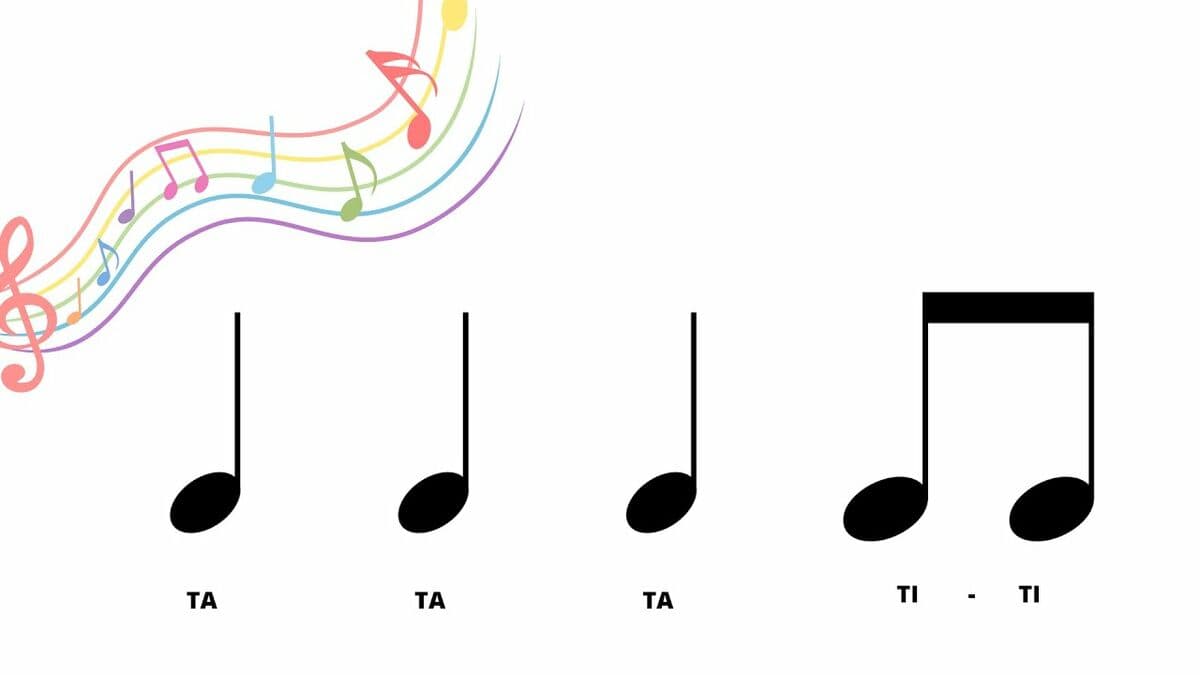
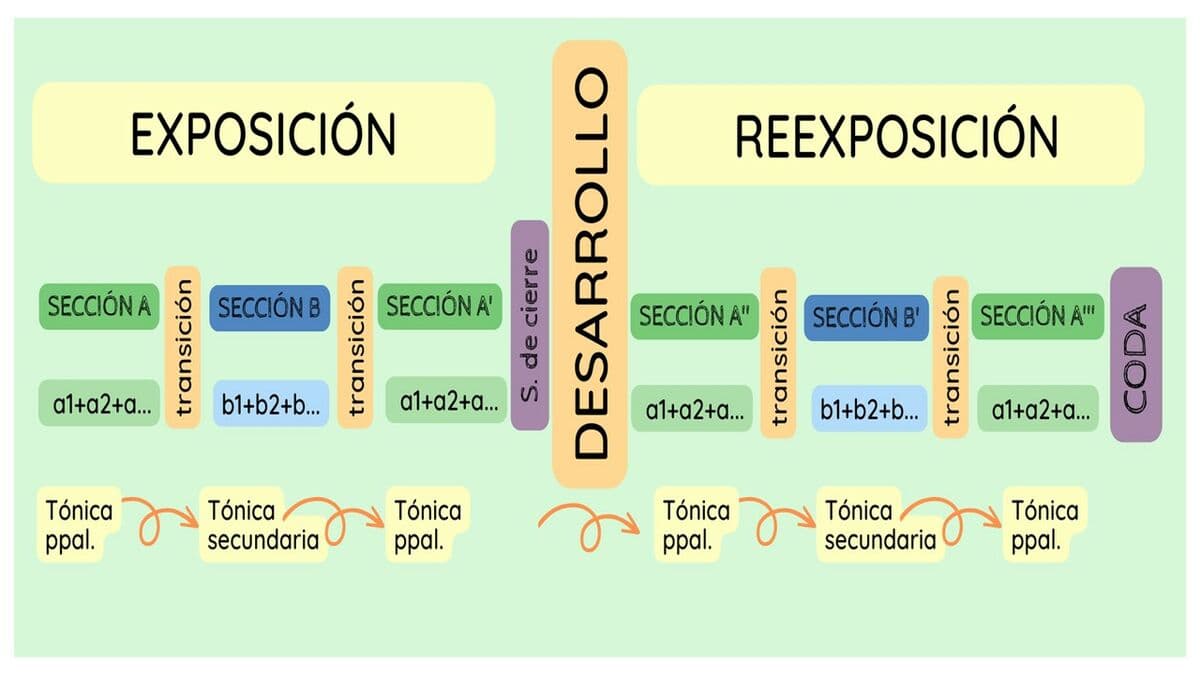
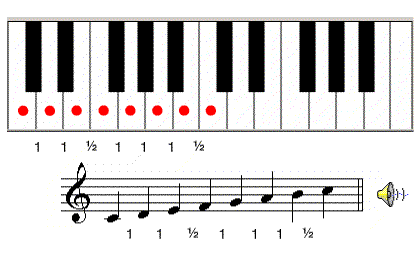
La siguiente imagen representa la estructura de la forma?

Elige la imagen que representa la estructura de la forma sonata
La forma rondó tiene la estructura verso, estribillo, verso, estribillo, verso
La sonata consta de 3 partes, (exposicion, desarrollo y reexposición)
Give this quiz to my class
📄 Spanish Preterite Tense & Guatemalan Culture Quiz Grammar (1–15) Yo _____ (hablar) con mi abuela ayer. A. hablé B. hablaba C. habla D. habléste ¿Cuál es la forma correcta de comer en la 3ª persona plural en el pretérito? A. comían B. comieron C. comeron D. comaban Nosotros _____ (vivir) en México por dos años. A. vivimos B. vivíamos C. vivieron D. viviste Tú _____ (jugar) al fútbol el sábado, ¿verdad? A. jugabas B. juegas C. jugaste D. jugasteis ¿Cuál es la forma correcta de buscar en la primera persona singular del pretérito? A. buscé B. busqué C. busco D. buscaba Ellos _____ (almorzar) muy tarde. A. almorzaban B. almorzaron C. almorzaste D. almorzó Yo no _____ (pagar) mucho por este libro. A. pagé B. pagué C. pago D. pagaba ¿Qué forma es correcta para el verbo hacer con "ella" en el pretérito? A. hace B. hizo C. hacía D. hizo Mis amigos y yo _____ (dar) una fiesta el viernes. A. dimos B. daban C. dieron D. dábamos ¿Tú _____ (ver) la película anoche? A. veías B. viste C. vistes D. verás ¿Cuál es la forma correcta de ser en la primera persona del singular en el pretérito? A. soy B. fui C. era D. seré Nosotros _____ (ir) al museo el domingo pasado. A. íbamos B. fuimos C. vamos D. vamos a ir Ella _____ (escribir) una carta a su abuela. A. escribía B. escribió C. escribé D. escribó ¿Cuál es la forma correcta de leer con “ellos” en el pretérito? A. leyeron B. leían C. leyeran D. leíeron Tú no me _____ (dar) el número correcto. A. das B. diste C. dabas D. diste Culture (16–20) ¿Qué son los barriletes gigantes que se ven en Guatemala el 1 y 2 de noviembre? A. Instrumentos musicales tradicionales B. Comidas típicas del Día de Muertos C. Cometas artesanales usadas para honrar a los muertos D. Fuegos artificiales usados en bodas ¿Dónde se celebra principalmente el festival de barriletes gigantes? A. Antigua y Chichicastenango B. Santiago y Sumpango C. Ciudad de Guatemala y Tikal D. Quetzaltenango y Cobán ¿Cuándo ocurrió la Guerra Civil Guatemalteca? A. 1910–1925 B. 1944–1954 C. 1960–1996 D. 1980–2000 ¿Quién es Rigoberta Menchú? A. Una cantante famosa guatemalteca B. Una líder indígena y defensora de los derechos humanos C. Una política que fue presidenta D. Una artista de barriletes ¿Por qué recibió Rigoberta Menchú el Premio Nobel de la Paz? A. Por su música tradicional B. Por su arte textil C. Por su lucha por los derechos de los pueblos indígenas D. Por su carrera política en el congresoL'attentato alle Torri Gemelle dell'11 settembre 2001 è stato orchestrato dall'organizzazione terroristica al-Qaida, guidata da Osama bin Laden. Al-Qaida, un gruppo estremista islamico, aveva l'obiettivo di colpire gli Stati Uniti per una serie di motivi, tra cui la loro presenza militare in Medio Oriente, il sostegno a Israele e le politiche economiche e geopolitiche percepite come oppressive nei confronti dei Paesi musulmani. L'attacco ha coinvolto 19 terroristi, che hanno dirottato quattro aerei commerciali: due hanno colpito le Torri Gemelle a New York, un altro il Pentagono vicino a Washington, D.C., mentre il quarto, United Airlines Flight 93, è precipitato in un campo in Pennsylvania dopo che i passeggeri hanno tentato di riprendere il controllo dell'aereo. Osama bin Laden ha rivendicato la responsabilità dell'attentato, che ha provocato circa 3.000 morti e ha avuto un impatto duraturo sulla politica internazionale, portando alle guerre in Afghanistan e Iraq e a significativi cambiamenti nella sicurezza globale Il fatto che quattro aerei dirottati siano riusciti a deviare dalla loro rotta senza un immediato intervento da parte delle autorità aeree è legato a una serie di fattori: 1. **Dirottamenti inattesi**: Prima dell'11 settembre 2001, il protocollo per gestire i dirottamenti aerei era molto diverso. I dirottamenti aerei, quando accadevano, di solito erano gestiti attraverso negoziazioni e si presumeva che i dirottatori cercassero principalmente attenzione o denaro, non attacchi suicidi. Non c'era una preparazione specifica per l'eventualità che gli aerei venissero usati come armi. 2. **Interruzione delle comunicazioni**: I dirottatori hanno spento i transponder sugli aerei (dispositivi che inviano segnali radar con informazioni su altitudine e posizione), rendendo difficile per i controllori del traffico aereo tracciare con precisione gli aerei. Gli aerei risultavano ancora visibili sui radar primari, ma senza i dati specifici del transponder era difficile capire immediatamente che c'era una deviazione fuori rotta. 3. **Tempo di reazione**: Gli eventi si sono svolti in un breve arco di tempo. I primi segni di problemi sui voli sono emersi intorno alle 8:14 (con l'American Airlines Flight 11), e il primo schianto contro la Torre Nord è avvenuto alle 8:46. Tra l'inizio dei dirottamenti e gli impatti, il tempo per reagire è stato limitato. La portata dell'attacco era senza precedenti, e nessuno si aspettava che i dirottatori avrebbero usato gli aerei come armi contro obiettivi civili. 4. **Coordination failures**: Anche se ci sono stati segnali di problemi, la comunicazione tra le varie agenzie coinvolte (Federal Aviation Administration, NORAD, ecc.) non era ottimale. La procedura per attivare la difesa aerea in caso di dirottamento era complessa, e la possibilità che aerei civili venissero utilizzati come armi suicide non era contemplata nei protocolli. 5. **NORAD e tempi di risposta**: Il NORAD (North American Aerospace Defense Command), incaricato della difesa aerea, aveva una capacità limitata di intercettare rapidamente aerei dirottati nello spazio aereo interno. Prima dell'11 settembre, le operazioni di difesa erano concentrate su possibili minacce esterne, e non su attacchi interni. Anche quando i caccia furono inviati, era troppo tardi per impedire gli impatti. Questi fattori, combinati con l'incredulità che un tale attacco potesse realmente accadere, hanno reso possibile che quattro aerei fossero dirottati e usati come armi senza un intervento preventivo efficace. Dopo l'11 settembre, furono apportati significativi cambiamenti ai protocolli di sicurezza aerea per prevenire simili attacchi in futuro. L'idea che l'11 settembre abbia fornito un "pretesto" per attaccare l'Afghanistan è stata ipotizzata da diverse teorie del complotto e punti di vista critici sulla politica estera degli Stati Uniti. Tuttavia, è importante distinguere tra i fatti documentati e le ipotesi non verificate. ### Fatti documentati: 1. **Al-Qaida e Osama bin Laden**: Gli attacchi dell'11 settembre sono stati rivendicati da al-Qaida, che aveva il suo quartier generale in Afghanistan sotto la protezione del regime talebano. Gli Stati Uniti hanno chiesto ai talebani di consegnare Osama bin Laden, ma il governo talebano ha rifiutato. Questo ha portato all'intervento militare in Afghanistan con l'obiettivo dichiarato di smantellare al-Qaida e rimuovere i talebani dal potere. 2. **Legittimazione internazionale**: L'invasione dell'Afghanistan è stata ampiamente appoggiata a livello internazionale, con il sostegno delle Nazioni Unite e della NATO. Il Consiglio di Sicurezza delle Nazioni Unite ha approvato risoluzioni che condannavano gli attacchi e riconoscevano il diritto di difesa degli Stati Uniti. ### Teorie del complotto: Alcuni teorici sostengono che l'11 settembre potrebbe essere stato usato come pretesto per giustificare una guerra che rientrava in più ampi interessi geopolitici. Secondo questa visione, l'invasione dell'Afghanistan non riguardava solo la lotta contro il terrorismo, ma anche: - **Influenza geopolitica**: Gli Stati Uniti avrebbero cercato di stabilire una maggiore presenza militare e influenza in una regione strategica, vicina a Paesi come l'Iran, la Cina e la Russia. - **Risorse naturali**: L'Afghanistan ha un'importanza geopolitica anche per i suoi potenziali corridoi energetici e per le sue risorse minerarie, anche se non ha ricchezze petrolifere significative come altri Paesi del Medio Oriente. ### Critiche legittime: Al di là delle teorie del complotto, ci sono critiche legittime alla risposta degli Stati Uniti e all'espansione della guerra al terrorismo. Ad esempio: - **La guerra in Iraq**: Mentre l'invasione dell'Afghanistan fu largamente supportata, l'invasione dell'Iraq nel 2003 fu molto più controversa. Molti analisti ritengono che l'amministrazione Bush abbia sfruttato la paura generata dall'11 settembre per giustificare un attacco all'Iraq, anche se non c'erano prove concrete di un collegamento tra il regime di Saddam Hussein e al-Qaida. - **Durata della guerra**: La guerra in Afghanistan si è trasformata in un conflitto di lunga durata, che molti vedono come fallimentare, con risultati incerti nonostante il grande impegno militare ed economico. ### Conclusione: Sebbene sia possibile che alcune figure politiche o militari abbiano sfruttato l'attacco dell'11 settembre per portare avanti agende geopolitiche preesistenti, i fatti storici mostrano che l'invasione dell'Afghanistan fu una reazione diretta agli attacchi e alla minaccia di al-Qaida. Le decisioni successive, in particolare l'espansione della "guerra al terrorismo", sono state oggetto di forti critiche e controversie, ma non ci sono prove concrete che l'11 settembre sia stato pianificato o lasciato accadere per giustificare un'invasione. La **caduta delle Torri Gemelle** l'11 settembre 2001 è stata causata principalmente dai **danni strutturali provocati dall'impatto degli aerei e dal conseguente incendio**, secondo le indagini ufficiali. Le teorie che ipotizzano l'uso di esplosivi sono state ampiamente investigate ma smentite dalle analisi tecniche e dalle prove disponibili. ### Versione ufficiale: 1. **Impatto degli aerei**: Gli aerei di linea colpirono le Torri Gemelle a una velocità molto elevata, causando danni immediati e significativi alle colonne portanti esterne e interne degli edifici. Questi danni strutturali compromettevano già parte della stabilità delle torri. 2. **Incendi**: L'impatto degli aerei ha causato l'esplosione del carburante contenuto nei serbatoi, innescando vasti incendi. Il calore generato dagli incendi all'interno degli edifici raggiunse temperature estremamente elevate (fino a 1000°C o più), che indebolirono ulteriormente l'acciaio delle strutture portanti. 3. **Cedimento strutturale**: L'acciaio non deve necessariamente fondere per perdere la sua capacità portante; a temperature elevate, l'acciaio diventa più malleabile e perde resistenza. Questo, unito al danno meccanico già causato dall'impatto degli aerei, ha portato al cedimento progressivo delle strutture superiori, che sono collassate sui piani inferiori in una sorta di effetto domino. Questo spiega il "crollo verticale" delle torri. ### Investigazioni tecniche: 1. **Rapporto del NIST**: Il **National Institute of Standards and Technology (NIST)** ha condotto un'indagine approfondita sulla caduta delle torri. Secondo il rapporto del NIST, **non ci sono prove** che suggeriscano l'uso di esplosivi o ordigni nei crolli delle torri. I crolli sono stati attribuiti esclusivamente ai danni strutturali causati dagli impatti e agli incendi successivi. 2. **Simulazioni e analisi**: Gli ingegneri hanno simulato il comportamento degli edifici durante l'attacco e hanno concluso che l'indebolimento delle strutture portanti a causa del calore è stato sufficiente a spiegare il collasso. Il crollo avvenne in maniera progressiva e non con le caratteristiche di una demolizione controllata, come l'uso di esplosivi. ### Teorie del complotto: Nonostante le spiegazioni tecniche ufficiali, alcune persone sostengono che il crollo sia stato causato da esplosivi piazzati all'interno delle torri. Queste teorie si basano su: - **Testimonianze di esplosioni**: Alcune persone hanno riportato di aver sentito rumori di esplosioni prima o durante i crolli. Tuttavia, gli esperti hanno spiegato che questi rumori possono essere attribuiti a numerosi fattori, come i cedimenti strutturali e le esplosioni secondarie dovute al cedimento di infrastrutture interne (ad esempio, serbatoi di gas o trasformatori elettrici). - **Crollo simmetrico**: Alcuni teorici sostengono che il crollo delle torri sia stato troppo "ordinato" per essere casuale. Tuttavia, il collasso verticale è stato spiegato come il risultato del cedimento simultaneo di più colonne portanti indebolite dal calore. - **Teoria del crollo controllato**: Alcuni sostengono che le torri siano cadute con la rapidità e la precisione di una demolizione controllata. Tuttavia, studi dettagliati del NIST e altre organizzazioni non hanno trovato alcuna prova di esplosivi o segni di una demolizione pianificata. ### Conclusione: Le indagini ufficiali e i rapporti tecnici indicano chiaramente che il crollo delle Torri Gemelle è stato causato dagli impatti degli aerei e dai successivi incendi che hanno indebolito la struttura, portando al collasso progressivo. Le teorie che ipotizzano l'uso di esplosivi sono state esaminate ma non supportate da prove concrete. L'11 settembre 2001 ha avuto un impatto profondo anche sulla musica, influenzando artisti di diversi generi e portandoli a esprimere il dolore, la rabbia, la riflessione e la speranza che l'evento ha generato. La musica ha raccontato l'episodio da diverse prospettive, esplorando sia il trauma individuale che quello collettivo, e offrendo una forma di guarigione o commemorazione per chi l'ha vissuto. ### Canzoni che hanno affrontato l'11 settembre: 1. **Bruce Springsteen – "The Rising" (2002)** Questo album è uno dei più emblematici legati all'11 settembre. La title track, "The Rising", racconta la storia di un pompiere che sale verso le Torri Gemelle e riflette sul sacrificio e la speranza. L'intero album esplora i temi della perdita e della resilienza attraverso il prisma dell'America post-11 settembre, e rappresenta una sorta di catarsi per molte persone che hanno cercato conforto nella musica. 2. **Paul McCartney – "Freedom" (2001)** Paul McCartney era a New York il giorno degli attacchi e ha scritto questa canzone in risposta, cercando di trasmettere un messaggio di forza e resistenza. "Freedom" è stata eseguita al concerto benefico **"The Concert for New York City"**, un evento organizzato per raccogliere fondi per le vittime dell'attacco e celebrare il coraggio dei soccorritori. 3. **Toby Keith – "Courtesy of the Red, White and Blue (The Angry American)" (2002)** Questa canzone country ha rappresentato il lato più patriottico e arrabbiato della reazione americana agli attentati. Toby Keith esprime il desiderio di giustizia (o vendetta), e la canzone è diventata molto popolare tra coloro che volevano una risposta forte agli attacchi. Sebbene controversa per i suoi toni duri, ha rappresentato una parte significativa del sentimento nazionale. 4. **Alan Jackson – "Where Were You (When the World Stopped Turning)" (2001)** Questa ballata country ha cercato di catturare lo shock, la confusione e il dolore collettivo che l'11 settembre ha causato. La canzone pone domande che molti si sono fatti: "Dov'eri quando il mondo si è fermato?" Il tono è riflessivo e malinconico, ed è diventata una delle canzoni più ricordate che trattano direttamente dell'evento. 5. **U2 – "Walk On" (2001)** Sebbene scritta prima dell'11 settembre, "Walk On" è diventata una sorta di inno di resilienza dopo l'attacco. U2 ha dedicato diverse performance della canzone alle vittime dell'11 settembre, e il testo, che parla di andare avanti di fronte alle avversità, è stato interpretato come un messaggio di forza per chi cercava di ricostruire la propria vita. 6. **Neil Young – "Let’s Roll" (2001)** Questa canzone è stata ispirata dagli atti eroici dei passeggeri del volo United 93, che si sono ribellati contro i dirottatori, impedendo che l'aereo colpisse un obiettivo a terra. La frase "Let's roll" era ciò che uno dei passeggeri, Todd Beamer, ha detto mentre guidava la ribellione. Neil Young ha scritto questo brano per onorare quei passeggeri coraggiosi. ### Concerti e eventi musicali commemorativi: - **The Concert for New York City (2001)** Subito dopo gli attacchi, questo grande concerto benefico si è tenuto al Madison Square Garden per raccogliere fondi a favore delle vittime e per rendere omaggio ai soccorritori. Vi hanno partecipato artisti come Paul McCartney, The Who, Mick Jagger, David Bowie e molti altri. L'evento è stato una celebrazione dell'unità e della solidarietà di fronte alla tragedia. - **America: A Tribute to Heroes (2001)** Questo telethon, trasmesso a livello nazionale, ha visto la partecipazione di artisti come Bruce Springsteen, U2, Celine Dion e molti altri. Lo scopo era quello di raccogliere fondi per le vittime e i loro familiari, e molte delle performance erano riflessive e piene di emozione, offrendo un momento di unità e commiserazione collettiva. ### Effetti sull’industria musicale: L'11 settembre ha avuto anche un impatto diretto sull'industria musicale: - **Censura e sensibilità**: Molte canzoni che potevano essere considerate inappropriate o troppo aggressive dopo l'11 settembre furono temporaneamente rimosse dalle playlist radiofoniche, come "Imagine" di John Lennon (per il suo messaggio pacifista) o "New York, New York" di Frank Sinatra, per il legame con la città colpita. - **Modifiche ai testi e alle copertine**: Alcuni artisti modificarono testi o copertine di album che potevano sembrare insensibili o inappropriate nel clima post-11 settembre. Ad esempio, i Dream Theater cambiarono la copertina del loro album "Live Scenes from New York" perché raffigurava il World Trade Center in fiamme, una coincidenza che uscì pochi giorni prima degli attacchi. ### Conclusione: La musica ha offerto un modo per elaborare il trauma dell'11 settembre, sia attraverso canzoni che commemorano i caduti, sia con inni che hanno ispirato resistenza e speranza. Artisti di ogni genere hanno interpretato l'evento in modi diversi, riflettendo la complessità delle emozioni che ha suscitato, dall'angoscia e la perdita alla forza e la solidarietà. Sì, le **Dixie Chicks** (oggi conosciute come **The Chicks**) hanno avuto notevoli problemi, ma non per aver trattato direttamente il tema dell'11 settembre. I problemi che hanno affrontato sono legati alle loro critiche alla guerra in Iraq e alla presidenza di **George W. Bush**, che erano strettamente connesse al clima politico post-11 settembre. ### Contesto: Nel marzo 2003, durante un concerto a Londra, la cantante **Natalie Maines**, frontwoman delle Dixie Chicks, fece una dichiarazione che scatenò una controversia a livello nazionale negli Stati Uniti. Mentre l'invasione dell'Iraq era imminente, Maines disse al pubblico: > **"Just so you know, we’re ashamed that the President of the United States is from Texas."** Questa dichiarazione era una critica diretta al presidente **George W. Bush**, nato in Texas come Maines e il resto della band. La critica arrivava in un momento in cui il patriottismo e il sostegno alla guerra erano fortemente presenti negli Stati Uniti, specialmente nel Sud, dove le Dixie Chicks avevano una vasta base di fan nella comunità country. ### Conseguenze: 1. **Boicottaggi e censure**: Dopo il commento di Maines, molte stazioni radio, soprattutto quelle country, **boicottarono le Dixie Chicks**, rimuovendo le loro canzoni dalle playlist. In alcune parti degli Stati Uniti, i fan organizzarono pubblici **roghi dei loro album**. 2. **Perdita di supporto nel mondo country**: La comunità della musica country, che spesso riflette valori patriottici e conservatori, si rivolse contro di loro. Molti artisti e fan country criticarono duramente le Dixie Chicks per aver espresso opinioni contro la guerra e contro il presidente in un momento in cui il sostegno alla leadership nazionale era considerato importante. 3. **Minacce e ostilità**: Le Dixie Chicks ricevettero **minacce di morte** e furono soggette a intense campagne di odio. Questo dimostrò quanto fossero polarizzate le opinioni politiche negli Stati Uniti all'epoca, specialmente nell'industria della musica country. 4. **Carriera messa in pausa**: Dopo la controversia, la loro carriera negli Stati Uniti subì un grave colpo. Le vendite dei loro album calarono, e per diversi anni furono considerate una "band alienata" dall'industria country. Tuttavia, il gruppo trovò maggiore supporto nel pubblico internazionale e in generi musicali non tradizionalmente legati al country. ### La risposta delle Dixie Chicks: Le Dixie Chicks risposero alla controversia con coraggio e determinazione. Nel 2006, pubblicarono l'album **"Taking the Long Way"**, che includeva la famosa canzone **"Not Ready to Make Nice"**. Questo brano affrontava direttamente le critiche ricevute e il loro rifiuto di scusarsi per aver espresso le proprie opinioni. > **"Not Ready to Make Nice"** fu un grande successo e vinse diversi Grammy Awards, incluso quello per il **Miglior Album dell'Anno** e la **Canzone dell'Anno**. L'album rappresentava un chiaro messaggio: non erano pronte a cedere alla pressione e non si scusavano per aver esercitato la loro libertà di espressione. ### Riflessione sulla controversia: La controversia rifletteva una tensione più ampia nella società americana post-11 settembre, dove il patriottismo era visto da molti come un valore sacro e la critica alle politiche governative, specialmente riguardo alla guerra, poteva essere percepita come un tradimento. Le Dixie Chicks divennero un simbolo di questa polarizzazione e del conflitto tra libertà di espressione e patriottismo. ### Conclusione: Sebbene le Dixie Chicks non abbiano trattato direttamente l'11 settembre, la loro critica alla guerra in Iraq e a George W. Bush, strettamente connessa agli eventi post-11 settembre, portò a una delle più grandi controversie nella storia della musica country. Tuttavia, con il tempo, il gruppo è riuscito a superare le difficoltà e ha ottenuto una sorta di redenzione artistica e pubblica, guadagnando il rispetto di molti per la loro integrità e il loro coraggio nel difendere le proprie opinioni. Sì, i **Green Day** hanno trattato indirettamente i temi legati all'11 settembre e le sue conseguenze, soprattutto attraverso il loro album più famoso, **"American Idiot"** (2004). L'album non affronta direttamente gli attacchi dell'11 settembre, ma esplora il clima politico e sociale che si è sviluppato negli Stati Uniti dopo gli attentati, in particolare la guerra in Iraq, il patriottismo estremo e la manipolazione dei media. ### Contesto di "American Idiot": "American Idiot" è un concept album che segue un personaggio chiamato **Jesus of Suburbia**, che rappresenta la frustrazione e l'alienazione della generazione cresciuta nell'America post-11 settembre. L'album racconta una storia di rabbia, disillusione e ribellione contro il governo, i media e la società americana dell'epoca. ### Temi principali legati all'11 settembre e alle sue conseguenze: 1. **Critica ai media e alla manipolazione dell'informazione**: - La title track, **"American Idiot"**, critica aspramente la manipolazione dei media e il modo in cui la società americana è stata spinta verso un patriottismo cieco e un clima di paura. La canzone si scaglia contro l'idea che gli americani vengano indotti a seguire passivamente le direttive dei media e del governo, un tema strettamente legato alla narrazione post-11 settembre e alla propaganda che ha accompagnato la guerra in Iraq. > "Don't wanna be an American idiot, Don't want a nation under the new media." Qui, la band esprime il loro disgusto per l'influenza della propaganda mediatica e la crescente polarizzazione politica. 2. **Disillusione verso il governo e la guerra**: - Il brano **"Holiday"** è una feroce critica alla guerra in Iraq e alla politica estera dell'amministrazione Bush, spesso vista come una conseguenza diretta degli attacchi dell'11 settembre. La canzone denuncia l'ipocrisia e l'avidità che, secondo i Green Day, hanno guidato la decisione di invadere l'Iraq. > "This is the dawning of the rest of our lives, On holiday." Il termine "holiday" viene usato sarcasticamente per indicare una pausa dalla realtà, mentre la guerra viene condotta senza una giustificazione morale valida. 3. **Riflessioni sulla paura e l'ansia della generazione post-11 settembre**: - **"Boulevard of Broken Dreams"** esplora temi più personali di alienazione e solitudine, ma riflette anche l'ansia e la disillusione che molti americani, specialmente giovani, hanno provato nell'era post-11 settembre. Il senso di isolamento e la perdita di speranza di Jesus of Suburbia rappresentano simbolicamente il malessere di una generazione confusa e incerta sul futuro. > "I walk a lonely road, The only one that I have ever known." 4. **Rabbia verso l'apatia sociale**: - In **"Wake Me Up When September Ends"**, molti hanno visto una connessione simbolica con gli attacchi dell'11 settembre. Sebbene la canzone sia stata scritta dal frontman **Billie Joe Armstrong** come una riflessione personale sulla morte di suo padre, è diventata una sorta di inno per chiunque cercasse di elaborare il dolore e il trauma degli eventi del 2001. L'uso di "September" nel titolo ha portato molti a collegare il brano agli eventi dell'11 settembre e al desiderio di superare quel periodo buio. > "Here comes the rain again, Falling from the stars, Drenched in my pain again, Becoming who we are." La canzone evoca sentimenti di perdita e desiderio di guarigione, temi che risuonano con l'atmosfera post-attentati. ### Impatto di "American Idiot": "American Idiot" è stato un successo enorme e ha avuto un impatto culturale significativo. L'album ha dato voce a una generazione di giovani disillusi dalla politica americana e dalla guerra, riflettendo il malcontento diffuso verso l'amministrazione Bush e il modo in cui il paese aveva reagito agli eventi dell'11 settembre. Il successo dell'album ha portato anche alla produzione di un musical omonimo, che ha continuato a esplorare questi temi. ### Conclusione: I Green Day non hanno trattato direttamente gli attacchi dell'11 settembre, ma il loro album "American Idiot" è una risposta critica alle conseguenze politiche e sociali di quell'evento, in particolare la guerra in Iraq, la manipolazione dei media e la disillusione dei giovani. L'album è stato un potente veicolo di protesta contro il clima politico dell'epoca e ha dato voce alla frustrazione di molti americani.MAPEH 6 Musical Forms: Understanding the structural organization of a musical piece.Ostinato Music Definition Ostinato (plural – ostinati or ostinatos) is an Italian word meaning obstinate or persistent and is used in music to describe a musical phrase or rhythm that is repeated persistently. The repeated pattern could be a melody, a figure in the bass – called a basso ostinato or simply a repeated rhythmic idea. An ostinato may be played for an entire piece of music or just during one section. The key aspect to remember in the definition of an ostinato is that it is a pattern that is repeated persistently in a piece of music. Rhythmic Ostinato A rhythmic ostinato is a rhythmic pattern that is persistently repeated. It will often be played on an untuned percussion instrument (e.g. snare drum, triangle, etc..). However, rhythmic ostinati can also be found in parts played on pitched instruments where the note pitch stays the same or where the pitches change as the phrase is repeated. The key characteristic is that it is the rhythm that is persistently repeated.In Maurice Ravel’s “Bolero” the use of a rhythmic ostinato brings a magical and almost hypnotic feel to the piece as the percussive pattern contrasts with the sweeping and almost improvisatory nature of the flute melody. Have a look at the pattern below and listen to its use in the audio extract: Rhythmic Ostinato Example from Ravel Bolero.A rhythmic ostinato is an excellent technique that composers use for creating drama and tension. One of the most famous examples of this is from “Mars” by Gustav Holst. Have a look/listen to the rhythmic pattern: Rhythmic Ostinato Example from Gustav Holst Mars. This rhythmic pattern is played relentlessly throughout the piece and forms the basis for the intense drama associated with the subject – Mars, the god of war! Have a listen to this extract of the piece performed by the United States Air Force Band:You can hear how the relentless sound of a rhythmic ostinato is extremely effective at building tension as the music around it changes and develops. This effect is heightened in the extract from Mars as the bass note remains on a G throughout the extract and acts as a pedal point. Not surprisingly, rhythmic ostinati are used widely in dramatic film music. Hans Zimmer is a film composer who makes considerable use of this technique across the many film scores he has written. Have a listen to the opening from his theme for the film “Pirates of the Caribbean” performed by the Auckland Symphony Orchestra:You can hear that there are a number of different ostinati in many of the different parts that are layered to produce the overall sound. Here is the rhythmic ostinato that forms the basis of the melody line: Rhythmic Ostinato Example Hans ZimmerMelodic ostinato A melodic ostinato is a repeated pattern where both the rhythm and the melody form the basis for the repeated pattern. These often occur in the bass part where they are called a basso ostinato. Basso Ostinato A basso ostinato is a repeated pattern in the bass part of a piece. This technique became particularly popular in the 17th century where a number of Baroque dances were based upon ostinati in the bass part. In dances such as the passacaglia the bass remained constant throughout the piece whilst the other parts developed. This technique is called “ground bass” and you can have a look at my lesson on ground bass for some examples of this. The most famous example of a basso ostinato is Pachelbel’s Canon in D. Ostinati Examples in Contemporary Music Rhythmic and melodic ostinatos have had a massive influence on contemporary popular music across a wide range of genres. This can be seen in 2 main ways: Riffs (short melodic phrases) – these are effectively contemporary expressions of ostinato. Loops – rhythmic and melodic phrases are repeated to create the characteristic sound of contemporary productions. As a result, you will probably be able to find examples of the use of repeated patterns/ostinati in most contemporary songs. However, there are some songs where the use of an ostinato provides the clear foundation for the song and these are useful examples to listen to. Examples of Ostinati Riffs Seven Nation Army by White Stripes The guitar riff from Seven Nation Army is one of the most famous modern guitar riffs and is used as an ostinato that plays throughout the song. It is an excellent example of a melodic ostinato:Back in Black by AC/DC The opening guitar riff in this song is another great example:Examples of Loops Loops are repeated patterns that are clearly built on the concept of ostinati. They are used widely in contemporary music. Hip hop songs often use loops as the foundation for the track. Still D.R.E by Dr. Dre ft. Snoop Dogg In this song a piano loop plays throughout the whole track and forms the foundation of the song:What Is Rhythm in Music? Rhythm is the pattern of sound, silence, and emphasis in a song. In music theory, rhythm refers to the recurrence of notes and rests (silences) in time. When a series of notes and rests repeats, it forms a rhythmic pattern. In addition to indicating when notes are played, musical rhythm also stipulates how long they are played and with what intensity. This creates different note durations and different types of accents.Why Is Rhythm Important in Music? Rhythm functions as the propulsive engine of a piece of music, and it gives a composition structure. Most musical ensembles contain a rhythm section responsible for providing the rhythmic backbone for the entire group. Drums, percussion, bass, guitar, piano, and synthesizer may all be considered rhythm instruments, depending on the context. However, all members of a music group bear responsibility for their own rhythmic performances and play the musical beats and rhythmic patterns indicated by the piece's composer.7 Elements of Rhythm in Music Several core elements comprise the fundamentals of musical rhythm. 1. Time signature: A musical time signature indicates the number of beats per measure. It also indicates how long these beats last. In a time signature with a 4 on the bottom (such as 2/4, 3/4, 4/4, 5/4, etc.), a beat corresponds with a quarter note. So in a 4/4 time (also known as "common time"), each beat is the length of a quarter note, and every four beats form a full measure. In 5/4 time, every five beats form a full measure. In a time signature with an 8 on the bottom (such as 3/8, 6/8, or 9/8), a beat corresponds with an eighth note. 2. Meter: Standard Western music theory divides time signatures into three types of musical meter: duple meter (where beats appear in groups of two), triple meter (where beats appear in groups of three), and quadruple meter (where beats appear in groups of four). Meter is not tied to note values; for instance, a triple meter could involve three half notes, three quarter notes, three eighth notes, three sixteenth notes, or three notes of any duration. Musicians and composers regularly mix duple and triple meter in their work; Igor Stravinsky's "The Rite of Spring" is a textbook example of such a technique. 3. Tempo: Tempo is the speed at which a piece of music is played. There are three primary ways that tempo is communicated to players: beats per minute, Italian terminology, and modern language. Beats per minute (or BPM) indicates the number of beats in one minute. Certain Italian words like largo, andante, allegro, and presto convey tempo change by describing the speed of the music. Finally, some composers indicate tempo with casual English words such as “fast,” “slow,” “lazy,” “relaxed,” and “moderate.” 4. Strong beats and weak beats: Rhythm combines strong beats and weak beats. Strong beats include the first beat of each measure (the downbeat), as well as other heavily accented beats. Both popular music and classical music combine strong beats and weak beats to create memorable rhythmic patterns. 5. Syncopation: Syncopated rhythms are those that do not align with the downbeats of individual measures. A syncopated beat will put its emphasis on traditional weak beats, such as the second eighth note in a measure of 4/4. Complex rhythms tend to include syncopation. While these rhythms may be more difficult for a beginning musician to pick up, they tend to sound more striking than non-syncopated rhythmic patterns. 6. Accents: Accents refer to special emphases on certain beats. To understand accents, think of a piece of poetry. A poetic meter, such as iambic pentameter, may dictate a specific mixture of stressed syllables and unstressed syllables. Musical accents are no different. Different rhythms may share a time signature and tempo, but they stand out from one another by accenting different notes and beats. 7. Polyrhythms: To achieve a particularly ambitious sense of rhythm, an ensemble may employ polyrhythm, which layers one type of rhythm on top of another. For instance, a salsa percussion ensemble may feature congas and bongos playing 4/4 time, while the timbales concurrently play a pattern in 3/8. This creates a dense rhythmic stew and, when properly executed, it can yield incredibly danceable rhythm patterns. Polyrhythms originated in African drumming, and they’ve spread to all sorts of genres worldwide, from Afro-Caribbean to Indian to progressive rock, jazz, and contemporary classical.USAGE/APPLICATION OF MULTIMEDIA RESOURCES Here’s how multimedia is used across different fields: • Creative industries – Multimedia allows creative professionals to express themselves in innovative ways and reach wider audiences through engaging and immersive content. Examples: graphic design, filmmaking, interactive storytelling, talk shows, podcast • Commercial uses – Multimedia helps business reach their target audience more effectively, build brand awareness, and drive sales. Examples: online advertising, product demonstrations, corporate presentation • Entertainment and fine arts – Multimedia pushes the boundaries of creative expression, allowing artists to explore new forms of art and reach broader audiences. Examples: video games, virtual reality art, musical performances • Educational technology – Multimedia helps educators create dynamic and engaging learning environments, making it easier for students to understand and retain information. Examples: online courses, educational games, virtual field trips • Social work – Multimedia empowers social workers to reach wider audiences, connect with clients more effectively, and advocate for social change. Examples: social media advocacy, client communication, training materials • Language communication – Multimedia makes language learning more engaging and accessible, helping people communicate effectively across language barriers and cultural differences. Examples: language learning apps, interactive language games, multilingual content creation • Journalism – Multimedia journalism allows journalists to present information in a more engaging and informative way, enhancing the storytelling experience and reaching wider audiences. Examples: interactive news article, video journalism, virtual reality journalism In conclusion, multimedia has become an integral part of various industries, enabling, creative expression, effective communication, and engaging experiences for audience worldwide. Tipo de noticia ¿De qué trata? Ejemplo breve Informativa general Cualquier hecho real y actual Calendario escolar Política Gobiernos, elecciones, leyes Plan de seguridad Económica Precios, empleos, comercio Sube el gas Deportiva Deportes, partidos, torneos Gana campeonato Cultural Música, arte, fiestas, cultura local Festival musical Científica / tecnológica Descubrimientos, ciencia, avances tech App contra incendios De sociedad Comunidad, salud, educación Unidad médica De sucesos Accidentes, robos, incendios Incendio en casas 1. Plantilla: Análisis de una noticia Puedes imprimir o proyectar esto para que los estudiantes completen al trabajar con una noticia real: ________________________________________ Análisis de una noticia Título de la noticia: ___________________________ Autor o fuente: ___________________________ Fecha de publicación: ___________________________ 1. ¿Cuál es el TITULAR? ✍️ Escribe el titular completo: ________________________________________ 2. ¿Qué dice el LEAD o entrada? ✍️ Escribe el primer párrafo: ________________________________________ 3. ¿Quiénes son los protagonistas de la noticia? 👤 ___________________________________________________________ 4. ¿Qué ocurrió? 📰 ___________________________________________________________ 5. ¿Dónde ocurrió? 📍 ___________________________________________________________ 6. ¿Cuándo ocurrió? 🕒 ___________________________________________________________ 7. ¿Por qué ocurrió? ❓ ___________________________________________________________ 8. ¿Qué parte de la noticia te pareció más interesante o importante? 💡 ___________________________________________________________ 1. Encabezado • Es el nombre del medio o la sección donde aparece la noticia (por ejemplo, “Actualidad”, “Internacional”, “Deportes”, etc.). • No es parte del texto de la noticia, pero ayuda a ubicarla. 2. Titular (o título) • Es la frase principal de la noticia. • Resume la información más importante de forma breve, clara y llamativa. • Debe captar la atención del lector. Ejemplo: “Estudiantes colombianos ganan concurso de ciencia en México” 3. Bajada (o subtítulo) • Es una frase complementaria al titular. • Amplía o da más contexto antes de entrar al cuerpo del texto. • Aclara quién, dónde o cómo pasó algo. Ejemplo: Participaron más de 200 jóvenes de 12 países en la Feria Internacional de Ciencias Juveniles. 4. Entradilla (o lead) • Es el primer párrafo de la noticia. • Resume lo más importante del hecho y responde a las famosas 5 W del periodismo: o ¿Qué pasó? o ¿Quiénes estuvieron involucrados? o ¿Cuándo? o ¿Dónde? o ¿Por qué? Ejemplo: El equipo del Colegio Central de Medellín ganó la medalla de oro gracias a su proyecto de energía solar, en el evento realizado en Ciudad de México el pasado sábado. 5. Desarrollo (o cuerpo de la noticia) • Explica el hecho con más detalles, testimonios, cifras, descripciones o antecedentes. • Puede incluir citas, opiniones de expertos o datos específicos. Ejemplo: Los estudiantes crearon un sistema portátil de paneles solares que puede ser usado en zonas rurales. Su profesora, Laura Gómez, comentó que trabajaron durante seis meses en el proyecto. 6. Cierre (o remate) • Es el último párrafo. • Puede incluir: o Consecuencias del hecho o Próximos pasos o Una reflexión final o Información adicional Ejemplo: La alcaldía de Medellín felicitó a los ganadores y anunció apoyo económico para futuras competencias científicas.CARBOHYDRATES Carbohydrates are organic compounds composed of carbon, hydrogen, and oxygen in a ratio of about one carbon atom to two hydrogen atoms to one oxygen atom. The number of carbon atoms in a carbohydrate varies. Some carbohydrates serve as a source of energy. Other carbohydrates are used as structural materials. Carbohydrates can exist as monosaccharides, disaccharides, or polysaccharides. Monosaccharides A monomer of a carbohydrate is called a monosaccharide (MAHN-oh-SAK-uh-RIED). A monosaccharide—or simple sugar— contains carbon, hydrogen, and oxygen in a ratio of 1:2:1. The gen- eral formula for a monosaccharide is written as (CH2O)n, where n is any whole number from 3 to 8. For example, a six-carbon mono- saccharide, (CH2O)6, would have the formula C6H12O6. The most common monosaccharides are glucose, fructose, and galactose, as shown in Figure 3-6. Glucose is a main source of energy for cells. Fructose is found in fruits and is the sweetest of the monosaccharides. Galactose is found in milk. Notice in Figure 3-6 that glucose, fructose, and galactose have the same molecular formula, C6H12O6, but differing structures. The different structures determine the slightly different properties of the three compounds. Compounds like these sugars, with a single chemical formula but different structural forms, are called isomers (IE-soh-muhrz). SECTION 2 OBJECTIVES ● Distinguish between monosaccharides, disaccharides, and polysaccharides. ● Explain the relationship between amino acids and protein structure. ● Describe the induced fit model of enzyme action. ● Compare the structure and function of each of the different types of lipids. ● Compare the nucleic acids DNA and RNA. VOCABULARY carbohydrate monosaccharide disaccharide polysaccharide protein amino acid peptide bond polypeptide enzyme substrate active site lipid fatty acid phospholipid wax steroid nucleic acid deoxyribonucleic acid (DNA) ribonucleic acid (RNA) nucleotide C HO H C H OH C OH H C CH2OH H C H OH O Glucose C OH C O H OH C OH H CH2OH C H CH2OH Fructose C H HO C OH H C OH H C CH2OH H C H OH O Galactose Glucose, fructose, and galactose have the same chemical formula, but their structural differences result in different properties among the three compounds. FIGURE 3-6 Copyright © by Holt, Rinehart and Winston. All rights reserved. 56 CHAPTER 3 Disaccharides and Polysaccharides In living things, two monosaccharides can combine in a condensa- tion reaction to form a double sugar, or disaccharide (die-SAK-e-RIED). For example in Figure 3-4, the monosaccharides fructose and glu- cose can combine to form the disaccharide sucrose. A polysaccharide is a complex molecule composed of three or more monosaccharides. Animals store glucose in the form of the polysaccharide glycogen. Glycogen consists of hundreds of glucose molecules strung together in a highly branched chain. Much of the glucose that comes from food is ultimately stored in your liver and muscles as glycogen and is ready to be used for quick energy. Plants store glucose molecules in the form of the polysaccha- ride starch. Starch molecules have two basic forms—highly branched chains that are similar to glycogen and long, coiled, unbranched chains. Plants also make a large polysaccharide called cellulose. Cellulose, which gives strength and rigidity to plant cells, makes up about 50 percent of wood. In a single cellu- lose molecule, thousands of glucose monomers are linked in long, straight chains. These chains tend to form hydrogen bonds with each other. The resulting structure is strong and can be broken down by hydrolysis only under certain conditions. PROTEINS Proteins are organic compounds composed mainly of carbon, hydrogen, oxygen, and nitrogen. Like most of the other biological macromolecules, proteins are formed from the linkage of monomers called amino acids. Hair and horns, as shown in Figure 3-7a, are made mostly of proteins, as are skin, muscles and many biological catalysts (enzymes). Amino Acids There are 20 different amino acids, and all share a basic structure. As Figure 3-7b shows, each amino acid contains a central carbon atom covalently bonded to four other atoms or functional groups. A single hydrogen atom, highlighted in blue in the illustration, bonds at one site. A carboxyl group, —COOH, highlighted in green, bonds at a second site. An amino group, —NH2, highlighted in yel- low, bonds at a third site. A side chain called the R group, high- lighted in red, bonds at the fourth site. The main difference among the different amino acids is in their R groups. The R group can be complex or it can be simple, such as the CH3 group shown in the amino acid alanine in Figure 3-7b. The differences among the amino acid R groups gives different proteins very different shapes. The different shapes allow pro- teins to carry out many different activities in living things. Amino acids are commonly shown in a simplified way such as balls, as shown in Figure 3-7c. (a) Many structures, such as hair and horns are made of proteins. (b) Proteins are made up of amino acids. Amino acids differ only in the type of R group (shown in red) they carry. Polar R groups can dissolve in water, but nonpolar R groups cannot. (c) Amino acids have complex structures, so, in this and other textbooks, they are often simplified into balls. FIGURE 3-7 (b) Alanine (an amino acid) (c) Simplified version of amino acid CH3 H N OH C C H O H (a) Copyright © by Holt, Rinehart and Winston. All rights reserved. BIOCHEMISTRY 57 H H N C C OH H O H CH3 H2O Glycine Alanine H N OH C C H O H H H N C C H O H CH3 N OH C C H O H (a) (b) (a) The peptide bond (shaded blue) that binds amino acids together to form a polypeptide results from a condensation reaction that produces water. (b) Poly- peptides are commonly shown as a string of balls in this textbook and elsewhere. Each ball represents an amino acid. FIGURE 3-8 Substrate Products Enzyme 1 2 3 In the induced fit model of enzyme action, the enzyme can attach only to a substrate (reactant) with a specific shape. The enzyme then changes and reduces the activation energy of the reaction so reactants can become products. The enzyme is unchanged and is available to be used again. 3 2 1 FIGURE 3-9 Dipeptides and Polypeptides Figure 3-8a shows how two amino acids bond to form a dipeptide (die-PEP-TIED). In this condensation reaction, the two amino acids form a covalent bond, called a peptide bond (shaded in blue in Figure 3-8a) and release a water molecule. Amino acids often form very long chains called polypeptides (PAHL-i-PEP-TIEDZ). Proteins are composed of one or more polypep- tides. Some proteins are very large molecules, containing hun- dreds of amino acids. Often, these long proteins are bent and folded upon themselves as a result of interactions—such as hydrogen bonding—between individual amino acids. Protein shape can also be influenced by conditions such as temperature and the type of solvent in which a protein is dissolved. For exam- ple, cooking an egg changes the shape of proteins in the egg white. The firm, opaque result is very different from the initial clear, runny material. Enzymes Enzymes—RNA or protein molecules that act as biological catalysts—are essential for the functioning of any cell. Many enzymes are proteins. Figure 3-9 shows an induced fit model of enzyme action. Enzyme reactions depend on a physical fit between the enzyme molecule and its specific substrate, the reactant being catalyzed. Notice that the enzyme has folds, or an active site, with a shape that allows the substrate to fit into the active site. An enzyme acts only on a specific substrate because only that substrate fits into its active site. The linkage of the enzyme and substrate causes a slight change in the enzyme’s shape. The change in the enzyme’s shape weakens some chemical bonds in the substrate, which is one way that enzymes reduce activation energy, the energy needed to start the reaction. After the reaction, the enzyme releases the products. Like any catalyst, the enzyme itself is unchanged, so it can be used many times. An enzyme may not work if its environment is changed. For example, change in temperature or pH can cause a change in the shape of the enzyme or the substrate. If such a change happens, the reaction that the enzyme would have catalyzed cannot occur.