Loading...


French clothes vocabulary
Quiz by Nossiba Abu Haded
Customize this quiz to suit your class
Instantly translate to 100+ languages
Tag the questions with any skills you have. Your dashboard will track each student's mastery of each skill.
Give this quiz to my class
c'est quoi ?
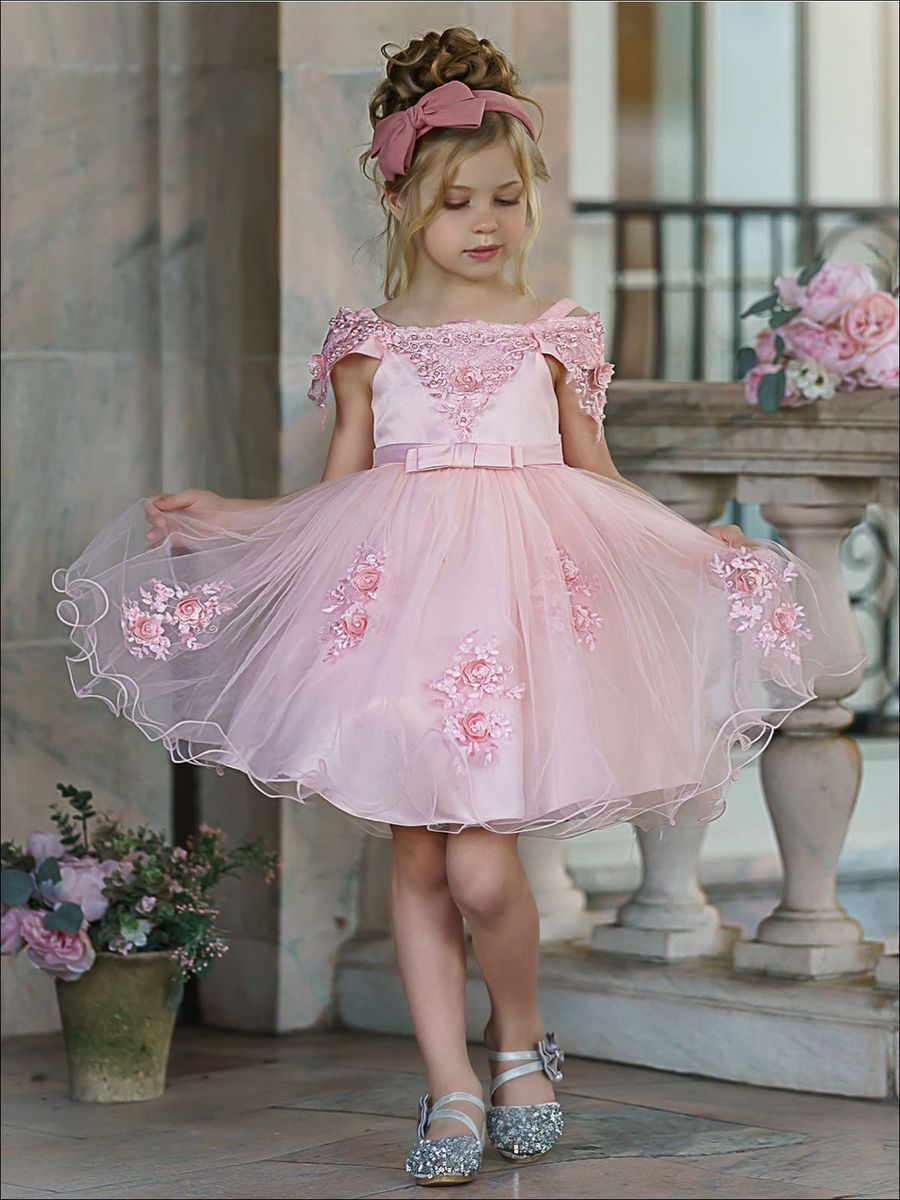
une robe
des chaussures
un jean
C'est un

un short
un pantalon
un jean
c'est quoi ?
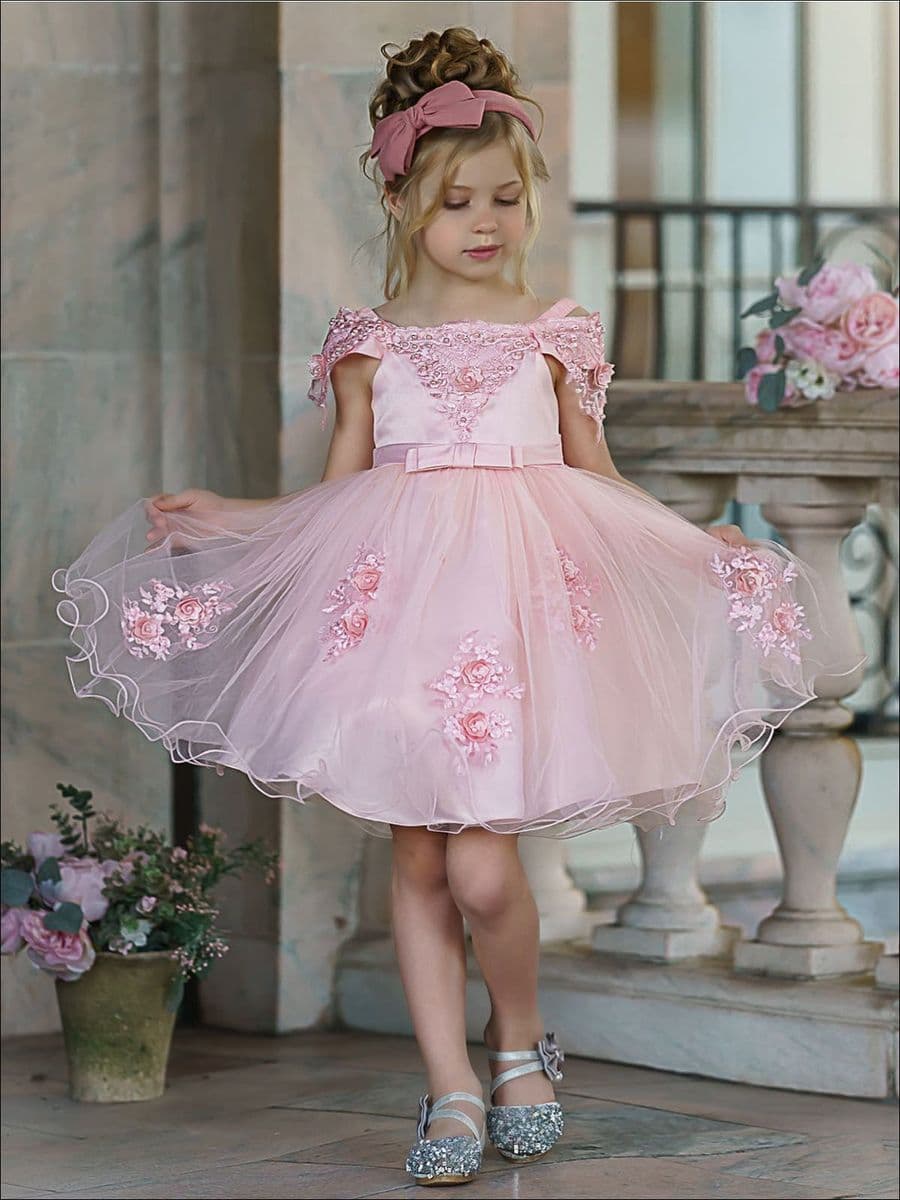
C'est un

C'est une jupe

C'est quoi ?
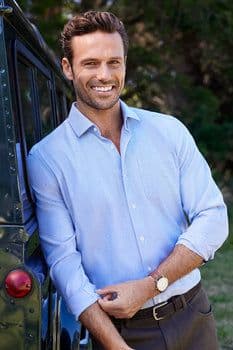
C'est un jean

Ou est des chaussettes ?
French vocabulary about the time, weather and clothesFrench clothesDemonstrative Adjectives with Clothes - FrenchClothes in FrenchClothes and Colours - JC FrenchMeaning of Stitches Stitches are used to join two fabrics together or to create a design on a fabric. TYPES OF STITCHES ARE AS FOLLOW: 1. TEMPORARY STITCHES: These are stitches meant to hold fabric together temporary. They are tacking stitches, tailor’s tacking , tailor’s marking and basting. 2. PERMANENT STITCHES: These are stitches that stay on dress or articles for ever. Examples; Running stitches, Back stitches, Hemming, oversewing or top sewing. 3. DECORATIVE STITCHES: These are stitches that are used for decorating fabrics in order to add more beauty to them. Examples are: Stem, Chain, Herring bone, Y stitches, Loop or blanket , French knot. Materials needed for making simple stitches. The following are the materials required to make simple stitches: 1. 1 yard of calico material 2. A matching sewing thread 3. A full sheet of brown paper 4. Bias binding (optional) 5. Pencil and ruler 6. Clothes pinLESSON 2 Early Theories on the Origin of Life • Identify the different theories on the origin of life. • Describe each theory and determine their differences What are the characteristics of living things? Before learning about the history of Earth based on geological evidence, early scientists explored the possibilities of how the first life-form existed. There are several theories about the origin of life. Theory of Catastrophism The theory of catastrophism supported by French scientists Georges Cuvier (1769-1832) and Alcide Dessalines d'Orbigny (1802-1857), is said to be a modification of the creation story of the Bible. It states that there have been several living creations from God, each encountered a catastrophe that completely destroyed them. Each new creation consisted of new life-forms, which happen to be different from the previous ones. Theory of Abiogenesis The theory of abiogenesis, or the spontaneous generation theory, states that living things were naturally created from nonliving things such as simple organic compounds. The theory supposes that abiogenesis occurred between 3.8 and 4 Gya. The experiment performed by Stanley Miller in 1953 gave way to many speculations and studies on how life on Earth really began. His research involved a simulation of the possible environment on Earth in the past. He demonstrated how an electric spark (which is a simulation for lightning) when passed through simple organic gases (similar to the early Earth atmosphere), resulted in the formation of amino acids, which are now known as the building blocks of proteins and the components of living tissues. Theory of Biogenesis The theory of biogenesis presented a strong argument against abiogenesis. This theory states that living things come from living things. Experiments of Francesco Redi and Louis Pasteur disproved the thought of spontaneous generation during their time (figure 5-1). Louis Pasteur argued that life comes from preexisting life and not from nonliving material. However, it should be noted that the "abiogenesis" or "spontaneous generation" that he opposed referred to any modern, existing, fully-formed organisms, not the original generation of life. Louis Pasteur's law of biogenesis contradicted the common belief during his time that cattle dung gives rise to flies, or old clothes with rotten food gives rise to mice. The idea of spontaneous generation was popular until near the seventeenth century. Even famous scientists of that period, such as Descartes, Galileo, and Jan Baptista van Helmont, believed in this theory. CIENCE PIONEER Francesco Redi (1626-1697). Francesco Redi is a physician, a naturalist, and a poet. His works challenged the popular theory of spontaneous generation. He disproved the idea that living things may arise from nonliving things. He also worked on toxicology using viper's venom. He discovered and worked on some parasites that caused disease in humans. SCIENCE CAREER Evolutionary Biologist An evolutionary biologist studies the descent of species and the origin of new species of living things. Working as evolutionary biologist means studying and researching species diversity, their interaction with the environment, their adaptation to change, their ancestors, and their possible origins. This career is important in the field of science because it seeks an answer to the questions about how life began on Earth.French