Loading...


Fruit Animal and Color Assesment
Quiz by Milah Nur Zaqi
Customize this quiz to suit your class
Instantly translate to 100+ languages
Tag the questions with any skills you have. Your dashboard will track each student's mastery of each skill.
Give this quiz to my class
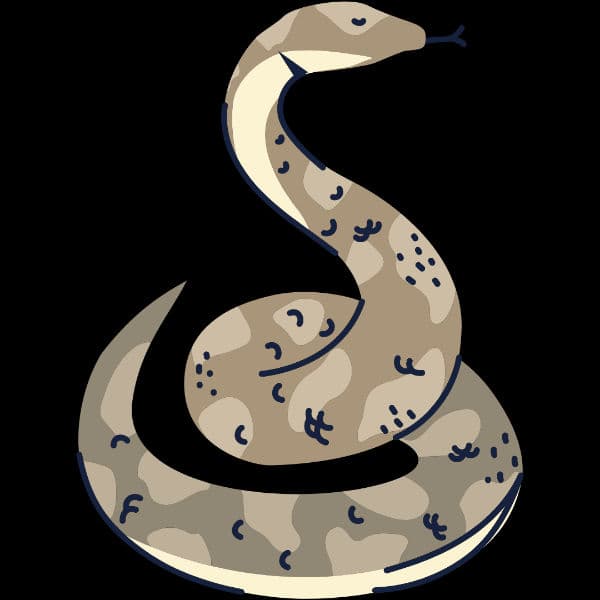
Hewan ini dalam bahasa inggris bernama...
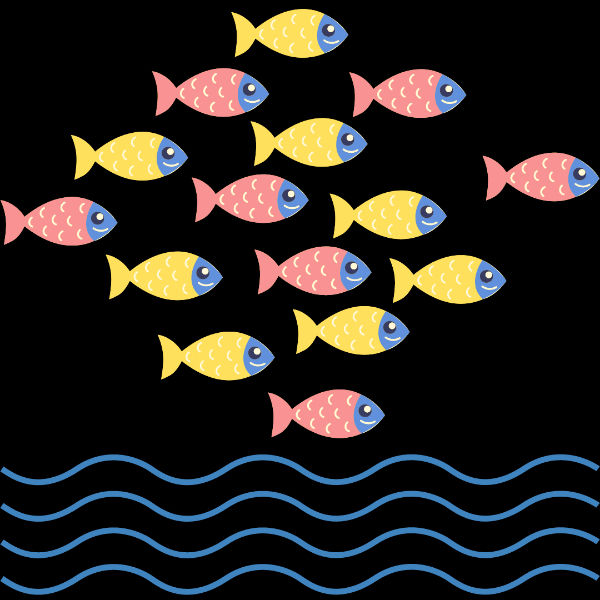
Cat
Monkey
Crocodile
Fish
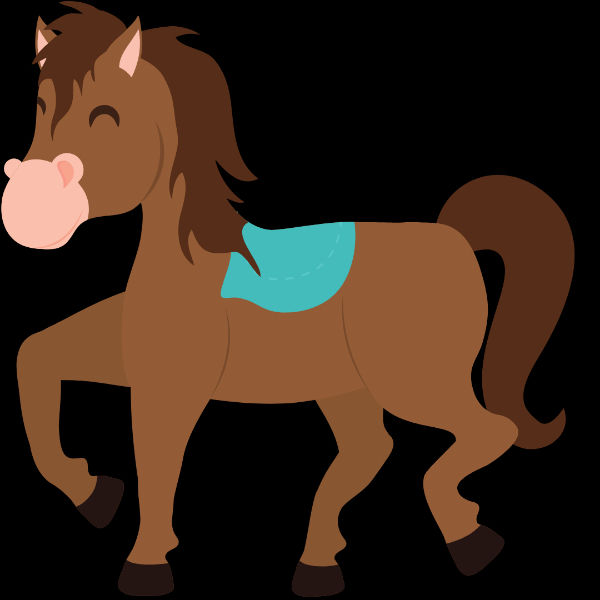
Hewan ini dalam bahasa inggris bernama...
Hewan ini dalam bahasa inggris bernama...
Hewan ini dalam bahasa inggris bernama...
Bahasa inggris ular adalah snack
Hubungkanlah nama hewan dalam bahasa Inggris dan bahasa Indonesia di bawah ini!
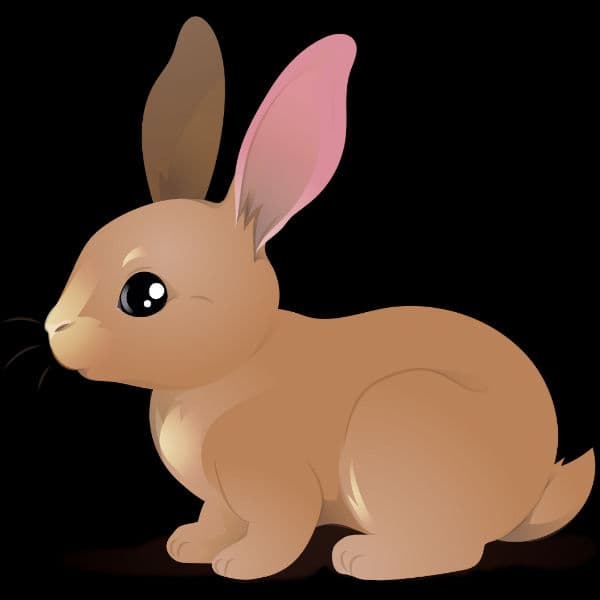
Apa nama hewan ini dalam bahasa inggris?
Tunjukakanlah warna "Biru" di bawah ini!
Manakah warna "Red" di bawah ini?
Bahasa inggris dari warna ini adalah "Green"

Warna ini dalam bahasa inggris adalah...

Warna "White" artinya...
Buah ini dalam bahasa inggris bernama...

Apa nama buah di bawah ini?

Hubungkanlah nama buah dalam bahasa Inggris dan bahasa Indonesia di bawah ini!
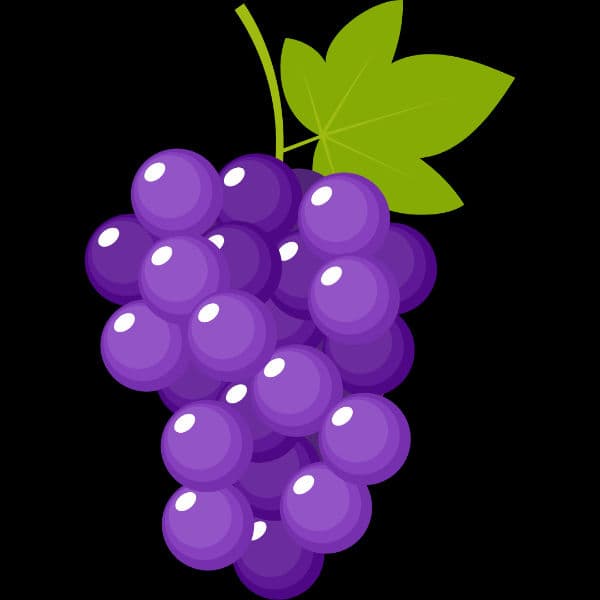
Bahasa inggris buah ini adalah Grape
Manakah buah yang bernama "Avocado" dalam bahasa Inggris?
 Orchard / fruit trees Importance of fruit trees • Fruit trees are important for the following uses: They are a source of food, they produce fruits Some are used for making medicines Others provide shade and can also act as wind breakers. Those with beautiful flowers are very decorative. They contain vitamins which means they have nutritional value. Classification of fruit trees • Fruit trees are classified as indigenous and exotic. Indigenous fruit trees • are those that natural grow in a country. • They take longer to grow. • Examples of indigenous fruit trees are: English name Shona Name Snot apple Water berry Red ivory Fig Monkey orange Wild custard apple Mobola fruit Exotic fruit trees • These are trees that were brought from other countries. • They are commercially grown in orchards. • Common exotic fruit trees include: • Exotic fruit trees grow faster than indigenous. Ornamental horticulture • It deals with the growing of decorative plants. • Decorative plants are collectively called ornamental plants. • They include trees, shrubs, flowers and lawn grasses. Importance of ornamental plants They beautify the environment. Flowers often produce a pleasing fragrance. Flowers attract insects like bees that are responsible for pollination. Plants produce oxygen that we need for breathing. • Some are used for making medicines. • Lawn grasses prevent soil erosion. • Plants provide shelter for birds and insects. Classification of ornamental plants • There are four classes of ornamental plants. Trees Shrubs Flowers Lawn Trees: • Ornamental trees are very useful as decorative plants. • This is because most of these trees produce beautiful flowers and some are ever green. • Examples of decorative trees include flamboyant, jacaranda, pines, Cyprus. Shrubs: • A shrub is a woody plant with many branches but smaller than a tree. • Some of them are ornamentals because they produce beautiful flowers. • Others can be cut into decorative shapes. • The golden duranta is good example because it can be cut into nice shapes. • The bougainvillea is another example of a decorative plant because: It can act as a climbing plant. It produces decorative flowers. It can also be cut into any shape using a hedge shear. Flowers: • Flowers have the following functions: They are used for decorations at weddings, hotels and parties. They are used as an expression of love and appreciation such as valentine’s day and get well soon messages. They are useful in bee farming called apiculture as they are a source of nectar used for making honey. Flowers produce a pleasant fragrance used in the production of soaps and scents for perfumes, deodorant and lotions. Lawn: • A lawn is an area of grass that is kept cut short and is usually part of someone's garden or backyard, or part of a park. • Some lawn grasses grown in Zimbabwe are Durban, kikuyu, couch and buffalo lawn. • They prevent soil erosion. • They also provide a comfortable outdoor resting place. Forestry Importance of trees • Trees are important to us and animals. • The Forestry Commission is responsible for taking care of trees in Zimbabwe. • Trees are also important to the environment because: They are a source of fuel in the form of firewood. They are used for making most of the furniture we use. Most medicines come from both exotic and indigenous trees, for example pine trees and gum trees are used for making cough medicines. Trees provide browsing animals like the kudu and giraffe with food. Fruits from both exotic and indigenous fruit trees are a rich source of vitamins Trees give out oxygen which we need for breathing. Trees provide timber that can be used for roofing. • Trees are grouped according to where they come from. • The groups are indigenous and exotic. 1 . Indigenous trees : • These are local trees that have always been grown in their country. Shona name English name Mutohwe Snot apple Mususu Yellow wood Mubvamaropa Blood wood Muuyu Baobab Muonde Fig tree Musasa msasa Characteristics of indigenous trees take longer to mature Do not produce straight poles Grow on their own Hard wood 2 .Exotic trees : • These are trees that have been brought from another country to be grown in Zimbabwe. Characteristics of exotic trees They are brought in a country from another country. Grow very fast. Have soft woods Usually grow straight Usually grown in orchards and plantations Common exotic trees in Zimbabwe are: Gum trees Pine trees Wattle Cyprus Date palm Mango Apple pawpaw Causes of plant damage • plant damage is when cultivated crops are kept from normal growth that leads to reduced yields. • plant damage is caused by both living and non living things. • Some of the common causes of crop damage are: (a)Pests • These are living organisms that cause physical damage to crops. • Examples of pests are weevils, army worm, aphids, cutworms and locusts. (b) Diseases • Plant diseases are caused by living organisms called pathogens. • These pathogens infest the plant and take away nutrients. • Fruit rot and bacteria spot are some of the examples of plant diseases. (c) Weeds • these are plant which grow where they are not wanted. • For example if black jack grows in a groundnut field, it is a weed. • Weeds compete for nutrients with cultivated plants. (d) Very high temperatures • High temperatures may cause crops to wither. • High temperatures may also lead to lightning and fires. • This can burn up crops. ( e) Frost • Frost damages crops in winter. • Tomatoes, potatoes, and beans are easily damaged by frost. (f) Drought • drought is when there is no rainfall in a season where it supposed to be raining. • It is one of the most serious forms of crop damage. • Plants wither and die if there is no rainfall. ( g) Animals • Wild animals like baboons often eat maize crops before they mature. • Birds also are a problem to crops like sorghum. Signs of plant damage • There are various signs that show plant damage. • Some can be corrected but some lead to total loss. • Some signs of plant damage include: Lodged plants Flowers and small fruits blown to the ground Dull leaf color Wilted plants Stunted growthThe Philippine Flag Our country is officially identified through our flag. The Philippine flag has three colors: white, blue, and red. White signifies purity; blue means hope and peace; and red denotes bravery. The three stars symbolize the three big groups of islands of our country-the Luzon, Visayas, and Mindanao. The eight rays of the sun signify the eight provinces that first revolted against the Spaniards. These are Bulacan, Pampanga, Tarlac, Nueva Ecija, Laguna, Batangas, Manila, and Cavite. We respect our flag to show that we respect our country. We should not treat it like an ordinary cloth because it symbolizes our country. An old flag should be burned and not be used as a rag. Title: National Hero Body text: Dr. Jose Rizal was from a middle-class family from Calamba, Laguna. He is regarded as a genius who fought the Spaniards through his writings, especially the novels "Noli Me Tangere" and "El Filibusterismo." The two novels exposed the anomalies and wrongdoings of the Spanish government against the Filipino people. He wrote the poem "Mi Ultimo Adios" the eve before his execution in Bagumbayan (now known as Rizal Park). National Fruit A mango is sour when it is green, but very sweet when it is ripe. This heart-shaped fruit symbolizes the kindness of the Filipinos. It has a big tree that bears fruits abundantly during summer. National Animal A carabao is a model of hard work and industry. It is the best companion of farmers in the field. It is black and looks like a tamaraw. A carabao is a very strong animal in terms of work. It symbolizes the Filipinos as hardworking and patient. National Bird The Philippine eagle, also known as haribon, stands over 5 feet (1.6 m) tall. It has a large, sharp, and aggressive beak and has powerful talons. Philippine eagles are excellent hunters, and live in tropical rainforests. These eagles lay just one or two eggs each year. National Tree The narra is a hardy tree that grows big and is found mainly in the Bicol Region, Mindanao, and Cagayan Valley forests. Most of the desks and tables in schools are made of narra. It signifies the strong personality of Filipinos in facing trials in life. National Flower The sampaguita has white, star-shaped petals with a sweet fragrance. It is made into garlands, which are given to visitors and special persons on occasions. It signifies purity and among Filipino women. National Fish Bangus or milkfish is our national fish. It grows in ponds or freshwater and tastes delicious. Its white, shiny scales signify our beautiful country. National Dance Cariñosa is a dance of love using a handkerchief and a fan. It symbolizes the true love expressed by Filipinos. National House A nipa hut is a small but beautiful house made from bamboo and sawali or cogon leaves. Filipinos used this kind of house during the olden times. At present, there are still people using this as a dwelling place, but most of the time, they use it as a rest place or cottage. National Costume Barong Tagalog is the national costume for Filipino men. It is made from pineapple fiber or other native materials. Filipinos wear this on special occasions such as formal events or weddings. Baro at Saya is the national dress for Filipino women. Most of them are made from jusi or pineapple fiber and other native materials. This dress shows the gracefulness of Filipino women. National Leaf Our national leaf is a palm tree. It is wide and narrow like an open fan. Farmers use this to protect their crops from the harsh sunlight and rain. It grows like a tree with thorns in its body. National Language Our national language is Filipino, which is based in Tagalog. Through the efforts of former President Manuel L. Quezon (known as the "Father of the National Language"), Filipino was widely disseminated and is now used in all parts of the country. With this, Filipinos in different cultures and native tongues can still communicate with each other. National Food Lechon (litson) is an important dish served at many occasions, especially on fiestas. Lechon is a suckling pig, slowly roasted over live coals to make it crispy and tasty. National Footwear Bakya is the national footwear of the Philippines. It was most popular from the 1950s to the 1970s before the introduction of rubber slippers. There are several colors and designs of bakya that suit the taste of most Filipinos. Valuing Our National Symbols Symbols represent a country and its people. We have to respect and value these symbols because they tell something about our country and of who we are as Filipinos. Here are some ways of valuing our national symbols: When singing the national anthem, stand straight and place your right hand on your left chest. Remove your cap or close your umbrella. Ask the people walking to stop while the flag is being raised. Tell other children to stop chatting while singing the national anthem. Most importantly, sing the national anthem wholeheartedly. Retirement of a Flag: A worn-out flag should be disposed of respectfully. It should be burned in a dignified ceremony, not thrown away or used for other purposes. Help in saving and conserving our forests. They serve as habitat of our national bird and other animals. You may also help organizations that promote reforestation, clean and green programs, and tree planting activities. Do not pick flowers when visiting parks. Instead, help in keeping these places clean and beautiful. Avoid throwing thrash in their surroundings. Patronize products that are made here in our country and made by Filipinos. Tell your family and friends to buy products of the Philippines especially those of which are our national symbol. Aside from patronizing our own products, let us use and love our national language. It is good to learn foreign languages, but do not forget to use our own language correctly and proudly.What is a Plant Cell? Plant cells are eukaryotic cells that vary in several fundamental factors from other eukaryotic organisms. Both plant and animal cells contain a nucleus along with similar organelles. One of the distinctive aspects of a plant cell is the presence of a cell wall outside the cell membrane. Plant Cell Structure Just like different organs within the body, plant cell structure includes various components known as cell organelles that perform different functions to sustain itself. These organelles include: Cell Wall It is a rigid layer which is composed of polysaccharides cellulose, pectin and hemicellulose. It is located outside the cell membrane. It also comprises glycoproteins and polymers such as lignin, cutin, or suberin. The primary function of the cell wall is to protect and provide structural support to the cell. The plant cell wall is also involved in protecting the cell against mechanical stress and providing form and structure to the cell. It also filters the molecules passing in and out of it. The formation of the cell wall is guided by microtubules. It consists of three layers, namely, primary, secondary and the middle lamella. The primary cell wall is formed by cellulose laid down by enzymes. Cell membrane It is the semi-permeable membrane that is present within the cell wall. It is composed of a thin layer of protein and fat. The cell membrane plays an important role in regulating the entry and exit of specific substances within the cell. For instance, cell membrane keeps toxins from entering inside, while nutrients and essential minerals are transported across. Nucleus The nucleus is a membrane-bound structure that is present only in eukaryotic cells. The vital function of a nucleus is to store DNA or hereditary information required for cell division, metabolism and growth. 1. Nucleolus: It manufactures cells’ protein-producing structures and ribosomes. 2. Nucleopore: Nuclear membrane is perforated with holes called nucleopore that allow proteins and nucleic acids to pass through. Plastids They are membrane-bound organelles that have their own DNA. They are necessary to store starch and to carry out the process of photosynthesis. It is also used in the synthesis of many molecules, which form the building blocks of the cell. Some of the vital types of plastids and their functions are stated below: Leucoplasts They are found in the non-photosynthetic tissue of plants. They are used for the storage of protein, lipid and starch. Chromoplasts They are heterogeneous, colored plastid which is responsible for pigment synthesis and for storage in photosynthetic eukaryotic organisms. Chromoplasts have red-, orange- and yellow-colored pigments which provide color to all ripe fruits and flowers. Central Vacuole It occupies around 30% of the cell’s volume in a mature plant cell. Tonoplast is a membrane that surrounds the central vacuole. The vital function of the central vacuole apart from storage is to sustain turgor pressure against the cell wall. The central vacuole consists of cell sap. It is a mixture of salts, enzymes and other substances. Golgi Apparatus They are found in all eukaryotic cells, which are involved in distributing synthesized macromolecules to various parts of the cell. Ribosomes They are the smallest membrane-bound organelles which comprise RNA and protein. They are the sites for protein synthesis, hence, also referred to as the protein factories of the cell. Mitochondria They are the double-membraned organelles found in the cytoplasm of all eukaryotic cells. They provide energy by breaking down carbohydrate and sugar molecules, hence they are also referred to as the “Powerhouse of the cell.” Lysosome Lysosomes are called suicidal bags as they hold digestive enzymes in an enclosed membrane. They perform the function of cellular waste disposal by digesting worn-out organelles, food particles and foreign bodies in the cell. In plants, the role of lysosomes is undertaken by the vacuoles. Chloroplasts It is an elongated organelle enclosed by phospholipid membrane. The chloroplast is shaped like a disc and the stroma is the fluid within the chloroplast that comprises a circular DNA. Each chloroplast contains a green colored pigment called chlorophyll required for the process of photosynthesis. The chlorophyll absorbs light energy from the sun and uses it to transform carbon dioxide and water into glucose. Structure of Chloroplast Chloroplasts are found in all higher plants. It is oval or biconvex, found within the mesophyll of the plant cell. The size of the chloroplast usually varies between 4-6 µm in diameter and 1-3 µm in thickness. They are double-membrane organelle with the presence of outer, inner and intermembrane space. There are two distinct regions present inside a chloroplast known as the grana and stroma. • Grana are made up of stacks of disc-shaped structures known as thylakoids or lamellae. The granum of the chloroplast consists of chlorophyll pigments and are the functional units of chloroplasts. • Stroma is the homogenous matrix which contains grana and is similar to the cytoplasm in cells in which all the organelles are embedded. Stroma also contains various enzymes, DNA, ribosomes, and other substances. Stroma lamellae function by connecting the stacks of thylakoid sacs or grana. The chloroplast structure consists of the following parts: Membrane Envelope It comprises inner and outer lipid bilayer membranes. The inner membrane separates the stroma from the intermembrane space. Intermembrane Space The space between inner and outer membranes. Thylakoid System (Lamellae) The system is suspended in the stroma. It is a collection of membranous sacs called thylakoids or lamellae. The green colored pigments called chlorophyll are found in the thylakoid membranes. It is the sight for the process of light-dependent reactions of the photosynthesis process. The thylakoids are arranged in stacks known as grana and each granum contains around 10-20 thylakoids. Stroma It is a colorless, alkaline, aqueous, protein-rich fluid present within the inner membrane of the chloroplast present surrounding the grana. Grana Stack of lamellae in plastids is known as grana. These are the sites of conversion of light energy into chemical energy. Chlorophyll It is a green photosynthetic pigment that helps in the process of photosynthesis. Functions of Chloroplast Following are the important chloroplast functions: • The most important function of the chloroplast is to synthesize food by the process of photosynthesis. • Absorbs light energy and converts it into chemical energy. • Chloroplast has a structure called chlorophyll which functions by trapping the solar energy and is used for the synthesis of food in all green plants. • Produces NADPH and molecular oxygen (O 2 ) by photolysis of water. • Produces ATP – Adenosine triphosphate by the process of photosynthesis. • The carbon dioxide (CO2) obtained from the air is used to generate carbon and sugar during the Calvin Cycle or dark reaction of photosynthesis. Mitochondria “Mitochondria are membrane-bound organelles present in the cytoplasm of all eukaryotic cells, that produce adenosine triphosphate (ATP), the main energy molecule used by the cell.” What are Mitochondria? Popularly known as the “Powerhouse of the cell,” mitochondria (singular: mitochondrion) are a double membrane-bound organelle found in most eukaryotic organisms. They are found inside the cytoplasm and essentially function as the cell’s “digestive system.” They play a major role in breaking down nutrients and generating energy-rich molecules for the cell. Many of the biochemical reactions involved in cellular respiration take place within the mitochondria. The term ‘mitochondrion’ is derived from the Greek words “mitos” and “chondrion” which means “thread” and “granules-like”, respectively. It was first described by a German pathologist named Richard Altmann in the year 1890. Structure of Mitochondria • The mitochondrion is a double-membraned, rod-shaped structure found in both plant and animal cell. • Its size ranges from 0.5 to 1.0 micrometers in diameter. • The structure comprises an outer membrane, an inner membrane, and a gel-like material called the matrix. • The outer membrane and the inner membrane are made of proteins and phospholipid layers separated by the intermembrane space. • The outer membrane covers the surface of the mitochondrion and has a large number of special proteins known as porins. Cristae The inner membrane of mitochondria is rather complex in structure. It has many folds that form a layered structure called cristae, and this helps in increasing the surface area inside the organelle. The cristae and the proteins of the inner membrane aid in the production of ATP molecules. The inner mitochondrial membrane is strictly permeable only to oxygen and ATP molecules. A number of chemical reactions take place within the inner membrane of mitochondria. Mitochondrial Matrix The mitochondrial matrix is a viscous fluid that contains a mixture of enzymes and proteins. It also comprises ribosomes, inorganic ions, mitochondrial DNA, nucleotide cofactors, and organic molecules. The enzymes present in the matrix play an important role in the synthesis of ATP molecules. Functions of Mitochondria The most important function of mitochondria is to produce energy through the process of oxidative phosphorylation. It is also involved in the following process: 1. Regulates the metabolic activity of the cell 2. Promotes the growth of new cells and cell multiplication 3. Helps in detoxifying ammonia in the liver cells 4. Plays an important role in apoptosis or programmed cell death 5. Responsible for building certain parts of the blood and various hormones like testosterone and estrogen 6. Helps in maintaining an adequate concentration of calcium ions within the compartments of the cell 7. It is also involved in various cellular activities like cellular differentiation, cell signaling, cell senescence, controlling the cell cycle and in cell growth. Disorders Associated with Mitochondria Any irregularity in the way mitochondria function can directly affect human health, but often, it is difficult to identify because symptoms differ from person to person. Disorders of the mitochondria can be quite severe; in some cases, they can even cause an organ to fail.Animals: Identifying common animals, their sounds, and where they live. Colors: Recognizing and naming colors, and objects that match each color. Numbers: Simple math questions like counting, addition, and subtraction. Shapes: Identifying basic shapes (circle, square, triangle, etc.). Fruits and Vegetables: Common fruits and vegetables and their colors. Weather: Types of weather (sunny, rainy, snowy). Seasons: Different seasons and what happens in each. Family Members: Identifying family roles (mother, father, sibling).Nutrition, Metabolism, and Body Temperature Regulation. Nutrient is a substance that promotes normal growth, maintenance, and repair. Major nutrients are carbohydrates, lipids, and proteins. Other nutrients include vitamins and minerals (and technically speaking, water).Complex carbohydrates (starches) are found in bread, cereal, flour, pasta, nuts, and potatoes .Simple carbohydrates (sugars) are found in soft drinks, candy, fruit, and ice cream.Glucose is the molecule ultimately used by body cells to make ATP.Neurons and RBCs rely almost entirely upon glucose to supply their energy needs.Excess glucose is converted to glycogen or fat and stored .The most abundant dietary lipids, triglycerides, are found in both animal and plant foods.Essential fatty acids – linoleic and linolenic acid, found in most vegetables, must be ingested. Dietary fats help the body to absorb vitamins, a major energy fuel of hepatocytes and skeletal muscle, and a component of myelin sheaths and all cell membranes. Lipids functions in smooth muscle contraction, control of blood pressure and inflammation. Cholesterol stabilizes membranes and is a precursor of bile salts and steroid hormones. The dietary requirements for lipids are higher for infants and children than for adults. The American Heart Association suggests that fats should represent less than 30% of one’s total caloric intake, saturated fats should be limited to 10% or less of one’s total fat intake, and daily cholesterol intake should not exceed 200 mg. Complete proteins that meet all the body’s amino acid needs are found in eggs, milk, milk products, meat, and fish.Incomplete proteins are found in legumes, nuts, seeds, grains, and vegetables. Essential amino acids are the building blocks for nonessential amino acids. Protein supply for nonprotein nitrogen-containing substances. Daily intake should be approximately 0.8g/kg of body weight. All amino acids needed must be present at the same time for protein synthesis to occur. Protein will be used as fuel if there is insufficient carbohydrate or fat available. The rate of protein synthesis equals the rate of breakdown and loss. Anabolic hormones accelerate protein synthesis. Vitamins are organic compounds needed for growth and good health. They are crucial in helping the body use nutrients and often function as coenzymes. Only vitamins D, K, and B are synthesized in the body; all others must be ingested. Water-soluble vitamins (B-complex and C) are absorbed in the gastrointestinal tract . Vitamin B12 additionally requires gastric intrinsic factor to be absorbed. Fat-soluble vitamins (A, D, E, and K) bind to ingested lipids and are absorbed with their digestion products. Vitamins A, C, and E also act in an antioxidant cascade. There are seven minerals are required in moderate amounts . These are calcium, phosphorus, potassium, sulfur, sodium, chloride, and magnesium. Dozens are required in trace amounts. Minerals work with nutrients to ensure proper body functioning. Calcium, phosphorus, and magnesium salts harden bone. Classification of plants • Plants can be classified as cultivated and wild plants. • Both cultivated and wild plants are very useful to people, animals and the environment. 1. Cultivated plants: • Cultivated plants are plants grown by people for selling. • They can be grown in the field, vegetable garden, home garden and orchard. Classification of plants 2. Wild plants Wild plants are plants that grow on their own outside the garden, orchard or field. They have many uses such as: • Food for people and animals • Shelter • Source of fuel in form of firewood. • Examples include, grasses, msasa, yellow wood, mahogany, mopane Plant Nutrition • The presence of plant nutrients in the soil make them grow well. • The three major plant nutrients are nitrogen, phosphorus and potassium. Sources of plant nutrients • The source for plant nutrients are grouped into organic and inorganic sources. Organic sources of plant nutrients • These are found in nature. • They are natural materials such, decayed plant and animal matter which include: • Animal manure from cattle, sheep, goats, poultry and pigs. • Green manure • Legume crops like beans, peas and groundnuts. • Humus • These material sources may also be called natural fertilizers. Inorganic sources of plant nutrients • These are sources of plant nutrients made by people in industries. They include: • Compound fertilizers like compound A, B, C and D. • These have two or more nutrients. • Straight fertilizers like ammonium nitrate, single super phosphate and urea. • A straight fertilizer supplies a single or more nutrient to the crop. A straight fertilizer A Compound fertilizer Sources of N,P,K • Ammonium nitrate and Urea- contain nitrogen Double super Phosphate, Single super phosphate-contain phosphorus • Muriate of Potash contains Potassium 2 . Compound fertilisers -have two or three of the three major plant nutrients (N.P.K). N-nitrogen P-phosphorus K-potassium Examples Compound D Wednesday 17 May 2023 Revision exercise (Plant nutrition) 1 .Name the 3 plant nutrients needed by plants. 2. What are the 2 groups of plant nutrients sources? 3. Give 3 examples of organic sources of plant nutrients. 4. What is a straight fertilizer? 5. Compound fertilizer supplies ……………or ………………. Nutrients. Vegetable crops • A vegetable is any part of a plant that is eaten by humans as food part of a meal. • Vegetables are grouped and named according to the part that is eaten. • These are leaf, root, fruit, flower, bulb, tuber and legume vegetables. Leaf vegetables Types of veg Legume etable cropsvegetables Fruit vegetables Root, bulb and tuber Flower vegetables Cabbage Peas Tomato Root: carrots Cauliflower Rape Green beans Pepper Parsnip broccoli Spinach Melons Beetroot Tsunga Cucumber Bulb: onion Lettuce Squash Garlic kale Egg plant Leek chillies Tuber: Irish potato Wednesday 31 May 2023 Vegetable crops 1. What is a vegetable? 2. Which one is not a vegetable from the list below? a. Covo B. cabbage C. wheat D. tomato 3. Choose a vegetable which is not a fruit vegetable. a. tomato B. pepper C. kale D. egg plant 4. From which pair of vegetables do we eat the flower? A. cauliflower and garlic B. broccoli and cauliflower C. broccoli and rape D. cauliflower and pepper 5. Give one example of a vegetable belonging to each of the following groups. a. root b. legume c. bulb 6. Name any 5 groups of vegetable classification according to the parts eaten. Growing leaf vegetables • Although there are many types of vegetables, the leaf, fruit and bulb vegetables are widely grown. • Leaf vegetables form the greater part of vegetable crops. • Leaf vegetables belong to a family called brassica. • Brassicas include cabbages, lettuce, spinach, covo and many others. • Each brassica family has got its own varieties called cultivar. • They usually grow under the same climatic conditions and are affected by the same pests and diseases. • The selection of a variety depends on the following : The intended use of the vegetable, for example, salad, stew or snacks. Days taken to mature. Disease resistant Season of the year Seedbed preparation • Brassica vegetables are usually raised in seedbeds. • The seedbeds are prepared by: • Marking the position of the bed 1 meter in width by any length using a tape measure, hammer and pegs. • Digging a seedbed to a depth of 25 to 30cm using a hoe. • Breaking lumps of soil using a garden rake. Soil requirements • Brassicas need: • Well drained soils. • Fertile soil for good growth • Slightly acidic soils (pH 5.5-6) Climatic requirements • Brassicas need cool to warm temperatures. • Very low temperatures cause cabbages to flower which is called bolting. • Brassicas can be grown throughout the year. Seedbed preparation • Brassica seedlings are usually raised in seedbeds. • A seedbed is prepared by: Marking the position of the bed 1 metre in width by any length using a tape measure, hammer and pegs. Digging a seedbed to depth of 25 to 30 cm using a hoe. Breaking lumps of soil using a garden rake. This is done in order to have a fine tilth and improve soil to seed contact. Making ridges that a 15cm high. Apply 3 to 5kg/m² of well decomposed manure. 60 to 100g/m² of compound fertilizer can be added into the soil. Management of vegetable crops • After transplanting the seedlings, the seedlings need to be looked after. (a)Controlling weeds: all vegetables must be kept weed free. • This is done either by hand pulling weeds or shallow cultivation using a hand fork. (b) Pest control: common pests that affect the brassicas are aphids and diamond black moth larva. • Aphids are small green insects that suck the juice from the leaves leaving them with curls. • They are controlled by spraying malathion using the instructions on the label. (c) Disease control: bacterial diseases are common in brassicas. • Common diseases are black rot and soft rot, especially in cabbages. • These are controlled by: Crop rotation Early planting Planting resistant cultivars (d) Top dressing: brassicas are top dressed using Ammonium Nitrate at a rate of 2.5g per plant. • Top dressing is usually done 3 or 4 weeks after germination. FIELD CROPS • Field crops are crops that are grown on a large piece of land. • Example of field crops: Maize Cotton Groundnuts Roundnuts Wheat Sunflower Tobacco Sugar cane Tea Coffee Soya beans sorghum Classification of field • Field crops can be classified according to use such crops cereal, fibre, sugar and oil. 1. Cereal crops: • A cereal is a grass grown for its edible seeds. • They are also known as grain crops. • The major cereal crops are maize, wheat, rice, barley, sorghum and millet. 2 . fiber crops : • these are crops which are grown for their fiber and are used in making textiles, ropes and rugs. • Important fiber crops are cotton, flax and sisal 3. Oil seed crops: • These crops are grown for the purpose of extracting oil from their seed. • The main oil seed crops are groundnuts, sunflower, soyabean and cotton seed. 4 . Sugar crops : • Sugar crops include sugarcane, Where are you going, Sam? I’m going into the jungle. Come with me! What’s that red, yellow, and blue bird? It’s called a parrot. Parrots like to talk. What’s that black and white bird? It’s called a toucan. Toucans like to eat fruit. What’s that animal? It’s called a tiger. Tigers are very dangerous. Run away!Effects of strong wind •Cause soil erosion. •Blows down the crops. •Uproots fruit trees. •Causes flowers and fruits to fall. •Increase evaporation. •Destroys roofs. Importance of wind It helps pollination of flowers. Cools crops and animals.