Loading...


Fruits, Vegetables, Meats, Dairy, Grains Review
Quiz by Christine Pan
Customize this quiz to suit your class
Instantly translate to 100+ languages
Tag the questions with any skills you have. Your dashboard will track each student's mastery of each skill.


Give this quiz to my class
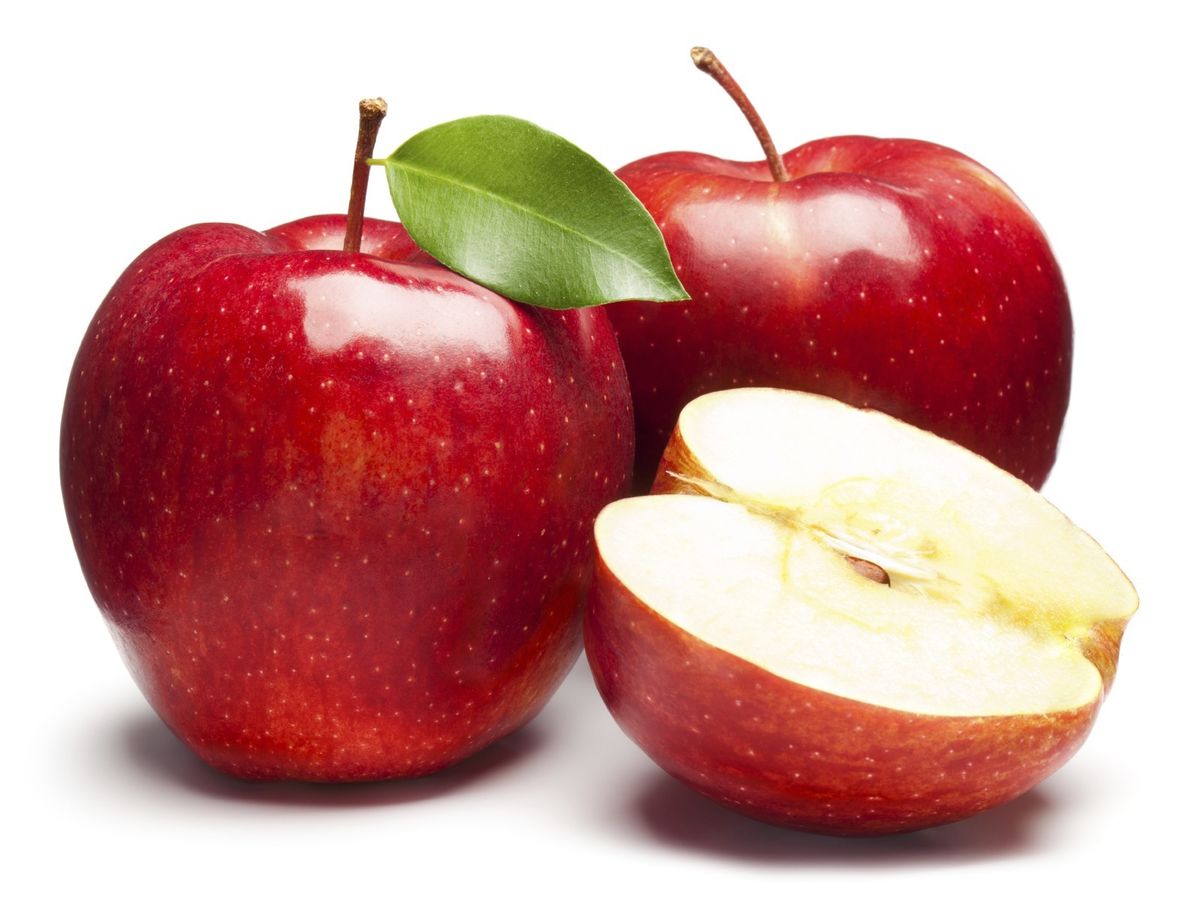
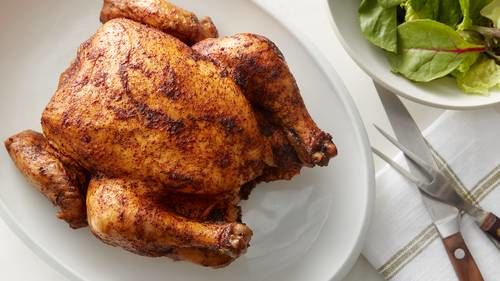
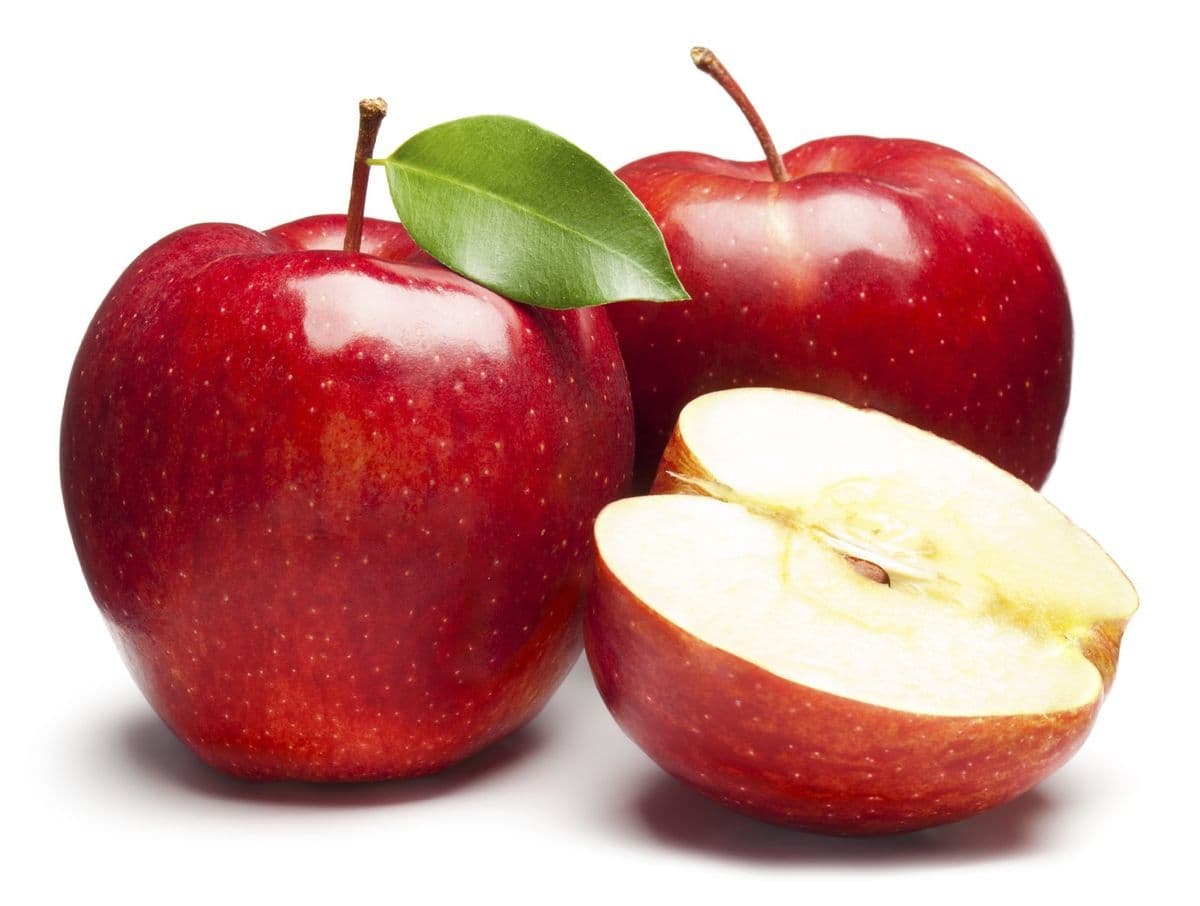
Fruits, Vegetables, Meats, Dairy, and Grains ReviewAva Is a Vegan Ava and I eat fruits, vegetables, and grains. I also eat meat, dairy, and eggs. Ava does not eat meat, dairy, and eggs. Ava is a vegan. Vegans do not eat food made from animals. Ava and I like many of the same foods. We like some of them made different ways. Ava and I like fried rice. Ava likes tofu in hers. I like chicken and egg in mine. Ava and I like burgers. Ava likes hers made of black beans. I like mine made of ground beef.Ava and I like oatmeal. We both like peanut butter and bananas in it! Nutrition Notes Nutrition- study of how your body uses food Process by which body uses nutrients How you look and feel Resist diseases and illness How you perform physically and mentally Nutrients: substances in food your body needs to grow, repair and supply energy to your body cells 6 Classes of Nutrients 1.Carbohydrates: 1 gram= 4 calories 2. Protein: 1 gram- 4 calories 3. Fats: 1 gram= 9 calories 4.Water 5. Vitamins 6. Minerals Calorie: measurement of energy in food Metabolism: Rate at which body burns energy(calories) Hunger: physical drive to eat Appetite: pshycological desire for food What influences your food choices: Foods you like Health Reasons Family and Culture Time & Money Advertising Emotions Friends Social Media: Modeling Nutrients Carbohydrates: your body’s main source of energy sugars/starches in food 45%-65% of diet #1 source of energy Simple: sugars converted to glucose= energy (fruits, dairy, honey, some manufactured foods) Complex: sugars linked together (starches) (grains, bread, pasta, beans, vegetables) Fiber: tough, indigestible carbohydrates Cleans our digestive system Prevents some types of cancer Prevents heart disease (fruits, vegetables, whole grains,nuts) 2. Protein: growth and repair of body tissues Made up of chemicals called “amino acids” Basic building material of all body cells (muscles, bones, skin, internal organs) Secondary source of energy protein(hemoglobin) attaches to oxygen in blood Functions as hormones regulating body functions 10-15% of diet *Body uses 20 Amino Acids found in food ( body produces 11 and 9 must come from diet) Essential amino acids: 9 amino acids body doesn't produce Complete Amino Acids: foods that contain all 9 essential amino acids ( animal products) Incomplete Amino Acids: food products that do not contain all 9 essential amino acids. Fats 15-25% of diet Secondary source of energy Blood clotting Controlling inflammation Maintains healthy skin/hair absorb /transport fat soluble vitamins Regulates body temperature Types of Fat Unsaturated: “good” fat Liquid at room temperature Can help fight heart disease (veg oil, nuts) Saturated: “bad” fat Solid at room temp Clogs arteries Causes strokes, heart attack, diabetes (animal products, meat, dairy) Cholesterol: waxy like fat substance found in meat products HDL: good type of cholesterol Body creates(liver) Creates cell wall, hormones, and vit D LDL: bad cholesterol- found in foods (clogs arteries) 4. Trans Fat: “one of the worst type of fats” Formed by a process called “hydrogenation”: adding Hydrogen molecules to unsaturated fats to make it more solid and resistant to chemical change. Vitamins A vitamin is a chemical compound that is needed in small amounts for the human body to work correctly. Vitamins are classified as either fat soluble (vitamins A, D, E and K) or water soluble (vitamins B and C). This difference between the two groups is very important. It determines how each vitamin acts within the body. The fat soluble vitamins are soluble in lipids (fats). Fat soluble vitamins can be stored in our body Water soluble vitamins must be taken every day Human body produces some amounts of Vitamin D & KNutrition, Metabolism, and Body Temperature Regulation. Nutrient is a substance that promotes normal growth, maintenance, and repair. Major nutrients are carbohydrates, lipids, and proteins. Other nutrients include vitamins and minerals (and technically speaking, water).Complex carbohydrates (starches) are found in bread, cereal, flour, pasta, nuts, and potatoes .Simple carbohydrates (sugars) are found in soft drinks, candy, fruit, and ice cream.Glucose is the molecule ultimately used by body cells to make ATP.Neurons and RBCs rely almost entirely upon glucose to supply their energy needs.Excess glucose is converted to glycogen or fat and stored .The most abundant dietary lipids, triglycerides, are found in both animal and plant foods.Essential fatty acids – linoleic and linolenic acid, found in most vegetables, must be ingested. Dietary fats help the body to absorb vitamins, a major energy fuel of hepatocytes and skeletal muscle, and a component of myelin sheaths and all cell membranes. Lipids functions in smooth muscle contraction, control of blood pressure and inflammation. Cholesterol stabilizes membranes and is a precursor of bile salts and steroid hormones. The dietary requirements for lipids are higher for infants and children than for adults. The American Heart Association suggests that fats should represent less than 30% of one’s total caloric intake, saturated fats should be limited to 10% or less of one’s total fat intake, and daily cholesterol intake should not exceed 200 mg. Complete proteins that meet all the body’s amino acid needs are found in eggs, milk, milk products, meat, and fish.Incomplete proteins are found in legumes, nuts, seeds, grains, and vegetables. Essential amino acids are the building blocks for nonessential amino acids. Protein supply for nonprotein nitrogen-containing substances. Daily intake should be approximately 0.8g/kg of body weight. All amino acids needed must be present at the same time for protein synthesis to occur. Protein will be used as fuel if there is insufficient carbohydrate or fat available. The rate of protein synthesis equals the rate of breakdown and loss. Anabolic hormones accelerate protein synthesis. Vitamins are organic compounds needed for growth and good health. They are crucial in helping the body use nutrients and often function as coenzymes. Only vitamins D, K, and B are synthesized in the body; all others must be ingested. Water-soluble vitamins (B-complex and C) are absorbed in the gastrointestinal tract . Vitamin B12 additionally requires gastric intrinsic factor to be absorbed. Fat-soluble vitamins (A, D, E, and K) bind to ingested lipids and are absorbed with their digestion products. Vitamins A, C, and E also act in an antioxidant cascade. There are seven minerals are required in moderate amounts . These are calcium, phosphorus, potassium, sulfur, sodium, chloride, and magnesium. Dozens are required in trace amounts. Minerals work with nutrients to ensure proper body functioning. Calcium, phosphorus, and magnesium salts harden bone. Fruits/Vegetables/Condiments/Meat/Dairy/DessertFruit and vegetables meat and dairy Based on the text "Eating colours every day," here is a set of multiple-choice questions using "Wh-" question words (Who, What, Where, When, Why) to test comprehension: Comprehension Quiz: Eating Colours 1. What does the phrase "eating colours" actually mean? A) Eating food with artificial food coloring. B) Choosing a variety of colorful fruits and vegetables. C) Painting your food before you eat it. D) Only eating your favorite color of food. 2. Why should we eat different colours every day? A) To make the plate look pretty for photos. B) Because colorful food tastes sweeter. C) To get different vitamins and minerals that help us stay healthy. D) Because it is easier to cook colorful food. 3. When can you try to include many colours in your diet? A) Only on the weekends. B) Once a month. C) Only for dinner. D) Throughout the day in all your meals. 4. What is a specific benefit mentioned for our bodies when we eat these foods? A) They help us run faster than a car. B) They help our bodies grow, stay strong, and fight illness. C) They change our eye color. D) They help us sleep for 12 hours. 5. Which of these is an example of a "purple" food mentioned for dessert? A) Red peppers B) Dates C) Purple grapes D) Carrot soup 6. What "Wh-" category does the carrot soup fall into for the suggested daily menu? A) What you eat for breakfast. B) What you eat for lunch. C) What you eat for dessert. D) What you eat for a midnight snack.Dairy/Dessert/Fruit/Vegetable/Meat/Lunch