Loading...


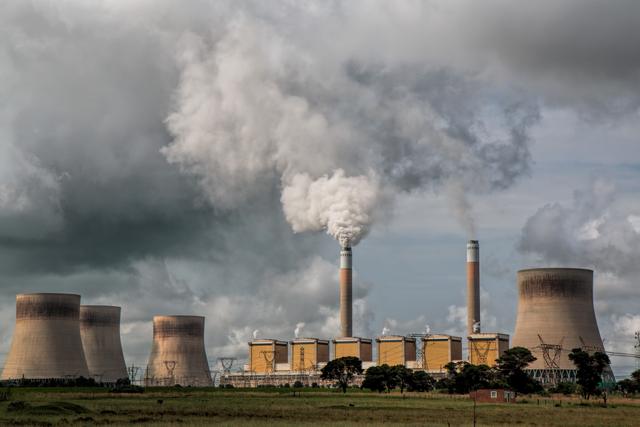
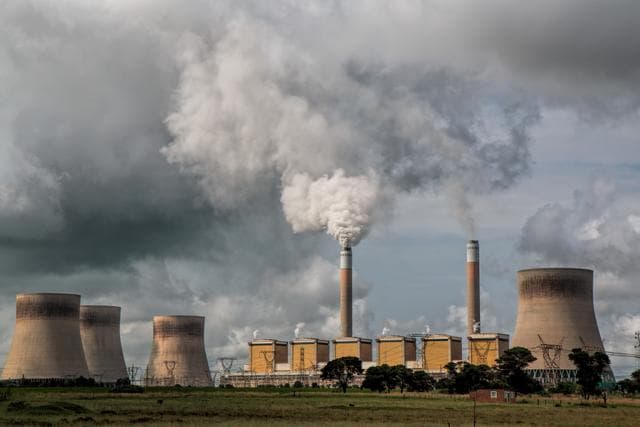
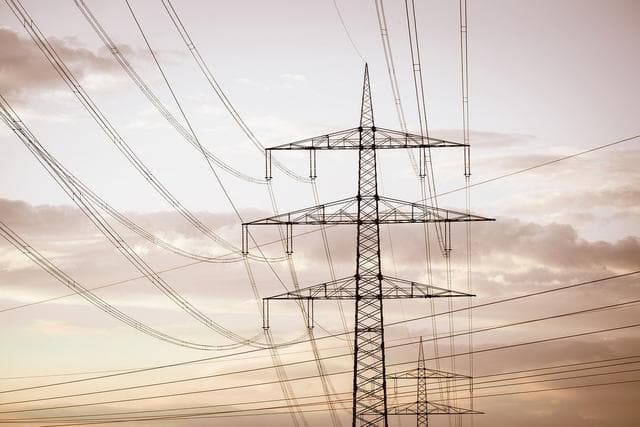
Generating and transporting electricity (non-statutory)
Customize this quiz to suit your class
Instantly translate to 100+ languages
Tag the questions with any skills you have. Your dashboard will track each student's mastery of each skill.
Give this quiz to my class

 Generating and transmitting electricityGenerating ideas and vocabulary for instructions for how to make a monster pizzaNetworking on LinkedIn | Getting Responses and Generating Leads and How to Use LinkedIn Sales Navigator For Lead Generation (2024 Update)Analysing 'Carnival Dance Lesson' by John Lyons and generating vocabularyPositive/Negative/Neutral Objects - How are they different? Positive: has fewer electrons than protons Negative: Has more electrons than protons Neutral: has equal numbers of protons and electrons Laws of Electric Charges - What are they? How are they applied? Like charges repel, opposites charges attract, charged AND neutral objects attract Induced Charge Separation - Explain this process. A shift of the position of electrons when a charged object is brought near it. If the charged object is positive, the electrons will move toward it. If the charged object is negative, the electrons will move away from it. Charging by Friction (What is happening with the charges? - Know electrostatic series examples) Process in which objects made from different materials rub against each other, producing a net static charge on each object. When charged by friction, one material will have a stronger attraction to electrons and will pull the electrons off the other material Charging by Conduction (Be able to explain what the electrons are doing) Charging by contact with a charged object. An object that becomes charged by contact always gets the same type of charge that is on the object that charges it. Grounding (Be able to explain how it happens) A method of removing static charges from an object. Electrons from the ground move up to the charged object. If the object is negative, electrons leave the object. If the object is positive, electrons enter the object. The ground always remains neutral Conductors/Insulators/Semiconductors (Know examples for each and characteristics) Conductor: A material that allows electrons to flow through it easily. GOOD CONDUCTORS: Silver, copper, gold, aluminium, magnesium, iron, usually metals Insulator: A material that prevents electrons from flowing through it. Plastic, wood and glass are examples. To prevent electric shocks, conductive wires are wrapped in insulators. Semiconductors: Have special properties that make them fair conductors, they are the foundation of modern electronics, including radios, computers and telephones. Charging by Induction (How do we induce a PERMANENT charge?) You can permanently charge an object using induction by attaching a conducting wire to the neutral object that goes to the ground Electric Discharge - What causes it? Know everyday examples. How is lightning formed? When two objects that have a charge imbalance are brought close together or come in contact with each other, electrons are transferred rapidly. Electrons move from the object with a more negative charge to the object with the less negative charge. Lightning occurs through an imbalance of charge between clouds and the ground. Negative charge at the bottom of a cloud repels the electrons at the earth's surface which move away, causing the ground to become positively charged Current Electricity: Refers to the electrons that flow in a controlled way through a conductor Forms of Current Electricity - Alternating Current (AC) vs Direct Current (DC) - How do they differ? AC: Electrons move back and forth, alternating their direction. produced in generating stations and is then distributed over long distances ex. Something plugged into a wall outletWhat is a Plant Cell? Plant cells are eukaryotic cells that vary in several fundamental factors from other eukaryotic organisms. Both plant and animal cells contain a nucleus along with similar organelles. One of the distinctive aspects of a plant cell is the presence of a cell wall outside the cell membrane. Plant Cell Structure Just like different organs within the body, plant cell structure includes various components known as cell organelles that perform different functions to sustain itself. These organelles include: Cell Wall It is a rigid layer which is composed of polysaccharides cellulose, pectin and hemicellulose. It is located outside the cell membrane. It also comprises glycoproteins and polymers such as lignin, cutin, or suberin. The primary function of the cell wall is to protect and provide structural support to the cell. The plant cell wall is also involved in protecting the cell against mechanical stress and providing form and structure to the cell. It also filters the molecules passing in and out of it. The formation of the cell wall is guided by microtubules. It consists of three layers, namely, primary, secondary and the middle lamella. The primary cell wall is formed by cellulose laid down by enzymes. Cell membrane It is the semi-permeable membrane that is present within the cell wall. It is composed of a thin layer of protein and fat. The cell membrane plays an important role in regulating the entry and exit of specific substances within the cell. For instance, cell membrane keeps toxins from entering inside, while nutrients and essential minerals are transported across. Nucleus The nucleus is a membrane-bound structure that is present only in eukaryotic cells. The vital function of a nucleus is to store DNA or hereditary information required for cell division, metabolism and growth. 1. Nucleolus: It manufactures cells’ protein-producing structures and ribosomes. 2. Nucleopore: Nuclear membrane is perforated with holes called nucleopore that allow proteins and nucleic acids to pass through. Plastids They are membrane-bound organelles that have their own DNA. They are necessary to store starch and to carry out the process of photosynthesis. It is also used in the synthesis of many molecules, which form the building blocks of the cell. Some of the vital types of plastids and their functions are stated below: Leucoplasts They are found in the non-photosynthetic tissue of plants. They are used for the storage of protein, lipid and starch. Chromoplasts They are heterogeneous, colored plastid which is responsible for pigment synthesis and for storage in photosynthetic eukaryotic organisms. Chromoplasts have red-, orange- and yellow-colored pigments which provide color to all ripe fruits and flowers. Central Vacuole It occupies around 30% of the cell’s volume in a mature plant cell. Tonoplast is a membrane that surrounds the central vacuole. The vital function of the central vacuole apart from storage is to sustain turgor pressure against the cell wall. The central vacuole consists of cell sap. It is a mixture of salts, enzymes and other substances. Golgi Apparatus They are found in all eukaryotic cells, which are involved in distributing synthesized macromolecules to various parts of the cell. Ribosomes They are the smallest membrane-bound organelles which comprise RNA and protein. They are the sites for protein synthesis, hence, also referred to as the protein factories of the cell. Mitochondria They are the double-membraned organelles found in the cytoplasm of all eukaryotic cells. They provide energy by breaking down carbohydrate and sugar molecules, hence they are also referred to as the “Powerhouse of the cell.” Lysosome Lysosomes are called suicidal bags as they hold digestive enzymes in an enclosed membrane. They perform the function of cellular waste disposal by digesting worn-out organelles, food particles and foreign bodies in the cell. In plants, the role of lysosomes is undertaken by the vacuoles. Chloroplasts It is an elongated organelle enclosed by phospholipid membrane. The chloroplast is shaped like a disc and the stroma is the fluid within the chloroplast that comprises a circular DNA. Each chloroplast contains a green colored pigment called chlorophyll required for the process of photosynthesis. The chlorophyll absorbs light energy from the sun and uses it to transform carbon dioxide and water into glucose. Structure of Chloroplast Chloroplasts are found in all higher plants. It is oval or biconvex, found within the mesophyll of the plant cell. The size of the chloroplast usually varies between 4-6 µm in diameter and 1-3 µm in thickness. They are double-membrane organelle with the presence of outer, inner and intermembrane space. There are two distinct regions present inside a chloroplast known as the grana and stroma. • Grana are made up of stacks of disc-shaped structures known as thylakoids or lamellae. The granum of the chloroplast consists of chlorophyll pigments and are the functional units of chloroplasts. • Stroma is the homogenous matrix which contains grana and is similar to the cytoplasm in cells in which all the organelles are embedded. Stroma also contains various enzymes, DNA, ribosomes, and other substances. Stroma lamellae function by connecting the stacks of thylakoid sacs or grana. The chloroplast structure consists of the following parts: Membrane Envelope It comprises inner and outer lipid bilayer membranes. The inner membrane separates the stroma from the intermembrane space. Intermembrane Space The space between inner and outer membranes. Thylakoid System (Lamellae) The system is suspended in the stroma. It is a collection of membranous sacs called thylakoids or lamellae. The green colored pigments called chlorophyll are found in the thylakoid membranes. It is the sight for the process of light-dependent reactions of the photosynthesis process. The thylakoids are arranged in stacks known as grana and each granum contains around 10-20 thylakoids. Stroma It is a colorless, alkaline, aqueous, protein-rich fluid present within the inner membrane of the chloroplast present surrounding the grana. Grana Stack of lamellae in plastids is known as grana. These are the sites of conversion of light energy into chemical energy. Chlorophyll It is a green photosynthetic pigment that helps in the process of photosynthesis. Functions of Chloroplast Following are the important chloroplast functions: • The most important function of the chloroplast is to synthesize food by the process of photosynthesis. • Absorbs light energy and converts it into chemical energy. • Chloroplast has a structure called chlorophyll which functions by trapping the solar energy and is used for the synthesis of food in all green plants. • Produces NADPH and molecular oxygen (O 2 ) by photolysis of water. • Produces ATP – Adenosine triphosphate by the process of photosynthesis. • The carbon dioxide (CO2) obtained from the air is used to generate carbon and sugar during the Calvin Cycle or dark reaction of photosynthesis. Mitochondria “Mitochondria are membrane-bound organelles present in the cytoplasm of all eukaryotic cells, that produce adenosine triphosphate (ATP), the main energy molecule used by the cell.” What are Mitochondria? Popularly known as the “Powerhouse of the cell,” mitochondria (singular: mitochondrion) are a double membrane-bound organelle found in most eukaryotic organisms. They are found inside the cytoplasm and essentially function as the cell’s “digestive system.” They play a major role in breaking down nutrients and generating energy-rich molecules for the cell. Many of the biochemical reactions involved in cellular respiration take place within the mitochondria. The term ‘mitochondrion’ is derived from the Greek words “mitos” and “chondrion” which means “thread” and “granules-like”, respectively. It was first described by a German pathologist named Richard Altmann in the year 1890. Structure of Mitochondria • The mitochondrion is a double-membraned, rod-shaped structure found in both plant and animal cell. • Its size ranges from 0.5 to 1.0 micrometers in diameter. • The structure comprises an outer membrane, an inner membrane, and a gel-like material called the matrix. • The outer membrane and the inner membrane are made of proteins and phospholipid layers separated by the intermembrane space. • The outer membrane covers the surface of the mitochondrion and has a large number of special proteins known as porins. Cristae The inner membrane of mitochondria is rather complex in structure. It has many folds that form a layered structure called cristae, and this helps in increasing the surface area inside the organelle. The cristae and the proteins of the inner membrane aid in the production of ATP molecules. The inner mitochondrial membrane is strictly permeable only to oxygen and ATP molecules. A number of chemical reactions take place within the inner membrane of mitochondria. Mitochondrial Matrix The mitochondrial matrix is a viscous fluid that contains a mixture of enzymes and proteins. It also comprises ribosomes, inorganic ions, mitochondrial DNA, nucleotide cofactors, and organic molecules. The enzymes present in the matrix play an important role in the synthesis of ATP molecules. Functions of Mitochondria The most important function of mitochondria is to produce energy through the process of oxidative phosphorylation. It is also involved in the following process: 1. Regulates the metabolic activity of the cell 2. Promotes the growth of new cells and cell multiplication 3. Helps in detoxifying ammonia in the liver cells 4. Plays an important role in apoptosis or programmed cell death 5. Responsible for building certain parts of the blood and various hormones like testosterone and estrogen 6. Helps in maintaining an adequate concentration of calcium ions within the compartments of the cell 7. It is also involved in various cellular activities like cellular differentiation, cell signaling, cell senescence, controlling the cell cycle and in cell growth. Disorders Associated with Mitochondria Any irregularity in the way mitochondria function can directly affect human health, but often, it is difficult to identify because symptoms differ from person to person. Disorders of the mitochondria can be quite severe; in some cases, they can even cause an organ to fail.Generating a headline and opening for a persuasive advertMeasuring the Effectiveness of police strategies and operations Clearance rates Def: The proportion of incidents known to the police that result in teh identification of a suspect Crime Displacement Def: relocation-due to the effective crime prevention, crime response initiates criminal activity from one local to another Professional Model of Policing Model of police work, reactive, incident driven and centred on random patrol Three Rs: random patrol, rapid response and reactive investigation Community policing Def: policing centred on police-community partnership and problem-solving The three ps: prevention, problem solving and partnership with the proactive role Community-based strategic policing Def: The model incorporates community policing with prevention, crime response and crime attack approaches Community engagement, police services strategic in their policies and operations Crime Analytics Sophisticated programs, and crime maps, provide intelligence to police officers in patrol and investigative units Intelligence-led policing: guided by collection, and analysis of information informs police decision-making Compstat: Increase effectiveness, and efficiency of police service while holding police personnel accountable for crime reduction Predictive policing: statistical analysis, identify time and location likely to occur Limited analytical capacity and not able to provide their officers with real-time information Biased policing certain areas, or persons, being identified as important for police attention in predictive policing How Predictive Policing Software Works The Police and the community Public Attitudes toward and Confidence in the police Community-based strategic policing: Recruitment, and deployment of volunteers in community police stations, storefronts Foot and bike patrols Team policing Restorative Justice Approaches Alternative for addressing, and resolving crime, needs of victims, offenders and the community Victim offender meditation Circle sentencing Community holistic healing programss Family group conferences Crime Prevention and Response Strategies Crime Prevention progemas Aimed at reducing crime, generating community involvement and heightening citizens; perceptions of safety Primary crime prevention programs opportunities for criminal offences and alter those conditions Secondary crime prevention programs focus on areas that produce crime and disorder Tertiary crime prevention programs are designed to prevent youth and adults from reoffending The Broken Windows Approach If minor crimes are left unaddressed in an environment, more serious crimes will emerge (originated in New York City in the 1980’s) “The exictsnce of unchecked and uncontrolled mirror incivilites in a neighbourhood- for example, panhandling, public drunkenness, vandalism and graffiti-produces an atmosphere conducive to more serious crime.” R.H. Burke Zero tolerance policing Zero tolerance policing: Strict order maintenance approach- specific area, coupled with high police visibility and presence Quality of life policing: Increased police visibility improves conditions in an area by targeting disruptive and annoying behaviour Problem Oritented policing (POP) Strategy, the idea that police should address teh cause of recurrent crime and disorder Root causes of recurring problems Solutions to problems Collabortaion with community SARA (scanning, analysis, response and assessment) problem-solving model helps officers identify, and respond to problems with the assistance of agencies, organizations, community groups The Police and Vulnerable/ At risk groups Persons with Mental Illness Patrol officers encountering more and more persons with mental illness (PwMi) Number of these end trragically Number of incidents increased significantly following deinstitutionalization of the mentally ill - in 1960 and 1970 De facto (in fact) mental health workers, first responders Crisis intervention training (CIT) Assertive outreach teams Assertive community treatment (ACT) teams Indigenouse, Vulnerable, and Marginalized women Sexual assault one of most underreported crimed. 1 in 20 incidents report to police. Many Women Do not want to deal with police Believe police would not take allegation seriously Language, cultural barriers Distrust the police Fear repercussions Missing and Murdered Indigenous women Canada, unknown number of missing and murdered indigenous women 2016, federal government announced National inquiry into Missing and Murdered Indigennouse women and girls Three goals of MMIWG 1. Finding the truth 2. Honouring the truth 3. Giving life to the truth as a path of healing