Loading...


Geographical Conditions
Quiz by Dakota Barton
Customize this quiz to suit your class
Instantly translate to 100+ languages
Tag the questions with any skills you have. Your dashboard will track each student's mastery of each skill.
Give this quiz to my class
What continent is East of Europe?
North America
South America
Africa
Asia
If you wanted to go to Europe from the United States, what direction would you go?
East
North
West
South
What continent is East of Europe?
If you wanted to go to Europe from the United States, what direction would you go?
Where are the Rocky Mountains located?
What is the capital of Germany?
If you are in Germany and travel West, what country would you enter?
What is the mountain range between India and China called?
What continent is number 2?
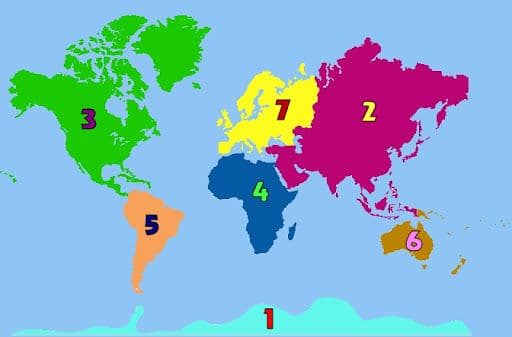
What continent is number 2?
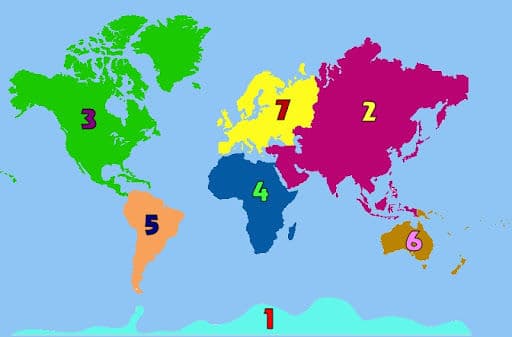
What continent is number 4?
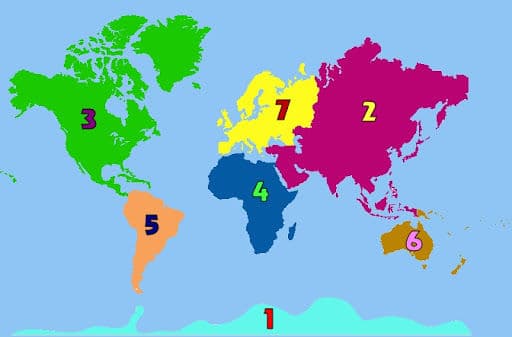
If you live in India, what direction would you go to be in China?

What is Ocean #1 called?
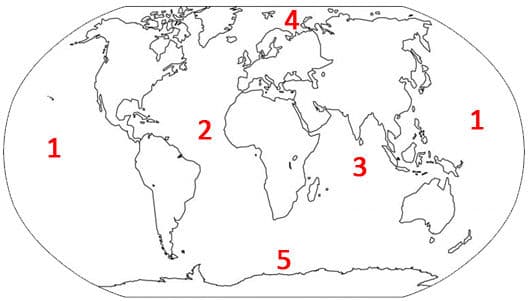
What ocean is #3 called?
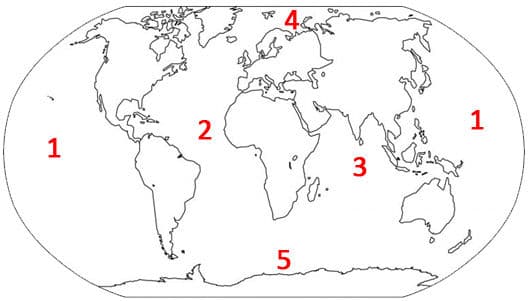
What Ocean is # 2 called?
 Health 11/12 Review for Final Exam Core Concepts - Mental and Emotional Health, Substance Abuse Prevention, Safety and Violence Prevention, Family Life and Human Sexuality, Disease Prevention and Control, Healthy Eating Health Education Skills - goal setting, decision making, accessing information/resources, analyzing influences, communication, self-management, advocacy DIMENSIONS of Wellness - social, spiritual, emotional/mental, environmental, financial, intellectual, multicultural, occupational, physical, sexual RISK factors - anything that increases the risk of disease, injury, or illness. PROTECTIVE factors - anything that decreases the risk of disease, injury, or illness. INTERNAL health factors - health factors that can be either hereditary and genetic or acquired elements -- include smoking and personal diet or eating habits. Example – a genetic predisposition to an illness. EXTERNAL health factors - health factors that are part of the direct outer environment, the geographical location, micro-organisms, socio-economic elements that could affect an individual's health. Example – being unable to afford mental health services. Unit 1- Managing Personal and Community Wellness Explain Maslow’s Hierarchy of Needs in your own words using the image provided. Explain how each Social Determinant of Health may impact a person’s health. Levels of Disease Prevention • PRIMARY The goal is to avoid conditions altogether. • SECONDARY The goal is early detection. • TERTIARY The goal is to minimize the damage (manage). Define the following terms. Fads/Trends Sleep hygiene Driver safety Unit 2- Investigating Social Ecological Factors on Well-Being Socio-Ecological Model – The SEM examines how health behaviors form based on characteristics of individuals, communities, nations and levels in between. Each level overlaps with other levels signifying how the best public health strategies are those that encompass and target a wide range of perspectives. Interpersonal (personal) health vs. intrapersonal (relationship) health Health INEQUITY - systemic, ingrained and unjust barriers that prevent segments of the population from having the opportunity of health leading to health disparity. IMPLICIT BIAS - a form of bias that occurs automatically and unintentionally, that nevertheless affects judgments, decisions, and behaviors. Research has shown implicit bias can contribute to unequal access to quality healthcare, negative patient-provider relationships and interactions; and create mistrust in the healthcare system and practitioners among patients. This can contribute to health disparities. Health DISPARITY - represents a difference in health between populations. It is often used to describe disease burden and other negative health outcomes socially disadvantaged groups may face. Health EQUITY - The opposite of health inequity. It describes a system that supports a high standard of health and healthcare for all people. Racism - Beliefs, attitudes, institutional arrangements, and acts that tend to denigrate individuals or groups because of phenotypic characteristics or ethnic group affiliation. DISCRIMINATION - An unjust differential treatment of a person or a group. PRIVILEGE- The unearned access to resources and social power that are only available to some because of their membership within certain social groups. OPPRESSION is the act of taking away choices from others and can be defined as a system that maintains advantage and disadvantage based on social identities and that acts on multiple levels from interpersonal to institutional and societal. (internalized, interpersonal, institutional, structural) Systematic Oppression - Intentional disadvantage of groups of people based on their identity while advantaging members of dominant group (race, gender, sexual orientation, language, size, ability, etc.). Intersectionality - The complex, cumulative way in which the effects of multiple forms of discrimination (such as racism, sexism, and classism) combine, overlap, or intersect especially in the experiences of marginalized individuals or groups Unit 3- Accessing Resources and Communicating to Support Mental and Emotional Health What is anger? What is anxiety? What is stress? STRESSORS are the things that cause stress. Stressors can be internal and external. A stressor may be a one-time or short-term occurrence, or it can happen repeatedly over a long time. INTERNAL Stressors - are made by your belief system and the way you evaluate yourself. Examples include pessimistic attitude, negative self-talk, deep need to be perfect, low self-esteem or body image, unhealthy standards for self. EXTERNAL Stressors - are stressful things that happen in your surroundings and/or in your environment. Examples include busy schedules, work problems, family issues, financial trouble, social problems, injury, unforeseen circumstances. Socio-economic issues are also a part of external stressors such as poverty, violence, and racism. Define the following mental health conditions. Depression Eating disorders NSSI Non-suicidal self-injury Grief/Loss Suicide prevention A.C.T. • ACKNOWLEDGE- Tell them in a caring way that you recognize that they are having a problem • CARE- You can show you care by actively listening - put away anything else you are doing, make eye contact, sit down, ask questions. • TELL-(call 988 for additional help and support) - Tell them it is important that they speak with a trusted adult. Help them figure out who this may be and offer to go with your friend. A social norm is an unwritten, informal rule meant to guide behavior among the of society. It distinguishes between acceptable and unacceptable, good and bad, and so on. Social norms can influence a person with emotional or mental health disorders, access to care and stigmatize their situation. STIGMA- a mark of disgrace associated with a particular circumstance, quality, or person. • Self-stigma - This describes the internalized stigma that people with mental health conditions feel about themselves. • Public stigma - This refers to the negative attitudes around mental health from people in society. • Institutional stigma - This is a type of systemic stigma that arises from corporations, governments, and other institutions. Unit 4- Evaluating Risks of Substance Use and Abuse Harm Reduction - a set of practical strategies and ideas aimed at reducing negative consequences associated with drug use. Explain how each level of the Social Ecological Model is impacted by addiction. Individual Relationship Community Society SEM Level Contributing/Risk Factors to substance use Preventative/Protective Factors for substance use Individual Interpersonal/Relationship Community Society Unit 5- Analyzing Influences to Examine Ways to Increase Safety and Reduce Violence HATE CRIME - a crime, usually violent, motivated by prejudice or intolerance toward an individual’s national origin, ethnicity, color, religion, gender, gender identity, sexual orientation, or disability. Explain how the media influences violence in society. The Pyramid of Hate Explain the escalation of hate using the Pyramid of Hate visual. List several hate crime motivators. Example: age HEALTHY Relationship Signs - comfortable pace, trust, honesty, independence, respect, equality, kindness, taking responsibility, healthy conflict, fun UNHEALTHY Relationship Signs - intensity, possessiveness, manipulation, isolation, sabotage, belittling, guilting, volatility, deflecting responsibility, betrayal Sexual Assault is a sexual behavior WITHOUT consent. Human trafficking - the recruitment, harboring, transportation, provision, or obtaining of a person for labor or services, using force, fraud, or coercion for the purpose of subjection to involuntary servitude, peonage, debt bondage, or slavery. Sex trafficking - commercial sex act induced by force, fraud, or coercion, or in which the person induced to perform such an act has not attained 18 years of age. Trafficking happens using… • Force - using violence to control someone. • Fraud - using lies to control someone. • Coercion - using threats to control someone. Unit 6- Family Life and Human Sexuality Agency - A belief about yourself and the extent to which you can act on that belief. • The ability to choose freely one’s own narrative. • To embrace the idea that I am the cause (or agent) of my own thoughts and actions. • Personal agency is a personal responsibility for who we are, what we experience, what we do about that experience, and how we shape our world to give us more of the experiences we want. SEXUAL Agency • The ability to choose your own interests and desires vs. what we see in the media or others’ perceptions • The ability to identify, communicate, and negotiate one’s sexual needs • The ability to initiate behaviors that allow for the satisfaction of those needs Sexually Explicit Material - photographs, videos, films, magazines, and books whose primary themes, topics, or depictions involve sexuality that may cause sexual arousal. Sexual scripts - thoughts, patterns, or behavior that a person has about themselves in a romantic or sexual context. It is how people picture themselves or want to project themselves in front of others. Reproductive Rights of Teens - In Maryland, teens have the right to an abortion, keep their child, obtain and use birth control, paternity tests, adoption, give up custody of their child within 10 days of birth (Safe Haven Law). • REPRODUCTIVE RIGHTS- legal rights and the freedom of the individual to control decisions regarding contraception, abortion, sterilization and childbirth. • SAFE HAVEN LAW- a distressed parent who is unable or unwilling to care for their infant can safely give up custody of their baby, no questions asked. CONSENT is an agreement between participants to engage in sexual activity. • It is clearly and freely communicated, verbal, and affirmative. Consent CANNOT be given if… • A person is underage, one or both partners is intoxicated or incapacitated by drugs or alcohol, one partner is asleep or unconscious, one partner feels pressured, threatened or intimidated, or one partner holds a position of power or authority over the other. Unit 7- Advocating for Enhanced Nutrition, Food Systems, and Health Outcomes Dietary Guidelines for Americans Guideline 1: Follow a Healthy Dietary Pattern at Every Life Stage Guideline 2: Customize and Enjoy Food and Beverage Choices to Reflect Personal Preferences, Cultural Traditions, and Budgetary Considerations Guideline 3: Focus on Meeting Food Group Needs with Nutrient-Dense Foods and Beverages, and Stay Within Calorie Limits Guideline 4: Limit Foods and Beverages Higher in Added Sugars, Saturated Fat, and Sodium, and Limit Alcoholic Beverages FOOD DESERT- a neighborhood where there is little or limited access to healthy and affordable food such as fruits, vegetables, whole grains, low-fat milk and other foods that make up the full range of a healthy diet. FOOD INSEQURITY lack of access to a sufficient amount of food because of limited funds. More than 49 million American households are considered food insecure and are vulnerable to poor health as a result. PROCCESED FOODS- any raw agricultural commodities that have been washed, cleaned, milled, cut, chopped, heated, pasteurized, blanched, cooked, canned, frozen, dried, dehydrated, mixed or packaged — anything done to them that alters their natural state.Micromarketing is an advertising strategy that allows a corporation to target a niche group with a particular product or service. With micromarketing, a company defines an audience by a specific trait, such as gender or job title or age range, and then creates campaigns geared toward that specific group. Macro-marketing is a multidisciplinary domain that deals with the impact that marketing has on the economy and society. It specializes in marketing-society interrelationships, such as green marketing, fairness and ethics, social management, market control, consumer conduct, and others. Customer relations refers to the methods, strategies, and processes a company uses to build and maintain customer relationships. Every customer interaction has an impact, and it's more important than ever for companies to consistently meet expectations.s PRODUCT DEVELOPMENT is strategy involves the improvement of current products or services or the development of the new products with the purpose of increasing sales. MARKET DEVELOPMENT is a strategy involves the introduction of existing products or services into a new geographical area or market. STRATEGIC PLANNING a broad process that can address the entire business, or a portion of the business. PLANNING the process of predicting future events and conditions and of determining the best way to attain the goals and objectives of the organization. CUSTOMER VALUE relationship between benefits and the costs including money, stress, and time to sacrifice that is necessary to get those benefits. POLITENESS Saying ”hello”, good afternoon sir/ma’am, and thank you very much are a part of good customer services. PRODUCTION PROCESS it is the process must conform to standards in terms of product quality. RELATIONSHIP MARKETING involves creating, maintaining and enhancing strong relationships with customers and other stakeholders. KEY PERFORMANCE INDICATOR a tool used to check the marketing activities and to track performance to make sure the company is on track to meet specific objectives. REACTIVE salesperson sells the product and encourage the customer to call whenever he or she has any questions or problems. MARKET PENETRATION the objective of this strategy is to increase market share of current products or services in current markets through greater and more intensive marketing efforts. LIQUIDATION this involves selling all of a company’s assets, in parts or as a whole, for their tangible worth. PRICING TEST can be utilized by marketers to calculate a product’s or service’s optimal price, to determine price elasticity. POSITIONING the process of communicating the image of a brand into the minds of consumers. INDUSTRIES business organizations that purchase goods and services for the purpose of producing other products and services or for use in their products and operating processes.Studying population involves examining various aspects of the demographic composition, dynamics, and characteristics of a group of individuals within a specific geographic area. Here are key areas to explore when studying population: Demography: Population Size: Analyze the total number of individuals in a given area or community. Population Distribution: Examine how the population is spread across different regions or areas. Population Density: Explore the concentration of people in a particular area relative to the size of that area. Population Growth and Decline: Birth Rate: Study the number of live births per 1,000 people in a given year. Death Rate: Examine the number of deaths per 1,000 people in a given year. Migration: Explore patterns of people moving into and out of a specific area. Age Structure: Age Distribution: Analyze the distribution of individuals across different age groups in a population. Dependency Ratio: Examine the ratio of dependent individuals (young and elderly) to the working-age population. Gender Composition: Sex Ratio: Study the ratio of males to females in a population. Population Pyramids: Use population pyramids to visualize the age and gender structure of a population. Fertility and Family Planning: Total Fertility Rate (TFR): Explore the average number of children a woman is expected to have during her reproductive years. Contraceptive Use: Analyze the prevalence of contraceptive methods in a population. Mortality and Health: Life Expectancy: Examine the average number of years a person can expect to live. Infant and Child Mortality: Study the number of deaths among infants and children under the age of five. Urbanization: Urban vs. Rural Population: Analyze the distribution of people in urban and rural areas. Rate of Urbanization: Explore the speed at which people are moving from rural to urban areas. Education: Literacy Rates: Examine the percentage of the population that can read and write. Educational Attainment: Study the level of education achieved by individuals within the population. Socioeconomic Factors: Income Distribution: Explore the distribution of income among the population. Employment Rates: Analyze the percentage of the working-age population that is employed. Cultural and Ethnic Composition: Ethnic Diversity: Examine the presence of various ethnic groups within the population. Healthcare and Quality of Life: Access to Healthcare: Study the availability and accessibility of healthcare services. Quality of Life Indicators: Explore factors such as housing, sanitation, and overall living conditions. Population Policies and Government Interventions: Study the impact of government policies on population dynamics, including family planning programs and immigration policies. Environmental Impact: Explore the relationship between population growth and its impact on the environment, including resource consumption and pollution. Global Population Trends: Examine global population trends and their implications, including aging populations and population growth in developing countries. Studying population involves a multidisciplinary approach that incorporates elements from demography, sociology, geography, economics, and public health. Researchers and policymakers use this information to make informed decisions about resource allocation, development planning, and social policies.1. Settlements Importance of Rivers Fertile Land: The soil near rivers was great for farming, thanks to regular flooding that added nutrients. Trade and Travel: Rivers made moving things and people easy, which helped trade and communication. Protection: Rivers could act as natural barriers, making it harder for enemies to attack. Food: Rivers were full of fish and other food, adding to what people could eat. Energy: People used the river's flow to power machines, for example, grinding grain. Cleanliness: Rivers were used to wash away waste, keeping settlements cleaner. Culture: Rivers often had spiritual importance, and ceremonies and stories revolved around them. Common Geographic Features of Ancient Civilizations Mesopotamia: the Tigris and Euphrates Rivers in central Iraq Indus River Valley: the river runs in the northwestern part of India Nile River Valley: the major river of Egypt Yellow River Valley: a major river flowing through the southern part of China Rivers provided water, food, transportation, and shaped the way of life and development of these ancient civilizations. Impact of Mountains on Settlements Mountains served as barriers to early settlement due to the lack of technology to cross them. The Himalayan Mountains isolated much of India and China during their early development. Impact of Deserts on Migration Deserts posed significant challenges to people who wanted to migrate due to their harsh and unforgiving conditions. Notable deserts include the Empty Quarter in Saudi Arabia and the Sahara Desert in Africa. Changes in Migration and Cultural Blending Advancements in transportation technology post-Industrial Revolution increased cultural blending. Transportation advancements enabled global migration. Before, cultures were isolated, focusing on beliefs and local adaptations. The Industrial Revolution transformed migration and cultural blending. 2. How Humans Modify and Adapt to Their Environment Ways Humans Modify Their Environment Mining: Removing the earth's surface for precious metals. Irrigation: Diverting water for farming. Transportation: Moving goods with trains, cars, airplanes, and boats. Mining Strip mining removes large layers of the earth. Can impact the environment by removing plants and polluting water sources. Irrigation Diverting water for farming and urban development. Transportation Moving goods using trains, cars, airplanes, and boats. Human Adaptation to the Environment Adjusting to environmental conditions by changing behavior. Examples: Wearing specific clothing, using specific building materials. Human Modification of the Environment Changing the earth to meet human needs by physically altering the environment. Examples: Dams, canals, roads, bridges. Impact of Weather and Geological Events on Humans Events like earthquakes, hurricanes, and cold weather affect human settlements. Examples: Building earthquake-resistant buildings, creating levees, using ice for tourism. 3. Understanding Culture Introduction to Culture Culture refers to the way of life of a group of people who live in a particular place. It includes traditions, beliefs, values, and the way they do things. Cultural Characteristics Religious traditions Language Family values Laws Cultural characteristics make each culture unique. Cultural Representations Art Architecture Music Literature Cultural representations express a culture's creativity and show their beliefs and history to the world. Government and Culture Types of government reflect cultural beliefs and traditions. Examples: democratic republic, communist state. The way a country is governed tells a lot about its culture. Economic Systems and Cultures Economic systems reflect cultural values. Examples: bartering, modern economies (e.g., United States, China). How people earn and spend money also reflects their culture. Spread of Cultural Ideas Trade: Spreading ideas through interactions during trade. Travel: Visitors bringing new ideas. War: Conquering armies imposing beliefs. Cultural ideas spread through trade, travel, and war. Multicultural Societies Blending of multiple cultural and ethnic groups. Common in advanced societies with immigration. Multicultural societies create something new by bringing together different cultures. Cultural Adaptation Cultures can change and adapt by taking new ideas and blending them with their own traditions. Example: 'Tex-Mex' food, which blends Mexican and Texan traditions. The Criminal Jusctice System CJS- all of the agencies, organizations, and personnel that are involved in prevention or, response to, crime including Persons charged with criminal offences Persons convicted of crimes Criminal jusctie professtionals Volunteers who work in the criminal jusctice system The CJS includes Crime prevention and crime reduction Arrest and prosecution of suspects Hearing of criminal cases by teh courts Sentencing and teh administration and enforcement of court orders Parole, forms of conditional release Supervision and assistance for ex-offenders released into the community Role and Responsibility of Government in the CJS Each level of government plays a role Division of responsibility, federal and provincial governments in the Constitution Act, 1867 The federal government decides which behaviours constitute criminal offences Provincial/territorial governments responsible for enforcing and administering the justice system Criminal Justice Administration Two competing perspectives on teh value systems underlying the administration of criminal jusctie 1. The Crime Control model: An orientation to criminal jusctise in which the protection of the community and the apprehensions of offenders are paramount. There are two competing perspectives on teh value system underlying the administration of criminal juscite 2. The due process model An orientation to criminal justice in which the legal rights of individual citizens, including crime suspects, are paramount An adversarial system of criminal justice Canadian criminal justice system is an adversarial system Defence lawyers/prosecutor present their cases before a neutral judge/jury The standard of proof is proof beyond a reasonable doubt Task Environments The task environment is the cultural, geographic and community setting in which the CJS operates, criminal justice personnel make decisions Media and Public Attitudes For most Canadians, news media stories primary source of information about CJS. Shows may oversimplify complex issues Tens to be biased toward sensational crime, simplify issues and public generalize from specific events Different Effects of the CJS Studies of the deterrent effect of criminal law suggest the law can serve as a deterrent only when certain conditions are present 1. Legal Sanctions (severe) applied if individuals engage in certain behaviours 2. Certainty of punishment 3. Sanction is applied swiftly when a crime is committed Restorative justice Restorative justice, alternative framework for responding to criminal offenders. Focus on Problem-solving Addressing the needs of victims and offenders Involving the community on a proactive basis and Fashioning sanctions that reduce the likelihood of reoffending There are a number of entry points in the criminal justice system where restorative justice approaches can be used Summary The criminal jusctie suystem (CJS) contains all of the agencies, organiztions, and personnel that are involved in teh prevention of, and response to crime There are 2 competing models of criminal justice administration: 1) due process and 2) crime control. The flow of cases through the justice system can be illustrated with a “funnel,” reflecting the fact that there is significant attrition in cases through the criminal justice process The role of discretion, ethics and accountability are pervasive considerations within the CJS CJS personnel work in various task environments that affect teh challenges faced There is variation in the oversight and accountability of criminal justice personnel For most Canadians, teh media is the primary source of information about the CJS Restorative justice has a number of features that distinguish it from the adversarial system Introduction to Hedging Instruments: Forwards, Futures, Options, and Swaps Hedging instruments are financial tools used by businesses and investors to mitigate risk. These instruments help protect against adverse price movements in assets such as commodities, currencies, interest rates, or securities. The four main hedging instruments are forwards, futures, options, and swaps. 1. Forwards A forward contract is a customised agreement between two parties to buy or sell an asset at a predetermined price on a specified future date. Key Characteristics: Over-the-counter (OTC): Traded directly between parties, not on an exchange. Customisation: Can be tailored to suit the needs of the parties involved. Settlement: Occurs at the end of the contract, which may involve physical delivery or cash settlement. Risk: Forwards carry counter-party risk, as there is a possibility one party may default. Example: A company that needs to import raw materials in six months may enter into a forward contract to lock in the current price, avoiding the risk of price increases. 2. Futures A futures contract is similar to a forward, but it is standardised and traded on an exchange. This standardisation eliminates counter-party risk. Key Characteristics: Standardised: Contract size, expiration, and other terms are fixed by the exchange. Mark-to-market: Gains and losses are settled daily. Liquidity: Futures are highly liquid because they are traded on exchanges. Regulation: As they are traded on formal exchanges, they are more regulated than forwards. Example: A wheat farmer may sell futures contracts to hedge against a possible decline in wheat prices before harvest. 3. Options Options provide the right, but not the obligation, to buy or sell an asset at a specified price on or before a certain date. There are two types of options: call options and put options. Call Option: Gives the holder the right to buy an asset at a predetermined price. Put Option: Gives the holder the right to sell an asset at a predetermined price. Key Characteristics: Premium: The buyer pays a premium upfront to obtain the option. Limited Risk: The maximum loss is limited to the premium paid. Flexibility: Options can be used for speculative or hedging purposes. Example: An investor holding stocks may buy a put option to protect against potential declines in the stock's price. 4. Swaps A swap is a contract in which two parties agree to exchange cash flows or liabilities over a specific period. The most common types are interest rate swaps and currency swaps. Key Characteristics: Customizable: Like forwards, swaps are often tailored to meet the needs of the parties involved. Counterparty Risk: Swaps are typically OTC instruments, exposing parties to default risk. Common Uses: Used to manage interest rate risk or currency risk. Example: A company with a variablerate loan may enter into an interest rate swap to exchange its variable payments for fixedrate payments, thus locking in stable costs. Hedging instruments are essential for managing financial risk in volatile markets. Each instrument serves different purposes, with varying levels of complexity, risk, and customization. Whether through forwards, futures, options, or swaps, businesses can better plan for the future by reducing exposure to uncertain price fluctuations. Hedging Strategies for Market Risk, Credit Risk, and Currency Risk 1. Hedging Strategies for Market Risk Market risk (also known as systematic risk) arises from fluctuations in asset prices, such as stocks, bonds, commodities, and interest rates, due to economic factors or market volatility. Key Hedging Instruments for Market Risk: Derivatives (Options, Futures, and Forwards): These instruments allow investors to hedge against unfavorable price movements in stocks, commodities, or interest rates. Example: An investor holding a large stock portfolio might buy a put option to protect against a potential market downturn. If the market declines, the put option increases in value, offsetting losses in the portfolio. Short Selling: Investors can sell borrowed assets with the expectation of buying them back at a lower price, profiting from the decline. Example: A fund manager expecting a market decline may short sell stocks to hedge a portfolio against losses. Common Hedging Strategies: Portfolio Diversification: Reducing market risk by spreading investments across various asset classes (stocks, bonds, commodities) and sectors. Using Index Futures: Large portfolios can be hedged using index futures that track the performance of the overall market. If the market declines, profits from the short position in the futures contract will offset losses in the portfolio. Risk Parity: Allocating assets based on the level of risk rather than the dollar amount invested, balancing risk exposure across asset classes. 2. Hedging Strategies for Credit Risk Credit risk refers to the possibility that a borrower will default on a debt obligation. This is especially important for banks, lenders, and institutions dealing with bonds and loans. Key Hedging Instruments for Credit Risk: Credit Default Swaps (CDS): A financial derivative where the buyer of a CDS pays a premium to the seller in exchange for protection against a default on a loan or bond. Example: A bank holding corporate bonds can buy a CDS to ensure they are compensated if the issuing company defaults. Collateralised Debt Obligations (CDOs): These instruments pool together various debt instruments and allow risk to be distributed among multiple investors. Credit Insurance: Companies may use insurance to protect against the risk of a customer defaulting on payments. Common Hedging Strategies: Diversification of Loan Portfolio: Spreading out credit exposures across various industries, geographies, and borrower profiles reduces the overall risk of default. Tightening Lending Standards: Limiting exposure to highrisk borrowers by implementing stringent credit assessments. AssetBacked Securities: Banks can sell loans or bonds packaged as assetbacked securities to reduce their exposure to credit risk. 3. Hedging Strategies for Currency Risk Currency risk (or exchange rate risk) arises from fluctuations in foreign exchange rates, which can affect companies involved in international trade or with investments in foreign countries. Key Hedging Instruments for Currency Risk: Forward Contracts: A firm agrees to exchange a specified amount of currency at a predetermined exchange rate on a future date. Example: A U.S. exporter expecting payment in euros might enter into a forward contract to sell euros and lock in a favorable exchange rate. Currency Options: These give the right, but not the obligation, to buy or sell currency at a specific price. Example: A U.S.based company buying goods from Japan might buy a call option on the yen to hedge against the risk of yen appreciation. Currency Swaps: Two parties exchange interest payments and principal in different currencies to hedge against exchange rate fluctuations. Common Hedging Strategies: Natural Hedging: Companies can offset currency risk by balancing foreign revenue with costs in the same currency. For example, if a company generates revenue in euros, it can also incur expenses in euros, reducing exposure to exchange rate fluctuations. Multi-Currency Invoicing: Firms can invoice in their home currency, shifting the currency risk to the buyer. Currency Diversification: Holding a diversified basket of currencies can reduce exposure to large fluctuations in any one currency. Effective hedging strategies are crucial for managing various types of risks in financial markets. Market risk can be managed using instruments like futures and options, while credit risk can be mitigated through diversification and credit derivatives. Currency risk, often faced by multinational firms, can be hedged using forward contracts, options, or swaps. Each strategy helps firms and investors protect their portfolios, ensure financial stability, and reduce the impact of adverse movements in the financial markets. Portfolio Risk Management Techniques: Diversification, Asset Allocation, and Risk Budgeting Managing risk is a fundamental aspect of portfolio management. Investors use various techniques to control and reduce the risks inherent in investing. Three key techniques used in portfolio risk management are diversification, asset allocation, and risk budgeting. Each of these techniques helps in mitigating potential losses while aiming to achieve the desired return. 1. Diversification Diversification is a risk management strategy that involves spreading investments across different assets, sectors, or geographic regions to reduce exposure to any single risk. The idea is that different assets perform differently under various market conditions, so losses in one investment can be offset by gains in others. Key Benefits of Diversification: Reduction of Unsystematic Risk: Unsystematic risk, which is unique to a specific company or industry, can be reduced by holding a variety of investments that respond differently to market conditions. Improved Stability: A diversified portfolio is less volatile, as the negative performance of one asset can be balanced by the positive performance of others. Methods of Diversification: Across Asset Classes: Investing in a mix of asset classes such as stocks, bonds, commodities, and real estate. Example: A portfolio with 60% equities, 30% bonds, and 10% commodities is more diversified than one solely consisting of stocks. Within Asset Classes: Diversifying within a single asset class (e.g., holding stocks from different sectors like technology, healthcare, and energy). Geographic Diversification: Investing in assets across various countries or regions to mitigate country-specific risks. Example: Holding U.S. stocks along with emerging market equities can reduce risks related to a downturn in one country's economy. 2. Asset Allocation Asset allocation refers to the process of dividing investments among different asset classes (such as stocks, bonds, and cash) to align with an investor's risk tolerance, time horizon, and financial goals. Asset allocation plays a crucial role in portfolio risk management by determining the overall risk-return profile of the portfolio. Key Elements of Asset Allocation: Strategic Asset Allocation: A longterm approach that involves setting target allocations for different asset classes based on financial goals and risk tolerance. Example: A young investor with a longterm horizon might allocate 70% to stocks, 20% to bonds, and 10% to cash. Tactical Asset Allocation: A more active approach that involves adjusting the asset mix in response to short-term market conditions. Example: If the investor expects an economic downturn, they might temporarily reduce exposure to equities and increase exposure to bonds. Types of Asset Allocation Models: Conservative: Focuses on preserving capital with a larger allocation to bonds and cash (e.g., 20% stocks, 80% bonds). Balanced: A moderate risk approach with an equal focus on growth and income (e.g., 50% stocks, 50% bonds). Aggressive: Targets higher returns by investing predominantly in equities, accepting higher risk (e.g., 80% stocks, 20% bonds). Example of Asset Allocation: A 40 year old investor with moderate risk tolerance may allocate their portfolio as follows: 50% equities, 40% bonds, and 10% in alternative investments such as real estate or commodities. The equities provide growth potential, while the bonds and alternative assets offer stability and income. 3. Risk Budgeting Risk budgeting is a method of allocating risk across different components of a portfolio, rather than focusing solely on returns. The goal is to optimise the portfolio’s risk-return profile by distributing risk in a way that aligns with the investor’s objectives and risk tolerance. Key Concepts of Risk Budgeting: Risk Contribution: Each asset class or investment in the portfolio contributes a certain amount of risk (measured by metrics such as volatility or Value at Risk). Risk budgeting ensures that no single asset class dominates the overall risk of the portfolio. Example: A portfolio may contain 60% stocks and 40% bonds, but if the stocks are highly volatile, they may contribute 90% of the portfolio's risk. Target Risk: Investors set a maximum acceptable level of risk (e.g., a portfolio volatility of 10%) and allocate investments so that the total risk remains within this target. Techniques in Risk Budgeting: Risk Parity: Allocates risk evenly across asset classes, rather than allocating capital based solely on return expectations. Example: In a risk-parity portfolio, both bonds and stocks might be balanced in such a way that they contribute equally to the overall portfolio risk, even though the dollar investment in bonds may be larger due to their lower volatility. Value at Risk (VaR): This technique measures the potential loss in a portfolio over a specific time period, under normal market conditions, at a given confidence level. The risk budget ensures that the potential loss stays within acceptable limits. Example of Risk Budgeting: An investor targets an overall portfolio risk of 8% volatility. After analyzing the risk contribution of each asset class, they determine that equities, which currently make up 60% of the portfolio, contribute 70% of the risk. To adhere to the risk budget, the investor may reduce their equity exposure and increase their allocation to bonds or other less volatile assets. Diversification, asset allocation, and risk budgeting are complementary techniques used in portfolio risk management. Diversification reduces unsystematic risk by spreading investments across various assets. Asset allocation ensures that investments align with an investor's goals and risk tolerance. Risk budgeting focuses on managing the contribution of risk from each asset class to create a balanced and efficient portfolio. Together, these strategies help investors achieve a balance between risk and return, ensuring longterm portfolio stability. Risk Mitigation Through Insurance, Securitisation, and Other Financial Engineering Techniques Risk mitigation is a core objective in financial management, and various strategies can be employed to reduce or manage risks. Three major approaches are insurance, securitisation, and financial engineering techniques. Each of these methods helps firms and individuals transfer, reduce, or eliminate certain financial risks. 1. Insurance as a Risk Mitigation Tool Insurance is a traditional risk transfer method that protects against financial losses by shifting the risk to an insurance company in exchange for premium payments. It is widely used to mitigate various forms of risk, such as operational, liability, and property risks. Key Aspects of Insurance for Risk Mitigation: Risk Transfer: The insurer takes on the risk in exchange for a premium, thus protecting the insured party from unexpected financial losses. Indemnity: In the event of a loss, the insurance policy compensates the insured based on the terms of the contract. Customisable Coverage: Insurance policies can be tailored to address specific risks, such as property damage, business interruption, liability, or cyber risks. Types of Insurance for Businesses: Property and Casualty Insurance: Covers physical assets like buildings, machinery, and inventory from risks like fire, theft, or natural disasters. Liability Insurance: Protects businesses against legal liabilities arising from accidents, negligence, or professional errors. Business Interruption Insurance: Compensates for lost income if a business has to halt operations due to unforeseen events. Credit Insurance: Shields companies from losses due to the nonpayment of trade receivables. 2. Securitisation as a Risk Mitigation Technique Securitisation is a financial engineering process that involves pooling various financial assets (such as loans, mortgages, or receivables) and converting them into marketable securities. This process allows firms to transfer risk to investors, thereby reducing their exposure. Key Elements of Securitisation: Risk Transfer: By securitising assets, companies can transfer the risk of default or nonpayment to investors who purchase the securities. Liquidity Creation: Securitisation converts illiquid assets (like mortgages or loans) into liquid, tradeable securities, improving cash flow for the originating firm. Diversification of Risk: Pooling assets with different risk profiles reduces the impact of individual defaults, spreading the risk across multiple investors. Common Forms of Securitisation: MortgageBacked Securities (MBS): Pools of mortgages are bundled and sold as securities to investors, transferring the risk of mortgage defaults. Example: A bank that issues home loans can bundle those loans into MBS and sell them to investors, transferring the credit risk of potential defaults. Asset-Backed Securities (ABS): Similar to MBS, but backed by other types of assets like credit card receivables, auto loans, or student loans. Collateralised Debt Obligations (CDOs): Structured financial products that pool different types of debt, such as loans and bonds, and sell them as securities with varying risk levels. Example: A bank may issue a portfolio of auto loans and then pool these loans into an assetbacked security (ABS). The ABS is sold to investors, who take on the risk of loan defaults. By securitising the loans, the bank reduces its exposure to credit risk and generates immediate cash flow. 3. Financial Engineering Techniques for Risk Mitigation Financial engineering involves the use of complex financial instruments, derivatives, and structured products to manage or mitigate financial risks. These techniques allow firms to hedge against specific risks, optimize capital structure, and improve financial stability. Common Financial Engineering Techniques: Derivatives: Financial instruments like futures, forwards, options, and swaps are used to hedge against price fluctuations, interest rate changes, or currency movements. Example: A company with significant foreign exchange exposure may use currency forwards or options to hedge against exchange rate fluctuations, ensuring predictable cash flows. Options and Futures: Options: Provides the right (but not the obligation) to buy or sell an asset at a predetermined price, allowing firms to hedge against unfavorable price movements. Example: An airline company can buy options on jet fuel to hedge against rising fuel prices. Futures: Standardized contracts to buy or sell an asset at a set price on a future date, commonly used to hedge commodities or financial assets. Example: A wheat producer may use futures contracts to lock in a favorable price for its crop, hedging against a potential price drop. Swaps: These involve the exchange of cash flows between two parties, often used to manage interest rate risk or currency risk. Interest Rate Swaps: Firms can exchange floatingrate interest payments for fixedrate payments to hedge against rising interest rates. Currency Swaps: Used to hedge exchange rate risk in crossborder transactions by exchanging principal and interest payments in different currencies. Example: A company with a variablerate loan may enter into an interest rate swap to exchange its variable payments for fixedrate payments, locking in stable costs. Structured Products: These are customised financial instruments designed to achieve specific riskreturn objectives. They often combine derivatives with other securities to create tailored risk exposures. Example: A structured note that combines a bond with an embedded option, offering downside protection while allowing for potential upside linked to the performance of an equity index. Credit Derivatives: Tools like credit default swaps (CDS) allow investors to transfer credit risk to other parties. Example: A bondholder worried about a company’s potential default may purchase a CDS, which pays out in case of a default event. Example: A company may issue a bond with an embedded call option, allowing it to repurchase the bond if interest rates decline. This financial engineering tool enables the company to mitigate the risk of rising interest rates, reducing future borrowing costs. Risk mitigation through insurance, securitisation, and financial engineering offers businesses a variety of tools to manage and transfer risks. Insurance allows for the direct transfer of risk to an insurer, while securitisation helps companies offload risk by packaging and selling assets as securities. Financial engineering techniques, including derivatives, swaps, and structured products, provide sophisticated ways to hedge market, interest rate, and currency risks. Each approach helps organizations improve financial stability, enhance liquidity, and manage potential losses in a volatile market environment.Nutrition refers to the science that deals with the various factors of which food is composed and the way in which proper nourishment is brought about. Home Economics and Livelihood Education 7 Seibo College 152 Human nutrition involves properly feeding the people. It is therefore important to learn more about nutrition, taking into consideration the three (3) important factors: a. the food we eat b. the way it is digested, absorbed and used in the tissues of the body c. the kind of people for whom the food is intended Good health or “wellness” is not a matter of chance. Good health is a product of good nutrition which is the result of an adequate supply of essential nutrients in your body. Lack of these nutrients lead to illness or a condition known as “malnutrition”. Malnutrition occurs if there is an imbalance intake of nutrients or an inadequacy of one or any of the nutrients. Malnutrition are manifested in the following cases: 1. obesity due to overeating- Obesity occurs when a person eats more than what the body requires under normal condition. This results in an excess supply of calories that leads to obesity or overnutrition. 2. stunted growth of children due to lack of protein- If there is no sufficient supply of carbohydrates or fats protein is used by the body as an alternative source of energy. 3. under weight due to lack of carbohydrates- If the total amount of nutrients provided by the diet is insufficient , it results to undernutrition. What is good nutrition? Home Economics and Livelihood Education 7 Seibo College 153 What are the causes of malnutrition? 1. ignorance or lack of knowledge about proper food intake 2. low standard of living 3. limited food supply 4. emergence of calamities or social unrest 5. increased family size 6. poor eating habits What are food habits? Food habits mean one’s attitude towards food. If the body is fed by junk foods and became over/under supplied with particular vitamins, protein or other nutrients then the body will suffer from malnutrition. Let us identify the factors affecting food habits. Education – knowledge about nutrition will help one to make wise decision about food. Foods available - The kinds of food available to you usually are the foods you eat. Some foods can grow only in certain types of geographic locations and this determines the foods available in such locations Religion - What foods people can eat or cannot eat have been dictated by their religious beliefs. For example, Moslems do not eat pork because Islam forbids them to eat it. Home Economics and Livelihood Education 7 Seibo College 154 Ethnicity – members of cultural groups formed their own living patterns which include food customs. It includes what food can or cannot be eaten. Income/economic status – the type of food you choose depends on how money you have. Income dictates what food you can eat and how you eat them. Convenience -. Meal management practices affect food habits because you can only prepare and eat foods you can easily cook with the facilities and the knowledge you have. Food habit refers to the way in which different people select , cook, serve and eat food that are available to them. Home Economics and Livelihood Education 7 Seibo College 155 Look at the diagram below for a better understanding. FACTORS THAT AFFECT FOOD HABITS FOOD HABITS Education Foods available Religion Convenience Economic status EthnicitGeographical features in England