Loading...


Giving instructions - QUIZ
Quiz by Phakawan Aree
Customize this quiz to suit your class
Instantly translate to 100+ languages
Tag the questions with any skills you have. Your dashboard will track each student's mastery of each skill.
Give this quiz to my class
When you tell someone how to do something, what is it called?
Giving instructions
Giving directions
Giving locations
What do we say to start describing the first step?
In the beginning
Finally
Then
After that
When you tell someone how to do something, what is it called?
What do we say to start describing the first step?
Which one is not the word sequence for the last step?
Which one is not used to ask for instructions?

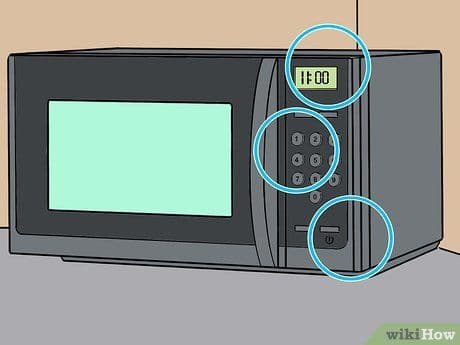
Order the steps about "how to use the microwave"
A. select the time of heat and place the food inside
B. push the button to start, wait and take out the food heat. be carefully!
C. take out the hot food. be careful, it´s hot
D. plug the microwave and press the button to open the microwave´s door
E. unplug the microwave
 Giving Directions and Instructions - Starter QuizRPMS Quiz: Quality vs. Efficiency 1. A teacher spends five hours creating a highly interactive digital game for a single 40-minute lesson. This is an example of prioritizing: • A) Quality over Efficiency • B) Efficiency over Quality • C) Administrative Competence • D) Resource Management • Hint: The focus is on high-level engagement, but the time investment is very high. 2. Which of the following best describes "Efficiency" in the context of the RPMS? • A) Submitting all MOVs and reports on or before the deadline with minimal errors. • B) Ensuring 100% of students pass the quarterly examination. • C) Creating the most aesthetically pleasing portfolio in the department. • D) Conducting home visits for every single student in a class of 50. • Hint: Look for the option that emphasizes timeliness and resource use. 3. Using a "template" or a "reusable slide deck" for lesson planning is a strategy to improve: • A) Efficiency • B) Instructional Diversity • C) Subject Matter Mastery • D) Classroom Discipline • Hint: Templates reduce the time spent on repetitive formatting. 4. If a teacher provides detailed, personalized feedback to every student but submits the grades two weeks late, they have achieved: • A) High Quality, Low Efficiency • B) Low Quality, High Efficiency • C) High Quality, High Efficiency • D) Low Quality, Low Efficiency • Hint: The work itself is excellent, but the timing is poor. 5. Which tool improves Efficiency without sacrificing the Quality of assessment data? • A) Automated Google Forms for multiple-choice quizzes. • B) Giving everyone a passing grade to save time on checking. • C) Writing long paragraphs of feedback on 200 paper-based essays. • D) Skipping assessments entirely to finish the syllabus faster. • Hint: Look for a balance where technology handles the "busy work." 6. When discussing Quality in your RPMS portfolio, which "Means of Verification" (MOV) is most appropriate? • A) Sample of student work with constructive teacher comments. • B) A logbook showing you arrived at school at 7:00 AM daily. • C) A certificate for attending a 1-hour webinar. • D) A photo of your organized teacher's cabinet. • Hint: Quality is evidenced by the impact on student learning. 7. The concept of "Doing the right things" (Effectiveness) represents: • A) Quality • B) Efficiency • C) Speed • D) Compliance • Hint: "Doing the right things" is about results; "Doing things right" is about process. 8. How does "Efficiency" help a teacher maintain "Quality" in the long run? • A) It prevents burnout by optimizing workload, leaving energy for creative teaching. • B) It allows the teacher to take more side jobs. • C) It ensures the teacher never has to talk to parents. • D) It proves that the teacher is smarter than their peers. • Hint: Consider the relationship between teacher well-being and performance. 9. If a teacher's RPMS rating for Quality is 5 (Outstanding) but Efficiency is 2 (Fair), what is the most likely reason? • A) The teacher produces excellent work but often misses deadlines. • B) The teacher is very fast but makes many mistakes in their reports. • C) The teacher is both slow and produces poor results. • D) The students are failing despite the teacher being very organized. • Hint: Check the gap between the high-standard output and the slow delivery. 10. What is the ultimate goal of balancing Quality and Efficiency in the PPST-RPMS? • A) To achieve sustainable professional excellence that benefits the learners. • B) To get a higher salary increase only. • C) To impress the School Head during the observation. • D) To finish the school year with the least amount of work possible. • Hint: It's about long-term growth for both teacher and student. ________________________________________ Answer Key: 1. A | 2. A | 3. A | 4. A | 5. A | 6. A | 7. A | 8. A | 9. A | 10. A ________________________________________Gaming instructions focusing on imperative verbs and enforcing the correct use of imperative verbs when giving instructions, advice or guidanceMAVO 4 Chapter 2 stone 6 Giving instructions Eng7 Q4 L2 Using imperatives and prepositions in giving instructionsTeaching English Introduction to the course: Language learning and teaching A 2 Characteristics of the language learners: Studying a system that aligns with international standards. A3 Cognitive factors in language learning: Addressing questions and obtaining necessary information regarding phenomena such as transfer, interference, and generalization; A4 Inductive and deductive language learning: ability and intelligence; and the phenomenon of systematic forgetting A5 Language learning methods and strategies: Familiarizing with foreign language learning methods, strategies for learning foreign languages, and communication strategies A6 International Assessment System of language skills in CEFR, IELTS, TOEFL: effective methods and strategies used to improve language skills (listening, reading, writing, speaking) A7 Psychological factors in language learning: Exploring various psychological factors such as self-esteem, shyness, risk-taking, anxiety, attitude, and motivation A8 The effectiveness of authentic materials during the learning process: The role of tasks and games in teaching foreign languages A9 Errors in language learning: Discussing types of errors, identifying and describing errors, causes of errors, and fossilized errors A10 Error correction or error analysis approaches: developing students' ability to apply their knowledge in practicing error correction A11 Age-related factors in language learning: Exploring types of comparisonand contrast, focusing on topics such as the age hypothesis and bilingualism, and providing a detailed explanation of these concepts A12 Teaching grammar: Studying grammar teaching methods; deductive and inductive approaches in grammar teaching; A13 Teaching grammar through context: linguistic intuition; language phenomena; using grammatical dictionaries; analyzing grammatical tasks; and designing exercises, tasks, and tests through completing grammarbased activities. A14 Teaching vocabulary. Seeking answers to questions such as 'What is a word?' and 'What does it mean to learn a word?' A15 Teaching vocabulary in context: teaching lexical units/phrases/collocations; introducing new vocabulary; using corpus data for pedagogical purposes; developing students' vocabulary learning strategies A16 Assessing vocabulary tasks: designing vocabulary tasks, exercises, and tests. In international assessment systems such as CEFR, IELTS, and TOEFL, grammar accuracy and lexical resource A 17 Teaching pronunciation: Understanding the importance of pronunciation for successful communication; teaching stress; teaching intonation A18 Modern technologies in teaching pronunciation A19 Error correction methods: watching to various experiences in this area and analyzing video lessons from international experts in the field A20 Analysis of skill integration in language learning: Understanding the stages of developing skill integration; integration of the four language skills; task-based integration; and project-based integration. A21 Teaching listening comprehension A22 Modern technologies in teaching listening comprehension A23 Teaching Speaking A24 Modern technologies in teaching Speaking A25 Teaching Reading A26 Modern technologies in teaching Reading A27 Teaching Writing A28 Modern technologies in teaching Writing A29 The role and importance of translation in teaching a foreign language A30 Module 2. International standards for teaching and assessment Classroom Language: The teacher's actions; the teacher's voice; the teacher's intonation; using the foreign language in the classroom A31 Foreign language environment: asking questions in the foreign language, giving instructions in the foreign language, providing oral explanations in the foreign language, and issues related to the use of the native language in the foreign language class. A 32 Designing curriculum: Studying, analyzing, and working with curricula designed for schools, lyceums, and colleges. A33 Planning lessons and the structure of lesson plans: determining thesequence of lessons, objectives, tasks, and expected outcomes; choosing the lesson structure for planning A34 Designing tasks for different stages of the lesson: Starting the lesson; concluding the lesson; connecting tasks within the lesson A35 Time management: allocating appropriate time for tasks during the lesson; and providing homework assignments A36 Educational materials and resources: Effective use of existing educational materials and resources; anticipating and addressing potential issues Planning and adapting materials: to the situation during teaching and working on lesson planning for groups of students with different abilities. A37 Classroom research: Stages of classroom research, data collection, analysis, and planning; creating/preparing the materials needed for data collection; distinguishing between the positive and negative aspects of the research A38 Data analysis: creating/preparing the materials needed for data collection; distinguishing between the positive and negative aspects of the research. A39 Peer lesson observation: Observing lessons; conducting interviews; questionnaires for teachers and students; maintaining a daily record; discussing problematic situations/events; notes and other aspects; the process of lesson observation: stages of observation; presenting observation results both orally and in writing. A40 Educational materials and national values: important tool for implementing and promoting educational standards, as well as national values. A41 Differences between methods of teaching foreign languages: practical application of modern methods in language teaching; foreign experiences in language teaching: the grammar-translation method; the method of conducting lessons entirely in the foreign language; the audio-linguistic method; and communicative methods. A42 Methods used in the local environment and their analysis: Discussion of the positive and negative aspects of various methods; language and culture; teaching/learning processes; the role of the native language in learning a foreign language; and the psychological foundations of foreign language teaching. A43 Teaching a foreign language through computer technologies A44 Types of independent work and its implementation A45 Principles of Assessment in foreign language teaching А46 Issues in Language Assessment А47 Alternatives in Assessment А48 Test methods. Methods and criteria for assessing language aspects: written expression, reading, listening comprehension, speaking, А49 integrating language skills: vocabulary; grammar; alternative forms of assessment; planning assessment; critical analysis; principles for designingtest tasks: scientific rigor, consistency, conciseness, clarity, informality, logical sequence, and systematic approach. А50 Foreign language for ESP. Studying and analyzing needs; setting objectives for teaching a foreign language in a specific field or professional area; defining teaching approaches in curriculum development; and discussing topics related to these areas. А51 Selecting textbooks, materials and resources А52 Content-based Instruction (CBI) А53 Strategies-based Instruction А54 Lifelong Learning: Teacher development, PreSETT, InSETT А55 The Role of Teaching Practice A56 Organization and implementation of compulsory and non-compulsory course process in foreign language teaching A57 Organization in and outclass activities A58 Defining the goals and content of foreign language teaching at various levels of the education system in the Republic of Uzbekistan: evaluating educational materials; adapting educational materials; creating educational materials; and discussing the role of the foreign language teacher in specialized fields to gain relevant information. A59 The role of independent study skills: foreign language focused on reading, research and study skills; make revision questions. incclude mcq question. answer the question. true false1 What is the Australian Qualifications Framework (AQF)? 2 Describe three nationally accredited training products. 3 Define CBA. How is CBA different from other types of assessment? Briefly describe how the four (4) principles of assessment impact the CBA process. 4 Briefly describe how the rules of evidence impact the collection of evidence. 5 Describe different methods of gathering evidence for CBA . Describe the three main assessment methods. Describe the two different assessment pathways. What is recognition of prior learning (RPL), and what are the benefits? 6 What are the three endorsed components of training packages? 7 Briefly describe the components of a unit of competency (UofC). 8 What is the ACSF? Identify the five core skills. 9 How do the dimensions of competency guide assessment practices? 10 What is the purpose and context of assessment? How can you contextualise an assessment while maintaining the integrity of the Unit of Competency? 11 What is the difference between assessment tools and assessment instruments? What are the essential parts of an assessment tool? 13 What is the purpose of mapping against units of competency? 14 Describe reasonable adjustment in competency-based assessment. What are the limitations? 15 What would you do if a candidate provided you with evidence that was not authentic? 16 How does the marker’s guide support you in objective assessment judgement? 17 Give an example of inclusive language when giving assessment instructions. 18 What are the key WHS instructions that are required prior to commencing assessment? 19 What do you look for when clustering units of competency for an assessment tool? 20 What are the key characteristics of a cohort of learners that need to be considered in the planning an assessment tool?Giving and following instructions