Loading...


Good morning and good evening
Quiz by Fernando Carrion
Customize this quiz to suit your class
Instantly translate to 100+ languages
Tag the questions with any skills you have. Your dashboard will track each student's mastery of each skill.
Give this quiz to my class
Listen and choose
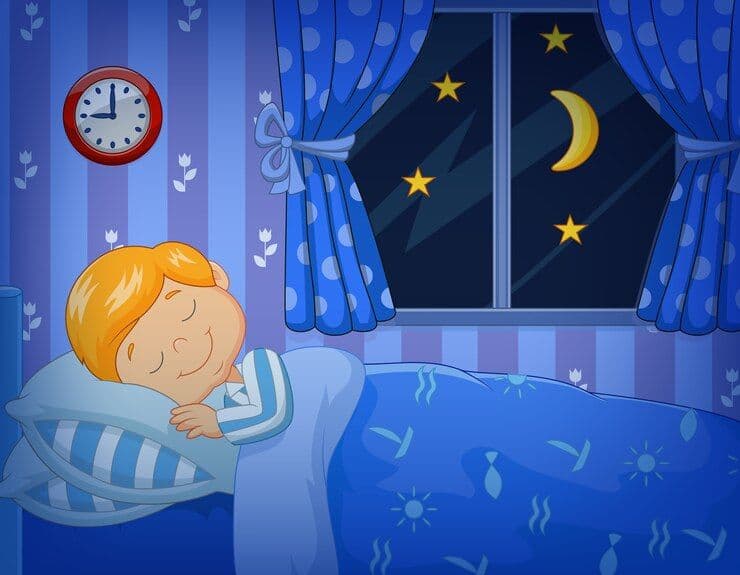

Listen and choose
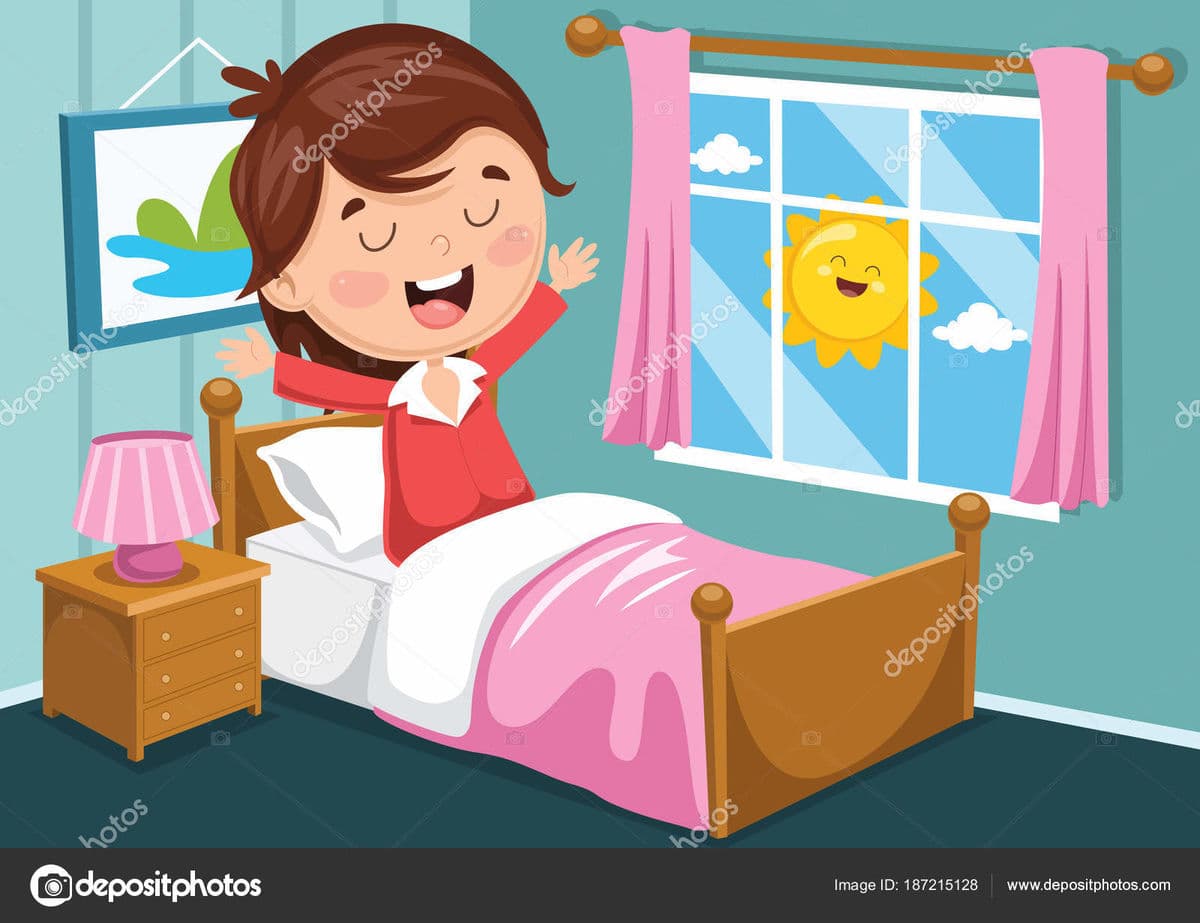
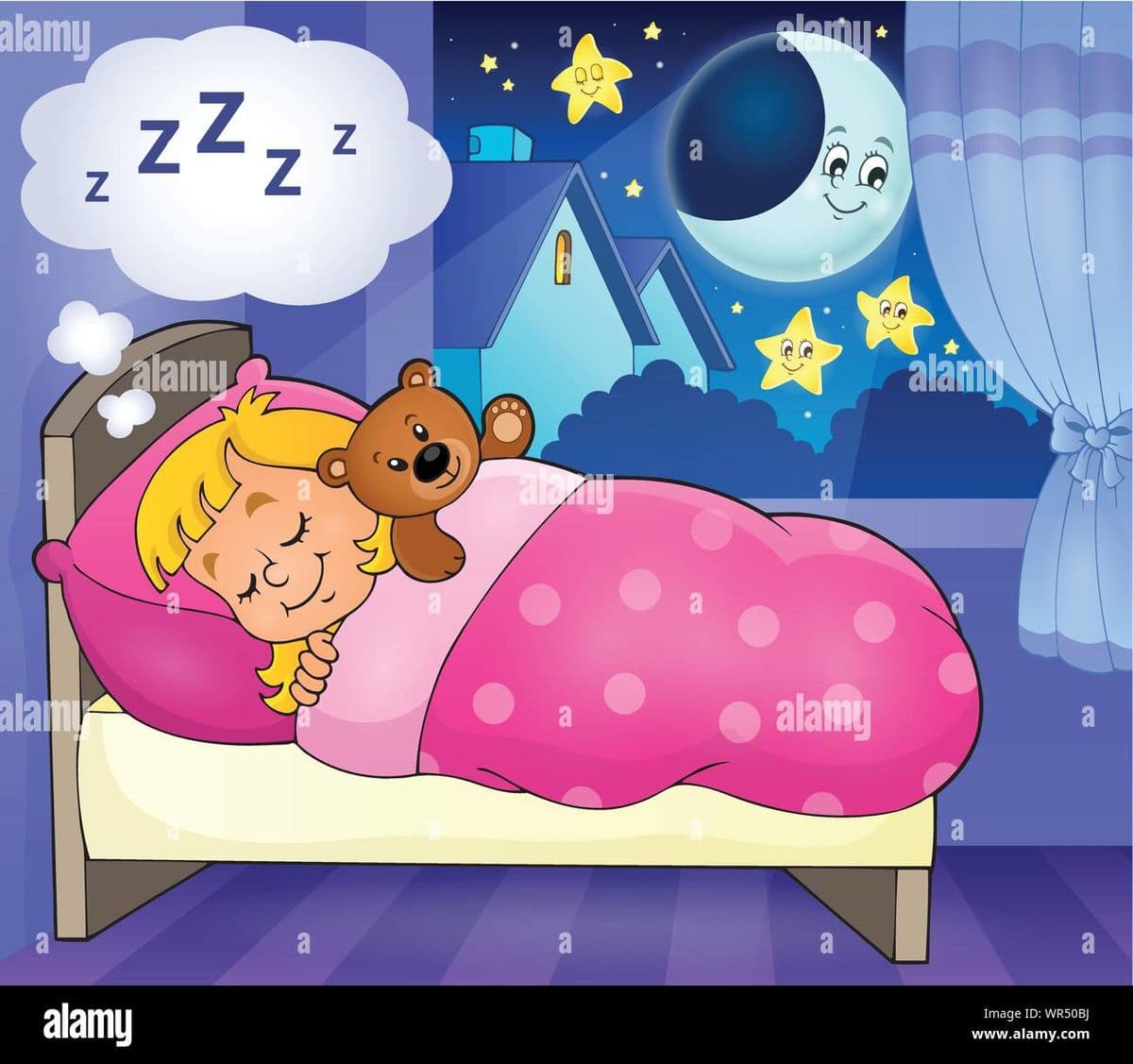
Listen and choose
Listen and choose
Listen and choose
Listen and choose
Listen and choose
Listen and choose
Listen and choose
Listen and choose
Listen and choose
Listen and choose
A shoemaker, by no fault of his own, had become so poor that at last he had nothing left but leather for one pair of shoes. So in the evening, he cut out the shoes which he wished to begin to make the next morning, and as he had a good conscience, he lay down quietly in his bed, commended himself to God, and fell asleep. In the morning, after he had said his prayers, and was just going to sit down to work, the two shoes stood quite finished on his table. He was astounded, and knew not what to say to it. He took the shoes in his hands to observe them closer, and they were so neatly made that there was not one bad stitch in them, just as if they were intended as a masterpiece. Soon after, a buyer came in, and as the shoes pleased him so well, he paid more for them than was customary, and, with the money, the shoemaker was able to purchase leather for two pairs of shoes. He cut them out at night, and next morning was about to set to work with fresh courage; but he had no need to do so, for, when he got up, they were already made, and buyers also were not wanting, who gave him money enough to buy leather for four pairs of shoes. The following morning, too, he found the four pairs made; and so it went on constantly, what he cut out in the evening was finished by the morning, so that he soon had his honest independence again, and at last became a wealthy man. Now it befell that one evening not long before Christmas, when the man had been cutting out, he said to his wife, before going to bed, "What think you if we were to stay up to-night to see who it is that lends us this helping hand?" The woman liked the idea, and lighted a candle, and then they hid themselves in a corner of the room, behind some clothes which were hanging up there, and watched. When it was midnight, two pretty little naked men came, sat down by the shoemaker's table, took all the work which was cut out before them and began to stitch, and sew, and hammer so skilfully and so quickly with their little fingers that the shoemaker could not turn away his eyes for astonishment. They did not stop until all was done, and stood finished on the table, and they ran quickly away. Next morning the woman said, "The little men have made us rich, and we really must show that we are grateful for it. They run about so, and have nothing on, and must be cold. I'll tell thee what I'll do: I will make them little shirts, and coats, and vests, and trousers, and knit both of them a pair of stockings, and do thou, too, make them two little pairs of shoes." The man said, "I shall be very glad to do it;" and one night, when everything was ready, they laid their presents all together on the table instead of the cut-out work, and then concealed themselves to see how the little men would behave. At midnight they came bounding in, and wanted to get to work at once, but as they did not find any leather cut out, but only the pretty little articles of clothing, they were at first astonished, and then they showed intense delight. They dressed themselves with the greatest rapidity, putting the pretty clothes on, and singing, "Now we are boys so fine to see, Why should we longer cobblers be?" Then they danced and skipped and leapt over chairs and benches. At last they danced out of doors. From that time forth they came no more, but as long as the shoemaker lived all went well with him, and all his undertakings prospered.Translator: Joseph Geni Reviewer: Morton Bast Before March, 2011, I was a photographic retoucher based in New York City. We're pale, gray creatures. We hide in dark, windowless rooms, and generally avoid sunlight. We make skinny models skinnier, perfect skin more perfect, and the impossible possible, and we get criticized in the press all the time, but some of us are actually talented artists with years of experience and a real appreciation for images and photography. On March 11, 2011, I watched from home, as the rest of the world did, as the tragic events unfolded in Japan. Soon after, an organization I volunteer with, All Hands Volunteers, were on the ground, within days, working as part of the response efforts. I, along with hundreds of other volunteers, knew we couldn't just sit at home, so I decided to join them for three weeks. On May the 13th, I made my way to the town of Ōfunato. It's a small fishing town in Iwate Prefecture, about 50,000 people, one of the first that was hit by the wave. The waters here have been recorded at reaching over 24 meters in height, and traveled over two miles inland. As you can imagine, the town had been devastated. We pulled debris from canals and ditches. We cleaned schools. We de-mudded and gutted homes ready for renovation and rehabilitation. We cleared tons and tons of stinking, rotting fish carcasses from the local fish processing plant. We got dirty, and we loved it. For weeks, all the volunteers and locals alike had been finding similar things. They'd been finding photos and photo albums and cameras and SD cards. And everyone was doing the same. They were collecting them up, and handing them in to various places around the different towns for safekeeping. Now, it wasn't until this point that I realized that these photos were such a huge part of the personal loss these people had felt. As they had run from the wave, and for their lives, absolutely everything they had, everything had to be left behind. At the end of my first week there, I found myself helping out in an evacuation center in the town. I was helping clean the onsen, the communal onsen, the huge giant bathtubs. This happened to also be a place in the town where the evacuation center was collecting the photos. This is where people were handing them in, and I was honored that day that they actually trusted me to help them start hand-cleaning them. Now, it was emotional and it was inspiring, and I've always heard about thinking outside the box, but it wasn't until I had actually gotten outside of my box that something happened. As I looked through the photos, there were some were over a hundred years old, some still in the envelope from the processing lab, I couldn't help but think as a retoucher that I could fix that tear and mend that scratch, and I knew hundreds of people who could do the same. So that evening, I just reached out on Facebook and asked a few of them, and by morning the response had been so overwhelming and so positive, I knew we had to give it a go. So we started retouching photos. This was the very first. Not terribly damaged, but where the water had caused that discoloration on the girl's face had to be repaired with such accuracy and delicacy. Otherwise, that little girl isn't going to look like that little girl anymore, and surely that's as tragic as having the photo damaged. (Applause) Over time, more photos came in, thankfully, and more retouchers were needed, and so I reached out again on Facebook and LinkedIn, and within five days, 80 people wanted to help from 12 different countries. Within two weeks, I had 150 people wanting to join in. Within Japan, by July, we'd branched out to the neighboring town of Rikuzentakata, further north to a town called Yamada. Once a week, we would set up our scanning equipment in the temporary photo libraries that had been set up, where people were reclaiming their photos. The older ladies sometimes hadn't seen a scanner before, but within 10 minutes of them finding their lost photo, they could give it to us, have it scanned, uploaded to a cloud server, it would be downloaded by a gaijin, a stranger, somewhere on the other side of the globe, and it'd start being fixed. The time it took, however, to get it back is a completely different story, and it depended obviously on the damage involved. It could take an hour. It could take weeks. It could take months. The kimono in this shot pretty much had to be hand-drawn, or pieced together, picking out the remaining parts of color and detail that the water hadn't damaged. It was very time-consuming. Now, all these photos had been damaged by water, submerged in salt water, covered in bacteria, in sewage, sometimes even in oil, all of which over time is going to continue to damage them, so hand-cleaning them was a huge part of the project. We couldn't retouch the photo unless it was cleaned, dry and reclaimed. Now, we were lucky with our hand-cleaning. We had an amazing local woman who guided us. It's very easy to do more damage to those damaged photos. As my team leader Wynne once said, it's like doing a tattoo on someone. You don't get a chance to mess it up. The lady who brought us these photos was lucky, as far as the photos go. She had started hand-cleaning them herself and stopped when she realized she was doing more damage. She also had duplicates. Areas like her husband and her face, which otherwise would have been completely impossible to fix, we could just put them together in one good photo, and remake the whole photo. When she collected the photos from us, she shared a bit of her story with us. Her photos were found by her husband's colleagues at a local fire department in the debris a long way from where the home had once stood, and they'd recognized him. The day of the tsunami, he'd actually been in charge of making sure the tsunami gates were closed. He had to go towards the water as the sirens sounded. Her two little boys, not so little anymore, but her two boys were both at school, separate schools. One of them got caught up in the water. It took her a week to find them all again and find out that they had all survived. The day I gave her the photos also happened to be her youngest son's 14th birthday. For her, despite all of this, those photos were the perfect gift back to him, something he could look at again, something he remembered from before that wasn't still scarred from that day in March when absolutely everything else in his life had changed or been destroyed. After six months in Japan, 1,100 volunteers had passed through All Hands, hundreds of whom had helped us hand-clean over 135,000 photographs, the large majority — (Applause) — a large majority of which did actually find their home again, importantly. Over five hundred volunteers around the globe helped us get 90 families hundreds of photographs back, fully restored and retouched. During this time, we hadn't really spent more than about a thousand dollars in equipment and materials, most of which was printer inks. We take photos constantly. A photo is a reminder of someone or something, a place, a relationship, a loved one. They're our memory-keepers and our histories, the last thing we would grab and the first thing you'd go back to look for. That's all this project was about, about restoring those little bits of humanity, giving someone that connection back. When a photo like this can be returned to someone like this, it makes a huge difference in the lives of the person receiving it. The project's also made a big difference in the lives of the retouchers. For some of them, it's given them a connection to something bigger, giving something back, using their talents on something other than skinny models and perfect skin. I would like to conclude by reading an email I got from one of them, Cindy, the day I finally got back from Japan after six months. "As I worked, I couldn't help but think about the individuals and the stories represented in the images. One in particular, a photo of women of all ages, from grandmother to little girl, gathered around a baby, struck a chord, because a similar photo from my family, my grandmother and mother, myself, and newborn daughter, hangs on our wall. Across the globe, throughout the ages, our basic needs are just the same, aren't they?" Thank you. (Applause) (Applause)Look out! You ... (fall) off the chair! are going to fall (prediction) It's so warm in my room now. I ... (open) the window. will open (unplanned decision) Shall I ........ (open ) the window? open (suggestion) I can't come to you with on Sunday because my parents ... (come) to stay with me. are coming (arrangement) On Monday ..... (play) football. I'm playing (play) We.............(see) that heavy bags for you. shall lift (offer) Don't be lazy, you .. (enter) the gym without sports shoes. won't enter (prediction) I promise, I ... (not tell) you parents! won't tell (promise) I think Susy ... (become) an architect one day, because she is really good at maths and drawing. will become (prediction) I promise I ... (be) there. will be (promise) I .... go running in the morning! will (spontaneous decision) Bank workers .............. (call) the police. are going to call (prediction) I ... help you with the shopping. will (offer) She ......... (dance) on a disco tonight. is going to dance (prediction) Lisa ........... (see) a sea this evening. is going to see (plan) I hope I ....my homework by 5 o'clock. will do (prediction) I promise I .......... (call). will call (promise) A-We don't have any bread. B- I know. I __________________ get some from the shop. a) am going to b) will will A: I'm really cold. B: I __________________ turn the heating on. a) am going to b) will will A: Are you going to John's party tonight? B: Yes. Are you going too? I __________________ give you a lift. a) am going to b) will will A: Why do you need to borrow my suitcase? B: I __________________ visit my mother in Scotland next month. a) am going to b) will am going to A: What are your plans after you leave university? B: I __________________ work in a hospital in Africa. I leave on the 28th. a) am going to b) will am going to (The phone rings) A: I __________________ get it! a) am going to b) will will A: Are you ready to order? B: I can't decide ... Okay, I __________________ have pasta, please. a) am going to b) will will A: Are you busy tonight? Would you like to have coffee? B: Sorry. I __________________ go to the library. I've been planning to study all day. a) am going to b) will am going to A: Why are you carrying a hammer? B: I __________________ put up some pictures. a) am going to b) will am going to好的,根據您提供的表格 [NEW SOURCE],以下是表格中例句的中文意思: * **1. all** * **全部的**:**All** my friends were here with me. (我所有的朋友當時都在這裡。) * **全部**:**All** of us enjoyed the movie. (我們所有人都很喜歡這部電影。) * **都**:He got **all** wet. (他全身都濕透了。) * **2. along** * **沿著**:We walked **along** the river yesterday evening. (我們昨天傍晚沿著河邊散步。) * **帶……一起**:When my mother goes out, she takes my little brother **along**. (我媽媽外出時,會帶著我的小弟弟一起去。) * **3. angle** * **觀點**:We should look at the problems from different **angles**. (我們應該從不同的觀點來看待這些問題。) * **角度**:The picture is hanging at an **angle** of 45°. (這張畫以 45 度的角度懸掛著。) * **4. answer** * **答案**:Do you know the **answer** to the question? (你知道這個問題的答案嗎?) * **回答;回應**:Could you **answer** the phone for me? (你可以幫我接一下電話嗎?) * **5. back** * **後面**:She wrote her cellphone number down on the **back** of the paper. (她把她的手機號碼寫在紙的背面。) * **後面的**:Open the **back** door, please. (請打開後面的門。) * **回原處**:It’s time to go **back** home. (該回家了。) * **6. bat** * **蝙蝠**:Did you ever see a **bat** flying quickly in the sky at night? (你曾經看過蝙蝠在夜空中快速飛行嗎?) * **球棒**:Swing the **bat** higher. (把球棒揮高一點。) * **擊**:It’s your turn to **bat**. (輪到你打擊了。) * **7. bite** * **一口的量**:Jane took a **bite** of the guava. (珍咬了一口芭樂。) * **咬**:The dog **bit** the woman’s leg. (那隻狗咬了那個女人的腿。) * **8. book** * **書**:I’ve just started reading a **book** by Stephen King. (我剛開始讀一本史蒂芬·金的書。) * **預訂;預約**:They **booked** two seats at the theater. (他們在劇院預訂了兩個座位。) * **9. block** * **街區**:Nancy and I live on the same **block**. (南希和我住在同一個街區。) * **阻擋**:Those heavy boxes **blocked** my way to the restroom. (那些沉重的箱子擋住了我去洗手間的路。) * **10. bow** * **蝴蝶結**:David chose a gray **bow** tie to go with his black suit. (大衛選擇了一個灰色蝴蝶領結來搭配他的黑色西裝。) * **鞠躬**:The actor **bowed** to everyone before he left the stage. (那位演員在離開舞台前向大家鞠躬。) * **11. break** * **暫停;休息**:I’m tired. Can we take a **break**? (我累了。我們可以休息一下嗎?) * **分解**:These plastic forks are hard to **break** down. (這些塑膠叉子很難分解。) * **打破**:The glass is very expensive. Don’t **break** it. (這個玻璃很貴。不要打破它。) * **12. bright** * **晴朗的**:It’s a **bright** morning. Why not take a walk along the river? (這是個晴朗的早晨。何不沿著河邊散步呢?) * **明亮的**:The room isn’t **bright** enough. Let’s not read here. (這個房間不夠明亮。我們不要在這裡閱讀。) * **13. call** * **打電話**:I got a **call** from my old friend last night. (我昨晚接到我老朋友的電話。) * **打電話**:Tina **called** me last night. We talked a lot about music. (蒂娜昨晚打電話給我。我們聊了很多關於音樂的事。) * **呼喊**:Listen! Is that a **call** for help? (聽!那是求救的呼喊嗎?) * **呼喊**:Why did you **call** my name then? (那你當時為什麼喊我的名字?) * **14. camp** * **營隊**:Patrick joined a science **camp** this summer. (派屈克今年夏天參加了一個科學營隊。) * **露營**:They **camped** by the river yesterday. (他們昨天在河邊露營。) * **15. case** * **箱;盒**:The kids drank the whole **case** of Coke. (孩子們喝掉了一整箱可樂。) * **實例;情況**:The number of new **cases** of Covid-19 is growing. (新冠肺炎的新增病例數正在增加。) * **16. catch** * **接球**:Nice **catch**! My good dog. (接得好!我的好狗狗。) * **罹患(病)**:My head hurts. I may **catch** a cold. (我頭痛。我可能感冒了。) * **抓住**:I didn’t **catch** the ball. (我沒有接到那個球。) * **17. change** * **零錢;找零**:I think you’ve given me the wrong **change**. (我想你找錯錢了。) * **改變;交換**:The leaves **change** (in color) from green to red in the fall. (秋天時,樹葉的顏色從綠色變成紅色。) * **18. clean** * **打掃;清理**:Tom **cleans** the toilet once a week. (湯姆一週打掃一次馬桶。) * **乾淨的**:The water isn’t **clean**. Don’t drink it. (這水不乾淨。不要喝。) * **19. close** * **關;闔**:**Close** your books, students. Let’s have a pop quiz. (同學們,把你們的書闔上。我們要進行隨堂測驗。) * **靠近地**:Jane sat **close** to her husband at the party. (在派對上,珍緊挨著她的丈夫坐著。) * **20. cold** * **感冒**:I had a **cold** a week ago. (我一個星期前感冒了。) * **寒冷的**:It was **cold** last night. (昨晚很冷。) Good morning, Sam! How are you today? I am very happy. It’s summer and my birthday is coming. When is your birthday, Sam? My birthday is on July 12th. I will be seven years old. What do you do on your birthday? I always have a picnic with my family. Do you want to come to my birthday party? I can’t. I’m sorry. We are going hiking that day. Good morning, Dad. Where are you going? I am leaving for work. I will take a trip into the city. Will you drive into the city? No, I won't. The traffic is very bad. I will buy a ticket and take the train. Do you like to be a passenger on the train? Yes, I like it. I can sleep or read a book. I think taking the train is better than driving. Will you take a tour of the city? No, I don't have enough time. We can take one for your birthday! Great!Good morning, Timmy! What are you doing? Good morning, Miss Jill. I’m drawing a line. That’s too easy, Timmy. How about drawing a fish? That’s a good idea. I love fish. Look! I drew a fish. What do you think? I think it’s beautiful. How about coloring it? Ok, I will color it yellow and orange. Wow, it looks really great. Well done, Timmy.Cindy: Good morning, Sam! How are you today? Sam: I am very happy. It’s summer and my birthday is coming. Cindy: When is your birthday, Sam? Sam: My birthday is on July 12th. I will be seven years old. Cindy: What do you do on your birthday? Sam: I always have a picnic with my family. Sam: Do you want to come to my birthday party? Cindy: I can’t. I’m sorry. We are going hiking that day.