Classify matter as elements, compounds, or mixtures based on how the atoms are packed together in arrangements
Explain how the physical properties of elements and their reactivity have been used to produce the current model of the Periodic Table of elements
Compare physical changes such as size, shape and state to chemical changes that are the result of a chemical reaction to include changes in temperature, color, formation of a gas or precipitate
Explain how the idea of atoms and a balanced chemical equation support the law of conservation of mass.
Explain the environmental consequences of the various methods of obtaining, transforming, and distributing energy.
Explain the implications of the depletion of renewable and nonrenewable energy resources and the importance of conservation.
Summarize evidence that Earth’s oceans are a reservoir of nutrients, minerals, dissolved gases, and life forms:
• Estuaries
• Marine ecosystems
• Upwelling
• Behavior of gases in the marine environment
• Value and sustainability of marine resources
• Deep ocean technology and understandings gained
Predict the safety and potability of water supplies in North Carolina based on physical and biological factors, including:
• Temperature
• Dissolved oxygen
• pH
• Nitrates and phosphates
• Turbidity
• Bio-indicator
Infer the age of Earth and relative age of rocks and fossils from index fossils and ordering of rock layers (relative dating and radioactive dating).
Explain the use of fossils, ice cores, composition of sedimentary rocks, faults, and igneous rock formations found in rock layers as evidence of the history of the Earth and its changing life forms.
Summarize the basic characteristics of viruses, bacteria, fungi and parasites relating to the spread, treatment and prevention of disease
Summarize the relationships among producers, consumers, and decomposers including the positive and negative consequences of such interactions including:
• coexistence and cooperation
• competition (predator/prey)
• parasitism
• mutualism
Summarize aspects of biotechnology including:
• Specific genetic information available
• Careers
• Economic benefits to North Carolina
• Ethical issues
• Implications for agriculture
Explain how factors such as food, water, shelter, and space affect populations in an ecosystem.
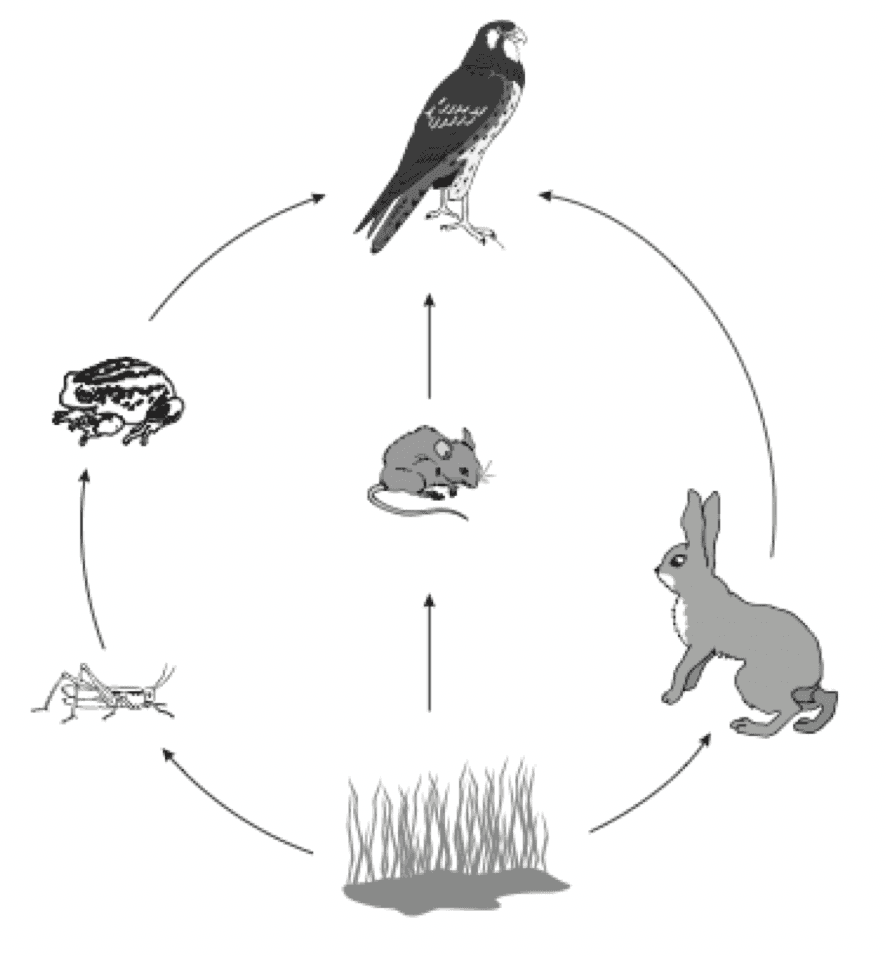
Explain how the flow of energy within food webs is interconnected with the cycling of matter (including water, nitrogen, carbon dioxide, and oxygen)
Summarize the use of evidence drawn from geology, fossils, and comparative anatomy to form the basis for biological classification systems and the theory of evolution
Explain the relationship between genetic variation and an organism’s ability to adapt to its environment.
Explain the relationship among a healthy diet, exercise, and the general health of the body (emphasis on the relationship between respiration and digestion).
Explain the structure of the hydrosphere including:
• Water distribution on earth
• Local river basin and water availability
Explain the difference between epidemic and pandemic as it relates to the spread, treatment and prevention of disease.
Conclude that the good health of humans requires:
• Monitoring of the hydrosphere
• Water quality standards
• Methods of water treatment
• Maintaining safe water quality
• Stewardship
Summarize how food provides the energy and the molecules required for building materials, growth and survival of all organisms (to include plants).
Track each student's skills and progress in your Mastery dashboards