Explain the impact of economic, political, social, and military conflicts (e.g. war, slavery, states’ rights and citizenship and immigration policies) on the development of North Carolina and the United States.
Explain how migration and immigration contributed to the development of North Carolina and the United States from colonization to contemporary times (e.g. westward movement, African slavery, Trail of Tears, the Great Migration and Ellis and Angel Island).
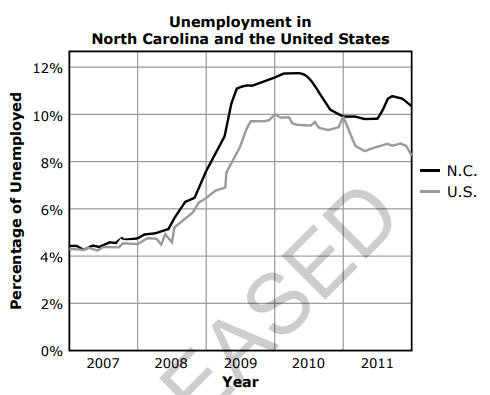
Use economic indicators (e.g. GDP, inflation and unemployment) to evaluate the growth and stability of the economy of North Carolina and the United States.
Explain how conflict, cooperation, and competition influenced periods of economic growth and decline (e.g. economic depressions and recessions).
Summarize democratic ideals expressed in local, state, and national government (e.g. limited government, popular sovereignty, separation of powers, republicanism, federalism and individual rights).
Explain how influences from Africa, Europe, and the Americas impacted North Carolina and the United States (e.g. Columbian Exchange, slavery and the decline of the American Indian populations).
Analyze issues pursued through active citizen campaigns for change (e.g. voting rights and access to education, housing and employment).
Understand the human and physical characteristics of regions in North Carolina and the United States (e.g. physical features, culture, political organization and ethnic make-up).
Summarize the role of debate, compromise, and negotiation during significant periods in the history of North Carolina and the United States
Summarize the contributions of particular groups to the development of North Carolina and the United States (e.g. women, religious groups, and ethnic sectors such as American Indians, African Americans, and European immigrants).
Summarize how leadership and citizen actions (e.g. the founding fathers, the Regulators, the Greensboro Four, and participants of the Wilmington Race Riots, 1898) influenced the outcome of key conflicts in North Carolina and the United States.
Track each student's skills and progress in your Mastery dashboards