Loading...

Ground Cover
Quiz by Yvette Ingram
Customize this quiz to suit your class
Instantly translate to 100+ languages
Tag the questions with any skills you have. Your dashboard will track each student's mastery of each skill.
Give this quiz to my class

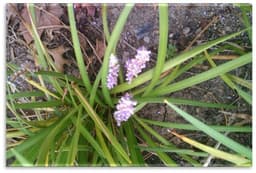
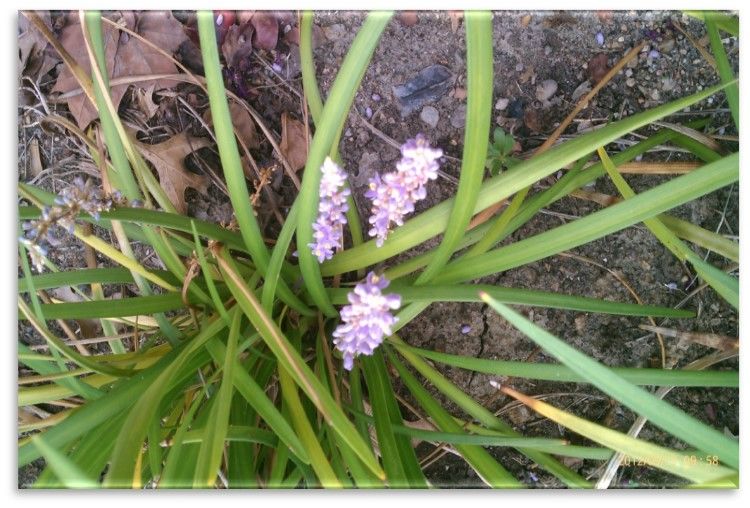
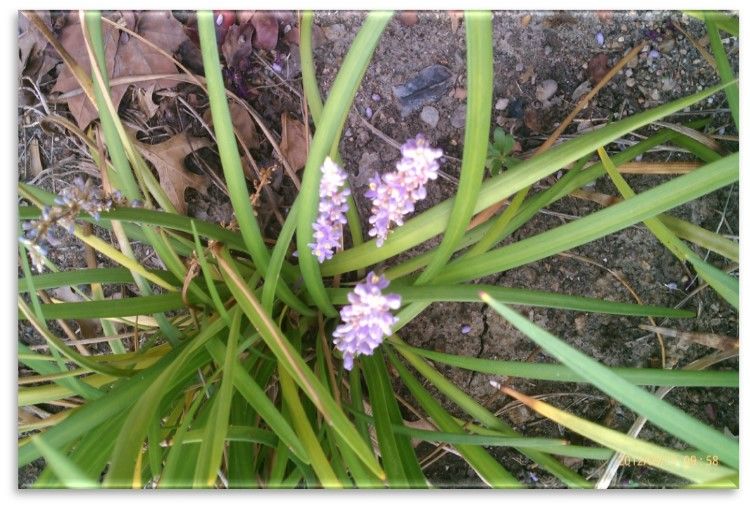
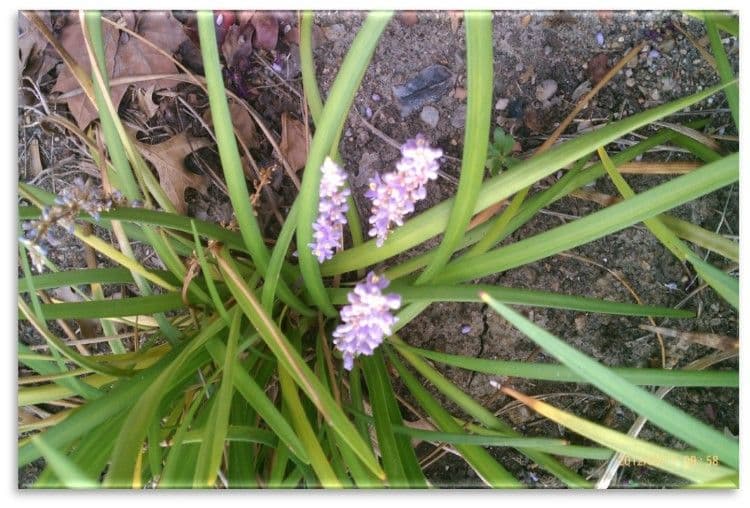
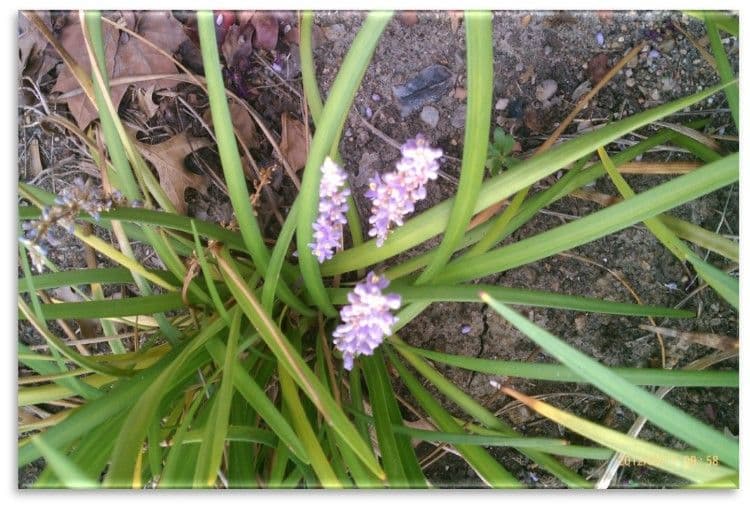
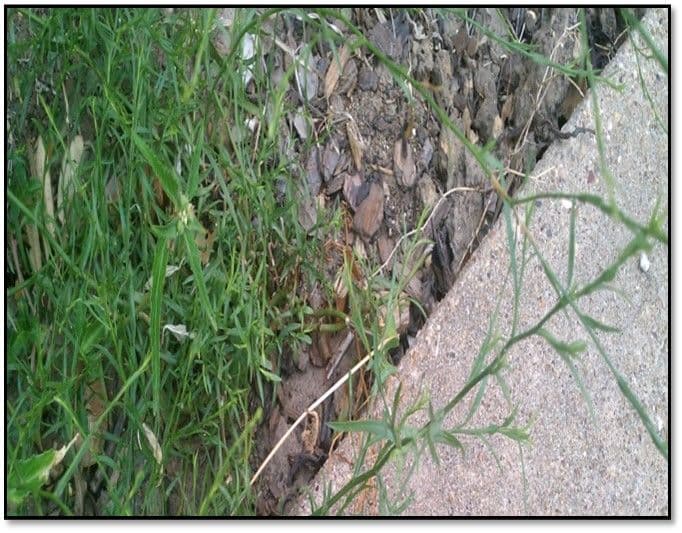
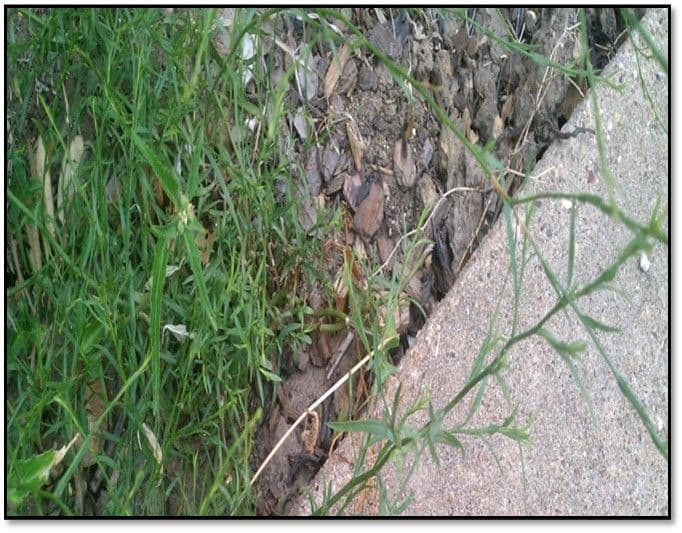
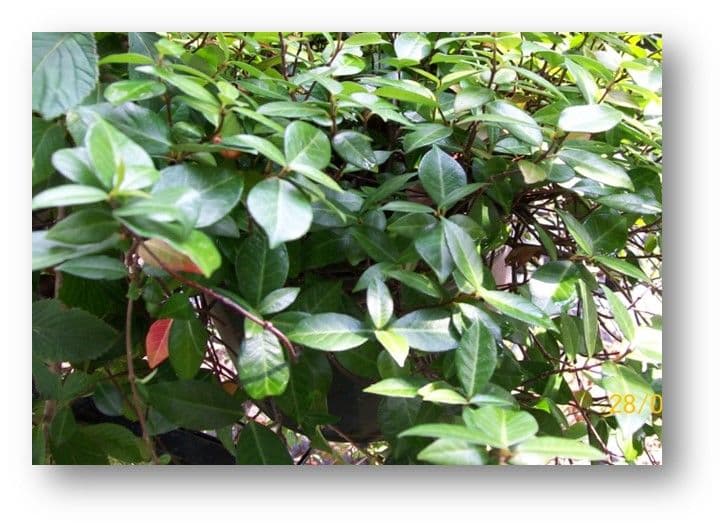
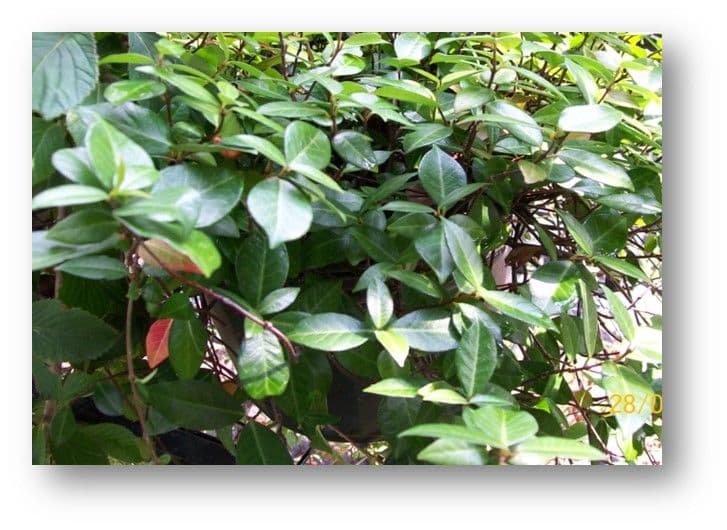
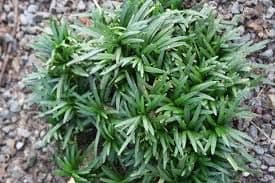
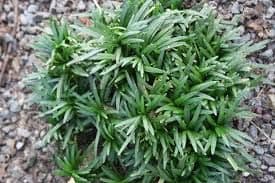
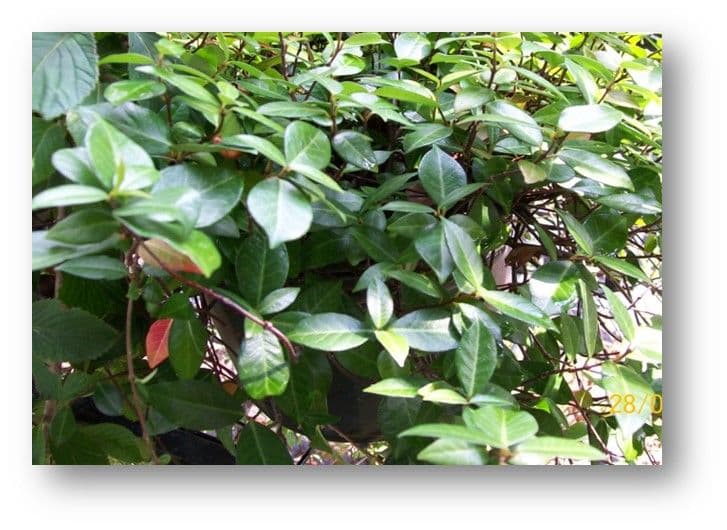
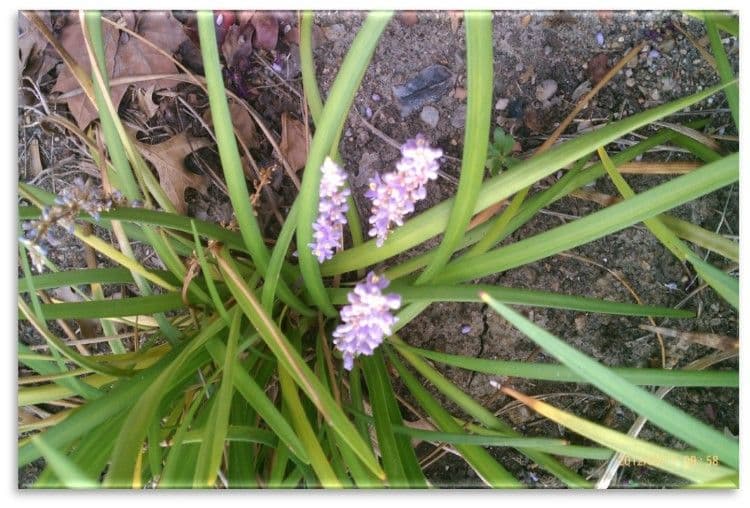
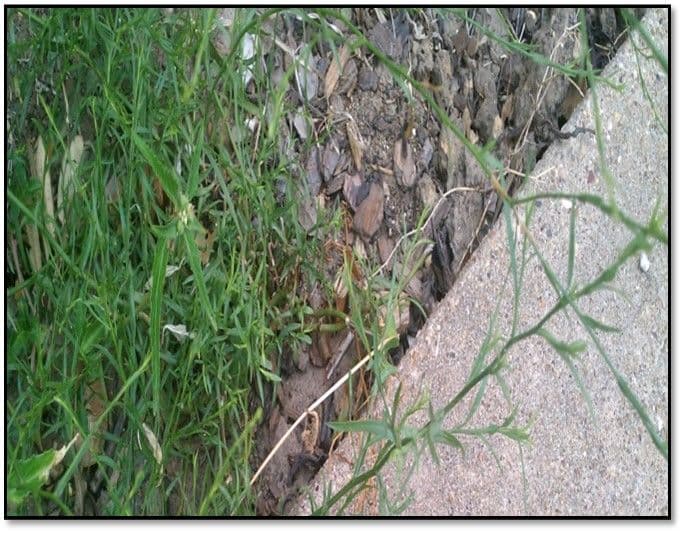
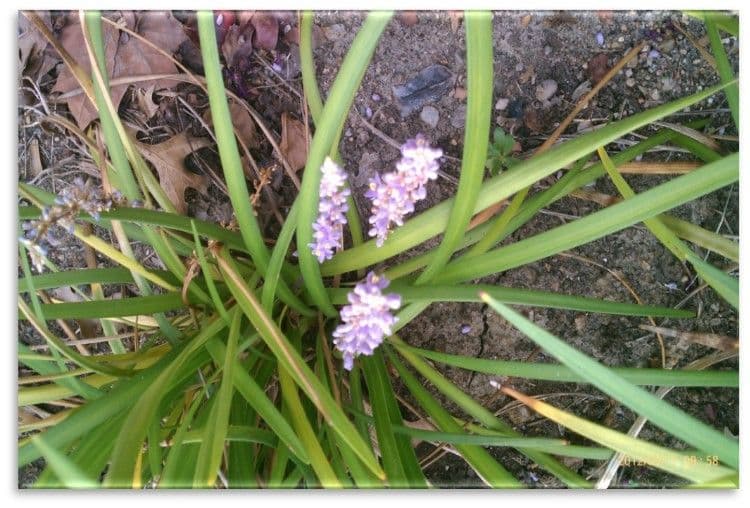
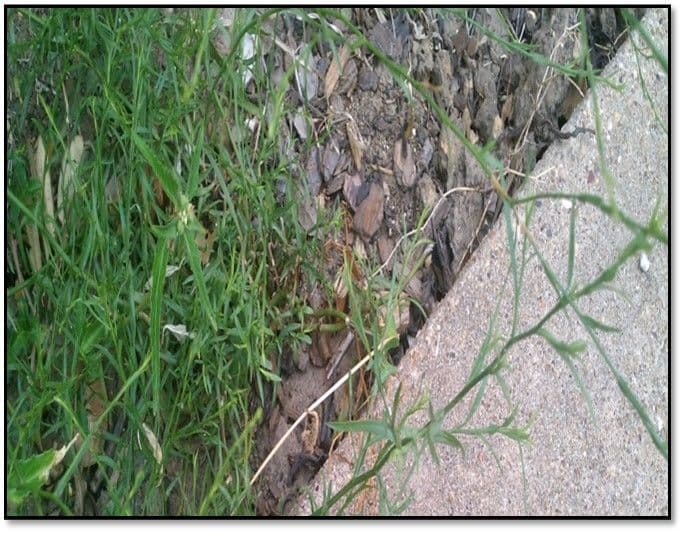
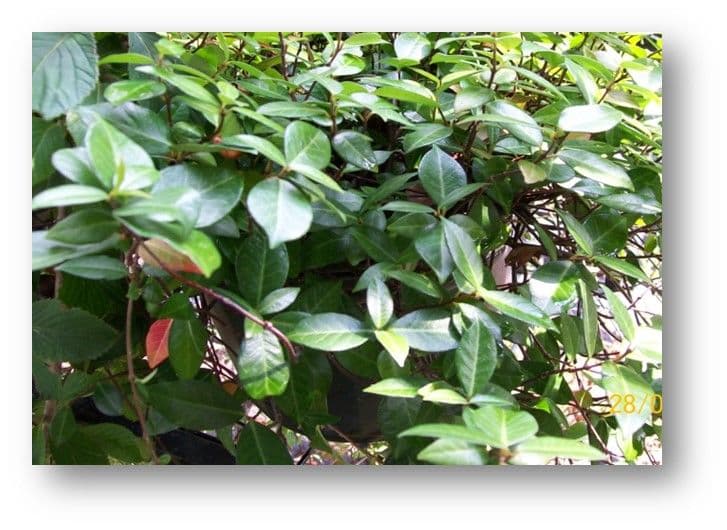
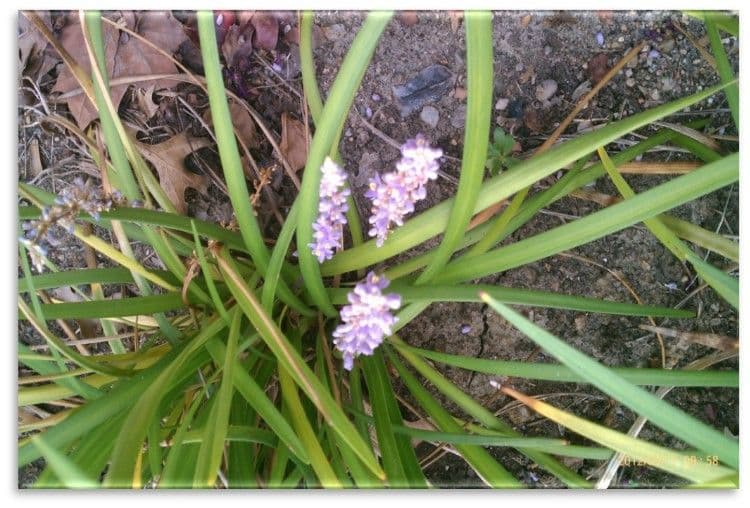
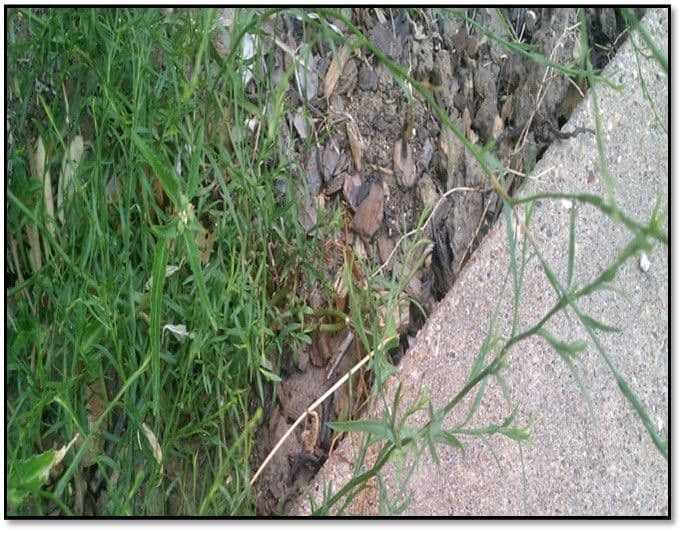
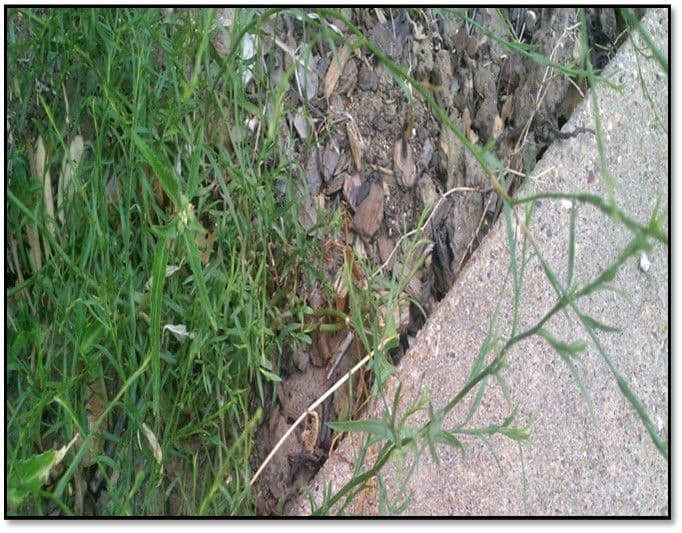
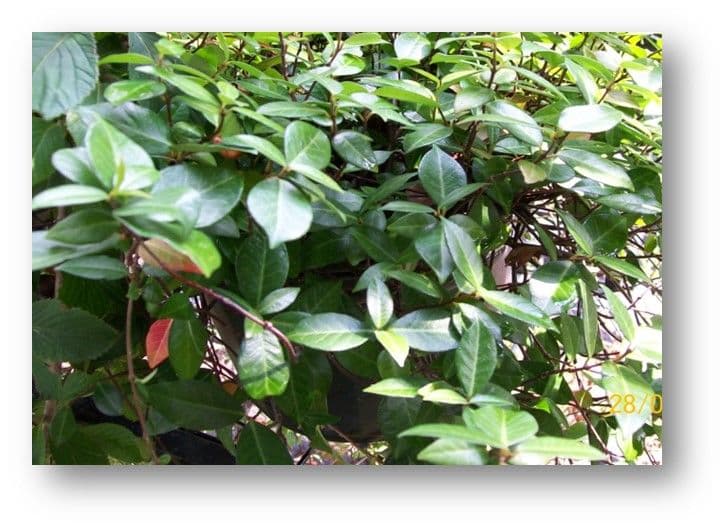
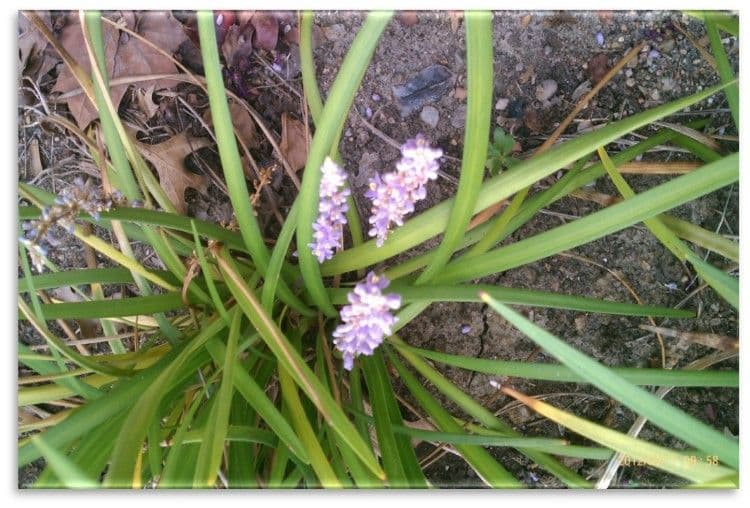
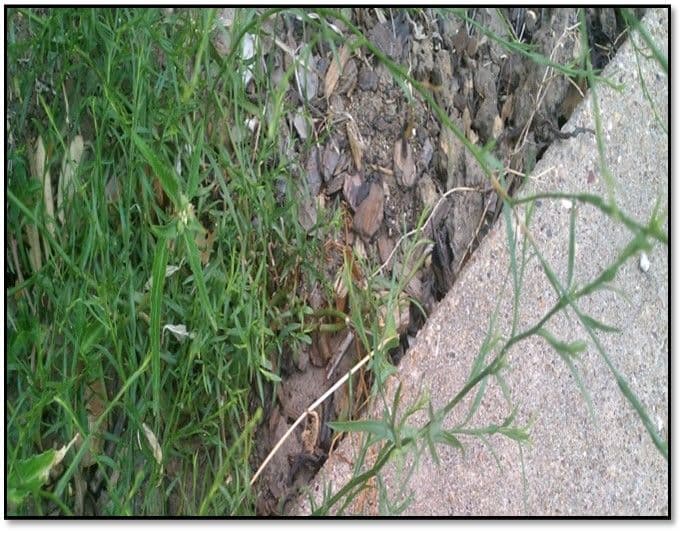
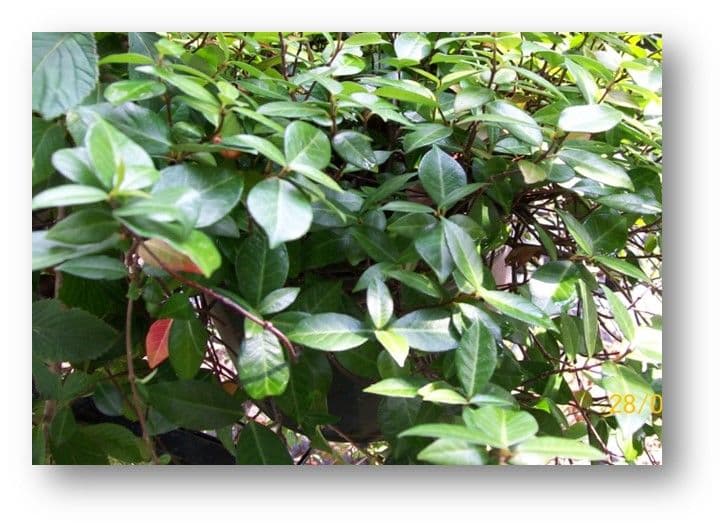
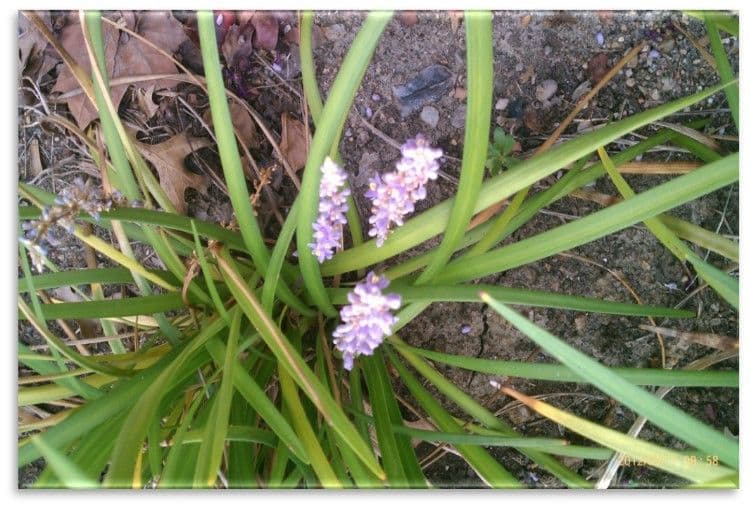
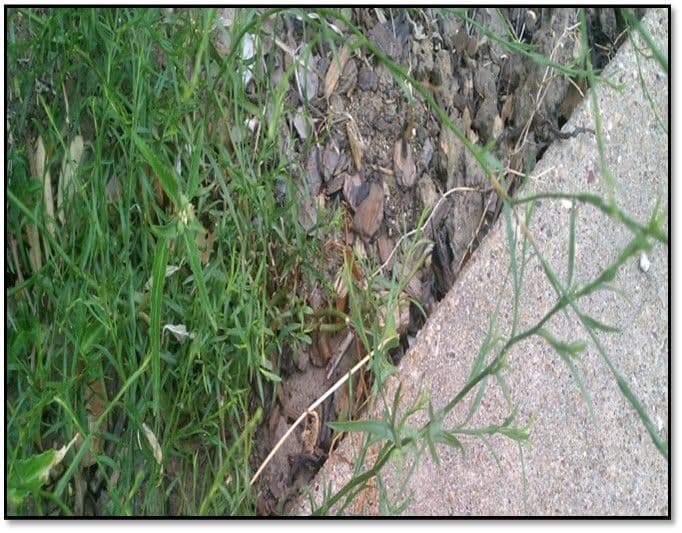
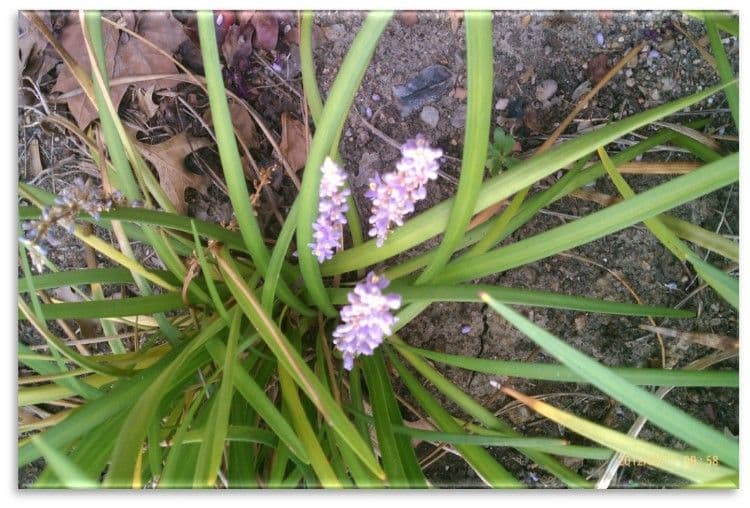
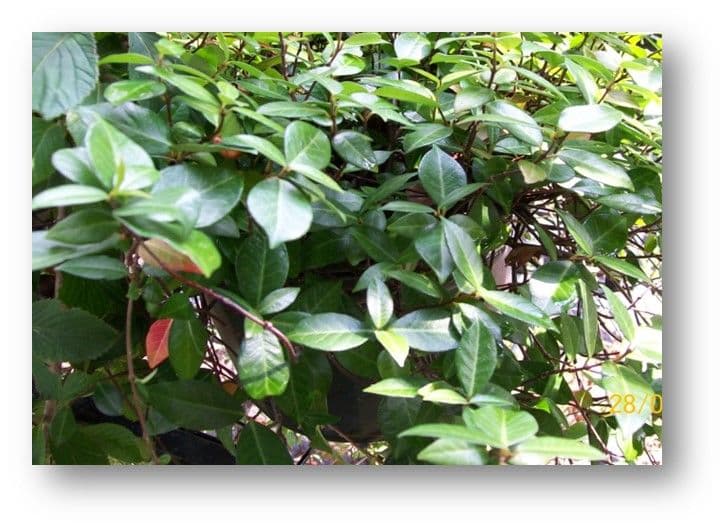
Ground Cover ID
Out of the darkness Do you know any disasters? What can we do to escape from them? Flood water: I Evacuate dangerous areas immediately. 2 Move to higher ground far from water. 3 Avoid crossing through water. Fire: I Call the local fire reporting telephone (119 in China). 2 Use the stairs to get out. 3 Try to keep your body close to the ground and cover your nose and mouth with a wet towel. Earthquake: If you were indoors... I Drop under a table or a piece of solid(çťĺŽç) furniture nearby. 2 Cover your head and torso (躯嚲) to prevent being hit by falling objects. If you were outdoors... I Stay outdoors until the shaking is over. 2 Stay away from buildings, street lights and utility wires. 3 If in a vehicle, stop as quickly as possible and stay in the vehicle. 4 If trapped under debris (ç˘ç), stay calm and take preventative measures.
Clothes: What do you wear when it's cold? A. Swim trunks B. Hat C. Gloves D. Sweater What do you wear when it's rainy? A. Sunglasses B. Ski suit C. Flip-flops D. Umbrella What do you wear in the summer to stay cool? A. Snowsuit B. Scarf C. Boots D. T-shirt Seasons of the Year: Which season comes after winter? A. Autumn B. Summer C. Winter D. Spring What do you like to do in the summer? A. Play hockey B. Run with sleds C. Catch snowflakes D. Swim Weather: What do you wear on a sunny day? A. Ski suit B. Neck warmer C. Gloves D. Sunglasses What happens to puddles on a warm, sunny day? A. Expand B. Turn into ice C. Dry up D. None of the above How does the sky look when it's going to rain? A. Clear B. Orange C. Cloudy D. Golden Mix: What do you wear when it's cold and snowy? A. Swimsuit B. Cowboy boots C. Ski helmet D. Winter jacket What grows on trees in the summer? A. Vegetables B. Colorful leaves C. Carrots D. Fruits What do you do when it's windy? A. Swim in a pool B. Listen to music C. Run with sleds D. Fly a kite Which of the following is a season when it's cold and snowy? A. Summer B. Spring C. Autumn D. Winter What do you wear when it's hot in the summer? A. Ski suit B. Boots C. Scarf D. Straw hat Which of the following are signs of spring? A. Leaves fall B. Snow covers the ground C. Trees lose their leaves D. Flowers bloom What clothing do you wear when it's raining? A. Gloves B. Ski suit C. Sunglasses D. Rain poncho
Resentment, n. - a feeling of displeasure or anger about something unfair (42) might, n.- power or force (43) contagious, adj. - able to be passed between people or animals (44) fragile, adj. - easily broken (45) litter, n. - 1. a covered bed with long poles at the bottom for carrying someone of high importance; 2. trash lying on the ground; 3. a group of baby animals born at the same time (48)
Brazil Where Is It? Brazil is the biggest country in South America. It covers almost half of the continent. Other countries border it to the north, south, and west. The Atlantic Ocean is to the east. The capital city of Brazil is BrasĂlia. BrasĂlia became the capital in 1960. The city was built to be the capital. It was built in only a few years. People. More than 200 million people live in Brazil. Most people in Brazil speak Portuguese. Most people in Brazil live in cities. Many of these cities are on the coast. Some people live in the country. Land. Brazil has many different kinds of land. It has beaches and tall mountains. It also has flat land covered with water. Brazil is home to the Amazon rainforest. It covers almost half of Brazil. It is the biggest rainforest in the world. The Amazon River runs through the rainforest. It is one of the longest rivers in the world. Celebrations. People in Brazil celebrate Carnaval. The holiday happens during Brazil's summer. It goes on for four days. People dress up and walk in big parades. People play many different kinds of music. The party is one of the biggest in the world. Animals. Many animals live in the Amazon rainforest. Parrots live there. They have colorful feathers. Colorful frogs live there, too. They live on the ground and in the trees. Many ants live in the rainforest. Fire ants and leaf-cutter ants live there. Many spiders live in the rainforest, too. The biggest spider in the world lives there. Conclusion. Brazil is an exciting country. It has big cities. It has forests filled with many animals. What do you like most about Brazil? Brazil. Population: 202,656,788. Land: 8,458,417 sq km (3,265,813 sq. mi.) Capital City: BrasĂlia. Primary Language: Portuguese. Currency: Real.
Earth's Water Water Everywhere. Water fills oceans, lakes, and ponds. It flows in rivers, streams, and underground. It is even in the air. Some parts of Earth have snow and ice, which are frozen water. Water covers most of Earth's surface. Salt water in the oceans makes up much of Earth's water. Earth has much less fresh water. Many plants and animals need this fresh water to survive. Some of this fresh water is aboveground, while other fresh water is underneath Earth's surface. What are some ways you use Earth's water? Different Forms of Water. Liquid water is the most common state of Earth's water. It takes the shape of the container it is in. Liquid water is always moving even if you can't see it move. It flows in rivers and streams, and it crashes as ocean waves. Not all water is liquid. When liquid water gets very cold, it freezes to form ice. Ice is another state of water-solid water. Ice can float on liquid water. People form ice into different shapes. Artists even carve ice to make sculptures. Much of Earth's frozen water is at the North and South Poles, Earth's coldest areas. Some of Earth's water is in an invisible state as a gas called water vapor. While it's always invisible, water vapor is all around us. Changing Water. Earth's water is always changing from one state to another. When frozen water is heated, it melts and becomes liquid water. When liquid water is cooled, it freezes and becomes ice. Liquid water can become a gas, too. Have you ever seen a puddle of water dry up on a hot day? Energy from the Sun changed the liquid to a gas in a process called evaporation. Water evaporates from oceans, rivers, lakes, and puddles all over the world. When water vapor in the air cools down, it changes from a gas to a liquid. This process is called condensation. Clouds are made up of tiny drops of water formed by condensation. The tiny drops stick together, creating larger, heavier drops. Once they're large enough, they fall to the ground as rain or another type of precipitation. Water Is Important. Rain keeps plants alive and allows them to keep growing. People and other animals need water to survive. We also use it for other purposes, such as fighting fires. It is important to take care of Earth's water. Keeping waste and trash away from water keeps it from becoming dirty and unusable. Polluted water makes people, plants, and animals sick. Would you want to drink and play in polluted water?
Acetic acid â a chemical substance with an inhibiting effect on the growth of microorganisms and which is present in vinegar.Acetic Acid Fermentation Fermentation preserves food through the metabolic activities of selected groups of microorganisms. During the process, compounds such as lactic acid, acetic acid and alcohol are developed and result in a more or less stable food form. It makes food more nutritious as dietary source of proteins, vitamins and minerals.Vinegar is an example of the product of acetic acid fermentation which also undergoes alcoholic fermentation to complete the process.Filter â is a device, substance (like paper or charcoal), or process that separates unwanted components from a fluid Cheesecloth-is a loose-woven, gauze-like cotton fabric used for straining liquids from solids.Decant- gradually pour (liquid, typically wine or a solution) from one container into another, especially without disturbing the sediment. Sediment-is solid material (like sand, silt, clay, rocks, organic matter) broken down by weathering, transported by wind, water, or ice, and deposited in a new location, settling at the bottom of water bodies or on land.How to make vinegar?1.Grind or crash the fruit, then boil in water of the same amount as the ground flesh, peels and cores. Boil until soft, and then strain the juice through a cheesecloth2.Add Âź (one-fourth) pound of sugar for every liter of juice extracted from fruit peels and cores. Do not add sugar when using ripe fruit.3.Add Âź of a cake of fresh yeast that has been well-broken up, for every liter of juice. Stir very well, and then place in glass jars. Cover with a clean cloth and let the mixture stand for about two weeks .4. After two weeks, separate the clear liquid from the sediment. Prepare fresh, unpasteurized vinegar also called âmother vinegarâ which is the white gummy mass that usually forms in vinegar. Add this to the liquid and mix very well. Over the container with cloth, then allow to stand in a warm place until it has acquired a flavor strong enough to use.5.Filter the clear liquids, then pour in a bottle and cover tightly.USES OF VINEGAR1. Insect salve and repellent. 2. Kill weeds and remove ants. 3. Enhance bricks. 4.Open a tight jar. 5.Clean scissors. 6.Remove smoke odors. 7. Remove pit stains. 8. Make hair shine. 9. Fruit fly trap. 10. Car care.Â

Title (Slide 0): "Digging Deeper: The Truth About Tillage" Subtitle: How turning the soil affects plants, microbes, and the planet Slide 1: What Is Tillage? Tilling the soil means digging, turning, and loosening it using tools or machines. It's a common farming practice to prepare the land before planting. Slide 2: Why Do Farmers Till? Tillage is usually done before planting to: ⢠Soften and aerate the soil ⢠Mix in nutrients ⢠Remove weeds ⢠Bury crop residues for decomposition and fertility Slide 3: Tools Used for Tillage Farmers use tools like: ⢠Ploughs: Cut deep into the soil ⢠Harrows: Break up clumps and smooth the surface Slide 4: Ploughs vs. Harrows ⢠Ploughs: Used first, go deep, lift and flip soil ⢠Harrows: Used after ploughs, work on the surface to break clumps and level the soil Slide 5: Types of Tillage Systems From most to least soil disturbance: ⢠Conventional Tillage: Deep ploughing ⢠Minimum Tillage: Light disturbance ⢠Conservation Tillage: Only disturb seed zone, keep residues on top ⢠Zero Tillage (No-Till): Plant directly into undisturbed soil Slide 6: Problem 1 â Soil Erosion Tillage removes protective cover, exposing soil to wind and rain. Result: topsoilâthe most fertile layerâis easily washed or blown away. Slide 7: Problem 2 â Disruption of Soil Life Soil is a living ecosystem! ⢠Worms, fungi, and bacteria help aerate soil and release nutrients ⢠Tillage destroys their habitat, reducing fertility and soil health Slide 8: Problem 3 â Loss of Soil Structure Healthy soil has pores for air, water, and roots. Tillage breaks the sponge-like structure, and soil compacts over timeâlike flattening it into a pancake. Hard soil = poor plant growth. Slide 9: Problem 4 â Decreased Organic Matter Microbes "eat" organic matter through aerobic respiration (using Oâ and releasing COâ). Tillage adds oxygen, microbes speed up, and burn through the soilâs âpantryâ of organic matterâleaving it empty and poor. Slide 10: Problem 5 â Greenhouse Gas Emissions Faster decomposition = more COâ released. Tillage boosts microbial activity, which increases carbon dioxide emissionsâcontributing to climate change. â
Conclusion (Slide 11): đą Tillage: A Double-Edged Tool Tillage can help prepare the soil and control weedsâbut it comes at a cost. Over time, repeated tilling can strip away organic matter, destroy soil life, and release greenhouse gases. It's like spending all your savings for quick resultsâand being left with nothing for the future. The smarter path? Use reduced or no-till methods that protect soil health, keep carbon in the ground, and support long-term farming success.