Loading...


Help Blue Find the Missing Ingredients! 🥪 | Blue's Cooking Game #1! | Blue's Clues & You!
Quiz by Juliana Cuervo
Customize this quiz to suit your class
Instantly translate to 100+ languages
Tag the questions with any skills you have. Your dashboard will track each student's mastery of each skill.
Give this quiz to my class
How many sandwiches did Blue make?
What's his name?
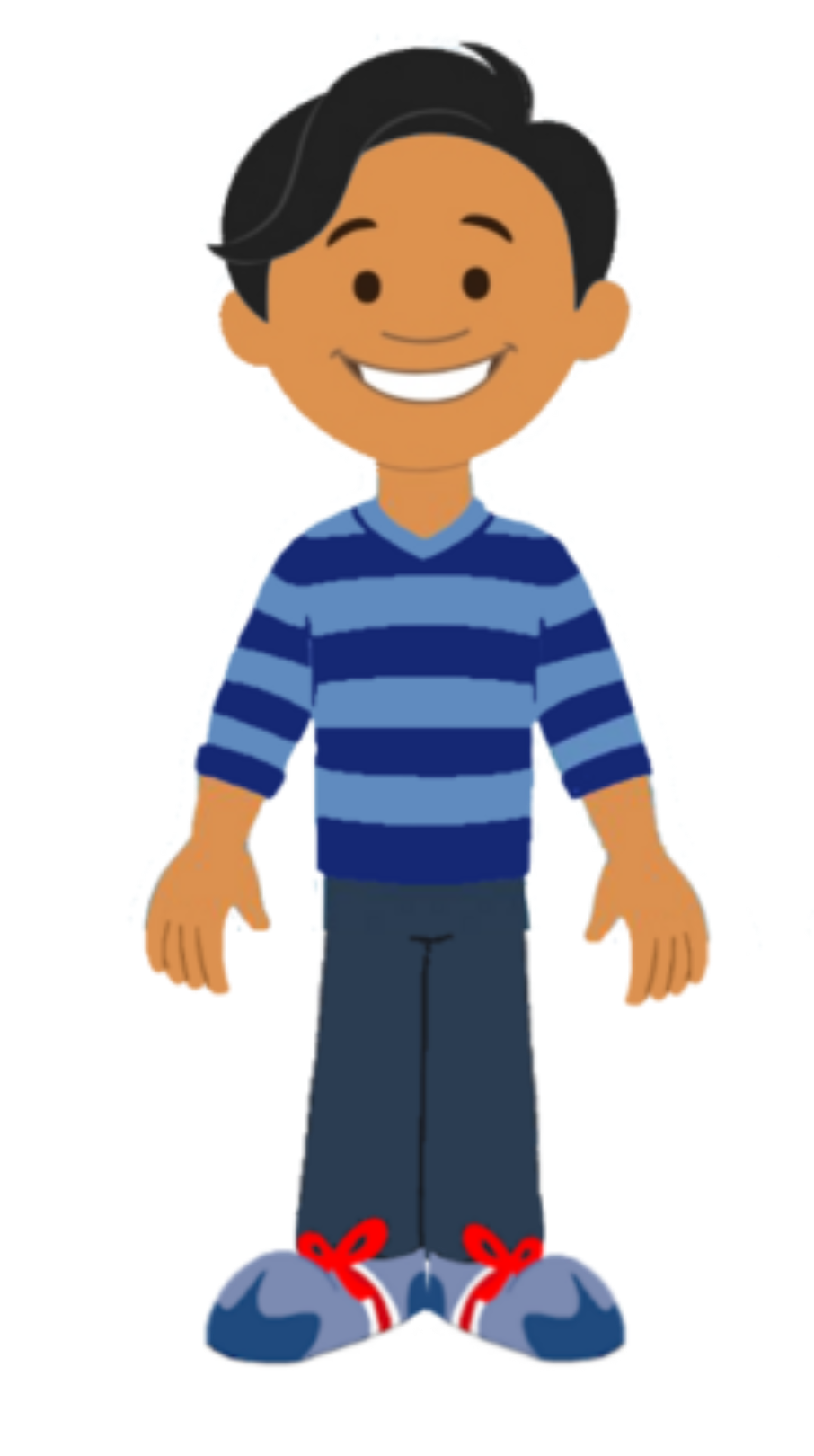
Archer
Jonah
Josh
Ash
How many sandwiches did Blue make?
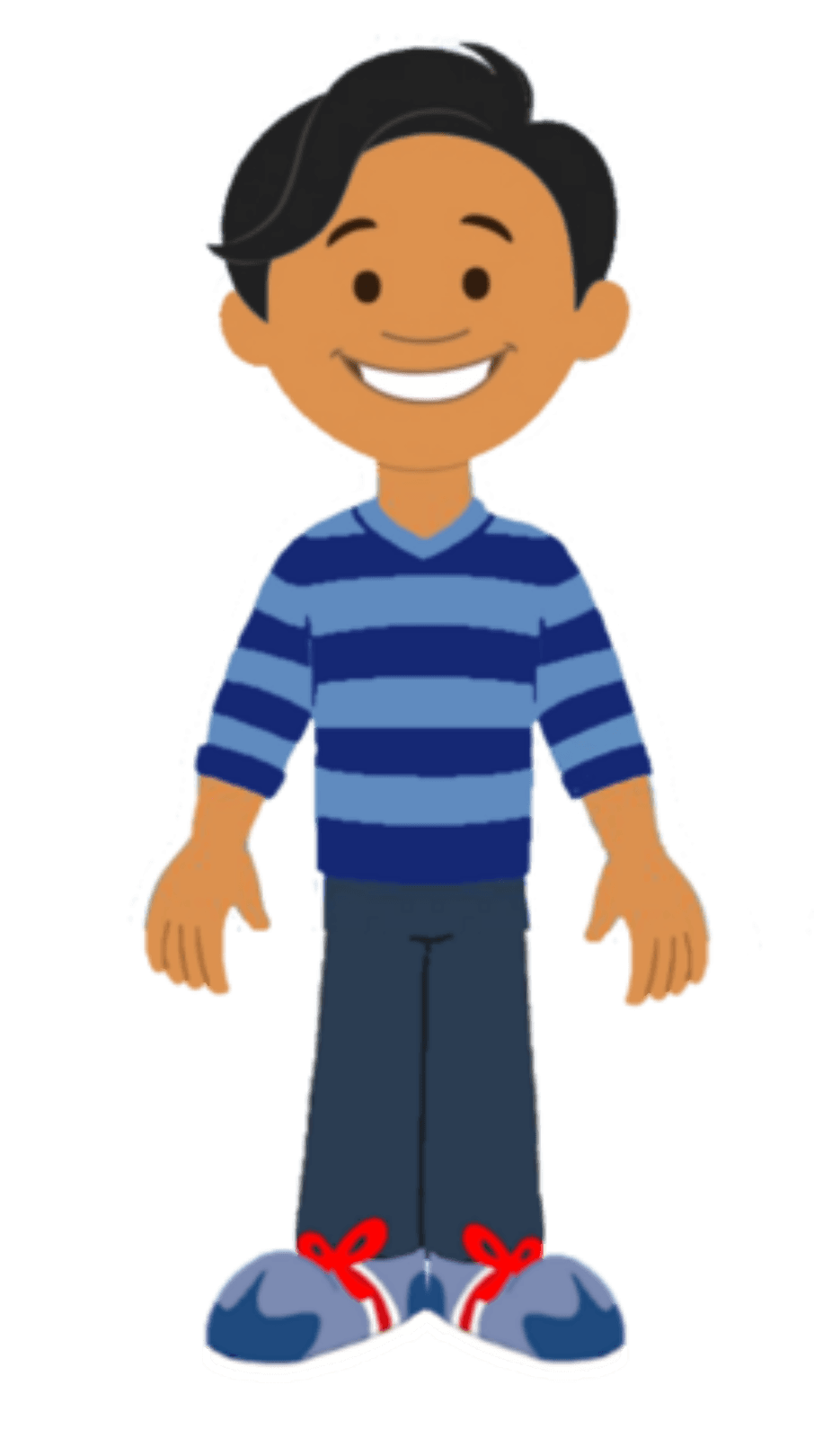
What's his name?
Group each item in the corresponding category
Which ingredient is in the veggie sandwich? There's more than 1 correct answer.
Match each character with their sides
Which ingredient is in the BLT sandwich? There's more than 1 correct answer.
Periwinkle wants a club sandwich.
Who is Mr. Salt?
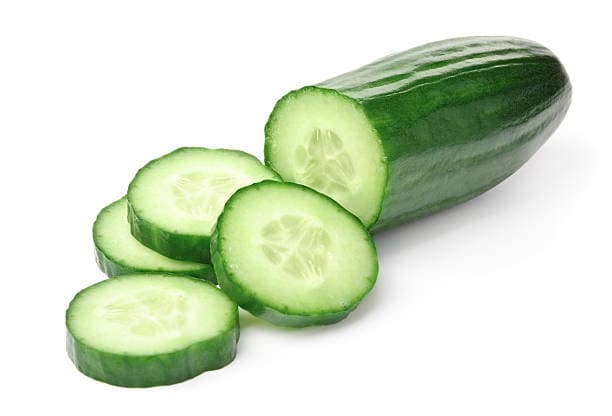
What's the name of this ingredient? It was on Josh's sandwich
Three characters wanted orange juice.
Put the characters in order of appearance.
Order the sentence.
What is the page mainly about? (Answer: C — Homes meet a basic need) A) House colors B) Old buildings C) Homes meet a basic need ✓ D) Travel What basic need do homes give? (Answer: B — Shelter) A) Food B) Shelter ✓ C) Clothes D) Money What does “basic need” mean here? (Answer: C — Something people must have to live) A) Something nice to have B) A school rule C) Something people must have to live ✓ D) A weekend plan Homes keep people ______ and ______. What are the two words from the page? (Answer: B — dry / safe) A) rich / tall B) dry / safe ✓ C) loud / fast D) clean / funny What else are homes for, according to the text? (Answer: B — Eating, sleeping, and being with family and friends) A) Shopping B) Eating, sleeping, and being with family and friends ✓ C) Driving D) Fighting What does the heading “Meeting our needs” tell you? (Answer: B — explains how homes fit the local climate) A) A joke is coming B) This part explains how homes fit the local climate ✓ C) It is a story D) It lists prices What does “climate” mean on this page? (Answer: C — the usual weather of a place) A) Yesterday’s forecast B) A big storm C) The usual weather of a place ✓ D) Room temperature Which roof is best for cold, snowy places? (Answer: D — Slanted) A) Flat B) Dome C) Glass D) Slanted ✓ Why is a slanted roof helpful in snowy places? (Answer: B — snow slides off more easily) A) It is cheaper B) Snow slides off more easily ✓ C) Birds like it D) It is quieter Why do many houses in hot places have many windows? (Answer: B — to let air move through and keep people cool) A) To block all light B) To let air move through and keep people cool ✓ C) To make walls heavy D) To reduce street noise Which detail best supports “climate changes home design”? (Answer: C — Hot → many windows; Snowy → slanted roofs) A) People like blue walls B) Kitchens are big C) Hot → many windows; Snowy → slanted roofs ✓ D) Cities are crowded What does the caption about a traditional Japanese house show? (Answer: C — People sit on mats on the floor to eat) A) People eat outdoors B) Families don’t eat together C) People sit on mats on the floor to eat ✓ D) People stand to eat Which sentence is LEAST connected to the main idea of the page? (Answer: D — Blue walls are relaxing) A) Homes protect people from weather B) Roofs can change with climate C) Windows help rooms stay cool D) Blue walls are relaxing ✓ Which text structure organizes the right paragraph? (Answer: C — Cause–effect) A) Timeline B) Problem–solution C) Cause–effect ✓ D) Description only What is the author’s purpose? (Answer: B — to explain how homes meet a human need) A) To sell houses B) To explain how homes meet a human need ✓ C) To tell a funny story D) To give building laws What can you guess about a flat roof in a snowy place? (Answer: B — snow can pile up and be unsafe) A) Best choice B) Snow can pile up and be unsafe ✓ C) Always cheaper D) Warmer in summer Which page feature helps you find ideas quickly? (Answer: C — Headings and photo captions) A) Rhyme B) Dialogue C) Headings and photo captions ✓ D) Footnotes Which sentence is the best summary of the page? (Answer: C — Homes give shelter; designs change with climate) A) Houses are beautiful in winter B) People prefer bright colors C) Homes give shelter; designs change with climate (slanted roofs, many windows) ✓ D) Windows are the most important part True/False or Short Answer (5) True/False: All homes have the same purpose, even if they look different. (Answer: True) True/False: In hot places, houses usually have fewer windows to keep heat in. (Answer: False — hot places → many windows for airflow/cooling) Short Answer (1–3 words): Homes provide shelter to keep people _____ and _____. (Answer: dry; safe) Short Answer (one example): Write one climate → design pair from the page. (Answer: cold/snowy → slanted roof OR hot → many windows) True/False: The photo shows people in Japan eating on mats on the floor. (Answer: True)Police Officers Introduction. Walk the streets of almost any country in the world, and you will probably see police officers. They help people and keep them safe. They help enforce laws. They patrol the streets. They control crowds. They protect property. And they solve crimes. Becoming a Police Officer. If you want to be a police officer, you need to care about people. You have to want to help people. You have to solve problems. And you have to stay calm in difficult situations. In many countries, police officers get training at special schools. These schools are called police academies. Police officers learn things at the academy that help them do their job. They learn about laws. They learn how to control people. They learn about the safe use of weapons. And they learn how to treat injuries. Police Uniforms. In different countries, police officers wear different uniforms. The most common color for police uniforms is dark blue. But in some countries, the uniforms are tan or green. Police officers wear many kinds of hats. Many police officers wear flat-topped hats with small bills. State troopers and forest rangers wear hats with wide brims. Some police officers wear helmets. Others wear hats that look like baseball caps. These pictures show some of the different kinds of hats worn by police officers around the world. How Police Officers Get Around. To do their job, most police officers have to move from place to place. Some police officers walk the streets. Others ride around in cars. Police officers who patrol traffic often ride motorcycles. Police officers in some places ride horses. Some even get around on bicycles. Some police officers patrol places by flying in helicopters. And some police officers patrol waterways in boats. How Police Officers Help People. Police officers help people in many ways. They stop crime. They direct traffic. They stop speeders. Police officers help lost children find their parents. What other ways do police officers help people?Rainbows Introduction. When the Sun comes out after it rains, run outside. You may see a rainbow in the sky. Rainbows are tricks made by light. We can see them, but we can't touch them or walk around them. They seem to move away when we try to get close to them. Science can explain how rainbows happen. Where and When Rainbows Appear. Look around the next time you see a rainbow. The Sun will be shining from behind you. There will be rain in front of you, where you'll see the rainbow. Rainbows need water drops and sunlight to form. They can even form under a bright moon. These are called moonbows. We usually see a rainbow as a half circle. It actually forms a full circle. From the ground, we can only see the top half. How Rainbows Form. Years ago, a French scientist studied rainbows. He found that to see a rainbow, you must be in the right spot. Knowing how light moves helps explain rainbows. Think of running on land. Now think of trying to run through water. You will move more slowly through water because it is thicker than air. This pencil seems to bend where it enters the water. In the same way, light moves faster through air than through water. As the light moves through water, it slows down and bend. Rainbows form when water drops meet sunlight. The light bends when it goes into each drop. Then it reflects, or bounces, off the back of each drop. The light bends again as it leaves the drop. This happens in millions of water drops at once, making the colors of a rainbow. The Colors of the Rainbow. Sunlight is made up of many colors. Water drops split the sunlight into different colors. Splitting light makes a rainbow. You have to be in the right spot to see a rainbow. Each water drop reflects colored light at a slightly different angle. The colors of the rainbow always appear in the same order. The name ROY G. BIV can help you remember the seven main colors. They are red, orange, yellow, green, blue, indigo, and violet. Conclusion. Rain stops and the Sun comes out. A beautiful rainbow sweeps across the sky. Most people find it hard not to stop and stare when a rainbow appears. Science explains how rainbows form. Still, a rainbow is always a magical sight to see.Whose Eggs Are These? Many animals lay eggs. Eggs can be strange and beautiful. These eggs are in a nest of twigs and soft grass. They are a beautiful sky blue. Do you know whose eggs these are? These are robin eggs. These tiny eggs are on the bottom of a leaf. They can be round like pearls, or they can be spiny. Whose eggs are these? They are butterfly eggs. There are many eggs in this tiny case. It looks like light brown cotton candy, but it is made of silk. Whose eggs are these? They are spider eggs. You can find them near spider webs. These large eggs aren’t in a nest or case. They sit on cold rocks. But feathers help keep them warm. Whose eggs are these? These are penguin eggs. Penguins keep eggs warm with their feet and feathers. This strange egg floats in the ocean. It is inside a small, tough case. Whose egg could this be? This is a shark egg. These eggs float on a pond. There are tiny fish-shaped things inside each egg. Whose eggs are these? They are not fish eggs. They are frog eggs. The fish-shaped things are tadpoles.Broken windows are covered. Floorboards are patched and doors screwed back on. The road that was ruined by German tanks is shovelled and raked smooth. Boot-shaped bruises turn yellow then fade and disappear. Flowers grow and spread across the ugly German footprints stomped into garden beds. The village looks pretty once more. School stops for the summer and everyone is put to work on the kolkhoz, the village farm. Women and big boys begin harvesting the barley crops in the outer fields. The biggest girls milk the cows, morning and night, and keep the barns clean. Old Nikolay mends ploughs, horse harnesses, pitchforks and scythes in his workshop. Anna Pushinka teaches Yelena and her friends how to get the honey from the beehives that are scattered through the orchards. I am in charge of collecting eggs. My friends Olga and Nina help. Olga and Nina are five, a year younger than me. They are twins and look exactly alike, except Nina’s nose is a little bit crooked from when she fell out of bed and squashed it sideways on the floor. The hens, ducks and geese wander free in the summer, so collecting eggs is like a treasure hunt and takes hours. Catching the hens for their daily hugs takes even longer, but I think it’s important because hugs make everyone happy and happy hens lay bigger eggs. Olga says I’m the best hen-hugger in all of Russia. Nina says I’ll be the best cow-hugger, too, when my arms grow longer. But good hugs have nothing to do with the size of your arms. It’s all to do with the size of your heart. When we are done with the hens, Olga, Nina and I can spend the rest of the day doing whatever we like. We climb the apricot trees, chase squirrels, lie in the meadow marvelling at how hot Ushanka’s black fur becomes in the sunshine, make daisy chains and race little boats of bark in the stream. I teach Olga and Nina the alphabet and we use charcoal to write our letters and our names all over the village – on doors and walls and the freshly cut ends of firewood. In between, I practise my knots. In case the German princemonsters return. I slip into Old Nikolay’s workshop and tie knots in the harnesses hanging on the walls. I wander into gardens where the washing is hung out to dry and tie knots in the laces on pants and smocks. I creep up behind Anna Pushinka and tie knots in her apron strings. I find baling twine in the hay shed and tie my own ankles together. I do such a good job of these last knots that I can’t get them undone. I have to jump all the way to Olga and Nina’s house and ask them to cut me free with their mama’s knife. At the end of each day, Ushanka and I run out into the distant barley fields to meet Mama. This is my favourite part of the day, because Mama always shouts, ‘Little Rabbit!’ and smothers my head with kisses. And as we walk home, we sing. Everyone – women, big boys and me. I love to sing. Almost as much as I love to be kissed by Mama. Sometimes one of the boys, Mikhail, has his balalaika with him. He takes the instrument out from beneath the sheaves of barley piled high on the wagon and plays music. We sing about forests and orchards and people who find their true love. As we walk home, arm in arm, my heart fills with happiness and my belly swells with pride that I am allowed to sing along with the big boys. And I can almost forget about the German prince-monsters and their lies about Russia and their big ugly boots. Almost. But today, when Mikhail reaches for his balalaika, I see other things hiding beneath the barley sheaves. Three of the mamas rush forward and cover them up, but it’s too late. I know they are there. I’ve already seen them. Rifles. Lots of rifles. Mikhail hugs his balalaika to his chest and blushes. ‘So play!’ cries Mama, her voice oddly loud and high. ‘Let’s play Sasha’s favourite song, “The Little Birch Tree”.’ So Mikhail plays and everyone sings about the lovely birch tree with its curly leaves and the branches that will be turned into silver flutes. They sing too quickly, too loudly, and as they sing and walk, they cast nervous sideways glances at me. ‘It’s alright,’ I say, when the song comes to an end. ‘I didn’t see the rifles.’ Mama nods and smiles, and I know it was the right thing to say. But I did see the rifles. And I think about Yelena wanting to get lots of guns and dynamite for the Partisans so they can shoot the Germans and blow them into thousands of tiny pieces, and Mama looking as though she agreed, and I know this is what the mamas and the big boys are doing. As well as harvesting, they are helping the Partisans. Three days later, I wake before dawn and I am all alone. Yelena is always here beside me when I wake. But not this morning. I climb down from our bed above the stove. Mama is filling a cloth sack with bread. She ties it closed with a piece of string and hands it to Yelena. ‘Stay out of sight,’ says Mama. ‘And don’t return until after dark.’ ‘Where’s she going?’ I ask. ‘Nowhere,’ snaps Mama. ‘Then why does she need all that bread?’ I ask. ‘There’s nothing left for us.’ Mama baked four loaves last night and she has stuffed them all into the sack. Yelena opens her mouth, but before she can speak, Mama shoves her out the door and sends her on the way to nowhere. Mama turns and stares at me, her blue, blue cornflower eyes wide with worry. ‘I know,’ I say, flopping down on the bench. ‘I didn’t see any bread.’ Mama sits beside me and takes my hand. ‘And . . .?’ she prods, obviously waiting for more. I puzzle for a while, then say, ‘And I don’t have a sister called Yelena.’ Mama laughs, softly and with a little bit of sadness around the edges. ‘Sweet Little Rabbit! You do have a sister called Yelena.’ ‘I do?’ I ask, now confused. ‘I haven’t seen the rifles or the bread, but I have seen Yelena?’ ‘Yes.’ Mama smiles and the magic makes me smile, too. And I am glad that Yelena is real because I love her very much. ‘Yelena is real,’ Mama explains, ‘but she does not carry sacks of bread into the forest for the Partisans.’ ‘Of course not!’ I shout, slapping my forehead. ‘Because there is no bread!’ Mama laughs loudly now, with not a hint of sadness. She hugs me, pressing me against her warm, loving heart, covering my head with kisses. ‘Clever Little Rabbit,’ she murmurs, and then, in barely a whisper, ‘Your papa would be so proud.’ When I wake the next morning, Yelena is sleeping beside me, her mouth open, her braided hair unravelling. Mama is serving kasha to a strange woman seated at our table. I crawl down from above the stove and slide along the bench beside her. I stare at her pants, her tunic, the rope she is using as a belt and her big boots. She’s dressed like a man! And there’s a rifle leaning against the wall near the door. ‘Hello,’ I say. ‘I’m Sasha.’ The woman doesn’t reply. She just shovels down her kasha. I line my four wooden bears along the table in front of her bowl and say, ‘These are my bears: Big Bear, Medium Bear, Little Bear and Even Littler Bear.’ ‘Hello, Sasha. Hello, bears.’ She smiles but she doesn’t tell me her name. ‘Why are you dressed like a man?’ I ask, tugging at the sleeve of her tunic. ‘Because men’s clothes make it easier to run and climb and crawl and shoot,’ she says. ‘You’re a Partisan!’ I gasp. ‘But she’s not real,’ says Mama, placing a bowl of kasha before me. ‘Is the kasha real?’ I ask. Mama laughs. ‘Yes, Little Rabbit.’ I’m glad the food is real, because I’m hungry. But I’m disappointed that the woman is not real. I was going to ask if I could use her rope-belt to tie her ankles together. For practice. But if she’s not real, then the rope and her ankles aren’t either. The woman finishes her kasha, hangs her rifle over her shoulder, kisses Mama on the cheek then slips out the door. I run to the window to watch her leave, but by the time I get there, she’s gone. Vanished. ‘Because she’s not real,’ I whisper. A week later, Mama and I are working in the garden. We sing as we weed between the flowers and pluck caterpillars from the vegetables. Anna Pushinka is picking strawberries in her garden and wanders over. ‘Taste these,’ she says, holding out the basket. Mama reaches in and takes out a fat strawberry and a tiny piece of folded paper. The strawberry goes into her mouth, the paper into her pocket. ‘What’s on the paper?’ I ask. ‘Paper?’ Anna Pushinka replies with a wave of her hand. ‘Goodness, Sasha! Who has money for paper? These are lean times. We must choose between paper for writing and noodles for our soup. And I always choose noodles.’ She chuckles and I know the paper is yet another thing that is not real. That night, Mama slips the paper to Yelena, but she drops it on the floor. I pick it up for her, and I see that there are tiny words and numbers written all over it. I wish I could read better. I’m desperate to know what it says. Or rather, what it doesn’t say, because it’s not real. Later, when Mama has tucked us into our bed above the stove and Ushanka has wrapped herself around the top of my head, I ask Yelena, ‘What’s on the paper?’ ‘What paper?’ says Yelena. ‘The paper that isn’t real,’ I reply. Yelena stares at me, nibbling her lip, then whispers, ‘A message for the Partisans. Stuff about where the Germans have their headquarters and when their trains are travelling and where they store their ammunition.’ ‘Why?’ ‘So the Partisans can blow them up.’ Yelena grabs my arm. ‘But don’t tell anyone. It’s a secret.’ ‘What’s a secret?’ I ask. ‘The message.’ ‘What message?’ I say, my eyes wide. Yelena laughs. ‘Good boy, Sasha.’ My belly swells with pride. I know how to play this game. ‘How are your knots coming along?’ asks Yelena. ‘Good! Yesterday, I crept into the dairy and tied knots in the apron strings of all the girls who were milking and only one of them noticed. Today, I tied Olga’s ankles together with Mama’s embroidery thread and just now, while you were taking a bath, I tied the sleeves of your blouse together in an enormous knot.’ Yelena rolls her eyes, then says, ‘I’ll see if I can find you some rope for practising.’ ‘Practising what?’ I ask. ‘Your knots,’ she says. ‘What knots?’ Yelena, my big sister who is twelve and always serious tAm I all right? Why do doctors wear green or blue clothes while doing an operation? Look at the first picture. Stare at the dot for 10 seconds. Then look at the second picture. What can you see? What you see is called afterimage. Afterimage is an image that continues to appear in people's vision after the image has disappeared. The blood is red. But if you look at blood for a long time, you will be affected by afterimage. Doctors change their scrubs from white into green because green may help doctors see the room clearly after staring at blood for a long time.Billy gets lost Billy is a puppy. He lives in a big house with a blue roof. He loves to play fetch with Emmy. Emmy throws the ball. Billy chases it. Then, Billy sees Cat. He drops the ball and chases Cat. Cat runs down the street, and Billy chases him. Emmy cries, “Come back, Billy.”Cat runs through a farm, and Billy chases him. Cat runs into the forest, and Billy chases him. Cat climbs up a tree. Billy turns to go home. He cannot see the big house with a blue roof.“Oh, no, I am lost,” Billy says. Billy runs down a path. He sees Fox.“How can I get home?” he asks Fox. “I have never been out of the forest,” says Fox.“Ask Cow in the farmer’s field,” Fox says. Billy runs to the farmer’s field. Billy says to Cow, “I am lost.“Do you know the way to my house?” Billy asks.“I have never been off the farm,” says Cow. “Ask Owl,” Cow says. Billy goes to Owl in the barn.“Please wake up, Owl,” says Billy. “I need your help,” he says.“I am lost!” he cries. “Do you know a big house with a blue roof?” Billy asks.“Yes, I do,” Owl says. Owl flies, and Billy chases her. Then, Billy sees Emmy at the big house with a blue roof.“ Thank you, Owl,” says Billy. Billy gets lost. Billy is a puppy. He lives in a big house with a blue roof. He loves to play fetch with Emmy. Emmy throws the ball. Billy chases it. Then, Billy sees Cat. He drops the ball and chases Cat. Cat runs down the street, and Billy chases him. Emmy cries, “Come back, Billy.” Cat runs through a farm, and Billy chases him. Cat runs into the forest, and Billy chases him. Cat climbs up a tree. Billy turns to go home. He cannot see the big house with a blue roof.“ Oh, no, I am lost,” Billy says. Billy runs down a path. He sees Fox. “How can I get home?” he asks Fox. “I have never been out of the forest,” says Fox. “Ask Cow in the farmer’s field,” Fox says. Billy runs to the farmer’s field. Billy says to Cow, “I am lost. “Do you know the way to my house?” Billy asks. “I have never been off the farm,” says Cow. “Ask Owl,” Cow says. Billy goes to Owl in the barn. “Please wake up, Owl,” says Billy. “I need your help,” he says. “I am lost!” he cries. “Do you know a big house with a blue roof?” Billy asks. “Yes, I do,” Owl says. Owl flies, and Billy chases her. Then, Billy sees Emmy at the big house with a blue roof. “Thank you, Owl,” says Billy. Create an interactive "fill the gaps" quiz in seconds - complete with a 'Hall of Fame'! Instructions: 1. Edit the title of this quiz (above) to something appropriate. 2. COPY and PASTE your text into this box (TIP - plain text for best results, to avoid formatting glitches), and edit it as you wish. 3. DOUBLE-CLICK any word to turn it into a 'gap'. 4. To put the word back, simply double-click the gap again or drag the word from the top of the screen to the correct gap. 5. When you are finished, click 'save' to turn your work into an interactive quiz for your students - complete with a Leaderboard so you can see how quickly they finished! Note: When you save your work, you will provide a password which will allow you to edit the quiz again later.