Loading...

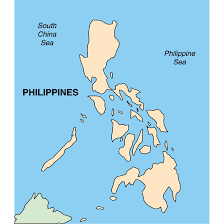
History of the Philippines Pop Quiz
Quiz by Madeleine
Customize this quiz to suit your class
Instantly translate to 100+ languages
Tag the questions with any skills you have. Your dashboard will track each student's mastery of each skill.


Give this quiz to my class


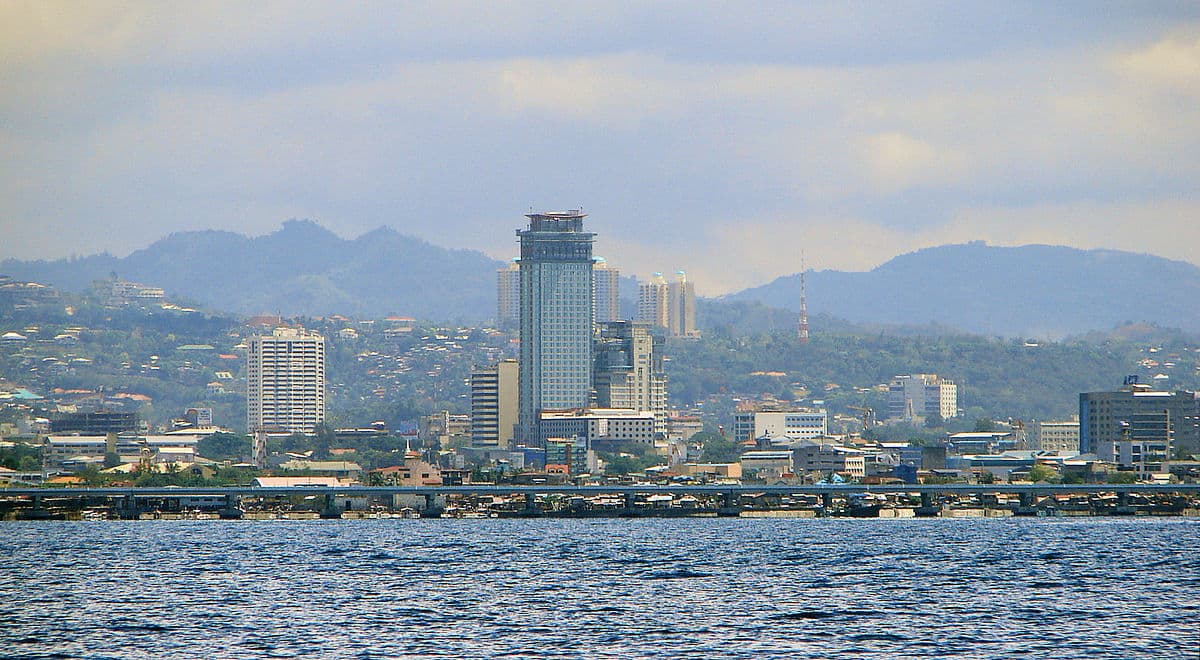

 History of the PhilippinesHistory of the Philippines and United Kingdom Senior High Most Important History of the PhilippinesWHAT IS SCIENCE? - is a way in which answers related to NATURAL events are proposed. - a way in which people can learn and UNDERSTAND events in the NATURAL WORLD - based on OBSERVABLE EVENTS - a study of the NATURAL WORLD - a method of DISCOVERY and UNDERSTANDING by using a PROBLEM-SOLVING process called the?? - A systematic body of knowledge based on observation and experimentation. FOUR COMMON CHARACTERISTICS OF SCIENCE: 1. It focuses on the NATURAL WORLD. 2. Goes through experiment. 3. Relies on evidence. 4. Passes through the scientific community. WHAT IS TECHNOLOGY? Brian Arthur (2009) defined technology as: 1. a means to fulfill a human purpose 2. assemblage of practices and components 3. a collection of devices and engineering practices available to a culture. SOCIETY ST (Science Technology) would not exist without society. WHAT IS STS? Science and Technology and Society (STS) is the study of how society, politics and culture affect scientific research and technological innovation and how these, in turn affects society, politics and culture. EVENTS IN THE HISTORY OF SCIENCE AND TECHNOLOGY THAT TRANSFORMED THE SOCIETY (IN THE WORLD) ANCIENT PERIOD 3500 BC. - 500 AD EUROPE - use of fire by Homo Erectus CA 750,000 - Stone Headed Spears CA 45,000 - Wooden bow and arrow CA 20,000 - The Minoans build palaces in Crete CA 2,000 THE AMERICAS - The Folsom people living on eastern side of the Rocky Mountain developed sophisticated tools CA 8,000. - Pottery is made in South America CA 6,000 - Olmec sculpture carves figurines and giant human heads. CA 1200 ASIA AND OCEANA - Earliest known clay pots are made in Japan CA 11,000. - Bronze is first made in Thailand CA 4000 - A lunar calendar is developed in China CA 2950 - Chinese doctors begin using acupuncture CA 2500 - The Hindu calendar of 360 days was introduced in India CA 1000 AFRICA AND MIDDLE EAST - Homo erectus uses stone tools CA 1000000 - CA 15000 in Africa, bone harpoons are used for fishing. - Clay tokens are used for record keeping in Mesopotamia CA 7500 - Mesopotamian mathematicians discover the Pythagorean Theorem MEDIEVAL PERIOD CA 500 -1500 - Dark ages because few written records and evidences remained - Scholastic tradition was established by Charlemagne - Vertical windmills, spectacles, mechanical clock, water mills, gothic style were invented - Johannes Gutenberg invented the printing press RENAISSANCE PERIOD 14TH – 17TH CENTURY - Rebirth of revival - Printing with movable type allowed Bible, secular books made in large amount - Nicolas Copernicus presented a heliocentric theory - Galileo Galilei invented telescope INDUSTRIAL REVOLUTION 18TH CENTURY - Skilled workers were set aside because of the machines - Iron production, steam engine and textile flourished - Scottish James Watt improved steam engine Robert Fulton (steam boat) - The following were invented: Light bulb, telephone, first steam powered locomotive 19TH CENTURY - Age of machine and tools - Herman Helmholtz (law of conservation of energy) - James Clark Maxwell (light as electro-magnetic wave) - Henry Becquerel (radioactivity) - Marie and Pierre Curie (radium) - Hans Christian Oersted (electric current near the magnet) - Michael Faraday (magnet produces electricity) - Atomic Theory proposed by John Dalton - Electron discovered by JJ. Thomson - Telegraph developed by Samuel Morse 20TH CENTURY - Communication, transportation, military research were developed - Personal computer was created - Intel developed microprocessor - Apple was introduced by Steve Jobs and Steve Wozniak - Internet was created (ARPANET) - Henry Ford's mass production of cars - Artificial Intelligence was invented SCIENCE, TECHNOLOGY AND SOCIETY (PHILIPPINE HISTORY) Stone Age - Archeological findings show that modern man from Asian mainland first came over land on across narrow channels to live in Batangas and Palawan about 48,000 B.C. - Subsequently they formed settlement in Sulu, Davao, Zamboanga, Samar, Negros, Batangas, Laguna, Rizal, Bulacan and Cagayan. Inventions - They made simple tools and weapons of stone flakes and later developed method of sawing and polishing stones around 40,000 B.C. - By around 3,000 B.C. they were producing adzes ornaments of seashells and pottery. Pottery flourished for the next 2,000 years until they imported Chinese porcelain. Soon they learned to produce copper, bronze, iron, and gold metal tools and ornaments. Iron Age - The Iron Age lasted from the third century B.C. to 11th century A.D. During this period Filipinos were engaged in extraction smelting and refining of iron from ores, until the importation of cast iron from Sarawak and later from China. INVENTIONS AND DISCOVERIES - They learn to weave cotton, make glass ornaments, and cultivate lowland rice and dike fields of terraced fields utilizing spring water in mountain regions. - They also learned to build boats for trading purposes. - Spanish chronicles noted refined plank built warships called caracoa suited for interisland trade raids 10TH CENTURY A.D. - Filipinos from the Butuan were trading with Champa (Vietnam) and those from Ma-I (Mindoro) with China as noted in Chinese records containing several references to the Philippines. These archaeological findings indicated that regular trade relations between the Philippines, China and Vietnam had been well established from the 10th century to the 15th century A.D. TRADING - The People of Ma-I and San-Hsu (Palawan) traded bee wax, cotton, pearls, coconut heart mats, tortoise shell and medicinal betel nuts, panie cloth for porcelain, leads fishnets sinker, colored glass beads, iron pots, iron needles and tin. SOME PRESPANISH FILIPINO SCIENCE AND TECHNOLOGY - Curative values of plants extract use as medicine - Alphabet (Alibata) - Counting Methods - Weights - Measuring system (isang gatang) - Calendar based on the periods of moon - Banaue Rice Terraces SPANISH REGIME Religion the Catholic Church - The latter part of the 16th Century Development of schools: - Colegio de San Ildefonso-Cebu-1595 - Colegio de San Ignacio-Manila-1595 - Colegio De Nuestra Senora del Rosario-Manila 1597 - Colegio De San Jose-Manila-1601 Colegio De San Ildefonso De Cebu - In 1863 the colonial authorities issued a royal degree to reform the existing educational system. In 1871 the school of medicine and pharmacy were opened to UST, after 15 years it had granted the degree Of Licenciado En Medicina to 62 graduates. Medicine - Development of hospitals San Juan Lazaro hospital the oldest in the far east was founded in 1578. Roads and Bridges Among other Spanish contributions: - Arithmetic - Algebra - Geometry - Trigonometry - Physics - Hydrography - Meteorology - Navigation - Pilotage American Period and Post Commonwealth Era - BUREAU OF GOVERNMENT LABORATORIES (1901) - BUREAU OF SCIENCE (1905) - INSTITUTE OF SCIENCE (1946) RA 2067 OTHERWISE KNOWN AS THE “SCIENCE ACT OF 1958”. - This was enacted to integrate, coordinate, and intensify scientific and technological research and development and to foster invention including allocation of funds and other purposes. NATIONAL RESEARCH COUNCIL WAS ESTABLISHED ON DECEMBER 8, 1933. - Its Mandate (Nrcp) Promotes And Supports Fundamental Or Basic Research For The Continuing Total Improvement Of The Research Capability Of Individual Scientists Or Group Of Scientists; Provides Advice On Problems And Issues Of National Interest; Promotes Scientific And Technological Culture To All Sectors Of Society; And Fosters Linkages With Local And International Scientific Organizations For Enhanced Cooperation In The Development And Sharing Of Information NATIONAL RESEARCH COUNCIL WAS ESTABLISHED IN DECEMBER 8, 1933. - Its Mandate (NRCP) promotes and supports fundamental or basic research for the continuing total improvement of the research capability of individual scientists or group of scientists; provides advice on problems and issues of national interest; promotes scientific and technological culture to all sectors of society; and fosters linkages with local and international scientific organizations for enhanced cooperation in the development and sharing of information. It was during the American Period when Science was inclined towards: - Agriculture - Food Processing - Forestry - Medicine - Pharmacy - NursingHistory of Parasitology in the Philippines reviewPeople of Southeast Asia By the late 20th century, Southeast Asia’s population (including Indonesia and the Philippines) was approaching a half billion, or about one-twelfth of the world’s total. This population, however, was unevenly distributed within the region. By far the nation with the largest population was Indonesia, with about two-fifths of the regional total; in contrast, Brunei’s population was only a tiny fraction of that. Nearly half of the regional population was accounted for by the mainland states, with Vietnam and Thailand being the most populous. Settlement patterns Southeast Asia is predominantly rural: three-fourths of the people live in nonurban areas. Moreover, population is heavily clustered in fertile river valleys and especially in delta areas, such as those of the Mekong and Irrawaddy rivers. Historical, cultural, and environmental influences also have affected the settlement patterns. Java and other core areas such as the Bangkok (Thailand), Hanoi, and Manila metropolitan areas contain high population densities. While the rate of urbanization in Southeast Asia is relatively low compared with those of other developing regions, it is increasing rapidly. Singapore is unique in that it is essentially totally urban. In addition, the Philippines has a much higher than average level of urbanization, in part because of its Spanish and American colonial history. The largest cities—Jakarta (Indonesia), Bangkok, and Manila—are among the world’s most populous. The growth of cities of all sizes is being fueled primarily by natural increase, but rural-urban migration also is a significant contributor. Rural dwellers continue to be attracted by the promise of employment and other opportunities, but for many migrants the informal (undocumented) economic sector in these large cities is the only hope for some form of employment. Settlement patterns in rural areas tend to be associated with agricultural practices. Shifting cultivation is still common in some parts of the region (notably the remote interior areas of Myanmar, Vietnam, and the island of Borneo), although the amount of land so utilized is gradually shrinking. The village is the unit of settlement and often functions collectively, and typically it is moved from time to time. By contrast, wet-rice cultivation, the dominant form of agriculture in Southeast Asia, is sedentary and results in relatively large rural agglomerations with well-developed village life and customs. Dry and upland farming often produces scattered homesteads. Population resettlement to provide agricultural employment and access to land is important in some Southeast Asian countries, notably Indonesia, Malaysia, and Vietnam. By far the largest program has been conducted in Indonesia, where more than four million people have been voluntarily resettled from Java and Bali to the less populated islands. Despite considerable success, the program has been plagued by such problems as improper site selection, environmental deterioration, migrant adjustment, land conflicts, and inadequate financing. A program in Malaysia also has been quite successful, in part because it has set much smaller resettlement targets and has been better funded. Vietnamese development policy also has utilized the resettlement of people in an effort to revitalize areas outside the major population centres.ASEAN, international organization established by the governments of Indonesia, Malaysia, the Philippines, Singapore, and Thailand in 1967 to accelerate economic growth and promote peace and security in Southeast Asia. Brunei joined in 1984, followed by Vietnam in 1995, Laos and Myanmar in 1997, and Cambodia in 1999. East Timor has been granted observer status and is expected to become a full member in 2025. The ASEAN region has a population of more than 700 million, covers a total area of 1.7 million square miles (4.5 million square km), and had a combined gross domestic product of $3.62 trillion as of 2022. Since its establishment, ASEAN has substantially enhanced security and stability throughout Southeast Asia, while also promoting economic growth and cooperation on international issues. Yet certain regional issues remain divisive within ASEAN, such as Myanmar’s civil war, which has proved challenging for the bloc to address uniformly, and relations with China, particularly with regards to economic ties and territorial disputes in the South China Sea. ASEAN’s history ASEAN's 50th Summit ASEAN's 50th SummitDelegates from Southeast Asian nations gather at the 50th ASEAN Summit in Melbourne, March 2024. ASEAN’s origins can be traced back to earlier regional organizations such as the Southeast Asia Treaty Organization (SEATO), founded in 1954, and the Association of Southeast Asia (ASA), established in 1961. These early efforts, however, were limited in scope and membership. In 1967 ASEAN was established by Thailand, Indonesia, Malaysia, the Philippines, and Singapore with the signing of the ASEAN Declaration in Bangkok. The initial aim was to encourage regional cooperation and create a collective front against the spread of communism in Asia, reflecting the geopolitical concerns of the era. Lee Kuan Yew Lee Kuan YewPrime Minister Lee Kuan Yew of Singapore at the Third ASEAN Summit, 1987, in Manila. The organization gained a new level of cohesion in the mid-1970s following the Vietnam War. ASEAN’s first summit meeting, held in Bali, Indonesia, in 1976, resulted in several significant agreements, including the signing of the Treaty of Amity and Cooperation. The end of the Cold War and increased regional development and stability saw ASEAN expand its membership, incorporating Brunei, Vietnam, Laos, Myanmar, and Cambodia by the end of the 1990s. This period also marked a shift toward deeper economic integration, exemplified by the establishment of the ASEAN Free Trade Area (AFTA) in 1992 and the response to the 1997 Asian financial crisis with the Chiang Mai Agreement. The adoption of the ASEAN Charter in 2007 provided a legal and institutional framework defined by three core pillars: the ASEAN Economic Community, the ASEAN Political-Security Community, and the ASEAN Socio-Cultural Community. This structure has helped promote increased cooperation and mutual understanding, despite enormous differences in the political structures, cultural backgrounds, and development levels of member states.Economic integration Population and GDP of ASEAN Countries Population and GDP of ASEAN CountriesThe countries of ASEAN vary widely in population size and income level, yet nonetheless have achieved a high level of economic integration. ASEAN is considered to be one the developing world’s most successful regional economic cooperation zones. Unlike its primary counterparts in the developed world, the European Union (EU) and the United States–Mexico–Canada Agreement (USMCA), ASEAN has followed a more gradual and flexible approach to integration, accommodating the diversity of its member states. ASEAN has prioritized trade liberalization, sustainable development, and attracting foreign investment over deepening political integration or adopting a common currency. ASEAN’s economic integration efforts began with the creation of the ASEAN Free Trade Area (AFTA) in 1992, which successfully reduced tariffs between ASEAN’s first six members (Brunei, Indonesia, Malaysia, the Philippines, Singapore, and Thailand) to 0–5 percent by 2002. Vietnam, Laos, Myanmar, and Cambodia were required to sign the AFTA agreement upon joining ASEAN. Today tariffs between ASEAN countries are close to zero. In 2007 the ASEAN Economic Community Blueprint was signed in Singapore with the goal of achieving four objectives by 2015: (1) create a single market and production base, (2) become a highly competitive economic region, (3) promote equitable economic development within the region, and (4) fully integrate the region into the global economy. The AEC was implemented in 2015, although approximately 20 percent of measures toward achieving a single market remain in progress and have been deferred to a new deadline of 2025. The ASEAN-Japan Comprehensive Economic Partnership (AJCEP) was implemented in 2008, and the ASEAN-China Free Trade Agreement (ACFTA) was implemented in 2010. In 2020 ASEAN joined Australia, China, Japan, New Zealand, and South Korea in signing the Regional Comprehensive Economic Partnership (RCEP), the largest trade agreement in history. Get Unlimited Access Try Britannica Premium for free and discover more. Significant challenges remain for ASEAN’s economic integration, including pervasive nontariff barriers, restrictive investment measures, and vast disparities in GDP per capita. Domestic issues such as political instability and corruption in member states exacerbate these challenges. The COVID-19 pandemic created severe economic disruption in sectors such as industrial production and tourism; nonetheless, ASEAN coordinated a regional response to align economic recovery strategies and maintain open trade routes. Ultimately, ASEAN has demonstrated an exemplary and ongoing commitment to strengthening cooperation and integration and maximizing the region’s economic potential.