Loading...


How is the weather?
Quiz by Nataly Krämer
Customize this quiz to suit your class
Instantly translate to 100+ languages
Tag the questions with any skills you have. Your dashboard will track each student's mastery of each skill.
Give this quiz to my class
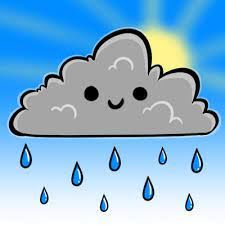
It is...

rainy
sunny
It is...
windy
It is...

It is...

It is...
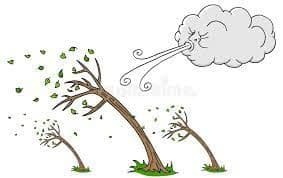
It is...

It is
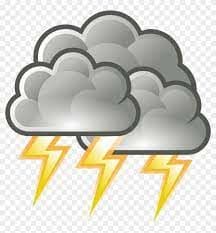
It is...

It is...

It is...

How's the weather?
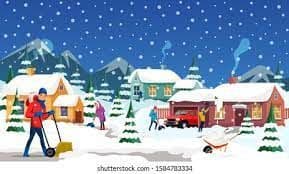
How is the weather?

 How is the weather for today?Title: Windy Weather Good morning, Dad. How is the weather? Good morning,Timmy. It's windy outside. Do you want to go to the park? Yes, let's go! It's very windy outside. You should wear your jacket when you leave the house. OK, I will wear my jacket. Don't worry, Dad! What is that girl doing? She is flying a kite. Do you want to fly a kite too? Yes, I want to fly a kite. Wow, flying a kite is fun! I like windy weather because I can fly kites. We need to be careful. The wind is very strong. Timmy: Good morning, Sam. How is the weather? Sam:Good morning, Timmy! It's rainy outside. You should wear your rain boots when you leave the house. Timmy: Wow, now it's not rainy outside. Sam: Look, you can see a rainbow in the sky! Timmy: Yes, I can see it. It is very beautiful. Timmy: Look, there are many puddles on the ground. Let's jump in the puddles! Sam: Yay! I like the rain. I like to jump in the puddles! Timmy: Wow, this is fun! I like rainy weather because I can jump in puddles. Sam: Yes, it's very fun. I like rainy weather too.WEATHER INSTRUMENTS • For the weather elements learnt, we use different instruments to measure and record them. • The instruments are: 1. A thermometer 2. A rain gauge 3. A wind vane 4. A cup anemometer 5. A hygrometer 6. A barometer 7. A Stevenson screen WEATHER INSTRUMENTS 1. Thermometer •It is used to measure temperature. •The unit of measurement is degrees Celcius (ᵒC). 2. Rain gauge •Is used to measure the amount of rainfall. •The unit of measurement is millimetres (mm). •In Zimbabwe more rains are experienced in summer. WEATHER INSTRUMENTS 3. Windvane •Used to determine the direction of the wind. •We always name the wind after the direction from which it blows. WEATHER INSTRUMENTS 4. Cup anemometer •It is used to measure wind speed. •It measures how quickly the set of cups turns around in a circle. •The unit of measurement is knots. 1 knot = 1.85km/hour WEATHER INSTRUMENTS 5. Barometer •It is used to measure atmospheric pressure. •Atmospheric pressure is the weight of the air on the earth. •If the pressure changes, it tells us that the weather is going to change. •High pressure means air is sinking and the weather will be clear. •Low pressure means the air is rising and there is a chance of rain. WEATHER INSTRUMENTS WEATHER INSTRUMENTS 6. Hygrometer •It is used to measure humidity. •Humidity is the amount of water vapour in the airWhat Is a Tornado? The sky is dark far away. Something moves down from the clouds. It spins across the land. It sounds like a very loud train. A tornado is coming! A tornado is a spinning cloud. It is shaped like a funnel. Its winds can reach 300 miles per hour. That is faster than a race car. The spinning air pulls things up. It can toss a car in the air. It can even destroy, or ruin a house. A tornado can be dangerous. It can cause harm to people and places. How Does a Tornado Form? A tornado is a kind of weather. Weather is the condition of the air. Most tornadoes begin as a kind of weather called a thunderstorm. Thunderstorms are harsh rainstorms with thunder and lightning. These rough storms have high winds and heavy rain. When high winds spin and touch the ground, a tornado is born. Most tornadoes do not stay on the ground for long. When they do, they can cause a lot of damage, or harm. A tornado is a big event! Where Do Most Tornadoes Happen? More tornadoes happen in the United States than anywhere in the world. Most of them form in the middle part of our country. Scientists think this might be because warm, wet air from the Gulf of Mexico crashes with the cool, dry air from Canada. This area is known as Tornado Alley. How do Tornadoes Affect People? Tornadoes affect people and towns in many ways. Weak tornadoes break branches from trees or damage signs. Strong tornadoes can destroy buildings. People who live in areas where there are many tornadoes always think about the weather. They listen to the radio and watch news reports on television. Schools provide tornado drills so children can practice being safe in the event of a tornado. Teams of people work together to repair the damage caused by a tornado. How Can You Stay Safe? There are ways to prevent, or stop harm during a tornado. News reports use the words tornado warning to give notice that a tornado has been seen. Following safety rules can help everyone stay safe during a tornado!What is suspense? Suspense is the feeling of excitement, tension, or uncertainty that keeps you on the edge of your seat, wondering what’s going to happen next. It makes you feel nervous, worried or excited because you don’t know what will happen, but you want to keep reading to find out. How is Suspense Created in Stories? Writers use several tricks to build suspense in stories: Pacing: This is how fast or slow the story moves. If a scene moves slowly, with lots of details, it can make you feel nervous, like something bad is about to happen. Setting: Where the story takes place can also add suspense. Dark, creepy places or stormy weather can make you feel uneasy and worried about what might happen. Foreshadowing: This is when the author gives hints that something important or dangerous is going to happen, making you feel anxious as you wait for it. what are examples of how suspense is created in "the tale tell heart" and "the monkey's paw"?Foggy Weather Good evening, Mom! How's the weather? It's foggy outside. I'm hungry. OK, let's drive to the restaurant. It's hard to see in the fog. Yes, it is. I will drive slowly. Driving in the fog is very dangerous. Do you like when it's foggy outside, Mom? No, I don't like it. I don't like driving in the foggy weather. Where are we? This is the restaurant. I hope you like cheese pizza! Oh great! I love to eat pizza. The advantage of direct method is that the teacher can control the class and fit in a lot of activity into a short class period. This leaves plenty of opportunities for the students to hone their skills, especially new ones. On the other hand, because the class is centered around the teacher, some students may not receive proper feedback, and creativity is limited. Also, the lesser talented athletes often tend to get lost in the shuffle while the great athletes shine. However, there are now a multitude of various teaching strategies that can be employed in addition to that method. Ex: Announcements, Module/Unit introductions, Descriptions/modeling of assignments and learning activities, Written or video lectures, Demonstration videos, Presentations, Discussions moderated by instructors, Interactive tutorials. Indirect Method The Indirect Teaching Style allows students to be involved in their own learning through experience and other peer’s knowledge. Students can use critical thinking to expand their learning capabilities by seeing what others may be doing correct and adjusting this to their own knowledge. The Indirect approach is the opposite of what the direct style suggests, but they are both strictly related, meaning you can’t have one without the other. Direct teaching: The instructor stands in front of the class or group and lectures or advises. Indirect teaching: The instructor assumes a more passive role and guides the student interactions. Movement exploration: Incorporates the use of equipment that involves movement. Movement Exploration The movement exploration class is founded on developing a strong, positive association to physical activity. Classes are aimed at developing movement skills and foundational strength through fun and engaging activities. The activities are age appropriate and include games, challenges, and exploration that positively challenge children’s competency while improving their physical capabilities. Skills such as the ability to climb, hold animal shapes, gymnastic style activities, and the introduction to athletic motor skill competencies are the foundations to youth training. This class provides the introduction to strength training to give children the opportunity to learn the skills required to safely and confidently engage in resistance training. Cooperative Skills Cooperative activities teach students to work together for their group's common good. By participating in these activities, students can learn the skills of listening, discussing, thinking as a group, group decision making, and sacrificing individual wants for the common good. There are two primary objectives guiding the teaching of cooperative activities. First, cooperative activities allow students to apply a variety of fundamental motor skills in a unique setting. Students are typically asked to perform motor skills in a specific way, such as “skip in general space” or “balance on one foot and one elbow.” Cooperative activities ask students to perform different activities such as skip with their hands on the shoulders of someone in front of them, walk with big steps while placing their feet on small spots, or walk across an area blindfolded while someone directs their moves. Due to the uniqueness of such experiences, students often find cooperative activities exciting and motivating. Second, cooperative activities are a wonderful medium for teaching social and emotional learning (SEL). SEL offers students an opportunity to understand and manage their emotions. In addition, such activities offer an opportunity to show empathy for others and develop positive relationships. Cooperative activities demand that all students play a role in completing the task or solving the movement problem. Every student, regardless of ability level, is important and contributes to group goals. 9 traits a PE teacher often needs Here are nine essential traits of an effective PE teacher: 1. Athletic ability Athletic ability is an essential trait for a PE teacher because they're often showing kids how to perform exercises. To demonstrate proper form and encourage the kids to continue their fitness education, it's important they can perform the exercises themselves. Having experience with fitness training can enhance a PE teacher's lesson planning because they're familiar with how each exercise affects a person's body. Athletic ability can also refer to an aptitude for sports and games. PE teachers can instruct students on how to play these games or lead after-school activities involving them, like soccer or basketball. An aptitude for sports and games can help a PE teacher encourage students to participate in the activities during class. If the PE teacher enjoys physical activity, they may make the lessons more enjoyable for the student. 2. Teaching ability A PE teacher is a member of a school faculty, so it's essential they have the teaching ability that allows them to communicate lessons to students. There are various skills involved in teaching, including the technical capabilities associated with each professional's particular field. Learning these skills can help PE teacher plan their lessons effectively and connect with their students, meaning they can encourage students to practice fitness skills in optimal ways for their health. Here are some important teaching skills for PE teachers: Having an engaging classroom presence Real-world learning Project building Lesson planning Technology 3. Interpersonal skills PE coaches are part of faculty teams, so working alongside other teachers is an essential part of their job. They often collaborate with a student's general education teacher to address any behavioral issues that arise. They can also team up with other classes to plan activities for students, like field days and special field trips. Communicating with peers can ensure these interactions remain productive and create opportunities for more fulfilling lessons. Teachers can also model emotional skills for their students by displaying positive social interactions. Interpersonal skills can also help PE teachers interact with students and their families. If a student can make a student feel comfortable expressing their needs and preferences, they can often perform physical exercises or play games to the best of their individual capacities. Understanding how to soothe nerves and support students' emotional needs are important examples of interpersonal skills. When interacting with family members, you may use some of these same techniques to communicate effectively and best uplift students. 4. Written and verbal communication Both verbal and written communication is important for PE teachers because they often communicate with students, families and various personnel on a day-to-day basis. For example, a PE teacher uses their communication skills in a lesson plan to describe any student assignments or expectations accurately. They may also write instructions in a document, then explain them in a classroom lecture. They also use communication skills to share their lesson plans with other PE teachers during conferences or classroom development exercises. Many teachers continue to learn their trade even after working as a teacher for many years. They may share tips with each other or special lessons they've developed if they feel another teacher may benefit from it. Creating a community can help PE teachers continue to expand their teaching methodology and receive feedback on their lessons. 5. Patience and adaptability Working with children can require patience and adaptability because they're encountering many new concepts at the same time and learning how to regulate their emotions. As a result, it's important to treat them with patience and care while they're in your class so they can feel comfortable and feel motivated to complete assignments. As children become teenagers, they may require patience and adaptability to account for their changing bodies and attention spans. Like any job where you perform tasks in real-time, certain circumstances may occur that require you to adapt lesson plans. For example, if the weather turns from sunshine to rain on a day you planned for students to run a mile outside, you may need to adapt the lesson plan so they can practice endurance sports inside a gymnasium instead. 6. Organization PE teachers can use organization skills to improve their lesson planning sessions. For example, they can keep their plans in one place, and determine which parts of a semester or quarter to introduce new concepts. Throughout the year, these objectives may change because of unforeseen setbacks, but organizational skills can help PE teachers control the trajectory of their class curriculum. PE teachers can also use organizational skills to maintain their classroom space. Physical education frequently requires balls, equipment and tools to play games that may be on a lesson plan. They also organize equipment and decide where to store it within their classroom or storage space. 7. Creativity Creativity can help a PE teacher develop fun ways to introduce new material to their students or reinforce previous lessons. They can teach new games or devise interesting ideas to change the rules of a game to help keep students engaged. To find inspiration for their lesson plans, they can turn to personal hobbies or media aspects they enjoy, like movie scenes, songs or dances. A varied lesson plan can foster more engagement among students who prefer action- based learning activities, rather than lectures. 8. Focus Focus is an essential trait of a PE teacher because students often require their full attention during class, especially if they're learning a complicated physical task. You can focus your lesson plans around specific elements of physical education you believe are essential for students of a certain age group or skill level. If students require mentorship, you can also focus on each student's needs to supply them with a steady support system. Focusing on your students can help guide your career purpose. It can give you a core value system that informs your lesson plans and mentorship activities. This passion for your student's well-being can also help you become an advocate for each student in your class. You can also help organize funding for different field trips or establish after-school activities to support their interests. 9. Enthusiasm for teaching sports and fitness Enthusiasm is essential for a PE teacher. Many physical education activities require high energy and may suit someone who enjoys teaching them to others. Being an effective PE teacher also requires an enthusiasm for working with kids and making a positive impact on their lives.