Loading...


illnesses and symptoms
Quiz by Ludmila Odriozola
Customize this quiz to suit your class
Instantly translate to 100+ languages
Tag the questions with any skills you have. Your dashboard will track each student's mastery of each skill.
Give this quiz to my class
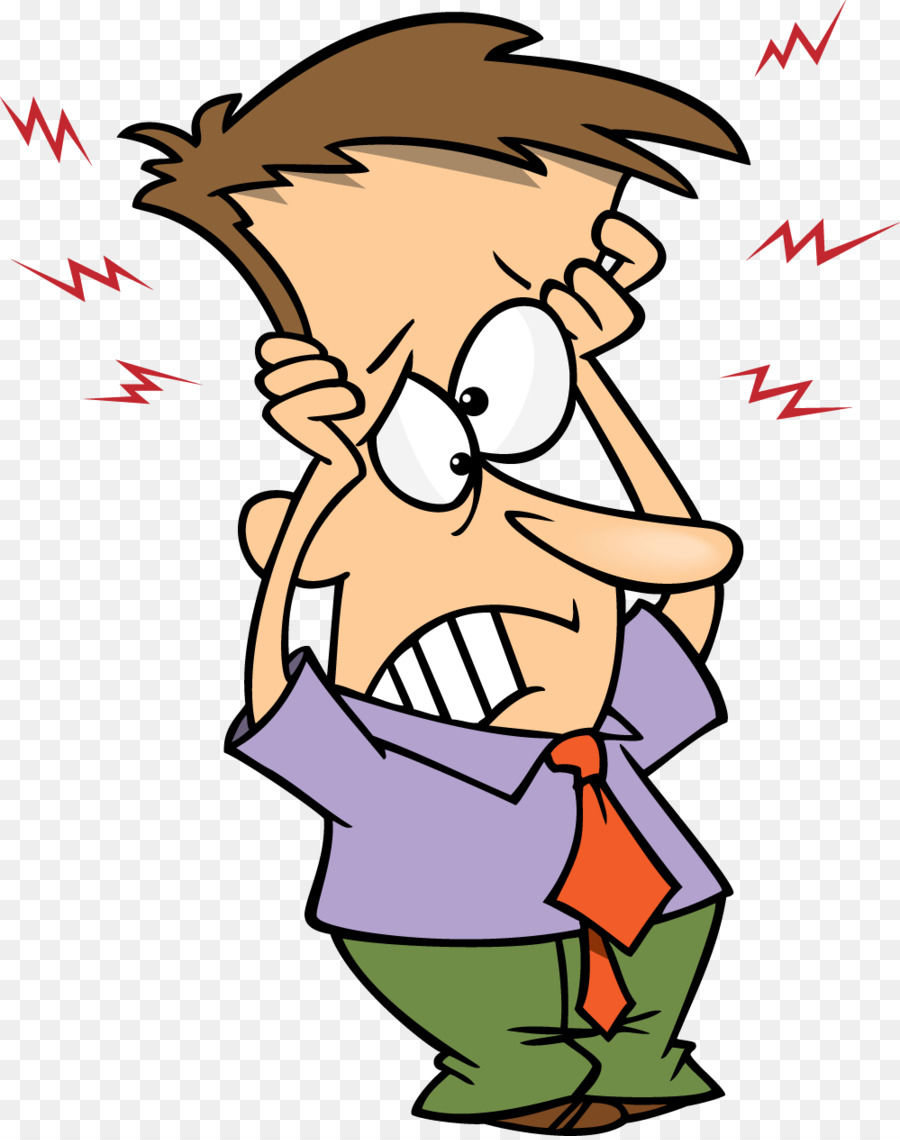
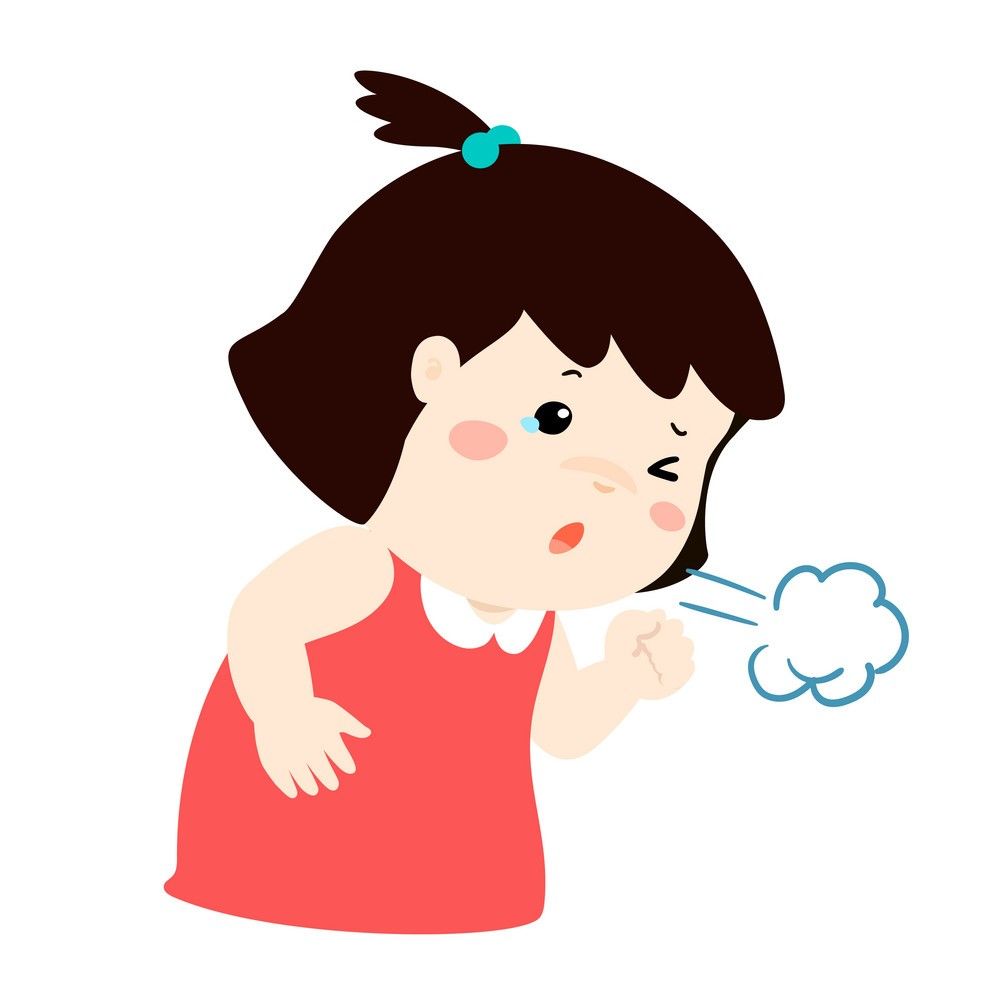

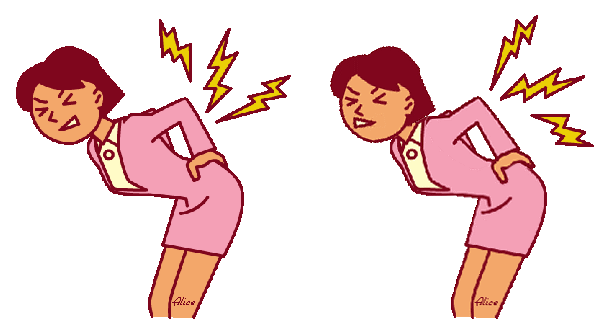

 Symptoms and signs of common illnesses.Common illnesse and symptomsUnit 8 illness and symptomsVocabulary List 1. Avocation Definition: A hobby or activity someone enjoys doing in addition to their main work. Example: Drawing cartoons was his favorite avocation after school. 2. Supercolossal Definition: Extremely large; even bigger than enormous. Example: They ordered a supercolossal pizza to share. 3. Repress Definition: To hold back or keep feelings or thoughts hidden. Example: She tried to repress her anger during the argument. 4. Subliminally Definition: In a way that affects the mind without someone realizing it. Example: The music subliminally made the store feel calmer. 5. Thrombosis Definition: A medical condition where a blood clot forms inside a blood vessel. Example: The doctor warned that lack of exercise can increase the risk of thrombosis. 6. Sclerosis Definition: A hardening of body tissue, especially arteries or organs. Example: The patient was diagnosed with sclerosis that affected his mobility. 7. Distortion Definition: A change that makes something appear different from what it really is. Example: The funhouse mirror caused a distortion of her reflection. 8. Philanthropy Definition: The act of giving money or help to improve the lives of others. Example: His philanthropy helped build a new library for the town. 9. Prevarications Definition: Lies or evasive statements used to avoid telling the truth. Example: The teacher grew tired of the student’s prevarications about missing homework. 10. Syndrome Definition: A group of symptoms or behaviors that occur together. Example: The doctor studied the syndrome to better understand the illness. 11. Schizophrenic Definition: Relating to a mental disorder where a person may have difficulty distinguishing reality from imagination. Example: The character in the story showed schizophrenic behavior. 12. Subsidize Definition: To support financially, usually with money from the government or an organization. Example: The city decided to subsidize public transportation. 13. Phenomenal Definition: Very remarkable or impressive. Example: The athlete gave a phenomenal performance in the race. 14. Demented Definition: Showing disturbed or irrational behavior. Example: The villain in the movie had a demented laugh. 15. Patron Definition: A person who supports or regularly visits a business, artist, or organization. Example: She was a loyal patron of the local bookstore. 16. Cultural Lag Definition: When ideas and beliefs take longer to change than technology or society. Example: Cultural lag can make it hard for laws to keep up with new technology. 17. Omens Definition: Signs believed to predict something that will happen in the future. Example: Some people think black cats are omens of bad luck. 18. Antagonistic Definition: Showing hostility or opposition. Example: The rival teams were antagonistic toward each other. 19. Voluptuous Definition: Curvy and attractive in a full, rich way. Example: The sculpture showed a voluptuous figure. 20. Oscilloscope Definition: A device used to view and measure electrical signals. Example: The scientist used an oscilloscope to study the sound waves. 21. Putrid Definition: Rotting and giving off a very bad smell. Example: The garbage smelled putrid after sitting in the sun. 22. Fixated Definition: Focused or obsessed with something. Example: He became fixated on winning the competition. 23. Mundane Definition: Ordinary, dull, or routine. Example: She was tired of the mundane chores she had to do every day. 24. Ghouls Definition: Evil or ghost-like creatures that feed on the dead in stories or legends. Example: The haunted house story was filled with ghouls and monsters. 25. Maladjusted Definition: Unable to cope well with the demands of life or society. Example: The counselor helped the maladjusted student deal with stress. 26. Incongruous Definition: Not fitting in; out of place. Example: The fancy chandelier looked incongruous in the small cabin. 27. Tribute Definition: Something done or given to show respect or admiration. Example: The concert was a tribute to the famous musician. 28. Audibly Definition: In a way that can be heard clearly. Example: He audibly sighed when the test ended. 29. Proficiency Definition: Skill or competence in doing something. Example: Her proficiency in math helped her tutor other students.1.Linguistics is the science that studies language. 2.Linguist:Someone who studies linguistics. 3.The Subfields of Linguistics Phonetics deals with the sounds of language. Phonology deals with how the sounds are organized. Morphology deals with how sounds are put together to form words. Syntax deals with how sentences are formed. Semantics deals with the meaning of words, sentences, and texts. Pragmatics deals with how sentences and texts are used in the world (i.e., in context) Text Linguistics deals with units larger than sentences, such as paragraphs and texts. 4.Prescriptive: This approach consists basically of stating what is considered right and wrong in language. 5.Descriptive: This approach, on the other hand, consists of describing the facts. Descriptive linguistics is dedicated to describing the rules of the language, and the language is seen as essentially rule governed. 6.Language is rule-governed, creative, universal, innate, and learned, all at the same time. 7.Linguists understand language as a system of arbitrary vocal signs. 8.Linguistic signs: involve sequences of sounds which represent concrete objects and events as well as abstractions.Signs may be related to the things they represent in a number of ways. 9.Iconic: which resemble the things they represent (as do, for example, photographs, diagrams, star charts, or chemical models). 10.Indexical: which point to or have a necessary connection with the things they represent (as do, for example, smoke to fire, a weathercock to the direction of the wind, a symptom to an illness, a smile to happiness, or a frown to anger). 11.Describe the characteristics of human language: Creative: (The structural elements of human language can be combined to produce new utterances, which neither the speaker nor his hearers may ever have made or heard before.) Rule-governed: (Language is made of rules.) Universal: (There are some aspects that are present in all languages of the world.) Innate:(all humans possess an innate capacity for language, activated in infancy by minimal environmental stimuli. Chomsky) Uniquely human: (Language is what sets us apart from other species. It is what makes us human.) Learned:(Children acquire language from their natural setting.) 12.Differentiate between iconic, indexical and symbolic signs. A. iconic, which resemble the things they represent (as do, for example, photographs, diagrams, star charts, or chemical models) B. indexical, which point to or have a necessary connection with the things they represent (as do, for example, smoke to fire, a weathercock to the direction of the wind, a symptom to an illness, a smile to happiness, or a frown to anger). c. symbolic, which are only conventionally related to the thing they represent (as do, for example, a flag to a nation, a rose to love, a wedding ring to marriage). 12. Distinguish between different senses of the grammar word. The prescriptivist´s grammar (Grammar is a set of rules that label the different utterances as either right or wrong.) The descriptivist´s grammar (Grammar is a set of rules that govern the langauge spoken by people. ) The linguist´s grammar (Grammar is the subconscious knowledge of the set of rules that enables speakers to use the language) The speaker´s grammar (Grammar is the intrinsic linguistic knowledge within a native speaker) 13.Describe common fallacies about language and grammar: ►One type of grammar is simpler than another. ►Changes in grammar involve deterioration in a language ►Grammars should be logical and analogical (that is, regular) ►People must be taught the grammatical rules of their language. ►Only some languages have grammar. ►Grammars differ from each other in unpredictable ways. 14.Generality: All Languages Have a Grammar 15. Equality: All Grammars Are Equal 16.Changeability: Grammars Change Over Time 17. Universality: Grammars Are Alike in Basic Ways 18.Tacitness: Grammatical Knowledge Is Subconscious 19.Linguistics is defined as the study of language systems. It is the scientific study of language. 20.Historical approach:It is the study of language change. 21.Linguistic Competence: is the unconscious knowledge speakers of a language have about the system that enables them to create and understand novel utterances. 22.Performance: is the use of it. Performance is “the actual use of language in concrete situations.” 23.I-Language (internal language): which is the intrinsic linguistic knowledge within a native speaker. 24.E-Language (external language): which is the observable language—the output from a speaker. 25.Parole ('speech') refers to the concrete instances of the use of langue, including texts which provide the ordinary research material for linguistics. 26.Langue: 27.Language: is a system of communication that is non-stereotyped and non-finite; it is unlimited in its scope. 28.Grammar: to refer to a subconscious linguistic system of a particular type. Grammar makes possible the production and comprehension of a potentially unlimited number of utterances. 29.Communication and animals: Selecting a mode of communication (speech,writing, gesture). Delivering the symbols through a medium, a physical basis for communication, light, air, or ink. Decoding of the symbols to obtain the information. 30.SIGNS: Communication relies on using something to stand for something else. Words are an obvious example of this: You do not have to have a car, a sandwich, or your cousin present in order to talk about them—the words car, sandwich, and cousin stand for them instead. This same phenomenon is found in animal communication as well. 31.The signifier: A signifier is that part of a sign that stimulates at least one sense organ of the receiver of a message.A signifier can also be a picture, a photograph, a sign language gesture, or one of the many other words for tree in different languages. 32.The signified: The signified component of the sign refers to both the real world object it represents and its conceptual content. The first of these is the real world content of the sign, its extension or referent within a system of signs such as English, avian communication, or sign language. 33.Iconic signs or icons: always bear some resemblance to their referent. A photograph is an iconic sign; so too is a stylized silhouette of a female or a male on a restroom door. 34.Some iconic tokens: a. open-mouth threat by a Japanese macaque; b. park recreation signs; c. onomatopoeic words in English. 35.An indexical sign, or index, fulfils its function by pointing out its referent, typically by being a partial or representative sample of it. Indexes are not arbitrary, since their presence has in some sense been caused by their referent. For this reason it is sometimes said that there is a causal link between an indexical sign and its referent.The track of an animal, for example, points to the existence of the animal by representing a part of it. The presence of smoke is an index of fire. 36.Symbolic signs: bear an arbitrary relationship to their referents and in this way are distinct from both icons and indexes. Human language is highly symbolic in that the vast majority of its signs bear no inherent resemblance or causal connection to their referents, as the following words show. 37.Mixed signs Signs: are not always exclusively of one type or another. Symptomatic signs, for example, may have iconic properties, as when a dog opens its mouth in a threat to bite. Symbolic signs such as traffic lights are symptomatic in that they reflect the internal state of the mechanism that causes them to change color. 38.Signals: All signs can act as signals when they trigger a specific action on the part of the receiver, as do traffic lights, words in human language such as the race starter's "Go!", or the warning calls of birds. 39.SIGN STRUCTURE: No matter what their type, signs show different kinds of structure. A basic distinction is made between graded and discrete sign structure. 40.Graded signs convey their meaning by changes in degree. A good example of a gradation in communication is voice volume. The more you want to be heard, the louder you speak along an increasing scale of loudness. There are no steps or jumps from one level to the next that can be associated with a specific change in meaning. 41.Discrete signs are distinguished from each other by categorical (stepwise) differences. There is no gradual transition from one sign to the next. The words of human language are good examples of discrete signs. 42.A VIEW OF ANIMAL COMMUNICATION ►Largely iconic ►Largely symptomatic ►Little arbitrary ►Not deliberate ►Not conscious ►Not symbolic ►Stimulus boundIllnesses and WoundsIllnesses and WantsIllnesses and Treatment