Loading...


In the street_Pr.T.2_1A
Quiz by Kristina Bliūdžiuvienė
Customize this quiz to suit your class
Instantly translate to 100+ languages
Tag the questions with any skills you have. Your dashboard will track each student's mastery of each skill.
Give this quiz to my class
This is......
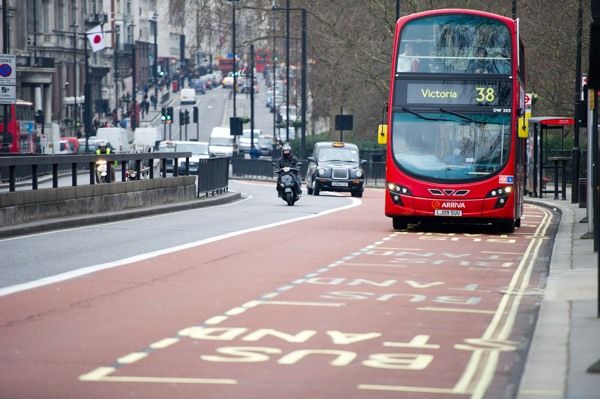
This is ______
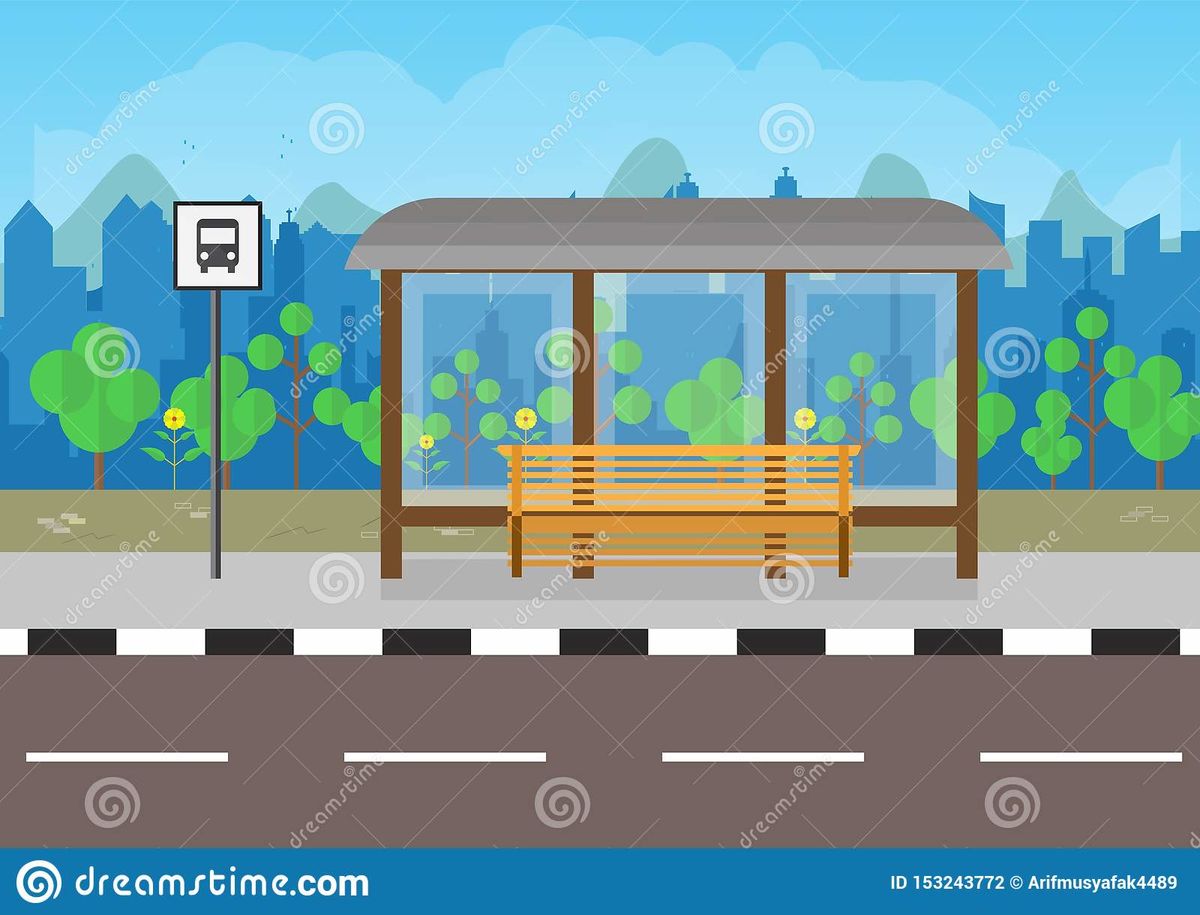
This is......
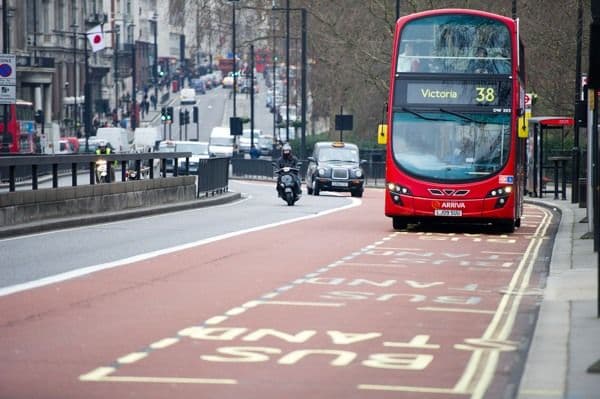
This is ______

What are these?

This is
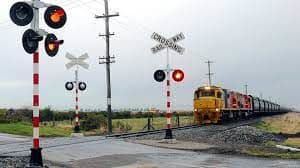
This is

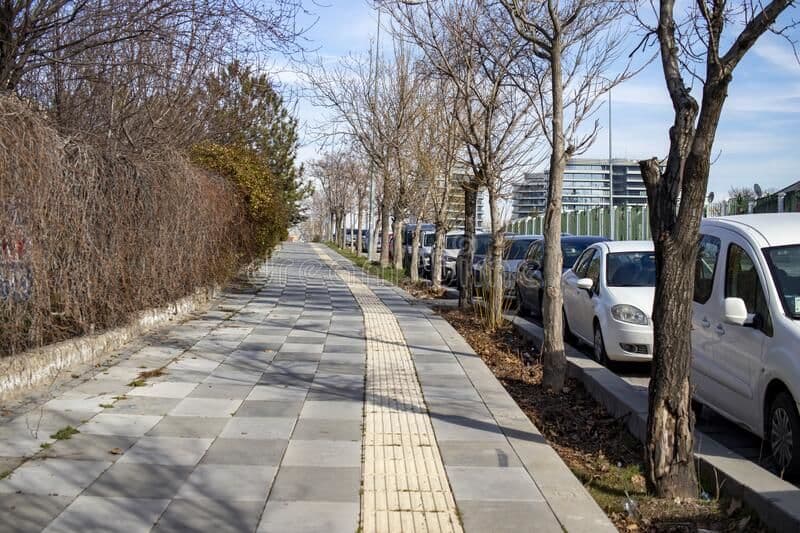
This is a pavement
This is

This is

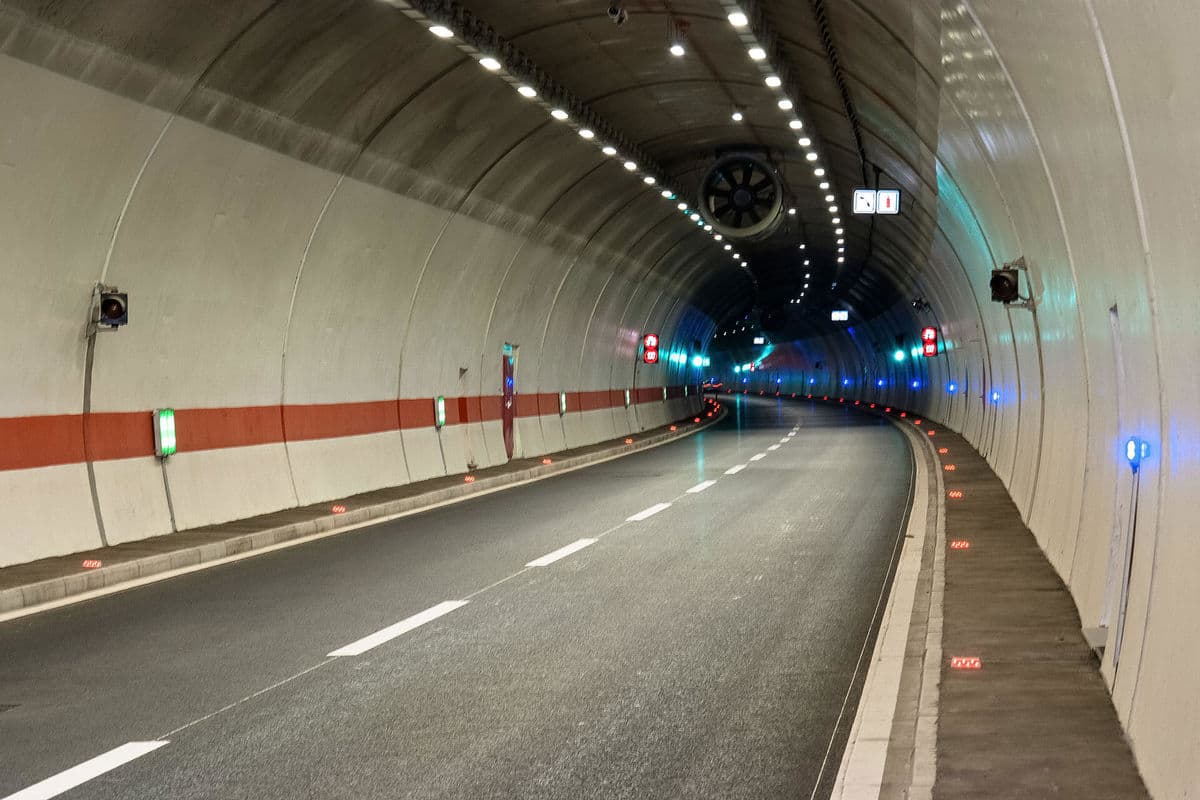
This is a U turn

This is
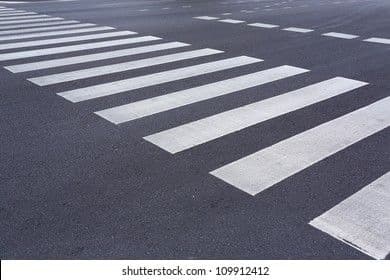
This is a ______
 In The Street. Starlight-6. 1aBee the Explorer Bee saw sweet red apples on the tree. Bee saw sheep eating leaves from the weeds. Bee saw a green jeep on the street. Bee saw three teens walking in the park.3. Fill in the blanks with a suitable modal verb in the right form (8p) 1. . You look pretty tired. I think you _________________ go to bed early tonight 2. “Children, you _________________ cross the street if the lights are red !” 3. Passengers _________________ open the door when the train is moving. 4.I don’t know where Kelly is. She _________________ be at her sister’s house. 5. I _________________ pay for the tickets because I got them from Sam for free. 6. You don’t have to shout. I _________________ hear you very well. 7. According to the weather report it ___________________ rain this afternoon. 8. ___________________ Mary come with us?The Pedestrian (adapted) by Ray Bradbury Mr. Leonard Mead loved to walk outside at night. The city was quiet at eight o’clock on a misty November evening. He liked to put his hands in his pockets and stroll along the cracked sidewalks, stepping over grass that grew between the concrete. He would stop at the corners, look down the empty streets, and choose which way to go. It didn’t really matter which way he picked, because he was always alone in the year 2053. Sometimes, Mr. Mead would walk for hours and miles, coming home only at midnight. As he walked, he saw houses with their windows dark, like he was walking through a graveyard. Sometimes, he saw tiny flashes of light from behind curtains or heard soft voices from open windows. Mr. Mead wore sneakers so his footsteps wouldn’t make noise. If he wore shoes with hard heels, the dogs would bark and people might look out their windows. He liked being quiet and unnoticed as he walked in the cool November air. On this night, Mr. Mead walked west, toward the sea. The air was cold and frosty, making his nose sting and his lungs feel fresh. He listened to the sound of his shoes in the fallen leaves and sometimes picked up a leaf to look at it under the streetlights. As he walked, he whispered to the houses, “Hello in there. What’s on TV tonight? Where are the cowboys? Is the cavalry coming?” But the street was silent and empty, with only his shadow moving. He checked his watch. “Eight-thirty. Is it time for a quiz show? Or a funny show?” He thought he heard laughter from a house, but nothing else happened. He kept walking, sometimes stumbling over the broken sidewalk. In all his years of walking, he had never seen another person out at night. He reached a big intersection where two highways crossed. During the day, it was full of cars, but now it was empty and quiet, like a dry riverbed. Mr. Mead turned onto a side street, heading home. Suddenly, a police car turned the corner and shined a bright light on him. He stood still, surprised by the light. A metallic voice from the car said, “Stand still. Don’t move! Put up your hands!” Mr. Mead obeyed. The police car asked, “What’s your name?” “Leonard Mead,” he answered. “What’s your job?” “I guess I’m a writer,” Mr. Mead said. The police car replied, “No profession.” Mr. Mead hadn’t written anything in years, since people didn’t buy books or magazines anymore. People just stayed inside their houses, watching TV. The car asked, “What are you doing out?” “I’m walking,” Mr. Mead said. “Walking? Just walking?” the car repeated. “Yes,” he said. “Where are you walking? Why?” “For air. To see things,” Mr. Mead answered. “Your address?” “Eleven South Saint James Street.” “Do you have air in your house? An air conditioner?” “Yes.” “Do you have a TV?” “No.” “No?” The car was quiet for a moment. “Are you married?” “No,” Mr. Mead said. “Not married,” the car said. The night was cold and quiet. “Just walking, Mr. Mead?” “Yes.” “But why?” “I told you. For air, to see, and just to walk.” “Do you do this often?” “Every night for years.” The police car was silent for a moment. Then it said, “Get in.” The back door opened. “Wait, I haven’t done anything!” Mr. Mead protested. “Get in,” the car repeated. Mr. Mead looked into the car. There was no one inside, just an empty front seat. The back seat was like a small jail cell, cold and hard. “Where are you taking me?” he asked. The car answered, “To the Psychiatric Center for Research on Regressive Tendencies.” Mr. Mead got in. The door closed, and the car drove away through the empty streets. As they passed his house, he saw that all the lights were on. “That’s my house,” he said, but no one answered. The car drove off into the night, leaving the streets empty and silent for the rest of the cold November night.Create questions based on the following text Not long ago, I grabbed breakfast at a hotel in southern Spain. The only cereal available was a local version of frosted corn flakes, so I readied myself to enjoy a bowl of my childhood favorite. But my sweet indulgence wasn't what I'd expected: The cereal milk was heated — apparently standard in this part of Spain — and my poor frosted flakes immediately turned to mush. Not so grrrrrrreat. Soggy flakes or not, I find breakfast to be a fun part of my travel day, especially because the experience varies so much from one country's breakfast table to the next. The farther north you go in Europe, the heartier the breakfasts. The heaviest is the traditional British "fry." Also known as a "Plate of Cardiac Arrest," the fry is a fundamental part of the bed-and-breakfast experience, and is generally included in your room price. A standard fry comes with cereal or porridge, a fried egg, Canadian-style bacon or sausage (and sometimes mackerel or haggis), a grilled tomato, sautéed mushrooms, baked beans, and fried bread or toast. This protein-stuffed meal can tide me over until dinner. You'll quickly figure out which parts of the fry you like. Your host will likely ask you up front which breakfast items you actually like, rather than serve you the whole shebang and risk having to throw out uneaten food. The Scandinavian breakfasts buffet is the perennial favorite for the "most food on the table" award. It pays to take advantage of breakfast smorgasbords when you can. For about $20 (a cheap meal in these parts), you can dig into an all-you-can-eat extravaganza of fresh bread, cheeses, yogurt, cereal, boiled eggs, herring, cold cuts, and coffee or tea. In place of cereal and milk, Scandinavians like to pour thick yogurt over their granola. Throughout the Netherlands, Belgium, Germany, Austria, Switzerland, and most points east of there, expect a more modest buffet — but still plenty of options (rolls, bread, jam, cold cuts, cheeses, fruit, yogurt, and cereal). In these countries, there's a good chance of finding hard-boiled eggs, but scrambled or fried eggs are relatively rare. In Poland, track down jajecznica, the local wake-up call of eggs scrambled with kielbasa sausage, served with a side of potato pancakes. The breakfast of choice in Russia is oladi, pancakes perfectly fried to be crisp on the outside but soft in the middle, then topped with sour cream, honey, or berries. Germans have an endearing habit of greeting others in the breakfast room with a slow and dour "Morgen" ("Morning" — short for "good morning"), though they have plenty to be happy about. Breakfast is usually included, and offers hearty fuel for the day: ham, eggs, cheese, bread, rolls, and pots of coffee. In Switzerland, don't miss an opportunity to try Bircher Muesli, a healthful mix of oats, nuts, yogurt, and fruit that tastes far more delicious than it looks. If breakfast is optional, take a walk to the nearest bakery — every German, Austrian, and Swiss town has at least a few bakeries offering a world of enticing varieties of bread and pastries, baked fresh every morning. As you move south and west (France, Italy, Spain, and Portugal), skimpier "continental" breakfasts are the norm. You'll mostly likely get a roll with marmalade or jam, occasionally a slice of ham or cheese, and coffee or tea. The good news? These little breakfasts compel you to sample regional favorites: In Spain, look for chocolate con churros (fritters served with a thick, warm chocolate drink), pan con tomate (a toasted baguette rubbed with fresh garlic and ripe tomato), or a tortilla española (a hearty slice of potato omelet). Italian breakfasts are particularly tiny, but the delicious red orange juice you get is made from Sicilian blood oranges. And you can buy a delightful toasted sandwich from a corner bar anywhere, anytime in Italy to make up for the minuscule breakfast. In France, locals just grab a warm croissant and coffee on the way to work. Queue up with the French and consider the yummy options: croissants studded with raisins, packed with crushed almonds, or filled with chocolate or cream. If you expect breakfast to be too sparse, plan ahead to supplement it with a piece of fruit and a wrapped chunk of cheese from a local market. Being a juice man, I keep a liter box of OJ in my room for a morning eye-opener. Coffee drinkers know that breakfast is the only cheap time to caffeinate yourself. Some hotels will serve you a bottomless cup of a rich brew only with breakfast. After that, the cups acquire bottoms and refills will cost you. Juice is generally available at breakfast, but in Mediterranean countries, you have to ask…and you'll probably be charged. In many countries, breakfast is included in your hotel bill, though if you make prior arrangements with the hotelier, you may be able to skip breakfast and pay a lower price for the room. If breakfast costs extra, it's often optional, and you can usually save money and gain atmosphere by buying coffee and a roll or croissant at the café down the street or by brunching picnic-style in the park. When deciding whether to request breakfast, consider your timing; if you need to get an early start, skip the breakfast — few hotel breakfasts are worth waiting around for. Come to the European breakfast table with an adventurous spirit. I'm a big-breakfast traditionalist at home, but when I feel the urge for an American breakfast in Europe, I beat it to death with a hard roll.Make a multiple choice quiz for my year 8 science students based on the science in this transcript from a video: 3°C 0:04 It can be the difference between snow and sleet 0:08 Wearing a jacket or not 0:11 In your day-to-day life, it may not seem significant 0:15 But 3°C of global warming would be catastrophic 0:20 Heatwaves, droughts, extreme precipitation, even fire 0:25 3°C of warming is really disastrous 0:28 The scary thing is, the world is well on its way there 0:32 Since the industrial revolution, the Earth has warmed between 1.1°C and 1.3°C 0:40 This is a problem that babies you pass in the street will have to live with 0:46 Children born today... 0:47 ...are up to seven times more likely to face extreme weather than their grandparents 0:52 If global temperatures do rise by 3°C... 0:55 ...what would their world look like? Climate change is already having devastating effects 1:03 Rising sea levels 1:05 Desertification 1:07 Hollywood has always enjoyed imagining the end of the world 1:11 While blockbusters like this are clearly fiction... 1:14 ...this film will show the scenario we all face... 1:17 ...unless more drastic measures are taken to stop burning fossil fuels 1:30 In some parts of the world the effects of inaction are already clear 1:35 The slums of Bangladesh’s capital are filling up with climate migrants 1:41 Minara comes from Bhola District, an area in southern Bangladesh 1:46 There, like many other parts of the country... 1:49 ...rivers swollen by heavier rain and melting Himalayan glaciers... 1:53 ...are washing away people’s homes 1:56 Many, like her, have lost everything 2:00 Our home in Bhola had endless amounts of land 2:03 There was lots of space for farming, we had a spacious house 2:08 There were different types of fruits, vegetation and trees growing at home 2:12 We used to eat the fruit from our own trees 2:18 I can’t eat them now because they don't exist anymore 2:21 Since the river flooded for the third time, I had to flee to Dhaka 2:26 Life was much better back home 2:29 It was unbearable to live through, truly intolerable 2:33 We didn’t have the time to save anything at all 2:38 1.1°C to 1.3°C of global warming has already transformed Minara’s life 2:45 It’s one of the reasons why so many migrants like her... 2:47 ...are moving to the city each year... 2:50 ...nearly 400,000 according to the last estimate 2:53 And climate models show there could be much worse to come How climate modelling works 3:02 Climate scientist Joeri Rogelj... 3:04 ...has spent the last ten years modelling future climate scenarios... 3:08 ...for the United Nations 3:10 The models we use to carry out this exercise... 3:13 ...really represent the state of the art... 3:15 ...of our current knowledge of climate change and where we are heading 3:19 Joeri’s projections use data collected by hundreds of scientists around the world 3:26 Here this is the 3°C level... 3:28 ...and so there is at least a one-in-four chance that under current policies... 3:32 ...we would hit 3°C by the end of the century 3:36 This is just one of the scenarios Joeri looks at 3:40 Another one imagines that all policy promises are kept 3:44 The most optimistic assumes that all promises have been kept... 3:47 ...and net-zero targets are met 3:50 Where our best estimate ends up around 2°C at the end of the century... 3:54 ...there is still a one-in-20 chance that we end up with 3°C instead 3:59 One would not be entering a plane if there is a one-in-20 chance... 4:03 ...that the plane will crash Nowhere is safe from global warming 4:07 A rise of 3°C would affect everyone 4:10 Even wealthy cities in rich countries wouldn’t be immune to the consequences 4:15 European capitals like Paris and Berlin... 4:18 ...would bake under more extreme heatwaves 4:22 Frequent storm-surges in New York could turn parts of the city desolate 4:27 In many ways, cities magnify, intensify climate events 4:33 Cities are hotter than the places around them... 4:36 ...they tend to be more vulnerable to flooding 4:39 And you can get a really bad event in a city in a way that you can’t in the countryside 4:46 And because of their denser populations... 4:49 ...disasters in a city affect far more people 4:52 Some cities might be badly prepared for the changes coming 4:56 But they have the means to adapt 4:59 Cities tend to be wealthier than surrounding places 5:03 They have a lot of amenities 5:05 A city that has taken seriously the risks of a 3°C world... 5:08 …wouldn’t necessarily be a worse place to be in a 3°C world 5:12 But a city that hasn’t prepared for these sort of eventualities... 5:16 ...that might be a really nasty place The impact of prolonged droughts 5:20 So far, many developed cities have got off lightly... 5:24 ...but some rural parts of the world are suffering disproportionately 5:29 Smallholders—small-scale farmers—are particularly vulnerable to climate change 5:35 And there are over 600 million around the world 5:38 Smallholders with farms under two hectares... 5:40 ...produce around a third of the global food supply 5:46 Central America’s “Dry Corridor”... 5:48 ...supports a mix of smallholdings and medium-sized farms 5:53 Sandwiched between the Pacific Ocean and the Caribbean Sea... 5:56 ...the area is prone to droughts 6:08 Israel Ramírez Rivera is a smallholder in Guatemala 6:12 Here, climate change is making the dry seasons longer, and more severe 6:18 This is the biggest ear of maize that this plot could deliver 6:23 He depends on his crops of corn and beans 6:26 But they’re getting harder to grow 6:30 The surrounding mountains... 6:32 ...used to provide us with native food... 6:38 ...and now that isn’t an option anymore... 6:41 ...due to climate change and its effects 6:46 Nearly two-thirds of the smallholders in the Dry Corridor now live in poverty 6:52 The impact of all of this for us... 6:59 ...malnutrition among children 7:03 We’ve lost a few 7:07 For my crops especially, the midsummer heat is harder than before 7:16 The plant dries up and can’t provide us... 7:19 ...with the necessary food provision 7:24 Severe droughts in Central America... 7:26 ...are now four times more likely than they were last century 7:30 Many families from here have gone to the States 7:37 The economic despair and debts... 7:44 ...have pushed many people from this community to do this journey 7:53 Migration from Guatemala to the United States has quadrupled since 1990 7:59 Not all of this has been due to climate change 8:02 But longer droughts would force even more to move 8:05 In a 3°C world, annual rainfall in this region... 8:09 ...could drop by up to 14% 8:12 At 3°C, over a quarter of the world’s population... 8:16 ...could endure extreme droughts for at least a month of the year 8:19 Northern Africa could see droughts that last for years at a time Rising sea levels, storm surges and flooding 8:24 But for some, too much water will be the problem 8:29 10% of the world’s population lives on a coastline... 8:32 ...that’s less than 10 metres above sea level 8:35 For these coastal inhabitants, a 3°C world would spell disaster 8:40 By 2100, global sea levels could have climbed by half a metre from 2005 levels 8:46 Low-lying cities like Lagos would be especially vulnerable... 8:49 ...with up to up to a third of the population displaced 8:54 And in Fiji, rising waters are already upending lives 9:04 You can see the graveyard there, it’s all under water now... 9:08 ...due to this rising sea level and climate change 9:15 The village of Togoru in Fiji is being swallowed by the sea 9:19 Barney Dunn, the village headman, has seen over half the village disappear 9:24 Relatives’ houses have been abandoned, and family graves are now under water 9:29 We have been asked by the government to relocate... 9:32 ...but no one wants to relocate... 9:34 ...because we have our great-great-grandparents down there in the sea 9:39 This is the place we’ve been brought up in 9:41 ...it’s not easy to leave 9:44 Past attempts to build a seawall haven’t worked 9:48 But Barney sees building a new one as the village’s only hope 9:52 If they do that, maybe we can save whatever is left 9:56 But if we don’t have the seawall, then it will be keep eroding and time will come... 10:01 ...maybe in ten,15 years, Togoru will be all eroded 10:05 Rising seas also mean storms cause more floods 10:11 And many more countries could suffer 10:14 The Philippines and Myanmar are just two countries... 10:17 ...that will also see an increase in storm surges in a 3°C world 10:21 To escape, many will move… 10:24 …often, to urban areas Extreme heat and wet-bulb temperatures 10:27 Half the world’s population already lives in cities... 10:31 ...almost a third in slums 10:36 For them, a 3°C world could be deadly 10:40 Minara has moved to Dhaka to escape the impact of climate change 10:44 But life could get even worse for her 10:47 I’m struggling a lot nowadays 10:49 The heat during the day is unbearable 10:52 Even late at night it doesn’t cool down 10:57 The heat is getting more intense every day 10:59 I mean, it’s going to get much worse 11:03 I can barely survive it now, how will I live through it in the future? 11:08 Dhaka is getting hotter 11:11 In the last 20 years the average daytime temperature... 11:13 ...has crept up by nearly half a degree 11:17 Days that approach 40°C are now being reported 11:20 And high so-called wet-bulb temperatures are on the rise 11:26 A wet-bulb temperature is a measure of heat and humidity 11:30 Humans cool themselves by sweating… 11:32 But in these conditions, when relative humidity is near 100%... 11:36 ...sweat doesn’t evaporate well 11:38 So people can’t cool down… 11:41 ...even if given unlimited shade and water 11:45 At a high wet-bulb temperature, the body can’t lose heat... 11:49 ...and so it gets hotter and hotter... 11:51 ...and the body is designed to work at a given temperature 11:53 And if it gets too hot inside, you will die 11:58 The human limit for wet-bulb temperatures is 35°C... 12:02 ...around skin temperature 12:04 Dhaka will have a much higher chance... 12:05 ...of reaching dangerous wet-bulb temperatures... 12:07 ...if global warming reaches 3°C 12:12 You can’t really adapt to that 12:14 You have to get out. If the temperature is so high that you can’t work... 12:20 ...can’t do hard manual labour outside for significant parts of the year... 12:25 ...then many places will become functionally no longer part of the economy 12:33 Jacobabad in Pakistan, and Ras al Khaimah, in the United Arab Emirates... 12:37 ...have already recorded deadly wet-bulb temperatures 12:40 More of the tropics and the Persian Gulf... 12:43 ...as well as parts of Mexico and the south-eastern United States... 12:47 ...could all get to this threshold by the end of the century 12:50 Climate modelling might show us the weather Increased migration and conflict 12:52 But it doesn’t show us its other effects on society 12:56 Established migration patterns could change 12:59 Climate disasters may exacerbate reasons people cross borders 13:03 Within countries, more people will move to cities 13:07 In a 3°C world, tens of millions of people a year... 13:10 ...could be displaced by disasters made worse by climate change 13:15 When people are displaced by climate... 13:18 …they may well go to cities... 13:19 ...because cities are the places that attract people from the countryside already 13:25 A lot of people who can get to the developed world... 13:28 ...not least because the developed world tends to be less hot, will give that a go 13:35 As migration around the world increases... 13:38 ...there could be more competition for fewer resources 13:42 Water—already a highly contested resource—will be a focal point 13:47 Turkey’s new Ilisu dam has reduced the flow of water into Iraq 13:53 China lays claim to rivers vital to India and Pakistan 13:57 The prospect of a water-conflict makes people very uneasy 14:03 How national tensions would exacerbate those sorts of reactions... 14:08 ...in a 3°C world... 14:09 ...is the sort of thing that no one should really want to find out 14:14 I think you’d have to be incredibly sanguine... 14:16 ...not to think that the sort of climate extremes that we talk about... 14:19 ...in a 3°C world wouldn’t lead some places... 14:22 ...to the brink of societal collapse 14:25 Those lucky enough to escape unrest... Adaptation and mitigation are crucial 14:28 ...would still have to adapt to a radically different world 14:32 People can adapt to climate change in all sorts of ways, one of the most obvious ones... 14:37 ...is air conditioning 14:39 But other ways to adapt at a local or regional level... 14:42 ...I mean, one of the most obvious is diversifying agriculture 14:47 There are physical things you can do, like seawalls 14:52 The fact that people can adapt and that adaptation will reduce suffering... 14:57 ...doesn’t mean that it will eliminate suffering 15:00 Suffering is built into this whole process of heating up the planet 15:06 Adaptation will only get the world so far 15:09 The best way to deal with a 3°C world... 15:12 ...is not to go to a 3°C world 15:14 And that’s why increasing efforts on mitigation are important 15:17 It’s why working towards negative emissions... 15:20 ...that could bring down the temperature after it peaks are important 15:25 Once you get to a 3°C world, you are in real bad global trouble 15:33 The scale of change needed... 15:35 ...and the slow progress of governments so far... 15:38 ...means 3°C of warming is uncomfortably likely unless more is done 15:44 Despite existing pledges, greenhouse-gas emissions... 15:48 ...are still set to rise by 16% from 2010 levels by 2030 15:54 The need to act has never been clearer 15:57 There’s still time to reduce emissions, so that a 3°C world remains fiction... 16:02 ...rather than becoming fact Billy gets lost. Billy is a puppy. He lives in a big house with a blue roof. He loves to play fetch with Emmy. Emmy throws the ball. Billy chases it. Then, Billy sees Cat. He drops the ball and chases Cat. Cat runs down the street, and Billy chases him. Emmy cries, “Come back, Billy.” Cat runs through a farm, and Billy chases him. Cat runs into the forest, and Billy chases him. Cat climbs up a tree. Billy turns to go home. He cannot see the big house with a blue roof.“ Oh, no, I am lost,” Billy says. Billy runs down a path. He sees Fox. “How can I get home?” he asks Fox. “I have never been out of the forest,” says Fox. “Ask Cow in the farmer’s field,” Fox says. Billy runs to the farmer’s field. Billy says to Cow, “I am lost. “Do you know the way to my house?” Billy asks. “I have never been off the farm,” says Cow. “Ask Owl,” Cow says. Billy goes to Owl in the barn. “Please wake up, Owl,” says Billy. “I need your help,” he says. “I am lost!” he cries. “Do you know a big house with a blue roof?” Billy asks. “Yes, I do,” Owl says. Owl flies, and Billy chases her. Then, Billy sees Emmy at the big house with a blue roof. “Thank you, Owl,” says Billy. Create an interactive "fill the gaps" quiz in seconds - complete with a 'Hall of Fame'! Instructions: 1. Edit the title of this quiz (above) to something appropriate. 2. COPY and PASTE your text into this box (TIP - plain text for best results, to avoid formatting glitches), and edit it as you wish. 3. DOUBLE-CLICK any word to turn it into a 'gap'. 4. To put the word back, simply double-click the gap again or drag the word from the top of the screen to the correct gap. 5. When you are finished, click 'save' to turn your work into an interactive quiz for your students - complete with a Leaderboard so you can see how quickly they finished! Note: When you save your work, you will provide a password which will allow you to edit the quiz again later. Billy gets lost Billy is a puppy. He lives in a big house with a blue roof. He loves to play fetch with Emmy. Emmy throws the ball. Billy chases it. Then, Billy sees Cat. He drops the ball and chases Cat. Cat runs down the street, and Billy chases him. Emmy cries, “Come back, Billy.”Cat runs through a farm, and Billy chases him. Cat runs into the forest, and Billy chases him. Cat climbs up a tree. Billy turns to go home. He cannot see the big house with a blue roof.“Oh, no, I am lost,” Billy says. Billy runs down a path. He sees Fox.“How can I get home?” he asks Fox. “I have never been out of the forest,” says Fox.“Ask Cow in the farmer’s field,” Fox says. Billy runs to the farmer’s field. Billy says to Cow, “I am lost.“Do you know the way to my house?” Billy asks.“I have never been off the farm,” says Cow. “Ask Owl,” Cow says. Billy goes to Owl in the barn.“Please wake up, Owl,” says Billy. “I need your help,” he says.“I am lost!” he cries. “Do you know a big house with a blue roof?” Billy asks.“Yes, I do,” Owl says. Owl flies, and Billy chases her. Then, Billy sees Emmy at the big house with a blue roof.“ Thank you, Owl,” says Billy.