Loading...


Informational Text and its Elements
Quiz by Joreene Cedro
Customize this quiz to suit your class
Instantly translate to 100+ languages
Tag the questions with any skills you have. Your dashboard will track each student's mastery of each skill.
Give this quiz to my class
1. An informational text presents ______________ details of information about a particular person, place, thing, event or topic.
C. factual
A. entertaining
B. narrative
D. argumentative
2. ____________ is written to inform and educate.
B. Descriptive
C. Analytical
A, Narrative
D. Informational
1. An informational text presents ______________ details of information about a particular person, place, thing, event or topic.
2. ____________ is written to inform and educate.
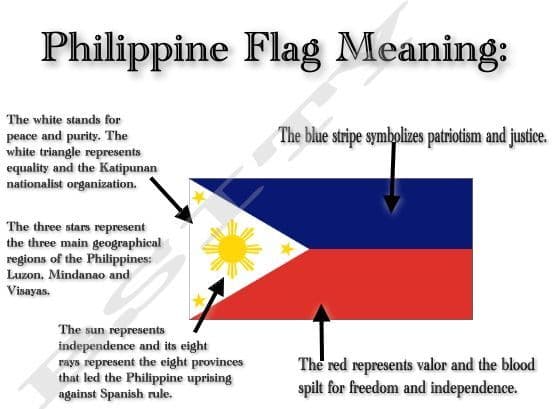
3. It is an element of informational text where "picture with labels" is used to show the different parts of a particular object or subject matter.
4. It is an element of informational that shows the alphabetical list of terms or words relating to a specific subject. It identifies important vocabulary words and gives their definition.
5. In an informational text, this is the element that is used for "word underneath a picture" and explains what the picture is.
Directions: Identify what element is shown in the following informational texts.
6. Chart

7. Textbook
8. Travel Guide

9. Newspaper

10. Online News Article
 1.Linguistics is the science that studies language. 2.Linguist:Someone who studies linguistics. 3.The Subfields of Linguistics Phonetics deals with the sounds of language. Phonology deals with how the sounds are organized. Morphology deals with how sounds are put together to form words. Syntax deals with how sentences are formed. Semantics deals with the meaning of words, sentences, and texts. Pragmatics deals with how sentences and texts are used in the world (i.e., in context) Text Linguistics deals with units larger than sentences, such as paragraphs and texts. 4.Prescriptive: This approach consists basically of stating what is considered right and wrong in language. 5.Descriptive: This approach, on the other hand, consists of describing the facts. Descriptive linguistics is dedicated to describing the rules of the language, and the language is seen as essentially rule governed. 6.Language is rule-governed, creative, universal, innate, and learned, all at the same time. 7.Linguists understand language as a system of arbitrary vocal signs. 8.Linguistic signs: involve sequences of sounds which represent concrete objects and events as well as abstractions.Signs may be related to the things they represent in a number of ways. 9.Iconic: which resemble the things they represent (as do, for example, photographs, diagrams, star charts, or chemical models). 10.Indexical: which point to or have a necessary connection with the things they represent (as do, for example, smoke to fire, a weathercock to the direction of the wind, a symptom to an illness, a smile to happiness, or a frown to anger). 11.Describe the characteristics of human language: Creative: (The structural elements of human language can be combined to produce new utterances, which neither the speaker nor his hearers may ever have made or heard before.) Rule-governed: (Language is made of rules.) Universal: (There are some aspects that are present in all languages of the world.) Innate:(all humans possess an innate capacity for language, activated in infancy by minimal environmental stimuli. Chomsky) Uniquely human: (Language is what sets us apart from other species. It is what makes us human.) Learned:(Children acquire language from their natural setting.) 12.Differentiate between iconic, indexical and symbolic signs. A. iconic, which resemble the things they represent (as do, for example, photographs, diagrams, star charts, or chemical models) B. indexical, which point to or have a necessary connection with the things they represent (as do, for example, smoke to fire, a weathercock to the direction of the wind, a symptom to an illness, a smile to happiness, or a frown to anger). c. symbolic, which are only conventionally related to the thing they represent (as do, for example, a flag to a nation, a rose to love, a wedding ring to marriage). 12. Distinguish between different senses of the grammar word. The prescriptivist´s grammar (Grammar is a set of rules that label the different utterances as either right or wrong.) The descriptivist´s grammar (Grammar is a set of rules that govern the langauge spoken by people. ) The linguist´s grammar (Grammar is the subconscious knowledge of the set of rules that enables speakers to use the language) The speaker´s grammar (Grammar is the intrinsic linguistic knowledge within a native speaker) 13.Describe common fallacies about language and grammar: ►One type of grammar is simpler than another. ►Changes in grammar involve deterioration in a language ►Grammars should be logical and analogical (that is, regular) ►People must be taught the grammatical rules of their language. ►Only some languages have grammar. ►Grammars differ from each other in unpredictable ways. 14.Generality: All Languages Have a Grammar 15. Equality: All Grammars Are Equal 16.Changeability: Grammars Change Over Time 17. Universality: Grammars Are Alike in Basic Ways 18.Tacitness: Grammatical Knowledge Is Subconscious 19.Linguistics is defined as the study of language systems. It is the scientific study of language. 20.Historical approach:It is the study of language change. 21.Linguistic Competence: is the unconscious knowledge speakers of a language have about the system that enables them to create and understand novel utterances. 22.Performance: is the use of it. Performance is “the actual use of language in concrete situations.” 23.I-Language (internal language): which is the intrinsic linguistic knowledge within a native speaker. 24.E-Language (external language): which is the observable language—the output from a speaker. 25.Parole ('speech') refers to the concrete instances of the use of langue, including texts which provide the ordinary research material for linguistics. 26.Langue: 27.Language: is a system of communication that is non-stereotyped and non-finite; it is unlimited in its scope. 28.Grammar: to refer to a subconscious linguistic system of a particular type. Grammar makes possible the production and comprehension of a potentially unlimited number of utterances. 29.Communication and animals: Selecting a mode of communication (speech,writing, gesture). Delivering the symbols through a medium, a physical basis for communication, light, air, or ink. Decoding of the symbols to obtain the information. 30.SIGNS: Communication relies on using something to stand for something else. Words are an obvious example of this: You do not have to have a car, a sandwich, or your cousin present in order to talk about them—the words car, sandwich, and cousin stand for them instead. This same phenomenon is found in animal communication as well. 31.The signifier: A signifier is that part of a sign that stimulates at least one sense organ of the receiver of a message.A signifier can also be a picture, a photograph, a sign language gesture, or one of the many other words for tree in different languages. 32.The signified: The signified component of the sign refers to both the real world object it represents and its conceptual content. The first of these is the real world content of the sign, its extension or referent within a system of signs such as English, avian communication, or sign language. 33.Iconic signs or icons: always bear some resemblance to their referent. A photograph is an iconic sign; so too is a stylized silhouette of a female or a male on a restroom door. 34.Some iconic tokens: a. open-mouth threat by a Japanese macaque; b. park recreation signs; c. onomatopoeic words in English. 35.An indexical sign, or index, fulfils its function by pointing out its referent, typically by being a partial or representative sample of it. Indexes are not arbitrary, since their presence has in some sense been caused by their referent. For this reason it is sometimes said that there is a causal link between an indexical sign and its referent.The track of an animal, for example, points to the existence of the animal by representing a part of it. The presence of smoke is an index of fire. 36.Symbolic signs: bear an arbitrary relationship to their referents and in this way are distinct from both icons and indexes. Human language is highly symbolic in that the vast majority of its signs bear no inherent resemblance or causal connection to their referents, as the following words show. 37.Mixed signs Signs: are not always exclusively of one type or another. Symptomatic signs, for example, may have iconic properties, as when a dog opens its mouth in a threat to bite. Symbolic signs such as traffic lights are symptomatic in that they reflect the internal state of the mechanism that causes them to change color. 38.Signals: All signs can act as signals when they trigger a specific action on the part of the receiver, as do traffic lights, words in human language such as the race starter's "Go!", or the warning calls of birds. 39.SIGN STRUCTURE: No matter what their type, signs show different kinds of structure. A basic distinction is made between graded and discrete sign structure. 40.Graded signs convey their meaning by changes in degree. A good example of a gradation in communication is voice volume. The more you want to be heard, the louder you speak along an increasing scale of loudness. There are no steps or jumps from one level to the next that can be associated with a specific change in meaning. 41.Discrete signs are distinguished from each other by categorical (stepwise) differences. There is no gradual transition from one sign to the next. The words of human language are good examples of discrete signs. 42.A VIEW OF ANIMAL COMMUNICATION ►Largely iconic ►Largely symptomatic ►Little arbitrary ►Not deliberate ►Not conscious ►Not symbolic ►Stimulus boundAlright, Isti — here’s a longer and more detailed English version of the Isaac Newton text, still written at a level that’s accessible for Grade 4 students, but rich enough in information to meet PISA literacy expectations and EF A2-level vocabulary. I’ve kept sentences short, clear, and with explanations for new concepts so it’s easier for young learners to follow, while still including both famous facts and lesser-known stories. ⸻ Isaac Newton: The Man Who Changed the Way We See the World A Boy from a Small Village Isaac Newton was born on January 4, 1643, in Woolsthorpe, a small village in England. His life was not easy. His father died before he was born. When he was just a few months old, his mother remarried and left him to live with his grandmother. Isaac missed his parents, but he kept himself busy by making things and exploring the world around him. As a child, Isaac liked to build models and machines. He made a small windmill that could turn with the wind. He built a water clock that told the time by dripping water into a container. He even made a sundial — a clock that tells the time by using the shadow of the sun. 💡 Did you know? The sundial marks that Isaac carved as a boy can still be seen today on the wall of his old house. ⸻ School and Curiosity When Newton first went to school, he was not the top student. At first, he did not pay much attention in class. But one day, another boy teased him for not being smart. Newton decided to study hard to prove him wrong. Soon, he became the best in his class. Isaac loved asking questions. He wanted to know how and why things happened. He enjoyed watching the stars at night and thinking about how the world worked. ⸻ The Falling Apple and Gravity One of the most famous stories about Newton is the falling apple. One afternoon, Isaac sat in his mother’s garden and saw an apple drop from a tree. This made him think: “Why does the apple fall straight down? Why doesn’t it fly up into the sky?” From this question, Newton began to think about gravity — an invisible force that pulls objects toward each other. Gravity is what keeps our feet on the ground. It’s also what keeps the Moon moving around the Earth and the planets moving around the Sun. 💡 Fun fact: The apple did not hit Newton’s head. That’s just a story people made up later to make the tale more exciting. ⸻ Newton’s Three Laws of Motion Newton studied movement and wrote three important rules: 1. Objects stay still or keep moving unless something makes them change. • Example: A ball will not roll unless you push it. 2. The bigger the push, the bigger the movement. • Example: If you kick a ball harder, it will go faster and farther. 3. Every action has an equal and opposite reaction. • Example: When you jump off a boat, the boat moves backward as you move forward. These three laws are still used today to understand how cars, rockets, and even roller coasters work. ⸻ Discoveries in Light and Color Newton also studied light. He found that white light is not just one color — it is made of many colors. He used a glass prism to split sunlight into a rainbow. This helped scientists understand how colors work. ⸻ Inventions and New Ideas Newton made a special telescope that used mirrors instead of lenses. This type of telescope made images of planets and stars much clearer. It is still called the Newtonian telescope today. He also worked in mathematics and helped create a new type of math called calculus, which is used to study changes and movement. ⸻ Strange Experiments Newton was so curious that he sometimes tested ideas on himself. Once, he put a thin needle, called a bodkin, beside his eye to see how it would change his vision. It was very dangerous, but luckily he did not go blind. 💡 Did you know? Newton also studied alchemy — an old kind of science where people tried to turn metal into gold. He never succeeded, but it showed how wide his interests were. ⸻ Later Life and Work At the age of 27, Newton became a professor at Cambridge University. He later worked for the Royal Mint, making sure coins were made safely and stopping people from making fake money. He was very strict, and some criminals were sent to prison because of his work. Newton never married. He spent most of his life reading, writing, and doing experiments. ⸻ The End of His Life Isaac Newton died in 1727 at the age of 84. He was buried in Westminster Abbey, a famous place in London where great people of Britain are honored. His work changed the world forever. Even today, scientists, engineers, and students still use Newton’s laws and ideas. 💬 Newton once said: “If I have seen further, it is by standing on the shoulders of giants.” This means we can make new discoveries by learning from the work of others who came before us. give 10 questions to each passage with PISA literacy standard for kid 10 years, 1. Nikola Tesla: The Man Who Dreamed of Lightning Born: July 10, 1856 Died: January 7, 1943 When Nikola Tesla was a boy in Croatia, he saw a flash of lightning and asked his mother, “Can we catch the light?” That question never left him. As he grew older, Tesla became a brilliant inventor, especially fascinated by electricity. He believed in a future where energy could be sent wirelessly through the air—like music through the radio! Tesla invented the alternating current (AC) system, which became the foundation of modern electricity. At the time, Thomas Edison promoted direct current (DC), and the two men had a fierce competition. Many laughed at Tesla's bold ideas, but he never gave up. He dreamed of wireless communication, flying machines, and even free energy for everyone. Though he died alone and poor, today the world honors his vision. Think About It: Why do you think people didn’t believe Tesla at first? What can we learn from Tesla’s courage to dream big? 2. Charles Darwin: The Man Who Studied the World’s Weirdest Creatures Born: February 12, 1809 Died: April 19, 1882 When young Charles Darwin got on a ship called HMS Beagle, he didn’t know he would change science forever. He sailed around the world for five years, collecting plants, animals, and fossils. On the Galápagos Islands, he noticed something curious: finches had different beaks depending on their island. Why? Darwin’s observations led him to write the theory of evolution by natural selection. It explained how animals adapt and survive. But his ideas shocked many people because they seemed to challenge religious beliefs. Despite the controversy, Darwin continued his work. His book On the Origin of Species changed how we see life on Earth. Think About It: Should scientists share their ideas even if they go against what others believe? How did traveling help Darwin make new discoveries? 3. Marie Curie: The Woman Who Glowed in the Dark Born: November 7, 1867 Died: July 4, 1934 Marie Curie was born in Poland at a time when girls were not allowed to study science. But that didn’t stop her. She moved to France, worked day and night, and discovered radioactivity, a powerful energy hidden inside atoms. She and her husband, Pierre Curie, found two new elements: polonium and radium. She became the first woman to win a Nobel Prize, and the only person to win in two different sciences: physics and chemistry. Even when Pierre died in an accident, Marie continued their work. Her discoveries helped doctors treat cancer—but working with radioactive materials also harmed her health. She died from radiation exposure, but her legacy lives on. Think About It: What challenges did Marie Curie face as a woman in science? Why is it important to balance discovery with safety? 4. Galileo Galilei: The Star Watcher Who Defied the Church Born: February 15, 1564 Died: January 8, 1642 Galileo loved looking at the stars. He built one of the first powerful telescopes and made stunning discoveries: mountains on the Moon, moons around Jupiter, and that the Earth orbits the Sun—not the other way around. This idea, called heliocentrism, went against the teachings of the Church. He was put on trial and forced to say he was wrong. But he wasn’t. He spent his last years under house arrest, quietly writing. Today, Galileo is called the father of modern science for daring to question what others blindly believed. Think About It: Why do you think Galileo was punished for telling the truth? Should science always follow evidence, even if it goes against powerful beliefs? 5. Isaac Newton: The Man Who Asked “Why?” When an Apple Fell Born: January 4, 1643 Died: March 31, 1727 One day, an apple fell from a tree, and Isaac Newton began to wonder: Why did it fall down, not sideways or up? This simple question led to his theory of gravity. Newton also invented calculus, described the laws of motion, and changed physics forever. But Newton wasn’t just a genius—he was curious, quiet, and often worked alone. He believed everything in nature followed rules, and it was our job to discover them. Thanks to him, we understand how planets move, how rockets launch, and why you fall when you trip. Think About It: How did Newton’s curiosity lead to great discoveries? Do you think working alone helped or hurt Newton? 6. Ada Lovelace: The First Computer Programmer Before Computers Existed Born: December 10, 1815 Died: November 27, 1852 Ada Lovelace was the daughter of the famous poet Lord Byron, but she didn’t love poetry—she loved numbers! At a time when girls were expected to sew, Ada studied mathematics. She met Charles Babbage, who designed an early computer called the Analytical Engine. Ada imagined the machine could do more than just math—it could create music, art, and even write! She wrote what is now considered the first computer program, long before real computers were built. Think About It: How did Ada imagine something that didn’t exist yet? Why do we call her a pioneer in technology? 7. Albert Einstein: The Man Who Brought Time and Space Together Born: March 14, 1879 Died: April 18, 1955 Albert Einstein wasn’t always a good student. In fact, his teachers thought he was slow. But Einstein thought deeply. He asked big questions like, “What if you could ride a beam of light?” His theories of relativity changed how we see space, time, and gravity. He also warned the world about the dangers of nuclear weapons, even though his ideas helped create them. Einstein believed science should help people, not harm them. With his messy hair, kind smile, and brilliant mind, he remains a symbol of genius. Think About It: Can someone be bad in school but still be brilliant? Should scientists be responsible for how their inventions are used? 8. Pythagoras: The Musician Who Loved Math Born: Around 570 BC Died: Around 495 BC Long ago in ancient Greece, Pythagoras believed the universe followed numbers. He discovered the Pythagorean Theorem, a rule about triangles that helps us build houses, design computers, and navigate space. He also believed that music had math inside it—that certain notes made perfect harmony because of mathematical ratios. Pythagoras started a secret school and taught his students to search for truth through numbers, shapes, and sound. Think About It: Why do you think Pythagoras saw math in everything? How does music relate to math? 9. Rosalind Franklin: The Woman Behind the DNA Discovery Born: July 25, 1920 Died: April 16, 1958 Rosalind Franklin loved looking closely at things. She used a special machine called X-ray crystallography to photograph molecules. One of her greatest photos, called Photo 51, showed the shape of DNA, the molecule that carries life’s instructions. But her work was taken without credit. Two men, Watson and Crick, used her photo to build their famous model of DNA and won the Nobel Prize. Rosalind died young and never knew how important her work became. Think About It: Why is it important to give credit in science? What can we learn from Rosalind’s quiet strength? 10. Carl Linnaeus: The Man Who Gave Names to Everything Born: May 23, 1707 Died: January 10, 1778 Have you ever wondered why a tiger is called Panthera tigris? That’s thanks to Carl Linnaeus, a Swedish scientist who created a way to name and organize every living thing. His system is still used today in biology. Linnaeus loved nature and spent his life collecting plants, animals, and even rocks. He believed that by organizing life, we could better understand it. Thanks to him, we now have a global “dictionary of nature.” Think About It: Why is it important to name and organize living things? How does order help us understand the world?SPANISH STUDENTS 10/22/25 In the sentence 'The author chose to juxtapose the wealthy neighborhood with the impoverished area to highlight social inequality,' what does 'juxtapose' most likely mean based on context clues? * 1 point to separate completely to describe in detail to criticize harshly to place side by side for comparison When reading 'This paradox confused everyone: the more he tried to save time, the less time he seemed to have,' what can you infer about a paradox? * 1 point a mathematical equation a simple solution a type of poem a contradictory statement that reveals truth The passage states: 'The author's use of symbolism was evident when the broken mirror represented the character's shattered dreams.' Based on this context, symbolism involves: * 1 point using objects to represent deeper meanings creating rhyming patterns writing in chronological order using literal descriptions only In the text 'Please elaborate on your answer by providing specific examples and detailed explanations,' the word 'elaborate' suggests the need to: * 1 point use simpler words change the topic add more detail make it shorter The critic wrote: 'The actor's performance captured every nuance of emotion, from subtle sadness to barely contained rage.' What does 'nuance' refer to in this context? * 1 point subtle variations in meaning simple emotions loud expressions obvious differences When the text says 'The implication of her silence was clear to everyone in the room, though she never spoke a word,' what does 'implication' mean? * 1 point a command given a direct statement a question asked a conclusion drawn indirectly The scientist stated: 'Based on our limited observations, our hypothesis suggests that plants grow faster with classical music.' What is a hypothesis? * 1 point a type of experiment a proven fact a final conclusion a possible explanation needing more evidence In 'Three witnesses were able to corroborate the defendant's alibi, strengthening his case significantly,' the word 'corroborate' most likely means: * 1 point to question or doubt to confirm or support to change the story to ignore completely The passage reads: 'The student needed to justify her controversial thesis with solid evidence and logical reasoning.' What does 'justify' mean here? * 1 point to make it longer to make excuses for to avoid explaining to prove something is reasonable When the text states 'The researcher was able to synthesize information from five different studies to create a comprehensive theory,' what does 'synthesize' involve? * 1 point copying one source exactly combining multiple sources to create something new rejecting all previous research focusing on only one idea When a reader encounters 'The symbolism in the novel was complex, with the recurring image of doors representing new opportunities throughout the story,' they should: * 1 point memorize all symbols skip symbolic passages look for deeper representational meanings focus only on the literal meaning If a teacher says 'Your essay needs more elaboration - expand on your main points with examples and analysis,' what critical thinking skill is being requested? * 1 point developing ideas with supporting details summarizing briefly using fewer examples changing the topic entirely In the passage 'The dark clouds gathering on the horizon seemed to foreshadow the troubles that would soon befall the village,' what literary technique is being demonstrated? * 1 point The author is using environmental details to hint at future plot developments The author is focusing on realistic weather descriptions The author is using weather to predict actual meteorological events The author is describing a coincidental weather pattern When analyzing 'Sarah knew the antagonist in her favorite novel wasn't just evil—he represented the fear of change that many people experience,' what deeper understanding about antagonists is revealed? * 1 point Antagonists are always completely evil characters Antagonists can represent abstract concepts or human struggles Antagonists must be human characters Antagonists only exist to create action scenes In the sentence 'The protagonist's journey wasn't just about reaching the destination—it was about discovering who she truly was,' what does this suggest about effective protagonists? * 1 point Protagonists must always succeed in their missions Protagonists should remain unchanged throughout the story Protagonists undergo both external and internal development Protagonists should focus only on external goals When the text states 'The word 'home' carried different connotations for each character—warmth and safety for some, confinement and obligation for others,' what critical reading skill is being highlighted? * 1 point Memorizing dictionary definitions Understanding that words have only one correct meaning Identifying grammatical structures Recognizing that word meanings can vary based on personal experience In 'While the denotation of 'snake' is simply a reptile, the author's use of it to describe the character suggests something far more sinister,' what analytical skill is required? * 1 point Understanding reptile biology Memorizing animal classifications Distinguishing between literal and figurative meanings Identifying sentence structure When examining 'The author's tone shifted from hopeful in the opening chapters to increasingly cynical as the story progressed,' what does this reveal about sophisticated writing? * 1 point Tone is unimportant in storytelling Tone changes reflect the author's developing attitude toward the subject Only the ending tone matters Authors should maintain the same tone throughout In analyzing 'The theme of the novel wasn't stated directly but emerged through the characters' repeated struggles with moral choices,' what does this demonstrate about themes? * 1 point Themes develop through patterns in the narrative Themes are only found in the conclusion Themes should always be explicitly stated Themes must be simple moral lessons When the passage reads 'From the character's nervous glances and hesitant speech, readers can infer that she's hiding something important,' what critical thinking process is being described? * 1 point Following explicit plot statements Memorizing character descriptions Making random guesses about character motivations Using textual evidence to draw logical conclusions In 'The ending was deliberately ambiguous, allowing readers to decide whether the character's actions were heroic or selfish,' what does this suggest about sophisticated literature? * 1 point Good stories always have clear, definitive endings Unclear endings indicate poor writing Ambiguity can enhance reader engagement and interpretation Authors should avoid confusing readers When analyzing 'The controversial decision to ban the book sparked debates about censorship versus protecting young readers,' what critical thinking skill is most important? * 1 point Choosing one side immediately Examining multiple perspectives before forming an opinion Avoiding difficult topics entirely Following popular opinion In 'Each character's perspective on the same event revealed how personal experiences shape our understanding of truth,' what deeper concept is being explored? * 1 point All perspectives are equally valid Perspective is unimportant in understanding events There is only one correct way to view any situation Personal background influences how we interpret events When the text states 'The community proved resilient, rebuilding not just their homes but their hope after the disaster,' what does this reveal about the concept of resilience? * 1 point Resilience encompasses both practical and emotional recovery Resilience is an innate trait that cannot be developed Resilience means avoiding all difficulties Resilience only involves physical recovery In analyzing 'The author's portrayal of the character's empathy—her ability to understand her enemy's pain even while fighting him—added complexity to the conflict,' what does this suggest about empathy? * 1 point Empathy means agreeing with everyone Empathy makes people weak in conflicts Empathy should be avoided in difficult situations Empathy can coexist with opposition and create moral complexity When examining 'The character's integrity was tested when telling the truth would hurt people she loved,' what does this reveal about integrity? * 1 point Integrity means always following rules regardless of consequences Integrity means never causing any harm to others Integrity is only important in public situations Integrity involves making difficult moral choices even when costly In 'The student learned to advocate for her ideas by presenting evidence rather than just stating opinions,' what critical skill is being developed? * 1 point Supporting positions with logical reasoning and evidence Avoiding controversial topics entirely Learning to argue loudly and persistently Always agreeing with authority figures If you rewrote a scene from 'The Birchbark House' from Omakayas's grandmother's first-person perspective instead of Omakayas's, how would this most likely change the reader's understanding? * 1 point Nothing would change since they're both female characters The language would become more formal and difficult The story would become less interesting because adults are boring Readers would gain wisdom from experience but lose the innocence of childhood discovery In a plot diagram, the rising action serves which critical purpose beyond simply building toward the climax? * 1 point To provide background information about the setting To confuse readers so the ending is surprising To develop character relationships and establish stakes that make the climax meaningful To make the story longer and more detailed When analyzing the falling action in 'The Birchbark House,' which element would be most important to consider when writing an alternate version? * 1 point Whether the consequences of the climax align with the new direction you want the story to take Making sure it's shorter than the rising action Including a moral lesson for readers How quickly the conflicts get resolved In the exposition of a story, conflict serves which essential function that many readers don't realize? * 1 point To immediately grab attention with action scenes To provide comic relief before serious events To show off the author's writing skills To establish what the characters characterization/personality, which determines what they' must learn to overcome as they face more problemsILLINOIS PROFESSIONAL TEACHING STANDARDS (2013) Standard 1 - Teaching Diverse Students – The competent teacher understands the diverse characteristics and abilities of each student and how individuals develop and learn within the context of their social, economic, cultural, linguistic, and academic experiences. The teacher uses these experiences to create instructional opportunities that maximize student learning. Knowledge Indicators – The competent teacher: 1A) understands the spectrum of student diversity (e.g., race and ethnicity, socioeconomic status, special education, gifted, English language learners (ELL), sexual orientation, gender, gender identity) and the assets that each student brings to learning across the curriculum; 1B) understands how each student constructs knowledge, acquires skills, and develops effective and efficient critical thinking and problem-solving capabilities; 1C) understands how teaching and student learning are influenced by development (physical, social and emotional, cognitive, linguistic), past experiences, talents, prior knowledge, economic circumstances and diversity within the community; 1D) understands the impact of cognitive, emotional, physical, and sensory disabilities on learning and communication pursuant to the Individuals with Disabilities Education Improvement Act (also referred to as “IDEA”) (20 USC 1400 et seq.), its implementing regulations (34 CFR 300; 2006), Article 14 of the School Code [105 ILCS 5/Art.14] and 23 Ill. Adm. Code 226 (Special Education); 1E) understands the impact of linguistic and cultural diversity on learning and communication; 1F) understands his or her personal perspectives and biases and their effects on one’s teaching; and 1G) understands how to identify individual needs and how to locate and access technology, services, and resources to address those needs. Performance Indicators – The competent teacher: 1H) analyzes and uses student information to design instruction that meets the diverse needs of students and leads to ongoing growth and achievement; 1I) stimulates prior knowledge and links new ideas to already familiar ideas and experiences; 1J) differentiates strategies, materials, pace, levels of complexity, and language to introduce concepts and principles so that they are meaningful to students at varying levels of development and to students with diverse learning needs; 1K) facilitates a learning community in which individual differences are respected; and 1L) uses information about students’ individual experiences, families, cultures, and communities to create meaningful learning opportunities and enrich instruction for all students. Standard 2 - Content Area and Pedagogical Knowledge – The competent teacher has in-depth understanding of content area knowledge that includes central concepts, methods of inquiry, structures of the disciplines, and content area literacy. The teacher creates meaningful learning experiences for each student based upon interactions among content area and pedagogical knowledge, and evidence-based practice. Knowledge Indicators – The competent teacher: 2A) understands theories and philosophies of learning and human development as they relate to the range of students in the classroom; 2B) understands major concepts, assumptions, debates, and principles; processes of inquiry; and theories that are central to the disciplines; 2C) understands the cognitive processes associated with various kinds of learning (e.g., critical and creative thinking, problem-structuring and problem-solving, invention, memorization, and recall) 2 and ensures attention to these learning processes so that students can master content standards; 2D) understands the relationship of knowledge within the disciplines to other content areas and to life applications; 2E) understands how diverse student characteristics and abilities affect processes of inquiry and influence patterns of learning; 2F) knows how to access the tools and knowledge related to latest findings (e.g., research, practice, methodologies) and technologies in the disciplines; 2G) understands the theory behind and the process for providing support to promote learning when concepts and skills are first being introduced; and 2H) understands the relationship among language acquisition (first and second), literacy development, and acquisition of academic content and skills. Performance Indicators – The competent teacher: 2I) evaluates teaching resources and materials for appropriateness as related to curricular content and each student’s needs; 2J) uses differing viewpoints, theories, and methods of inquiry in teaching subject matter concepts; 2K) engages students in the processes of critical thinking and inquiry and addresses standards of evidence of the disciplines; 2L) demonstrates fluency in technology systems, uses technology to support instruction and enhance student learning, and designs learning experiences to develop student skills in the application of technology appropriate to the disciplines; 2M) uses a variety of explanations and multiple representations of concepts that capture key ideas to help each student develop conceptual understanding and address common misunderstandings; 2N) facilitates learning experiences that make connections to other content areas and to life experiences; 2O) designs learning experiences and utilizes assistive technology and digital tools to provide access to general curricular content to individuals with disabilities; 2P) adjusts practice to meet the needs of each student in the content areas; and 2Q) applies and adapts an array of content area literacy strategies to make all subject matter accessible to each student. Standard 3 - Planning for Differentiated Instruction – The competent teacher plans and designs instruction based on content area knowledge, diverse student characteristics, student performance data, curriculum goals, and the community context. The teacher plans for ongoing student growth and achievement. Knowledge Indicators – The competent teacher: 3A) understands the Illinois Learning Standards (23 Ill. Adm. Code 1.Appendix D), curriculum development process, content, learning theory, assessment, and student development and knows how to incorporate this knowledge in planning differentiated instruction; 3B) understands how to develop short- and long-range plans, including transition plans, consistent with curriculum goals, student diversity, and learning theory; 3C) understands cultural, linguistic, cognitive, physical, and social and emotional differences, and considers the needs of each student when planning instruction; 3D) understands when and how to adjust plans based on outcome data, as well as student needs, goals, and responses; 3E) understands the appropriate role of technology, including assistive technology, to address student needs, as well as how to incorporate contemporary tools and resources to maximize student learning; 3 3F) understands how to co-plan with other classroom teachers, parents or guardians, paraprofessionals, school specialists, and community representatives to design learning experiences; and 3G) understands how research and data guide instructional planning, delivery, and adaptation. Performance Indicators – The competent teacher: 3H) establishes high expectations for each student’s learning and behavior; 3I) creates short-term and long-term plans to achieve the expectations for student learning; 3J) uses data to plan for differentiated instruction to allow for variations in individual learning needs; 3K) incorporates experiences into instructional practices that relate to a student’s current life experiences and to future life experiences; 3L) creates approaches to learning that are interdisciplinary and that integrate multiple content areas; 3M) develops plans based on student responses and provides for different pathways based on student needs; 3N) accesses and uses a wide range of information and instructional technologies to enhance a student’s ongoing growth and achievement; 3O) when planning instruction, addresses goals and objectives contained in plans developed under Section 504 of the Rehabilitation Act of 1973 (29 USC 794), individualized education programs (IEP) (see 23 Ill. Adm. Code 226 (Special Education)) or individual family service plans (IFSP) (see 23 Ill. Adm. Code 226 and 34 CFR 300.24; 2006); 3P) works with others to adapt and modify instruction to meet individual student needs; and 3Q) develops or selects relevant instructional content, materials, resources, and strategies (e.g., project-based learning) for differentiating instruction. Standard 4 - Learning Environment – The competent teacher structures a safe and healthy learning environment that facilitates cultural and linguistic responsiveness, emotional well-being, self-efficacy, positive social interaction, mutual respect, active engagement, academic risk-taking, self-motivation, and personal goal-setting. Knowledge Indicators – The competent teacher: 4A) understands principles of and strategies for effective classroom and behavior management; 4B) understands how individuals influence groups and how groups function in society; 4C) understands how to help students work cooperatively and productively in groups; 4D) understands factors (e.g., self-efficacy, positive social interaction) that influence motivation and engagement; 4E) knows how to assess the instructional environment to determine how best to meet a student’s individual needs; 4F) understands laws, rules, and ethical considerations regarding behavior intervention planning and behavior management (e.g., bullying, crisis intervention, physical restraint); 4G) knows strategies to implement behavior management and behavior intervention planning to ensure a safe and productive learning environment; and 4H) understands the use of student data (formative and summative) to design and implement behavior management strategies. Performance Indicators – The competent teacher: 4I) creates a safe and healthy environment that maximizes student learning; 4J) creates clear expectations and procedures for communication and behavior and a physical setting conducive to achieving classroom goals; 4K) uses strategies to create a smoothly functioning learning community in which students assume responsibility for themselves and one another, participate in decision-making, work collaboratively and independently, use appropriate technology, and engage in purposeful learning activities; 4 4L) analyzes the classroom environment and makes decisions to enhance cultural and linguistic responsiveness, mutual respect, positive social relationships, student motivation, and classroom engagement; 4M) organizes, allocates, and manages time, materials, technology, and physical space to provide active and equitable engagement of students in productive learning activities; 4N) engages students in and monitors individual and group-learning activities that help them develop the motivation to learn; 4O) uses a variety of effective behavioral management techniques appropriate to the needs of all students that include positive behavior interventions and supports; 4P) modifies the learning environment (including the schedule and physical arrangement) to facilitate appropriate behaviors and learning for students with diverse learning characteristics; and 4Q) analyzes student behavior data to develop and support positive behavior. Standard 5 - Instructional Delivery – The competent teacher differentiates instruction by using a variety of strategies that support critical and creative thinking, problem-solving, and continuous growth and learning. This teacher understands that the classroom is a dynamic environment requiring ongoing modification of instruction to enhance learning for each student. Knowledge Indicators – The competent teacher: 5A) understands the cognitive processes associated with various kinds of learning; 5B) understands principles and techniques, along with advantages and limitations, associated with a wide range of evidence-based instructional practices; 5C) knows how to implement effective differentiated instruction through the use of a wide variety of materials, technologies, and resources; 5D) understands disciplinary and interdisciplinary instructional approaches and how they relate to life and career experiences; 5E) knows techniques for modifying instructional methods, materials, and the environment to facilitate learning for students with diverse learning characteristics; 5F) knows strategies to maximize student attentiveness and engagement; 5G) knows how to evaluate and use student performance data to adjust instruction while teaching; and 5H) understands when and how to adapt or modify instruction based on outcome data, as well as student needs, goals, and responses. Performance Indicators – The competent teacher: 5I) uses multiple teaching strategies, including adjusted pacing and flexible grouping, to engage students in active learning opportunities that promote the development of critical and creative thinking, problem-solving, and performance capabilities; 5J) monitors and adjusts strategies in response to feedback from the student; 5K) varies his or her role in the instructional process as instructor, facilitator, coach, or audience in relation to the content and purposes of instruction and the needs of students; 5L) develops a variety of clear, accurate presentations and representations of concepts, using alternative explanations to assist students’ understanding and presenting diverse perspectives to encourage critical and creative thinking; 5M) uses strategies and techniques for facilitating meaningful inclusion of individuals with a range of abilities and experiences; 5N) uses technology to accomplish differentiated instructional objectives that enhance learning for each student; 5O) models and facilitates effective use of current and emerging digital tools to locate, analyze, evaluate, and use information resources to support research and learning; 5P) uses student data to adapt the curriculum and implement instructional strategies and materials according to the characteristics of each student; 5 5Q) uses effective co-planning and co-teaching techniques to deliver instruction to all students; 5R) maximizes instructional time (e.g., minimizes transitional time); and 5S) implements appropriate evidence-based instructional strategies. Standard 6 - Reading, Writing, and Oral Communication – The competent teacher has foundational knowledge of reading, writing, and oral communication within the content area and recognizes and addresses student reading, writing, and oral communication needs to facilitate the acquisition of content knowledge. Knowledge Indicators – The competent teacher: 6A) understands appropriate and varied instructional approaches used before, during, and after reading, including those that develop word knowledge, vocabulary, comprehension, fluency, and strategy use in the content areas; 6B) understands that the reading process involves the construction of meaning through the interactions of the reader's background knowledge and experiences, the information in the text, and the purpose of the reading situation; 6C) understands communication theory, language development, and the role of language in learning; 6D) understands writing processes and their importance to content learning; 6E) knows and models standard conventions of written and oral communications; 6F) recognizes the relationships among reading, writing, and oral communication and understands how to integrate these components to increase content learning; 6G) understands how to design, select, modify, and evaluate a wide range of materials for the content areas and the reading needs of the student; 6H) understands how to use a variety of formal and informal assessments to recognize and address the reading, writing, and oral communication needs of each student; and 6I) knows appropriate and varied instructional approaches, including those that develop word knowledge, vocabulary, comprehension, fluency, and strategy use in the content areas. Performance Indicators – The competent teacher: 6J) selects, modifies, and uses a wide range of printed, visual, or auditory materials, and online resources appropriate to the content areas and the reading needs and levels of each student (including ELLs, and struggling and advanced readers); 6K) uses assessment data, student work samples, and observations from continuous monitoring of student progress to plan and evaluate effective content area reading, writing, and oral communication instruction; 6L) facilitates the use of appropriate word identification and vocabulary strategies to develop each student’s understanding of content; 6M) teaches fluency strategies to facilitate comprehension of content; 6N) uses modeling, explanation, practice, and feedback to teach students to monitor and apply comprehension strategies independently, appropriate to the content learning; 6O) teaches students to analyze, evaluate, synthesize, and summarize information in single texts and across multiple texts, including electronic resources; 6P) teaches students to develop written text appropriate to the content areas that utilizes organization (e.g., compare/contrast, problem/solution), focus, elaboration, word choice, and standard conventions (e.g., punctuation, grammar); 6Q) integrates reading, writing, and oral communication to engage students in content learning; 6R) works with other teachers and support personnel to design, adjust, and modify instruction to meet students’ reading, writing, and oral communication needs; and 6S) stimulates discussion in the content areas for varied instructional and conversational purposes. Standard 7 - Assessment – The competent teacher understands and uses appropriate formative and summative assessments for determining student needs, monitoring student progress, measuring student 6 growth, and evaluating student outcomes. The teacher makes decisions driven by data about curricular and instructional effectiveness and adjusts practices to meet the needs of each student. Knowledge Indicators – The competent teacher: 7A) understands the purposes, characteristics, and limitations of different types of assessments, including standardized assessments, universal screening, curriculum-based assessment, and progress monitoring tools; 7B) understands that assessment is a means of evaluating how students learn and what they know and are able to do in order to meet the Illinois Learning Standards; 7C) understands measurement theory and assessment-related issues, such as validity, reliability, bias, and appropriate and accurate scoring; 7D) understands current terminology and procedures necessary for the appropriate analysis and interpretation of assessment data; 7E) understands how to select, construct, and use assessment strategies and instruments for diagnosis and evaluation of learning and instruction; 7F) knows research-based assessment strategies appropriate for each student; 7G) understands how to make data-driven decisions using assessment results to adjust practices to meet the needs of each student; 7H) knows legal provisions, rules, and guidelines regarding assessment and assessment accommodations for all student populations; and 7I) knows assessment and progress monitoring techniques to assess the effectiveness of instruction for each student. Performance Indicators – The competent teacher: 7J) uses assessment results to determine student performance levels, identify learning targets, select appropriate research-based instructional strategies, and implement instruction to enhance learning outcomes; 7K) appropriately uses a variety of formal and informal assessments to evaluate the understanding, progress, and performance of an individual student and the class as a whole; 7L) involves students in self-assessment activities to help them become aware of their strengths and needs and encourages them to establish goals for learning; 7M) maintains useful and accurate records of student work and performance; 7N) accurately interprets and clearly communicates aggregate student performance data to students, parents or guardians, colleagues, and the community in a manner that complies with the requirements of the Illinois School Student Records Act [105 ILCS 10], 23 Ill. Adm. Code 375 (Student Records), the Family Educational Rights and Privacy Act (FERPA) (20 USC 1232g) and its implementing regulations (34 CFR 99; December 9, 2008); 7O) effectively uses appropriate technologies to conduct assessments, monitor performance, and assess student progress; 7P) collaborates with families and other professionals involved in the assessment of each student; 7Q) uses various types of assessment procedures appropriately, including making accommodations for individual students in specific contexts; and 7R) uses assessment strategies and devices that are nondiscriminatory, and take into consideration the impact of disabilities, methods of communication, cultural background, and primary language on measuring knowledge and performance of students. Standard 8 - Collaborative Relationships – The competent teacher builds and maintains collaborative relationships to foster cognitive, linguistic, physical, and social and emotional development. This teacher works as a team member with professional colleagues, students, parents or guardians, and community members. Knowledge Indicators – The competent teacher: 8A) understands schools as organizations within the larger community context; 7 8B) understands the collaborative process and the skills necessary to initiate and carry out that process; 8C) collaborates with others in the use of data to design and implement effective school interventions that benefit all students; 8D) understands the benefits, barriers, and techniques involved in parent and family collaborations; 8E) understands school- and work-based learning environments and the need for collaboration with all organizations (e.g., businesses, community agencies, nonprofit organizations) to enhance student learning; 8F) understands the importance of participating on collaborative and problem-solving teams to create effective academic and behavioral interventions for all students; 8G) understands the various models of co-teaching and the procedures for implementing them across the curriculum; 8H) understands concerns of families of students with disabilities and knows appropriate strategies to collaborate with students and their families in addressing these concerns; and 8I) understands the roles and the importance of including students with disabilities, as appropriate, and all team members in planning individualized education programs (i.e, IEP, IFSP, Section 504 plan) for students with disabilities. Performance Indicators – The competent teacher: 8J) works with all school personnel (e.g., support staff, teachers, paraprofessionals) to develop learning climates for the school that encourage unity, support a sense of shared purpose, show trust in one another, and value individuals; 8K) participates in collaborative decision-making and problem-solving with colleagues and other professionals to achieve success for all students; 8L) initiates collaboration with others to create opportunities that enhance student learning; 8M) uses digital tools and resources to promote collaborative interactions; 8N) uses effective co-planning and co-teaching techniques to deliver instruction to each student; 8O) collaborates with school personnel in the implementation of appropriate assessment and instruction for designated students; 8P) develops professional relationships with parents and guardians that result in fair and equitable treatment of each student to support growth and learning; 8Q) establishes respectful and productive relationships with parents or guardians and seeks to develop cooperative partnerships to promote student learning and well-being; 8R) uses conflict resolution skills to enhance the effectiveness of collaboration and teamwork; 8S) participates in the design and implementation of individualized instruction for students with special needs (i.e., IEPs, IFSP, transition plans, Section 504 plans), ELLs, and students who are gifted; and 8T) identifies and utilizes community resources to enhance student learning and to provide opportunities for students to explore career opportunities. Standard 9 - Professionalism, Leadership, and Advocacy – The competent teacher is an ethical and reflective practitioner who exhibits professionalism; provides leadership in the learning community; and advocates for students, parents or guardians, and the profession. Knowledge Indicators – The competent teacher: 9A) evaluates best practices and research-based materials against benchmarks within the disciplines; 9B) knows laws and rules (e.g., mandatory reporting, sexual misconduct, corporal punishment) as a foundation for the fair and just treatment of all students and their families in the classroom and school; 9C) understands emergency response procedures as required under the School Safety Drill Act [105 ILCS 128/1], including school safety and crisis intervention protocol, initial response 8 actions (e.g., whether to stay in or evacuate a building), and first response to medical emergencies (e.g., first aid and life-saving techniques); 9D) identifies paths for continuous professional growth and improvement, including the design of a professional growth plan; 9E) is cognizant of his or her emerging and developed leadership skills and the applicability of those skills within a variety of learning communities; 9F) understands the roles of an advocate, the process of advocacy, and its place in combating or promoting certain school district practices affecting students; 9G) understands local and global societal issues and responsibilities in an evolving digital culture; and 9H) understands the importance of modeling appropriate dispositions in the classroom. Performance Indicators – The competent teacher: 9I) models professional behavior that reflects honesty, integrity, personal responsibility, confidentiality, altruism and respect; 9J) maintains accurate records, manages data effectively, and protects the confidentiality of information pertaining to each student and family; 9K) reflects on professional practice and resulting outcomes; engages in self-assessment; and adjusts practices to improve student performance, school goals, and professional growth; 9L) communicates with families, responds to concerns, and contributes to enhanced family participation in student education; 9M) communicates relevant information and ideas effectively to students, parents or guardians, and peers, using a variety of technology and digital-age media and formats; 9N) collaborates with other teachers, students, parents or guardians, specialists, administrators, and community partners to enhance students’ learning and school improvement; 9O) participates in professional development, professional organizations, and learning communities, and engages in peer coaching and mentoring activities to enhance personal growth and development; 9P) uses leadership skills that contribute to individual and collegial growth and development, school improvement, and the advancement of knowledge in the teaching profession; 9Q) proactively serves all students and their families with equity and honor and advocates on their behalf, ensuring the learning and well-being of each child in the classroom; 9R) is aware of and complies with the mandatory reporter provisions of Section 4 of the Abused and Neglected Child Reporting Act [325 ILCS 5/4]; 9S) models digital etiquette and responsible social actions in the use of digital technology; and 9T) models and teaches safe, legal, and ethical use of digital information and technology, including respect for copyright, intellectual property, and the appropriate documentation of sources.Create a multiple choice test (10 questions with answers) from the following text: The Environment The environment is the combination of forces and conditions that surround and influence living and non-living things. Human beings’ environment includes such factors as temperature, food supply and other people that surround them. A plant’s environment may be made up of soil, sunlight, and animals that will eat the plant. A rock’s environment may be made up of seaweed, water and fish. Non-living environmental factors, such as temperature and sunlight, make up the abiotic (non-living) environment. Living organisms such as seaweed and food, make up the biotic environment. Both the abiotic and biotic environments interact to make up the total environment of living and non-living things. Ecology Ecology studies the relationships between living things and their environment. No living thing, plant or animal, lives alone. Every living thing depends in some way upon certain other living and non-living things to survive. The study of ecology increases our understanding of the world and all its creatures. This is crucial because humanity’s survival and well-being depend on relationships that exist on a world-wide basis: changes in distant parts of the world affect us and our environment. One concern of ecologists is the rate at which we are using up natural resources such as coal, gas, and oil. Along with scientists, they are searching for ways to use sunlight and atomic energy for fuel and power as alternative energy sources. Ecology also studies how many living organisms there are on Earth and how they are distributed. It also considers non-living physical factors of the environment, for example the presence of water, as these can influence where organisms decide to live. It is also important to know which organisms share the same environment, as they may need each other to survive. This kind of information helps ecologists to conserve our natural world, protecting the habitat of animals that are in danger of extinction, or trying to reduce pollution and global warming. Ecosystems Ecosystems are biological communities of all living things like plants, animals and organisms in a specific area that interact with each other and with the non-living forms present in their environment. They are the foundations of the biosphere and determine the health of the entire planet’s system. A biosphere is a global ecosystem, containing many different kinds of ecosystems.academic text to be read, highlighting its relevance to Media and Information LiteracyConjunctions or connectors have its functions in the sentences. This is especially if the conjunctions or connectors will be used in a format text like argumentative text. Transitions also serve the same purpose as conjunctions, but on a larger scale. They signal to the reader the relationship between ideas in a paragraph or even between paragraphs. By connecting larger ideas, they let readers know what to do with the information presented to them. Indicating these connections help reinforce the argument within a paper. Phrases like "for example" let the reader know the information that follows is meant to support an idea. Thus, the use of transitions cues readers into the writer's thinking process. Conjunctions improve the paper as a whole by giving the writing coherence, or flow. A conjunctive adverb such as "however" or "overall" joins two complete sentences, using either a semicolon or a period. These words and phrases serve different purposes: showing agreement, opposition, causality, support or emphasis, consequence and conclusion. They work like a bridge from one of the writer's points to another. Why and How Managers Plan Importance of planning The planing process Benefits of planning Planning and time management Types of PLans used by managers Long term and short term plans Strageic and tactical plans Operational plans Planning Tools and Techiqunes Forecasting Contrigency planning Scenario planning Benchmaking Use of staff planners Implementing Plans to Achive Results Goal setting Goal management Goal alignment Participation and involvement Planning Def: The process of setting objectives and determining how best to accomplish them Planning at Eaton Corporation “Making the hard decision before events force them upon you, an anticipating the future needs of the market before the demand asset itself Objectives and goals Identifity the specific results or desired outcomes that one intends to achieve Plan Def: A statement of action steps to be taken in order to accomplish the objectives (goals) Steps in the planning process: Define your objectives Determine where you stand vis-a-vis objectives Develpo premises reagrdsing future conditions Analyze alternatives and make a plan Implement the plan and evaluate results What are the benefits of planning Improves focus and flexibility Imporves action orteitation Imporves coordination and control Imporves time management Time Managment Personal time management tips Do say “no” to request that distract you form what you should be doing Dont get bogged down inn details that can be addressed later Do screen telephone calls, emails and meeting request Dont let drop in visitors, text messaging use up your time Do prioritize your important and urgent work Dont become calendar bound by letting other control your schedule Do follow priorities; do most important and urgent work first Some 77% of mangers in one survey said that digital age has increased th number of decisions they have to make 43% said there was less time available to make these decisions Types of plans used by Managers What is teh time horizon Long term vs Short term Long term Look three or more years into teh future Short term plans Typically cover one year or less However: the increasing environmental complexity and dynamism of recent years has severely tested the concept of “long-term” planning Plans are subject to frequent revisions Most executives would likely agree that these complexities adn uncertainties challenge how er actually go about planning and how far ahead we can really plan At the very least we can conclude that there is a lot less permanency to long term plans today and that tey are subject to frequent revision Managment reaeracher Eillot Jaques believes tha people vary in their capability to think with different time horizons Types of Plans used by Managers (3 of 5) Strategic plans Set broad, comprehensive and linger term action directions for teh entire organization or major division Vision Clarifies purpose of the organization and what it hopes to be on the future Typical plans Specify how the organizations resources are used to implement strategy Tactical plans in business often take the form of functional plans Functional plans Incidate how different component within the organiztion will help accompnlish the overall strategy Production plans Finacial plans Facilites Plans Logisitc plans Marketing plans Human Resource Plans Operation plans Describe short-term activities to implement strategic plans Policies: Are standing plans that communicate guidelines for decisions Ex: Policies on office romances: The media is quick to report when a top executive or public figures runs into trouble over an office affair. Are there ant policies on office romances? Employer polices on office raltioshiis vary. One survey find teh following: 24% prohibit relationships among employees in the same department 13% prohibit relationships among employees who have the smae supervisor 80% prohibit relationships between supervisors and subordinates 5% have no restrictions on office romances Procedures: Are rules that describe actions to be taken in specific situations Budgets: are single use plans that commit resources to projects or activities Zero based budgets: allocate resources as if each budget were brand new There is no guarantee that any past funding will be renwer. All propsales, old and new, must compete for available funds at teh start of each new budget cycle Forcasting Attempts to predict the future Qualitaive forecasting uses expert opinions Quantitative forecasting uses mathematical models and statiscal aanylsis of historical data dna surveys Contingency planning Identify alternative course of action to take when things go wrong Anticipate changing conditions Contain trigger points to indicate when to activate plan (or a specific course of action) Scenario planning A long term version of contingency planning Identifying alternative future scenarios Plans made for each future scenario Increases organizations flexibility and preparation for future shocks Benchmarking Use of external and internal comparisons to better evaluate current performance Adopting best practices: things people adn organization do that lead to superior performance Staff Planners Experts who assist in all steps of the planning process They help bring focus and expertise to a wide variety of planning tasks Important: Communication between staff planers landline managers is essential for teh success of teh planning process Goal Setting - Always set SMART goal The solution: Goal Aligment Between Team Leader and Team Member Jonintly plan: Set objectives, set standards, choose actions Individually acy: Perform tasks (member), provide support (leader) Jointly control: Review results, discuss implications, renew cycle x4 Collective effort and commitment Participatroy planning Includes in all planning steps that people who will be affected by the plans adn askedd to help implement them Unloacks motivational potential of goal setting Management by objective (MBO) promotes participation Participation increases understanding and acceptance of plan and commitment to success Participatory planning - Number of people involved in teh decision making process Amazon is intensely focused on what it does. It believes in creating tight single-threaded teams, also known as “2 pizza team.” Data and Decision Making What are some of the important competencies managers must have today? Delegate Marketing and technology Manager must have Technological competency Ability to understand new technologies and to use them to their best advantage Information competency Ability to locate, gather, organize and display information for decision-making and problem solving Analytical competency Ability to evaluate and analyze information to make actual decisions and solve real problems What is the difference between Data and Information Data Raw facts and observation Information Data made useful and meaningful for decision-making Important concepts Big data Exists in huge quantities and is difficult to process without sophisticated mathematical and analytical techniques Data production today Bernard Marr is an internationally best-selling author. He helps organizations improve their business performance, use data more intelligently Data mining The process of analyzing data to produce useful information for decision-makers Management Analytics The systematic evaluation and analysis of data to make informed decision Information drives management Bad Data Refers to information that can be erroneous, misleading, and without general formatting The challenge: Can er use the data that is available in the “Big Data” Needs to be valid Can not trust everything out there Being ethical Look at the trends Data is structured and unstructured Data BIg Data = Structured + Unstructured Information Drive Management decision making What are the characteristics of useful information Easy to access If its credible Accurate Characteristics of useful information: Timely High quality Complete Relevant Understandable What about bad data It's not credible Miss information If it is not structured/ organized Bias based on opinions Confusing If its updated Bad data Refers to information that can be erroneous miss What are some examples of Management information system Business intelligence -BI Information systems to extract and report data in organized ways that are useful to decision-makers Executive dashboards Visually update and display key performance metrics (or Key Performance Indicators -KPIs) and information on a real-time basis Information needs in organization External Environment Information exchanges with the external environment Gather intelligence information Provide public information Information needs within the organizations (internal Enviroement) Information exchange within the organization Facilitate decision making Facilitate problem-solving Managers as information processors Continually gather, share and receive information Now as much electronic as it is face-to-face Always on, always connected How many people telecommute at least once a week 70% of people globally work remotely at least once a week, Work at home after covid 19 our forecast Our best estimate it that 25-30% of the workforce will be working form home multiple days a week by the end of 2021 As of 2023, 12.7% of full time employees work from home, while 28.2% work a hybrid model Managers as problem solvers Problem-solving The process of identifying a discrepancy between actual and desired performance and taking action to resolve it Ishikawa Fishbone diagram To identify the cause of problems Decision A choice among possible alternative courses of action Performance threat Something is wrong or has the potential to go wrong Performance opportunity The situation offers the chance for a better future if the right steps are taken Problem-solving approaches or style - from textbook Problem avoiders Inactive in information gathering and solving problems Problem seekers Proactive in anticipation of problems and opportunities and taking appropriate action to gain an advantage Problem solvers Reactive in gathering information and solving problem Managers - can approach problems in a systematic or intuitive manner Systematic thinking approaches problem in rational, step-by-step and analytical fashion Intuitive thinking approaches problems in a flexible and spontaneous fashion Multidimensional thinking- applies both intuitive and systematic thinking Managers face structured and unstructured problems Structure problems Are ones that are familiar, straight forward, and clear with respect to information needs Program decisions apply solutions that are readily available from past experiences to solve structured problems Know how to solve them Familiar Know what we are dealing with Unstructured problems Are ones that are full of ambiguities and information deficiencies Nonprogrammed decisions apply a specific solution to meet the demands of a unique problem Commonly faced by higher-level management Crisis decision making A crisis involves an unexpected problem that can lead to disaster if not resolved quickly and appropriately Ruled for crisis management Figure out what is going on Remember that speed matters Remember that slow counts, too Respect the danger of the unfamiliar Value the skeptic Be ready to “fight fire with fire” Managers make decisions with various amounts of information Certain environment Offers complete information on possible action alternatives and their consequences Risk environment Lacks complete information but offers probabilities of the likely outcomes for possible action alternatives Uncertain environment Lacks so much information that it is difficult to assign probabilities to the likely outcomes of alternative Ex: Certain and uncertain environments: The worldwide Governance Indicators for over 200 countries, comparing distinct environments (Canada-Brazil) Step 1-Identify and define the problem Focuses on information gathering information processing and deliberation Decision objectives should be established What are some common mistakes in definding problems? Common mistakes in defining problems Defining the problem too broadly or too narrowly Focusing on symptoms instead of causes Choosing the wrong problem to deal with Step 2- Generate and Evaluate Alternative Courses of Action Potential solutions are formulated and more information is gathered, data are analyzed, the advantages and disadvantages of alternative solutions are identified Common mistakes: Abandoning the search for alternatives too quickly Step 3- Decide on a preferred course of Action Two different approaches Behavioural model leads to satisficing decisions Classical model les to optimising decisions Behavioural Model Rationality is bounded because: There are limits our thinks capacity Available information (incomplete) Time constraints Step 4-Implement the decision Involves taking action to make sure the solution decided upon becomes a reality Managers need to have the willingness and ability to implement action plans Problems: Lack of participation error should be avoided Step 5 - Evaluate Results Involves comparing actual and desired results The positive and negative consequences of the chosen course of action should be examined If actual results fall short desire results, the manager returns to earlier steps in the decision-making process At all steps, check ethical reasoning Ask these spotlight questions Utility Does teh decision satisfy all constituents or stakeholders Rights Does the description respect the rights and duties of everyone? Justice Is the decision consistent with the canons of justice Caring Is the decision consistent with my responsibilities to care? Issues in decision-making How do errors happen? Heuristics: are strategies for simplifying decision-making Availability Bias: Bases a decision on recent information or events Representativeness bias: Bases a decision on similarity to other situations Anchoring and Adjustment Bias: Bases a decision on incremental adjustment from a prior decision point Framing error: Tring to solve a problem in the context perceived, positive or negative Confirmation Error: Focusing on information that confirms a decision already made Escalating commitment: Continuing a course of action even though it is not working Creative Decision making Creativity is the generation of a novel idea or unique approach that solves a problem or crafts an opportunity Big C: Creativity occurs when extraordinary things are done by exceptional people Little C: Creativity occurs when average people come up with unique ways to deal with daily events and situations The three types of situational creativity drivers Chapter review What are objectives and goals? The specific results or desired outcomes What are the 5 characteristics of great (SMART) goals? Forecasting - Attempts Qualitative forecasting uses options Quantitative forecasting uses mathematical models and statistical analysis of historical data and surveys Scenarios-Oracle’s crystal ball combines qualitative and quantitative methods