Loading...


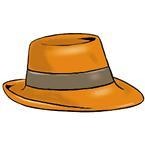
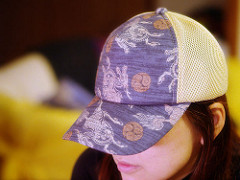
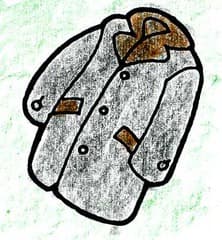
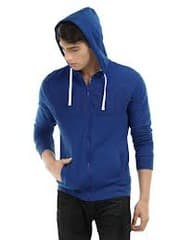
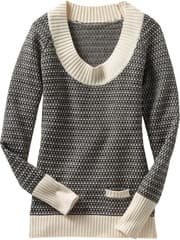
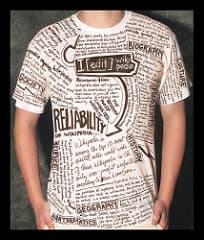
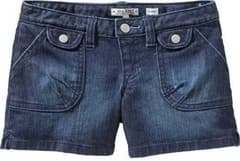
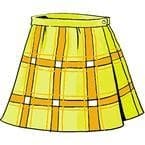
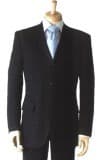
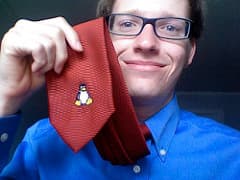
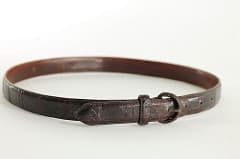
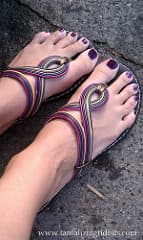
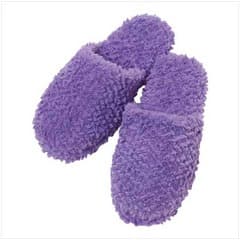
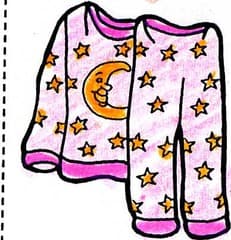
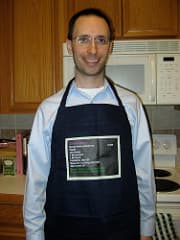
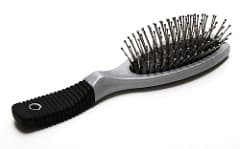
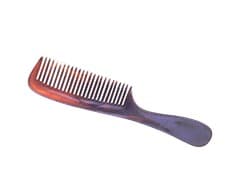
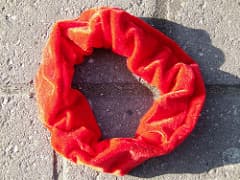
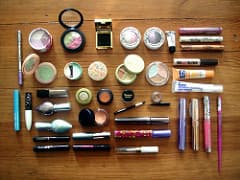
Items of clothing and accessories
Quiz by Anna Laghigna
Customize this quiz to suit your class
Instantly translate to 100+ languages
Tag the questions with any skills you have. Your dashboard will track each student's mastery of each skill.
Give this quiz to my class























 • Agriculture is growing of crops and keeping of animals. • People who practice agriculture are called farmers. • Agriculture is very important to the family. Benefits to the family • It provides food. • It provides money. • Agriculture gives us medicine. • It provides jobs. • Agriculture gives us transport and power. • It helps most families become self sufficient. • Farm tools are instruments used on farms to make work easier. • They are usually handheld and are used frequently when practicing agricultural activities. • Farm tools are light in weight, easy to handle and are suited to the strength of the farmer Name of tool Picture Use Watering can For fine watering of seed beds bucket Carrying manure, fertilizer,seed and ripe crops Name of tool Picture Use Sickle Cutting grass and harvesting of cereals like rice and wheat Slasher Cutting down tall grass and weeds USES OF FARM TOOLS Name of tool Picture Use Garden trowel Transplanting seedlings and making planting holes Hand fork Shallow cultivation of soil Aerating the soil USES OF FARM TOOLS Name of tool Picture Use Shovel Loading and offloading soil or manure into a wheelbarrow, scotch cart or truck Spade Digging and turning over of moist soil USES OF FARM TOOLS Name of tool Picture Use Garden fork Loosening and turn soil Garden line Marking straight ridges and garden beds USES OF FARM TOOLS Name of tool Picture Use wheelbarrow Moving items around the farm Items such as soil, mulch, animal feed. Etc Knapsack sprayer Spraying pesticides and herbicides Spraying fertilizers on crops. • An inventory is a record of the things that you have. • This is a list of tools issued out and tools received back and from whom Inventory of farm tools Inventory record sheets Created by Date Name of tool Sheet Tool numbenumber Description r Location Quantity Spade 1/15 Black,wooden handle Store room 2 SAFETY IN AGRICULTURE • Agricultural activities can be dangerous. • Hazards involved results in injury, disability and death of people and animals. • The hazards are usually caused by physical injury and chemical poisoning. Common hazards in Agriculture 1. physical injury These include: • Injury caused by accidents during use of farm tools, equipment and machinery. • Misuse and improper storage of farm tools and equipment. • Being kicked by animals. • Drowning in farm pond, pool or dam. Common hazards in Agriculture 2 . Chemical poisoning These include: • Spraying without protective clothing. • Eating or smoking when spraying chemicals. • Dumping toxic chemical left overs on land and in water. • Eating agriculture produces without prior permission from adults. • Pesticides, herbicides and fertilizers pollute water sources and kill animals. Chemical poisoning Ways of preventing common agricultural hazards 1. Wear protective clothing such as gloves, gumboots, respirator, hat and overalls. 2. Do not eat, drink or smoke when spraying. 3. Dispose off all chemical remains safely. 4. Bury or burn empty chemical containers and chemical left overs. 5. Wash thoroughly with running water and soap after using chemicals. 6. Do not spray during windy days. 7. Handle tools the right way. 8. Fence farm ponds and dams. Ways of preventing common agricultural hazards Climate and Landuse Seasons of Zimbabwe Seasons of Zimbabwe Definition of terms • A season is a time of the year with almost the same weather patterns. • Weather is the state of the atmosphere at a particular time at a particular place. • it is the daily condition of air around us. • Seasons are determined by rainfall and temperature. Seasons of Zimbabwe • There are four seasons in Zimbabwe , which are: 1.The rain season 2.Post rain season 3.Cool dry season 4.Hot dry season Seasons of Zimbabwe 1.The rain season ( summer) • It is also called the hot- wet season. • The season begins in mid November to mid March. • The period is rainy and hot. • Dams and rivers fill up. Seasons of Zimbabwe 2 . The post rain season ( autumn ) • It starts mid March – May • The days are bright and sunny. • The leaves change from green to red, orange, yellow or brown before falling. • In addition, there is less sunlight because the days are shorter. • It is the harvesting period of most crops. Seasons of Zimbabwe 3. The cold dry season ( winter ) • It begins mid May – mid August • The mornings, evenings and nights are very cold. • Has short days and long nights. Seasons of Zimbabwe 4 . The hot season (spring ) • It begins mid August – mid November. • The days are very hot with cool nights. • A season for trees to develop new shoots. Summer Activities Agricultural activities done during the rain season includes: • Ploughing and planting of summer crops for example maize, cotton. • Weeding • Pest and disease control • Applying fertilizers. • Weekly dipping of animals because ticks, lice and mites would be many. • Harvesting of summer crops • Preparing fireguards. A fireguard is a fire break. • Beginning of the planting of wheat, barley and oats. Winter Activities • Planting of winter crops such as wheat, barley and oats. • Harvesting and selling of summer crops continues. • Constructing frost barriers for frost sensitive crops such as tomatoes. • Vaccinating animals against blackleg. • Supplementary feeding of grazing animals. • Dosing of animals to kill internal parasites. Spring Activities • Shelling and threshing of grain crops. • Dry planting of summer crops. • Carrying manure to fields. • Ploughing and harrowing. • Making planting holes Soil Components •Soil is made up of 4 components: 1)Mineral matter 2)Organic matter 3)Soil water 4)Soil air Kindly create a 30 items multiple choice test from this laboratory activity entitled laboratory do's and donts: LABORATORY SAFETY Dos: Wear Appropriate Attire: Wear lab coats, safety goggles, gloves, and any other required personal protective equipment (PPE) at all times in the lab. Follow Protocols: Adhere strictly to established protocols and procedures for all experiments and tasks. Label Everything: Clearly label all containers, tubes, vials, and equipment with relevant information, including date, contents, and your initials. Calibrate Instruments: Regularly calibrate and maintain all lab equipment according to manufacturer guidelines to ensure accurate measurements. Keep Workspace Organized: Maintain a clean and organized workspace to prevent contamination and ensure efficient work. Dispose of Waste Properly: Follow the correct disposal procedures for hazardous waste, sharps, and non-hazardous materials in accordance with local regulations. Use Pipette Aids: Always use pipette aids or bulb fillers to avoid mouth pipetting and potential exposure to hazardous substances. Record Observations: Keep detailed and accurate records of your experiments, observations, procedures, and results. Label Samples Clearly: Label all samples with accurate and descriptive information to avoid mix-ups and confusion. Communicate: Maintain clear communication with colleagues and supervisors about your work, findings, and any potential issues. Follow Safety Guidelines: Adhere to all safety guidelines, emergency procedures, and evacuation plans in case of accidents or incidents. Report Accidents and Incidents: Report any accidents, spills, or incidents to your supervisor immediately, no matter how minor they may seem. Don'ts: Don't Eat, Drink, or Smoke: Never consume food, drinks, or smoke inside the laboratory to prevent contamination and chemical exposure. Don't Pipette by Mouth: Avoid mouth pipetting to prevent the risk of inhaling or ingesting hazardous substances. Don't Use Chipped Glassware: Do not use chipped, cracked, or compromised glassware, as they can lead to leaks and contamination. Don't Work Alone: Avoid working in the lab alone, especially with hazardous materials or equipment. Don't Ignore Safety Procedures: Never disregard safety procedures or skip steps, even if you're experienced with a particular task. Don't Contaminate Reagents: Avoid contaminating reagents by using clean tools, pipettes, and containers. Don't Rush: Take your time and follow protocols accurately. Rushing can lead to mistakes and unsafe conditions. Don't Block Emergency Equipment: Keep emergency equipment, such as eyewash stations, fire extinguishers, and safety showers, unobstructed and easily accessible. Don't Pour Chemicals into Sinks: Do not pour chemicals down sinks unless you are certain they are safe to do so, as this can lead to environmental contamination. Don't Use Unlabeled Chemicals: Never use unlabeled or improperly labeled chemicals. Always know what you're working with. Don't Wear Loose Clothing or Jewelry: Avoid wearing loose clothing, open-toed shoes, and excessive jewelry that could get caught in equipment or chemicals. Don't Assume, Ask: If you're unsure about something, never assume. Always ask for guidance from your supervisor or colleagueImportant Preparations Before an Earthquake Strikes • Follow the structural design and engineering practices when constructing a house or building. • Evaluate the structural soundness of the buildings and houses: strengthen if necessary. • Be aware of the earthquake evacuation plans for all of the buildings you occupy regularly. • Strap or bolt heavy furniture and cabinets to the wall to keep them in place. • Breakable items, harmful chemical, and flammable materials should be stored properly in the lowermost secure shelves • Prepare and know where fire extinguishers, first aid kits, alarms, and communication facilities are located and learn how to use them beforehand. • Pick safe places in each room of your home, workplace, and school and practice doing drop, cover, and hold.Essential Things to Do While an Earthquake is Happening • Stay calm. • Duck under a sturdy desk or table and hold onto it. Protect your head with your arms. • If there is no sturdy furniture, sit on the floor in a corner next to an interior wall and cover your head and neck with your arms. • Move away from glass windows, sliding doors, shelves, cabinets, and other heavy objects. • Grab anything handy to shield your head and face from falling debris and splinting glass. • Stay indoors until the shaking stops. If you must leave the building. use the stairs rather than elevators. • Stay away from trees, power lines, posts, and concrete structures and proceed cautiously to an open area. • Move away from steep. slopes, which may be affected by landslides. • Move quickly to higher grounds since tsunamis might follow • Pull over to a clear location and stop. Avoid bridges, overpasses, and power lines, if possible. • Be updated about disaster. prevention instructions from battery operated radios.Essential Safety Measures After an Earthquake • Check yourself and others for injuries. • Do not panic. • Expect and prepare for aftershocks. These aftershocks may be weaker but they may sometimes cause more damage than the major earthquake. • Look for emergency supply kits. They should include food, water, medication, clothing, and other things you may need. • If you need to evacuate, leave a message stating where you are going • Do not enter damaged buildings since they might have weakened foundations, increasing their susceptibility for collapse. There can also be a lot of falling debris. • Do not use elevators • Check water and electrical lines for damages. Turn the main switch off to avoid any incidences of electric shock • Look for and extinguish fires to reduce their chances of spreading. • Avoid fallen power lines. • Tune in to radio broadcasts and be updated on disaster prevention instructions.A stain is an accidental splash on our dress or unwanted colour on our dress. We need to remove them instantly to prevent such colour from being stubborn to remove. Stains could be removed with water, kerosene, alcohol, methylated spirits and bleaches (jik, hypo). Materials Needed for Removing Stains : • Various stained clothing items (preferably with common stains like food, grease, ink, etc.) • White vinegar • Baking soda • Dish soap • Rubbing alcohol • Stain remover pen or stick • Clean clothes or paper towels Type of Stain Method of Removal Blood Cold water soak, enzyme cleaner, hydrogen peroxide Coffee Cold water soak, white vinegar, dish soap Wine Blot with cloth, club soda, white wine vinegar Oil/Grease Baking soda, dish soap, cornstarch Ink Rubbing alcohol, hairspray, milk Grass Vinegar, rubbing alcohol, enzyme pre-wash Mud Let dry, brush off excess, cold water soak, laundry detergent Chocolate Cold water soak, dish soap, vinegar Tomato Sauce Cold water soak, dish soap, white vinegar Rust Lemon juice, salt, hydrogen peroxide Lipstick Rubbing alcohol, dish soap, glycerin.Día de los Muertos (Day of the Dead) When and Where? People all over the world celebrate Día de los Muertos, or "Day of the Dead." People in Mexico have celebrated holidays like this one for thousands of years. All over the United States, people hold parades and celebrations. These usually take place around November 1 and 2. Is It Halloween? Día de los Muertos might seem like Halloween. The two holidays are different, though. Halloween is often about scaring people. Día de los Muertos is a time of joy. People remember and celebrate loved ones who have died Lidia's Día de los Muertos. Lidia Terán-Cooper grew up in Mexico. Lidia and her family spent every Día de los Muertos at the cemetery. The family brought flowers and a picnic. They told stories about those who had died. Bands played special songs. Lidia and the other children danced and played all day. Día de los Muertos was always a happy day for Lidia. Lidia lives in the United States now. Lidia and her family walk in the parade in Tucson (TOO-sawn), Arizona, every year. Before the parade, Lidia makes masks. Children and adults paint the masks and wear them in the parade. Day of the Dead for Children. Some places have a parade for children. Children decorate cardboard wings to wear. They paint their faces and put on costumes.Altars. Día de los Muertos has many other traditions. Some people build altars in their homes. The altars are covered with cloth. The family puts up photos of the person who has died. They might add a favorite item or piece of clothing of the loved one. The family lights candles around the altars. They also make special bread. They might even leave a favorite drink. Flowers, skeleton toys, and dolls also decorate the altars. Sugar Skulls. Some people make sugar skulls. People decorate the sugar skulls with colorful frosting. Children love eating the sweet skulls. Art. Some artists make paintings for the holiday. The paintings show skeletons dancing and playing music. The art is a way to celebrate friends and family members who have died. Full of Life. Día de los Muertos helps people to feel better after losing someone they love. Marching in a parade or decorating altars can help them celebrate that special person. No other holiday is so full of life, costumes, masks, joy, memories, and love1. Flammable materials, like alcohol, should never be dispensed or used near A. an open door. B. an open flame. C. another student. D. a sink. 2. If a laboratory fire erupts, immediately A. notify your instructor. B. run for the fire extinguisher. C. throw water on the fire. D. open the windows. 3. Approved eye protection devices (such as goggles) are worn in the laboratory A. to avoid eye strain. B. to improve your vision. C. only if you don’t have corrective glasses. D. any time chemicals, heat or glassware are used. 4. If you wear contact lenses in the school laboratory, A. take them out before starting the lab. B. you do not have to wear protective goggles. C. advise your science instructor that you wear contact lenses. D. keep the information to yourself. 5. If you do not understand a direction or part of a lab procedure, you should A. figure it out as you do the lab. B. try several methods until something works. C. ask the instructor before proceeding. D. skip it and go on to the next part. 6. After completing an experiment, all chemical wastes should be A. left at your lab station for the next class. B. disposed of according to your instructor’s directions. C. dumped in the sink. D. taken home. 7. If a lab experiment is not completed, you should A. discuss the issue with your instructor. B. sneak in after school and work alone. C. come in during lunch and finish while eating lunch. D. make up some results. 8. You are heating a substance in a test tube. Always point the open end of the tube A. toward yourself. B. toward your lab partner. C. toward another classmate. D. away from all people. Science Laboratory Safety teSt 9. You are heating a piece of glass and now want to pick it up. You should A. use a rag or paper towels. B. pick up the end that looks cooler. C. use tongs. D. pour cold water on it. 10. You have been injured in the laboratory (cut, burn, etc.). First you should A. visit the school nurse after class. B. see a doctor after school. C. tell the science instructor at once. D. apply first aid yourself. 11. When gathering glassware and equipment for an experiment, you should A. read all directions carefully to know what equipment is necessary. B. examine all glassware to check for chips or cracks. C. clean any glassware that appears dirty. D. All of the above. 12. You want to place a piece of glass tubing into a rubber stopper after the tubing has been fire polished and cooled. This is best done by A. lubricating the tubing with water or glycerin. B. using a towel or cotton gloves for protection. C. twisting the tubing and stopper carefully. D. all of the above. 13. Personal eyeglasses provide as much protection as A. a face shield. B. safety glasses. C. splashproof chemical goggles. D. none of the above. 14. Long hair in the laboratory must be A. cut short. B. held away from the experiment with one hand. C. always neatly groomed. D. tied back or kept entirely out of the way with a hair band, hairpins, or other confining device. 15. In a laboratory, the following should not be worn. A. loose clothing. B. dangling jewelry. C. sandals. D. all of the above. 16. The following footwear is best in the laboratory. A. sandals B. open-toed shoes C. closed-toed shoes D. shoes appropriate for the weather3 © 2017 Flinn Scientific, Inc. All Rights Reserved. 17. Horseplay or practical jokes in the laboratory are A. always against the rules. B. okay. C. not dangerous. D. okay if you are working alone. 18. If a piece of equipment is not working properly, stop, turn it off, and tell A. the custodian. B. your lab partner. C. your best friend in the class. D. the science instructor. 19. If an acid is splashed on your skin, wash at once with A. soap. B. oil. C. weak base. D. plenty of water. 20. When you finish working with chemicals, biological specimens, and other lab substances, always A. treat your hands with skin lotion. B. wash your hands thoroughly with soap and water. C. wipe your hands on a towel. D. wipe your hands on your clothes. True—False T F 22. ■ ■ Hot glass looks the same as cold glass. 23. ■ ■ All chemicals in the lab are to be considered dangerous. 24. ■ ■ Return all unused chemicals to their original containers. 25. ■ ■ Work areas should be kept clean and tidy. 26. ■ ■ Pipets are used to measure and dispense small amounts of liquids. You should draw the liquid into the pipet using your mouth. 27. ■ ■ Laboratory work can be started immediately upon entering the laboratory even if the instructor is not yet present. 28. ■ ■ Never remove chemicals or other equipment from the laboratory. T F 29. ■ ■ Chipped or cracked glassware is okay to use. 30. ■ ■ Read all procedures thoroughly before entering the laboratory. 31. ■ ■ All unauthorized experiments are prohibited. 32. ■ ■ You are allowed to enter the chemical preparation/storage area any time you need to get an item. 33. ■ ■ Laboratory aprons should be worn during all lab activities. 34. ■ ■ It’s okay to pick up broken glass with your bare hands as long as the glass is placed in the trash. 35. ■ ■ Never leave a lit burner unattended. 21. Draw a diagram of your science room and label the locations of the following: ■ Fire Blanket ■ Fire Extinguisher(s) ■ Exits ■ Eyewash Station ■ Emergency Shower ■ Closest Fire Alarm Station ■ Waste Disposal Container(s)4 © 2017 Flinn Scientific, Inc. All Rights Reserved. Name: ________________________________________________ Date: ______________________________________________ 1. Flammable materials, like alcohol, should never be dispensed or used near A. an open door. B. an open flame. C. another student. D. a sink. 2. If a laboratory fire erupts, immediately A. notify your instructor. B. run for the fire extinguisher. C. throw water on the fire. D. open the windows. 3. Approved eye protection devices (such as goggles) are worn in the laboratory A. to avoid eye strain. B. to improve your vision. C. only if you don’t have corrective glasses. D. any time chemicals, heat or glassware are used. 4. If you wear contact lenses in the school laboratory, A. take them out before starting the lab. B. you do not have to wear protective goggles. C. advise your science instructor that you wear contact lenses. D. keep the information to yourself. 5. If you do not understand a direction or part of a lab procedure, you should A. figure it out as you do the lab. B. try several methods until something works. C. ask the instructor before proceeding. D. skip it and go on to the next part. 6. After completing an experiment, all chemical wastes should be A. left at your lab station for the next class. B. disposed of according to your instructor’s directions. C. dumped in the sink. D. taken home. 7. If a lab experiment is not completed, you should A. discuss the issue with your instructor. B. sneak in after school and work alone. C. come in during lunch and finish while eating lunch. D. make up some results. 8. You are heating a substance in a test tube. Always point the open end of the tube A. toward yourself. B. toward your lab partner. C. toward another classmate. D. away from all people. Science Laboratory Safety teSt 9. You are heating a piece of glass and now want to pick it up. You should A. use a rag or paper towels. B. pick up the end that looks cooler. C. use tongs. D. pour cold water on it. 10. You have been injured in the laboratory (cut, burn, etc.). First you should A. visit the school nurse after class. B. see a doctor after school. C. tell the science instructor at once. D. apply first aid yourself. 11. When gathering glassware and equipment for an experiment, you should A. read all directions carefully to know what equipment is necessary. B. examine all glassware to check for chips or cracks. C. clean any glassware that appears dirty. D. All of the above. 12. You want to place a piece of glass tubing into a rubber stopper after the tubing has been fire polished and cooled. This is best done by A. lubricating the tubing with water or glycerin. B. using a towel or cotton gloves for protection. C. twisting the tubing and stopper carefully. D. all of the above. 13. Personal eyeglasses provide as much protection as A. a face shield. B. safety glasses. C. splashproof chemical goggles. D. none of the above. 14. Long hair in the laboratory must be A. cut short. B. held away from the experiment with one hand. C. always neatly groomed. D. tied back or kept entirely out of the way with a hair band, hairpins, or other confining device. 15. In a laboratory, the following should not be worn. A. loose clothing. B. dangling jewelry. C. sandals. D. all of the above. 16. The following footwear is best in the laboratory. A. sandals B. open-toed shoes C. closed-toed shoes D. shoes appropriate for the weather5 © 2017 Flinn Scientific, Inc. All Rights Reserved. 17. Horseplay or practical jokes in the laboratory are A. always against the rules. B. okay. C. not dangerous. D. okay if you are working alone. 18. If a piece of equipment is not working properly, stop, turn it off, and tell A. the custodian. B. your lab partner. C. your best friend in the class. D. the science instructor. 19. If an acid is splashed on your skin, wash at once with A. soap. B. oil. C. weak base. D. plenty of water. 20. When you finish working with chemicals, biological specimens, and other lab substances, always A. treat your hands with skin lotion. B. wash your hands thoroughly with soap and water. C. wipe your hands on a towel. D. wipe your hands on your clothes. 21. Draw a diagram of your science room and label the locations of the following: ■ Fire Blanket ■ Fire Extinguisher(s) ■ Exits ■ Eyewash Station ■ Emergency Shower ■ Closest Fire Alarm Station ■ Waste Disposal Container(s) True—False T F 22. ■ ■ Hot glass looks the same as cold glass. 23. ■ ■ All chemicals in the lab are to be considered dangerous. 24. ■ ■ Return all unused chemicals to their original containers. 25. ■ ■ Work areas should be kept clean and tidy. 26. ■ ■ Pipets are used to measure and dispense small amounts of liquids. You should draw the liquid into the pipet using your mouth. 27. ■ ■ Laboratory work can be started immediately upon entering the laboratory even if the instructor is not yet present. 28. ■ ■ Never remove chemicals or other equipment from the laboratory. T F 29. ■ ■ Chipped or cracked glassware is okay to use. 30. ■ ■ Read all procedures thoroughly before entering the laboratory. 31. ■ ■ All unauthorized experiments are prohibited. 32. ■ ■ You are allowed to enter the chemical preparation/storage area any time you need to get an item. 33. ■ ■ Laboratory aprons should be worn during all lab activities. 34. ■ ■ It’s okay to pick up broken glass with your bare hands as long as the glass is placed in the trash. 35. ■ ■ Never leave a lit burner unattended.Items of gross income in NIRCGreetings for grade 8 students, 5 items of multiple choice