Loading...


Late history Quiz (Group 3)
Quiz by Paola Terán
Customize this quiz to suit your class
Instantly translate to 100+ languages
Tag the questions with any skills you have. Your dashboard will track each student's mastery of each skill.
Give this quiz to my class
What country is it?
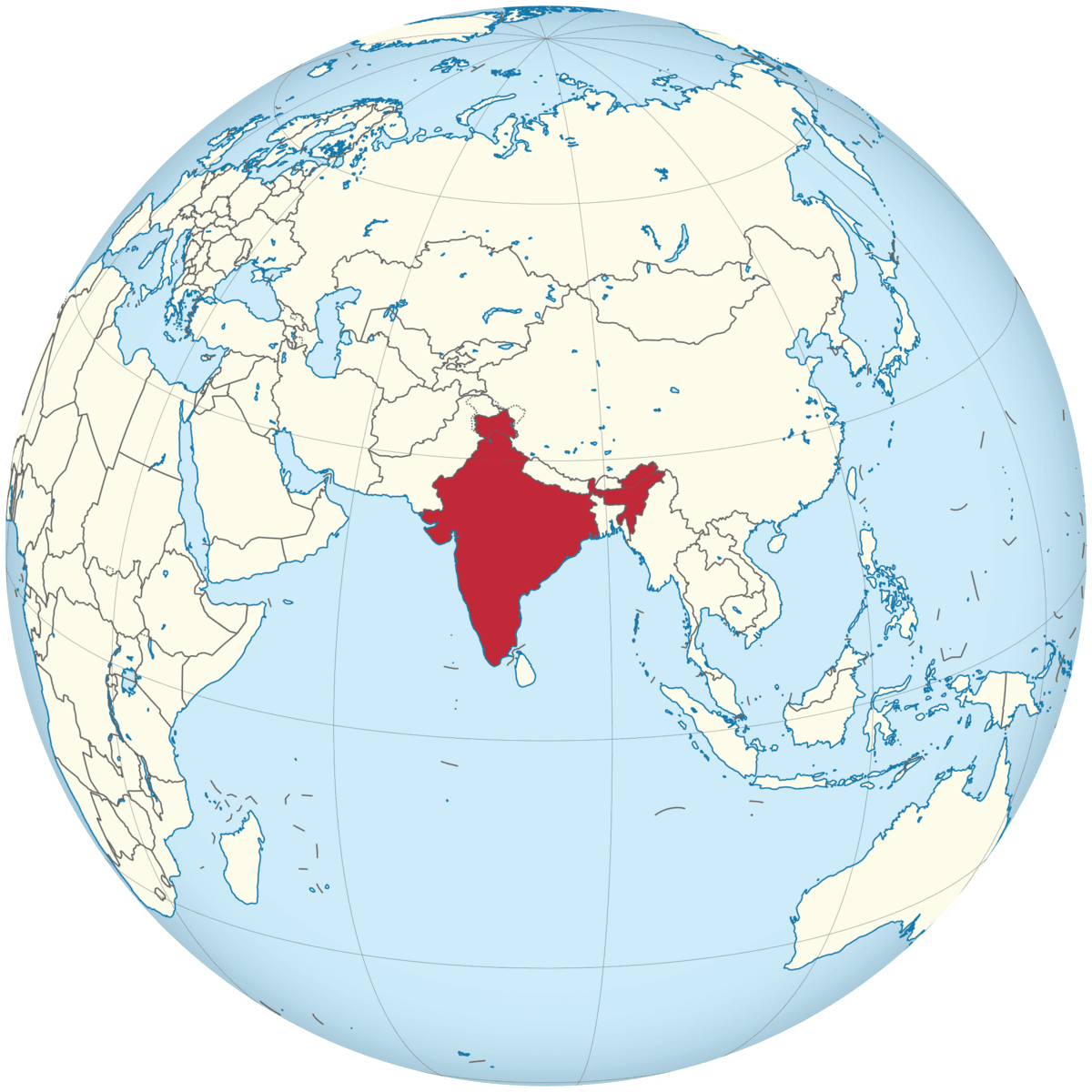
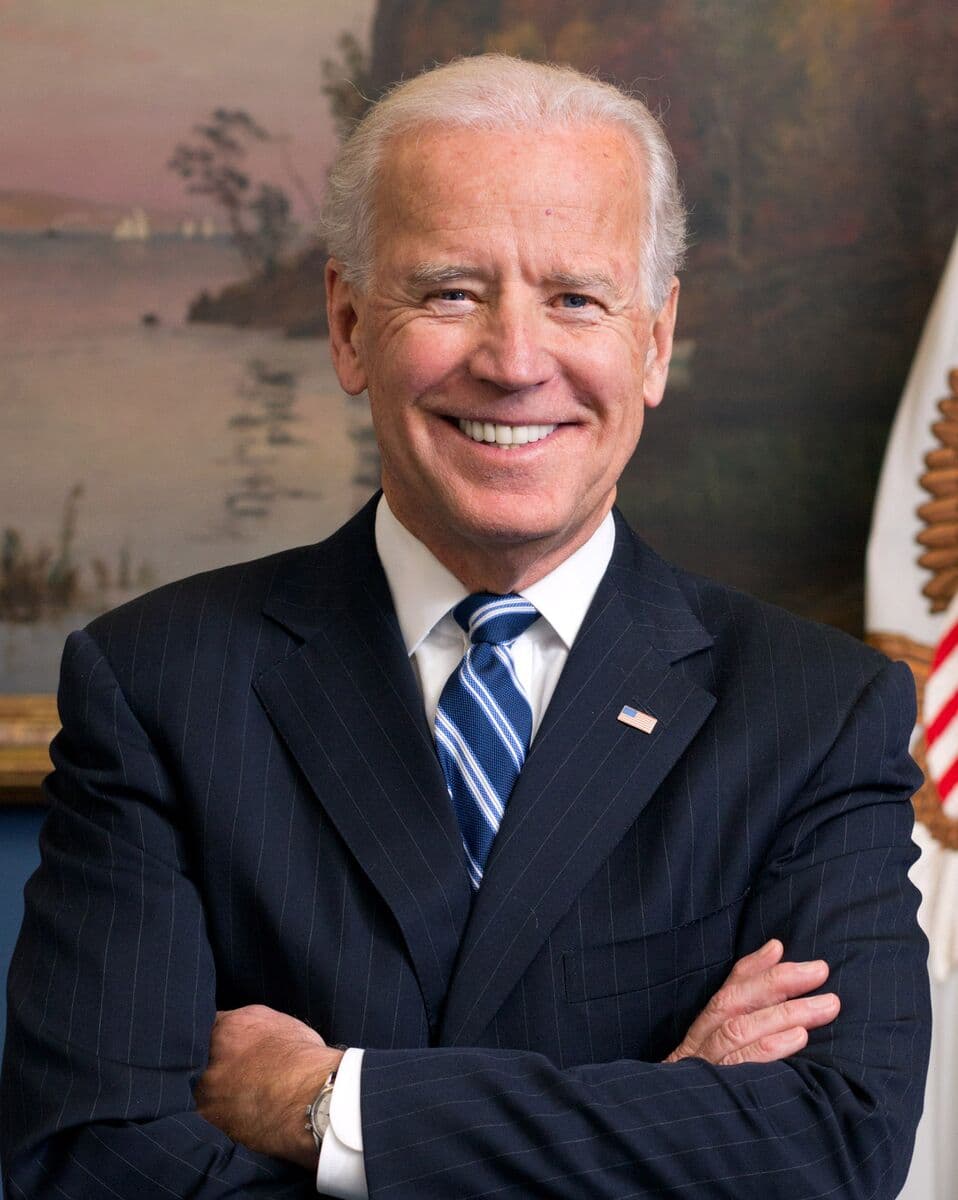
Who is him?
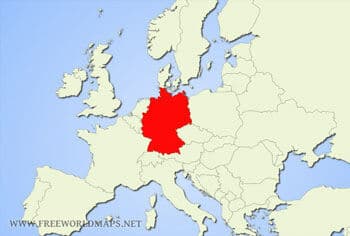
What country it is?
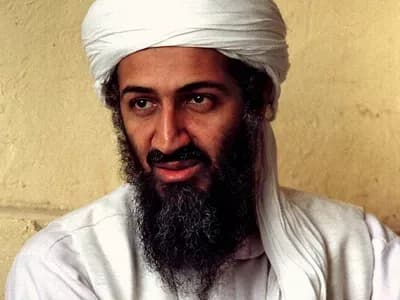
Who is him?
When was the United Nations created?
Who is him?

 By the late 1800s, the Spanish were losing control of Cuba. Concerned about insurrection in the countryside, they moved rural Cubans to “reconcentration” camps where the Spanish claimed they would be better able to protect them. U.S. Consul-General Fitzhugh Lee forwarded the following account of the conditions of the camps to the U.S. Assistant Secretary of State on November 27, 1897. Lee said the author of the note was “a man of integrity and character.” “[W]e will relate to you what we saw with our own eyes: “Four hundred and sixty women and children thrown on the ground, heaped pellet-mell as animals, some in a dying condition, others sick and others dead. . . . “There is still alive the only living witness, a young girl of 18 years, whom we found seemingly lifeless on the ground; on her right-hand side was the body of a young mother, cold and rigid, but with her young child still alive clinging to her dead body; on her left-hand side was also the corpse of a dead woman holding her son in a dead embrace. . . . “The circumstances are the following: complete accumulation of bodies dead and alive, so that it was impossible to take one step without walking over them; the greatest want of cleanliness, want of light, air, and water; the food lacking in quality and quantity what was necessary to sustain life. . . . From all this we deduct that the number of deaths among the reconcentrados has amounted to 77 per cent.” Source: Unsigned note that was included in a telegram sent by Fitzhugh Lee, U.S. Consul-General in Cuba, to the U.S. Assistant Secretary of State November 27, 1897. consul-general: a government official living in a foreign country charged with overseeing the protection of U.S. citizens and promoting trade pell-mell: state of disorder accumulation: pile want: lack reconcentrados: the reconcentration camp prisoners; The following is an excerpt from Albert J. Beveridge’s speech, delivered September 16, 1898. Beveridge gave this speech while he was campaigning to become a senator for Indiana. The speech helped him win the election and made him one of the leading advocates of American expansion. “Fellow citizens, it is a noble land that God has given us; a land that can feed and clothe the world;. . . . It is a mighty people that he has planted on this soil . . . It is a glorious history our God has bestowed upon his chosen people; . . .a history of soldiers who carried the flag across the blazing deserts and through the ranks of hostile mountains, even to the gates of sunset. . . . “The Opposition tells us that we ought not to govern a people without their consent. I answer: The rule of liberty that all just government derives its authority from the consent of the governed, applies only to those who are capable of self-government. I answer, We govern the Indians without their consent, we govern our territories without their consent, we govern our children without their consent. “They ask us how we will govern these new possessions. I answer: If England can govern foreign lands, so can America. If Germany can govern foreign lands, so can America. . . . “What does all this mean for every one of us? It means opportunity for all the glorious young manhood of the republic, the most virile, ambitious, impatient, militant manhood the world has ever seen. It means that the resources and the commerce of these immensely rich dominions will be increased. . . . “In Cuba, alone, there are 15,000,000 acres of forest unacquainted with the axe. There are exhaustless mines of iron. . . . There are millions of acres yet unexplored. . . . It means new employment and better wages for every laboring man in the Union. . . . People of Southeast Asia By the late 20th century, Southeast Asia’s population (including Indonesia and the Philippines) was approaching a half billion, or about one-twelfth of the world’s total. This population, however, was unevenly distributed within the region. By far the nation with the largest population was Indonesia, with about two-fifths of the regional total; in contrast, Brunei’s population was only a tiny fraction of that. Nearly half of the regional population was accounted for by the mainland states, with Vietnam and Thailand being the most populous. Settlement patterns Southeast Asia is predominantly rural: three-fourths of the people live in nonurban areas. Moreover, population is heavily clustered in fertile river valleys and especially in delta areas, such as those of the Mekong and Irrawaddy rivers. Historical, cultural, and environmental influences also have affected the settlement patterns. Java and other core areas such as the Bangkok (Thailand), Hanoi, and Manila metropolitan areas contain high population densities. While the rate of urbanization in Southeast Asia is relatively low compared with those of other developing regions, it is increasing rapidly. Singapore is unique in that it is essentially totally urban. In addition, the Philippines has a much higher than average level of urbanization, in part because of its Spanish and American colonial history. The largest cities—Jakarta (Indonesia), Bangkok, and Manila—are among the world’s most populous. The growth of cities of all sizes is being fueled primarily by natural increase, but rural-urban migration also is a significant contributor. Rural dwellers continue to be attracted by the promise of employment and other opportunities, but for many migrants the informal (undocumented) economic sector in these large cities is the only hope for some form of employment. Settlement patterns in rural areas tend to be associated with agricultural practices. Shifting cultivation is still common in some parts of the region (notably the remote interior areas of Myanmar, Vietnam, and the island of Borneo), although the amount of land so utilized is gradually shrinking. The village is the unit of settlement and often functions collectively, and typically it is moved from time to time. By contrast, wet-rice cultivation, the dominant form of agriculture in Southeast Asia, is sedentary and results in relatively large rural agglomerations with well-developed village life and customs. Dry and upland farming often produces scattered homesteads. Population resettlement to provide agricultural employment and access to land is important in some Southeast Asian countries, notably Indonesia, Malaysia, and Vietnam. By far the largest program has been conducted in Indonesia, where more than four million people have been voluntarily resettled from Java and Bali to the less populated islands. Despite considerable success, the program has been plagued by such problems as improper site selection, environmental deterioration, migrant adjustment, land conflicts, and inadequate financing. A program in Malaysia also has been quite successful, in part because it has set much smaller resettlement targets and has been better funded. Vietnamese development policy also has utilized the resettlement of people in an effort to revitalize areas outside the major population centres.Make a multiple choice test questions with three options for college level students following the topic: History The history of Family and Consumer Life Skills dates back to the late 19th and early 20th centuries during the Home Economics movement. It was initially introduced to bring science and the arts into the home and domestic sphere. Purpose The purpose of FACLS has evolved over time. Today, it aims to prepare individuals for life roles as individuals and family members, as well as careers in related fields. It helps students to manage resources, balance work and family life, become responsible consumers, and understand human development. Goals Goals of FACLS include enhancing individuals’ abilities to identify and create effective solutions to challenges in their personal lives, families, workplaces, and communities. It also aims to promote lifelong learning, employability, and leadership skills.I beg to move, That this House welcomes the formation of a Government representing the united and inflexible resolve of the nation to prosecute the war with Germany to a victorious conclusion. On Friday evening last I received His Majesty's commission to form a new Administration. It as the evident wish and will of Parliament and the nation that this should be conceived on the broadest possible basis and that it should include all parties, both those who supported the late Government and also the parties of the Opposition. I have completed the most important part of this task. A War Cabinet has been formed of five Members, representing, with the Opposition Liberals, the unity of the nation. The three party Leaders have agreed to serve, either in the War Cabinet or in high executive office. The three Fighting Services have been filled. It was necessary that this should be done in one single day, on account of the extreme urgency and rigour of events. A number of other positions, key positions, were filled yesterday, and I am submitting a further list to His Majesty to-night. I hope to complete the appointment of the principal Ministers during to-morrow. the appointment of the other Ministers usually takes a little longer, but I trust that, when Parliament meets again, this part of my task will be completed, and that the administration will be complete in all respects. I considered it in the public interest to suggest that the House should be summoned to meet today. Mr. Speaker agreed, and took the necessary steps, in accordance with the powers conferred upon him by the Resolution of the House. At the end of the proceedings today, the Adjournment of the House will be proposed until Tuesday, 21st May, with, of course, provision for earlier meeting, if need be. The business to be considered during that week will be notified to Members at the earliest opportunity. I now invite the House, by the Motion which stands in my name, to record its approval of the steps taken and to declare its confidence in the new Government. To form an Administration of this scale and complexity is a serious undertaking in itself, but it must be remembered that we are in the preliminary stage of one of the greatest battles in history, that we are in action at many other points in Norway and in Holland, that we have to be prepared in the Mediterranean, that the air battle is continuous and that many preparations, such as have been indicated by my hon. Friend below the Gangway, have to be made here at home. In this crisis I hope I may be pardoned if I do not address the House at any length today. I hope that any of my friends and colleagues, or former colleagues, who are affected by the political reconstruction, will make allowance, all allowance, for any lack of ceremony with which it has been necessary to act. I would say to the House, as I said to those who have joined this government: "I have nothing to offer but blood, toil, tears and sweat." 2 We have before us an ordeal of the most grievous kind. We have before us many, many long months of struggle and of suffering. You ask, what is our policy? I can say: It is to wage war, by sea, land and air, with all our might and with all the strength that God can give us; to wage war against a monstrous tyranny, never surpassed in the dark, lamentable catalogue of human crime. That is our policy. You ask, what is our aim? I can answer in one word: It is victory, victory at all costs, victory in spite of all terror, victory, however long and hard the road may be; for without victory, there is no survival. Let that be realised; no survival for the British Empire, no survival for all that the British Empire has stood for, no survival for the urge and impulse of the ages, that mankind will move forward towards its goal. But I take up my task with buoyancy and hope. I feel sure that our cause will not be suffered to fail among men. At this time I feel entitled to claim the aid of all, and I say, "come then, let us go forward together with our united strength." To the Lakota, and other indigenous people on North America's Great Plains, the bison was an essential part of their culture ( expressed in the quote on the previous page). The bison provided meat for nutrition, a hide for clothing and shelter, bones for tools, and fat for soap. The bison was also central to their religious beliefs. So, when European settlers hunted the bison nearly to extinction, Lakota culture suffered. Culture is central to a society and the identity of its people, as well as its continued existence. Therefore, geographers study culture as a way to understand similarities and differences among societies across the world, and in some cases, to help preserve these societies. Analyzing Culture All of a group's learned behaviors, actions, beliefs, and objects are a part of culture. It is a visible force seen in a group's actions, possessions, and influence on the landscape. For example, in a large city you can see people working in offices, factories, and stores, and living in high-rise apartments or suburban homes. You might observe them attending movies, concerts, or sporting events. Culture is also an invisible force guiding people through shared belief systems, customs, and traditions. Culture is learned, in that it develops through experiences, and not merely transmitted through genetics. For example, many people in the United States have developed a strong sense of competitiveness in school and business, and believe that hard work is a key to success. These types of elements, visible and invisible, are cultural traits. A series of interrelated traits make up a cultural complex, such as the process of steps and acceptable behaviors related to greeting a person in different cultures. A single cultural artifact, such as an automobile, may represent many different values, beliefs, behaviors and traditions and be representative of a cultural complex. Since culture is learned there are many ways that one generation passes its culture to the next. Children and adults learn traits three ways: • imitation, as when learning a language by repeating sounds or behaviors from a person or television • informal instruction, as when a parent reminds a child to say "please" • formal instruction, as when students learn history in school 132 HUMAN GEOGRAPHY: AP" EDITION CULTURAL COMPLEX OF THE AUTOMOBILE The automobile provides much more than just transportation, as it reflects many values that are central to American culture. Origins of Culture The area in which a unique culture or a specific trait develops is a culture hearth. Classical Greece was a culture hearth for democracy more than 2,000 years ago. New York City was a culture hearth for rap music in the 1970s. Geographers study how cultures develop in hearths and diffuse-or spread-to other places. Geographers also study taboos, behaviors heavily discouraged by a culture. For example, many cultures have taboos against eating certain foods, such as pork or insects. What is considered taboo changes over time. In the United States, marriages between Protestants and Catholics were once taboo, but they are not widely opposed now. Traditional, Folk, and Indigenous Cultures With the beginning of the Industrial Revolution in the late 18th century, modern transportation and communication connected people as never before and led to extensive cultural mixing, especially as cities have grown. The world prior to this time was very different; however, remnants of the past are still evident in our modern cultures. Traditional, folk, and indigenous cultures share some important characteristics and are often grouped together, but they do have some subtle differences. Traditional Culture Recently, the meanings of traditional, folk, and indigenous culture have begun to merge, causing geographers to debate when each should be used. Increasingly, the term traditional culture is used to encompass all three cultural designations. All three types share the function of passing down long-held beliefs, values, and practices and are generally resistant to rapid changes in their culture. Folk Culture The beliefs and practices of small, homogenous groups of people, often living in rural areas that are relatively isolated and slow to change, are known as folk cultures. Like all cultures, they demonstrate the diverse ways that people have adapted to a physical environment. For example, people around the world learned to make shelters out of available resources, whether 3.1: INTRODUCTION TO CULTURE 133 it was snow or mud bricks or wood. However, people used similar resources such as wood differently. In Scandinavia, people used trees to build cabins. In the American Midwest, people processed trees into boards, built a frame, and attached the boards to it. Many traits of folk culture continue today. Corn was first grown in Mexico around 10,000 years ago, and it is still grown there today. While many elements of folk culture exist side by side with modern culture, there are people whose societies have changed little, if at all, from long ago. These people practice traditional cultures, those which have not been affected by modern technology or influences. They often live in remote regions, such as some small tribes in the Amazon rainforest, and have scant knowledge of the outside world. As the lines continue blurring between cultural designations, the Amish of Pennsylvania are often referenced as both folk and traditional culture. Indigenous Culture When members of an ethnic group reside in their ancestral lands, and typically possess unique cultural traits, such as speaking their own exclusive language, they are considered an indigenous culture. Some indigenous peoples have been displaced from their native lands, but still practice their indigenous culture. Native Americans in the United States, such as the Navajo, have kept indigenous cultural practices. First Nations of Canada, such as the Inuit, have also retained their indigenous culture. Globalization and Popular Culture As a result of the Industrial Revolution, improvements in transportation and communication have shortened the time required for movement, trade, or other forms of interaction between two places. This development, known as space-time compression (see Topics 1.4 and 3.6), has accelerated culture change around the world. In 1817, a freight shipment from Cincinnati needed 52 days to reach New York City. By 1850, because of canals and railroads, it took half that long. And by 1852, it took only 7 days. Today, an airplane flight takes only a few hours, and digital information takes seconds or less. Similar change has occurred on the global scale. People travel freely across the world in a matter of hours, and communication has advanced to a point where people share information instantaneously across the globe. The increased global interaction has had a profound impact on cultures, from spreading English across the world to instant sharing of news, events and music. Globalization specifically refers to the increased integration of the world economy since the 1970s. The process of intensified interaction among peoples, governments, and companies of different countries around the globe has had profound impacts on culture. The culture of the United States is intertwined with globalization. Through the influence of its corporations, Hollywood movies, and government, the United States exerts widespread influence in other countries. But other countries also shape American culture. For example, in 2019, the National Basketball Association included players from 38 countries or territories. When cultural traits- such as clothing, music, movies, and types of 134 HUMAN GEOGRAPHY: AP. EDITION businesses-spread quickly over a large area and are adopted by various groups, they become part of popular culture. Elements of popular culture often begin in urban areas and diffuse quickly through globalization processes such as the media and Internet. These elements can quickly be adopted worldwide, making them part of global culture. People around the world follow European soccer, Indian Bollywood movies, and Japanese animation known as anime. With people in many nations wearing similar clothes, listening to similar music, and eating similar food, popular cultural traits often promote uniformity in beliefs, values, and the cultural landscape across many places The cultural landscape, also known as the built environment (see Topic 3.2), is the modification of the environment by a group and is a visible reflection of that group's cultural beliefs and values. Traditional Culture to Popular Culture Popular culture emphasizes trying what is new rather than preserving what is traditional. Many people, especially older generations or those who follow a folk culture, openly resist the adoption of popular cultural traits. They do this by preserving traditional languages, religions, values, and foods. While older generations often resist the adoption of popular culture, they seldom are successful in keeping their traditional cultures from changing, especially among the young people of their society. One clash between popular and traditional culture is occurring in Brazil. As the population expands to the interior of the rain forest, many indigenous cultures, like the Yanamamo tribe, have more contact with outside groups. Remaining isolated by the forest is becoming increasingly difficult as many young people from the indigenous cultures become exposed to popular culture and begin to integrate into the larger Brazilian society. As the young people leave their communities, they are more likely to accept popular culture at the expense of their indigenous cultural heritage, which threatens the very existence of their folk culture. Traditional culture typically exhibits horizontal diversity, meaning each traditional culture has its own customs and language that makes it distinct from other culture groups. Yet, people people within each group are usually homogeneous, or very similar to each other. By contrast, popular culture typically exhibits vertical diversity, meaning that modern urban societies are usually heterogeneous, or exhibiting differences, within the society and usually contain numerous multiethnic neighborhoods. However, on a global scale popular cultures are relatively similar with the same type of malls, shops, fast food, and clothing. Urban global culture centers are not identical, yet, global cities often do not have as much horizontal diversity across space as folk cultures. 3.1: INTRODUCTION TO CULTURE 135 COMPARING TRADITIONAL AND POPULAR CULTURE Trait Traditional Culture Popular or Global Culture Society • Rural and isolated location • Urban and connected location • Homogeneous and • Diverse and multiethnic indigenous population population • Most people speak an • Many people speak a global indigenous or ethnic local language such as English or language Arabic • Horizontal diversity • Vertical diversity Social • Emphasis on community and • Emphasis on individualism and Structure conformity making choices • Families live close to each • Dispersed families other • Weakly defined gender roles • Well-defined gender roles Diffusion • Relatively slow and limited • Relatively rapid and extensive • Primarily through relocation • Often hierarchical • Oral traditions and stories • Social media and mass media Buildings and • Materials produced locally, • Materials produced in distant Housing such as stone or grass factories, such as steel or glass • Built by community or owner • Built by a business • Similar style for community • Variety of architectural styles • Different between cultures • Similar between cities • Traditional architecture • Postmodern / contemporary architecture Food • Locally produced • Often imported • Choices limited by tradition • Wide range of choice • Prepared by the family or • Purchased in restaurants community Spatial Focus • Local and regional • National and global Artifacts, Mentifacts, and Sociofacts Whether a cultural attribute is considered traditional, folk, indigenous, or popular in nature, it is valuable to differentiate between elements of culture that can be seen and those that can not. There are artifacts that comprise the material culture, which consists of tangible things, or those that can be experienced by the senses. Art, clothing, food, music, sports, and housing types are all tangible elements of culture. Another element of the study of artifacts is understanding the techniques to use or build a specific artifact. Artifacts can be unique to a particular culture, or can be shared. For example, people of all cultures need to communicate through language, yet there are many groups that possess languages unique to their culture. The ability to read, write and understand the English language is an artifact of importance for much of popular global culture. 136 HUMAN GEOGRAPHY: AP" EDITION Mentifacts comprise a group's nonmaterial culture and consist ofintangible concepts, or those not having a physical presence. Beliefs, values, practices, and aesthetics (pleasing in appearance) determine what a cultural group views as acceptable and desirable. Mentifacts can also be unique or shared. People of many cultures possess an belief in one or many deities, and often the deities are unique to that culture. The belief in a god is a mentifact-the religious building or symbols are artifacts. Cultural groups also possess sociofacts, which are the ways people organize their society and relate to one another. Taken altogether, people tend to see the whole of their culture as greater than the sum of its individual parts. Sociofacts are embodied through families, governments, sports teams, religious organizations, education systems, and other social constructs. As with artifacts and mentifacts, sociofacts may also be unique or similar to other societies. Families are the foundations of most societies, yet what constitutes the structure of a family may vary widely between cultural groups. For example, Western cultures tend to view the nuclear family, consisting of the parents and their children as the basic family unit. By contrast, in many Western African cultures the norm is the extended family, consisting of several generations and other family members such as cousins living under one roof.In a single domesticated grain seed, one might see the bud of great civilizations. The birth of agriculture was a turning point in humans' social development, as stable food supplies enabled people to transcend the constraints of food gained by hunting and gathering. After that, people were able to settle down and experience population booms. As one of the major areas around the globe where agriculture originated, China has contributed to the world's domesticated rice, millet, buckwheat and soybeans. Archaeological studies have unveiled that the planting of rice originated around 10,000 years ago in the lower reaches of the Yangtze River, leading to the eventual replacement there of hunting and gathering practices dating back 5,000 to 6,000 years. "It marked the formation of a rice-based agricultural society in the area," said Zhao Zhijun, an archaeologist at the Chinese Academy of Social Sciences. Archaeological studies of the origins of rice-based agriculture are an important part of a national project tracing the origins of Chinese civilization itself. President Xi Jinping has greatly valued the project. At a group study session of the Political Bureau of the Communist Party of China Central Committee on May 27, 2022, Xi, who is also general secretary of the CPC Central Committee, emphasized the significance of the project and the role that archaeological studies play in better understanding Chinese civilization. The project to trace the origins of Chinese civilization, in addition to finding signs of human activity more than 1 million years ago, has also proved that China's history includes 10,000 years of culture and more than 5,000 years of civilization. The project has provided clear knowledge of the origins and formation of Chinese civilization, the history of its development, the process of the formation and development of its pluralistic and integrated pattern, and the characteristics of the civilization and why it was formed in such a way, he added. This was not the first time that Xi emphasized the importance of the origin-tracing project. Since the 18th National Congress of the CPC in 2012, Xi has toured more than 100 historical and cultural locations and issued many instructions related to archaeology and the origin-tracing project. During the 23rd group study session of the Political Bureau of the CPC Central Committee in 2020, Xi called for giving more attention to archaeological research and letting historical facts speak for themselves. "This will provide strong support for our efforts to carry forward the best of traditional Chinese culture and increase our cultural confidence," said Xi. The origin-tracing project has been carried out since 2002. Its ongoing fifth phase, which started in 2020, involves the participation of more than 500 researchers from 29 institutes across the country. It primarily centers on several ancient capital sites, including the Liangzhu site in Hangzhou, Zhejiang province, the Taosi site in Xiangfen county, Shanxi province, the Shimao site in Shenmu, Shaanxi province, and the Erlitou site in Luoyang, Henan province, from 3,500 to 5,500 years ago, as well as other settlements mainly along the basins of the Yellow, Yangtze and Liaohe rivers. The project has also expanded to a wider geographic and chronological framework to decode how Chinese civilization emerged and how its diverse elements formed a unity. Excavation of the Liangzhu site, which is over 5,000 years old and is one of the major sites covered in the origin-tracing project, has yielded an inner city covering 3 million square meters and an outer city of 6.3 million sq m, making it the world's largest capital at the time. It also had a giant water control system, which contributed to the formation of a rice-based agricultural society. By calculating the earthwork volume, archaeologists found that building the entire ancient city, the water control system and Mojiaoshan — a 10-meter-tall man-made terrace in the center of the city — required 10,000 people working daily for seven-and-a-half years. The discoveries show that Liangzhu had a kingship able to organize people for large-scale public construction, and its social differentiation, emergence of the city concept and existence of a kingship prove that it became a civilized society, said Wang Wei, a veteran archaeologist at the Chinese Academy of Social Sciences. Significant topic Wang said that tracing the origins of a civilization is a significant topic in the research of human history. Over the years, the Chinese project has provided China's answer to how to define civilizations. In 2022, Xi commended the efforts and stressed that the project has made creative contributions to the research on tracing the origins of the world's civilizations. Wang said: "International academia has proposed three indispensable elements for a civilized society based on features of Mesopotamian and Egyptian civilizations: written characters, metallurgy and the city concept. But we can find that some of the three elements were absent in many ancient civilizations. For example, the Mayan civilization had no metallurgy, while the Incan civilization didn't have written characters." Western scholars believe that Chinese civilization began with the Yinxu Ruins in Anyang, Henan province, a capital of the late Shang Dynasty (c.16th century-11th century BC), based on the discovery of inscribed oracle bones from that time. However, Chinese archaeologists don't agree. With continued archaeological research, international academia now believes that places around the world can propose criteria for civilization based on their own ancient social development. China's archaeological studies have shaped the nation's criteria in defining a civilization: the development of productivity, an increase in population, the appearance of cities, social differentiation and the emergence of kingship and state. "These criteria are suitable for identifying other civilizations as well," said Wang. "Civilizations have in common the appearance of kingship and state. They are only different in the ways of imposing kingship and the forms of state." In China, kingship and state "were shown by exquisite jade and bronze ritual artifacts, grand palaces and magnificent mausoleums imitating aboveground palaces", he added. "In Mesopotamia and ancient Egypt, they were demonstrated through superb stone temples, pyramids and large-scale tombs." Multidisciplinary subject President Xi said in 2020 that archaeologists should work closely with researchers from other fields to make an interpretive analysis of material remains. Zhang Chi, a professor of archaeology at Peking University, said that since material remains are often the research focus of archaeological studies, these should not only be observed with the eyes, but also studied using scientific and technological tools. Therefore, from the perspective of research methods, archaeology is by nature a multidisciplinary subject, Zhang added.Continental Drift Theory. From the discussion of the rock cycle, it has been pointed out that through Earth's external and internal processes. Earth's surface is constantly changing. However, this idea of a changing environment did not conform with the belief of earlier scientists. Rather, they thought that the geographic positions of ocean basins and continents have been static since the beginning of time. It was around the 1500s when Leonardo da Vinci, upon his discovery of fossil seashells found at the high mountains of Italy, first thought of the idea that the areas where mountains are located may have been oceans in the past. Through time, other fossils of marine organisms found far above the current sea level further supported the idea that mountains were uplifted and weathering wore them down. At around the 1800s, most scientists have accepted the idea that Earth's crust is undergoing large vertical movements or uplifting. There was also evidence of possible horizontal movements, but the scientists then were not convinced about it. Alfred Wegener showed evidence of horizontal or lateral movement of the continents in his continental drift theory. According to him, the continents have drifted around the world and have once formed a giant landmass or supercontinent called Pangaea. To support his theory, Alfred Wegener presented a set of geographical, biological, and climatic evidence.Wegener's geographical evidence included the jigsaw puzzle fit of the current continents. He pointed out that the coastlines of South America and Africa seem to fit together. He also pointed the presence of mountain ranges having similar rock types and age but separated by vast oceans, like that of the folded rocks of the Caledonian mountains. The same folded rocks run through West Africa, North America, Newfoundland, Ireland, Wales, Scotland, Greenland, and Norway, all of which are now separated by the Atlantic Ocean. A geographical evidence on the similar rock types in West Africa, North America, Greenland, and Europe is found. The biological evidence came in the discovery of similar plant and animal fossils in different continents separated by oceans. The animal fossils of Mesosaurus and Lystrosaurus indicate that they were not capable of crossing the oceans to reach the other continents. If they were, the fossils should have been more widely distributed Africa, Australia, India, and South America were too large to be carried by wind. This indicates that the areas where the fossils were found were closely linked. It has also been found out that the plant only grew in areas with subpolar climate, which would indicate that the landmasses were located near the South Pole.Lastly, for his climatic evidence, Wegener discovered that a glacial period occurred during the late Paleozoic era in Southern Africa, South America, Australia, and India. The initial explanation for this event was global cooling, but it was rejected because large tropical swamps with so much vegetation were found at the same time in the Northern Hemisphere. This further supported the idea that the supercontinent was indeed near the South Pole, and the continents in Northern Hemisphere were once near the equator. The glacial period also left glacial striations, or the scratches glaciers make as they move across on the underlying bedrock, on the aforementioned continents. For such an event to happen, the continents would have to be connected. SCIENCE PIONEER. Alfred Wegener (1880-1930). Alfred Wegener was a German polar researcher, geophysicist, and meteorologist. He was known for his work on the continental drift theory. In his effort to defend his work, he went to the Greenland ice sheet where he died.Even with all the compelling evidence, the continental drift theory hardly convinced the scientific community at that time because Wegener was unable to identify a credible mechanism that drives the continental drift. He was unable to clearly explain how the continents moved and how the larger continents broke through the ocean floor. Eventually, critics of the continental drift began to accept the theory when new evidence supporting the theory was discovered. The new evidence led to a more encompassing theory the theory of plate tectonics. This theory provided a more convincing explanation as to how the continents moved. The evidence that paved the way for the theory of plate tectonics was the idea of wandering poles. Scientists began studying volcanic rocks to determine the location of the magnetic poles. When volcanic rocks crystallize, the minerals with magnetic properties align themselves parallel to Earth's magnetic field at the time the minerals were formed. This finding allowed scientists to determine the polarity of Earth's magnetic field and the magnetic inclination that showed the location of the poles. Upon studying the paleomagnetism of the rocks, geophysicists found out that rocks from various locations point to different magnetic north poles, suggesting that the poles have wandered. Since movement of magnetic poles is very unlikely, scientists have accepted the idea that the continents are indeed moving. And if the continents are moving, scientists thought that maybe the ocean basins are moving too. They also discovered that some rocks showed magnetic reversals, which led them to believe that the magnetic north pole now was not always the magnetic north pole. Seafloor Spreading. After World War II, exploration on the ocean floor became the focus of many geologic studies. It was only then that the ocean ridge system was discovered. A geologist in Princeton University named Harry Hess, along with other scientists, studied this ocean ridge system and hypothesized that the oceanic crust was moving away from the ridge. His hypothesis, known as seafloor spreading, showed that the ocean floor is split along the ridge where the magma rises to form the new ocean floor.Because of this, rocks located near the ridge are younger than those that are located magnetic polarity of Earth is also preserved in those rocks. Withe ridge scientists were able to see the magnetic reversals in the ocean floor, and they were able to make use of information to determine that the ocean floor is moving at a rate of about 10 cm per year. Plate Tectonics. Confirmation of the seafloor spreading hypothesis proved that continents are not moving above the ocean floor. Rather, it is the fragments of the lithosphere. The lithosphere is the rigid layer that is composed of the uppermost mantle and the crust that carry the continents and the ocean basins along. These fragments of the lithosphere are called plates. Underneath the lithosphere is a weaker region in the mantle known as asthenosphere that behaves like a fluid. Thus, the lithosphere floats above the asthenosphere, making it detached and free to move. This became the basis of the theory of plate tectonics. Now that it has been made clear that it is the plates which are moving, the question as to how they move remained. Sir Arthur Holmes proposed the driving force for this plate movement in 1919. He suggested that the movement in the mantle carries the plates along. It was previously discussed that Earth's interior is very hot due to the heat produced by radioactive decay. Convection takes place in the mantle, keeping the asthenosphere hot and weak. The convection currents produced in the asthenosphere are the ones carrying the lithospheric plates and making them move. However, convection currents are not enough. Mechanisms such as ridge push and slab pull aid the convection currents to slowly move the lithospheric plates. Ridge push occurs at mid ocean ridges which are higher in elevation than the surrounding trenches and abyssal plains. The new ocean floor from the ridge is hot and relatively thin. As it moves away from the ridge, it cools down and gets denser, heavier, and thicker. Below this cooling ocean floor is the asthenosphere, which is less dense. This area becomes a massive shear zone and the new ocean floor will effectively slide down the slope of the asthenosphere. When the plate collides with another plate with lesser density, the denser plate sinks and a subduction zone is formed. When the subducting plate sinks, it pulls on the rest of the plate behind it. These mechanisms explain the movement of the plates.Earth has seven major lithospheric plates that account for 94% of Earth's surface. These are the North American Plate, South American Plate, Pacific Plate, African Plate, Eurasian Plate, Indo-Australian Plate, and Antarctic Plate. These plates are constantly moving relative to the other plates. Thus, the interaction of plates occurs mostly along the boundaries. These movements are plotted using information from earthquakes and volcanic activities. There are three main types of plate boundaries: convergent, divergent, and transform boundaries Convergent boundaries are boundaries where two plates move towards each other A convergent boundary is also known as destructive margin since this is where the collision between two plates occhins. There are three types of convergence-oceanic oceanic, oceanic-continental, and continental-continental. Trenches are features of the ocean floor that are present in both oceanic-oceanic boundary and oceanic-continental boundary. Subduction occurs at the trenches, therefore, these are characterized as the deepest parts of Earth. A divergent boundary is the opposite of convergent boundary: two plates move away from each other. Divergent boundaries create new crust; thus, they are also known as constructive margins. The ocean ridge system is a divergent boundary where new ocean floor is produced as magma rises, pushing the older rocks aside.Transform boundary is also known as conservative plate margin since two plates just move past one another, neither creating nor destroying land. Earthquake epicenters are usually detected at transform boundaries because the rocks tend to break and not fold or sink, like in convergent boundaries. Evolution of the Ocean Basins. Both the movement of the plates and seafloor are responsible for the evolution of ocean basins. Along the divergent boundary where ocean ridge systems are found, magma is released and new ocean floor is created. Along convergent boundaries, the ocean floor is being destroyed. The evolution of the ocean basins started during the time when Pangaea was still present and was surrounded by the vast ocean or superocean known as Panthalassa, also called Paleo-Pacific or "old Pacific." Upon the initial break up of Pangaea into Laurasia and Gondwanaland, the Tethys Sea began to form. Then, the Eurasian and North about, forming the North Atlantic. The South Atlantic only started to form when the African Plate and South American Plate separated. The continued movement of the plates created the Himalayas at one side and separated the Pacific Ocean and Atlantic Ocean at the other side, which consequently formed the current ocean basins. Both the movement of the plates and seafloor are responsible for the evolution of ocean basins. Along the divergent boundary where ocean ridge systems are found, magma is released and new ocean floor is created. Along convergent boundaries, the ocean floor is being destroyed. The evolution of the ocean basins started during the time when Pangaea was still present and was surrounded by the vast ocean or superocean known as Panthalassa, also called Paleo-Pacific or "old Pacific." Upon the initial break up of Pangaea into Laurasia and Gondwanaland, the Tethys Sea began to form. Then, the Eurasian and North about, forming the North Atlantic. The South Atlantic only started to form when the African Plate and South American Plate separated. The continued movement of the plates created the Himalayas at one side and separated the Pacific Ocean and Atlantic Ocean at the other side, which consequently formed the current ocean basins.Continents do not immediately end at the point where the ocean meets the land. They may extend slightly into the oceans. The portion of the continent that is submerged is called continental margin. There are two types of continental margin: passive margin and active margin. A passive continental margin consists of a continental shelf, continental slope, and continental rise. It is not associated with plate boundaries; thus, there are very little tectonic activities. An active continental margin only has a continental shelf and a continental slope. It is associated with plate boundaries; thus, a main feature of this boundary is a trench. The different features of a continental margin are the following: 1. The continental shelf is the gently-sloping submerged portion of the continent. 2. The continental slope is the steep slope after the continental shelf. It is still part of the continent. 3. The continental rise is the gently-sloping area after the continental slope and before the ocean floor. 4. The trenches are the deepest parts of the ocean. These are narrow depressions caused by the subduction of the ocean floor along the convergent boundaries. 5. The mid-oceanic ridge is the mountain range system in the ocean. It is responsible for the production of new ocean floor. This is the region where new magma constantly emerges from. SCIENCE CAREER. A scientific illustrator uses art to inform and communicate complex details and concepts of science. He/She makes use of scientifically informed observations and research along with his/her technical art and aesthetic skills to make accurate representations. In Natural History, the scientific illustrators recreate how the extinct species look like by working with scientists and fossil records. Moreover, with the advances in technology, illustrators are now into 3D modelling, animation, and video making. Earth's History. All the processes that have been discussed require long periods of time to create a noticeable change on Earth's surface. You can just imagine how long it would take to create an oceanas vast as the Pacific Ocean if the ocean floor moves only at about 10 cm/year. It is then important to know the history of Earth to learn the complexities of its past and be able to use it to understand the present. Just like learning the history of a country that requires one to read a lot of books, learning the history of Earth involves studying a lot of rocks. Rocks, especially sedimentary rocks, contain a lot of information about Earth's past. It holds the key to most of the geologic processes that happened on Earth and the key to uncovering how life on Earth evolved. But these discoveries are worthless if there is no time perspective. Thus, one of the most important contributions of geologists to mankind is the geologic time scale, which holds a history that is exceedingly long.Richard Bland College (RBC), Virginia’s selective, two-year, residential, liberal arts transfer institution, was born through innovation. In 1959, years before the Virginia Community College system was imagined, Frank Ernst – a Gateway region native, entrepreneur, and retired executive of Hopewell’s Allied Chemical Plant – proposed the creation of an institution grounded in the liberal arts tradition with opportunities for specialized training in in-demand fields such as engineering to the State Council of Higher Education. After discussions with Virginia Tech and the University of Virginia, Ernst found a willing partner in the College of William & Mary, the second-oldest university in the United States, who founded Richard Bland College in 1960. RBC has since offered multiple certificates and university-parallel two-year degrees. The College was named for the Virginia statesman and champion of public rights, Richard Bland. Son and grandson of successful planters, Richard Bland was educated at The College of William and Mary. From 1742 until his death in 1776, he represented the area in which the College is now located, first in the House of Burgesses, and later, with the adoption of a state constitution, in the House of Delegates. He also served as a delegate from Virginia in both the First and Second Continental Congresses. It seems fitting, therefore, that an institution of higher learning located in an area served for so many years by this distinguished Virginia patriot and scholar, should derive its name from one whom Jefferson described “as the most learned and logical man of those who took prominent lead in public affairs.” Before the Civil War, the property on which the College is now located was a plantation owned by the Gurley family. It became an important part of the Union-occupied territory during the 1864-1865 Siege of Petersburg. The present campus was the scene of two battles during that campaign. Shortly after the turn of the century, Hatcher Seward established a dairy and cattle farm on the former Gurley property and constructed two farmhouses. Today they serve as the President’s residence and the Hospitality House. In the early 1900s, the still-beautiful grove of pecan trees was planted. The farm was used as a work camp for about twenty conscientious objectors during World War I. The Commonwealth of Virginia authorized Central State Hospital to purchase the land in 1932 for use as the Petersburg Training School and Hospital for African-American Youth. That institution was moved in 1959, and the land, still owned by the Commonwealth, became the location for the establishment of Richard Bland College of The College of William and Mary. Under the guidance of Colonel (Ret.) James M. Carson, the former hospital and training facility was transformed into Richard Bland College, and classes were held beginning in 1961. In the late 1960s, Ernst Hall (named for a local business leader influential in the establishment of the college) was added to the original campus. In addition, a Student Center Library building and a gymnasium also were constructed in the early 1970s. Colonel Carson retired as the founding President of the College in 1973. From 1973 through 1975, Dr. Cornelius Laban, Professor of Biology, Emeritus, served as the Acting President of Richard Bland College. In 1975, Dr. Clarence Maze succeeded Colonel Carson as Richard Bland College’s second President. During his tenure, Richard Bland College expanded its academic programs, added an Asian water garden that was designed by Dr. Maze and expanded international programs and travel. In recognition of his service to the College, the renovated administration building was named Maze Hall upon his retirement in 1996. In 1996, Dr. James B. McNeer succeeded Dr. Clarence Maze as Richard Bland College’s third President. Dr. McNeer introduced a residential life program and oversaw the addition of the Residential Village in 2008. The Residential Village was comprised of two dormitories, Freedom Hall and Patriot Hall, which housed 250 students. A new Science and Technology Building was added in 2010, and in recognition of his service to the College, this building was named James B. McNeer Hall. Dr. McNeer retired in 2012. In 2012, Dr. Debbie L. Sydow succeeded Dr. James McNeer as Richard Bland College’s fourth president. Dr. Sydow expanded the reach, range and diversity of students attending Richard Bland College. She oversaw a physical campus transformation through extensive building renovation and new construction, creation of a Business Innovation Park, and conservation of the iconic pecan grove and water garden. President Sydow reinstituted intercollegiate athletics in 2013 and has since hailed three NJCAA national championship teams. She supported the Foundation’s emergence as a vibrant, entrepreneurial organization led by a Board of Directors composed largely of alumni, and she secured the largest private gift in College history to launch the W&M Promise Scholars program. By effectively leveraging partnerships, President Sydow boosted work-based learning and expanded academic and career pathways for students.