Loading...

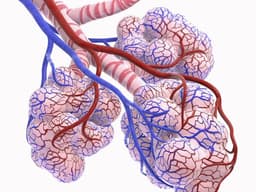
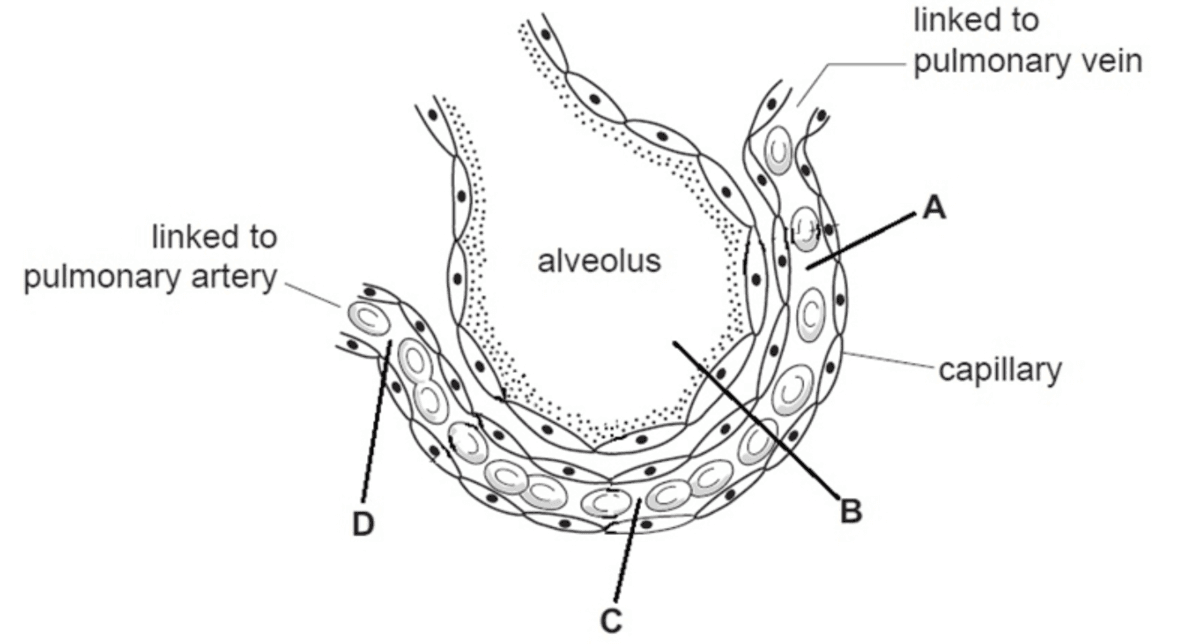
Lesson 3 Respiration Quiz (Respiratory system)
Quiz by TEO SIEW YING
Customize this quiz to suit your class
Instantly translate to 100+ languages
Tag the questions with any skills you have. Your dashboard will track each student's mastery of each skill.
Give this quiz to my class
 LESSON 3 Characteristics of Living Things Learning Objectives • Describe each characteristic of life • Relate each characteristic of life with how first forms of life evolved What sets living things apart from nonliving things? Organisms are equipped with different characteristics that allow them to grow, adapt, survive, and perpetuate. These include the ability to metabolize, respond to stimuli, interact, and reproduce, among others What are the characteristics of life? Try to look at your surroundings and identify the living things that you see. You have probably identified a lot. Many scientists believe that there are more than 10 million kinds of living things that exist on Earth today. But the question is, how can something be considered living? There are certain characteristics that all living things exhibit: the characteristics of life. Living things are made up of cells. They metabolize, grow and develop, respond to stimulus, adapt to their environment, and reproduce. Living Things Are Made up of Cells All living things are made up of cells. Cells are the basic building blocks of all living things. Each cell contains materials that carry out basic life processes such as respiration. In the 1600s, an argument against the theory of spontaneous generation was made. Italian physician and biologist Francesco Redi disproved the theory that all living things come from nonliving things. Cells have different properties and characteristics. The cell theory describes the properties of all cells. There are three tenets of the cell theory: 1. The cell is the basic unit of life. 2. All living things are composed of one or more cells. 3. All cells arise from preexisting cells. The discovery of the cell is largely attributed to Robert Hooke. Upon examining a piece of cork using a microscope that he built, Hooke observed tiny compartments that he called "cells" (from the Latin word cella, meaning "little room"). Matthias Schleiden suggested that all structural parts of plants are made up of cells. In 1839, Theodore Schwann stated that along with plants, all animals were composed of cells. From these conclusions about plants and animals, advancement on the study of animal parts and functions began. In 1855, Rudolf Virchow included the idea that all cells came from preexisting cells. Some living things are made up of only single cells. Single-celled or unicellular organisms include bacteria, some protists, and some fungi. Even though composed of single cells, these organisms carry out all the functions necessary for life. Most living things such as animals and plants, are multicellular organisms. They are composed of many cells, which are grouped together and perform specific tasks in the body. In different organisms, cells also vary in sizes, shapes, parts, and functions. There are two kinds of organisms according to their cell structure, the prokaryotes and eukaryotes (figure 5-3). Prokaryotes are single-celled organisms that lack a membrane-bound nucleus, mitochondria, and all other organelles. Its name comes from the Greek words pro, which means "before," and karyon, which means "nut or kernel." Eukaryotes are organisms with cells that contain membrane-bound nucleus and other membrane-bound organelles. The nucleus of a eukaryotic cell contains the genetic material (DNA), enclosed by a nuclear envelope. Other membrane-bound organelles are mitochondria, Golgi apparatus, and chloroplast found in photosynthetic organisms such as algae and plants. There are also unicellular eukaryotes known as protozoa. All other eukaryotes are multicellular organisms, such as plants, animals, and fungi. Living Things Metabolize Essential chemical reactions in life can be best described as building up (anabolism) and breaking down (catabolism) processes. In anabolism, the substances needed by organisms to grow, store energy, and repair tissues are synthesized. In contrast in catabolism, some complex substances are broken down, releasing the energy stored in their molecules. This happens in food digestion. This chemical building up and breaking down processes are collectively called metabolism. Metabolism, from the Greek word metabole meaning "change," is the sum total of all the life-sustaining chemical reactions in living things. It allows living things to grow, maintain their structures and functions, and respond to stimuli. Living Things Grow and Develop Growth and development are not new concepts to many. In all living things, growth involves the increase in one's size or height. However, growth is not just an increase in physical structure. It also involves complex changes in an organism. Growth and development occur rapidly from younger stages of life to maturity. In humans, animals, and plants, distinct changes brought by growth and development can be dearly identified. Microorganisms such as bacteria also undergo growth and development until they reach their maximum size and maturity. A life span is the average length of time a aving thing can live. Living things have different life spans. Humans have average life spectancy of 60 to 70 years, while some plants, such as the narra trees, can live for more than 100. Living Things Respond to Stimuli All living things respond to stimuli the environment. This responsiveness Increases survivability. Stimulus (plural: uli) is any signal or change in he environment of an organism that produces a response or reaction from that organism. Responses to stimuli depend on an organism's need. Responding to stimuli also maintains homeostasis in living things. Homeostasis is the internal balance of a body system. This balance is needed for the proper function and regulation of the living thing's body. For example, when a person is in a warmer environment, the body sweats, keeping the body maintain a temperature suited for the normal function of the body. Living Things Interact No living thing can live alone. Interaction among organisms is simultaneously happening on Earth. From the smallest microorganisms to the biggest organism, and from the North Pole to the South Pole of Earth, all are connected in one living system. An ecosystem is formed when a community of organisms interacts with another community and with their environment. Many processes and interactions, such as in a feeding relationship, life cycle, and the exchange of gases between plants and animals, occur in the ecosystem. These are some of the important processes needed to maintain life on Earth. Living Things Reproduce The ability of living things to produce offspring of their kind is called reproduction. Reproduction is not an individual organism's need, rather, it is for the species' perpetuation. In some cases, animals become extinct because of their inability to reproduce their kind. Higher forms of plants and animals reproduce through sexual reproduction. Sexual reproduction involves the union of sex cells or gametes-the egg cell from a female organism and the sperm cell from a male organism. This union gives rise to a new individual with characteristics or traits from both parents. Other simple organisms, such as bacteria and plants, can reproduce asexually. These organisms give rise to a new individual from their body. A bacterial cell divided in two through asexual reproduction gives rise to new bacteria, as shown in figure 5-5. A yeast can form buds that later on become separate individual. Plants grow new plants using their stem, leaf, and roots. Both sexual and asexual reproductions have important functions. In both cases, the genetic material (DNA) is passed on from one generation to the next, ensuring the survival of the species on Earth. 1. Bacteria copy their DNA by starting at any point on the circular chromosomes. 2. The two copies of DNA attach to the inside wall of the bacterial cell. 3. The cell starts to divide, forming a new membrane and cell wall. 4. The bacterial cell splits into two separate cells, each with their own DNA. Living Things Adapt and Evolve All living things can adapt to their environment. This adaptation is necessary for rvival. Adaptation depends on the need of an individual. A polar bear, for example, would not be able to survive in an extremely cold environment without its capacity adapt. Adaptation is any response or reaction toward a stimulus that helps in the survival of an organism. A seed-eating bird will eventually eat a worm when there are seeds to be found. This change in food choice is therefore its adapting mechanism. Prolonged adaptation to certain environments may lead to the gradual evolution of the succeeding generations. Evolution is the gradual change in organisms over a long period in response to changing environment. Living Things Are Organized Life on Earth exhibits organization. The atom is the smallest unit of matter, lowed by molecules, which are combinations of atoms. When these molecules are grouped together, they form a cell. The cell is the basic unit of life. In multicellular organisms, such as plants and animals, cells are grouped as tissues to perform specific Functions. Different tissues can be grouped further and form organs. Organs in animals include the heart, brain, and lungs, among others. The organs form organ systems that makes the function of the body more complex and efficient. Organ systems form the whole organism. All living things exhibit organization, whether they are unicellular or multicellular organisms.. LESSON 4. Cellular Respiration • Define cellular respiration • Identify the stages of clan respiration You have just learned how the energy from the sun is captured, processed, and stored in the form of glucose. Cellular respiration, another important life process, is the means by which cells release the stored energy in glucose to make adenosine triphosphate (ATP). The primary goal of this life process is to convert stored energy into usable form, such as ATP, for the cells to carry out their functions. Cellular respiration involves several chemical reactions. The reactions can be summed up in the following equation: C6 H12 O6 + 602 ----- 6 CO₂ +6H₂O + ATP Glucose oxygen carbon dioxide water energy Aerobic respiration reactions, or cellular respiration that takes place in the presence of oxygen, can be grouped into three stages glycolysis, Krebs cycle, and electron transport chain (ETC). Stage 1: Glycolysis Glycolysis is the process that breaks down one molecule of 6-C glucose into 3-C pyruvates or pyruvic acids. It also releases four molecules of ATP. This process occurs in the cytoplasm of the cell. The following is the step-by-step process of glycolysis. Take note that several enzymes are involved in this process. 1. The first step of glycolysis requires energy. It can only proceed when the two ATP molecules donate energy to the glucose by transferring a phosphate group with the help of an enzyme, producing glucose 6-phosphate 2. Then, a specific enzyme promotes the rearrangement of the atoms, producing the fructose 6-phosphate. 3. The action of the enzyme in step 2 promotes the transfer of a phosphate group from another ATP molecule, forming fructose 1,6-bisphosphate. 4. The resulting fructose 1,6-bisphosphate molecules, with the help of another enzyme, splits into two molecules, each with three carbon backbones. These two sugars are dihydroxyacetone phosphate and glyceraldehyde 3-phosphate. 5. Another important enzyme then rapidly interconverts the molecules of dihydro-xyacetone phosphate and glyceraldehyde 3-phosphate. This produces two molecules of glyceraldehyde 3-phosphate or 3-phosphoglyceraldehyde (PGAL) 6. The succeeding step involves another enzyme-mediated action. The hydrogen (H) from PGAL is transferred to the oxidizing agent, nicotinamide adenine dinucleotide (NAD), which forms NADH. A phosphate (P) is also added from the cytosol of the cell to oxidize the two molecules of PGAL, forming two 1.3-bisphosphoglycerate. 7. A phosphate (P) from 1,3-biphosphoglycerate is transferred to ADP to form ATP. This happens for each of the two 1,3-bisphosphoglycerate. resulting to a yield of two ATP and two 3-phosphoglycerate molecules. 8. A phosphate is transferred from 3-phosphoglycerate molecules from the third carbon to the second carbon, forming 2-phosphoglycerate molecules A hydrogen atom and a hydroxyl ((OH) group is released, which then combines to form water (H2O). The removal of H2O from 2-phosphoglycerate results in the formation of 2- phosphoglycerate molecules. 9. A hydrogen atom and a hydroxyl ((OH) group is released, which then combines to form water (H2O). The removal of H2O from 2-phosphoglycerate results in the formation of two phosphoenolpyruvic acid (PEP) 10. Phosphate (P) from PEP is transferred to ADP (and forms ATP) and the final product, pyruvic acid. This reaction yields two molecules of pyruvic acid and two ATP molecules In summary, a single glucose molecule that undergoes the process of glycolysis produces two molecules of pyruvic acid, four molecules of ATP, two molecules of NADEL and two molecules of H.O. However, only two molecules of ATP are counted as net products since two molecules of ATP are spent throughout the process. Stage II: Krebs Cycle The Krebs cycle, named after its proponent Sir Hans Adolf Krebs, is a cyclical series of enzyme-controlled reactions. This stage of cellular respiration occurs in the matrix of the mitochondria. It is sometimes. called the citric acid cycle (CAC) since it produces citric acid. Citric acid contains three carboxyl (COOH) groups; hence, it is also called the tricarboxylic acid cycle (TCA). This requires the pyruvic acids produced during glycolysis. The main function of this cycle is to produce high-energy-yielding molecules, namely, NADH and flavin adenine dinucleotide (FADH) that will later on be used in the electron transport chain reaction. Figure 6-7. Summary of glycolysis and corresponding products in each reaction presented (See Appendix F on page 285 for an enlarged and complete version of the image.) An initial process is needed for the Krebs cycle to begin. As a pyruvate molecule from glycolysis enters the mitochondrion, it undergoes an important preliminary ate to form acetyl-CoA reaction. Coenzyme-A (COA) combines with pyruvate help of an enzymatic complex. This conversion also produces CO, and NADH. The Krebs cycle is summarized as follows. Take note that several enzymes are involved in this process. 1. The Krebs cycle technically begins when the acetyl-CoA combines with oxaloacetic acid (OAA), a 4-C molecule, to produce citric acid, a 6-C molecule. 2. With the aid of an enzyme, the citric acid now goes through a series of reactions that releases energy. Water molecule is removed from the citric acid and is returned in a different location. The-OH group is repositioned, forming the molecule isocitrate. 3. Isocitrate is then oxidized, forming the a-ketoglutarate, a 5-C molecule. The byproducts of this reaction are NADH and CO, 4 The a-ketoglutarate loses its CO, and a coenzyme-A is added in its place. The decarboxylation occurs with the help of NAD, which then becomes NADH. The resulting molecule is called succinyl-CoA. 5. Succinyl-CoA is converted into succinate. Also in this reaction, a molecule of guanosine triphosphate (GTP) is synthesized. The GTP molecule has similar structure and energy properties to that of ATP and is used by cells the same way. The free phosphate group attacks the succinyl-CoA molecule, which detaches the COA. Then, phosphate is attached to GDP to come up with GTP, similar to the process that occur in ATP synthesis (from ADP to ATP). 6. Two hydrogens are removed from succinate, A molecule of flavin adenine dinucleotide (FAD), a coenzyme similar to NAD, is reduced to FADH, as it takes the hydrogens from the succinate. This reaction produces the fumarate. 7. Fumarate is then converted into malate as the addition of a water molecule is catalyzed. The final reaction is the regeneration of oxaloacetate. The resulting byproduct of this regeneration is NADH Recall that two pyruvate molecules were produced during glycolysis, causing the Krebs cycle to turn twice. Each tuts produces three molecules of NADH, single ATH one FADIH, and the by-product CO, which is exhaled. Stage III: Electron Transport Chain The electron transport chain (ETC) is a series of photon pumps on the inner membrane of the mitochondrion. Electron transport is the last stage of the cellular respiration. In this stage, the energy from NADH and FADH, from the Krebs cycle is transferred to ADP to produce ATP. This process is generally known as oxidative phosphorylation. This energy coupling mechanism in the cell was revealed by the work of Peter stored energy in the form of proton (1) gradient to phosphorylate (add phosphate) ADP and produce ATP. The pumping of hydrogen sons across the inner membrane creates higher concentration ions in the inner membrane than on the outside of the membrane. This chemiosmotic gradient causes the ions to flow back across the membrane where the concentration of ions is lower. ATP synthase lined in the matrix serve as a channel protein, helping the ions to move across the membrane. The chemiosmotic gradient powers the phosphorylation of ADP to ATP, which also occurs in the ATP synthase. After passing through the ETC, the oxygen, being the final hydrogen acceptor, combines with two electrons and two protons, forming a water molecule. Water is a by-product of cellular respiration and is excreted. MINI TEST 6-3 1. Which energy-releasing pathway yields the most ATF in each glucose molecule? 2. Briefly describe the two stages of aerobic respiration that follow glycolysis: (a) Krebs cycle (b) Electron transport chain Anaerobic Respiration Most cells carry out arrobic respiration when oxygen is present. Aerobic respiration is an efficient process that yields a lot of ATP. However, many organisms thrive in mud, marshes, animal gut, canned goods, sewage treatment pond, and deep oceans where oxygen is scarce. Organisms that can live without oxygen are called anaerobes. Cellular respiration that proceeds without the presence of oxygen is called anaerobic respiration. In the event that the oxygen supply becomes low, aerobic cells also perform fermentation and lactic acid fermentation anaerobic pathways. There are two common anaerobic pathways in these cells, alcoholic fermentation and lactic acid fermentation. In alcoholic fermentation, ethyl alcohol and carbon dioxide are produced by some cells using the pyruvate from glycolysis. Each pyruvate molecule is rearranged into acetaldehyde and carbon dioxide, which is eventually released. NADII gives up electrons to acetaldehyde to form ethanol Fermentation is widely used in the industry. Yeast, a fungus used in making bread. can undergo anaerobic respiration. Bakers aux sugar, flour, water, and yeast to form the bread dough. The dough rises due to the carbon dioxide and alcohol released by the yeast cells trapped in air bubbles. Beer and wine manufacturers, we yeast to ferment the sugars in wheat and grape juice, forming alcoholic beverages such as beer and wine. In some cells, glycolysis produces two pyruvates, two NADH molecules, and two ATP molecules. Pyruvate itself becomes the final acceptor of the electrons from the NADH that produces the final product: lactate. Oftentimes, this product is called lactic acid. Human skeletal muscles can carry out fermentation when the blood cannot supply the cells with adequate oxygen during strenuous activities. When lactic acid builds up in the muscles, fatigue, burning sensation, and cramps result. Lactic acid will continue to build up until there is adequate supply of oxygen. Lactic acid is then converted back into pyruvate in the liver. Muscles also restore normal functions. Have you ever wondered why milk or cream turns sour after some time? Bacterial cells that undergo fermentation are responsible in producing lactate that turns the milk sour. These bacteria are used in manufacturing yogurt and sour milk products. Fermentation pathways do not breakdown and utilize the glucose completely. ATP is no longer produced beyond the process of glycolysis. Thus, energy produced is just enough for some single-celled organisms, or the energy can only be used by multicellular organisms for a short period. [t comes from the GREEK name "Epilepsia" which means "taking hold of or seizing". - It is a disorder characterized by: recurrent seizures. SEIZURES R ectment transient attacks of: R epresent: R esult from: ASSOCIATED WITH: somatic, psychic, or, autonomic clinical featmes. clinical features of abnormally hyperexcitable cortical neurons. paroxvsmal and excessive electrical neuronal discharges. EEG changes & may be disturbance of consciousness. same causes of convulsions 1. Idiopathic epile~ • It is the commonest cause. no cause can be detected ( 65 % ) • It may be associated with positive family history in some cases. • It starts in the l st & 2nd decades in the form of: -- Grand ma! epilepsy. Petit mal epilepsy. Myoclonic epilepsy. Atonic seizures. 2. Secondary epilepsy A. Local causes in the brain: l. Congenital: 2. Traumatic: cerebral palsy. a cause can be detected cerebral contusion or laceration. 3. Inflammatory: 4. Neoplastic: 5. Degenerative: 6. Vascular: encephalitis, brain tumours. mening1t1s, presenile dementia. brain abscess. stroke (especially hemon-hagic), hypertensive encephalopathy. B. General causes with secondary effects on the brain: I. Toxic: 2. Iatrogenic: 3. Metabolic: 4. Endocrinal: 5. Organ failure: 6. Heart disease: 7. Nutritional: - Alcohol, cocaine, lead. - Lidocaine, INH. - j glucose & ! glucose. - Hypoparathyroidism. - Hepatic failme. - Adam's Stoke's attacks. - Pellagra. - Botulism, tetanus. - Ambilhar, Amphetamine, Aminophylline. - j Ca & ! Ca. - Hype1thyroid crisis. - Renal failure. - Fallot's tetralogy. - j Na & ! Na. - Vitamin B6 deficiency. 8. Physical: 9. HYSTERICAL. - High fevers. - Heat stroke. 136 137 CLINICAL PICTURE 1. GENERALISED SEIZURES " Excessive electrical discharges from cortical neurons in BOTH hemispheres simultaneously " I. II. 1. Grand Mal Epile~: 1. Pre-ictal stage "attacks of tonic-clonic convulsions " (aura) It is a warning sign of a coming attack. It may be: • Somatic: • Psychic: • Autonomic: 2. Ictal stage Myoclonus, Hallucinations. Tachycardia, (seizure) Sudden loss of consciousness: Parasthesias. Sweating. for seconds to minutes. -- Tonic phase (few seconds) o The UL & LL: o o o o The HEAD: The JAWS: CYANOSIS: are extended. is retracted to one side & the eye balls rolled up. are firmly clenched, with biting of the TONGUE. due to impaired respiration. There may be incontinence of urine. Clonic phase (few minutes) o The UL & LL: o The HEAD: 3. Post-ictal stage - It may be: • Somatic: • Psychic: • Autonomic: Drug of choice: contract & relax repeatedly & rapidly. jerks forcibly. (sequelae) Todd's paralysis(< 24 hours, due to neuronal exhaustion). Confusion. Vomiting. Carbamazepine (Tegretol) or Phenytoin (Epanutin) Petit Mal Epilepsy: "attacks of loss of consciousness " " Absence " It starts in childhood & improves at puberty & usually disappears at the age of 20. 2. It is NOT PRECEEDED by aura & NOT FOLLOWED by sequelae. 3. It is usually PRECIPITATED by: hyperventilation 4. It is characterized by: or photic stimulation. sudden loss of consciousness of short duration (few seconds). 5. It may be associated with: • High frequency ( 50 attacks / day). • Falling to the ground without warning. • Jerky movements of the head & UL Drug of choice: (myoclonic petit mal). Valproate (Depakine) or Succinimide (Zarontin) 137 138 Ill. M oclonic Seizures: "attacks of involuntary clonic movements " - It is characterized by: sudden, jerky, shock-like INVOLUNTARY muscle contraction. • The jerks are bilateral contractions, mainly of the shoulders and arms. • However, some patients repmtjerking in the lower limbs, trunk, or head. - It may be of 2 types: - Occurs singly • Simple: • As a pait of: I Drug of choice: IV. Atonic seizures: (no loss of consciousness). - Grand mal epilepsy (aura). - Petit mal epilepsy. Valproate (Depakine) or Clonazepam (Rivotril) I - Transient attacks of brief loss of postural tone, often resulting in falls and injuries. 2. PARTIAL SEIZURES "Excessive electrical discharges from cmtical neurons in a ce1tain area in ONE hemisphere" A. Simple seizures: " No disturbance in consciousness " - The CP depends on the site of the hyperexcitable neurones in the cerebral cortex, whether in: "Motor area or Senso,y areas". 1. Motor fits: • Focal fits: • Motor jacksonian fits: 2. General Sensory fits: • Focal fits: • Sensory jacksonian fits: 3. Special Senso1y fits: • Visual hallucinations: • Auditory hallucinations: • Olfactory hallucinations: B. Complex seizures: - SITE: movement of part of a limb or the whole limb. movement of one side of the body (see before). parasthesia of part of a limb or the whole limb. parasthesia of one side of the body (see before). irritation of the visual sensory area. irritation of the auditory sensory area. initation of the uncus. " disturbance in consciousness " The hyperexcitable neurons are in the Temporal lobe "Temporal lobe epilepsy". - DURATION: The seizure lasts few seconds to few minutes. - The seizure starts with A ura, followed by A bsence, Automatism, Amnesia: 1. 2. 3. 4. A ura: A bsence: Automatism: A mnesia: Olfactory hallucinations, Deja-vu phenomenon, Sensation of fear. Absent patient with staring eyes (with no response to conversation). Involuntary Purposeless acts: motor ( eg, lip smacking, chewing) or verbal. No recalling of the seizure. 138 139 3. PARTIAL SEIZURES ~ GENERALISED SEIZURES " Partial seizures may spread to involve the whole brain .- secondarily generalised seizures " . HY-sterical epilepsY • Usually: • The cause: • Incidence: young neurotic Sj2 . psychological & there is no organic lesion. usually occurs in the presence of people. • It is associated with: • EEG: • It is not associated with: normal. • Missed ttt. • Menses. • Alkalosis. anxiety, palpitaion & hyperventilation. tongue biting or incontinence of urine. • Alcohol use & Drug abuse ( e.g. cocaine ). • S timulation by photons & Hyperventilation. • S leep deprivation & Stress & sudden withdrawal of antiepileptic drngs. INVESTIGATIONS 1. EEG: • It is the most specific test for epilepsy because it records the electrical activity of the brain. • It shows specific pattern: 2. LOCAL INVESTIGATIONS: "Epilepsy waves". "CT & MRI of the brain" • To identify or exclude a LOCAL CAUSE of seizures in the brain. 3. GENERAL INVESTIGATIONS: "Laboratory investigations" • To search for a GENERAL CAUSE of seizures, e.g. blood glucose. 139 140 TREATMENT A. General Measures: 1. 2. Moderation of the patient's physical activity. A void the precipitating factors ( Alcohol, hyperventilation, photic stimulation ...... ). 3. A ketogenic diet is encouraged because it will induce acidosis: - Acidosis is beneficial as it raises the threshold of stimulation of the brain cells. B. Specific Treatment: 2. 1. Treatment of the cause in secondary epilepsy. Anti-epileptic drugs: a) Always sta1t with one drug, then add another drug if there is no response. b) Always stop the drugs ONLY if: • The patient stays free of symptoms for at least 2 years. • The patient has a normal EEG. 3. Side effects of Anti-epileptic drugs: I . Skin rash. 2. 3. Bone marrow depression. Ataxia. Drug 1. Barbiturates (Pbenonobarbitone) 2. Hydantoin (Epanutin) 3. Carbamazepine 4. Clonazepam 5. Valproate 6. Succinamide ANTI-EPILEPTIC DRUGS NEW ANTI-EPILEPTIC DRUGS - These drugs are new dtugs that may be used in resistant seizures. 1. Lamotrigine: 200 - 400 mg/ day. 2. Felbamate: 3. Gabapentin: 400- 800 mg/ day. 600 - 1200 mg/ day. \ " General rules for use ": Dose 100-600 mg I day 100-600 mg / day 200-600 mg I day 2-6 mg I day 500-1500 mg I day 500-1000 mg / day Best indicated - Broad spectrum. - Not for petit mal. - Grand mal. - Motor Jacksonian fits. - Grand mal. - Motor Jacksonian fits. - Complex seizures. - Not for petit ma!. - Myoclonic. - Grand mat. - Broad spectrum. - Petit mat. 140 141 STATUS EPILEPTICUS DEFINITION - A medical emergency: 1. Repeated attacks of generalized convulsions, with lack of recove,y of consciousness, 2. Persistent attack of seizure lasting for at least 30 minutes. OR, - If the convulsions are not stopped rapidly, coma deepens & death may occur due to: heart failure or respiratory failure or brain damage or hyperpyrexia. - The most common causes are: sudden withdrawal of anti-epileptic drugs & stroke. TREATMENT A. General Measures: l. Take care of: " ABC " • Place the patient on the ground, to guard against falling from bed. • Mouth gag & 02 inhalation ( endo-tracheal intubation may be needed). • Record the vital signs regularly. 2. Take a sample of: - Venous blood: for the level of: - A.tierial blood: for the level of: 3. a nti-epileptic drugs, a lcohol. pH, p0 2, pC02, HC0 3. Give cerebral dehydrating measures: e.g. Frusemide, cone. Mannitol, Dexamethazone. B. Specific Treatment: - Phenytoin with diazepam (or clonazepam) immediately: 1. Phenytoin: 2. Diazepam: Clonazepam: seizures recur: 15 mg I Kg slow infusion. 5 mg slowly IV, to be repeated after 5 minutes if seizures recur: maximum dose: 20 mg. OR: 2 mg slowly IV, to be repeated after 5 minutes if maximum dose: 6 mg. - If seizures persist after 20 min. of Phenytoin & diazepam: 3. PHENOBARBITONE: - In resistant cases: 200 mg infusion. 4. GENERAL ANAESTHESIA: may be used.Lesson 3 Lesson 3: Video Games or Board GamesLesson 3 Unit 1Lesson 3: That strange feelingLesson 3 & 4 - Earthquakes and Volcanoes