Loading...


Let's Assess
Quiz by John Mark B. Labrador
Customize this quiz to suit your class
Instantly translate to 100+ languages
Tag the questions with any skills you have. Your dashboard will track each student's mastery of each skill.
What type of graph is this?
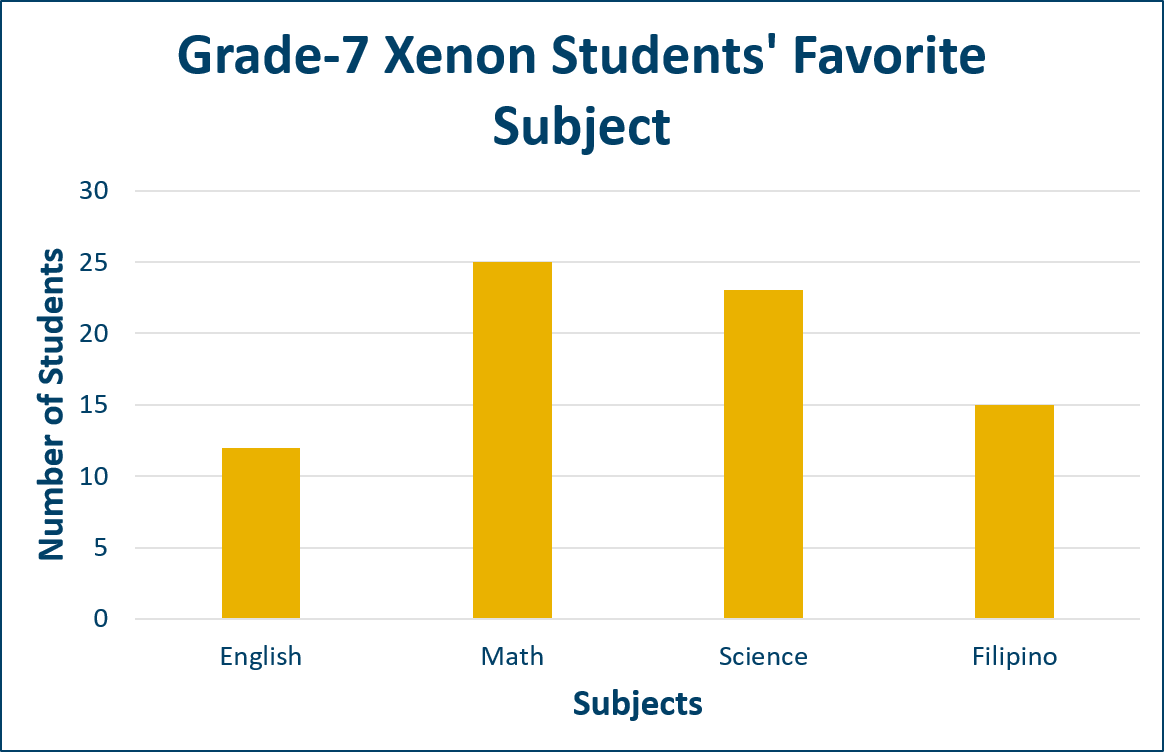
Line Graph
Pie Chart
Bar Graph
What type of graph is this?
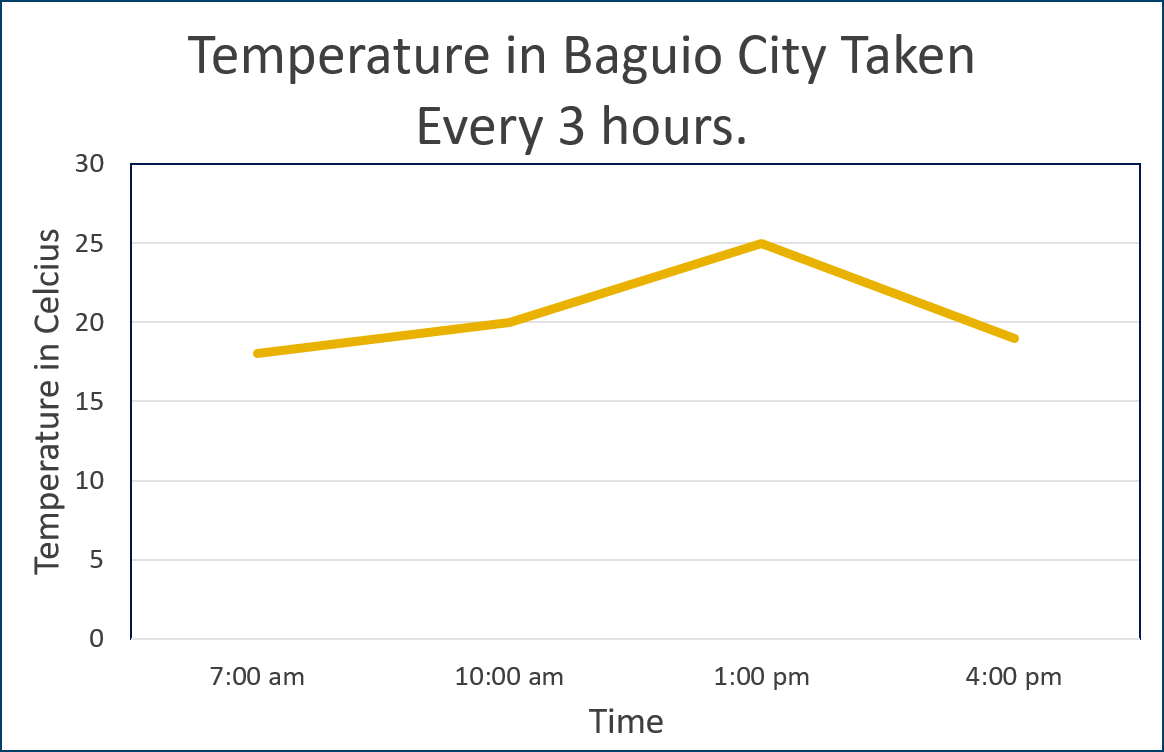
Line Graph
Bar Graph
Pie Chart
What type of graph is this?
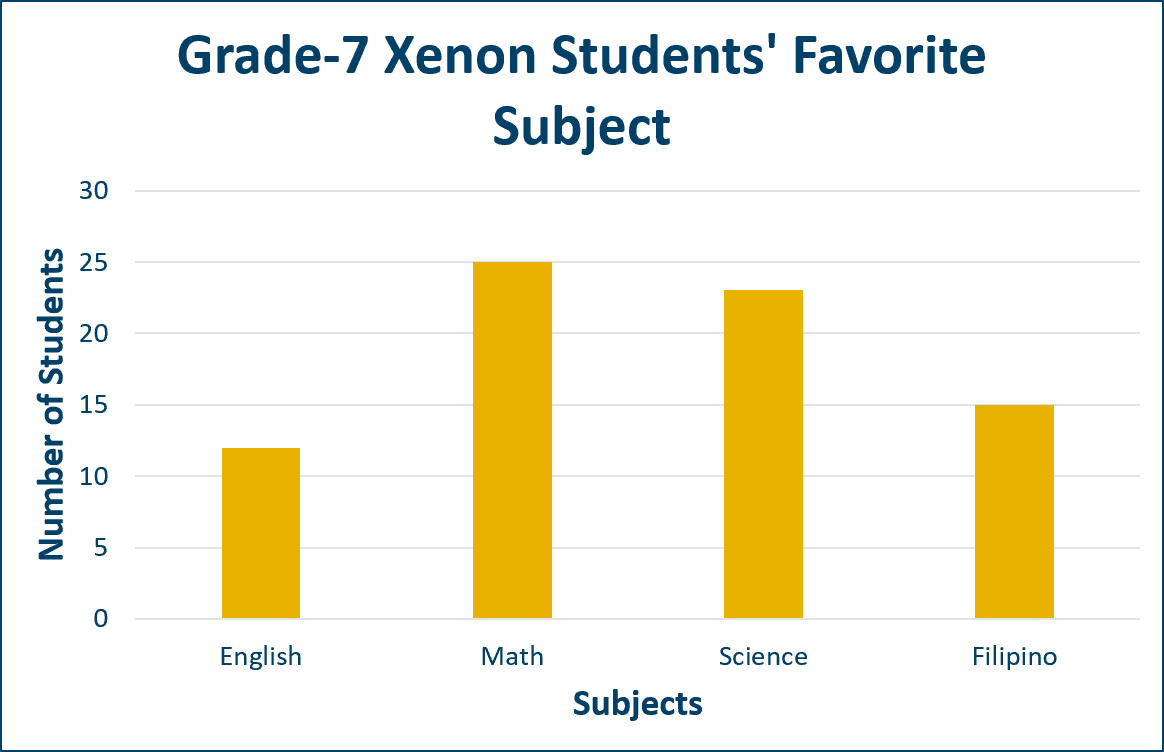
What type of graph is this?
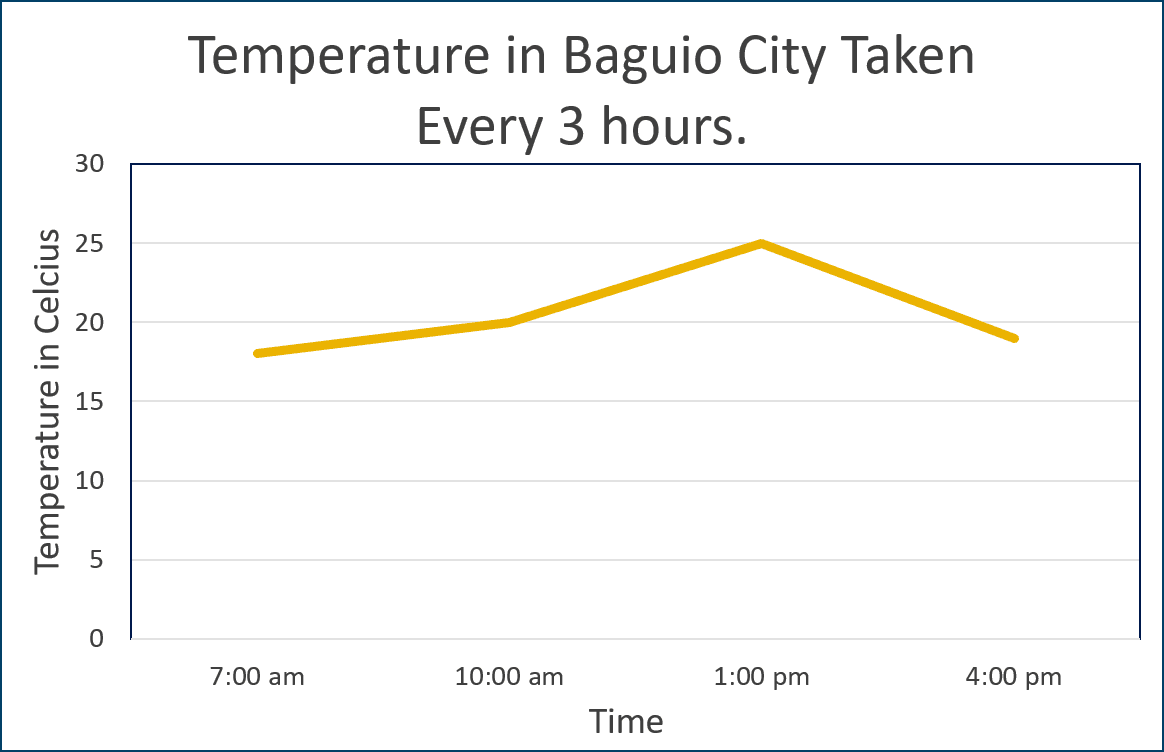
What type of graph is this?
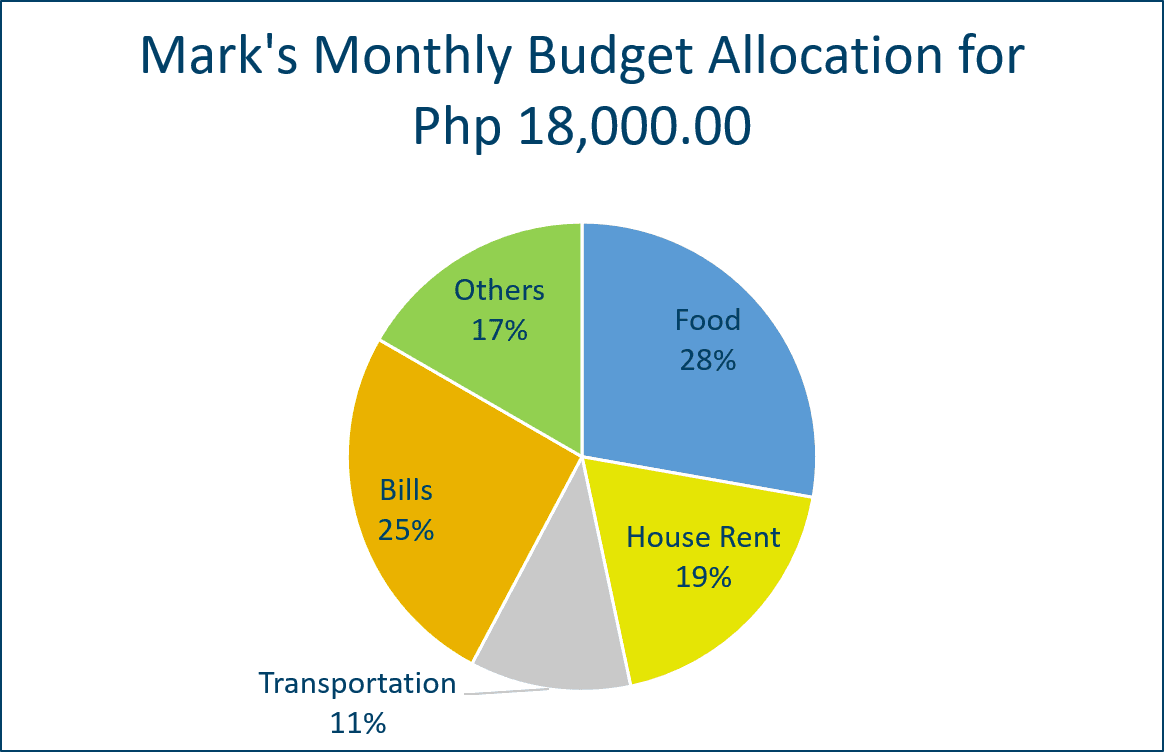
Categorize each title, whether it is a line graph, bar graph, or pie chart, by determining what appropriate graph should be used for it.
Give this quiz to my class
Let's Assess!Let's assess your fitness level!Let's assess the teacher!Let's Remember Assessment and Evaluation MathematicsFigurative Language Formative Assessment - let's check what you rememberLet's play M3 / formative assessmentCan you make a multiple choice of test questions regarding this information given which is Curriculum from Different Points of View There are many definitions of curriculum. Because of this, the concept of curriculum is sometimes characterized as fragmentary, elusive and confusing. However, the numerous definitions indicate dynamism that connotes diverse interpretations of what curriculum is all about. The definitions are influenced by models of thought, pedagogies, political as well as cultural experiences. Let us study some of these definitions. 1. Traditional Points of View of Curriculum In early years of the 20th century, the traditional concepts held of the “curriculum is that it is a body of subjects or subject matter prepaid by the teachers for the student’s to learn”. It was synonymous to the “course of study” and “syllabus” Robert M. Hutchins views curriculum as “permanent studies” where the rules of grammar, reading, rhetoric and logic and mathematics for basic education are emphasized. Basic education should emphasize the 3 Rs and college education should be grounded on liberal education. On the other, Arthur Bestor as an essentialist, believes that the mission of the school should be intellectual training, hence curriculum should focus on the fundamental intellectual disciplines of grammar, literature and writing. It should also include mathematics, science, history and foreign language. The definition leads us to the view of Joseph Schwab that discipline is the sole source of curriculum. Thus in our education system, curriculum is divided into chunks of knowledge we call subject areas in basic education such as English, Mathematics, Science, Social Studies and others. In college, discipline may include humanities, sciences, language and many more. To Phoenix, curriculum should consist entirely of knowledge which comes from various disciplines. Academic discipline became the view of what curriculum is after the cold war and the race to space. Joseph Schwab, a leading curriculum theorist coined the term discipline as a ruling doctrine for curriculum development. Curriculum should consist only of knowledge which comes from disciplines which is the sole source. Thus curriculum can be viewed as a field of study. It is made up of its foundations (philosophical, historical, psychological and social foundations); domains of knowledge as well as its research theories and principles. Curriculum is taken as scholarly and theoretical. It is concerned with broad historical, philosophical and social issues and academics. Most of the traditional ideas view curriculum as written documents or a plan of action in accomplishing goals. 2. Progressive Points of View of Curriculum On the other hand, to a progressivist, a listing of school subjects, syllabi, course of study, and a list of courses or specific discipline do not make a curriculum. These can only be called curriculum if the written materials are actualized by the learner. Broadly speaking, curriculum is defined as the total learning experiences of the individual. This definition is anchored on John Dewey’s definition of experience and education. He believed that reflective thinking is a means that unifies curricular elements. Thought is not derived from action but tested by application. Caswell and Campbell viewed curriculum as “all experiences children have under the guidance of teachers”. This definition is shared by Smith, Stanley and Shores when they defined “curriculum as a sequence of potential experiences set up in the schools for the purpose of disciplining children and youth in group ways of thinking and acting”. Marsh and Willis on the other hand view curriculum as all the “experiences in the classroom which are planned and enacted by the teacher, and also learned by the students”. Points of View on Curriculum Development From the various definitions and concepts presented, it is clear that curriculum is a dynamic process. Development connotes changes which are systematic. A change for the better means any alteration, modification or improvement of existing condition. To produce positive changes, development should be purposeful, planned and progressive. This is how curriculum evolves. Let us look at the two models of curriculum development and concepts of Ralph Tyler and Hilda Taba. Ralph Tyler Model: Four Basic Principles. This is also popularly known as Tyler’s Rationale. He posited four fundamental questions or principles in examining any curriculum in schools. These four fundamental principles are as follows: 1. What educational purposes should the school seek to attain? 2. What educational experiences can be provided that are likely to attain these purposes? 3. How can these educational experiences be effectively organized? 4. How can we determine whether these purposes are being attained or not? In summary, Tyler’s Model show that in curriculum development, the following considerations should be made: (1) Purpose of the school, (2) Educational experiences related to the purposes, (3) Organization of the experiences, and (4) Evaluation of the experiences. On the other hand, Hilda Taba improved on Tyler’s Rationale by making a linear model. She believed that teachers who teach or implement the curriculum should participate in developing it. Her advocacy was commonly called the grassroots approach. She presented seven major steps to her model where teachers could have a major input. These steps are as follows: 1. Diagnosis of learner’s needs and expectations of the larger society. 2. Formulation of learning objectives. 3. Selection of learning content. 4. Organization of learning content. 5. Selection of learning experiences. 6. Organization of learning activities. 7. Determination of what to evaluate and the means of doing it. Thus as you look into curriculum models, the three interacting processes in curriculum development are planning, implementing and evaluating. Types of Curriculum Operating in Schools From the various concepts given, Allan Glatthorn(2000) describes seven types of curriculum operating in the schools. These are (1) Recommended curriculum- proposed by scholars and professional organizations. (2) Written Curriculum- appears in school, district, division or country documents. (3) Taught Curriculum- what teacher’s implement or deliver in the classrooms and schools. (4) Supported Curriculum- resources-textbooks, computers, audio- visual materials which support and help in the implementation of the curriculum. (5) Assessed Curriculum- that which is tested and evaluated. (6) Learned Curriculum- which the students actually learn and what is measured and (7) Hidden Curriculum- the unintended curriculum. 1. Recommended Curriculum- Most of the school curricula are recommended. The curriculum may come from a national agency like the Department of Education, Commission on Higher Education (CHED), Department of Science and Technology (DOST) or any professional organization who has stake in education. For example the Philippine Association for Teacher Education (PAFTE) or the Biology Teacher Association (BIOTA) may recommend a curriculum to be implemented in the elementary or secondary education. 2. Written Curriculum- This includes documents, course of study or syllabi handed down to the schools, districts, division, departments or colleges for implementation. Most of the written curricula are made by curriculum experts with participation of teachers. These were pilot-tested or tried out in sample schools or population. Example of this is the Basic Education Curriculum (BEC). Another example is the written lesson plan of each classroom teacher made up of objectives and planned activities of the teacher. 3. Taught Curriculum- The different planned activities which are put into action in the classroom compose the taught curriculum. These are varied activities that are implemented in order to arrive at the objectives or purposes of the written curriculum. These are used by the learners with the guidance of teachers. Taught curriculum varies according to the learning styles of students and the teaching styles of teachers. 4. Supported Curriculum- In order to have a successful teaching, other than the teacher, there must be materials which should support or help in the implementation of a written curriculum. These refer to the support curriculum that includes material resources such as textbooks, computers, audio-visual materials, laboratory equipment, playgrounds, zoos and other facilities. Support curriculum should enable each learner to achieve real and lifelong learning. 5. Assessed Curriculum- This refers to a tested or evaluated curriculum. At the duration and end of the teaching episodes, series of evaluations are being done by the teachers to determine the extent of teaching or to tell if the students are progressing. This refers to the assessed curriculum. Assessment tools like pencil-and-paper tests, authentic instruments like portfolio are being utilized. 6. Learned Curriculum- This refers the learning outcomes achieved by the students. Learning outcomes are indicated by the results of the tests and changes in behavior which can either be cognitive, affective or psychomotor. 7. Hidden Curriculum- This is the unintended curriculum which is not deliberately planned but may modify behavior or influenced learning outcomes. There are lots of hidden curricula that transpire in the schools. Peer influence, school environment, physical condition, teacher-learner interaction, mood of the teachers and many other factors made up the hidden curriculum.Stages in the Sale of a Property Stage 1 – Getting to Instruction • Initial contact with the vendor: need to check the following: type of property, contact details of vendor, address of property/Eircode and purpose of the contact - sale or valuation? If a sale, does the vendor need a quick sale? Qualify the lead i.e. is the vendor buying another property? If an investment property, is the tenant in situ? Check if there is a folio number available and confirm the ownership of the property. Schedule the viewing. • Pre-viewing: Set up a file & record all info from initial contact on CRM system. Check the Property Price Register to help get a general idea of property valuation (subject to viewing, helps to display knowledge of area/market and set expectations for the vendor). Nature of property may affect pricing e.g. starter home vs. larger property with vendor seeking to downsize. Consideration for comparables may include similar/same location, size and condition of property, availability and type of parking, layout of property, plot size, orientation of garden, extensions undertaken etc. Nature of market conditions, state of wider economy, cost of capital and availability of credit may also be factors. • Appraisal/viewing: Bring an advertising pack/sales & marketing brochures. Walk through property with client, note nice features/selling points for the brochure, let the client talk about upgrades/specific features of the property. It is very important to listen to the vendor and build rapport. Confirm property details e.g. condition and layout, plot size, orientation of garden. Check for certificates of compliance for any extensions, planning permissions for conversions, right of way if applicable etc. Check if a BER available/provide details for approved assessors. Demonstrate your/the practice’s professional expertise, justify why you should get the instruction, discuss recent local sales and give your potential valuation. Discuss the sales fee, marketing fee and any additional charges e.g. professional photography, drone footage, virtual tours (walkthrough video, Matterport etc.) Ask how the vendor heard about you/your practice and why are they considering you for the sale. Where appropriate offer advice to help vendor increase potential sales price. (If possible, leave with signed Property Services Agreement/Letter of Engagement.) Thank you, send/email market appraisal, any queries/questions do get in touch and let the vendor know that we’ll be in touch in coming days. • Post appraisal – letter sent that pm/next morning with market appraisal; diary note to follow up. Check that market appraisal letter received and check for questions. If did not get sale, find out why not/debrief. If get the sale, email confirmation of instruction. Once PSRA sent and LOE returned signed = stage 2. Other details required – ID, proof of address, proof of ownership/title, solicitor details, BER certificate (refer to assessor if not available). All these should be uploaded to CRM. Stage 2 – Getting to ‘Sale Agreed’ Set up appointment to measure & photograph, note any special features e.g., upgraded kitchen, south-facing garden. Provide ideas for improving sales potential (declutter, painting, tidy garden etc. Check if has vendor potential buyers in mind already e.g., relations, friends, other parties interested. Seek vendor approval for photos/text of brochure. Check for access (tenants in situ/working from home etc) and confirm viewing times. If given a key for viewings – tag it! Check alarm codes & whether a sign is allowed on the property. Bring to market – upload to all websites e.g., daft/my home, in house websites and create window display. Match the property against your internal database of potential purchasers /CRM system. Set up appointments for viewings on CRM or arrange for open viewings. Confirm viewings with vendor & purchaser. Turn on lights, open windows, secure valuables, leave out brochures & business cards, bring viewings sheets to keep record of attendees. Introduce yourself and get attendee details. Let people view the property and address any questions. Point out key features. Record questions to be answered and any feedback from viewers. Ask are they selling property? Let viewers know of offers already received. Lock up/alarm property/close windows. Provide vendor with feedback on viewings - number of viewers / questions raised/overall reaction to property. Offers should be confirmed in writing & upload to on CRM/ offers will be input by bidders onto online bidding platforms ‘Proof of funds’ required for offers in some practices. Successful bidder will be chosen by vendor, who might want quick sale/no chain or prefer the highest bidder. Booking deposit will be sought from successful bidder. The amount varies by practice but must cover fees. Sales Advice Notice/letter should be sent to both solicitors (and may be cc’d to vendor/buyer or notify both that SAN have gone out). Booking deposit receipt should be issued. The BER certificate and report should go to the solicitor. Send requests for docs/info to successful bidder including steps they need to take to progress sale e.g., organise the bank valuation and/or schedule the survey. Once the deposit is paid the property is Sale Agreed, inform other bidders, and update all websites/sales board etc. Stage 3 – Getting to closing Access should be organised for the bank valuation/survey. Stay in touch with both solicitors ‘contract-chasing’ i.e., check when contracts are issued, signed and queries answered. Legal searches undertaken by the solicitors may include checking boundaries, land registry, title, rights of way, compliance certs etc. When contracts are signed 10% purchase price/booking deposit should be sent to the vendor’s solicitor. Once all queries satisfied = drawdown of mortgage/funding, house/life insurance in place. Title deeds will be requested once contract is signed. Decide final closing date. Check that the property taxes have been paid. Check that vendor has vacated the property. When vacant, conduct the final walkthrough and take final readings (MPRNs ). Check with solicitor if the drawn down funds h, and once received the solicitor gives authorisation to the estate agent to release the keys. The agent will do up invoice, send the balance of funds to solicitor and provide gift to purchaser. Finally remove sign, mark as sold on CRM, seek testimonials, upload to social media and close a/c on CRM