Loading...


LET'S GET TO KNOW ABOUT COLOURS!
Quiz by Ismahani
Customize this quiz to suit your class
Instantly translate to 100+ languages
Tag the questions with any skills you have. Your dashboard will track each student's mastery of each skill.
Give this quiz to my class
Which car is red colour?



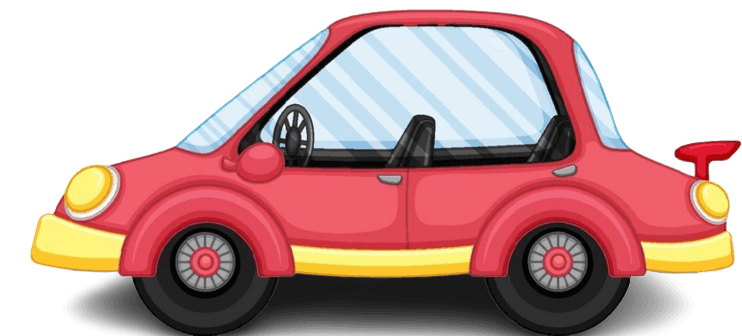
The girl has black hair.
Click the picture to make it bigger!

Which car is red colour?
The girl has black hair.
Click the picture to make it bigger!

This is an apple, what color is it?
Click the picture to make it bigger!

Which one is the blue book?
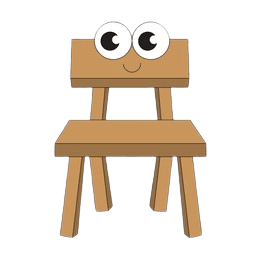
Is this a purple chair?
Click the picture to make it bigger!
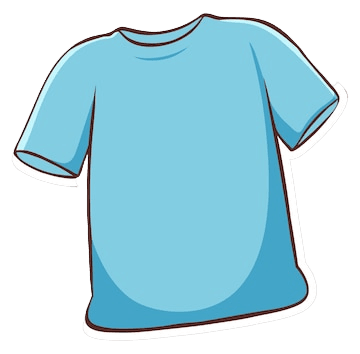
What colour is the shirt?
Click the picture to make it bigger!
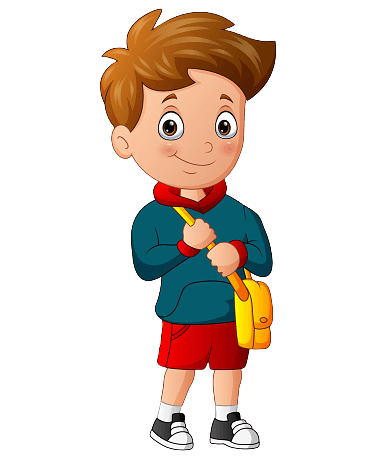
This is Matt. He has a red bag.
Click the picture to make it bigger!
What colour is on top of the rainbow ?

Which one is the green water bottle?
What colour is the pencil?
Click the picture to make it bigger!

 A BAD CASE OF THE STRIPES By David Shannon Parts(18): Camilla Narrator 1 Narrator 2 Narrator 3 Narrator 4 Mr. Harms Mother Father Dr. Bumble Old Woman Environmental Therapist Dr. Grop Dr. Gourd Dr. Sponge Mr. Mellon Dr. Cricket Dr. Young <><><><><><><><><><><><><><><><><><><><><><><><><><><><><><><><><><><><><><><><><><><><><><><><><> Narrator 1: A BAD CASE OF THE STRIPES By David Shannon Narrator 2: Camilla Cream loved lima beans. But she never ate them. Narrator 3: All of her friends hated lima beans, and she wanted to fit in. Camilla always worried about what other people thought of her. Narrator 4: Today she was fretting even more than usual. It was the very first day of school, and she couldn't decide what to wear. There were so many people to impress! Narrator 1: She tried on forty-two outfits, but none seemed quite right. She put on a pretty red dress and looked in the mirror. Then she screamed. Narrator 2: Her mother ran into the room, and she screamed, too. Mother: "Oh my heavens! You're completely covered with stripes!" Narrator 3: she cried. This was certainly true. Camilla was striped from head to toe. She looked like a rainbow. Narrator 4: Mrs. Cream felt Camilla's forehead. Mother: "Do you feel all right?" Narrator 1: she asked. Camilla: "I feel fine, but just look at me!" Narrator 2: Camilla answered. Mother: "You get back in bed this instant. You're not going to school today." Narrator 3: her mother ordered. Camilla was relieved. She didn't want to miss the first day of school, but she was afraid of what the other kids would say. And she had no idea what to wear with those crazy stripes. Narrator 4: That afternoon, Dr. Bumble came to examine Camilla. Dr. Bumble: "Most extraordinary! I've never seen anything like it! Are you having any coughing, sneezing, runny nose, aches, pains, chills, hot flashes, dizziness, drowsiness, shortness of breath, or uncontrollable twitching?" Narrator 1: he asked. Camilla: "No, I feel fine." Narrator 2: Camilla told him. Dr. Bumble: "Well then, I don't see any reason why she shouldn't go to school tomorrow. Here's some ointment that should help clear up those stripes in a few days. If it doesn't, you know where to reach me." Narrator 3: Dr. Bumble said, turning to Mrs. Cream. And off he went. Narrator 4: The next day was a disaster. Everyone at school laughed at Camilla. They called her "Camilla Crayon" and "Night of the Living Lollipop." Narrator 1: She tried her best to act as if everything were normal, but when the class said the Pledge of Allegiance, her stripes turned red, white, and blue, and she broke out in stars! Narrator 2: The other kids thought this was great. One yelled out, Narrator 3: "Let's see some purple polka dots!" Narrator 4: Sure enough, Camilla turned all purple polka-dotty. Someone else shouted, Narrator 1: "Checkerboard!" Narrator 4: and a pattern of squares covered her skin. Soon everyone was calling out different shapes and colors, and poor Camilla was changing faster than you can change channels on a T.V. Narrator 2: That night, Mr. Harms, the school principal, called. Mr. Harms: "I'm sorry, Mrs. Cream, I'm going to have to ask you to keep Camilla home from school. She's just too much of a distraction, and I've been getting phone calls from the other parents. They're afraid those stripes may be contagious." Narrator 3: he said. Camilla was so embarrassed. She couldn't believe that two days ago everyone liked her. Now, nobody wanted to be in the same room with her. Narrator 1: Her father tried to make her feel better. Father: "Is there anything I can get you, sweetheart?" Narrator 2: he asked. Camilla: "No, thank you," Narrator 3: sighed Camilla. What she really wanted was a nice plate of lima beans, but she had been laughed at enough for one day. Dr. Bumble: "Hmm, well, yes, I see. I think I'd better bring in the Specialists. We'll be right over.” Narrator 4: said Dr. Bumble to Mr. Cream on the phone. About an hour later, Dr. Bumble arrived with four people in long white coats. He introduced them to the Creams. Dr. Bumble: "This is Dr. Grop, Dr. Sponge, Dr. Cricket, and Dr. Young." Narrator 1: Then the Specialists went to work on Camilla. They squeezed and jabbed, tapped and tested. It was very uncomfortable. Dr. Grop: "Well, it's not the mumps." Dr. Sponge: "Or the measles." Dr. Cricket:"Definitely not chicken pox." Dr. Young: "Or sunburn." Narrator 2: replied the Specialists. Specialists:"Try these. Take one of each before bed." Narrator 4: said the specialists. They each handed her a bottle filled with different colored pills. Then they filed out the front door followed by Dr. Bumble. Narrator 1: That night, Camilla took her medicine. It was awful. Narrator 2: When she woke up the next morning, she did feel different, but when she got dressed, her clothes didn't fit right. She looked in the mirror, and there, staring back at her, was a giant, multi-colored pill with a face on it. Narrator 3: Dr. Bumble rushed over as soon as Mrs. Cream called. But this time, instead of the Specialists, he brought the Experts. Narrator 4: Dr. Gourd and Mr. Mellon were the finest scientific minds in the land. Once again, Camilla was poked and prodded, looked at and listened to. Narrator 1: The Experts wrote down lots of numbers. Then they huddled together and whispered. Dr. Gourd finally spoke. Dr. Gourd: "It might be a virus," Narrator 2: he announced with authority. Suddenly, fuzzy little virus balls appeared all over Camilla. Mr. Mellon: "Or possibly some form of bacteria," Narrator 3: said Mr. Mellon. Out popped squiggly little bacteria tails. Dr. Gourd: "Or it could be a fungus," Narrator 4: added Dr. Gourd. Instantly, Camilla was covered with different colored fungus blotches. The experts looked at Camilla, then each other. Experts: "We need to go over these numbers again back at the lab. We’ll call you when we know something," Narrator 1: said the Experts. But the Experts didn't have a clue, much less a cure. Narrator 2: By now, the T.V. news had found out about Camilla. Reporters from every channel were outside her house, telling the story of "The Bizarre Case of the Incredible Changing Kid." Narrator 3: Soon a huge crowd was camped out on the front lawn. Narrator 4: The Creams were swamped with all kinds of remedies from psychologists, allergists, herbalists, nutritionists, psychics, an old medicine man, a guru, and even a veterinarian. Narrator 1: Each so-called cure only added to poor Camilla's strange appearance until it was hard to even recognize her. She sprouted roots and berries and crystals and feathers and a long furry tail. But nothing worked. Narrator 2: One day, a woman who called herself an Environmental Therapist claimed she could cure Camilla. She said, Environmental Therapist: "Close your eyes, breathe deeply, and become one with your room." Camilla: "I wish you hadn't said that," Narrator 3: Camilla groaned. Slowly, she started to melt into the walls of her room. Her bed became her mouth, her nose was a dresser, and two paintings were her eyes. The therapist screamed and ran from the house. Mother: "What are we going to do? It just keeps getting worse and worse!" Narrator 4: cried Mrs. Cream. She began to sob. Narrator 1: At that moment, Mr. Cream heard a quiet little knock at the front door. He opened it, and there stood an old woman who was just as plump and sweet as a strawberry. Old Woman: "Excuse me, but I think I can help." Narrator 2: she said brightly. Narrator 3: She went into Camilla's room and looked around. Old Woman: "My goodness, what we have here is a bad case of the stripes. One of the worst I've ever seen!" Narrator 4: she said with a shake of her head. She pulled a container of small green beans from her bag. She said, Old Woman: "Here. These might do the trick." Mother: "Are those magic beans?" Narrator 1: asked Mrs. Cream. The old woman replied, Old Woman: "Oh my, no, there's no such thing. These are just plain old lima beans. I'll bet you'd like some, wouldn't you?" Narrator 2: she asked Camilla. Camilla wanted a big, heaping plateful of lima beans more than just about anything, but she was still afraid to admit it. She said, Camilla: "Yuck! No one likes lima beans, especially me!" Old Woman: "Oh, dear, I guess I was wrong about you." Narrator 3: said the old woman sadly. She put the beans back in her bag and started toward the door. Narrator 4: Camilla watched the old woman walk away. Those beans would taste so good. And being laughed at for eating them was nothing, compared to what she'd been going through. She finally couldn't stand it. Camilla: "Wait! The truth is...I really love lima beans." Narrator 1: she cried. The old woman smiled, popping a handful of beans into Camilla's mouth, and said, Old Woman: "I thought so." Camilla: "Mmmmmmm," Narrator 2: said Camilla. Suddenly the branches, feathers, and squiggly tails began to disappear.Then the whole room swirled around. When it stopped, there stood Camilla, and everything was back to normal. Camilla: "I'm cured!" Narrator 3: she shouted. The old woman said, Old Woman: "Yes, I knew the real you was in there somewhere." Narrator 4: She patted Camilla on the head and went outside and vanished into the crowd. Narrator 1: Afterward, Camilla wasn't quite the same. Narrator 2: Some of the kids at school said she was weird, but she didn't care a bit. Narrator 3: She ate all the lima beans she wanted, and she never had even a touch of stripes again.All About Kites Introduction. A kite is one of the oldest toys. And it's very simple to make. Kites come in many sizes, shapes, and colors. Did you know that kites can be both toys and tools? History of Kites. Kites were named after the kite bird. The kite bird has wide wings and easily floats high in the sky. No one knows who made the first kite. But one famous Chinese story about a kite was written over 2,000 years ago. The story is about a man who used a kite to attack a fort. He couldn't find a way to get inside the fort. So he tied himself to a huge kite. He flew over the wall of the fort and scared the soldiers! The inventor Ben Franklin had the idea that lightning was made of electricity. He wanted to prove his idea. One day when it was stormy, he tied a metal key to a kite string. Then he flew the kite up into the storm clouds. Lightning from the storm hit his kite. The electricity ran down the wet string to the metal key. When he reached for the key, he got a surprise. The electricity jumped from the key and gave him a shock! Do not try this yourself. It's not safe to do. When Ben Franklin tried to do it again, he was hurt badly. Many Uses for Kites. Some people have used kites for fishing. They put a fishhook and bait on the long kite tail. The kite tail dragged in the water. When a fish saw it, it bit the bait and was caught on the hook. Then the kite was pulled in. Weather kites carried scientific gauges into the sky. The gauges measured how fast the wind was blowing and how cool the air was. Years ago, some armies used kites with cameras to spy on enemy troops. Kites were also used as flying targets. The kites trained soldiers to aim better. Soldiers shot at the kites. The moving kites were hard to hit with bullets. Different shapes of kites fly in different ways. Flat, diamond-shaped kites fly easily. Box-shaped kites can hang still in the air for a long time. Stunt kites twist and twirl on many strings. Large parafoil kites act almost like parachutes. Giant dragon kites flutter. Fighting kites can be used to cut other kites' strings. On a breezy day, take your kite to a flat, open area. Be sure that there are no power lines or big trees. Look at the ground around you. Is there anything you could trip over? Hold your kite up by the bridle and run into the wind. Let go of the kite and slowly let out some string. Then let out a little more until your kite is high in the sky. Happy flying!Make a vocabulary quiz with below.Crisis: a very difficult situation or emergency; “Investors are worried that continuing problems in the stock market might lead to another financial crisis.” Short-staffed: not having enough employees or workers; “We laid off dozens of employees to save money, but now we’re short-staffed and can’t fill orders quickly.” To drive someone nuts: to make someone upset or annoyed; “The autocorrect feature on my mobile phone really drives me nuts.” To arise: to happen or start to develop, especially for problems or situations; “Problems arose for the developers when local residents voted against construction of the new shopping mall.” To moan: to complain about something, especially in a way that bothers other people; “Every Monday morning my colleagues moan about having to come to the office so early.” Optimism: the feeling or belief that good things will happen; “Analysts are expressing optimism that the real estate market will bounce back quickly.” Pessimism: the tendancy or belief that the worst will happen. “Now is not the time for pessimism, we need to believe we can do this or we will fail.” Hurdle: a problem that must be overcome or dealt with in order to reach a goal or do something; “Lack of capital is a major hurdle for many young entrepreneurs with good business ideas.” © 2013 All rights reserved: www.businessenglishpod.com 2 To give up: to stop trying to do or achieve something; “After being rejected by over a dozen universities, Roger gave up on his plans to study for an MBA.” To keep your eye on the prize: to stay motivated and focused on your final goal or reward; “Okay folks, I know things have been really busy, but let’s keep our eye on the prize and we’ll get this done before Christmas.” Down the road: in the future; “Sales our good in our retail outlets, but 10 years down the road we’re going to have to be more competitive in the online market.” To overcome: to deal with a problem successfully; “You are going to have to overcome your lack of confidence if you want to be a good salesman.” Decisiveness: having the ability to make decisions and act firmly. “Decisiveness is a quality we look for in new managers.” Bumpy: we can use “bumpy” to describe a road or process that has many problems; “We had a pretty bumpy start-up phase, but we finally managed to turn a profit in our fifth year of operations.” To display: to show a feeling, emotion, or characteristic; “David displayed tremendous preparation and diplomacy during the negotiations.” On the fence: someone who is “on the fence” is having difficulty making a decision or taking a position; “While the executives support expansion wholeheartedly, the shareholders are still on the fence about it.” All-in: in poker, if you are “all-in” you put all your money on one bet, but we can use this expression more generally to say you are completely committed to something, especially a plan; “This sounds like a good idea, but before I go all-in I need to know more about the project partners.” To have what it takes: to have the ability or intelligence to do something; “I thought I’d enjoy law, but after a few years as a junior lawyer I realized I don’t really have what it takes.Broken windows are covered. Floorboards are patched and doors screwed back on. The road that was ruined by German tanks is shovelled and raked smooth. Boot-shaped bruises turn yellow then fade and disappear. Flowers grow and spread across the ugly German footprints stomped into garden beds. The village looks pretty once more. School stops for the summer and everyone is put to work on the kolkhoz, the village farm. Women and big boys begin harvesting the barley crops in the outer fields. The biggest girls milk the cows, morning and night, and keep the barns clean. Old Nikolay mends ploughs, horse harnesses, pitchforks and scythes in his workshop. Anna Pushinka teaches Yelena and her friends how to get the honey from the beehives that are scattered through the orchards. I am in charge of collecting eggs. My friends Olga and Nina help. Olga and Nina are five, a year younger than me. They are twins and look exactly alike, except Nina’s nose is a little bit crooked from when she fell out of bed and squashed it sideways on the floor. The hens, ducks and geese wander free in the summer, so collecting eggs is like a treasure hunt and takes hours. Catching the hens for their daily hugs takes even longer, but I think it’s important because hugs make everyone happy and happy hens lay bigger eggs. Olga says I’m the best hen-hugger in all of Russia. Nina says I’ll be the best cow-hugger, too, when my arms grow longer. But good hugs have nothing to do with the size of your arms. It’s all to do with the size of your heart. When we are done with the hens, Olga, Nina and I can spend the rest of the day doing whatever we like. We climb the apricot trees, chase squirrels, lie in the meadow marvelling at how hot Ushanka’s black fur becomes in the sunshine, make daisy chains and race little boats of bark in the stream. I teach Olga and Nina the alphabet and we use charcoal to write our letters and our names all over the village – on doors and walls and the freshly cut ends of firewood. In between, I practise my knots. In case the German princemonsters return. I slip into Old Nikolay’s workshop and tie knots in the harnesses hanging on the walls. I wander into gardens where the washing is hung out to dry and tie knots in the laces on pants and smocks. I creep up behind Anna Pushinka and tie knots in her apron strings. I find baling twine in the hay shed and tie my own ankles together. I do such a good job of these last knots that I can’t get them undone. I have to jump all the way to Olga and Nina’s house and ask them to cut me free with their mama’s knife. At the end of each day, Ushanka and I run out into the distant barley fields to meet Mama. This is my favourite part of the day, because Mama always shouts, ‘Little Rabbit!’ and smothers my head with kisses. And as we walk home, we sing. Everyone – women, big boys and me. I love to sing. Almost as much as I love to be kissed by Mama. Sometimes one of the boys, Mikhail, has his balalaika with him. He takes the instrument out from beneath the sheaves of barley piled high on the wagon and plays music. We sing about forests and orchards and people who find their true love. As we walk home, arm in arm, my heart fills with happiness and my belly swells with pride that I am allowed to sing along with the big boys. And I can almost forget about the German prince-monsters and their lies about Russia and their big ugly boots. Almost. But today, when Mikhail reaches for his balalaika, I see other things hiding beneath the barley sheaves. Three of the mamas rush forward and cover them up, but it’s too late. I know they are there. I’ve already seen them. Rifles. Lots of rifles. Mikhail hugs his balalaika to his chest and blushes. ‘So play!’ cries Mama, her voice oddly loud and high. ‘Let’s play Sasha’s favourite song, “The Little Birch Tree”.’ So Mikhail plays and everyone sings about the lovely birch tree with its curly leaves and the branches that will be turned into silver flutes. They sing too quickly, too loudly, and as they sing and walk, they cast nervous sideways glances at me. ‘It’s alright,’ I say, when the song comes to an end. ‘I didn’t see the rifles.’ Mama nods and smiles, and I know it was the right thing to say. But I did see the rifles. And I think about Yelena wanting to get lots of guns and dynamite for the Partisans so they can shoot the Germans and blow them into thousands of tiny pieces, and Mama looking as though she agreed, and I know this is what the mamas and the big boys are doing. As well as harvesting, they are helping the Partisans. Three days later, I wake before dawn and I am all alone. Yelena is always here beside me when I wake. But not this morning. I climb down from our bed above the stove. Mama is filling a cloth sack with bread. She ties it closed with a piece of string and hands it to Yelena. ‘Stay out of sight,’ says Mama. ‘And don’t return until after dark.’ ‘Where’s she going?’ I ask. ‘Nowhere,’ snaps Mama. ‘Then why does she need all that bread?’ I ask. ‘There’s nothing left for us.’ Mama baked four loaves last night and she has stuffed them all into the sack. Yelena opens her mouth, but before she can speak, Mama shoves her out the door and sends her on the way to nowhere. Mama turns and stares at me, her blue, blue cornflower eyes wide with worry. ‘I know,’ I say, flopping down on the bench. ‘I didn’t see any bread.’ Mama sits beside me and takes my hand. ‘And . . .?’ she prods, obviously waiting for more. I puzzle for a while, then say, ‘And I don’t have a sister called Yelena.’ Mama laughs, softly and with a little bit of sadness around the edges. ‘Sweet Little Rabbit! You do have a sister called Yelena.’ ‘I do?’ I ask, now confused. ‘I haven’t seen the rifles or the bread, but I have seen Yelena?’ ‘Yes.’ Mama smiles and the magic makes me smile, too. And I am glad that Yelena is real because I love her very much. ‘Yelena is real,’ Mama explains, ‘but she does not carry sacks of bread into the forest for the Partisans.’ ‘Of course not!’ I shout, slapping my forehead. ‘Because there is no bread!’ Mama laughs loudly now, with not a hint of sadness. She hugs me, pressing me against her warm, loving heart, covering my head with kisses. ‘Clever Little Rabbit,’ she murmurs, and then, in barely a whisper, ‘Your papa would be so proud.’ When I wake the next morning, Yelena is sleeping beside me, her mouth open, her braided hair unravelling. Mama is serving kasha to a strange woman seated at our table. I crawl down from above the stove and slide along the bench beside her. I stare at her pants, her tunic, the rope she is using as a belt and her big boots. She’s dressed like a man! And there’s a rifle leaning against the wall near the door. ‘Hello,’ I say. ‘I’m Sasha.’ The woman doesn’t reply. She just shovels down her kasha. I line my four wooden bears along the table in front of her bowl and say, ‘These are my bears: Big Bear, Medium Bear, Little Bear and Even Littler Bear.’ ‘Hello, Sasha. Hello, bears.’ She smiles but she doesn’t tell me her name. ‘Why are you dressed like a man?’ I ask, tugging at the sleeve of her tunic. ‘Because men’s clothes make it easier to run and climb and crawl and shoot,’ she says. ‘You’re a Partisan!’ I gasp. ‘But she’s not real,’ says Mama, placing a bowl of kasha before me. ‘Is the kasha real?’ I ask. Mama laughs. ‘Yes, Little Rabbit.’ I’m glad the food is real, because I’m hungry. But I’m disappointed that the woman is not real. I was going to ask if I could use her rope-belt to tie her ankles together. For practice. But if she’s not real, then the rope and her ankles aren’t either. The woman finishes her kasha, hangs her rifle over her shoulder, kisses Mama on the cheek then slips out the door. I run to the window to watch her leave, but by the time I get there, she’s gone. Vanished. ‘Because she’s not real,’ I whisper. A week later, Mama and I are working in the garden. We sing as we weed between the flowers and pluck caterpillars from the vegetables. Anna Pushinka is picking strawberries in her garden and wanders over. ‘Taste these,’ she says, holding out the basket. Mama reaches in and takes out a fat strawberry and a tiny piece of folded paper. The strawberry goes into her mouth, the paper into her pocket. ‘What’s on the paper?’ I ask. ‘Paper?’ Anna Pushinka replies with a wave of her hand. ‘Goodness, Sasha! Who has money for paper? These are lean times. We must choose between paper for writing and noodles for our soup. And I always choose noodles.’ She chuckles and I know the paper is yet another thing that is not real. That night, Mama slips the paper to Yelena, but she drops it on the floor. I pick it up for her, and I see that there are tiny words and numbers written all over it. I wish I could read better. I’m desperate to know what it says. Or rather, what it doesn’t say, because it’s not real. Later, when Mama has tucked us into our bed above the stove and Ushanka has wrapped herself around the top of my head, I ask Yelena, ‘What’s on the paper?’ ‘What paper?’ says Yelena. ‘The paper that isn’t real,’ I reply. Yelena stares at me, nibbling her lip, then whispers, ‘A message for the Partisans. Stuff about where the Germans have their headquarters and when their trains are travelling and where they store their ammunition.’ ‘Why?’ ‘So the Partisans can blow them up.’ Yelena grabs my arm. ‘But don’t tell anyone. It’s a secret.’ ‘What’s a secret?’ I ask. ‘The message.’ ‘What message?’ I say, my eyes wide. Yelena laughs. ‘Good boy, Sasha.’ My belly swells with pride. I know how to play this game. ‘How are your knots coming along?’ asks Yelena. ‘Good! Yesterday, I crept into the dairy and tied knots in the apron strings of all the girls who were milking and only one of them noticed. Today, I tied Olga’s ankles together with Mama’s embroidery thread and just now, while you were taking a bath, I tied the sleeves of your blouse together in an enormous knot.’ Yelena rolls her eyes, then says, ‘I’ll see if I can find you some rope for practising.’ ‘Practising what?’ I ask. ‘Your knots,’ she says. ‘What knots?’ Yelena, my big sister who is twelve and always serious tImportant wordsfrom the song: That's right I heard the story, Over and over again, Gee, it's swell to finally meet her other friends! That's right, I heard the story, Don't really like how it ends, Gee, it's swell to finally meet her other friends! - What did she say about me? What did she say? What did you do without me? What did you do? Did you play games without me? What did you play? Did you think all this time that I wouldn't find out about you? - Oh, that's right, I heard the story, Over and over again, Gee, it's swell to finally meet her other friends! - Who am I? Who am I? What are you even saying? I'm the loser of the game you didn't know you were playing! Let's play another game, This time I get to win! Lives on the line, Winner takes all, Ready or not, Let's begin! - Oh, that's right I heard the story, Over and over again, Gee, it's swell to finally beat her other friends! Oh, that's right I heard the story, Don't really like how it ends, Gee, it's swell to finally beat her other, Other, Other friends!The story of The Resurrection of Jesus is very amazing. Resurrection: meaning Jesus rising from the dead. Jesus is alive again. Jesus proved to the people that He is the “Son of God”. Would you like to know the amazing story? Let’s read on! Jesus is Alive! After Jesus died a man named Joseph from Arimathea put Jesus in His tomb. Before Joseph left, he and some men rolled a large heavy stone in front of the tomb. Mary and Mary Magdalene made spices and oils as a sign of respect to Jesus, and went very early to the tomb on the third day to go see Jesus' body. As they were just about at the tomb the earth suddenly shook and an angel came down from heaven. He easily rolled away the stone at the entrance of the tomb and sat on top of it. The women looked at each other and rubbed their eyes, they couldn't believe what they had seen. The angel was so bright, almost as bright as lightning. His clothes were as white as snow. There had been guards watching the tomb so no one would steal Jesus' body. When they saw the angel they fell over and they couldn't move or speak because they were so afraid. Christian Living Education 2 SEIBO COLLEGE 5 Then the angel said to the women, "Do not be afraid. I know you are looking for Jesus who has died. But He isn't here; He has risen just as He said He would! Come and see for yourself, the tomb is empty." The women were confused. How could this happen? They were sure Jesus had died, and now He was alive? They looked in the tomb and the cloths Jesus was wrapped in were lying on the ground, and the tomb was empty. Then the angel spoke again, "If you want to find Jesus He's on his way to Galilee." So the women hurried away. They had been so sad that Jesus was dead and now they were so excited He was alive! They just knew they had to find Jesus, and they had to tell the disciples the good news. As they were running down the path they turned a corner, and there was Jesus. "Greetings," He said. The ladies fell at His feet and worshiped him. Then Jesus said to them, "Do not be afraid. Go and tell my disciples to come to Galilee, which is where they will see me." The disciples came to Galilee, and had heard by this time that Jesus was alive. They were sitting around talking about it, when Jesus walked into the room and said to them, "Peace be with you." The disciples immediately stopped talking. Even though they had heard Christian Living Education 2 SEIBO COLLEGE 6 He was alive, they were shocked to see Him standing there with them. Jesus said to them, "Why do you look at me like you've just seen a ghost? Why don't you believe what you're seeing? Look at the scars in my hands and feet. It is really me! Touch me and see, I am not a ghost but a real person." The disciples’ mouths were open in amazement because they still didn't know what to think. They were so full of joy, and yet it was so impossible. Jesus understood what they were thinking, so He said, "This is what I told you would happen, that everything must happen that has already been written in the Bible." Then Jesus told them, "You have seen these things that have happened, so stay in the city and soon I am going to give you what God has promised you, the Holy Spirit. Jesus had one more person to see. His name was Thomas, and he was one of the disciples that weren’t there when Jesus met with them. Thomas had also heard that Jesus was alive, but would not believe until he saw Jesus with his own eyes. A week later when Thomas finally saw Jesus, Jesus said to him, "Put your finger here; see my hands. Stop doubting and believe." But Jesus continued, "Because you have seen me, you have believed; but it is more amazing for those who don't see me, and believe anyway." Christian Living Education 2 SEIBO COLLEGE 7 Jesus is actually talking to us when He said this. If you believe in Him, without seeing Him He thinks you're very special! That is exactly what faith is, believing in God even though you can't see Him. When we become Christians Jesus automatically gives us the Holy Spirit to live inside of us. The Holy Spirit makes us know when we have done something wrong. We might feel sick to our stomach, or just get a bad feeling, that is the Holy Spirit reminding us that we are doing something wrong, or that we need to stop and say sorry and ask for forgiveness for what we've done. Do you know what we celebrate during Easter Sunday? We celebrate the rising of Jesus from the dead. We celebrate because Jesus shared His new life with us. Through His rising from the dead, we are saved. We also have new life. What do you think we should do with our new life? How can we thank Jesus for sharing His new life with us? Of course, we should do good deeds. When we say good deeds, it is anything that we do that is good. It doesn’t matter how big or small as long as it is good. It would make Jesus very happy if we stop our bad ways and change for the betterWrite simple RCQ for A1 kids using: Little Flap Learns to Fly Little Flap was happy living in his nest. His friends, Fluff and Tuff, lived in the nest next to him. Every morning they sang songs together. Their parents brought them worms to eat. One day Fluff asked, "Can we get our own worms?" Tuff said, "We can if we learn to fly." Fluff said, "Yes! Let's learn to fly." Little Flap peered over the edge of his nest. It was very high up. When he looked down, the ground seemed very far away. He felt scared! He was too afraid to tell his friends about his fear so he kept his feelings a secret. Fluff said, "Let's practice flapping our wings. It will make them strong. Watch." Tuff and Little Flap watched Fluff. Then they copied her actions. Soon it was time to fly. Little Flap could no longer keep his feelings a secret. He asked, "Will I fall? I don't want to get hurt." Tuff said, "You can depend on Fluff and me. We're your friends." Fluff said, "I have an idea. We will go first and show you how. Then you can try. If you fall, Tuff and I will rescue you." Tuff said, "Yes, we can save you!" Tuff and Fluff jumped out of the nest. They flew! Little Flap looked down nervously. He still felt uneasy, but he felt braver with his friends. "Okay," he said. "Let's try!" The three birds stood together on the branch. They counted, "One! Two! Three!" Then they flapped their wings fast and jumped. Little Flap lifted into the air. "You're flying just right!" said Fluff. "You're flying perfectly!" said Tuff. All three little birds landed in a patch of soft, green grass. Little Flap said, "Now I know I can always depend on you, Fluff and Tuff! You are my friends." Then he found a big, juicy worm and shared it with his friends. Now Little Flap likes flying!Write simple RCQ for A1-A2 kids: Little Flap Learns to Fly Little Flap was happy living in his nest. His friends, Fluff and Tuff, lived in the nest next to him. Every morning they sang songs together. Their parents brought them worms to eat. One day Fluff asked, "Can we get our own worms?" Tuff said, "We can if we learn to fly." Fluff said, "Yes! Let's learn to fly." Little Flap peered over the edge of his nest. It was very high up. When he looked down, the ground seemed very far away. He felt scared! He was too afraid to tell his friends about his fear so he kept his feelings a secret. Fluff said, "Let's practice flapping our wings. It will make them strong. Watch." Tuff and Little Flap watched Fluff. Then they copied her actions. Soon it was time to fly. Little Flap could no longer keep his feelings a secret. He asked, "Will I fall? I don't want to get hurt." Tuff said, "You can depend on Fluff and me. We're your friends." Fluff said, "I have an idea. We will go first and show you how. Then you can try. If you fall, Tuff and I will rescue you." Tuff said, "Yes, we can save you!" Tuff and Fluff jumped out of the nest. They flew! Little Flap looked down nervously. He still felt uneasy, but he felt braver with his friends. "Okay," he said. "Let's try!" The three birds stood together on the branch. They counted, "One! Two! Three!" Then they flapped their wings fast and jumped. Little Flap lifted into the air. "You're flying just right!" said Fluff. "You're flying perfectly!" said Tuff. All three little birds landed in a patch of soft, green grass. Little Flap said, "Now I know I can always depend on you, Fluff and Tuff! You are my friends." Then he found a big, juicy worm and shared it with his friends. Now Little Flap likes flying!