Loading...


Letter Recognition
Quiz by Virginia Grace Magno
Customize this quiz to suit your class
Instantly translate to 100+ languages
Tag the questions with any skills you have. Your dashboard will track each student's mastery of each skill.
Give this quiz to my class
Choose pictures that start with letter Aa sounds

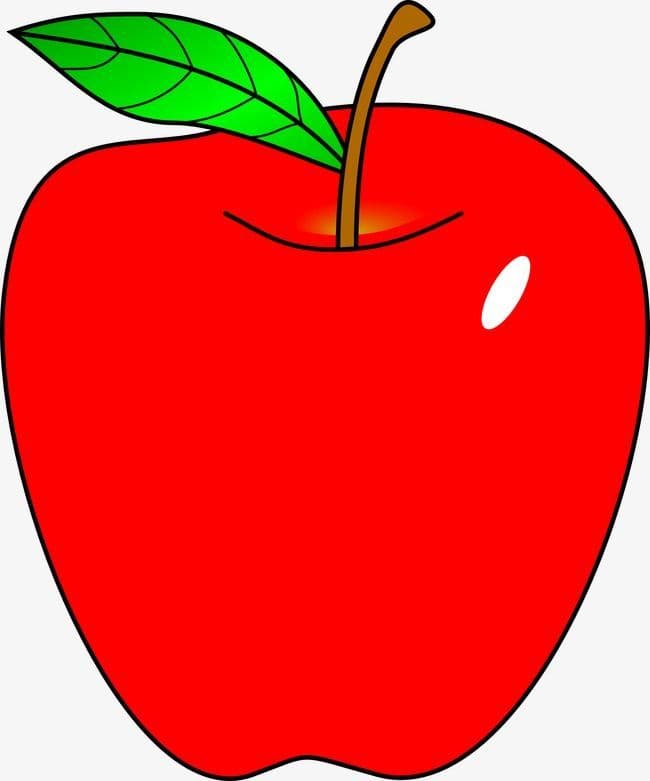
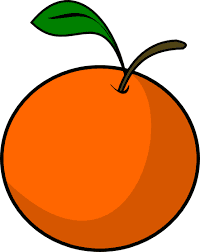

anaban

Choose pictures that start with letter Aa sounds
anaban

The picture below start with letter Uu.
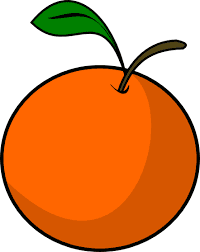
Write the name of the picture below.
 letter recognition and soundLetter Recognition QuizLetter /H/ recognition Letter Reconition SRecognising the different sounds made by the letter strings 'ough' and 'au'Recognising the different sounds made by the letter strings "ou", "ear" and "ice"1. Battle of Lexington At the Battle of Lexington in 1775, British soldiers and colonial militia faced each other on the village green. A shot was fired, but no one knows for sure who fired first. Even so, this moment is often called the beginning of the American Revolution. Why is the Battle of Lexington still considered the start of the American Revolution, even though it is unclear who fired the first shot? A. It marked the first time colonists and British soldiers fought in open battle B. It proved that colonists planned the war long before the fighting began C. It showed that British soldiers were fully responsible for starting the war D. It confirmed that colonists had already declared independence from Britain 2. Battle of Concord After the fighting at Lexington, British troops marched to Concord to destroy colonial supplies. Instead, colonial militia gathered and fought back, forcing the British to retreat toward Boston. Why is the Battle of Concord considered an important turning point in the early American Revolution? A. It showed that colonial militias could organize and successfully push back British troops B. It proved that the British army had already lost control of all the colonies C. It confirmed that the colonies had officially declared independence from Britain D. It demonstrated that foreign countries were already helping the colonial forces 3. Second Continental Congress Much of the early violent conflict between colonists and British soldiers took place in Boston. After fighting broke out at Lexington and Concord near Boston, colonial leaders met at the Second Continental Congress in 1775 to decide what to do next. Which answer best describes the main actions taken by the Second Continental Congress? A. They created an army, chose a leader, and tried to avoid war with Britain B. They declared independence, wrote the Constitution, and ended the war C. They raised taxes, formed a monarchy, and supported British rule D. They ended slavery, gave women rights, and expanded voting laws 4. Olive Branch Petition In 1775, colonial leaders sent a letter called the Olive Branch Petition to King George III of Britain. Based on this situation, what was the main purpose of the Olive Branch Petition sent to the king? A. To ask the king to restore peace between both sides B. To declare independence from Britain and begin a new nation C. To request help from foreign countries in the war effort D. To organize protests against British taxes across the colonies 5. Battle of Bunker Hill On June 17, 1775, during the Battle of Bunker Hill in Boston, colonial forces fought against the British on a hill overlooking the city. The fighting was intense and led to heavy losses on both sides. Which statement best explains why the Battle of Bunker Hill was an important battle in the war? A. The colonists won the battle, showing they were stronger than British forces B. The colonists won the battle, showing the British that the war would be short and easy for the colonists C. The British won the battle, showing the war would be difficult and costly for both sides D. The British won the battle, showing British forces could defeat the colonists easily 6. Pamphlets During the American Revolution, pamphlets were short printed writings that were inexpensive to produce and often written in everyday language so many colonists could read them. How did these features of pamphlets most affect their role in the American Revolution? A. They helped spread ideas widely, allowing more colonists to form and share opinions B. They limited ideas to educated leaders, keeping most colonists uninvolved C. They replaced newspapers entirely, becoming the only source of information D. They prevented disagreement, causing most colonists to think the same way 7. Thomas Paine’s Common Sense In 1776, Thomas Paine published Common Sense, a widely read piece of writing about the relationship between the colonies and Britain. How did this pamphlet most influence colonial thinking during the American Revolution? A. It encouraged colonists to support independence from Britain B. It convinced colonists to remain loyal to the British government C. It explained how colonial armies should organize attacks D. It described laws colonists were expected to follow 8. Declaration of Independence In July 1776, the Declaration of Independence listed complaints against King George III and explained the colonists’ ideas about government and rights. How do these parts of the Declaration of Independence work together to support the colonists’ decision? A. They connect ideas about rights to real examples, justifying separation from Britain B. They describe past events in detail, showing how the war had already ended C. They list future plans for government, explaining how leaders would be chosen D. They organize military actions, showing how the colonies planned to win 9. Washington Crosses the Delaware and Battle of Trenton In December 1776, George Washington led his army across the Delaware River and launched a surprise attack on Hessian mercenaries in Trenton. Which statement best explains why Washington’s crossing of the Delaware and the attack on Trenton was an important turning point in the war? A. It defeated British forces completely, ending the war in a short time B. It boosted morale, helping discouraged soldiers choose to keep fighting C. It brought foreign allies into the war, adding support for the colonies D. It led to independence, allowing the colonies to form a new nation 10. Battle of Saratoga In 1777, American forces defeated the British at the Battle of Saratoga, a major event during the American Revolution. Which statement best explains why the Battle of Saratoga was an important turning point in the war? A. It brought French support, helping Americans gain a strong advantage in the war B. It ended the war quickly, forcing Britain to surrender all control in the colonies C. It improved army training, helping soldiers become more skilled in future battles D. It changed leadership roles, causing new generals to take control of the army 11. Battle of Yorktown In 1781, American forces surrounded British troops at Yorktown, leading to a major moment in the American Revolution. Which statement best explains why the Battle of Yorktown was an important event in the war? A. French forces helped the Americans win, leading to the end of major fighting in the war B. Italian forces helped the British win, leading to a final victory over the American army C. German forces switched sides and helped the Americans win, leading to a final defeat for British troops D. French forces helped the British win, leading to a complete end of the war in the colonies 12. Treaty of Paris After the Battle of Yorktown, British public opinion turned against the war, and peace negotiations began. In 1783, American leaders signed the Treaty of Paris, which included agreements between the United States and Britain. Which statement best explains how the Treaty of Paris reflected the outcome of the American Revolution? A. Both sides made agreements, recognizing independence B. Americans gained independence, taking land without agreements C. British leaders kept control, ending the war with power D. Both sides refused compromise, continuing the warLetters recognization