Loading...


LETTER STRUGGLE - CORPORATE GOVERNANCE
Quiz by Dale Imperio
Customize this quiz to suit your class
Instantly translate to 100+ languages
Tag the questions with any skills you have. Your dashboard will track each student's mastery of each skill.
Give this quiz to my class
USE CAPITAL LETTERS!
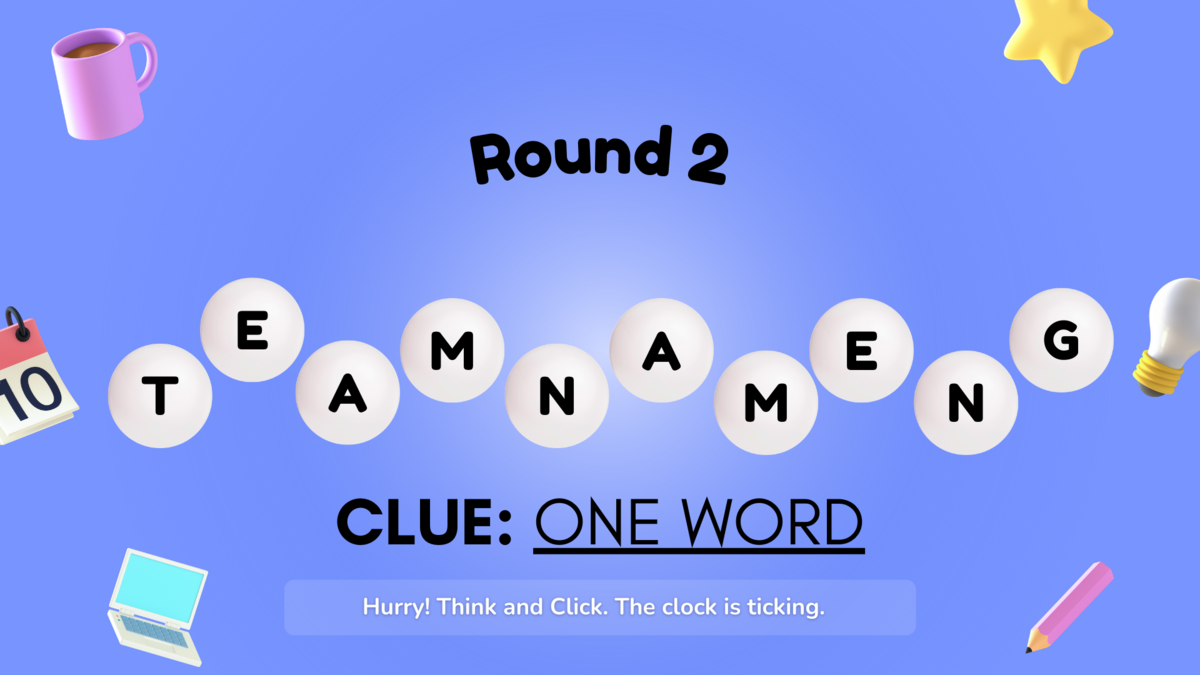
USE CAPITAL LETTERS!
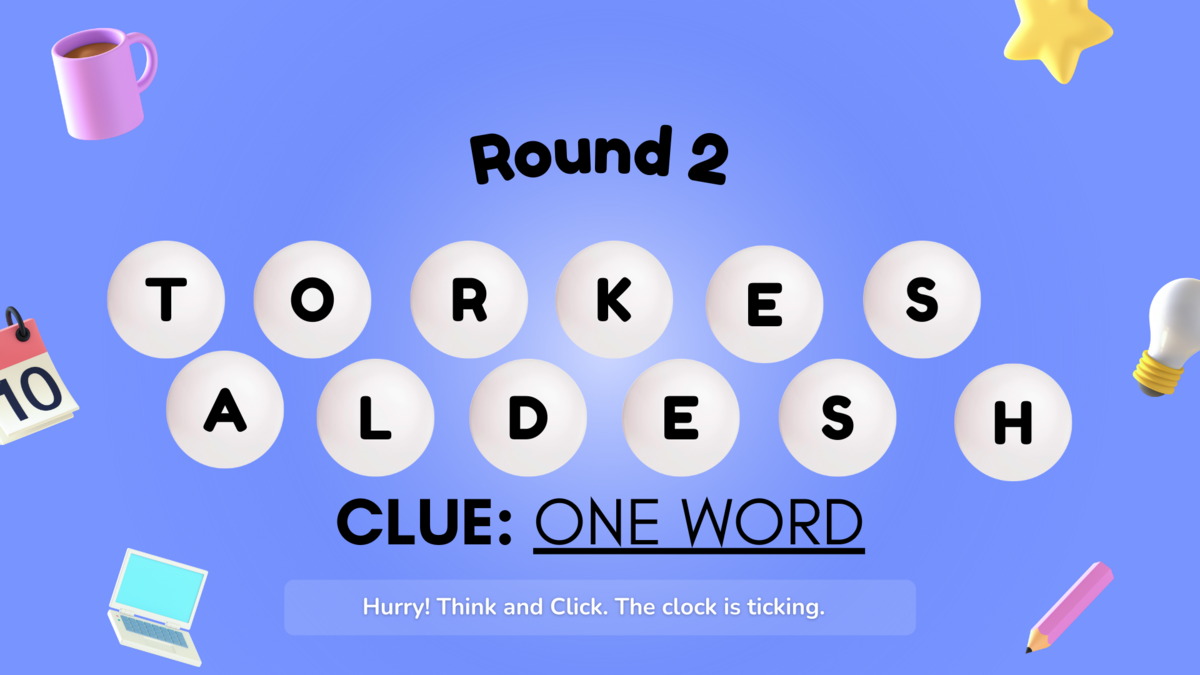
USE CAPITAL LETTERS!
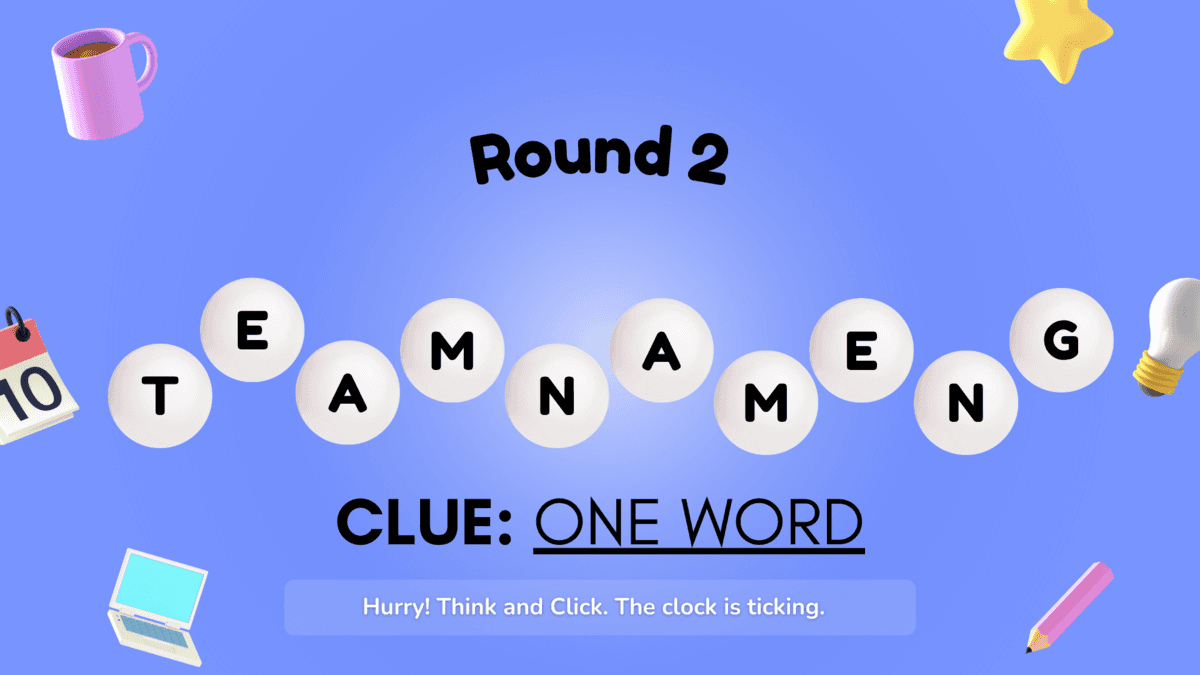
USE CAPITAL LETTERS!

USE CAPITAL LETTERS!

USE CAPITAL LETTERS!
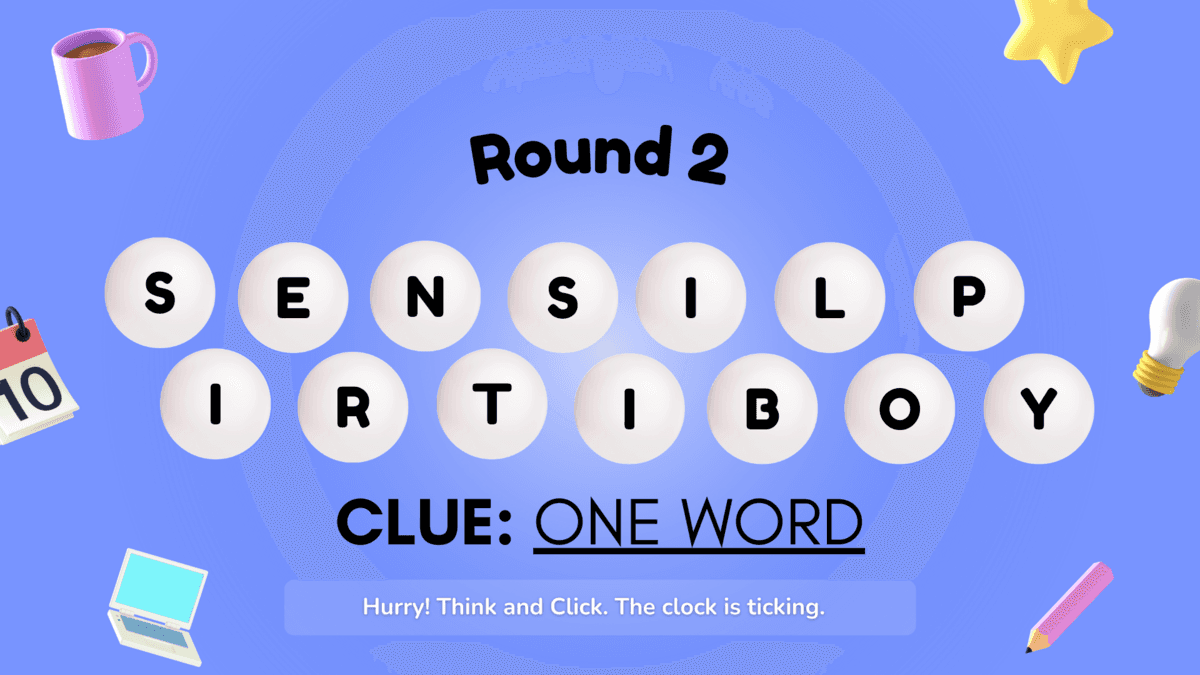
USE CAPITAL LETTERS!

USE CAPITAL LETTERS!

USE CAPITAL LETTERS!

USE CAPITAL LETTERS!

USE CAPITAL LETTERS!

USE CAPITAL LETTERS!

 A. Arundhati Roy B. Jhumpa Lahiri C. Salman Rushdie D. Anita Desai ________________________________________ 2. The Lowland was published in: A. 2001 B. 2013 C. 2010 D. 2005 ________________________________________ 3. Which earlier work earned Lahiri the Pulitzer Prize? A. The Namesake B. Unaccustomed Earth C. Interpreter of Maladies D. The Lowland ________________________________________ 4. The novel is primarily about: A. Technology and modernity B. Immigration, family, and political violence C. Business rivalry D. Mythology and folklore ________________________________________ 5. The two central brothers in the novel are: A. Rahul and Anil B. Subhash and Udayan C. Gogol and Ashoke D. Amit and Nikhil ________________________________________ 6. Where did the brothers grow up? A. Mumbai B. Dhaka C. Calcutta D. Delhi ________________________________________ 7. Udayan becomes involved in: A. Peace activism B. Cinema C. Naxalite movement D. Business ________________________________________ 8. Subhash moves to: A. London B. Rhode Island C. Toronto D. Chicago ________________________________________ 9. Udayan is killed in: A. Jail B. A riot C. The lowland near his house D. A car accident ________________________________________ 10. Why does Subhash marry Gauri? A. Love B. To protect her and her unborn child C. Financial benefit D. Family pressure ________________________________________ 11. Gauri eventually: A. Becomes a politician B. Starts a business C. Leaves her family D. Returns to India ________________________________________ 12. Subhash raises Bela: A. With Gauri B. Alone C. With help from his parents D. In India ________________________________________ 13. Bela grows up believing: A. Udayan is her father B. Subhash is her father C. She has no father D. Her father died in war ________________________________________ 14. The setting of political unrest is linked to: A. Partition B. Naxalbari uprising C. Independence movement D. Civil War ________________________________________ 15. The narrative style uses: A. Magical realism B. Non-linear structure C. Poetry D. Second-person narration ________________________________________ 16. Gauri’s character represents: A. Traditional motherhood B. Obedient wife C. Intellectual autonomy and emotional detachment D. Political activism ________________________________________ 17. Bela’s character signifies: A. Rebellion against education B. Second-generation identity struggle C. Complete assimilation D. Materialistic living ________________________________________ 18. Memory in the novel functions as: A. A simple recollection B. A haunting presence affecting identity C. A forgotten history D. A symbolic decoration ________________________________________ 19. The lowland itself symbolizes: A. Wealth B. Stability C. Transitional, unstable space D. Escape ________________________________________ 20. Lahiri’s prose style can be described as: A. Flowery and ornate B. Minimalistic and restrained C. Dramatic and verbose D. Highly poetic ________________________________________ 21. Water imagery reflects: A. Joy and happiness B. Power and victory C. Memory and emotional fluidity D. Evil ________________________________________ 22. Which theory applies strongly to this novel? A. Structuralism B. Postcolonial hybridity C. Absurdism D. Modernism ________________________________________ 23. Postcolonial hybridity is linked to: A. Complete assimilation B. Identity in-between cultures C. Traditional values D. Language fluency alone ________________________________________ 24. Which character best reflects second-generation identity conflict? A. Gauri B. Bela C. Subhash D. Udayan ________________________________________ 25. What does Subhash struggle with most? A. Career failure B. Language C. Guilt and secrecy D. Wealth ________________________________________ 26. Udayan’s ideology centers on: A. Business growth B. Armed communist revolution C. Religious reform D. Education ________________________________________ 27. The novel shows how political violence leads to: A. Personal healing B. Economic prosperity C. Emotional trauma across generations D. Cultural unity ________________________________________ 28. Betrayal appears as: A. Only political B. Only emotional C. Both political and familial D. A background idea ________________________________________ 29. The genre of the text best fits: A. Fantasy B. Realistic political family saga C. Science fiction D. Thriller ________________________________________ 30. The narrative constantly shifts between: A. Dream and reality B. India and America C. Past and future India D. Fiction and nonfiction ________________________________________ 31. Homi Bhabha’s "third space" represents: A. Physical land B. A zone of cultural in-betweenness C. A literal building D. A heavenlike vision ________________________________________ 32. Gauri symbolizes: A. Traditional widowhood B. Female agency vs social expectation C. Blind loyalty D. Economic dependence ________________________________________ 33. Bela unknowingly inherits: A. Udayan’s ideology B. Gauri’s academic passion only C. Subhash’s calmness D. Grandparents’ wealth ________________________________________ 34. Lahiri uses silence to: A. Avoid details B. Deepen psychological complexity C. Reduce story relevance D. Simplify events ________________________________________ 35. A major structural device is: A. Letters B. Non-linear flashbacks C. Mythic storytelling D. Metafiction ________________________________________ 36. Which text offers a migrant theme comparison? A. The God of Small Things B. The White Tiger C. The Namesake D. Train to Pakistan ________________________________________ 38. The Naxalite movement first emerged in: A. Mumbai B. Naxalbari village C. Delhi D. Kerala ________________________________________ 39. Which theme repeats strongly? A. Celebration of success B. Silence and secrets C. Fantasy D. Heroism ________________________________________ 40. What does Bela do as an adult? A. Becomes a doctor B. Engages in environmental activism C. Joins corporate life D. Moves into politics ________________________________________ 41. The immigrant experience in the novel is portrayed as: A. Full belonging B. Alienation and partial belonging C. Achievement D. Liberation ________________________________________ 42. Which idea does Lahiri question through Gauri? A. Heroism B. Maternal expectation C. Religious devotion D. Wealth ________________________________________ 43. Subhash represents: A. Pure rebellion B. Survival and adaptation C. Anti-immigrant sentiment D. Total withdrawal ________________________________________ 44. Lahiri’s writing expects readers to: A. Passively accept the plot B. Read emotional subtext in silences C. Ignore symbols D. Only enjoy the story ________________________________________ 45. The lowland as a metaphor mainly signifies: A. Joy B. Unstable cultural ground C. Triumph D. Isolation from family ________________________________________ 46. Why is The Lowland considered significant? A. Its fantasy themes B. Its deep engagement with politics & identity C. Its humor D. Its romantic style ________________________________________ 47. Which comparative author also writes about diaspora identity? A. Chetan Bhagat B. Amitav Ghosh C. Premchand D. Ruskin Bond ________________________________________ 48. Udayan’s death drives the plot because: A. Family hides it B. It forces new relationships & trauma C. People forget him D. It has no consequence ________________________________________ 49. The narrative ends emphasizing: A. Closure and peace B. Lasting consequences of secrets C. National identity D. Religious conflict ________________________________________ 50. Scholars study this work because it explores: A. Only Indian history B. Trauma, diaspora, gender & politics C. Folk storytelling D. Comedyrefreshment (n): (small amounts of food and drink ( Refreshments will be available during the interval.) stimulant (n): a substance which temporarily arouses physiological or organic activity ( Caffeine is a natural stimulant .) reinforcement (n): the act of making sth stronger / (plural) soldiers sent to join an army to make it stronger ( Constructors have been hired to add reinforcement to the foundations of the old bridge.) initiative (n): the ability to make decisions without waiting to be told what to do (Being a successful entrepreneur requires one to have great initiative.) inhibition (n): a shy or nervous feeling that stops you from expressing your real feelings (She drinks alcohol at parties to get over her inhibitions.) initiation (n): a ceremony, ritual, test, or period of instruction with which a new member is admitted to an organization or office (The initiation period for new employees lasts approximately six weeks.) initial (n): the first letter of a name, esp. when used to represent a name (Do you know what Ms Rowling's initials, J and K, stand for?) concise (adj): short and clear, expressing what needs to be said without unnecessary words (She gave a concise overview of the points she was about to make in her speech. ) direct (adj): happening or done without involving other people, actions, etc. in between ( You will only be hired if you have direct experience in this field.) devious (adj): not straightforward, sincere and honest about your intentions or motives; shifty (They came up with a devious plan to overthrow the chairman of the company.) circuitous (adj): not straight or direct (The professor gave a circuitous explanation confusing his students.) diluted (adj): (of a liquid) made weaker or less pure by being mixed with sth else( Orange squash should be diluted with water before it is served.) delicate (adj): easily hurt or destroyed.( This silk shirt is too delicate to put in the washing machine.) desolate (adj): extremely sad and feeling lonely. (After the death of his wife he led a desolate life.) diffused (adj): widely spread or scattered; not concentrated/ wordy ( He spoke in such a diffused manner that it was impossible to take notes on his lecture.) might (n): the power, force, or influence held by a person or group (The captive struggled with all of his might and managed to free himself of the chains.) plot (n): a secret plan made by several people to do sth that is wrong, harmful or not legal, esp. to do damage to a person or a government / a storyline ( The plot of the forthcoming Harry Potter book has yet to be revealed.) glaze (n): a thin clear liquid put on objects before they are finished, to give them a shiny surface ( She mixed sugar and lemon to make the glaze of the cake.) plight (n): an unpleasant condition, esp. serious, sad or difficult one ( Last night's documentary dealt with the plight of political asylum seekers.) comprise (v): to consist of be composed of( The final exam is comprised of three parts.)LETTERLetter Ggletter lLetter of RequestLetter a for grade 1 letter-R letter friends