Loading...

LIQUID CHROMATOGRAPHY METHOD DEVELOPMENT
Quiz by Andev Konimex
Tag the questions with any skills you have. Your dashboard will track each student's mastery of each skill.
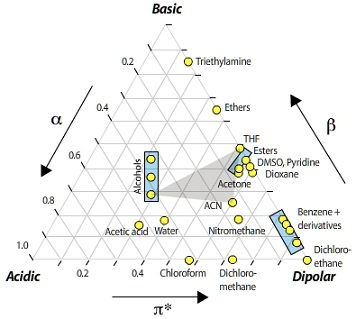
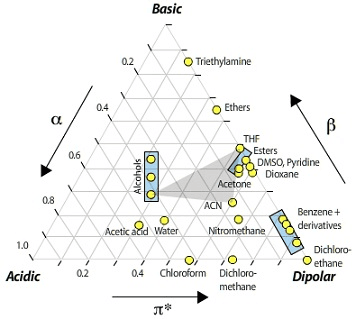
Which of the following reversed phase HPLC solvents will interact most strongly with basic analytes?
Methanol
THF
Acetonitrile
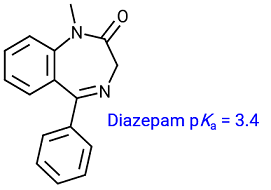
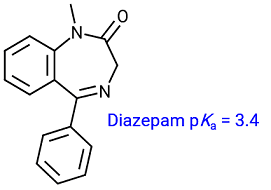
At an eluent pH of 5.4, the diazepam molecule will be
Neutral
100%Ionized
100%Unionized
Which of the following reversed phase HPLC solvents will interact most strongly with basic analytes?
At an eluent pH of 5.4, the diazepam molecule will be
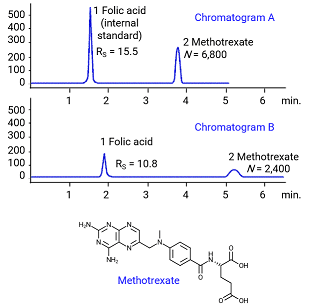
Which of the chromatograms shown was obtained from a column treated with an end-capping reagent?
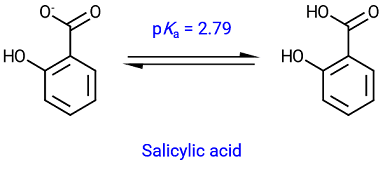
Which of the following salicylic acid retention times will result if the eluent pH is adjusted from pH 3.5 to pH 6.5?
The original retention time was 2.67 minutes
Which three of the sorbents below are examples of polar sorbents?
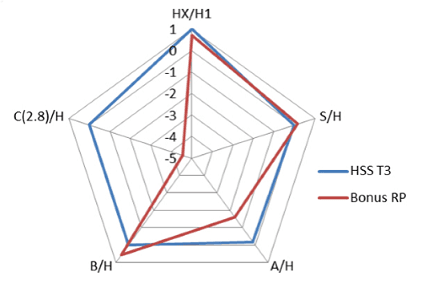
The two columns characterized in the radar plot opposite will show different selectivity towards ionogenic compounds
Match the reversed phase separation with the stationary phase used
Which of the following actions would you take if the retention time reproducibility is poor during method development?
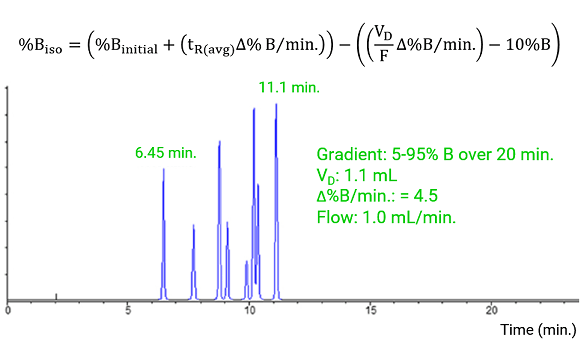
Estimate the best isocratic composition from the information shown on the scouting gradient results below
One of the most powerful options to change selectivity is changing the column stationary phase
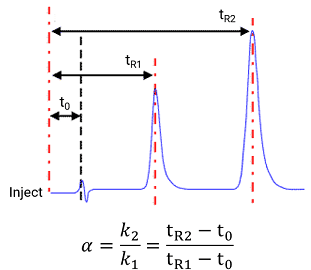
Calculate the final %B indicated by the scouting gradient below (you will need a calculator). The gradient dwell term can be considered equivalent to 5% B
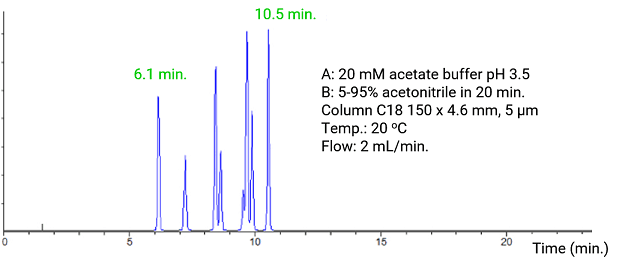
Under HILIC conditions, the buffer concentration should be in the range of
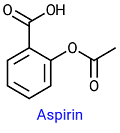
Which of the following mobile phase compositions is likely to result in the SHORTEST retention time for the analyte shown using a C8 stationary phase?
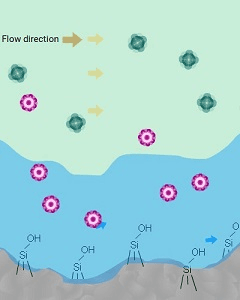
Which of the two silica surfaces shown is most likely to give rise to peak tailing?
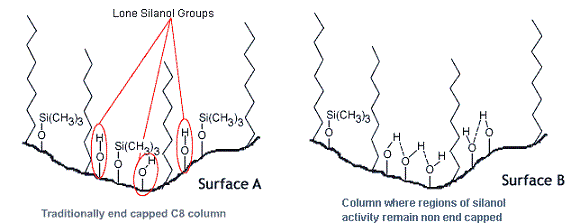
At pH values below 2.5 column degradation occurs due to hydrolysis of the bonded phase
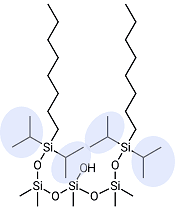
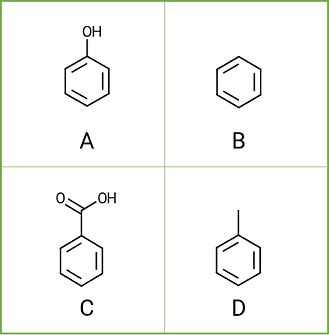
Rank the molecules shown in order of retention (reversed phase conditions). Place the LEAST retained molecule in first place and the MOST retained molecule in fourth place
Which two parameters can be used to increase retention in HILIC?
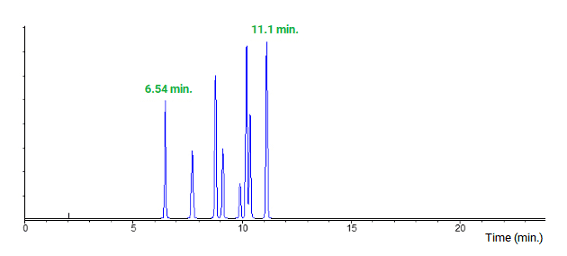
The chromatogram below was obtained using a 20 minute scouting gradient. Is isocratic analysis possible?
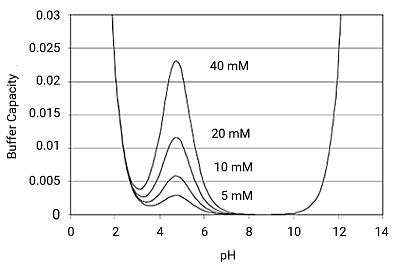
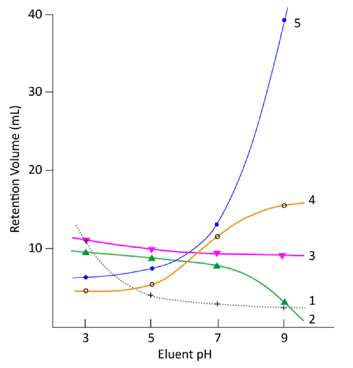
From the diagram below choose a pH which would give a separation where all analytes are at least partially resolved and which is robust to small changes in eluent pH
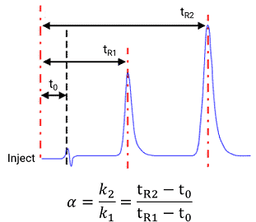
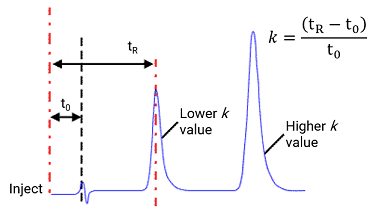
The target retention factor range for neutral sample method development is:
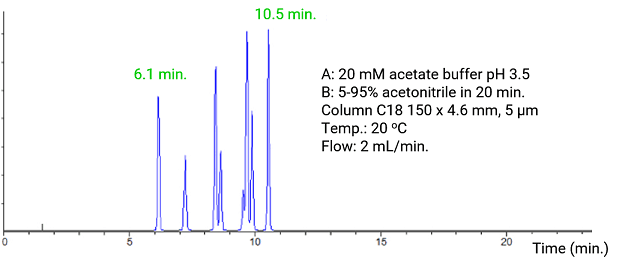
Calculate the initial %B indicated by the scouting gradient below (you will need a calculator). The gradient dwell term can be considered equivalent to 5% B
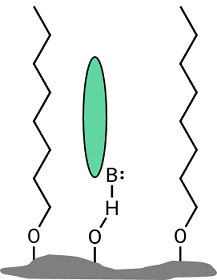
The figure describes the stationary phase ability to interact with which types of analyte?
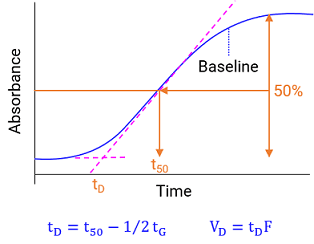
System A has a dwell volume of 1.8 mL. System B, which the method is to be transferred to, has a dwell volume of 0.8 mL. How would you ensure no retention or selectivity changes occur in the method when run on system B. Assume a method flow rate of 1.0 mL/min.
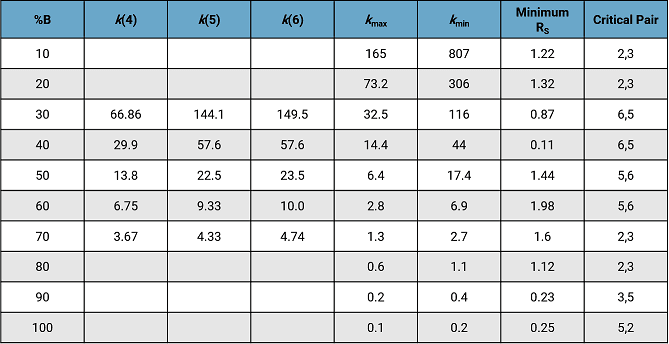
What eluent composition gives the most appropriate k range for the separation under investigation here?
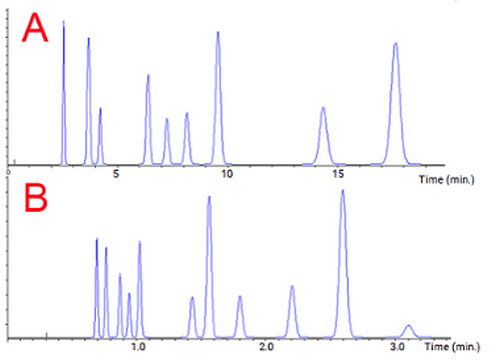
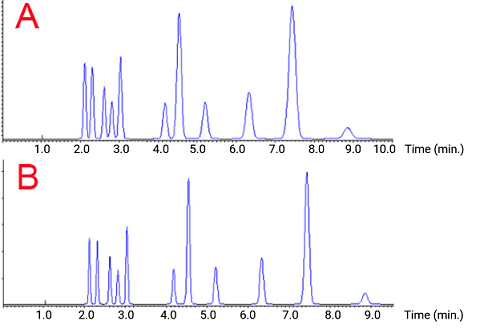
Match the chromatogram to the particle size used for the separation
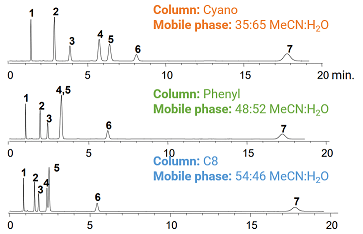
Which of the following column characteristics is mainly responsible for the differences in the chromatograms shown?
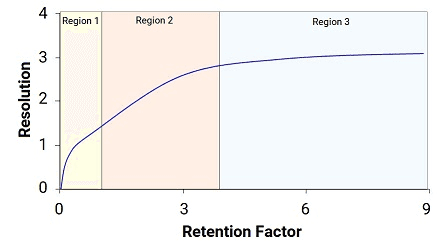
In which region are analytes are most likely to co-elute?
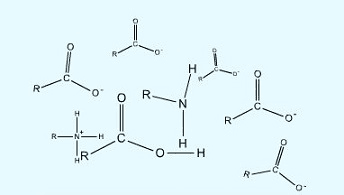
Ionized groups tend to favor solubility in polar solvents
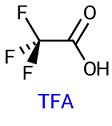
TFA can ion pair with silanol groups on the silica surface, reducing analyte peak tailing
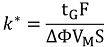
A good target value for the average gradient retention factor (k*) when developing HPLC methods is: