Loading...


Listen and click the correct picture
Quiz by abeer sabry
Customize this quiz to suit your class
Instantly translate to 100+ languages
Tag the questions with any skills you have. Your dashboard will track each student's mastery of each skill.
Listen and click the correct picture
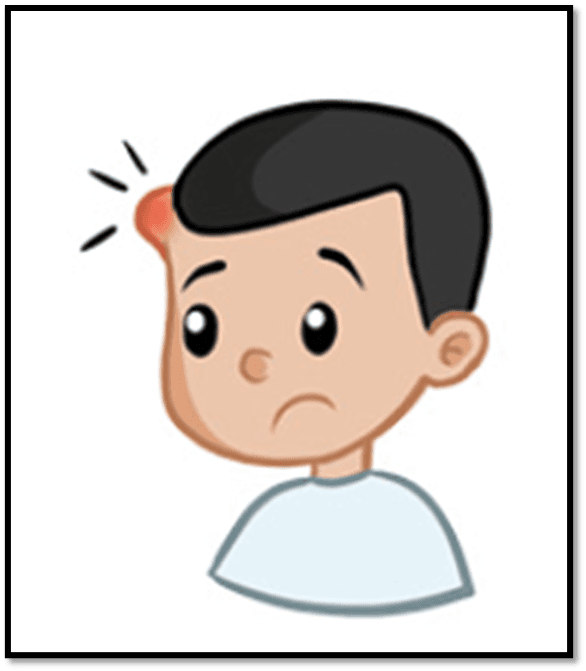


Listen and click the correct picture
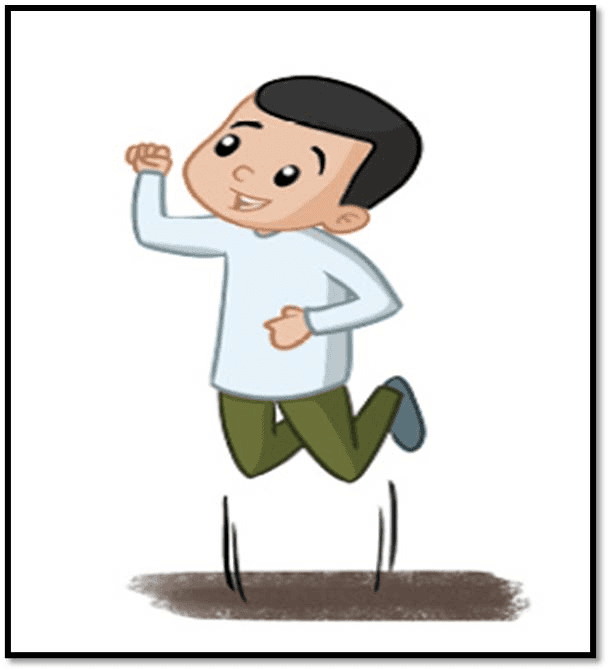

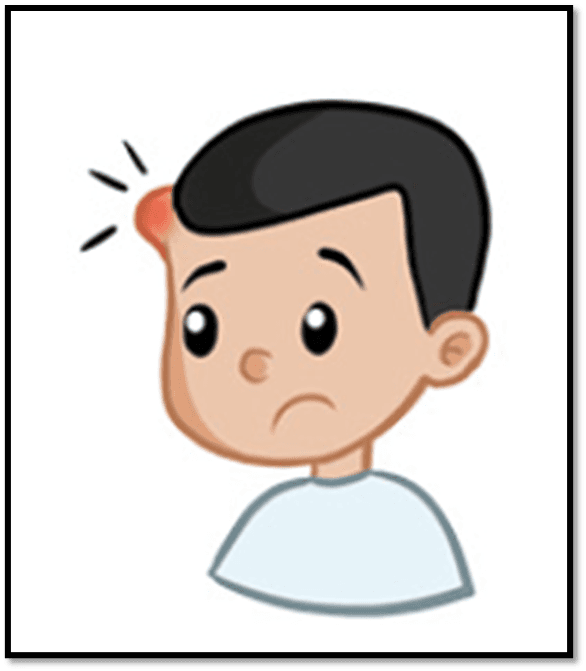
Give this quiz to my class
Listen and click the correct picture
Listen and click the correct picture
Listen and click the correct picture
Let’s go to London, England! There are lots of great things to see! Look at that big clock! It’s Big Ben! Let’s go to the theater! We can listen to music and watch dancers at the theater. Let’s go to the museum! We can look at pretty paintings there! Let’s go to the park! There’s a playground! We can play and have fun at the park! Let’s go to the zoo. We can take pictures of the monkeys! Monkeys are my favorite animals! Now, I’m hungry! Let’s eat and drink at the café! Can you make 10 multiple choice questions with 3 narrative questions? To understand melody in music, think about some music you’re familiar with. If you were asked to hum it, what would that sound like? The part of the music that you’d hum is the melody. It’s the main thread of sound that your brain tracks and holds onto when you’re listening to music. In vocal music, the melody is sung by the lead singer. Other vocalists can provide harmony and instruments can add accompaniment, but the melody is the star of the show.What are the characteristics of melody in music? How do you describe a melody in music? A melody needs to have two things. The first is a sequence of notes, or pitches, which range from high to low. The second is rhythm, which is the timing and duration of each note. These two simple elements can create an incredible variety of combinations. Even though a melody only consists of one note at a time, it can convey so much energy and emotion. Melodies can be fast and sparkly, like “The Flight of the Bumblebee.” They can be slow and majestic, like “Finlandia.” They might be sweeping and graceful, like a Strauss waltz. Or they can be fun and exciting, like your favorite pop tunes that you love to sing along with. Melodies often tell you a lot about where a piece of music comes from. It’s easy to recognize and identify melodies from different folk traditions such as the Japanese folk song “Sakura” or the Irish tune “Star of the County Down.” Learn how to play your favorite melodies on piano, and more! Sign up now. What is melody in music? Here are some examples. Here is the famous melody for the song “Lean on Me” written out on a staff. Notice the way that the notes move up, down, and then repeat. What is melody in music? Example of Lean On Me notes on treble staff. A melody all by itself is great, but music can be even more fun when there’s an accompaniment. Here are a few bars of “Lean on Me” with the accompaniment written out. As you listen to this song, notice how the accompaniment has a very similar rhythm and movement to the melody. Then there’s that one note in the bass line that comes along every measure with its own rhythm, which adds some extra energy and movement to the song. What makes a good melody? When you create a melody, there are four types of movement you can use: Repeat (same note) Step (up or down) Skip (up or down) Leap (up or down) Stepping and repeating are the most common types of melodic motion, and this makes a melody easier to sing. Most “hummable” tunes use steps and repeats almost exclusively. This kind of melody is called conjunct. Beethoven’s “Ode to Joy,” one of the most famous melodies of all time.Skips and leaps are generally more sparing in melodies, but when thoughtfully placed they can have a powerful emotional impact. Tunes with a lot of leaps are called disjunct. Listen to Sarah Brightman sing All I Ask of You from The Phantom of the Opera starting at 0:39. This is a very disjunct melody, and challenging to sing. Great melodies also incorporate patterns that blend unity, repetition, and contrast. Our ears love patterns, but they also love novelty and growth. A good melody incorporates all of these elements. For example, listen to John William’s “Princess Leia Theme.” Can you hear the repeated pattern in the melody that gradually moves higher as the theme progresses? Now listen to the way it changes and develops into something that fits with what came before but sounds new at the same time. This is some great melodic writing! Can melody exist without rhythm? There is no way for a melody to exist without rhythm. Even if your melody only has one note, that note has a duration, and that’s the rhythm. If your melody has two notes, how long those notes last and how much time passes between hearing them is also a rhythm. A melody in music can often be recognized even when it’s performed with different rhythms. This frequently happens in live performances of pop, rock, and jazz, in which singers typically improvise slight rhythmic differences with each performance. No two renditions are exactly the same, and this constant reinterpretation keeps the music fresh. How to make a melody for a song on piano Creating your own melodies on the piano is easy and fun! There are so many ways you can discover a melody all your own. Here are a few ideas. Get some inspiration from the world around you. What can you hear right now? A clock ticking? A bird song? A car passing by your house? See if you can find some notes on the piano that imitate the sounds you hear. Think of a feeling you’d like to put into a melody. What are some ways you could make a string of notes sound happy, sad, angry, or maybe just thoughtful. Choose a line from a poem you like, or write your own. Read it out loud and put some feeling into it. Did your voice rise and fall in pitch as you were reading? Now go to the piano, start on any note you like, and try to imitate what happened when you read. Go up when your voice naturally went up, go down when your voice naturally went down. How did that sound? Now you have the perfect melody to go with those words. Too many keys on the piano? The truth is, most melodies use only a limited number of different notes. Try creating a melody using only the black keys. These form what’s called a pentatonic scale. It’s used in a lot of folk music traditions around the world and can be a great place to start if you want to create your own melodies. Remember, when you create your melody, keep it simple. Use repeated notes and steps, but add a few skips to keep things interesting. One tip about leaps: when you do put in a big leap, try doubling back and filling in the empty space you leaped over. This keeps the melody self-contained and easier to sing. Also, see if you can use the same patterns of notes and rhythms to give the melody unity, but also change those patterns to give it variety. There is no right or wrong way to create your own music. Keep trying combinations of notes and rhythms until you find something that you like. How many bars and notes are in a melody? Many types of music tend to have a prescribed number of bars, or measures. This will vary widely between different genres, and creates an overall sense of musical structure. If you’re writing a pop song, a verse will usually have between eight and sixteen bars. The prechorus that follows often has just four bars, and this “foreshortening” creates a sense of acceleration, driving the listener toward the chorus. The number of notes can also vary widely. A melody in music needs at least two notes, and a long and complex one can have hundreds or even thousands of notes. What is a countermelody in music? How many melodies should a song have? A counter melody is a melodic line that interacts with the primary melody as an independent but supportive voice. A great example of this is the song “We Don’t Talk about Bruno.” Each character sings their own melody during the piece, but these melodies all combine at the end as countermelodies. This produces a musical texture known as counterpoint. The same thing happens in “One Day More” from Les Miserables. The different melodies are first sung separately, but end up being combined in a splendid, complex texture that leads the music to its thrilling conclusion. The difference between a countermelody and regular harmony is that harmony usually supports the rhythms of the melody. A countermelody will move more independently, with different rhythms from those of the melody, and will often sound “melodic” when sung or played all by itself. A melodic song should have one main melody. This is the part that the lead voice sings. It’s usually in the spotlight, and will be the most memorable part of the music. Anything else is either harmony, countermelody, or accompaniment. Does all music have to have a melody? A piece of music doesn’t have to have a melody. There are many different kinds of music without melody. For example, a lot of music played on percussion instruments won’t have a melody. Listen to this example of Tahitian drumming. This is some great music, exciting and fun to listen to, but you’d have a hard time humming it. It’s music, but it doesn’t have a melody. Rap music is another style of music where there doesn’t have to be a melody. In rap, words are chanted rather than sung. The performer will raise and lower the pitch of their voice for emphasis, but it’s the rhythm of the words that creates most of the music. Music can even lack any melody, at least in some sections. Listen to the opening chords of “Duel of the Fates.” This choral passage is all about harmony, with little rhythmic variance or sense of melody. But it makes an effective contrast with the next section, which is bustling with rapid instrumental melodies. In some pieces, there are multiple melodic lines but there is no one main melody. When music is made up of equally important countermelodies, it creates a contrapuntal texture. Baroque composer J.S. Bach was one of the greatest masters of this style, such as in his Little Fugue in G minor. It starts with a single melodic line, the subject, but then a countermelody is added, and then more and more until several melodic lines are playing together. It’s fun to listen to, but once all the countermelodies are playing together it becomes hard to decide which part to hum along with! You’ll also hear a lot of counterpoint in jazz music, in which the different instruments are all playing together and improvising their own melodies that combine to create a rich, thick musical texture. Experience the wonder of melody in music! Whether you’re humming your favorite tune, or creating a new song all your own, melody is a memorable, shareable part of music. Enrich your music experience by being aware of, listening for, and enjoying the melodies all around you.Name: Marco Ramirez - “I Am Not Batman” TW: language It’s the middle of the night. And the sky is glowing like mad radioactive red. And if you squint, you could maybe see the moon through a thick layer of cigarette smoke and airplane exhaust that covers the entire city like mosquito net that won’t let the angels in. And if you look up high enough you could see me-standing on the edge of a eighty seven story building. And up there-a place for gargoyles and broken clock towers that have stayed still and dead for maybe like a hundred years-up there is me. And I’m freakin Batman. And I gots Bat-mobiles and Bat-a-rangs and freakin Bat-caves like for real, and all it takes is a broom closet or a back room or a fire escape and Danny’s hand-me-down jeans are gone. And my navy blue polo shirt? – The one that looks kinda good on me but has a hole on it near the butt from when it got snagged on the chain linked fence behind Arturo’s but it isn’t even a big deal cause I tuck that part in and its like all good? –that blue polo shirt? – It’s gone too. And I get like, like transformational. And nobody pulls out a belt and whips Batman for talking back –-Or for not talking back –And nobody calls Batman simple –- Or stupid –- Or skinny –- And nobody fires Batman’s brother from the Eastern Taxi Company ‘cause they was making cutbacks, neither, ‘cause they got nothing but respect, and not like afraid-respect. Just like respect-respect. ‘Cause nobody’s afraid of you. Cause Batman doesn’t mean nobody harm. Ever. Cause all Batman really wants to do is save people and maybe pay Abuela’s bills one day and die happy and maybe get like mad famous. For real.…And kill the Joker. Tonight, like most nights, I’m all alone. And I’m watching…And I’m waiting… Like a eagle. Or like a –no, yea, like a eagle. And my cape is flappin’ in the wind (‘cause it’s freakin’ long), and my pointy ears are on, and that mask that covers like half my face is on too, and I got like bulletproof stuff all in my chest so no one could hurt me and nobody – nobody – is gonna come between Batman, And Justice. From where I am I could hear everything. Somewhere in the city there’s a old lady picking Styrofoam leftovers up outta a trash can and she’s putting a piece of sesame chicken someone spit out into her own mouth. And somewhere there’s a doctor with a whack haircut in a black lab coat trying to find a cure for the diseases that are gonna make us all extinct for real one day. And somewhere there’s a man, a man in a janitor’s uniform, stumbling home drunk and dizzy after spending half his paycheck on forty-ounce bottles of twist-off beer and the other half on a four hour visit to some lady’s house on a street where the lights have all been shot out by people who’d rather do what they do, in this city, in the dark. And half a block away from JanitorMan there’s a group of good-for-nothings who don’t know no better waiting to beat JanitorMan with rusted bicycle chains and imitation Lousiville Sluggers, and if they don’t find a cent on him – which they won’t – they’ll just pound at him till the muscles in their arms start burning, till there’s no more teeth to crack out. But they don’t count on me. They don’t count on no dark night (with a stomach full of grocery store brand macaroni-and-cheese and cut up Vienna sausages), Cause they’d rather believe I don’t exist, And from eighty-seven stories up I could hear one of the good-for-nothings say “Gimmethecash” real fast (like that) just “Gimmethefuckingcash” and I see JAnitorMan mumble something in drunk language and turn pale and from eighty-seven stories up I could hear his stomach trying to hurl its way out of his Dickies. So I swoop down like and fast and I’m like darkness. I’m like SWOOSH –- And I throw a Bat-a-rang at the one naked lightbulb –- And they’re all like “whoa-motherfucker-who-just-turned-out-the-lights?” –“What’s that over there?” –-“What?” –- “Gimme whatchou got old man” –- “Did anybody hear that?!” –- “No, really” –- “There ain’t. No. Bat.” – But then –- One out of three good-for-nothings gets it to the head! And number Two swings blindly into the dark cape before him but before his fist hits anything I grab a trash can lid and –-- Right into the gut, and number One comes back with a jump-kick but I know judo-karate too so I’m like –-- Twice –-- but before I can do any more damage suddenly we all hear a CLIC – CLIC –And suddenly everything gets quiet And the one good-for-nothing left standing grips a handgun and aims straight up, like he’s holding Jesus hostage, like he’s threatening maybe to blow a hole in the moon. And the good-for-nothing who got it to the head who tried to jump-kick me and the other good-for-nothing who got it in the gut is both scrambling back away from the dark figure before him. And the drunk man the JanitorMan is huddled in a corner, praying to Saint Anthony ‘cause that’s the only one he could remember. And there’s me, Eyes glowing white, cape blowing softly in the wind. Bulletporoof chest heaving. My heart beating right through it in a Morse code for “fuck with me, just once, come on, just try.” And the one good-for-nothing left standing, the one with the handgun, he laughs he lowers his arm, and he points it at me and gives the moon a break, and he aims it right between my pointy ears, like goalposts and he’s special teams. And JanitorMan is still calling Saint Anthony but he ain’t pickin’ up, And for a second it seems like…maybe I’m gonna lose. Naw. SHOO – SHOO! FUACATA! --“Don’t kill me man!” –“SNAP! – Wrist CRACK – Neck – SLASH! – Skin – meets – acid – “AHH!!” –And he’s on the floor. And I’m standing over him. And I got the gun in MY hands now. And I hate guns, I hate holding ‘em cause I’m Batman, and –Batman don’t like guns ‘cause his parents got iced by guns a long time ago – but for just a second, my eyes glow white, and I hold this thing, for I could speak to the good-for-nothing in a language he maybe understands…CLIC – CLIC…And the good-for-nothings become good-for-disappearing into whatever toxic-waste-chemical-sludge-shit-hole they crawled out of. And it’s just me and JanitorMan. And I pick him up. And I wipe sweat and cheap perfume off his forehead. And he begs me not to hurt him and I grab him tight by his JanitorMan shirt collar and I pull him to my face, and he’s taller than me, but the cape helps so he listens when I look him straight in the eyes and I say two words to him: “Go home.” And he does, checking behind his shoulder every ten feet. And I SWOOSH from building to building on his way there, ‘cause I know where he lives. And I watch his hands where he lives. And I watch his hands tremble as he pulls out his keychain and opens the door to his building. And I’m back in bed before he even walks in through the front door. And I hear him turn on the faucet and pour himself a glass of warm tap water And he puts the glass back in the sink. And I hear his footsteps, And they get slower as they get to my room. And he creaks my door open like mad slow. And he takes a step in, which he never does. And he’s staring off into nowhere, his face the color of sidewalks in summer, and I act like I’m just waking up, and I say, “What’s up, Pop?” And JanitorMan says nothing to me. But I see, in the dark, I see his arms go limp and his head turns back, like towards me, and he lifts it for I could see his face, For I could see his eyes, And his cheeks is dripping but not with sweat. And he just stands there, breathing, like he remembers my eyes glowing white. Like he remembers my bulletproof chest. Like he remembers he’s my pop. And for a long time I don’t say nothing. And he turns around, hand on the doorknob, and he ain’t looking up my way but I hear him mumble two words to me. “I’m sorry.” And I lean over and open my window just a crack.… If you look up high enough you could see me. And from where I am? I could hear everything.Listen and CheckListen and write the missing letter.Listen and Count - Starter QuizLISTEN AND COMPLETE THE SENTENCESListen and Order.