Loading...

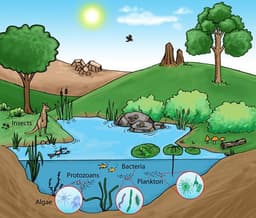
Living and Nonliving Things in an Ecosystem
Quiz by Dan Omelchuck
Customize this quiz to suit your class
Instantly translate to 100+ languages
Tag the questions with any skills you have. Your dashboard will track each student's mastery of each skill.
Give this quiz to my class
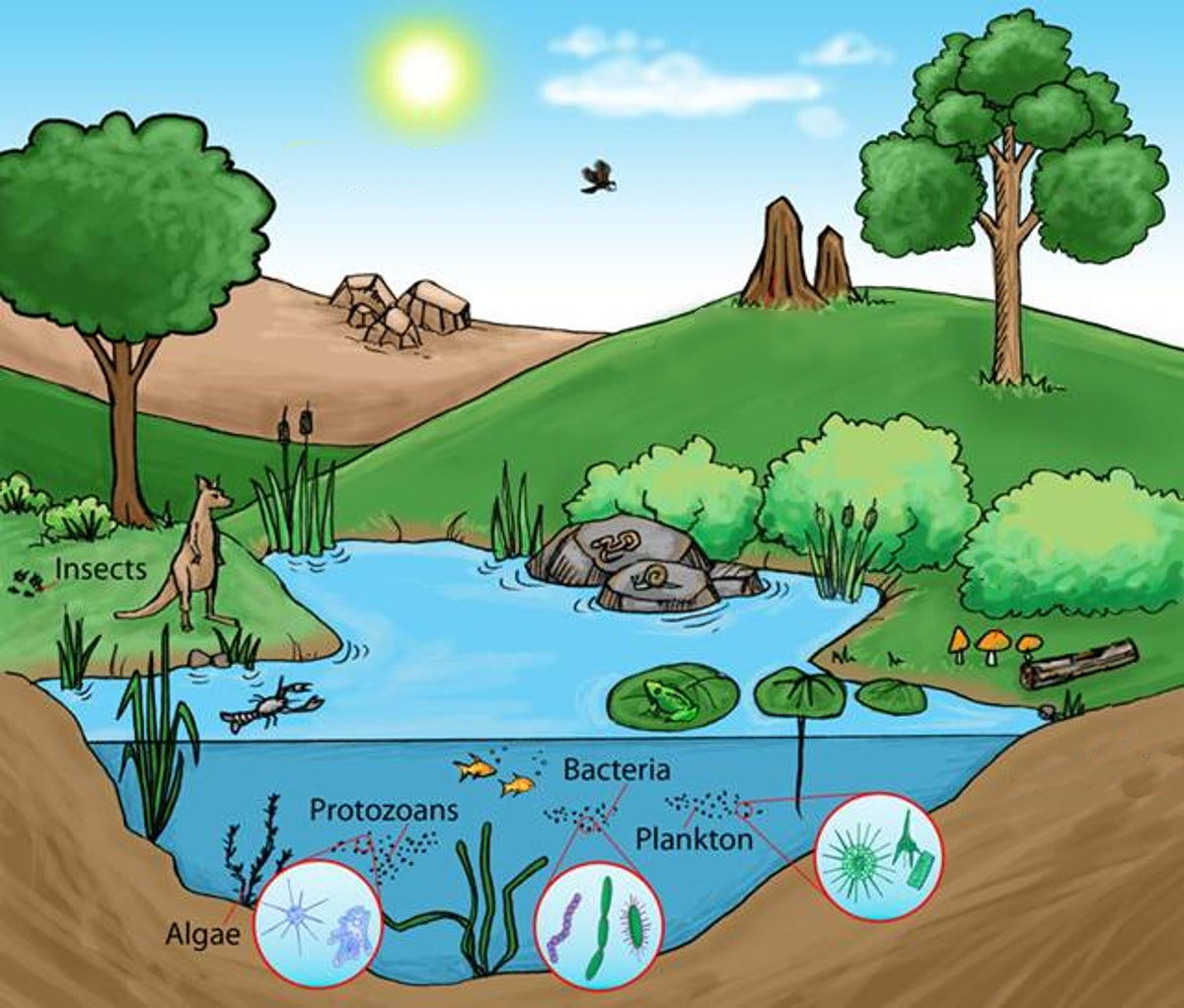
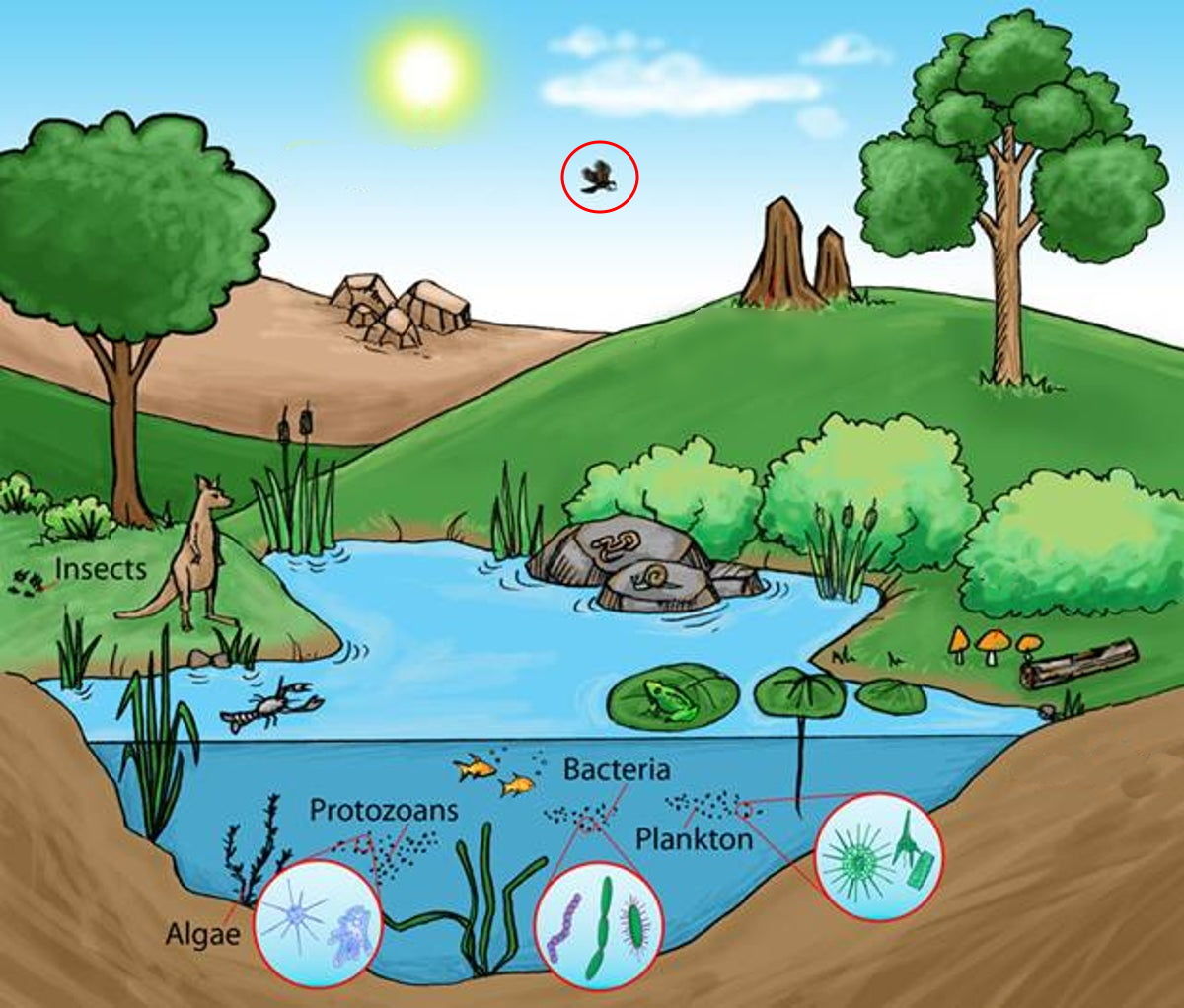
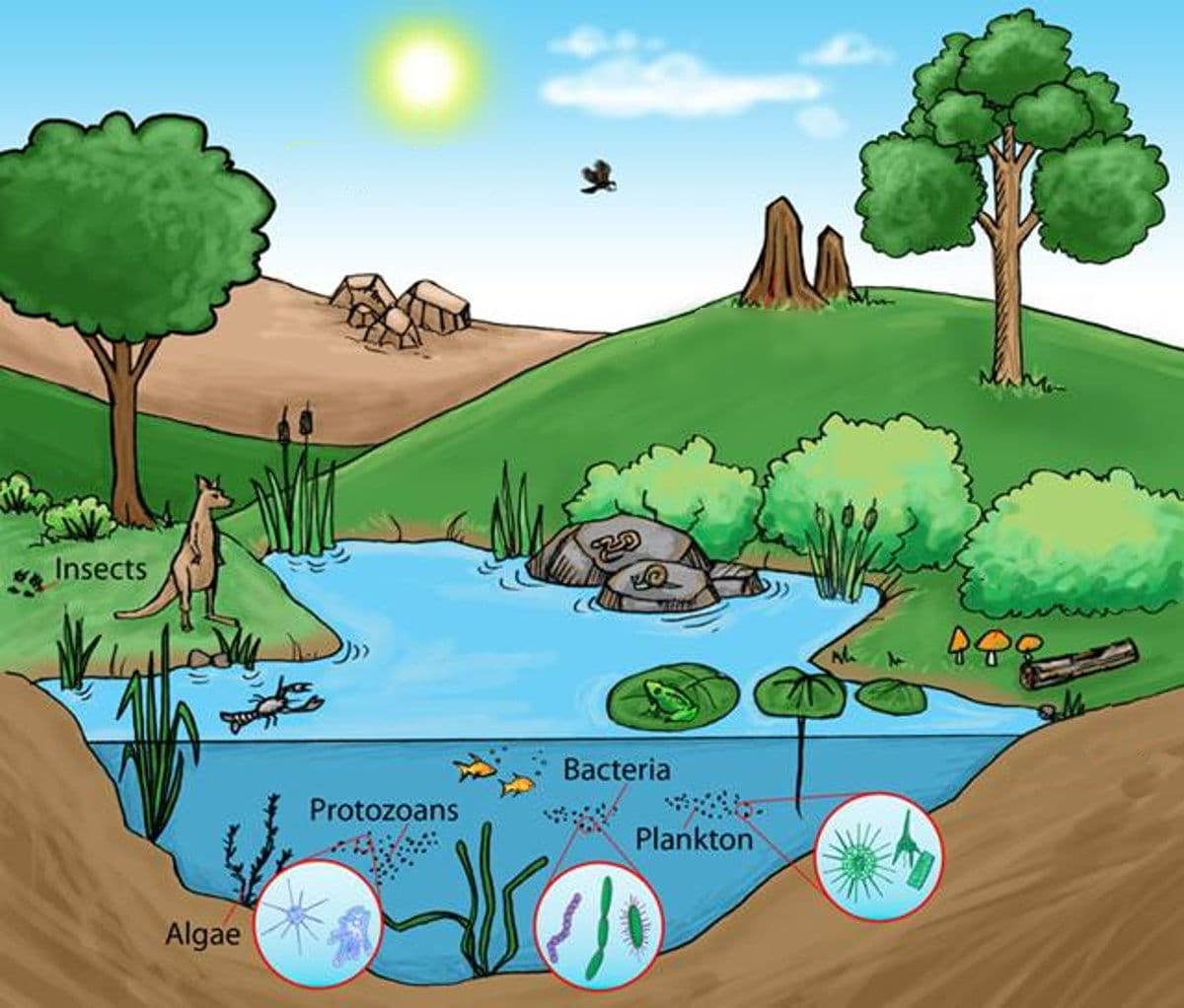
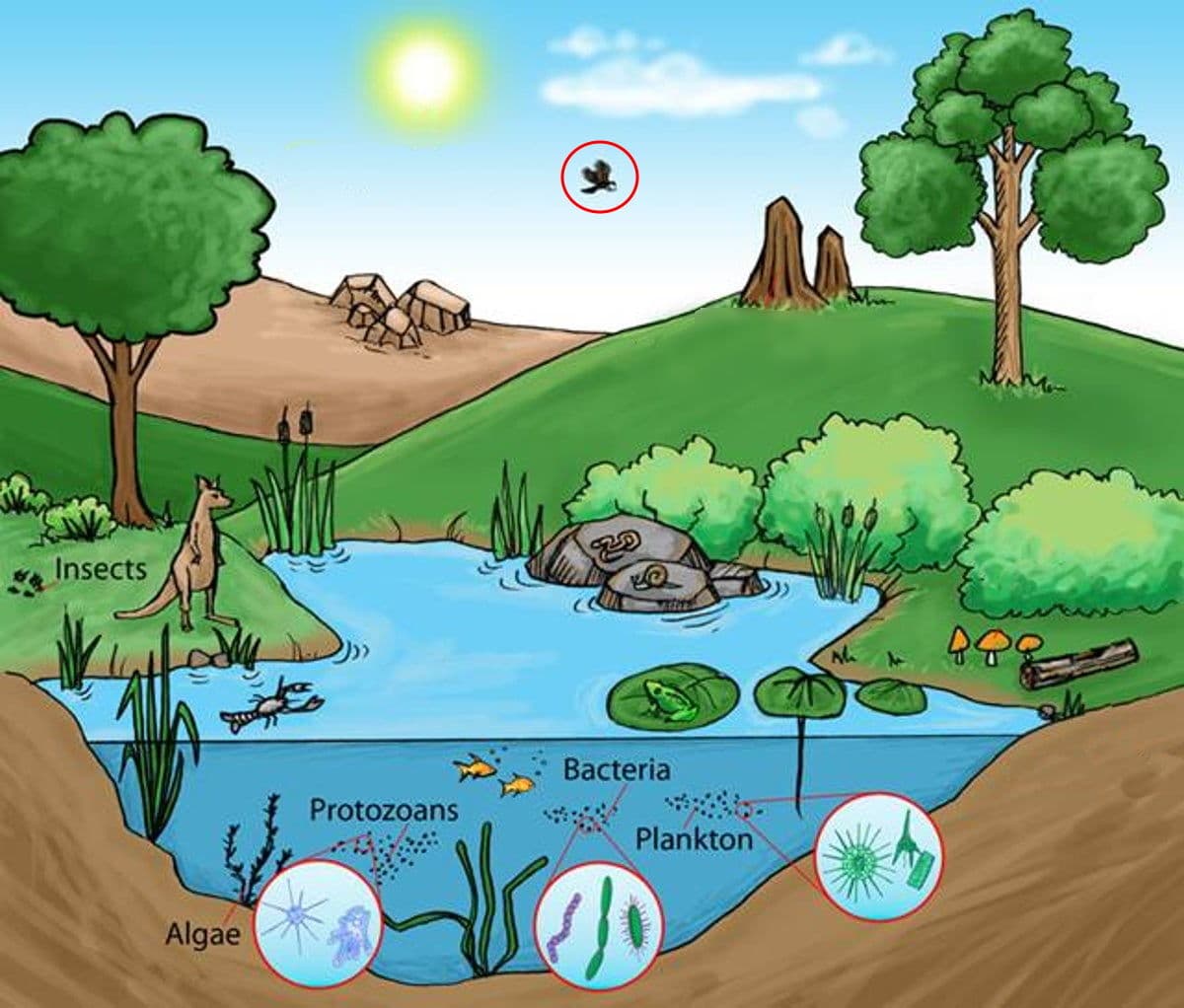
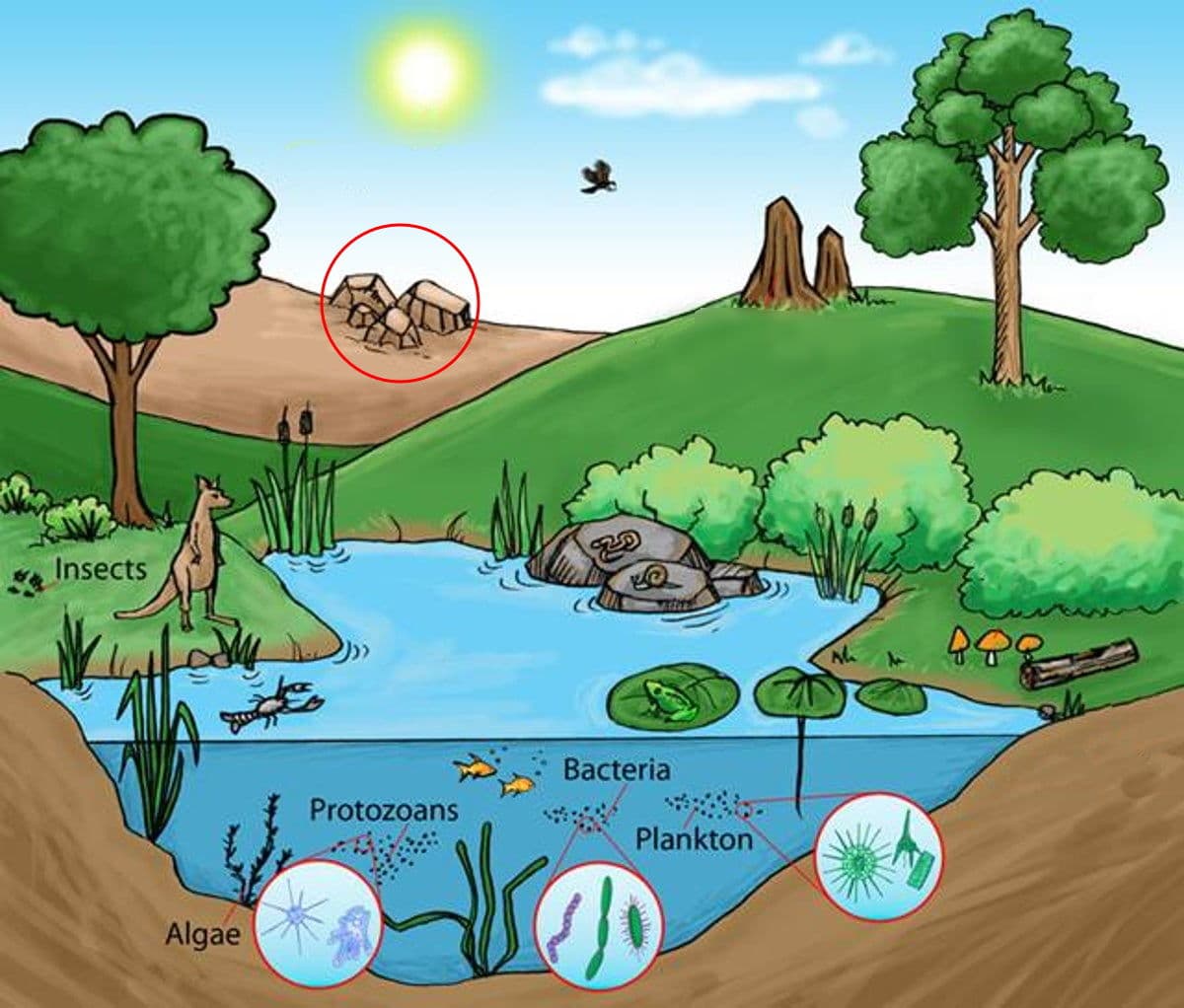
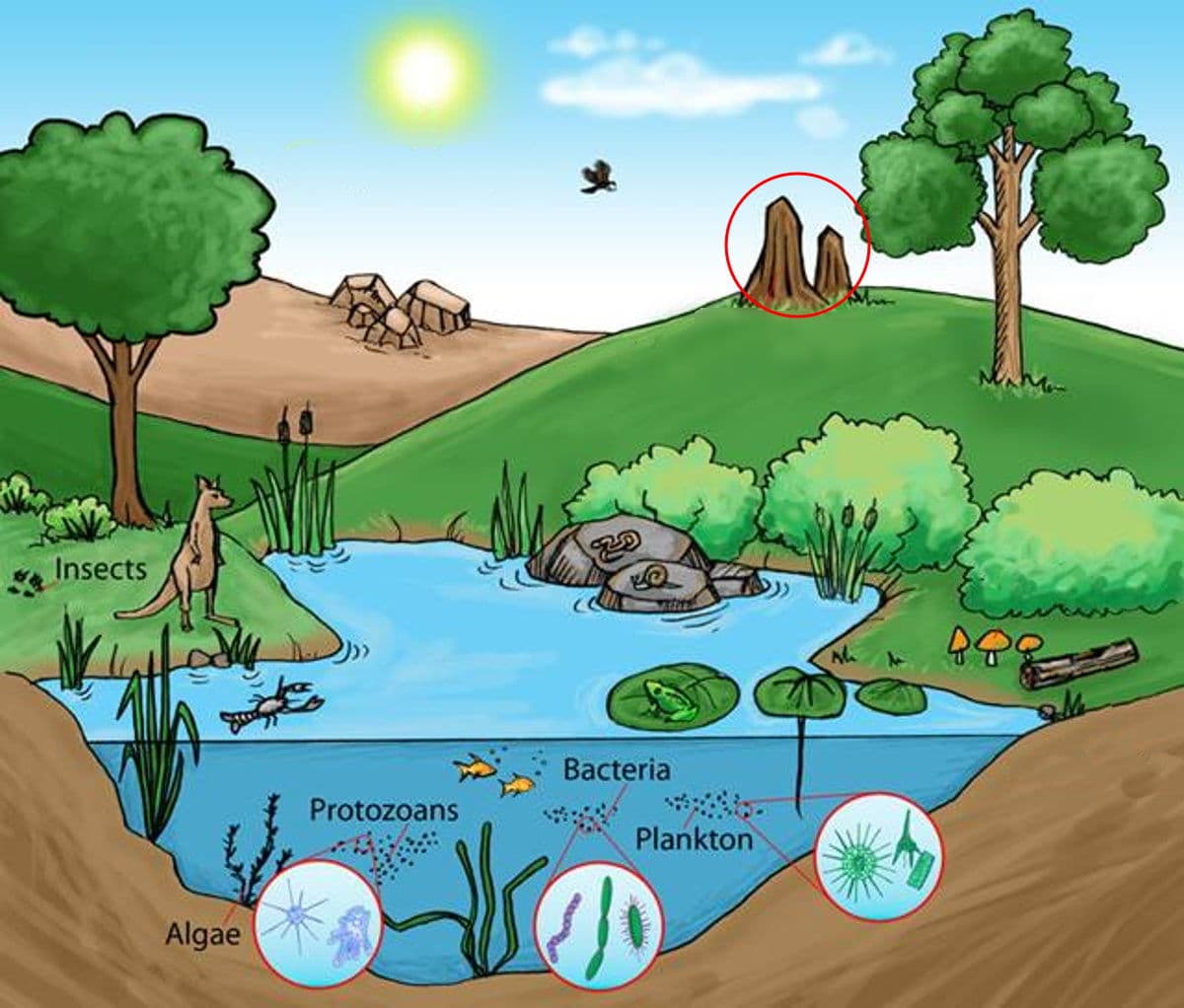
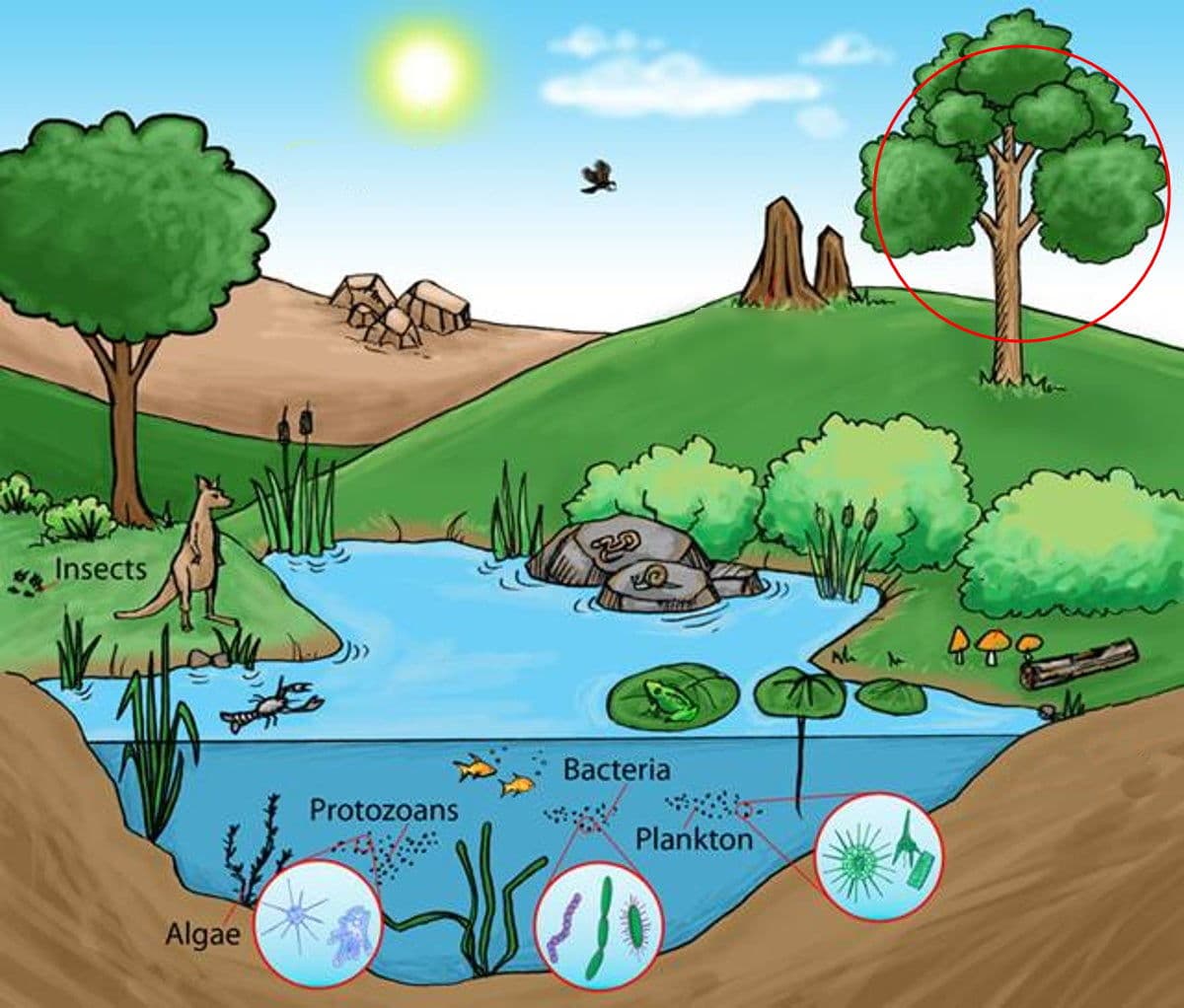
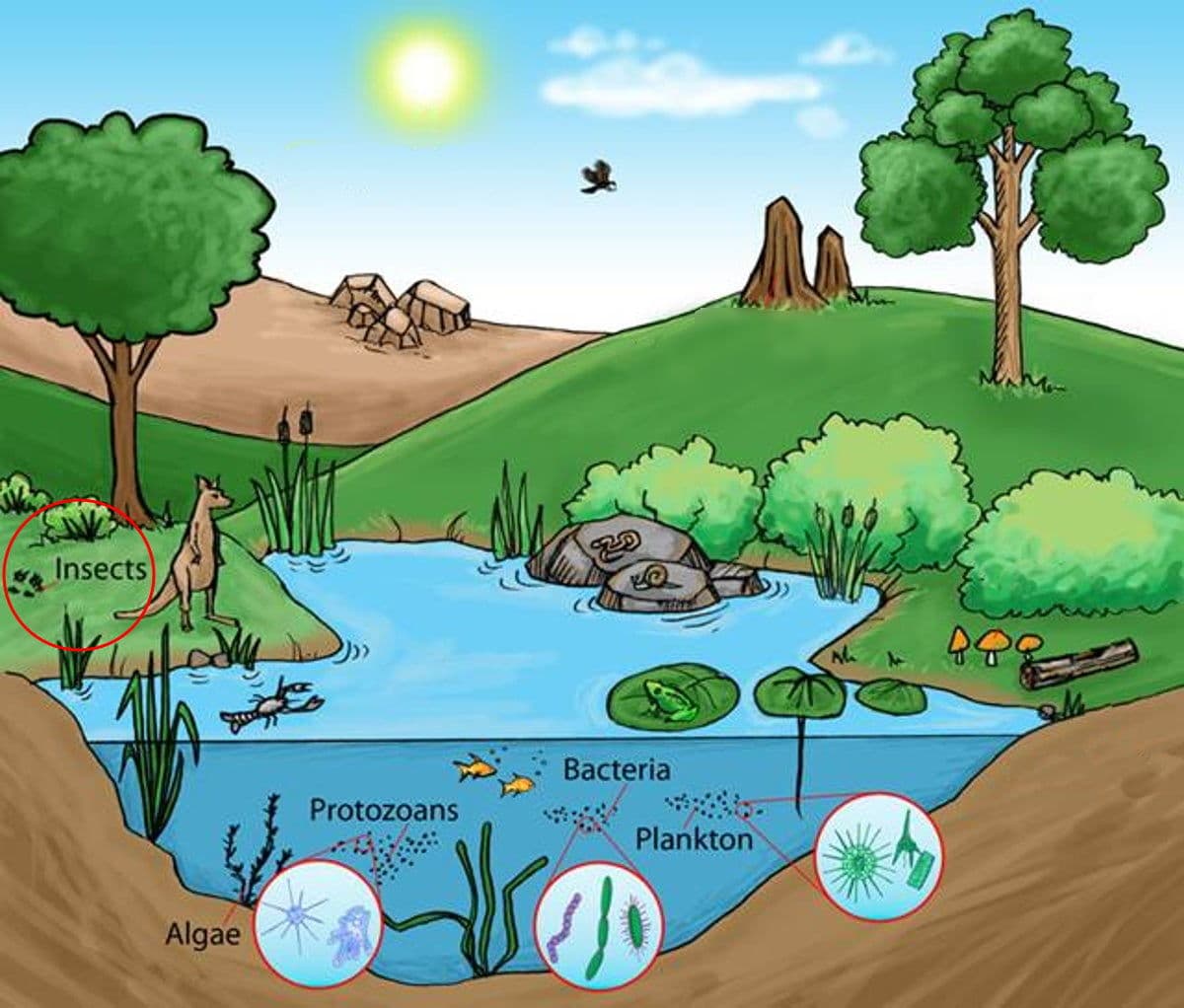
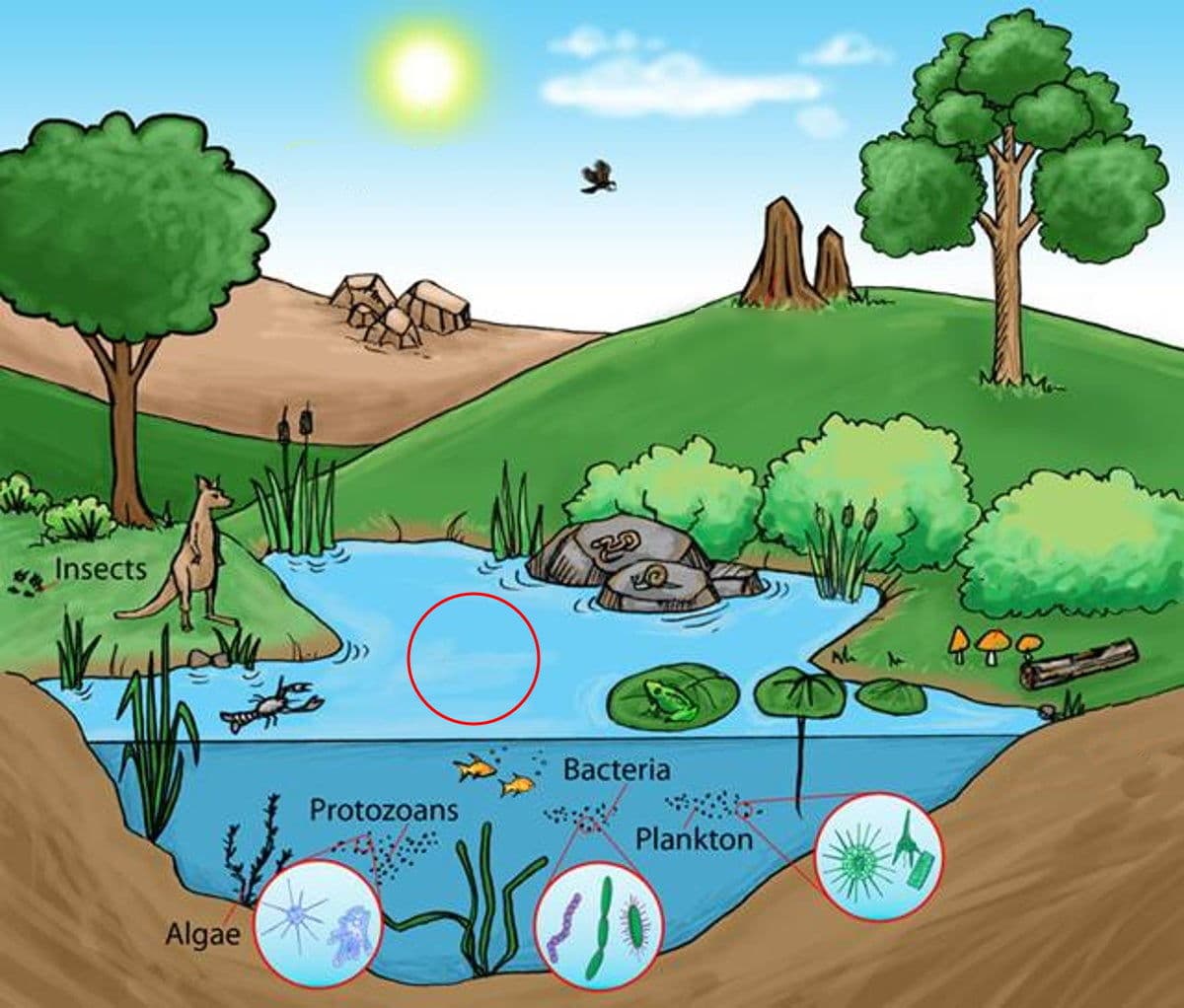
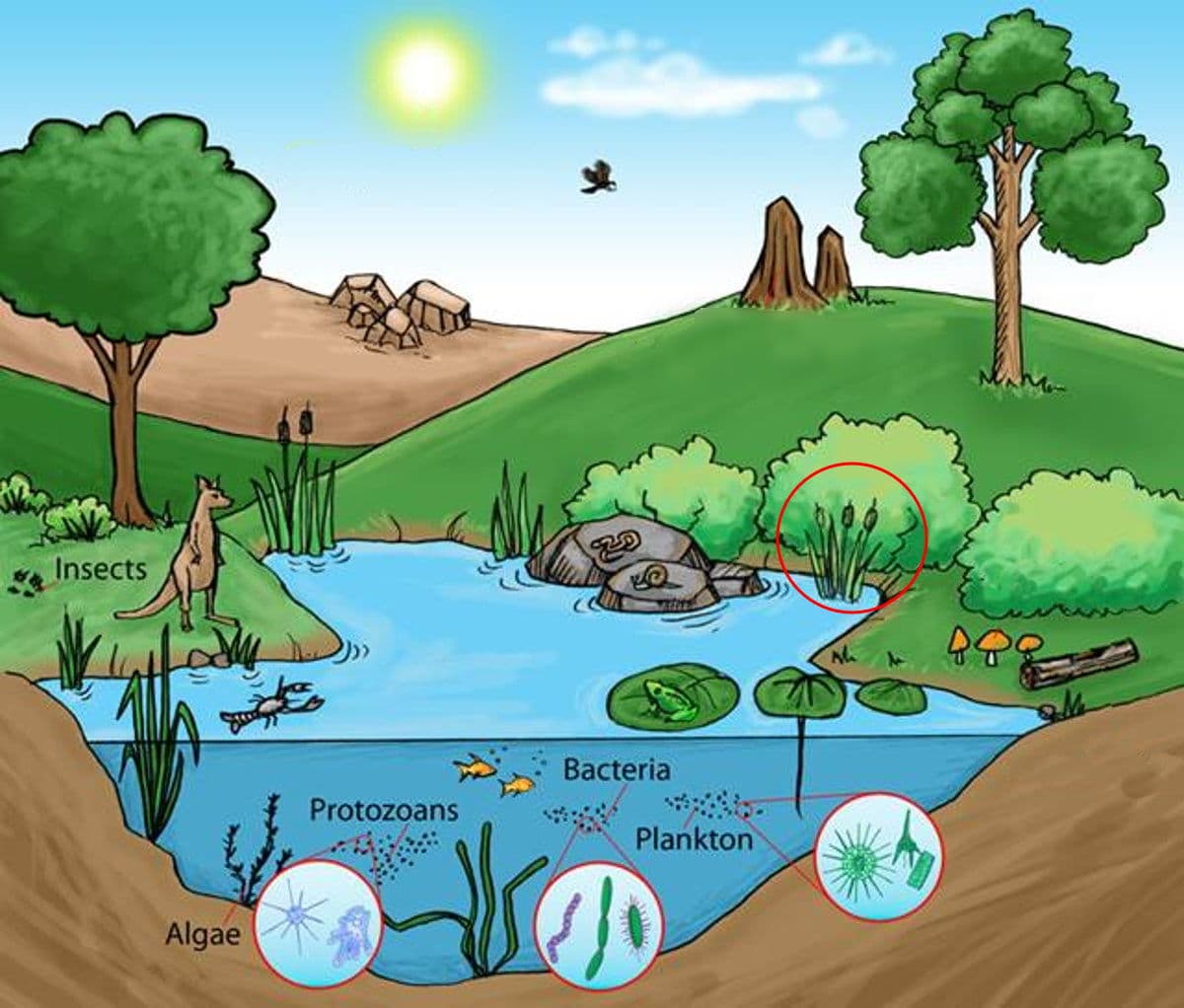
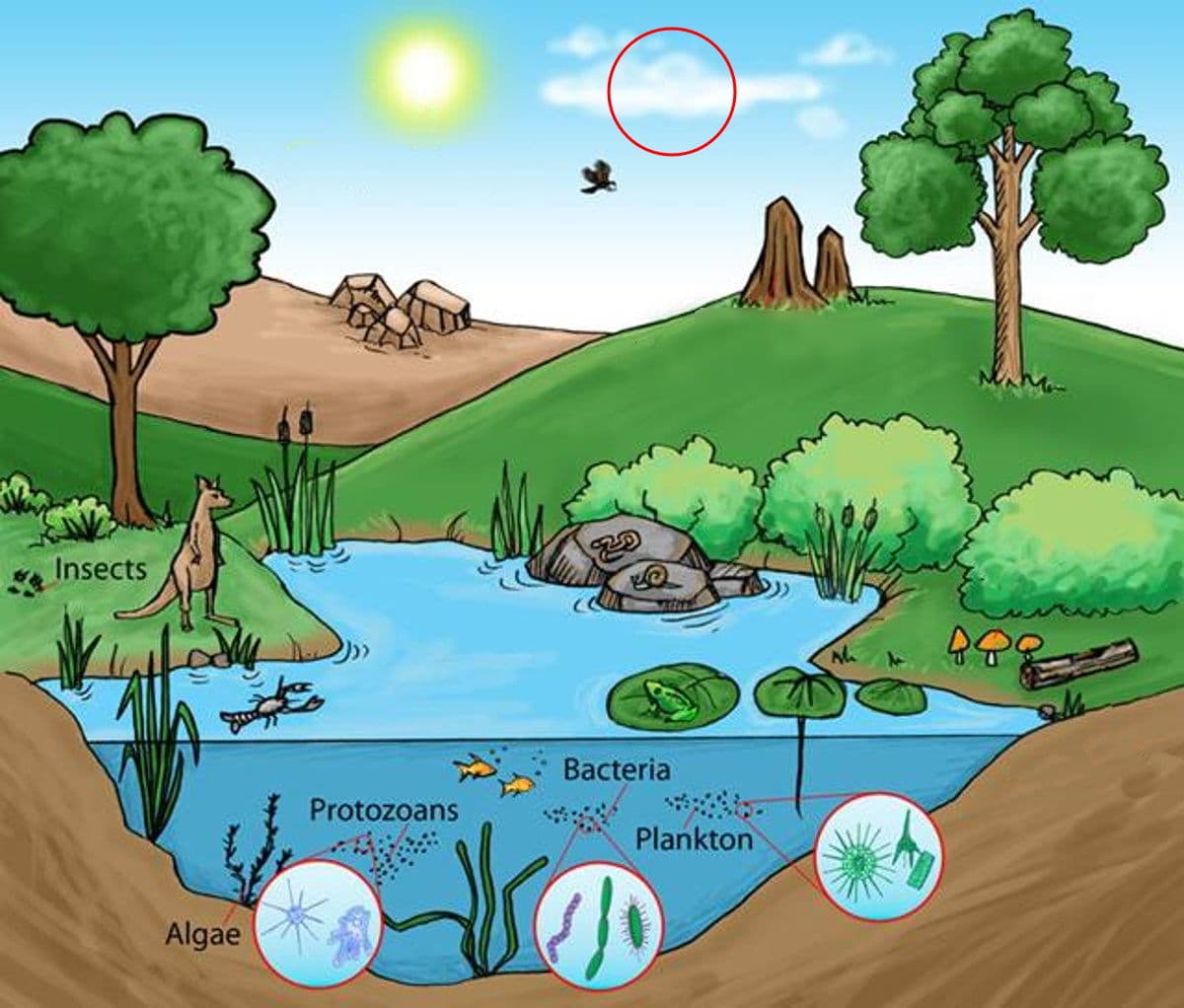
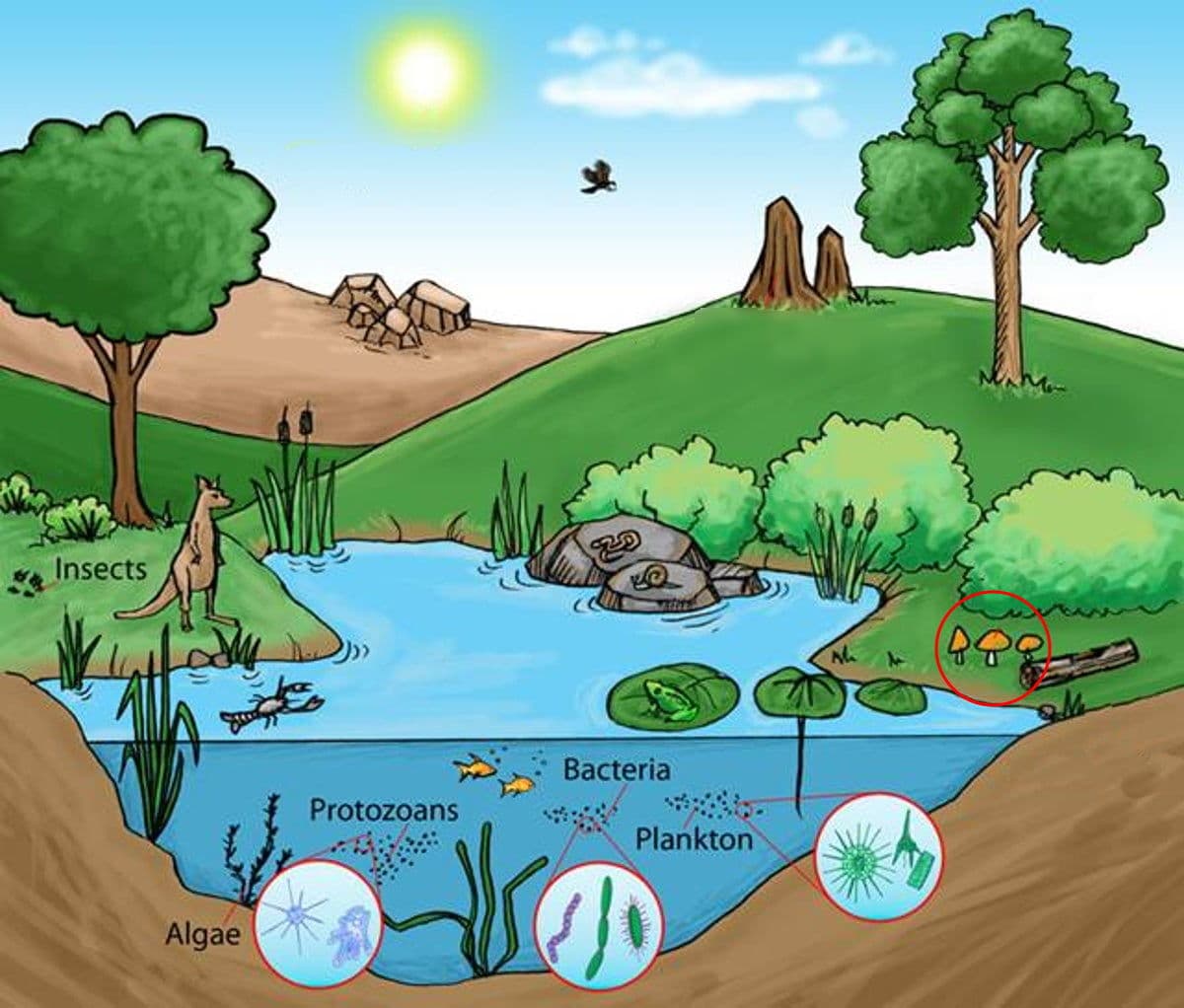
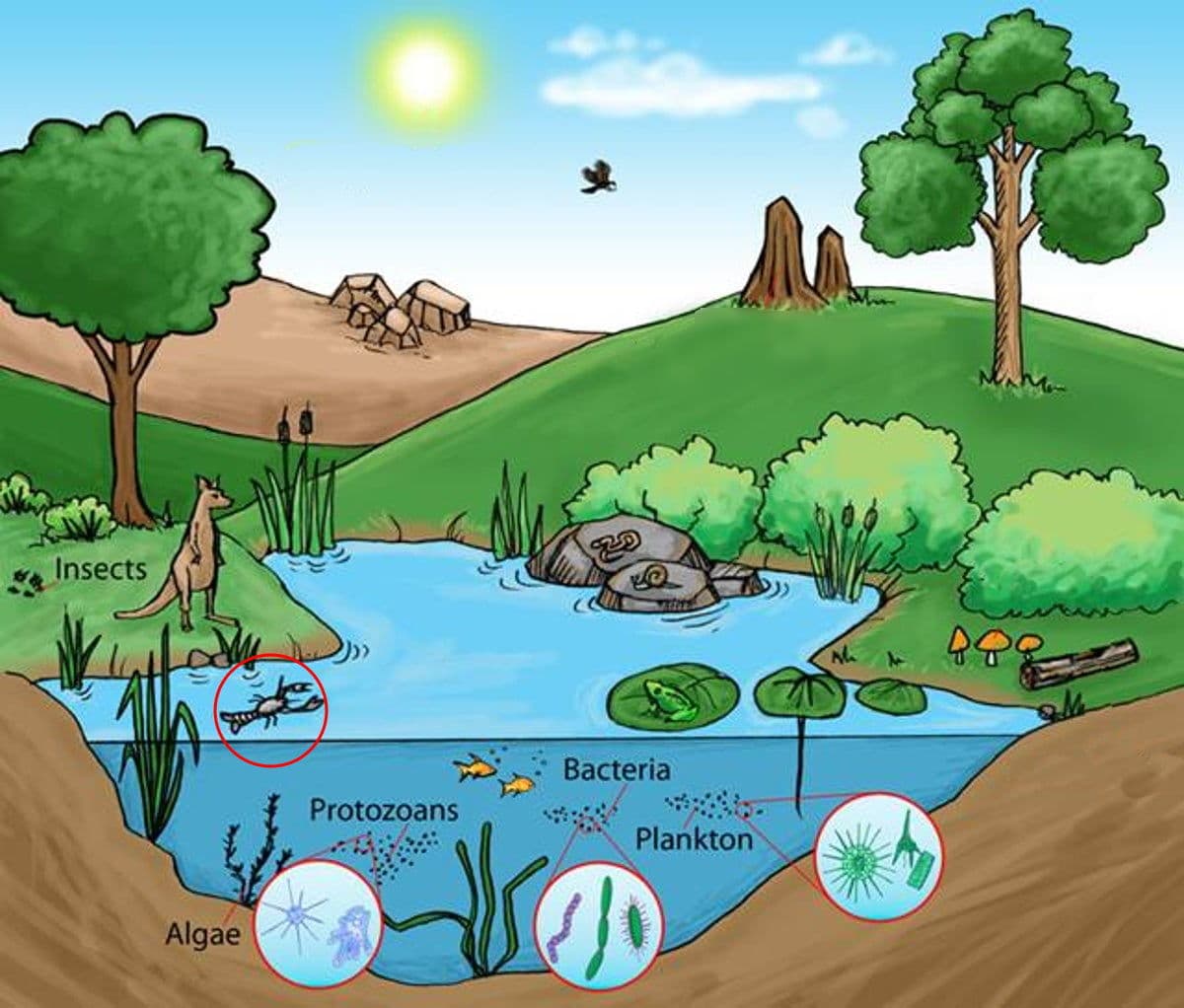
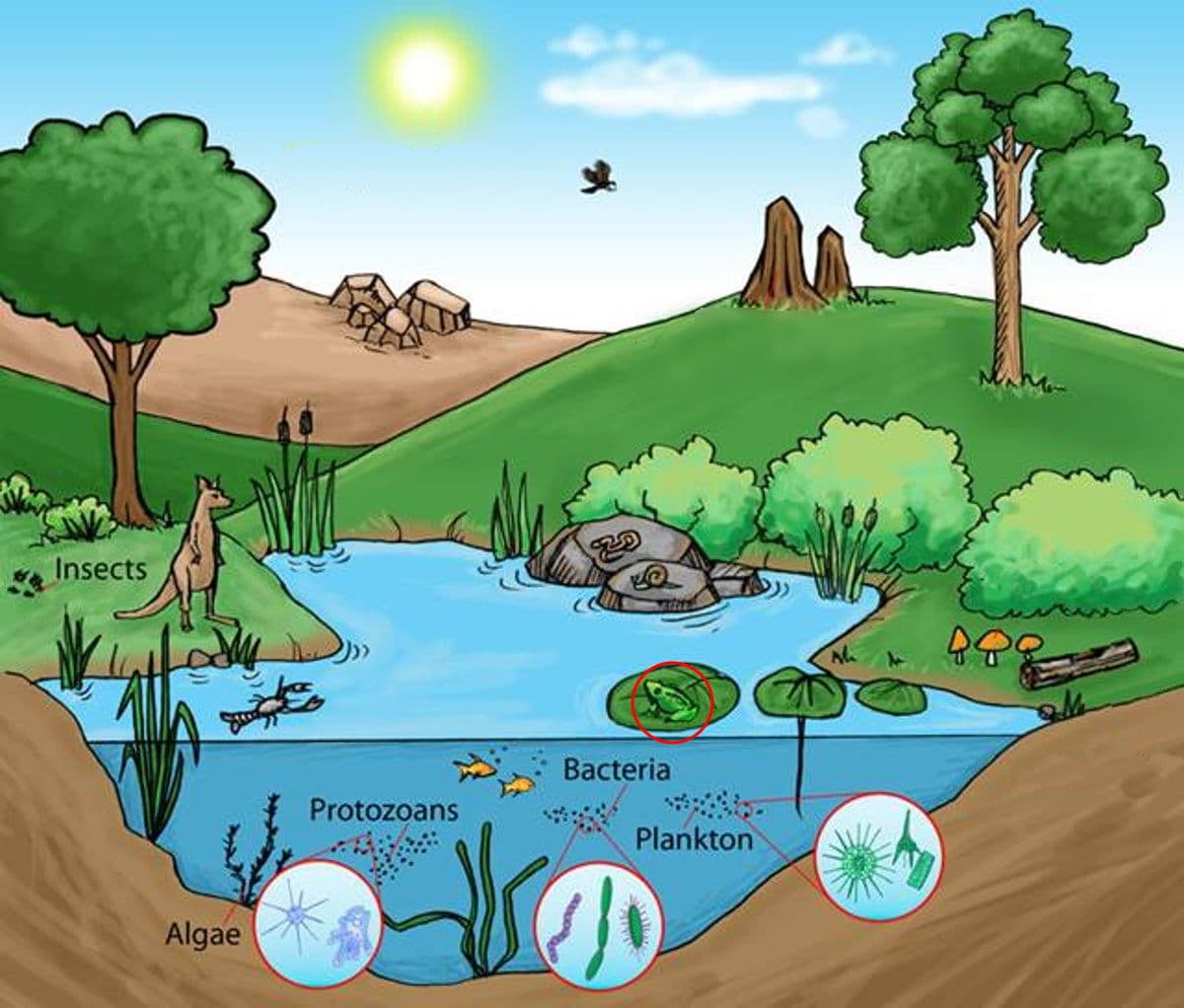
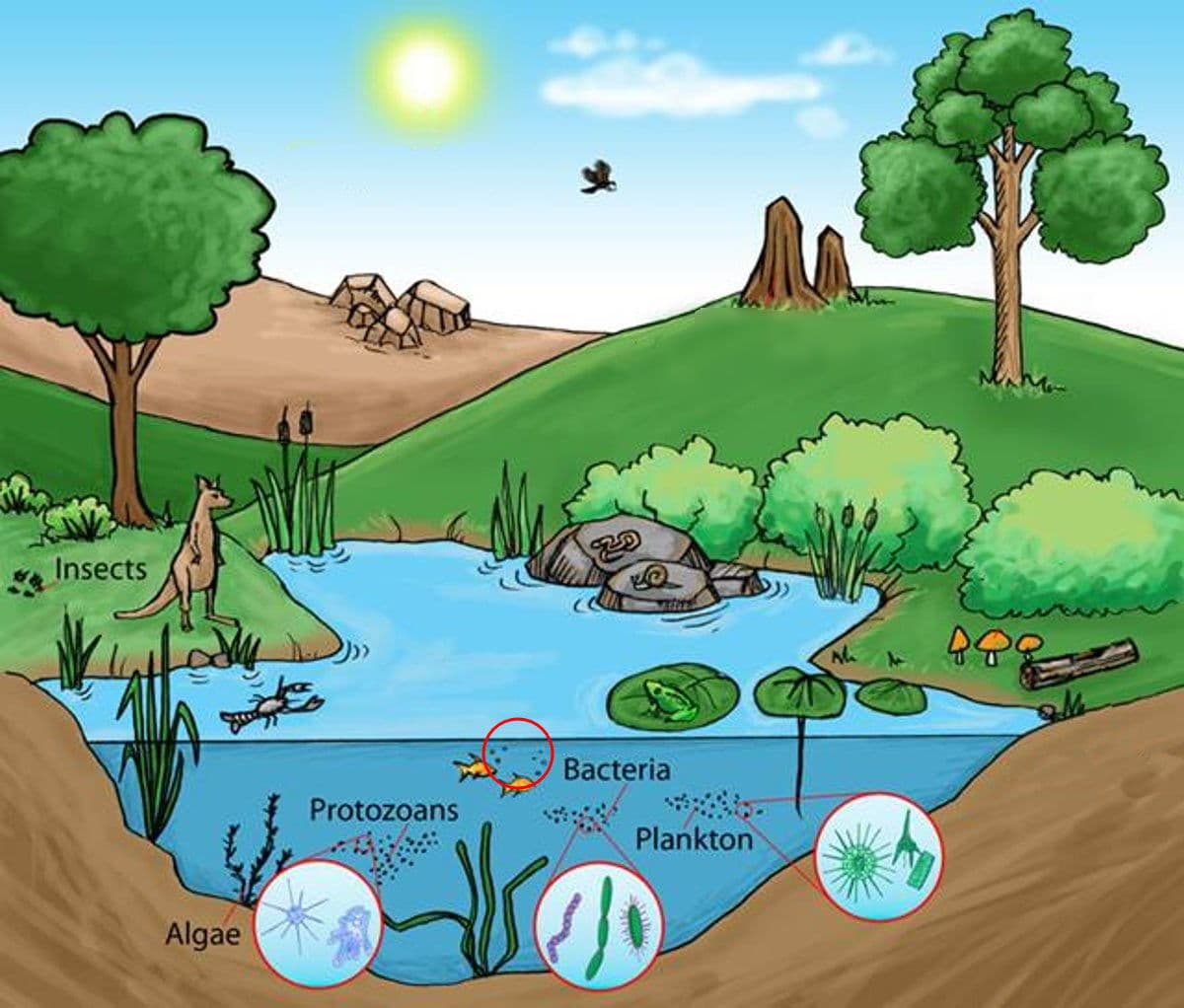
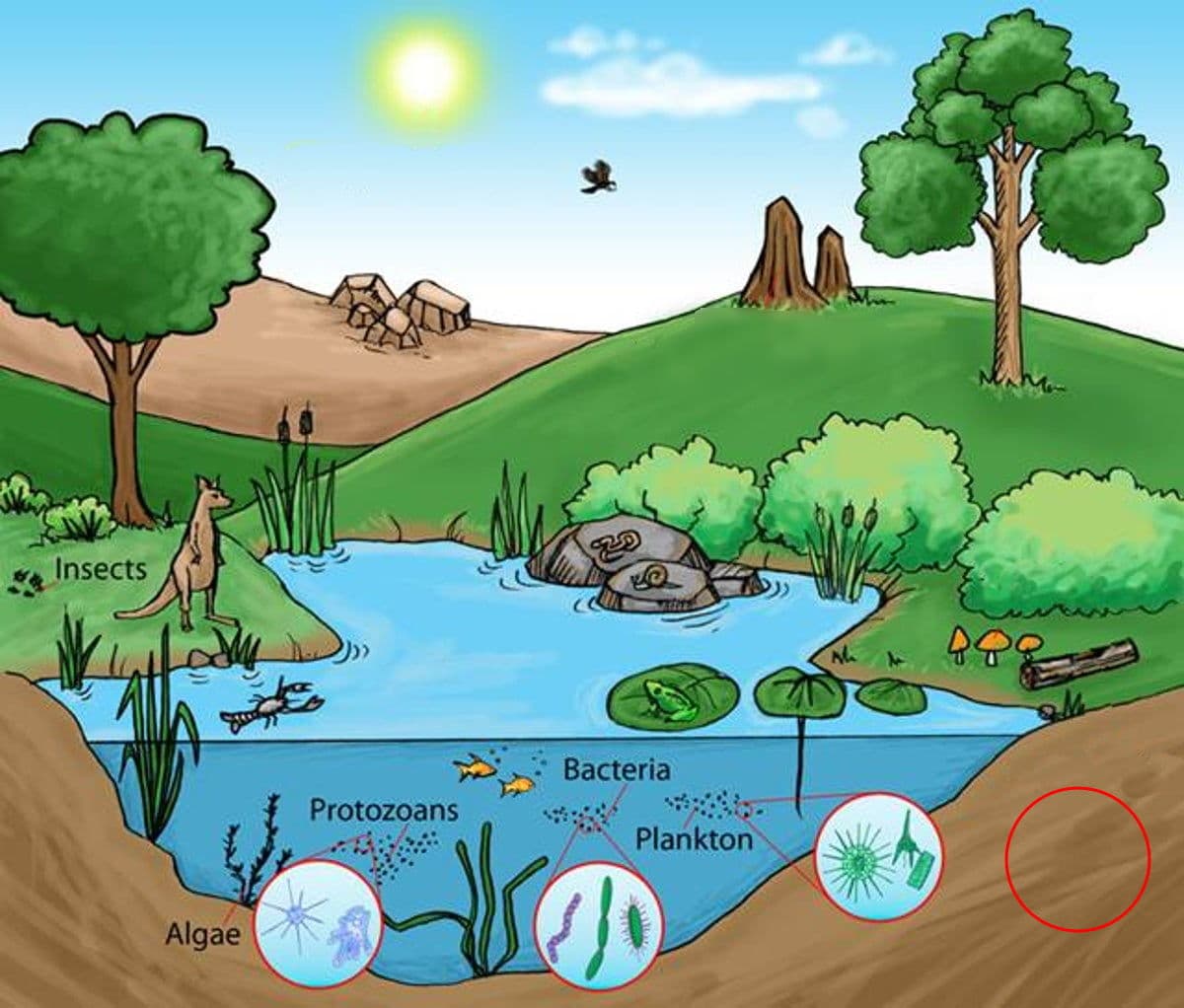
 Food Chain and Food Web Vocabulary Quiz: Thursday, October 31st Vocabulary Word Definition Producer An organism that makes its own food. Consumer An animal that eats plants or other animals. Decomposer An organism that breaks down dead plant and animal material. Photosynthesis The process by which plants make their own food using sunlight Food Chain A series of organisms that depend on one another for food. Food Web Several food chains that are connected. Community All the living things in one place that interact. Ecosystem The living and nonliving things that share an environment and interact. Population All the members of a single type of organism in an ecosystem. Omnivore An animal that eats both plants and animals. Herbivore An animal that feeds on just plants. Carnivore An animal that feeds on meat or flesh of an animal.Make a test, with answers best on the following: Conduct an investigation to provide evidence that living things are made of cells; either one cell or many different numbers and types of cells. Supporting Content LS1.A: Structure and Function • All living things are made up of cells, which is the smallest unit that can be said to be alive. An organism may consist of one single cell (unicellular) or many different numbers and types of cells (multicellular). (MS-LS-1.1) Further Explanation: Emphasis is on developing evidence that living things are made of cells, distinguishing between living and non-living things, and understanding that living things may be made of one cell or many and varied cells. In multicellular organisms, the body is a system of multiple interacting subsystems. These subsystems are groups of cells that work together to form tissues and organs that are specialized for particular body functions. (MS-LS-1.3) Further Explanation: Emphasis is on the conceptual understanding that cells form tissues and tissues form organs specialized for particular body functions. Examples could include the interaction of subsystems within a system and the normal functioning of those systems. Organisms reproduce, either sexually or asexually, and transfer their genetic information to their offspring. (MS-LS-1.4) • Living things share certain characteristics. (These include response to environment, reproduction, energy use, growth and development, life cycles, made of cells, etc.) (MS-LS1.4) Further Explanation: Examples should include both biotic and abiotic items, and should be defended using accepted characteristics of life. Plants, algae (including phytoplankton), and many microorganisms use the energy from light to make sugars (food) from carbon dioxide from the atmosphere and water through the process of photosynthesis, which also releases oxygen. These sugars can be used immediately or stored for growth or later use. (MS-LS-1.5) Further Explanation: Emphasis is on tracing movement of matter and flow of energy. Supporting Content LS1.C: Organization for Matter and Energy Flow in Organisms • Within individual organisms, food moves through a series of chemical reactions (cellular respiration) in which it is broken down and rearranged to form new molecules, to support growth, or to release energy. (MS-LS-1.6) Further Explanation: Emphasis is on describing that molecules are broken apart and put back together and that in this process, energy is released and on understanding that the elements in the products are the same as the elements in the reactants. Organisms, and populations of organisms, are dependent on their environmental interactions both with other living things and with nonliving factors. (MS-LS-2.1) • In any ecosystem, organisms and populations with similar requirements for food, water, oxygen, or other resources may compete with each other for limited resources, access to which consequently constrains their growth and reproduction. (MS-LS-2.1) • Growth of organisms and population increases are limited by access to resources. (MS-LS-2.1) Further Explanation: Emphasis is on cause and effect relationships between resources and growth of individual organisms and the numbers of organisms in ecosystems during periods of abundant and scarce resources. Similarly, predatory interactions may reduce the number of organisms or eliminate whole populations of organisms. Mutually beneficial interactions, in contrast, may become so interdependent that each organism requires the other for survival. Although the species involved in these competitive, predatory, and mutually beneficial interactions vary across ecosystems, the patterns of interactions of organisms with their environments, both living and nonliving, are shared. (MS-LS-2.2) Further Explanation: Emphasis is on predicting consistent patterns of interactions in different ecosystems in terms of the relationships among and between organisms and abiotic components of ecosystems. Examples of types of interactions could include competitive, predatory, and mutually beneficial. Food webs are models that demonstrate how matter and energy is transferred between producers, consumers, and decomposers as the three groups interact within an ecosystem. Transfers of matter into and out of the physical environment occur at every level. Decomposers recycle nutrients from dead plant or animal matter back to the soil in terrestrial environments or to the water in aquatic environments. The atoms that make up the organisms in an ecosystem are cycled repeatedly between the living and nonliving parts of the ecosystem. (MS-LS-2.3) Further Explanation: Emphasis is on describing the conservation of matter and flow of energy into and out of various ecosystems, and on defining the boundaries of the system. Ecosystems are dynamic in nature; their characteristics can vary over time. Disruptions to any physical or biological component of an ecosystem can lead to shifts in all its populations. (MSLS-2.5) Further Explanation: Emphasis is on recognizing patterns in data and making warranted inferences about changes in populations, and on evaluating empirical evidence supporting arguments about changes to ecosystems. Biodiversity describes the variety of species found in Earth’s terrestrial and oceanic ecosystems. The completeness or integrity of an ecosystem’s biodiversity is often used as a measure of its health. (MS-LS-2.6) Supporting Content LS4.D: Biodiversity • Changes in biodiversity can influence humans’ resources, such as food, energy, and medicines, as well as ecosystem services that humans rely on—for example, water purification and recycling. (MS-LS-2.6) Supporting Content ETS1.B: Developing Possible Solutions • There are systematic processes for evaluating solutions with respect to how well they meet the criteria and constraints of a problem. (MS-LS-2.6) Further Explanation: Examples of ecosystem services could include water purification, nutrient recycling, and prevention of soil erosion. Examples of design solution constraints could include scientific, economic, and social considerations. Genes are located in the chromosomes of cells, with each chromosome pair containing two variants of each of many distinct genes. Each distinct gene chiefly controls the production of specific proteins, which in turn affects the traits of the individual. Structural changes to genes (mutations) can result in changes to proteins, which can affect the structures and functions of the organism and thereby change traits. (MS-LS-3.1) Supporting Content LS3.B: Variation of Traits • In addition to variations that arise from sexual reproduction, genetic information can be altered because of mutations. Though rare, mutations may result in significant changes to the structure and function of proteins. Changes can be beneficial, harmful, or neutral to the organism. (MS-LS-3.1) Further Explanation: Emphasis is on conceptual understanding that changes in genetic material may result in making different proteins. Organisms reproduce, either sexually or asexually, and transfer their genetic information to their offspring. (MS-LS-3.2) Supporting Content LS3.A: Inheritance of Traits • Variations of inherited traits between parent and offspring arise from genetic differences that result from the subset of chromosomes (and therefore genes) inherited. (MS-LS-3.2) Supporting Content LS3.B: Variation of Traits • In sexually reproducing organisms, each parent contributes half of the genes acquired (at random) by the offspring. Individuals have two of each chromosome and hence two alleles of each gene, one acquired from each parent. These versions may be identical or may differ from each other. (MS-LS-3.2) Further Explanation: Emphasis is on using models such as simple Punnett squares and pedigrees, diagrams, and simulations to describe the cause and effect relationship of gene transmission from parent(s) to offspring and resulting genetic variation. The collection of fossils and their placement in chronological order is known as the fossil record and documents the change of many life forms throughout the history of the Earth. Anatomical similarities and differences between various organisms living today and between living and once living organisms in the fossil record enable the classification of living things. (MS-LS-4.1, MS-LS-4.2) Further Explanation: Emphasis is on finding patterns of changes in the level of complexity of anatomical structures in organisms and the chronological order of fossil appearance in the rock layers. The collection of fossils and their placement in chronological order is known as the fossil record and documents the change of many life forms throughout the history of the Earth. Anatomical similarities and differences between various organisms living today and between living and once living organisms in the fossil record enable the classification of living things. (MS-LS-4.1, MS-LS-4.2) Further Explanation: Emphasis is on explanations of the relationships among organisms in terms of similarity or differences of the gross appearance of anatomical structures. Scientific genus and species level names indicate a degree of relationship. (MS-LS-4.3) Further Explanation: Emphasis is on inferring general patterns of relatedness among structures of different organisms by comparing diagrams, pictures, specimens, or fossils. Natural selection leads to the predominance of certain traits in a population, and the suppression of others. (MS-LS-4.4) Further Explanation: Emphasis is on using concepts of natural selection, including overproduction of offspring, passage of time, variation in a population, selection of favorable traits, and heritability of traits. In artificial selection, humans have the capacity to influence certain characteristics of organisms by selective breeding. One can choose desired parental traits determined by genes, which are then passed to offspring. (MS-LS-4.5) Further Explanation: Emphasis is on identifying and communicating information from reliable sources about the influence of humans on genetic outcomes in artificial selection (such as genetic modification, animal husbandry, gene therapy), and on the influence these technologies have on society as well as the technologies leading to these scientific discoveries. Adaptation by natural selection acting over generations is one important process by which species change over time in response to changes in environmental conditions. Traits that support successful survival and reproduction in the new environment become more common; those that do not become less common. Thus, the distribution of traits in a population changes. (MS-LS-4.6) Further Explanation: Emphasis is on using mathematical models, probability statements, and proportional reasoning to support explanations of trends in changes to populations over time. Examples could include Peppered Moth population changes before and after the industrial revolution. LESSON 3 Characteristics of Living Things Learning Objectives • Describe each characteristic of life • Relate each characteristic of life with how first forms of life evolved What sets living things apart from nonliving things? Organisms are equipped with different characteristics that allow them to grow, adapt, survive, and perpetuate. These include the ability to metabolize, respond to stimuli, interact, and reproduce, among others What are the characteristics of life? Try to look at your surroundings and identify the living things that you see. You have probably identified a lot. Many scientists believe that there are more than 10 million kinds of living things that exist on Earth today. But the question is, how can something be considered living? There are certain characteristics that all living things exhibit: the characteristics of life. Living things are made up of cells. They metabolize, grow and develop, respond to stimulus, adapt to their environment, and reproduce. Living Things Are Made up of Cells All living things are made up of cells. Cells are the basic building blocks of all living things. Each cell contains materials that carry out basic life processes such as respiration. In the 1600s, an argument against the theory of spontaneous generation was made. Italian physician and biologist Francesco Redi disproved the theory that all living things come from nonliving things. Cells have different properties and characteristics. The cell theory describes the properties of all cells. There are three tenets of the cell theory: 1. The cell is the basic unit of life. 2. All living things are composed of one or more cells. 3. All cells arise from preexisting cells. The discovery of the cell is largely attributed to Robert Hooke. Upon examining a piece of cork using a microscope that he built, Hooke observed tiny compartments that he called "cells" (from the Latin word cella, meaning "little room"). Matthias Schleiden suggested that all structural parts of plants are made up of cells. In 1839, Theodore Schwann stated that along with plants, all animals were composed of cells. From these conclusions about plants and animals, advancement on the study of animal parts and functions began. In 1855, Rudolf Virchow included the idea that all cells came from preexisting cells. Some living things are made up of only single cells. Single-celled or unicellular organisms include bacteria, some protists, and some fungi. Even though composed of single cells, these organisms carry out all the functions necessary for life. Most living things such as animals and plants, are multicellular organisms. They are composed of many cells, which are grouped together and perform specific tasks in the body. In different organisms, cells also vary in sizes, shapes, parts, and functions. There are two kinds of organisms according to their cell structure, the prokaryotes and eukaryotes (figure 5-3). Prokaryotes are single-celled organisms that lack a membrane-bound nucleus, mitochondria, and all other organelles. Its name comes from the Greek words pro, which means "before," and karyon, which means "nut or kernel." Eukaryotes are organisms with cells that contain membrane-bound nucleus and other membrane-bound organelles. The nucleus of a eukaryotic cell contains the genetic material (DNA), enclosed by a nuclear envelope. Other membrane-bound organelles are mitochondria, Golgi apparatus, and chloroplast found in photosynthetic organisms such as algae and plants. There are also unicellular eukaryotes known as protozoa. All other eukaryotes are multicellular organisms, such as plants, animals, and fungi. Living Things Metabolize Essential chemical reactions in life can be best described as building up (anabolism) and breaking down (catabolism) processes. In anabolism, the substances needed by organisms to grow, store energy, and repair tissues are synthesized. In contrast in catabolism, some complex substances are broken down, releasing the energy stored in their molecules. This happens in food digestion. This chemical building up and breaking down processes are collectively called metabolism. Metabolism, from the Greek word metabole meaning "change," is the sum total of all the life-sustaining chemical reactions in living things. It allows living things to grow, maintain their structures and functions, and respond to stimuli. Living Things Grow and Develop Growth and development are not new concepts to many. In all living things, growth involves the increase in one's size or height. However, growth is not just an increase in physical structure. It also involves complex changes in an organism. Growth and development occur rapidly from younger stages of life to maturity. In humans, animals, and plants, distinct changes brought by growth and development can be dearly identified. Microorganisms such as bacteria also undergo growth and development until they reach their maximum size and maturity. A life span is the average length of time a aving thing can live. Living things have different life spans. Humans have average life spectancy of 60 to 70 years, while some plants, such as the narra trees, can live for more than 100. Living Things Respond to Stimuli All living things respond to stimuli the environment. This responsiveness Increases survivability. Stimulus (plural: uli) is any signal or change in he environment of an organism that produces a response or reaction from that organism. Responses to stimuli depend on an organism's need. Responding to stimuli also maintains homeostasis in living things. Homeostasis is the internal balance of a body system. This balance is needed for the proper function and regulation of the living thing's body. For example, when a person is in a warmer environment, the body sweats, keeping the body maintain a temperature suited for the normal function of the body. Living Things Interact No living thing can live alone. Interaction among organisms is simultaneously happening on Earth. From the smallest microorganisms to the biggest organism, and from the North Pole to the South Pole of Earth, all are connected in one living system. An ecosystem is formed when a community of organisms interacts with another community and with their environment. Many processes and interactions, such as in a feeding relationship, life cycle, and the exchange of gases between plants and animals, occur in the ecosystem. These are some of the important processes needed to maintain life on Earth. Living Things Reproduce The ability of living things to produce offspring of their kind is called reproduction. Reproduction is not an individual organism's need, rather, it is for the species' perpetuation. In some cases, animals become extinct because of their inability to reproduce their kind. Higher forms of plants and animals reproduce through sexual reproduction. Sexual reproduction involves the union of sex cells or gametes-the egg cell from a female organism and the sperm cell from a male organism. This union gives rise to a new individual with characteristics or traits from both parents. Other simple organisms, such as bacteria and plants, can reproduce asexually. These organisms give rise to a new individual from their body. A bacterial cell divided in two through asexual reproduction gives rise to new bacteria, as shown in figure 5-5. A yeast can form buds that later on become separate individual. Plants grow new plants using their stem, leaf, and roots. Both sexual and asexual reproductions have important functions. In both cases, the genetic material (DNA) is passed on from one generation to the next, ensuring the survival of the species on Earth. 1. Bacteria copy their DNA by starting at any point on the circular chromosomes. 2. The two copies of DNA attach to the inside wall of the bacterial cell. 3. The cell starts to divide, forming a new membrane and cell wall. 4. The bacterial cell splits into two separate cells, each with their own DNA. Living Things Adapt and Evolve All living things can adapt to their environment. This adaptation is necessary for rvival. Adaptation depends on the need of an individual. A polar bear, for example, would not be able to survive in an extremely cold environment without its capacity adapt. Adaptation is any response or reaction toward a stimulus that helps in the survival of an organism. A seed-eating bird will eventually eat a worm when there are seeds to be found. This change in food choice is therefore its adapting mechanism. Prolonged adaptation to certain environments may lead to the gradual evolution of the succeeding generations. Evolution is the gradual change in organisms over a long period in response to changing environment. Living Things Are Organized Life on Earth exhibits organization. The atom is the smallest unit of matter, lowed by molecules, which are combinations of atoms. When these molecules are grouped together, they form a cell. The cell is the basic unit of life. In multicellular organisms, such as plants and animals, cells are grouped as tissues to perform specific Functions. Different tissues can be grouped further and form organs. Organs in animals include the heart, brain, and lungs, among others. The organs form organ systems that makes the function of the body more complex and efficient. Organ systems form the whole organism. All living things exhibit organization, whether they are unicellular or multicellular organisms.. It is a basic unit of life in the smallest structure capable of basic life processes such as taking and nutrients expelling waste and reproducing is sometimes called the building block of life. a. Organ c. Cell b. DNA d. Nucleus 2. It surrounds the cell that separates the material outside the cell from the material inside the cell that maintains the integrity of cell and controls passage of materials into and out of the cell. a. Cell Membrane c. Vacuoles b. Cell Wall d. Endoplasmic Reticulum 3. He was a Greek Philosopher, a student of Plato and teacher of Alexader the Great, also considered as the father of biology. a. Theophrastus c. Aristotle b. Matthias Schleiden d. Theodore Schwann 4. It is the functional role of a species in a community that is its occupation or how it earns its living. a. Ecosystem c. Niche b. Work d. Occupation 5. Indicates the total amount of energy present in each trophic level that shows the loss of energy from one trophic level to the next. a. Energy pyramid c. Food Pyramid b. Taxonomy d. Biomass 6. German physiologist who contributes that animal is made up of lot of cells the discovery of the organic nature of yeast and invention of the term metabolism. a. Rudolf Virchow c. Aristotle b. Matthias Schleiden d. Theodore Schwann 7. The first person who use the term cells for the tiny structures found in organisms and observe a piece of cork by the use of microscope which he himself had made. a. Rudolf Virchow c. Robert Hooke b. Matthias Schleiden d. Theodore Schwann 8. It refers to the theory about the origin of life which life originated spontaneously from non-living things. a. Marine Theory c. Divine Creation Theory b. Evolutionary Theory d. Abiogenesis Theory 9. Life originated from outer planets in a form of a resistance poor propelled by radiation pressure reach earth and started the first form of life. a. Marine Theory c. Divine Creation Theory b. Cosmozoic Theory d. Abiogenesis Theory 10. He conducted an experiment with nutrient both and curved neck flask to finally disprove spontaneous generation. a. Louis Pasteur c. Lazzaro Spallanzani b. Francesco Redi d. John NeedhamGeography: the study of Earth’s physical and cultural features Landforms: the natural features of the land’s surface Climate: the average weather conditions in a certain area over a long period of time Environment: All the living and nonliving things that affect life in an area Region: An area with one or more features that make it different from other surrounding areas Map Key / Map Legend: box that explains the meaning of different symbols used on the map Map Scale: tool that measures the relationship between the distance of locations on the map and the distance of locations in real life Compass Rose: a circle that shows the key directions on a map Hemispheres: halves of the Earth Continent: one of seven large landmasses on Earth Oceans: large bodies of water that cover 71% of the Earth’s surface Latitude: imaginary horizontal lines that measure distance north and south of the Equator Equator: central line of latitude that is measured at 0° Longitude: imaginary vertical lines that measure distance east and west of the Prime Meridian Prime Meridian: the central line of longitude, which is measured at 0° and runs through Greenwich, United Kingdom Map: illustration of a specific area on Earth that is often portrayed on a flat surface Physical Map: a type of map that shows the natural landforms and terrain of a location Political Map: a type of map that identifies cities, states, and countries Globe: a spherical model that is the most accurate representation of EarthAll living things are made up of one or more cells. A cell is the smallest unit that can carry on all of the processes of life. Beginning in the 17th century, curious naturalists were able to use microscopes to study objects too small to be seen with the unaided eye. Their studies led them to propose the cellular basis of life. Hooke In 1665, English scientist Robert Hooke studied nature by using an early light microscope, such as the one in Figure 4-1a. A light micro- scope is an instrument that uses optical lenses to magnify objects by bending light rays. Hooke looked at a thin slice of cork from the bark of a cork oak tree. “I could exceedingly plainly perceive it to be all perforated and porous,” Hooke wrote. He described “a great many little boxes” that reminded him of the cubicles or “cells” where monks live. When Hooke focused his microscope on the cells of tree stems, roots, and ferns, he found that each had similar little boxes. The drawings that Hooke made of the cells he saw are shown in Figure 4-1b. The “little boxes” that Hooke observed were the remains of dead plant cells, such as the cork cells shown in Figure 4-1c. SECTION 1 OBJECTIVES ● Name the scientists who first observed living and nonliving cells. ● Summarize the research that led to the development of the cell theory. ● State the three principles of the cell theory. ● Explain why the cell is considered to be the basic unit of life. VOCABULARY cell cell theory Robert Hooke used an early microscope (a) to see cells in thin slices of cork. His drawings of what he saw (b) indicate that he had clearly observed the remains of cork cells (300) (c). FIGURE 4-1 (a) (b) (c) Copyright © by Holt, Rinehart and Winston. All rights reserved. 70 CHAPTER 4 Leeuwenhoek The first person to observe living cells was a Dutch trader named Anton van Leeuwenhoek. Leeuwenhoek made microscopes that were simple and tiny, but he ground lenses so precisely that the magnification was 10 times that of Hooke’s instruments. In 1673, Leeuwenhoek, shown in Figure 4-2a, was able to observe a previ- ously unseen world of microorganisms. He observed cells with green stripes from an alga of the genus Spirogyra, as shown in Figure 4-2b, and bell-shaped cells on stalks of a protist of the genus Vorticella, as shown in Figure 4-2c. Leeuwenhoek called these organisms animalcules. We now call them protists. THE CELL THEORY Although Hooke and Leeuwenhoek were the first to report observ- ing cells, the importance of this observation was not realized until about 150 years later. At this time, biologists began to organize information about cells into a unified understanding. In 1838, the German botanist Matthias Schleiden concluded that all plants were composed of cells. The next year, the German zoologist Theodor Schwann concluded the same thing for animals. And finally, in his study of human diseases, the German physician Rudolf Virchow (1821–1902) noted that all cells come from other cells. These three observations were combined to form a basic theory about the cel- lular nature of life. The cell theory has three essential parts, which are summarized in Table 4-1. Anton van Leeuwenhoek (1632–1723) is shown here with one of his hand-held lenses (a). Leeuwenhoek observed an alga of the genus Spirogyra (b) and a protist of the genus Vorticella (c). FIGURE 4-2 TABLE 4-1 The Cell Theory All living organisms are composed of one or more cells. Cells are the basic units of structure and function in an organism. Cells come only from the reproduction of existing cells. (a) (b) (c) www.scilinks.org Topic: Cell Theory Keyword: HM60241 mb06se_csfs01.qxd 5/18/07 10:54 AM Page 70NEW-SC.8.P.8.5-1. Students will identify the difference between an element and a compound. 2. Students will describe how elements combine in a multitude of ways to produce compounds that make up all living and nonliving things. 3. Students will identify the difference between homogeneous and heterogeneous mixtures. 4. Students will differentiate among pure substances, mixtures, and solutions. 5. Students will recognize that elements are grouped in the periodic table according to similarities of their properties. 6. Students will explain that atoms are the smallest unit of an element and are composed of subatomic particles; electrons, protons, neutrons. 7. Relate the scientific theory of atoms using models. 8. Students know the parts of an atom, their location, and their charge. 9. Students know all matter is composed of atoms. 10. Students will explain why theories may be modified but are rarely discardedSc.8.p.8.5 Students will be able to: • Recognize that there are a finite number of elements and that their atoms combine in a multitude of ways to produce compounds that make up all the living and nonliving things that we encounter. • Distinguish among mixtures (including solutions) and pure substances. • Recognize that elements are grouped in the periodic table according to similarities of their properties • Recognize that atoms are the smallest unit of an element and they are composed of sub-atomic particles (electrons surrounding a nucleus containing protons and neutrons) • Explain why theories may be modified but are rarely discarded Advanced Benchmarks: • Write chemical formulas for simple covalent (HCl, SO2, CO2, and CH4) and ionic (Na+ + Cl- + NaCl) and molecular (O2, H2O ) compounds. Predict the formulas of ionic compounds based on the number of valence electrons and the charges on the ions (912.P.8.7) • Use the periodic table and electron configuration to determine an element’s number of valence electrons and its chemical and physical properties. Explain how chemical properties depend almost entirely on the configuration of the outer electron shell (912.P.8.5) • Explain that electrons, protons, and neutrons are parts of the atoms and the nuclei of atoms are composed of protons and neutrons, which experience forces of attraction and repulsion consistent with their charges and masses (912.P.8.4)