Tag the questions with any skills you have. Your dashboard will track each student's mastery of each skill.
Give this quiz to my class
Q 1/34
Score 0
Which of the following do you need before you can safely operate a milling machine?
60
Suitable training, a well-maintained machine, an engineering drawing and correct PPE
Suitable training, a well-maintained machine, an engineering drawing and gloves
Suitable training, an iPad, an engineering drawing and correct PPE
Suitable training, a well-maintained machine, a sketch and correct PPE
Q 2/34
Score 0
Which of the following is dangerous when operating a lathe?
60
Wearing safety glasses
Using guards when turning to view the operation
Stopping the machine using the emergency stop
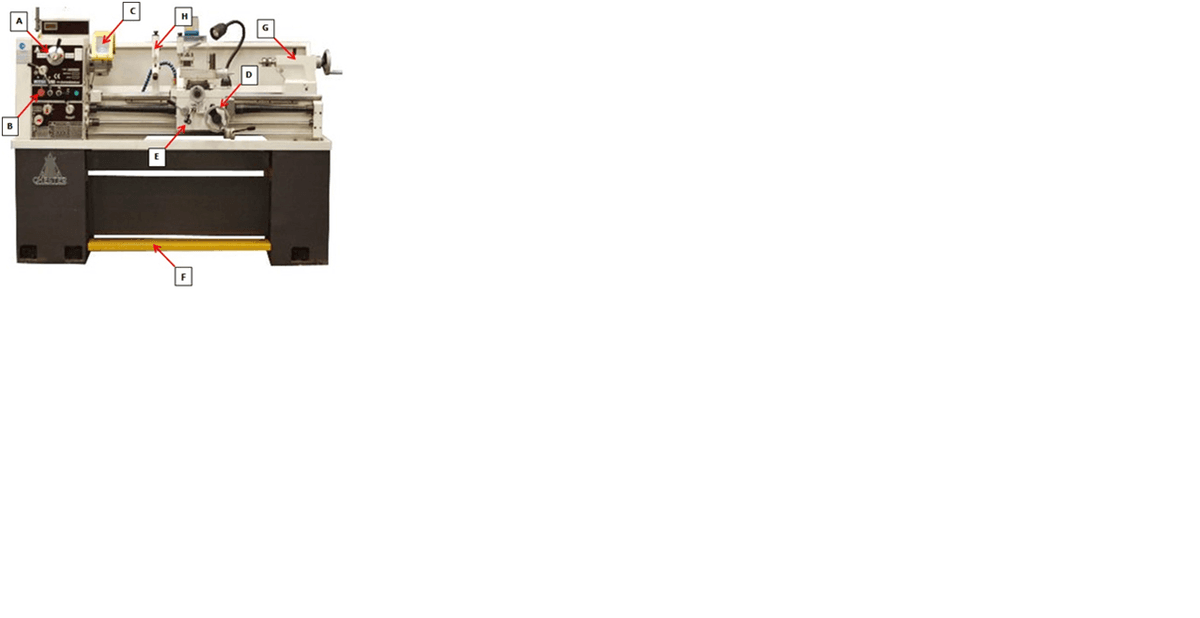
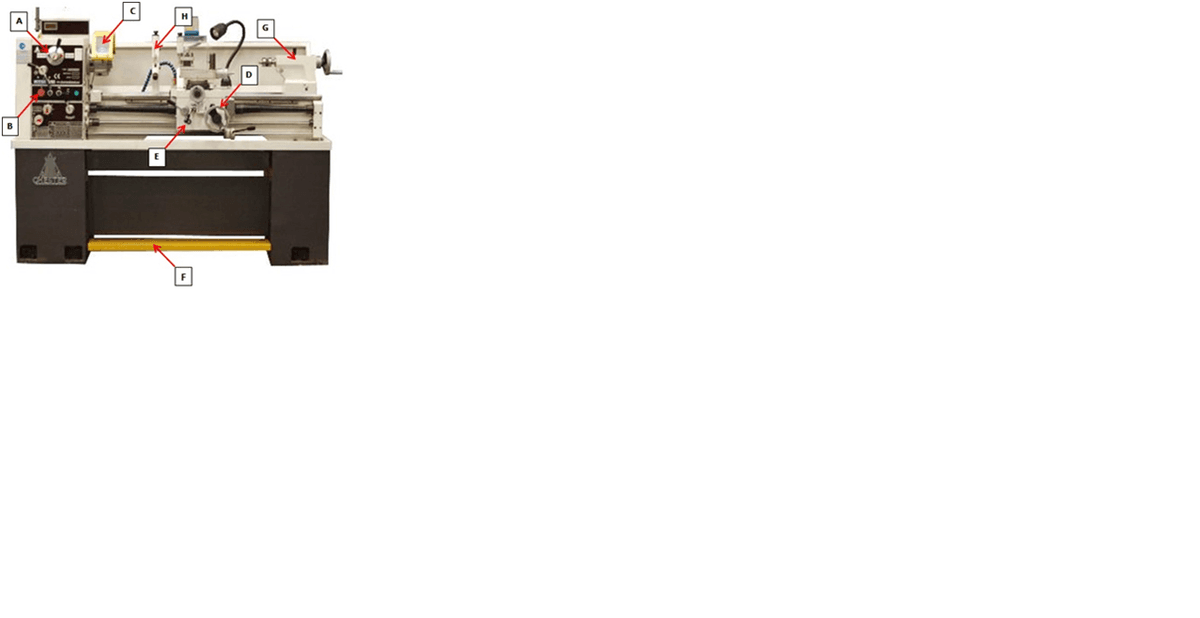
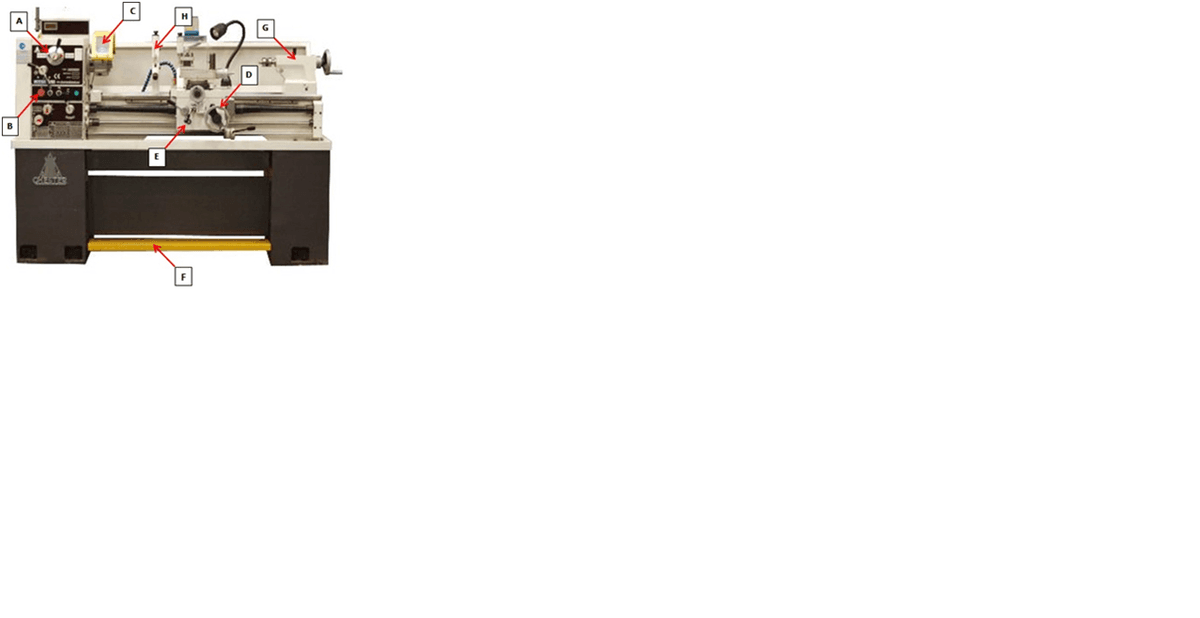
Using the diagram, which letter indicates the Tailstock
Removing long stringy chips with bare hands
34 questions
Q.
Which of the following do you need before you can safely operate a milling machine?
1
60 sec
Q.
Which of the following is dangerous when operating a lathe?
2
60 sec
Q.
Using the diagram, which letter indicates the Tailstock
3
60 sec
Q.
Using the diagram, which group of letters indicates the main safety features of a lathe?
4
60 sec
Q.
Using the diagram, which letter indicates the Carriage?
5
60 sec
Q.
Which two of the following are good working practices?
6
60 sec
Q.
Which of the following can be used to protect a finished diameter when working on a lathe?
7
60 sec
Q.
What is the reason for clamping the work piece in a chuck/work holding device?
8
60 sec
Q.
Over tightening the work-piece in the chuck hard jaws can cause:
9
60 sec
Q.
If you have to mill a slot 20mm long and the tolerance is +/- 0.1mm what is the maximum length of slot allowed?
10
60 sec
Q.
When taking roughing cuts, what is the effect on tool life?
11
60 sec
Q.
What is the name given to the type of tool that would be used for general turning and facing?
12
60 sec
Q.
Which of the following statements best describes a reason for increased tool wear when milling a hard material?
13
60 sec
Q.
How is feed rate measured on a lathe?
14
60 sec
Q.
How is feed rate measured on a Milling machine?
15
45 sec
Q.
What is the term used for the type of material that does not require cutting fluid to be used?
16
45 sec
Q.
Which of the common sign of tool wear and imminent failure?
17
45 sec
Q.
The photograph shows a small pip that was left on the end of a work piece during a facing operation. The root cause for this is
18
45 sec
Q.
Upon completion of work what is good practice?
19
45 sec
Q.
Which of the following is considered a safe practice while a vertical milling machine is in operation?
20
45 sec
Q.
What safety checks should be carried out prior to operating a milling machine?
21
45 sec
Q.
Which type of component is best produced on a milling machine?
22
45 sec
Q.
Which of the tools below would you use to cut a slot using a milling machine?
23
45 sec
Q.
Which of the following do you need before you can safely operate a milling machine?
24
45 sec
Q.
Backlash in machine slides and screws is a result of:
25
45 sec
Q.
How can backlash be overcome?
26
45 sec
Q.
A trial cut was taken on a lathe. The readings on the work piece are 2.240" at the headstock end and 2.220" at the tailstock end. To align the center which way must the tailstock must be adjusted?
27
45 sec
Q.
When taking roughing cuts, what is the effect on tool life?
28
60 sec
Q.
Which of the following statements best describes a root cause for excessive tool wear when machining a hard material?
29
60 sec
Q.
Which of these are the 3 most common signs of tool wear and imminent failure?
30
30 sec
Q.
If the top rake and side rake are ground too steep on a turning tool, what effect could this have on tool life
31
60 sec
Q.
Using the diagram opposite, which letter indicates the Knee:
32
45 sec
Q.
Using the diagram opposite, which letter indicates the working table