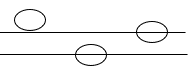
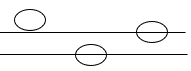
relates visual images to sound and silence using quarter note , beamed eighth notes and quarter rest in a rhythmic pattern
identifies the pitch of tones as: high (so), low (mi); higher (la); lower (re)
identifies the common musical instruments by their sounds and image
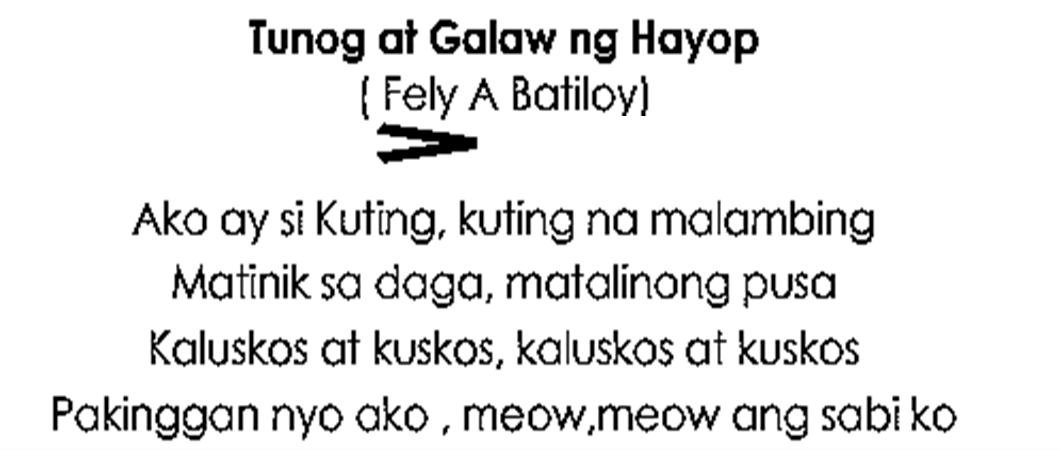
distinguishes the dynamics of a song or music sample
uses the words “loud”, “louder”, “soft” and “softer” to identify variations in volume
distinguishes “slow,” “slower,” “fast,” and “faster” in recorded music
identifies musical texture with recorded music - melody with solo instrument or voice - single melody with accompaniment - two or more melodies sung or played together at the same time
distinguishes between thinness and thickness of musical sound in recorded or performed music
differentiates the contrast between shapes and colors of different fruits or plants and flowers in one’s work and in the work of others
describes the lines, shapes, colors, textures, and designs seen in the skin coverings of different animals and sea creatures using visual arts words and actions.
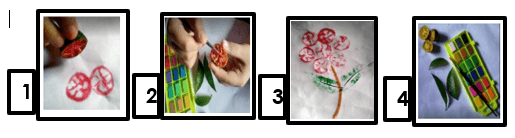
creates a consistent pattern by making two or three prints that are repeated or alternated in shape or color
carves a shape or letter on an eraser or kamote, which can be painted and printed several times
Answers a brief diagnostic assessment on giving value and importance to the craftmanship of local artists.
identifies 3-dimensional crafts found in the locality giving emphasis on their shapes, textures, proportion and balance
executes the steps in making a paper maché with focus on proportion and balance
Creates body shapes and actions
Moves in: ⮚ personal and general space ⮚ forward, backward, and sideward directions ⮚ high, middle, and low levels ⮚ straight, curve, and zigzag pathways diagonal and horizontal planes
Moves: at slow, slower, slowest/fast, faster, fastest pace using light, lighter, lightest/strong, stronger, strongest force with smoothness
Demonstrates movement skills in response to sounds and music
Engages in fun and enjoyable physical activities
Maintains correct body posture and body mechanics while performing movement activities
states that children have the right to nutrition (Right of the child to nutrition Article 24 of the UN Rights of the Child)
describes ways of caring for the mouth/teeth
describes healthy habits of the family
expresses positive feelings in appropriate ways
displays respect for the feelings of others
identifies hazardous household products that are harmful if ingested, or inhaled, and if touched especially electrical appliances
Track each student's skills and progress in your Mastery dashboards