Loading...


Medial Letter
Quiz by Francine Banton
Customize this quiz to suit your class
Instantly translate to 100+ languages
Tag the questions with any skills you have. Your dashboard will track each student's mastery of each skill.
Give this quiz to my class
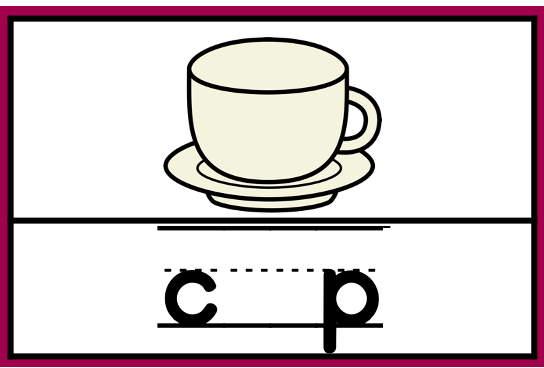
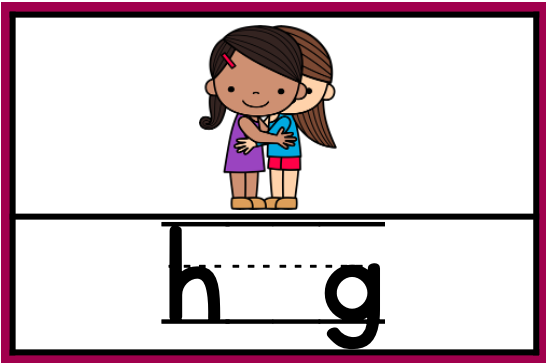
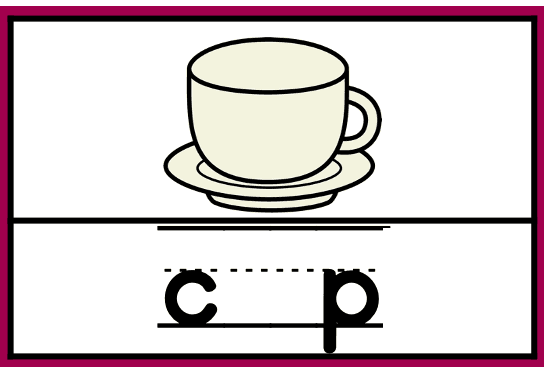
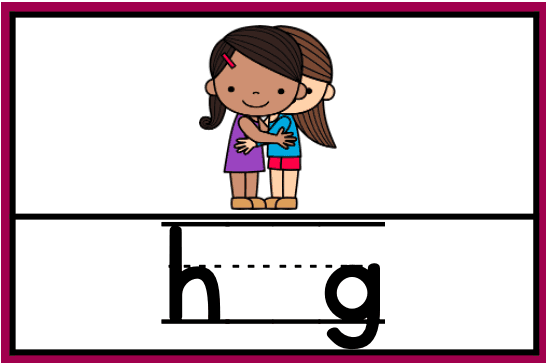
 Letter O- Medical Terminology Assignment Think before you act online Sometimes what we post on our favourite social networks have consequences we didn't expect. One weekend, 20-year-old James Miller posted on his Facebook page that his job was soooo boring. When he got to work on Monday his boss told him to clear his desk and get out. He gave him a letter, too. It said: 'After reading your comments on Facebook about our company, we understand you are not happy with your work. We think it is better for you to look for something that you will find more interesting." A few years ago, a girl's birthday party turned into a nightmare. Fifteen-year-old Cathy posted an invitation to her birthday party online. She posted her address, too. When her parents got back from the cinema that evening, they couldn't believe their eyes. There were 500 people at the party, and some of them were smashing windows, breaking potted plants and making a total mess of the house. Most teens think they know everything about social media, and that things like this could never happen to them. A study shows that last year alone, more than three million young people worldwide got into trouble because of their online activities. Here are some important tips. None of them can guarantee 100% Internet security, but all of them will help you to be safer online. RULE 1: Share with care! Not everyone will like what you write on Facebook or Twitter. Think before you post something. You can never completely control who sees your profile, your texts, your pictures, or your videos. Before clicking 'post', everyone should ask themselves two questions: 'How will I feel if my family or teachers see this?' and 'How might this post be bad for me in three, five or ten years from now?" RULE 2: Be polite when you write! Imagine someone is unfriendly in real life. You don't like it, right? Well, the same is true of online communication. Politeness matters, and anyone can be polite. No one likes it when you 'shout' in your messages. DON'T USE ALL CAPITALS!!!!!!!! If you feel angry or frustrated while you're writing a message, wait a bit. Read it again later and then send it. RULE 3: Protect and respect! Don't share your passwords with anyone. Don't post your home or email address online. Beware of 'cyberbullying' - don't forward rumours about other people, and don't say negative things about them. If you get messages like that or see them online, talk to an adult you know.IlIEcco la traduzione dell'estratto di Crash Course Physics suddivisa in paragrafi con titoli: **Introduzione: L'affascinante mondo dei fluidi** Questo episodio di Crash Course Physics è sponsorizzato da Audible. Trovo i fluidi affascinanti e fantastici. Poiché sono la mia area di competenza come ingegnere nella dinamica dei fluidi. Ma non sono l'unico a essere incuriosito da come le cose scorrono. La leggenda narra che un uomo una volta corse nudo per le strade perché era così entusiasta di aver scoperto una proprietà importante dei fluidi. Ora, personalmente, non sono mai arrivato a tanto... Ma comunque, la comprensione dei fluidi è estremamente utile. Perché qualsiasi cosa fluisca, sia liquido o gas, è un fluido. Quindi, l'acqua conta, ma lo fa anche l'aria, così come il sciroppo di mais. **Proprietà dei fluidi: Densità e Pressione** Fino ad ora, abbiamo spesso descritto la fisica degli oggetti in base alla loro massa. Ma quando si tratta di fluidi, usiamo principalmente una diversa grandezza: la densità, rappresentata nelle equazioni dalla lettera greca rho. Probabilmente sei familiare con la densità: è la massa divisa per il volume e si misura in chilogrammi per metri cubi. Se un oggetto - o un fluido - è costituito da atomi o molecole più pesanti, o se queste particelle sono più vicine tra loro, avrà una densità maggiore. E c'è un'altra importante caratteristica dei fluidi, una di cui pensano molto i subacquei e gli alpinisti: la pressione. **Pressione e Fluido in Equilibrio** Nel nostro ultimo episodio, abbiamo definito la pressione come la forza applicata divisa per l'area. Si misura in unità di Newton per metri quadrati, conosciute come Pascal. E i fluidi applicano pressione in OGNI direzione. Quindi, in questo momento, c'è aria che esercita pressione su di te - e su di me - da ogni lato. In effetti, la pressione media dell'aria al livello del mare è di 101 MILLE 325 Pascal. E se saltassi in una piscina, anche l'acqua eserciterebbe pressione su di te. Ma se hai mai provato a tuffarti in fondo a una piscina, saprai che c'è più pressione sul fondo che in superficie, ed è per questo che in profondità, ti fanno male le orecchie e sembra che la testa stia per implodere. **Calcolo della Pressione a Profondità Diversa** Questo perché più vai in profondità, più fluido c'è sopra di te, con il suo peso che spinge verso il basso. C'è un modo semplice per calcolare la pressione di un fluido a una determinata profondità: è semplicemente (la densità del fluido); (moltiplicata per la piccola g); (moltiplicata per la distanza dalla superficie), rappresentata dalla lettera h - per altezza. E la variazione di pressione in base alla profondità è uguale a (la densità del fluido), (moltiplicata per la piccola g), (moltiplicata per la variazione della distanza dalla superficie). **Principio di Pascal e Idraulica** Quindi, diciamo che stai nuotando in una piscina profonda tre metri e vuoi sapere quanto più pressione avrai in fondo alla piscina rispetto a quanto profondo sei ora, che assumiamo sia un quarto di metro. La densità dell'acqua è di 1000 chilogrammi per metro cubo, e la variazione della distanza dalla superficie è di 2,75 metri. Il che significa che la pressione in fondo alla piscina è di 27.000 Pascal in più rispetto alla pressione, a un quarto di metro di profondità. L'acqua nella piscina potrebbe essere un esempio di un fluido confinato, perché se avessi un pistone delle dimensioni della superficie della piscina e lo usassi per spingere giù l'acqua, l'acqua non avrebbe da dove andare. **Strumenti di Misura della Pressione** E già nel 1600, il fisico francese Blaise Pascal si rese conto di qualcosa riguardo al modo in cui la pressione funzionava nei fluidi confinati: se applichi pressione a un fluido confinato, la pressione in ogni parte del fluido aumenta di quella quantità. Se hai dell'acqua in una tazza e usi un pistone per applicare 10.000 Pascal di pressione sulla superficie dell'acqua, allora la pressione in tutto l'acqua aumenta di 10.000 Pascal. Oggi, questo concetto è noto come Principio di Pascal ed è la ragione per cui l'idraulica è così utile. **Principio di Archimede e Galleggiamento** Diciamo che hai dell'acqua in un tubo, con dei pistoni su entrambi i lati. Il principio di Pascal ti dice che se usi il pistone sul lato sinistro per applicare pressione all'acqua, l'acqua eserciterà la stessa pressione sul pistone sul lato destro del tubo. E la pressione è uguale a (forza) divisa per (area). Quindi, diciamo che hai un altro tubo che ha più la forma di un cono, con un pistone sul lato sinistro che ha un'area di un metro quadrato e uno sul lato destro che ne ha due. Di nuovo, applichi 10.000 Pascal di pressione al pistone sul lato sinistro, il che significa 10.000 Newton di forza. Ma il pistone sul lato destro ha il doppio dell'area. Quindi, affinché le pressioni siano uguali, l'acqua deve applicare il doppio della forza al pistone rispetto a quanto hai applicato all'acqua, e finirai con 20.000 Newton di forza sul pistone del lato destro. **Conclusione: Misura della Pressione e Galleggiamento** Questo è un grande affare! Raddoppi la forza in ingresso, ma non devi mettere alcuno sforzo extra! E maggiore è la differenza di area, maggiore.Stages in the Sale of a Property Stage 1 – Getting to Instruction • Initial contact with the vendor: need to check the following: type of property, contact details of vendor, address of property/Eircode and purpose of the contact - sale or valuation? If a sale, does the vendor need a quick sale? Qualify the lead i.e. is the vendor buying another property? If an investment property, is the tenant in situ? Check if there is a folio number available and confirm the ownership of the property. Schedule the viewing. • Pre-viewing: Set up a file & record all info from initial contact on CRM system. Check the Property Price Register to help get a general idea of property valuation (subject to viewing, helps to display knowledge of area/market and set expectations for the vendor). Nature of property may affect pricing e.g. starter home vs. larger property with vendor seeking to downsize. Consideration for comparables may include similar/same location, size and condition of property, availability and type of parking, layout of property, plot size, orientation of garden, extensions undertaken etc. Nature of market conditions, state of wider economy, cost of capital and availability of credit may also be factors. • Appraisal/viewing: Bring an advertising pack/sales & marketing brochures. Walk through property with client, note nice features/selling points for the brochure, let the client talk about upgrades/specific features of the property. It is very important to listen to the vendor and build rapport. Confirm property details e.g. condition and layout, plot size, orientation of garden. Check for certificates of compliance for any extensions, planning permissions for conversions, right of way if applicable etc. Check if a BER available/provide details for approved assessors. Demonstrate your/the practice’s professional expertise, justify why you should get the instruction, discuss recent local sales and give your potential valuation. Discuss the sales fee, marketing fee and any additional charges e.g. professional photography, drone footage, virtual tours (walkthrough video, Matterport etc.) Ask how the vendor heard about you/your practice and why are they considering you for the sale. Where appropriate offer advice to help vendor increase potential sales price. (If possible, leave with signed Property Services Agreement/Letter of Engagement.) Thank you, send/email market appraisal, any queries/questions do get in touch and let the vendor know that we’ll be in touch in coming days. • Post appraisal – letter sent that pm/next morning with market appraisal; diary note to follow up. Check that market appraisal letter received and check for questions. If did not get sale, find out why not/debrief. If get the sale, email confirmation of instruction. Once PSRA sent and LOE returned signed = stage 2. Other details required – ID, proof of address, proof of ownership/title, solicitor details, BER certificate (refer to assessor if not available). All these should be uploaded to CRM. Stage 2 – Getting to ‘Sale Agreed’ Set up appointment to measure & photograph, note any special features e.g., upgraded kitchen, south-facing garden. Provide ideas for improving sales potential (declutter, painting, tidy garden etc. Check if has vendor potential buyers in mind already e.g., relations, friends, other parties interested. Seek vendor approval for photos/text of brochure. Check for access (tenants in situ/working from home etc) and confirm viewing times. If given a key for viewings – tag it! Check alarm codes & whether a sign is allowed on the property. Bring to market – upload to all websites e.g., daft/my home, in house websites and create window display. Match the property against your internal database of potential purchasers /CRM system. Set up appointments for viewings on CRM or arrange for open viewings. Confirm viewings with vendor & purchaser. Turn on lights, open windows, secure valuables, leave out brochures & business cards, bring viewings sheets to keep record of attendees. Introduce yourself and get attendee details. Let people view the property and address any questions. Point out key features. Record questions to be answered and any feedback from viewers. Ask are they selling property? Let viewers know of offers already received. Lock up/alarm property/close windows. Provide vendor with feedback on viewings - number of viewers / questions raised/overall reaction to property. Offers should be confirmed in writing & upload to on CRM/ offers will be input by bidders onto online bidding platforms ‘Proof of funds’ required for offers in some practices. Successful bidder will be chosen by vendor, who might want quick sale/no chain or prefer the highest bidder. Booking deposit will be sought from successful bidder. The amount varies by practice but must cover fees. Sales Advice Notice/letter should be sent to both solicitors (and may be cc’d to vendor/buyer or notify both that SAN have gone out). Booking deposit receipt should be issued. The BER certificate and report should go to the solicitor. Send requests for docs/info to successful bidder including steps they need to take to progress sale e.g., organise the bank valuation and/or schedule the survey. Once the deposit is paid the property is Sale Agreed, inform other bidders, and update all websites/sales board etc. Stage 3 – Getting to closing Access should be organised for the bank valuation/survey. Stay in touch with both solicitors ‘contract-chasing’ i.e., check when contracts are issued, signed and queries answered. Legal searches undertaken by the solicitors may include checking boundaries, land registry, title, rights of way, compliance certs etc. When contracts are signed 10% purchase price/booking deposit should be sent to the vendor’s solicitor. Once all queries satisfied = drawdown of mortgage/funding, house/life insurance in place. Title deeds will be requested once contract is signed. Decide final closing date. Check that the property taxes have been paid. Check that vendor has vacated the property. When vacant, conduct the final walkthrough and take final readings (MPRNs ). Check with solicitor if the drawn down funds h, and once received the solicitor gives authorisation to the estate agent to release the keys. The agent will do up invoice, send the balance of funds to solicitor and provide gift to purchaser. Finally remove sign, mark as sold on CRM, seek testimonials, upload to social media and close a/c on CRM Classroom Expectations and Policies Assessment 1. What should students bring to class every day? a. Only a positive attitude b. Charged Chromebook, writing utensil, and positive attitude c. Just their books d. Snacks and drinks 2. What is the consequence for bullying in the classroom? a. A warning b. A violation card c. Extra homework d. A meeting with the principal 3. If a student breaks a personal item, what must they do? a. Ignore it b. Apologize c. Buy a new one for the teacher d. Ask for forgiveness 4. How should students handle using the futon during class? a. Sit on it every day b. Use it without asking c. Ask first and only use it during work time d. Sit on it during lectures 5. Where will all assignments be posted? a. On the classroom wall b. On Canvas c. Only verbally d. In a textbook 6. What happens if an assignment is submitted late? a. It will be graded normally b. It will not be accepted c. It will drop a letter grade each day it is late d. It will be given extra credit 7. After how many days of lateness will a student receive only half credit for an assignment? a. 1 day b. 2 days c. 3 days d. 4 days 8. What is the policy for retaking tests? a. No retakes allowed b. Students must schedule the retake themselves c. Retakes are given automatically d. Only the teacher can decide on retakes 9. What constitutes cheating in this classroom? a. Asking for help b. Claiming credit for someone else's work c. Working with a partner d. Participating in study groups 10. What is the penalty for cheating? a. A warning b. A failing grade on the assignment and notification of parents c. Extra assignments d. A detention 11. How will grades be determined? a. By participation only b. By points, with tests and quizzes weighted more than classwork c. By effort d. By attendance 12. Where can students use their cell phones? a. In class anytime b. In the commons and hallways during passing time and lunch c. In the restroom d. In the cafeteria only 13. What happens if a student uses their phone during class? a. They will receive a warning b. The phone will be confiscated immediately c. They can keep it if they ask d. They will lose points on their grade 14. What should a student do if they know they will be absent? a. Ignore it and hope for the best b. Come to the teacher at least three days before c. Ask a friend for notes d. Just show up later 15. If a student is sick and cannot do work, what should they focus on? a. Completing all missed assignments b. Getting better c. Emailing the teacher every hour d. Asking for extra credit 16. What is the policy on bringing food or drinks to class? a. It's not allowed at all b. It’s allowed as long as it’s not a distraction c. Only water is allowed d. Students must share their food 17. How should students contact the teacher with questions? a. Only during class time b. Through social media c. By email or in person d. By sending a friend 18. What happens if a student emails after 9 PM? a. The teacher will respond immediately b. The teacher will respond the next day at 7:45 AM c. The email will be ignored d. The teacher will call the student 19. How do violations accumulate for cell phone use? a. They reset every trimester b. They accumulate throughout the school year c. They reset every week d. They do not count 20. What should students do if they have concerns while the teacher is on maternity leave? a. Contact the principal b. Contact the substitute teacher for assistance c. Wait until the teacher returns d. Handle it on their own Answer Key (Always review AI generated answers for accuracy - Math is more likely to be inaccurate) b. Charged Chromebook, writing utensil, and positive attitude b. A violation card c. Buy a new one for the teacher c. Ask first and only use it during work time b. On Canvas c. It will drop a letter grade each day it is late c. 3 days b. Students must schedule the retake themselves b. Claiming credit for someone else's work b. A failing grade on the assignment and notification of parents b. By points, with tests and quizzes weighted more than classwork b. In the commons and hallways during passing time and lunch b. The phone will be confiscated immediately b. Come to the teacher at least three days before b. Getting better b. It’s allowed as long as it’s not a distraction c. By email or in person b. The teacher will respond the next day at 7:45 AM b. They accumulate throughout the school year b. Contact the substitute teacher for assistance "Sofia e la Rete Invisibile: Una Storia di Coraggio e Consapevolezza" Sofia, una vivace adolescente di 15 anni, amava trascorrere il suo tempo libero online. Era un modo per connettersi con amici, scoprire nuove passioni e rimanere aggiornata sulle ultime tendenze. Tuttavia, Sofia non sapeva che dietro la brillantezza dello schermo si celavano pericoli che avrebbero messo alla prova la sua sicurezza e la sua forza interiore. Un giorno, Sofia ricevette una richiesta di amicizia da un ragazzo molto affascinante di nome Marco. Era il classico "ragazzo perfetto" con interessi simili ai suoi e sembrava conoscerla molto bene. Iniziarono a chattare e Marco sembrava davvero interessato a lei. Presto, i loro messaggi divennero sempre più frequenti, fino a diventare un'abitudine quotidiana. Tuttavia, Sofia non sapeva che dietro l'immagine perfetta di Marco si nascondevano pericoli nascosti. Marco era un abile truffatore virtuale che mirava a sfruttare gli adolescenti online per scopi personali. Marco iniziò ad applicare una serie di tattiche per ingannare Sofia. Utilizzò il grooming per guadagnarsi la sua fiducia, facendole credere di essere una persona di cui potersi fidare. Conquistò il cuore di Sofia e poi iniziò a spingerla a partecipare a una pericolosa sfida online, promettendo popolarità e riconoscimento tra i suoi amici virtuali(challenge) Incuriosita dalle potenziali ricompense, Sofia decise di accettare la sfida, ignara dei rischi nascosti dietro di essa. Ma ciò che sembrava un gioco innocente si trasformò rapidamente in un incubo. La sfida si rivelò manipolata da Marco per coinvolgere gli adolescenti in atti illegali, mettendo in pericolo la loro sicurezza. Successivamente, Marco sfruttò la fiducia guadagnata per spingere Sofia a inviare foto intime di sé stessa. Sostenne che fosse un modo per dimostrare il loro amore virtuale. Ignorando i pericoli del sexting, Sofia acconsentì, inconsapevole delle conseguenze che avrebbe affrontato in seguito. Ciò che Sofia non sapeva era che Marco aveva intenzione di usare quelle foto per ricattarla. Iniziò a minacciarla, dicendole che se non avesse fatto quello che voleva, avrebbe pubblicato le foto su internet. Sofia era terrorizzata e si sentiva intrappolata in una spirale di minacce e abuso emotivo. Determinata a liberarsi dalle grinfie di Marco, Sofia prese coraggio e decise di agire. Si aprì con sua madre, raccontandole l'intera storia e i pericoli a cui era esposta. Insieme, presero le misure necessarie per proteggere Sofia. Bloccarono e segnalarono Marco su tutti i suoi account di social media e di chat. Questo passo cruciale ha impedito a Marco di contattarla e di avere ulteriori influenze sulla sua vita online. Sofia non si fermò qui. Raccolse prove delle minacce, dei messaggi ingannevoli e del ricatto perpetrato da Marco. Fece screenshot delle conversazioni e salvò copie dei messaggi ricevuti, creando una solida documentazione delle azioni di Marco. Queste prove sarebbero state fondamentali per intraprendere azioni legali e proteggere se stessa. Con le prove in mano, Sofia decise di segnalare l'account di Marco alle piattaforme e ai servizi di social media che stavano utilizzando. Fornì loro tutte le prove raccolte, consentendo loro di prendere provvedimenti contro il comportamento dannoso di Marco. Rendendo le autorità competenti consapevoli della situazione, Sofia coinvolse la polizia postale o un'organizzazione specializzata in crimini informatici. Fornì loro tutte le prove e le informazioni necessarie per avviare un'indagine approfondita su Marco. Sofia sapeva che doveva anche cercare supporto da esperti di sicurezza informatica specializzati in questioni di cybercrimine. Ottenne consigli su come proteggersi meglio online e su come prevenire situazioni simili in futuro. Questa consulenza le permise di comprendere meglio i pericoli della rete e di acquisire le competenze necessarie per proteggersi e navigare in modo sicuro online. Con coraggio e determinazione, Sofia prese misure concrete per liberarsi da Marco e proteggere se stessa. La sua storia è un esempio di resilienza e consapevolezza per gli altri adolescenti che potrebbero trovarsi in situazioni simili. Sofia ha dimostrato che è possibile combattere i pericoli della rete e ottenere giustizia, cercando il sostegno delle persone fidate, utilizzando le risorse a disposizione e facendo sentire la propria voce "La Missione Digitale: Proteggere il Mondo Virtuale" C'era una volta un gruppo di studenti di 15 anni, conosciuti come "The Digital Defenders", che avevano un talento speciale per la tecnologia. Amavano esplorare il mondo digitale e sfruttarne le opportunità. Ma un giorno, un pericoloso nemico minacciò la tranquillità del loro mondo virtuale. Questo nemico malvagio era conosciuto come "Il Cacciatore Digitale". Il suo scopo era infiltrarsi nei computer degli utenti, rubare informazioni personali e diffondere caos attraverso il cyberspazio. Il Cacciatore Digitale utilizzava diverse armi per raggiungere i suoi scopi. Una delle sue armi più potenti era il "Fishing". Usava messaggi ingannevoli e siti web contraffatti per cercare di catturare le informazioni personali degli utenti. Si fingeva spesso una figura di autorità, cercando di indurre gli utenti a fornire le loro password o i dati sensibili. Ma i Digital Defenders non si sarebbero arresi facilmente. Si misero all'opera per difendere il loro mondo digitale. Si dotarono di antivirus e antimalware potenti per combattere i virus e gli spyware, che erano armi preferite del Cacciatore Digitale. I Digital Defenders si addestrarono per riconoscere le trappole del Cacciatore Digitale. Impararono a identificare gli avvisi di sicurezza, a evitare di cliccare su link sospetti e a non aprire allegati di email provenienti da mittenti non fidati. Era fondamentale essere cauti e diffidare delle richieste di inserire informazioni personali su siti web non sicuri. Un altro strumento importante nella loro difesa era l'uso di password sicure. I Digital Defenders impararono che una password sicura doveva essere lunga, contenere una combinazione di lettere maiuscole e minuscole, numeri e caratteri speciali. Evitarono di utilizzare password facili da indovinare come nomi di animali domestici o date di compleanno. I Digital Defenders erano consapevoli che i cookie, piccoli file salvati sui loro dispositivi, potevano rivelare informazioni personali e tracciare le loro attività online. Impararono a gestire le impostazioni dei cookie nei loro browser e a cancellarli regolarmente per proteggere la loro privacy. Infine, i Digital Defenders si unirono a una missione importante: educare gli altri studenti sulla sicurezza digitale. Organizzarono workshop nelle loro scuole, condivisero consigli sui social media e si impegnarono a diffondere la consapevolezza sugli attacchi digitali e le misure di sicurezza. La loro missione ebbe successo. Gli studenti impararono ad affrontare il Cacciatore Digitale con fiducia. Ognuno di loro divenne un difensore digitale, pronti a proteggere il mondo virtuale. Con il loro impegno e la loro determinazione, i Digital Defenders riuscirono a sconfiggere il Cacciatore Digitale e a proteggere il mondo virtuale. La loro storia è un monito per tutti gli studenti di 15 anni, invitandoli a essere consapevoli dei pericoli digitali e a prendere misure per proteggere la loro sicurezza e privacy online. "La Conquista della Libertà Digitale: Il Viaggio di Luca" C'era una volta un ragazzo di nome Luca, un adolescente di 15 anni, che si trovava nel bel mezzo di una sfida epica: la conquista della libertà digitale. Luca amava il mondo online, passava ore a navigare sui social media, a giocare a videogiochi e a guardare video su Internet. Ma pian piano, si rese conto che la sua passione per la tecnologia stava prendendo il controllo della sua vita. Luca iniziò a notare che stava diventando sempre più dipendente da Internet. Passava notti insonni a chattare con gli amici virtuali e a navigare senza sosta, trascurando i suoi compiti scolastici e gli hobby che un tempo lo appassionavano. La sua dipendenza stava mettendo a rischio i suoi rapporti personali e la sua salute mentale. Un giorno, Luca si imbatté in una comunità online chiamata "Digital Freedom Fighters", formata da giovani coraggiosi che cercavano di liberarsi dalla dipendenza da Internet. Si unì a loro e insieme intrapresero un viaggio di autodisciplina e consapevolezza. Luca imparò che la sua dipendenza da Internet poteva essere causata dalla sindrome di "FOMO" (Fear of Missing Out), la paura di perdere qualcosa di importante o di essere escluso, e dalla sindrome di "FoMOB" (Fear of Missing Out on Better), la paura di perdere qualcosa di ancora migliore. La costante paura di perdere o di essere escluso lo spingeva a controllare continuamente il suo telefono e a rimanere connesso in ogni momento. I Digital Freedom Fighters guidarono Luca attraverso una serie di sfide per aiutarlo a prendere il controllo della sua vita digitale. La prima sfida consisteva nel fissare degli orari specifici per l'uso di Internet e dei dispositivi digitali. Luca si impegnò a dedicare del tempo alle attività offline, come leggere un libro, fare sport o trascorrere del tempo con la famiglia e gli amici. La seconda sfida consisteva nel disconnettersi completamente per un intero giorno. Luca si rese conto di quanto fosse dipendente dai suoi dispositivi quando provò l'ansia da disconnessione. Ma, col tempo, imparò ad apprezzare la libertà che deriva dal distacco digitale e a vivere il momento presente senza la costante interferenza della tecnologia. La terza sfida era quella di creare un diario delle emozioni. Luca iniziò a tenere traccia delle sue emozioni quando era online e quando era offline. Questo gli permise di comprendere meglio il suo stato mentale e le motivazioni dietro il suo comportamento digitale. Scoprì che spesso cercava distrazione o evasione attraverso Internet, ma che poteva trovare modi più sani per gestire le sue emozioni. Affrontando questi nuovi ostacoli, Luca si rese conto di essere affetto anche da nomofobia, la paura di essere senza il suo telefono o di non poter accedere a Internet. Questa paura lo rendeva ansioso e incapace di distogliere lo sguardo dallo schermo. Inoltre, Luca scoprì di essere a rischio di sviluppare la sindrome di "hikikomori", un fenomeno in cui le persone si ritirano completamente dalla società reale e si isolano nel mondo virtuale. Si rese conto che era importante trovare un equilibrio tra la sua vita online e offline, per evitare di perdere il contatto con il mondo reale e le relazioni significative. Inoltre, Luca notò che la sua dipendenza da Internet stava influenzando anche la sua capacità di concentrarsi e di mantenere l'attenzione. Questo deficit dell'attenzione rendeva difficile per lui concentrarsi sui compiti scolastici o sulle conversazioni reali, poiché la sua mente era costantemente attratta dalle notifiche e dalle distrazioni digitali. Affrontando questi nuovi ostacoli, Luca si armò di strategie per gestire la sua nomofobia, il rischio di kikikomori e il deficit dell'attenzione. Imparò a mettere il telefono in modalità silenziosa o a disattivare le notifiche durante le attività importanti, così da ridurre le distrazioni. Utilizzò tecniche di gestione dello stress, come la meditazione e l'esercizio fisico, per controllare l'ansia e mantenersi focalizzato. Inoltre, Luca si impegnò a impegnarsi in attività offline gratificanti, come la lettura di libri, la pratica di un hobby o il volontariato, per riempire il vuoto creato dalla sua dipendenza da Internet. Trovò nuovi modi per connettersi con gli altri nella vita reale, partecipando a gruppi di interesse comune e creando legami significativi. Con il passare del tempo, Luca riuscì a ritrovare l'equilibrio tra la sua vita digitale e quella reale. Sperimentò una maggiore soddisfazione nelle sue relazioni personali, un miglioramento delle prestazioni scolastiche e una maggiore consapevolezza del tempo trascorso online. La storia di Luca è un monito per gli studenti di 15 anni, invitandoli a riflettere sull'importanza di gestire in modo sano e consapevole la propria presenza online. È essenziale trovare un equilibrio tra il mondo digitale e quello reale, evitando le trappole della dipendenza e imparando a vivere una vita piena e significativa al di là dello schermo.The Revolt of the Northern Earls (1569) Most people in the North remained loyal to the Catholic noble families who controlled the north and their Catholic faith. When Elizabeth came to power, she promoted ‘new men’ (Protestants) from the gentry and the powerful Catholic nobles lost their power and influence. This led them to organise the most serious rebellion of Elizabeth’s reign in 1569. Why did the Northern Earl’s revolt? The Earls had lost their power when Elizabeth became Queen (and wanted it back). They wanted Catholicism restored in England (and felt that ordinary Catholics would support it). Elizabeth was refusing to marry or to name an heir, causing uncertainty about England’s future. Mary Queen of Scots (if freed from prison) could replace Elizabeth and solve all these problems Who were the key players in the Revolt? Earl of Northumberland • A Catholic who had held an important position under Mary I. • He lost a lot of influence under Elizabeth (as she favoured Protestant gentry) • Elizabeth also took the rights to a valuable copper mine found on his lands Earl of Westmorland • From a rich Catholic family in the north Also the Duke of Norfolk’s brother in law Duke of Norfolk • England’s most senior Protestant noble, but he had very close links to old northern Catholic families, & was sympathetic to them & greedy for power. • He hated William Cecil & Robert Dudley, Earl of Leicester (Elizabeth’s favourite) who were Protestant and from the gentry • He planned to marry Mary QS, but later backed down and urged the earls to call off the rebellion. Mary also supported the plan to marry him What role did religion play? (7/10 – but only because it was linked to power) • Most northerners held onto their Catholic beliefs & although Elizabeth didn’t persecute them, they knew that she wanted their religion to gradually die out, so they supported the revolt. • In 1561 Elizabeth hired a strict Protestant as archbishop of Durham to promote Protestantism in the north, but he was unpopular & turned many northerners against the Protestant religion. What role did politics/power play? (9/10 – this was the most important cause of the revolt) • The Northern Earls lost a lot of their power/influence (even jobs/money under Elizabeth) • Northumberland was jealous of new Protestant families being given top jobs in the North • William Cecil & Robert Dudley were not from ancient noble families, but were very close to the Queen, so the northern Earls resented them getting top jobs in her Government • Elizabeth also confiscated large areas of land & the profits from their copper mines • It is possible, that had Elizabeth allowed the Catholic Northern Earls to keep their jobs, money and influence at court, they may have ‘tolerated’ her as a Protestant Queen (greedy/selfish). What role did Mary Queen of Scots and the Succession play? • Elizabeth was refusing to name an heir and it was becoming clear that she would not marry • If Mary Queen of Scots married the Duke of Norfolk, England would have an heir and England would be Catholic again. The country would be stable without people competing for power. • However, some of Elizabeth’s courtiers got worried that it might not work and that it might lead to charges of treason (punishable by death) • So by September 1569, Robert Dudley (Earl of Leicester) decided to tell Elizabeth about the plot. By this time it was much more serious than simply marrying Norfolk to Mary. • Mary QS had secretly asked Spain to send troops to help the rebellion & overthrow Elizabeth Plan for the Revolt of the Northern Earls (1569) • The Earls of Northumberland & Westmorland will raise rebel troops from their lands in the north and take control of Durham. • The rebels will then march south towards London to join with the Duke of Norfolk • 1000s of Spanish troops will land in England to support the rebel forces • The Duke of Norfolk & rebel forces will seize control of Government & overthrow Elizabeth • Mary Queen of Scots is to be freed, ready to marry the Duke of Norfolk Key Events of the Revolt • Once Elizabeth knew of the plot, Norfolk was arrested and sent to the Tower of London • The Northern Earls were worried they would be executed for their involvement and in a desperate attempt to avoid punishment, pushed ahead with the revolt • They raised an army of ordinary Catholics and took control of Durham cathedral • Catholic mass was celebrated across the north for 2 weeks. • They then headed south, to try and free Mary • Mary QSs was moved south to Coventry on the orders of Elizabeth, so she couldn’t escape • The rebellion failed as Spanish troops never arrived • Elizabeth’s friend (Earl of Sussex) had raised an army of 7,000 men to defend her throne. Results: • The rebellion was a serious threat to Elizabeth • She executed 450 rebels in the north • Northumberland was executed in 1572 & his head was put on a spike on the city gate • The Privy Council called for the Duke of Norfolk’s execution too, but Elizabeth released him. • Mary Queen of Scots was kept in prison for the next 14 years. • The failed plot also led the Pope to take action against Elizabeth • In 1570 he excommunicated Elizabeth from the Catholic Church • He also issued a Papal Bull (order) calling on all loyal Catholics to overthrow her hoping it would encourage another rebellion. • In 1571 Elizabeth called parliament to pass an Act making it treason to claim that she was not the rightful Queen and to bring in/print papal bulls in England. The Significance of the Revolt of the Northern Earls • It was the first and most serious rebellion by English Catholics against Elizabeth • Treason laws were made much harsher • It ended the influence of the powerful Catholic Earls in the North • It led to harsher treatment of Catholics, e.g. 1572 Elizabeth sent the Earl of Huntingdon (strict Protestant) to the north to carry out laws against Catholics (and suppress Catholicism). • Although Elizabeth’s brutal revenge on the rebels show how serious a threat it was, most Catholics in the north stayed loyal, but the Pope’s Papal Bull now put their loyalty in doubt There was little support for the revolt among the rest of the Catholic nobility and ordinary people. When faced with a choice between Elizabeth and their religion, most Catholics chose to support the Queen. 1569, was the last time English Catholics tried to remove Elizabeth by force. The future plots against her were always uncovered by Cecil & Walsingham, before they had a chance to get any public support. Despite this, the Northern Revolt & Papal Bull changed Elizabeth’s attitude towards Catholics who were now seen as potential traitors. From 1570, Elizabeth became less tolerant of recusants (people refusing to attend her church) & took increasingly tough measures against Catholics. The Ridolfi, Throckmorton & Babington plots • In the 1870s-80s, there were 3 Catholic plots to assassinate Elizabeth & replace her with Mary. • The plots were supported by France, Spain, the Pope and some Catholic nobles. • They reinforced the form Mary & from Catholics at home and abroad. Also the threat from Spain. The Ridolfi Plot (1571) • Ridolfi was an Italian banker living in England and a spy for the Pope. • He organised a plot to murder Eliz, marry Mary QS to the Duke of Norfolk & make her Queen. • The Pope & King Philip supported the plot & Philip told the Duke of Alba in the Netherlands to prepare 10,000 troops (but to only invade AFTER the English had overthrown Elizabeth). • The plot failed because Sir William Cecil intercepted coded letters & Norfolk was executed. • Mary was kept under closer watch. • Ridolfi was abroad when the plot was discovered and never returned to England. 1574: Catholic Priests and Priest Holes • From 1574 Catholic priests were smuggled into England to keep the religion alive. • They stayed with rich Catholic families, so Catholic families were kept under surveillance. • Catholic homes were raided – to find ‘priest holes’ where Catholic priests were hiding. • Catholic priests who were found could be hung, drawn and quartered (although not all were) • In 1581, Parliament also passed 2 new tougher laws against Catholics: • Recusants would be fined £20 (which would bankrupt most families) • Trying to convert people to Catholicism was now treason (punishable by death) The Throckmorton Plot (1583) • It aimed to assassinate Elizabeth and replace her with Mary. The French Duke of Guise (Mary’s cousin) would invade England with an army, funded by King Philip (Pope also supported it). • An Englishman, Throckmorton carried messages between Mary & Catholic plotters abroad. • Sir Walsingham (Secretary of State) uncovered the plot after his agents found the plans for the plot in Throckmorton’s house. Throckmorton confessed under torture and was executed. Significance: • The plots showed that Mary’s presence in England posed a serious threat • It also showed that France & Spain were a serious threat (& could invade) • Throckmorton’s papers showed a list of Catholic supporters in England, so the threat from English Catholics was also real • 1,000s of Catholics were imprisoned or kept under surveillance/house arrest • In 1585 another Act was passed to make helping Catholic priests punishable by death. • The Bond of Association was signed by the English nobles & gentry & forced them to promise to execute anyone who tried to overthrow the Queen. Weaknesses of the Plots The plots lacked public support & were uncovered by informers & spies before they had the chance to work King Philip was reluctant to destroy his alliance with Elizabeth (France was still a bigger rival) so is support for the plots was half-hearted, he rarely followed through on his promises to help the plotters or send an army The Babington Plot (1586) In 1586, Walsingham used his spy network to PROVE that Mary supported the Babington plot. His evidence persuaded Elizabeth to put Mary on trial & execute her for treason. • This was a plot to murder Elizabeth and put Mary on the throne • France would invade England with 60,000 men and Spain would also send an army • Babington was passing coded letters between Mary & her supporters in England & Europe. • But all of her letters were being intercepted and read by Walsingham. • Walsingham used his spies to follow every stage of the plot & had the letters decoded • One of Mary’s letters approved plans to murder the Queen and free Mary from prison • They also contained the names of 6 Catholics who planned to kill Elizabeth • They were arrested, hung, drawn and quartered for treason. • Mary had been implicated in plots before, but Elizabeth was always reluctant to execute her • But the proof found by Walsingham finally persuaded her to put Mary on trial • In October 1586, Mary was found guilty & was sentenced to death • But Elizabeth still hesitated, and did not sign the death warrant until February 1587. Significance 1) This plot was very significant because by 1585 England was effectively at war with Spain since Elizabeth had sent her army to help the Dutch Protestants fight the Spanish 2) This meant that Elizabeth’ situation was more dangerous than during previous plots. 3) Elizabeth’s government also became more determined to crush Catholicism 4) 1000s of recusants were arrested & 31 priests were executed 5) Mary’s execution removed the Catholic threat at home 6) English Catholics had no one to rally around, & lost hope of overthrowing Elizabeth 7) But Mary’s death increased the threat of a foreign invasion as England was at war with Spain and King Philip had been preparing an attack on England since 1585 8) Mary’s death made Philip even more determined to invade, Mary had left her claim to the English throne to King Philip upon her death Why was Mary Queen of Scots finally executed? 1 • A new Act in 1585 stated that in the event of Elizabeth’s assassination, Mary could be executed as long as she had been proved guilty & Walsingham had provided hard proof. 2 • Another reason was that by 1587, it was clear that Philip was planning to invade England • There were rumours that Spanish ships had landed in Wales & that Mary had escaped. This convinced Elizabeth that Mary had to be executed if she wanted to keep her throne. Walsingham’s Spy Network: • Walsingham (Secretary of State from 1573) had a network of spies all over England & abroad. He had spies in every English town, some were normal people paid to spy on neighbours. • He also had agents and spies in Spain, France, Germany and Italy • He hired mathematicians to crack written codes and people to open/seal letters secretly • He also pressured captured Catholic priests to spy on others for him in return for a pardon. • He used double agents to infiltrate Catholic networks - to help him discover traitors • But he only used torture against Catholic priests caught in England in the most serious cases • But 130 priests and 60 of their supporters were still executed during Elizabeth’s reign. Why did Relations with Spain get worse (1569-1588) • England had tried to stay on good terms with Spain, because Eliz wanted to avoid an expensive war that could lead to her being overthrown (English Catholics could support it) • But by the 1570s, Elizabeth wanted to have an empire of her own. • She also needed to make more money to defend her country and throne (by improving trade) • This religious, political and economic rivalry led to growing tensions between England & Spain Political and Religious Rivalry 1) Land abroad, gave countries wealth/power. By the 1580s, Eliz wanted an empire to rival Spain’s (especially as Spain had supported the Catholic plots against Eliz – even if it was half-hearted) 2) Religion was another cause of conflict. Philip opposed Elizabeth’s religious settlement 1559 3) Luckily for Elizabeth, in the 1550s Spain & France were competing to be the greatest European power and both wanted England as an ally against the other. 4) But from 1567, Spanish ships were sailing to the Netherlands with money for the Alba’s army 5) This alarmed English Protestants and Elizabeth’s Privy Council who put more and more pressure on her to send an army to help the Dutch Protestant rebels (in the Netherlands). Economic (commercial) Rivalry: The New World, privateers and Sir Francis Drake • Under Elizabeth, English merchants wanted to make big profits in the New World (Americas). • However, trading in the New World was difficult because of Spain’s power 1) Spain controlled most of the New World where there were huge profits to be made and anyone who wanted to trade there needed a licence from Spain (which it would not give): 2) But the Americas had valuable crops like tobacco, sugar, and also silver and gold 3) Elizabeth secretly encouraged privateers to trade illegally & raid Spanish ports & ships 4) At first Elizabeth denied responsibility for their actions, which delaye war with Spain Sir Francis Drake: Elizabeth sends Drake to rob Spanish colonies and ships (which infuriates Spain) 1) Spain’s support for the Ridolfi plot (1571) made her more willing to support Drake • In 1572 Eliz hired Drake to sail to the New World & steal £40,000 of Spanish silver • In 1577 she sent Drake back again with a secret mission to rob Spain’s colonies/ships • Drake brought back £400,000 of Spanish treasure & claimed an area of California in Elizabeth’s name (New Albion). He gave a lot of this money to Elizabeth • He boosted England’s finances at a time of growing concern over Spain’s threat • He became famous as the first Englishman to circumnavigate the globe. • Eliz knighted Drake as a reward, which infuriated Philip (as he saw Drake as a pirate) • Drake’s actions & his claim to California made it clear that England did not accept Spain’s domination of the New World. Elizabeth’s Support for the Dutch Rebels led to War with Spain (1585-88) • By the 1580s, tension between England & Spain had reached boiling point • At first, Eliz refused to send her army to help the Dutch rebels, because she wanted to avoid a war with Spain. So she tried to get the Spanish to leave the Netherlands in other INDIRECT ways: 1) By allowing Drake (& other English privateers) to attack and rob Spanish ships and colonies 2) By encouraging others (the French heir/mercenaries) to fight the Spanish in the Netherlands • In the 1570s, Elizabeth promised to marry the heir to the French throne (the Duke of Alencon) so that he would take an army to fight the Spanish in the Netherlands The Spanish Fury (1576) and the Pacification of Ghent (1576) • By 1576, the Spanish Govt in the Netherlands was bankrupt (the war was expensive) • After months without pay, Spain’s soldiers violently robbed Dutch towns in the “Spanish Fury” Spanish troops rebelling and robbing cities in the Netherlands in 1576. This united the Dutch Protestants & Catholics against Spain. They drew up the ‘Pacification of Ghent’ (demanding that): • Spanish troops leave the Netherlands • Spain allows the Dutch to rule themselves • The persecution of Dutch Protestants stops What did Elizabeth do? • Elizabeth sent £100,000 to help the Dutch rebels • In 1577 King Philip’s brother, Don Juan agreed to the rebels demands (but this was a trick) as just 6 months later Philip sent an even bigger army to attack the Dutch. • Elizabeth then hired a mercenary army of 6000 English & Scottish volunteers to help the Dutch. • But her plan backfired because the mercenaries destroyed Dutch Catholic churches, which caused the Catholics to make peace with Spain. • In 1578, her Privy Council urged Eliz to send her official army to help the Dutch, but she refused. The Dutch were disappointed & turned to France for help. The French Duke of Alencon arrived with an army to fight the Spanish, but by 1579 Spain had taken control again. • In 1580 Spain got even stronger after Philip won control of Portugal & its empire. • So Elizabeth gave the Duke of Alencon £70,000 to help him fight the Spanish • In 1582, Alencon took his army the Netherlands but failed to defeat Spain. • Elizabeth’s foreign policy in the Netherlands had failed & she had only managed to annoy Spain 1585: Why did Eliz finally decide to send her army to the Netherlands? (she lost her 2 main allies) • 1584 the Duke of Alencon died (so he could no longer fight the Spanish in the Netherlands) • 1 month later, William of Orange, the leader of the Dutch Protestant rebels was assassinated. • In 1585, Spain signed the Treaty of Joinville with France, agreeing to stamp out Protestantism in France/Europe meaning France & Spain were now allies against Protestantism • Elizabeth now felt she had no choice but to send her official army to the Netherlands • She signed the Treaty of Nonsuch with the Dutch rebels which promised them military help 1585: Robert Dudley’s campaign in the Netherlands was unsuccessful She sent 7,400 man army to the Netherlands led by Dudley. But he accepted the title of ‘Governor General’. Eliz was angry as it suggested that she had deposed King Philip so she told Dudley to resign this position. His army was defeated by the bigger Spanish Army as Eliz had not provided him with enough money to win. In 1587 Dudley resigned and returned to England. At the same time, Eliz had sent Drake to raid Spanish colonies in the New World to disrupt King Philip’s flow of money. Philip was furious and told the Pope he planned to invade England at the end of 1585. Drake singes the King of Spain’s beard 1587 • In 1587 Elizabeth ordered Drake to attack Spain’s most important port Cadiz • He destroyed 30 ships in 3 days – known as the ‘Singeing of the King of Spain’s Beard’ • He also stole lots of wood, meaning the Armada did not have quality barrels for food/water • Drake’s disruption delayed the Armada by a year (& meant that its food rotted in 1588). • This bought England more time to prepare for war. The Spanish Armada (1588) The Plan • By 1588, the Spanish Armada was ready to invade England • It had 130 ships with 8000 sailors & 18,000 soldiers • The Duke of Medina Sidonia would lead the Armada, but he had little experience at sea and didn’t want the job • The Armada would collect Parma’s army from France & sail to England under the protection of the Armada’s warships • Parma would march to London to depose Elizabeth & impose a Catholic government in England. 1) The Armada reached the English Channel The Armada set out in May 1588, but was delayed for a few weeks by bad weather In July the Armada was near England & signal fires were lit to warn Elizabeth English ships set sail to meet the Armada The Armada sailed up the channel in a crescent (half moon) formation, to use the large armed galleons to protect the weaker supply and army ships The English navy carried out a few minor raids, but did not inflict much damage Only 2 Spanish ships were lost (by accident) 2) The English attack the Spanish at Calais (with fire ships) and at Gravelines The Armada sailed up the English channel & anchored at Calais to wait for Parma’s army But Parma’s men didn't reach the coast in time (news had reached them too late) At midnight, the English sent 8 fireships into the Spanish ships causing panic They cut their anchors, broke formation & headed for the open sea (without Parma) The Spanish ships sailed to Gravelines, but bad weather stopped them returning to Calais The English attacked and the battle lasted many hours (5 Spanish ships were sunk) The rest were forced to sail away from France towards Scotland The English ships followed them to make sure they didn’t come back to collect Parma’s army 3) The Armada’s Journey back to Spain around Ireland was a disaster The Spanish called off the attack and returned to Spain around Scotland & Ireland Bad storms sank many ships and wrecked more on the Irish coast Many sailors died from starvation & disease – less than half the men made it back to Spain How did England defeat the Spanish Armada? !) Faster Ships • Years before the battle, England had started building smaller, faster ships (galleons) that could fire canon balls quicker & further than Spanish ships • Spanish ships were huge and slow to change direction. 2) Bad Planning & Communication (Spanish) • Philip’s plan to join with the Duke of Parma’s army in France was risky. • Parma had lots of small ships which took 48 hours to load, man and set sail. • It took too long (a week) for word to reach Parma that Medina was in the English Channel, by which time Medina had set sail to Calais. • Parma was not ready to set sail & the English were already ready to attack (leaving Medina with very little back up when anchored in France). 2) English Tactics were more effective • Spanish ships aimed to come alongside the English ones, jump on board & fight the enemy. But the English ships were faster & kept a safe distance. • They chased the Armada down the Channel, with heavy cannon fire, which forced the Spanish to arrive in France before Parma’s army was ready • As the Armada was waiting, the English sent fireships into the Spanish fleet. • This caused the Armada to panic, cut their anchors & sail away to the north • When the Spanish ships regrouped, the English attacked them in the Battle of Gravelines & the Armada was forced to sail north, chased by faster ships. 5) Bad Weather • Strong winds made it impossible for the Armada to return & pick up Parma’s army and storms wrecked or sunk Spanish ships as they tried to return home along the Scottish-Irish coasts. 2) Spanish Supplies • The Armada was not well supplied with food/weapons. Drake’s attack on Cadiz port in 1587 had destroyed food barrels. Delays in setting sail meant that by the time the English attacked the Armada it had been at sea for 10 weeks and had rotting food. 1000s died from starvation/disease. The consequences of the English victory? • Victory over the Spanish Armada gave Elizabeth a great propaganda victory • A new portrait was made, and a medal was made to commemorate her victory, it said “God blew and they were scattered”. • Elizabeth claimed that God was on the side of Protestantism • This led to a feeling of English pride and encouraged the Dutch rebels to renew their fight against the Spanish • The defeat of the Armada showed the strength of the English navy and gave England the confidence to trade and explore more widely at sea • Although Philip did not give up and continued the war for the rest of Elizabeth’s reign, the defeat had cost Spain dearly, both financially and in terms of its power • The Armada marked the start of a long decline in Spain’s power and fortunes. • English ships were sent on voyages of discovery and set up valuable new trade routes • By the end of Elizabeth’s reign, the navy was also trying to set up a new colony in Virginia • The English victory boosted Elizabeth’s popularity & strengthened the Protestant causeLe vieillissement est l’ensemble des processus physiologiques et psychologiques qui modifient la structure et les fonctions de l’organisme à partir de l’âge mûr. Il résulte des effets combinés de facteurs génétiques et environnementaux auxquels est soumis l’organisme tout au long de sa vie. Il s’agit d’un processus lent et progressif qui est la conséquence de l’action du temps sur les fonctions de l’organisme. La sénescence est le processus de vieillissement biologique, la suite des changements irréversibles dans un organisme qui conduisent à la mort. Ce processus physiologique débute après la phase de maturité et se traduit par la dégradation progressive et inéluctable des fonctions vitales : reproduction, motricité, système immunitaire, etc. La sénilité est la détérioration pathologique (liée à une maladie) des facultés physiques et mentales d’un individu âgé. Il existe trois modalités différentes de vieillissement : le vieillissement réussi, avec une absence ou une atteinte minime des fonctions physiologiques et une absence de pathologies ; le vieillissement habituel, avec des atteintes considérées comme physiologiques, liées à l’âge, de certaines fonctions, mais sans pathologies invalidantes ; le vieillissement pathologique lié à des maladies sévères évolutives ou compliquées et responsable le plus souvent d’une dépendance importante. À ces trois notions, il est important d’ajouter la notion de fragilité qui correspond à un état d’équilibre précaire avec l’impossibilité de répondre de façon adaptée à un stress qu’il soit médical, psychologique ou social. Après 65 ans, 10 à 20% des personnes peuvent être considérées comme fragiles et jusqu’à 50% après 85 ans. Il s’agit de personnes à haut risque d’hospitalisation, d’institutionnalisation et de décès. Les psychologues décrivent 5 grands types de personnalité liés au vieillissement, plus ou moins présents chez chacun : le mature est actif, tolérant et il s’adapte parfaitement à son évolution ; le pantouflard est passif, indulgent envers lui-même et il utilise son âge pour valoriser son inactivité ; le blindé est mentalement rigide, il a peur de la déchéance et s’enferme dans ses souvenirs de jeunesse ; le mécontent est amer, intolérant et pessimiste, anxieux face à la mort ; il en veut au monde entier de son état et de ses échecs ; le déprécié est dépressif, insatisfait de sa vie, sans estime de soi et envahi de regrets sur le passé ; il envisage la mort comme une délivrance ou une finalité. La solitude a un effet important sur la santé. Si nous comparons des personnes âgées qui conservent un vaste réseau de relations sociales à d’autres qui sont isolées, ces dernières auraient un risque supérieur de mort prématurée. Parler et échanger avec les autres est essentiel au bien-être. Stimuler la mémoire d’une personne âgée lui permettra de conserver son autonomie et de retarder la dépendance. Pour rester en forme, le cerveau doit travailler de manière complète. Plusieurs activités peuvent donc permettre à la personne dépendante de garder une bonne mémoire le plus longtemps possible : tenir un agenda, rédiger un journal, jouer à des jeux ou encore pratiquer des activités de création. Pour stimuler l’activité sociale d’une personne âgée, faire des rencontres est le meilleur moyen de rester en forme : rencontrer des personnes, poursuivre les activités qu’on aime, se servir du téléphone et même d’internet si possible. Il y a des personnes âgées qui ne parlent à personne pendant des semaines. Pour d’autres, le contact se limite aux relations avec les caissières des supermarchés. Avec l’âge, certains de nos aînés sont murés dans le silence. Pas par choix. Mais parce que les liens familiaux se sont distendus ou n’existent plus. Ils se retrouvent alors seuls, sans échange, sans partage et sans affection. Un des grands défis à relever pour l’avenir est la lutte contre la solitude des personnes âgées. Il faut savoir que la solitude est désormais considérée comme un facteur de risque de la maladie d’Alzheimer. Lutter contre la solitude, c’est prévenir l’exclusion, la pauvreté et la perte d’autonomie. Quel est le secret pour préserver son corps malgré les années ? Un peu d’activité physique et des repas équilibrés ! Pour lutter contre l’apparition des rides ou la chute des cheveux et conserver ses capacités physiques et cognitives, mieux vaut surveiller son assiette. Inutile d’aller chercher des produits miracles pour rester jeune : il faut commencer par manger mieux! Car en fonction des aliments qu’on choisit, on préserve son capital santé et on garde la forme durant de longues années. Les problèmes alimentaires spécifiques au vieillissement apparaissent à des âges variables et sont beaucoup plus marqués après 85 ans. Une bonne nutrition a un rôle de prévention de mieux en mieux connu sur les pathologies liées à l’âge. Un bon régime pour un senior comprend beaucoup de fruits et de légumes, du pain, du riz, des pâtes et des fibres. Il ne faut pas oublier le poisson, surtout le thon, le saumon et les sardines, et limiter les viandes rouges, en préférant le poulet, la dinde ou le lapin. Il faut aussi réduire le sel et le sucre, et tous les aliments riches en graisses comme les frites, les fritures ou les gâteaux. L’eau est très importante, mais on peut aussi boire du thé, des jus de fruits sans sucre ou du lait écrémé ou demi – écrémé. Il faut aussi de la vitamine D pour garder les os en bonne santé. On peut la trouver dans le poisson, la margarine et les céréales du petit déjeuner. Le corps produit tout seul la vitamine D quand il est exposé au soleil, il est donc conseillé de profiter du soleil de temps en temps avec de la protection pour aider le corps à produire cette vitamine. Étape naturelle de la vie d’une femme, la ménopause mérite quelques attentions sur le plan nutritionnel à cause de la modification du statut hormonal. Beaucoup de femmes prennent du poids à la cinquantaine. Souvent tout simplement parce que leur mode de vie change, avec moins de dépenses physiques et plus de temps pour apprécier les plaisirs de la table ! Mais aussi parce que les transformations hormonales de la ménopause vont favoriser la mise en réserve de graisses. Le premier antidote contre ce risque de surpoids est une activité physique suffisante et, en complément, une alimentation allégée grâce à l’élimination des calories «inutiles». À éviter ou à consommer avec beaucoup de modération : les boissons sucrées comme les sodas, les bonbons, les biscuits salés ou sucrés, l’alcool sous toutes ses formes, les glaces et les pâtisseries, les plats riches en graisses, les frites et les fritures, les sauces classiques, la mayonnaise, les sauces barbecue et tous les laitages au lait entier. Les modifications hormonales et la diminution de l’activité physique ont également pour conséquence une “fonte” progressive de la masse musculaire. Pour lutter contre ce phénomène, il y a une seule solution : bouger !