Loading...


Mod 19 MCQ Quiz
Quiz by Hannah Tapp Thomas
Tag the questions with any skills you have. Your dashboard will track each student's mastery of each skill.
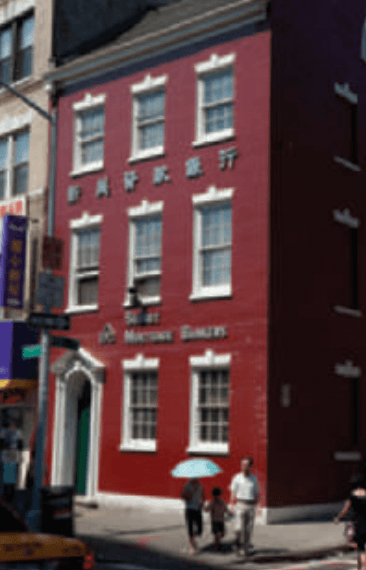
This house in Chinatown, Manhattan, is painted red, a sacred color for the Chinese people.
Everything is a part of the cultural landscape. Which statement best explains how this image is a part of the cultural landscape?
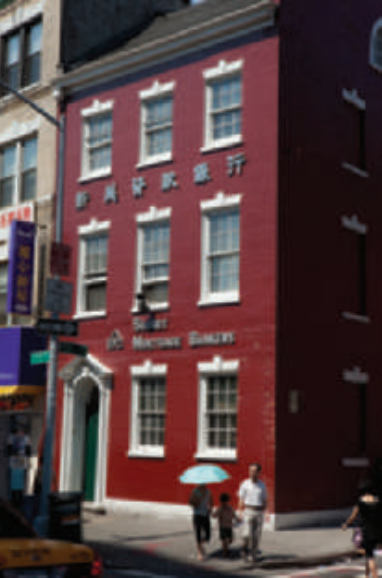
The umbrella on a sunny day reflects a cultural response to the physical environment.
The absence of vegetation shows a cultural adaptation to urbanization.
The sidewalks are a way to make the neighbor-hood more pedestrian-friendly.
Street signs act as cultural markers.
Both Chinese writing and English writing are used on the front of the building. Answers
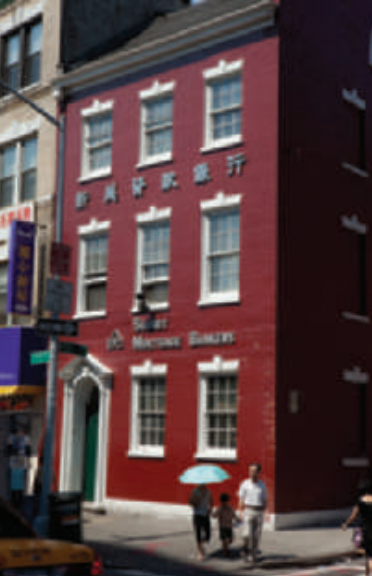
This structure was built in 1785, prior to this neighborhood becoming Chinatown. The owners and the builders were not Chinese, but as the neighborhood changed, the building and its sig-nificance changed. This is best explained by the term
chain migration
cultural marker
sequent occupancy
secularization
economic landscape
This house in Chinatown, Manhattan, is painted red, a sacred color for the Chinese people.
Everything is a part of the cultural landscape. Which statement best explains how this image is a part of the cultural landscape?
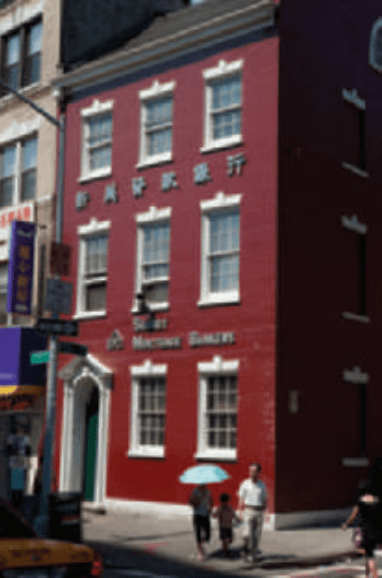
This structure was built in 1785, prior to this neighborhood becoming Chinatown. The owners and the builders were not Chinese, but as the neighborhood changed, the building and its sig-nificance changed. This is best explained by the term

This townhouse is a mixture of Georgian and Federal styles and is an official New York City landmark. Which statement best explains the importance of this to the cultural land-scape?
The alignment of ancient Chinese cities toward the cardinal directions (north, south, east, west) best illustrates the importance of which of the following factors in the shaping of these early cities?
Cultural landscape can be defined as
Which of the following is a cultural landscape?
Which of the following features is most useful for describing the cultural landscape shown in the image?
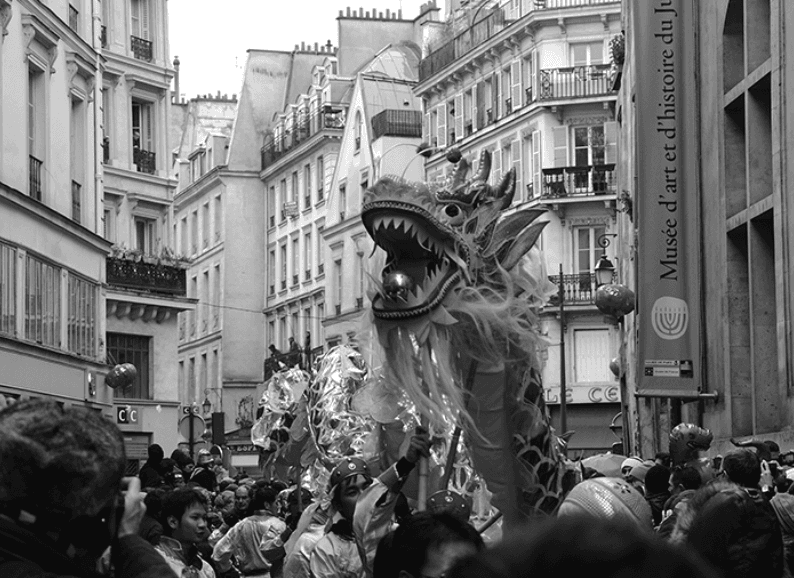
Cultural landscape is closest in meaning to which of the following?
An ethnic neighborhood is best described as which of the following?
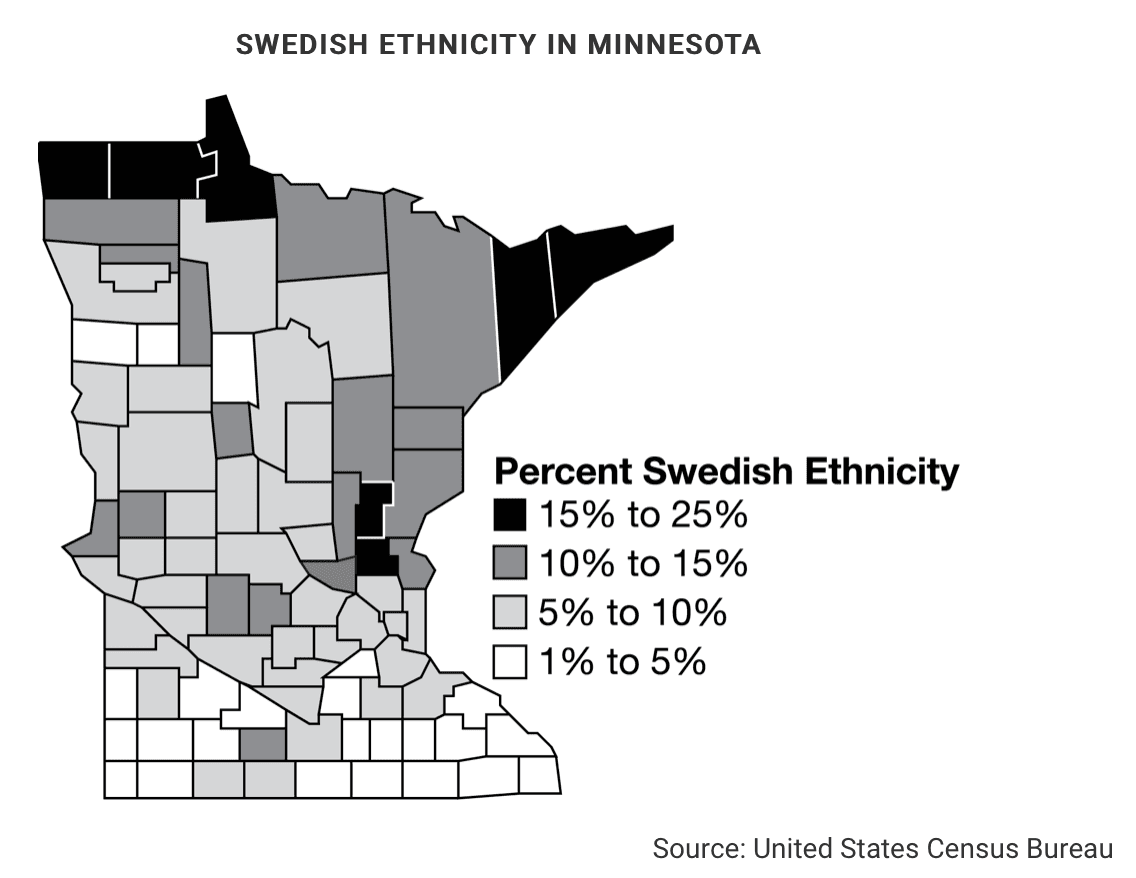
In the late nineteenth century, a large proportion of Swedish immigrants that came to the United States settled in rural areas of Minnesota. Descendants of these communities remain in Minnesota today, as shown on the map. Which of the following best describes the pattern of Swedish-American ethnicity within Minnesota’s cultural landscape?