Loading...

Modern GA
Quiz by Anna
Customize this quiz to suit your class
Instantly translate to 100+ languages
Tag the questions with any skills you have. Your dashboard will track each student's mastery of each skill.


Give this quiz to my class
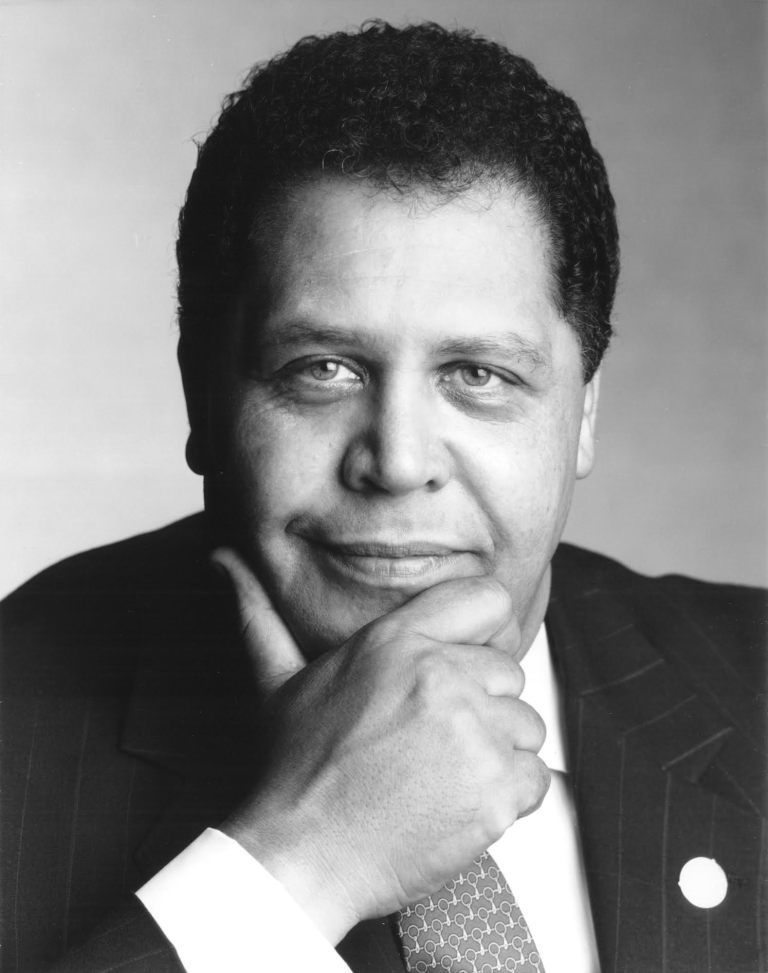
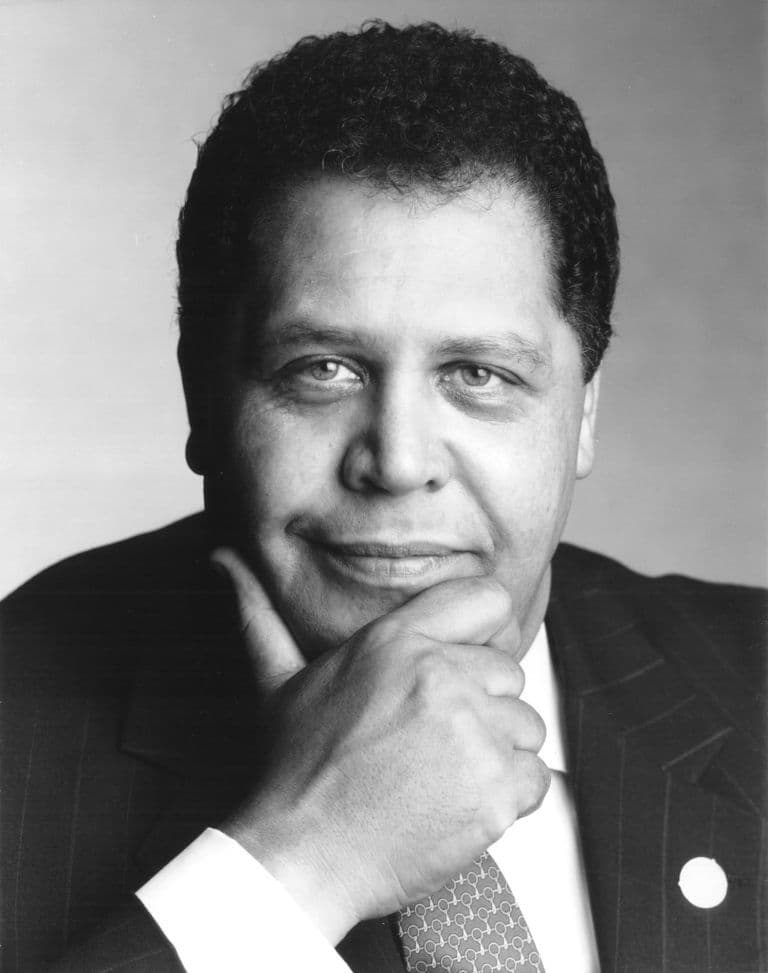
Grace Hopper (1906-1992): An American computer scientist and U.S. Navy rear admiral. She was a pioneer in computer programming and developed the first compiler for a computer programming language, laying the groundwork for cobol. Garrett Augustus Morgan Sr. (1877-1963): An African American inventor who patented the traffic signal and the safety hood, a precursor to the modern gas mask. Hedy Lamarr (1914-2000): An Austrian-American actress and inventor who co-invented an early technique for spread spectrum communications, a key to modern wifi and bluetooth technology. Otis Boykin (1920-1982): An African American inventor who patented over 25 electronic devices, including a control unit for the pacemaker that is widely used today. Stephanie Kwolek (1923-2014): An American chemist who invented the synthetic fiber Kevlar, which is used in bulletproof vests and other protective equipment. Gladys West (b. 1930): An African American mathematician who played a crucial role in the development of the GPS technology we use today. Shirley Ann Jackson (b. 1946): An African American physicist who was the first African American woman to receive a doctorate at MIT and her work laid the foundations for the touch-tone telephone, caller ID, and call waiting. Tu Youyou (b. 1930): A Chinese pharmaceutical chemist who discovered artemisinin, a drug therapy that has significantly reduced the mortality rates for malaria, for which she was awarded the Nobel Prize in Physiology or Medicine in 2015. Chien-Shiung Wu (1912-1997): A Chinese-American physicist who made significant contributions to the Manhattan Project and disproved the hypothetical law of conservation of parity, for which her male colleagues received the Nobel Prize (she did not). MĂĄria Telkes (1900-1995): A Hungarian-American biophysicist and architect dubbed the "Sun Queen" for her pioneering work in solar energy, including the development of the first solar-powered house. Percy Lavon Julian (1899-1975): An African American chemist and pioneer in the chemical synthesis of medicinal drugs from plants. Charles Ginsburg (1925-1992): An American engineer who led the team that developed the first commercial videotape recorder. Philo Farnsworth (1906-1971): An American inventor who developed an electronic television system and made major contributions to early television technology. MarĂa Montoya MartĂnez (1887-1980): A Native American (Tewa) potter from San Ildefonso Pueblo, New Mexico, who helped revive the traditional black-on-black pottery style and is considered one of the most influential Pueblo potters of the 20th century. Satya Nadella (b. 1967): An Indian-American business executive who has been the chief executive officer of Microsoft since 2014, overseeing the company's transformation into a cloud computing powerhouse. Junko Tabei (1939-2016): A Japanese mountaineer who in 1975 became the first woman to reach the summit of Mount Everest, and the first woman to ascend the Seven Summits, climbing the highest peaks on each continent. Mildred Dresselhaus (1930-2017): An American physicist and engineer, known as the "Queen of Carbon Science," who made groundbreaking contributions to the study of carbon materials like graphite and carbon nanotubes. Ellen Ochoa (b. 1958): An American engineer and former astronaut. In 1993, she became the first Hispanic woman to go to space when she flew on the Space Shuttle Discovery. Françoise BarrĂŠ-Sinoussi (b. 1947): A French virologist who co-discovered HIV as the cause of AIDS, for which she was awarded the Nobel Prize in Physiology or Medicine in 2008. Esther Lederberg (1922-2006): An American microbiologist who made significant contributions to genetics and microbiology, including the discovery of the bacterial virus lambda, but whose work was often overshadowed by her husband's Nobel Prize-winning accomplishments.
Modern Olympic Games
The Ancient and Modern Olympic Games
Gamify Modern India
Gamifying Modern India
Modern Slavery Fill in the Gap
Galileo: father of modern science
The Olympic Games The Olympic Games will be held in our country in four years' time. As a great many people will be visiting the country, the government will be building new hotels, an immense stadium, and a new Olympic-standard swimming pool. They will also be building new roads and a special railway line. The Games will be held just outside the capital and the whole area will be called 'Olympic City'. Workers will have completed the new roads by the end of this year. By the end of next year, they will have finished work on the new stadium. The fantastic modern buildings have been designed by Kurt Gunter. Everybody will be watching anxiously as the new buildings go up. We are all very excited and are looking forward to the Olympic Games because they have never been held before in this country.