Loading...


Music festivals around the world
Quiz by Lisa Leys
Customize this quiz to suit your class
Instantly translate to 100+ languages
Tag the questions with any skills you have. Your dashboard will track each student's mastery of each skill.
What music festival is the biggest in the world?
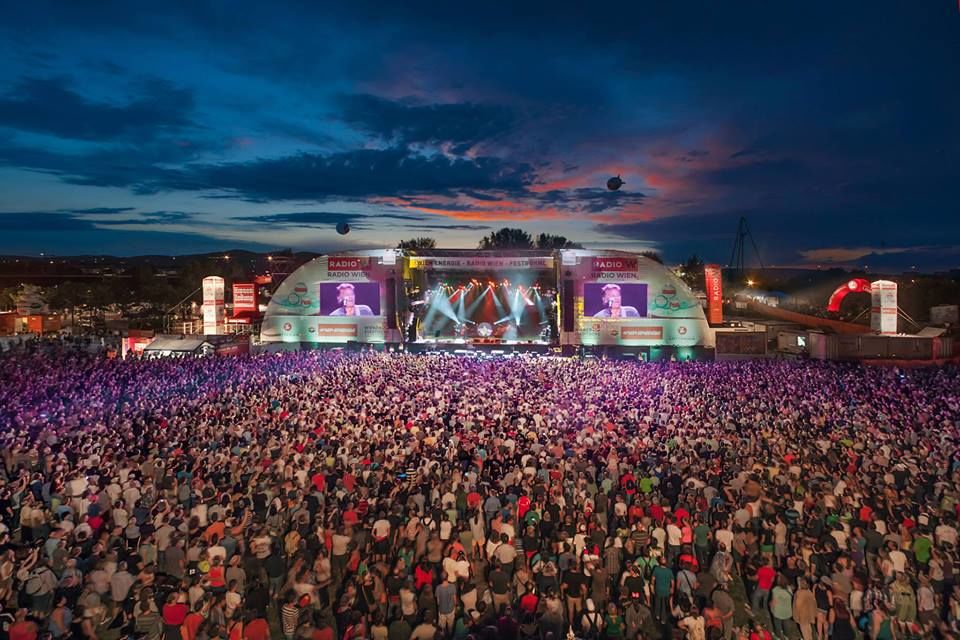
Donauinselfest
Lollapalooza
Coachella
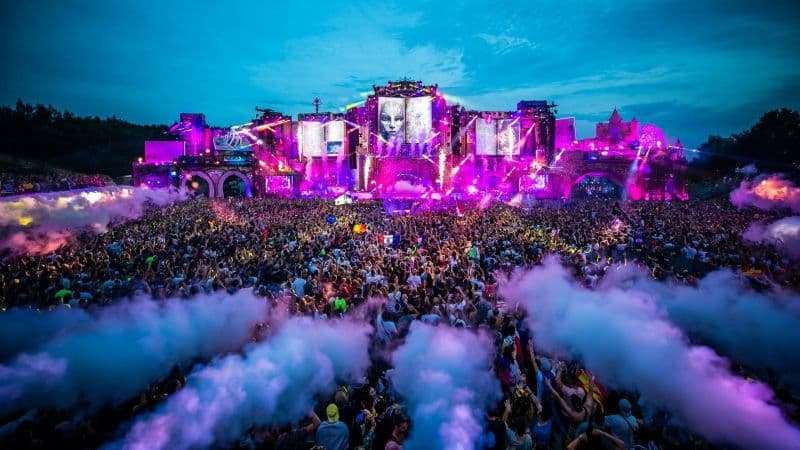
Tomorrowland
What music festival is the oldest and longest running annual pop/rock festival in the world?
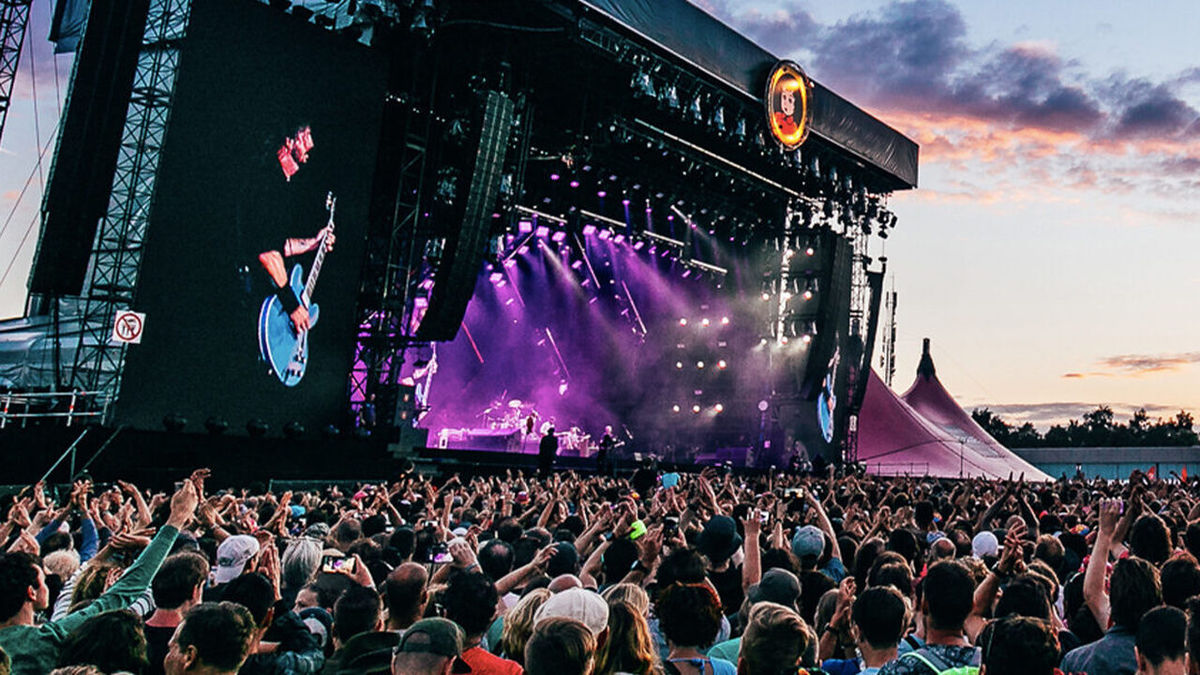
Rock am Ring
Rock Werchter
Pinkpop
Balaton Sound
Give this quiz to my class
What music festival is the biggest in the world?

What music festival is the oldest and longest running annual pop/rock festival in the world?
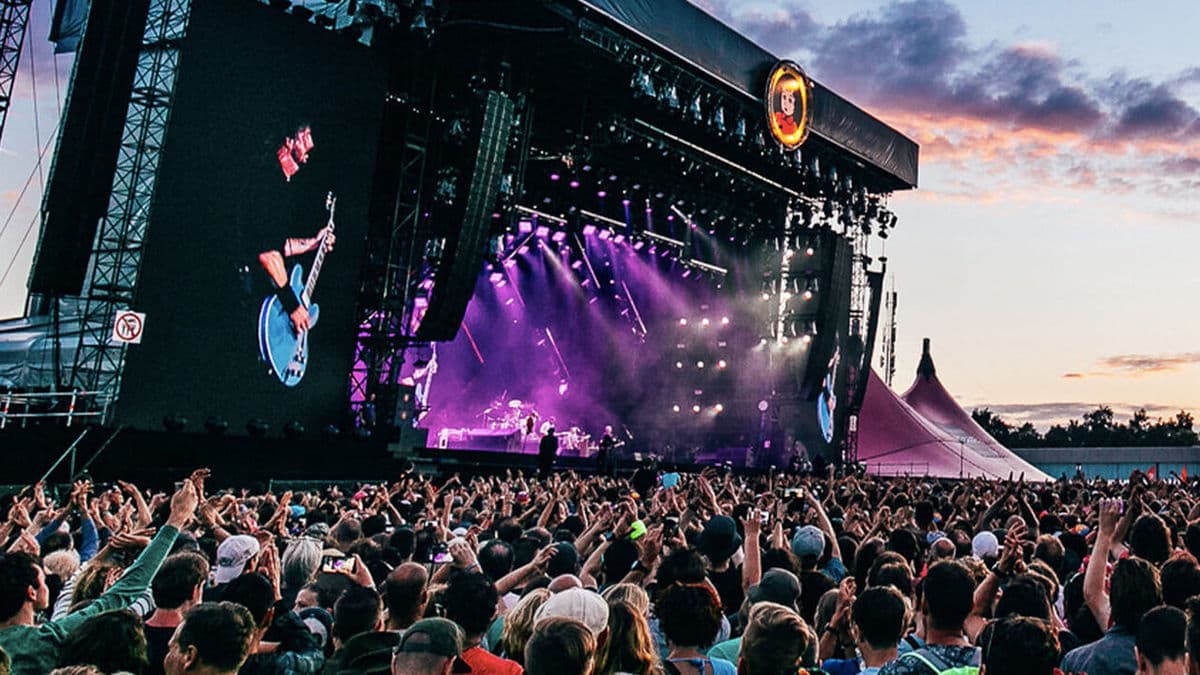
In what year did the famous Woodstock festival take place?

What is the biggest music festival in Belgium?
 Reading: Music festivals: TomorrowlandTHE THREE BEST MUSIC FESTIVALS YOU'VE PROBABLY NEVER HEAD OFThe risky business of music festivalsSouthern Life: Music and Festivals14 Grade 7 Music Chapter 4 Lesson 2 Religious Festivals as Philippine Traditions13 Grade 7 Music Chapter 4 Lesson 1 The Origins of Some Philippine FestivalsIt's Cinco de Mayo, Carlos! Carlos and Maria walked past the city park after the baseball game. "It's almost Cinco de Mayo," Carlos said. "The festival is only a month away." "Miss Lopez is teaching us a special dance for the festival," said Maria. "We need one more boy." "Will you dance with us?" asked Maria. "Are you dancing in front of people?" asked Carlos. "Miss Lopez will help you," said Maria, smiling. That evening, Carlos asked Abuela about Cinco de Mayo. "There was a big battle on May 5th, in 1862," said Abuela. "A big army came to attack the small town of Puebla." "Only a small group of young soldiers lived in Puebla. They were scared, but they didn't give up," said Abuela. "The big army didn't think the young soldiers would fight," said Abuela. "But the young soldiers won!" she said. "So, that's what we celebrate on Cinco de Mayo!" said Carlos. Carlos couldn't sleep that night. He thought about the soldiers. He thought about learning the dance. "I can be brave, too," he said. Miss Lopez showed Carlos the steps. He stepped on Maria's foot. He tripped and slipped. "Don't worry," said Maria. "You'll get better." Carlos felt he would never learn. But he didn't give up. His father gave him a surprise on the morning of the festival. "Real cowboy boots!" Carlos said. There were so many things to see. Carlos and Maria stopped to watch a puppet show. The crowd was clapping. "I hope they clap for us," said Carlos. They saw rows of shining cars. "Let's look at the hot rods!" he said. "Hurry, Carlos!" said Maria. "We just have time to put on our costumes." It was time for their dance. Carlos looked at the big crowd. His heart pounded. "You can do it," whispered Maria. Then the music started. People began to clap in time to the music. Carlos stomped his feet in his new cowboy boots. Suddenly, the music stopped. It was over. He hadn't tripped once. The crowd cheered and clapped. Abuela's cheer was the loudest! Tipo de noticia ¿De qué trata? Ejemplo breve Informativa general Cualquier hecho real y actual Calendario escolar Política Gobiernos, elecciones, leyes Plan de seguridad Económica Precios, empleos, comercio Sube el gas Deportiva Deportes, partidos, torneos Gana campeonato Cultural Música, arte, fiestas, cultura local Festival musical Científica / tecnológica Descubrimientos, ciencia, avances tech App contra incendios De sociedad Comunidad, salud, educación Unidad médica De sucesos Accidentes, robos, incendios Incendio en casas 1. Plantilla: Análisis de una noticia Puedes imprimir o proyectar esto para que los estudiantes completen al trabajar con una noticia real: ________________________________________ Análisis de una noticia Título de la noticia: ___________________________ Autor o fuente: ___________________________ Fecha de publicación: ___________________________ 1. ¿Cuál es el TITULAR? ✍️ Escribe el titular completo: ________________________________________ 2. ¿Qué dice el LEAD o entrada? ✍️ Escribe el primer párrafo: ________________________________________ 3. ¿Quiénes son los protagonistas de la noticia? 👤 ___________________________________________________________ 4. ¿Qué ocurrió? 📰 ___________________________________________________________ 5. ¿Dónde ocurrió? 📍 ___________________________________________________________ 6. ¿Cuándo ocurrió? 🕒 ___________________________________________________________ 7. ¿Por qué ocurrió? ❓ ___________________________________________________________ 8. ¿Qué parte de la noticia te pareció más interesante o importante? 💡 ___________________________________________________________ 1. Encabezado • Es el nombre del medio o la sección donde aparece la noticia (por ejemplo, “Actualidad”, “Internacional”, “Deportes”, etc.). • No es parte del texto de la noticia, pero ayuda a ubicarla. 2. Titular (o título) • Es la frase principal de la noticia. • Resume la información más importante de forma breve, clara y llamativa. • Debe captar la atención del lector. Ejemplo: “Estudiantes colombianos ganan concurso de ciencia en México” 3. Bajada (o subtítulo) • Es una frase complementaria al titular. • Amplía o da más contexto antes de entrar al cuerpo del texto. • Aclara quién, dónde o cómo pasó algo. Ejemplo: Participaron más de 200 jóvenes de 12 países en la Feria Internacional de Ciencias Juveniles. 4. Entradilla (o lead) • Es el primer párrafo de la noticia. • Resume lo más importante del hecho y responde a las famosas 5 W del periodismo: o ¿Qué pasó? o ¿Quiénes estuvieron involucrados? o ¿Cuándo? o ¿Dónde? o ¿Por qué? Ejemplo: El equipo del Colegio Central de Medellín ganó la medalla de oro gracias a su proyecto de energía solar, en el evento realizado en Ciudad de México el pasado sábado. 5. Desarrollo (o cuerpo de la noticia) • Explica el hecho con más detalles, testimonios, cifras, descripciones o antecedentes. • Puede incluir citas, opiniones de expertos o datos específicos. Ejemplo: Los estudiantes crearon un sistema portátil de paneles solares que puede ser usado en zonas rurales. Su profesora, Laura Gómez, comentó que trabajaron durante seis meses en el proyecto. 6. Cierre (o remate) • Es el último párrafo. • Puede incluir: o Consecuencias del hecho o Próximos pasos o Una reflexión final o Información adicional Ejemplo: La alcaldía de Medellín felicitó a los ganadores y anunció apoyo económico para futuras competencias científicas.