Loading...


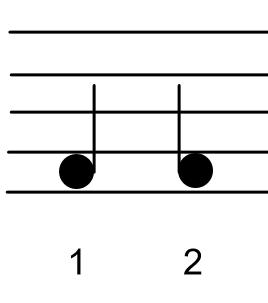
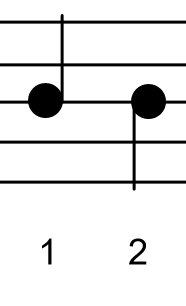
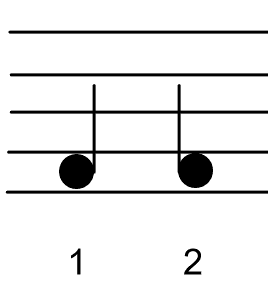
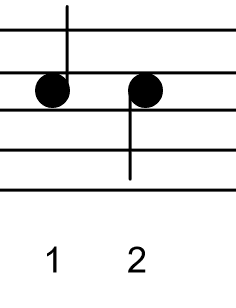
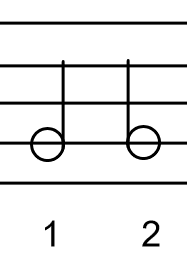
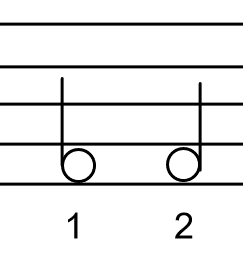
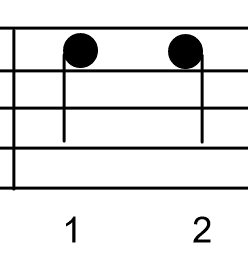
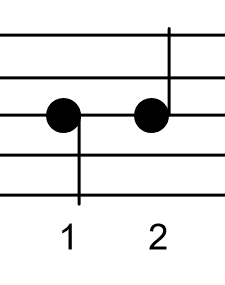
Note Stems. 2nd grade
Quiz by Anna
Customize this quiz to suit your class
Instantly translate to 100+ languages
Tag the questions with any skills you have. Your dashboard will track each student's mastery of each skill.
Give this quiz to my class


 Create a quiz with these questions: Tempo – Questions What Italian word means "slow"? What tempo marking means “lively” or “fast”? What tempo marking means “walking pace”? What word is used for “very fast” tempo? What do we call a gradual change in tempo? What term means to return to the original tempo? 🔊 Dynamics – Questions What symbol tells you to play loudly? What dynamic marking means “very soft”? What is it called when music suddenly becomes soft? What dynamic term means to gradually get louder? What do mp and mf stand for? What two markings show extreme contrast in dynamics? 📝 Note Values – Questions What note gets one beat in 4/4 time? What kind of note gets half a beat? Two of what type of note equal a whole note? What note has a stem, is filled in, and has one flag? What kind of dot adds half the value of the note it follows? What combination of notes equals a dotted quarter note? 📏 Time Signatures – Questions What time signature has 2 beats per measure? What time signature is used for waltzes? What time signature is used in marches? What does the top number in a time signature tell us? In 4/4 time, how many beats are in 3 quarter notes and 1 eighth note? What time signature is called “compound duple” and used in Irish jigs? 📻 Current Music Info – Questions Which artist had the highest-grossing tour by 2025? What is the most-used music streaming service in 2025? What music genre continues to top the Billboard charts in 2025? Which artist released a surprise double album in 2024? What tech company released a hit AI-generated song? Who is the youngest artist to win Album of the Year twice? 🎺 Instruments & Timbre – Questions What instrument family includes the violin and cello? What family do the flute and clarinet belong to? What instrument has black and white keys and is both string and percussion? Timbre describes what aspect of a sound? What word describes how instruments are combined in an arrangement? What double reed instrument often plays the tuning note in an orchestra?Changes. Things are always changing, like the clock, the weather, and even me. It seems nothing ever stays the same. My life has been full of changes. Sometimes I don't feel good about them, but then later it gets better. Taffy, my kitty, ran away. We have looked for him all over, but we cannot find him anywhere. I miss Taffy a lot, and I am sad. Dad says that we can get another kitty. That makes me feel better. I don't know what I will name him, but I will always remember Taffy. My best friend, Robin, just moved away. The moving van took away everything, and the house is empty. I wish Robin were here to play with me. Robin now lives in the mountains. I have never seen mountains, but they sound like fun to visit. Mom says we can take an airplane, so I can see Robin and play with her again. The day I started the new school year, I was scared of all the new children in my class. I was afraid that they wouldn't like me, and that I couldn't run as fast as they do. Now I am happy because I have made lots of new friends. I like Sarah and Ana, and Mary Lou, who makes me laugh. I love my class and my teacher. Mom just took a new job at an office downtown. She's not here when I come home from school. My Aunt Barbara is here to give me cookies and milk. Then I wait and wait for Mom to come home. When the hands of the clock point straight up and down, she comes home, and that makes me happy. Things are always changing, even with me. Yesterday I looked in the mirror. My face looked like a Halloween pumpkin because I lost my first tooth. I had a big surprise when I woke up this morning. My tooth was gone from under my pillow. There was a note from the tooth fairy and a whole quarter. I'm going to save it to buy some colored pencils. In school I learned that crawly caterpillars change into butterflies. And tiny acorn nuts grow into great big oak trees. Mom says that long ago, she was little like me. Do you think some day I will change and be a grownup? I think I will be an artist.Melody. Melody is a musical element that determines the sequence of tones on the staff. There are different directions (up, down, skip, step/scale and repeat/even)The up and down movement of its pitches conveys tension and release, expectation and arrival. This is the melodic curve or line. A melody moves by small intervals called steps or by larger ones called leaps. A step is the interval between two adjacent tones in the do-re-mi scale (from do to re, re to mi, etc.)• Any interval larger than a step is a leap (do to mi, for example). Besides moving up or down by step or leap, a melody may simply repeat the same note. Good day this is Chris today we will be doing a quick walkthrough on ISO 14001 2015 Environmental Management System and its main clauses let's get started ISO 14001 2015 Environmental Management System is a globally recognized standard for environment Management systems or EMS an EMS is a framework that organizations use to manage their environmental impact comply with regulations and improve their environmental performance the standard outlines are requirements for an EMS including the development of an environmental policy the identification of environmental aspects and impacts the establishment of objectives and targets the implementation of operational control monitoring and measurement systems and the ongoing review and Improvement of the system ISO 14001 is a flexible standard that can be used by organizations of any size or type regardless of their environment impact or level of environment performance it provides a practical framework for organizations to manage their environmental impact reduce environment risks and demonstrate their commitment on sustainability to their stakeholders here is the standard that provides a structured approach to develop an EMS which includes several key steps one organizations must develop an environmental policy that outlines their commitment to environmental sustainability this policy should be communicated to all employees and stakeholders two organizations must identify their environmental aspects and impacts this involves identifying the activities products and services that have an impact on the environment as well as the potential environmental consequences of those impacts three once the environmental aspects and the impacts have been identified organizations must establish environmental objectives and targets these objectives and targets should be specific measurable achievable relevant and time-bound 4. after setting objectives and targets organizations must Implement operational controls and establish monitoring and measurement systems to ensure that they are meeting their objectives and targets finally organizations must review and continually improve their EMS this involves conducting regular audits reviewing the EMS to ensure that it remains relevant and effective and making any necessary changes or improvements the main Clause of iso 14001 2015 apart from its scope normative references and terms and conditions that the main Clauses of iso 14001 2015 can be listed as context of the organization leadership planning support operation performance evaluation and Improvement Clause 4.0 context of the organization is about understanding the organization and its context understanding the needs and expectations of the interested parties determining the scope of the Environmental Management System EMS and Environmental Management System itself Clause 5.0 talks about leadership and commitment Environmental Policy organizational roles responsibility and authorities Clause 6.0 planning focuses on actions to address risk and opportunities as well as environmental objectives and planning to achieve them Clause 7.0 support are detailed requirements on resources competence awareness communication that includes external and internal communication documented information that involves creating updating in control of documented information Clause 8.0 operation talks about operational planning and control as well as emergency preparedness and response overall the design of iso 14001 2015 provides guidelines to form a system that is structured to cater the requirements of stakeholder needs and expectations to drive life cycle perspective and Energy Efficiency as pictured here Clause 9.0 performance evaluation provides guidelines to monitoring measurement analysis and evaluation evaluation compliance and management review an additional note here is that ISO 19011 2018 guidelines for auditing Management Systems which is an audit process that will determine the scope to establish the audit criteria by collecting evidence evaluating the evidence and then draw a conclusion based on the findings as pictured here [Music] finally Clause 10.0 Improvement talks about how Improvement is an integral factor to an effective Environmental Management system through General non-conformity and corrective action and continual Improvement talking about Improvement it is always continual in putting efforts towards the betterment of the existing system here is a snapshot of the main Clauses of iso 14001 2015 [Music] I hope you find this video useful we are industry experts specialized in management system consultancy and Industry relevant corporate training give us a call and let us help you drive your business excellence and upskill your employees to elevate workplace efficiency [Music] CREATE 10 MCQ AND 2 SAQ QUESTIONS BASED ON THE ABOVE PARAGRAPHTo understand melody in music, think about some music you’re familiar with. If you were asked to hum it, what would that sound like? The part of the music that you’d hum is the melody. It’s the main thread of sound that your brain tracks and holds onto when you’re listening to music. In vocal music, the melody is sung by the lead singer. Other vocalists can provide harmony and instruments can add accompaniment, but the melody is the star of the show.What are the characteristics of melody in music? How do you describe a melody in music? A melody needs to have two things. The first is a sequence of notes, or pitches, which range from high to low. The second is rhythm, which is the timing and duration of each note. These two simple elements can create an incredible variety of combinations. Even though a melody only consists of one note at a time, it can convey so much energy and emotion. Melodies can be fast and sparkly, like “The Flight of the Bumblebee.” They can be slow and majestic, like “Finlandia.” They might be sweeping and graceful, like a Strauss waltz. Or they can be fun and exciting, like your favorite pop tunes that you love to sing along with. Melodies often tell you a lot about where a piece of music comes from. It’s easy to recognize and identify melodies from different folk traditions such as the Japanese folk song “Sakura” or the Irish tune “Star of the County Down.” Learn how to play your favorite melodies on piano, and more! Sign up now. What is melody in music? Here are some examples. Here is the famous melody for the song “Lean on Me” written out on a staff. Notice the way that the notes move up, down, and then repeat. What is melody in music? Example of Lean On Me notes on treble staff. A melody all by itself is great, but music can be even more fun when there’s an accompaniment. Here are a few bars of “Lean on Me” with the accompaniment written out. As you listen to this song, notice how the accompaniment has a very similar rhythm and movement to the melody. Then there’s that one note in the bass line that comes along every measure with its own rhythm, which adds some extra energy and movement to the song. What makes a good melody? When you create a melody, there are four types of movement you can use: Repeat (same note) Step (up or down) Skip (up or down) Leap (up or down) Stepping and repeating are the most common types of melodic motion, and this makes a melody easier to sing. Most “hummable” tunes use steps and repeats almost exclusively. This kind of melody is called conjunct. Beethoven’s “Ode to Joy,” one of the most famous melodies of all time.Skips and leaps are generally more sparing in melodies, but when thoughtfully placed they can have a powerful emotional impact. Tunes with a lot of leaps are called disjunct. Listen to Sarah Brightman sing All I Ask of You from The Phantom of the Opera starting at 0:39. This is a very disjunct melody, and challenging to sing. Great melodies also incorporate patterns that blend unity, repetition, and contrast. Our ears love patterns, but they also love novelty and growth. A good melody incorporates all of these elements. For example, listen to John William’s “Princess Leia Theme.” Can you hear the repeated pattern in the melody that gradually moves higher as the theme progresses? Now listen to the way it changes and develops into something that fits with what came before but sounds new at the same time. This is some great melodic writing! Can melody exist without rhythm? There is no way for a melody to exist without rhythm. Even if your melody only has one note, that note has a duration, and that’s the rhythm. If your melody has two notes, how long those notes last and how much time passes between hearing them is also a rhythm. A melody in music can often be recognized even when it’s performed with different rhythms. This frequently happens in live performances of pop, rock, and jazz, in which singers typically improvise slight rhythmic differences with each performance. No two renditions are exactly the same, and this constant reinterpretation keeps the music fresh. How to make a melody for a song on piano Creating your own melodies on the piano is easy and fun! There are so many ways you can discover a melody all your own. Here are a few ideas. Get some inspiration from the world around you. What can you hear right now? A clock ticking? A bird song? A car passing by your house? See if you can find some notes on the piano that imitate the sounds you hear. Think of a feeling you’d like to put into a melody. What are some ways you could make a string of notes sound happy, sad, angry, or maybe just thoughtful. Choose a line from a poem you like, or write your own. Read it out loud and put some feeling into it. Did your voice rise and fall in pitch as you were reading? Now go to the piano, start on any note you like, and try to imitate what happened when you read. Go up when your voice naturally went up, go down when your voice naturally went down. How did that sound? Now you have the perfect melody to go with those words. Too many keys on the piano? The truth is, most melodies use only a limited number of different notes. Try creating a melody using only the black keys. These form what’s called a pentatonic scale. It’s used in a lot of folk music traditions around the world and can be a great place to start if you want to create your own melodies. Remember, when you create your melody, keep it simple. Use repeated notes and steps, but add a few skips to keep things interesting. One tip about leaps: when you do put in a big leap, try doubling back and filling in the empty space you leaped over. This keeps the melody self-contained and easier to sing. Also, see if you can use the same patterns of notes and rhythms to give the melody unity, but also change those patterns to give it variety. There is no right or wrong way to create your own music. Keep trying combinations of notes and rhythms until you find something that you like. How many bars and notes are in a melody? Many types of music tend to have a prescribed number of bars, or measures. This will vary widely between different genres, and creates an overall sense of musical structure. If you’re writing a pop song, a verse will usually have between eight and sixteen bars. The prechorus that follows often has just four bars, and this “foreshortening” creates a sense of acceleration, driving the listener toward the chorus. The number of notes can also vary widely. A melody in music needs at least two notes, and a long and complex one can have hundreds or even thousands of notes. What is a countermelody in music? How many melodies should a song have? A counter melody is a melodic line that interacts with the primary melody as an independent but supportive voice. A great example of this is the song “We Don’t Talk about Bruno.” Each character sings their own melody during the piece, but these melodies all combine at the end as countermelodies. This produces a musical texture known as counterpoint. The same thing happens in “One Day More” from Les Miserables. The different melodies are first sung separately, but end up being combined in a splendid, complex texture that leads the music to its thrilling conclusion. The difference between a countermelody and regular harmony is that harmony usually supports the rhythms of the melody. A countermelody will move more independently, with different rhythms from those of the melody, and will often sound “melodic” when sung or played all by itself. A melodic song should have one main melody. This is the part that the lead voice sings. It’s usually in the spotlight, and will be the most memorable part of the music. Anything else is either harmony, countermelody, or accompaniment. Does all music have to have a melody? A piece of music doesn’t have to have a melody. There are many different kinds of music without melody. For example, a lot of music played on percussion instruments won’t have a melody. Listen to this example of Tahitian drumming. This is some great music, exciting and fun to listen to, but you’d have a hard time humming it. It’s music, but it doesn’t have a melody. Rap music is another style of music where there doesn’t have to be a melody. In rap, words are chanted rather than sung. The performer will raise and lower the pitch of their voice for emphasis, but it’s the rhythm of the words that creates most of the music. Music can even lack any melody, at least in some sections. Listen to the opening chords of “Duel of the Fates.” This choral passage is all about harmony, with little rhythmic variance or sense of melody. But it makes an effective contrast with the next section, which is bustling with rapid instrumental melodies. In some pieces, there are multiple melodic lines but there is no one main melody. When music is made up of equally important countermelodies, it creates a contrapuntal texture. Baroque composer J.S. Bach was one of the greatest masters of this style, such as in his Little Fugue in G minor. It starts with a single melodic line, the subject, but then a countermelody is added, and then more and more until several melodic lines are playing together. It’s fun to listen to, but once all the countermelodies are playing together it becomes hard to decide which part to hum along with! You’ll also hear a lot of counterpoint in jazz music, in which the different instruments are all playing together and improvising their own melodies that combine to create a rich, thick musical texture. Experience the wonder of melody in music! Whether you’re humming your favorite tune, or creating a new song all your own, melody is a memorable, shareable part of music. Enrich your music experience by being aware of, listening for, and enjoying the melodies all around you.Land warfare is a complex domain that involves the application of military power on the ground to achieve political and strategic objectives. Modern military doctrine, such as that used by the U.S. Army and the Indian Army, categorizes these elements into Combat Power and the Principles of War. 1. The 8 Elements of Combat Power Combat power is the total means of destructive, constructive, and information capabilities that a military unit can apply. It is typically broken down into eight key elements: ElementDescriptionLeadershipThe "multiplier" of all other elements. It provides purpose, direction, and motivation to soldiers.InformationEnables commanders to make informed decisions and creates opportunities to achieve results.Mission CommandThe system used to integrate the other elements. It focuses on decentralized execution based on the commander's intent.Movement & ManeuverThe movement of forces to gain a positional advantage over the enemy to deliver lethal or non-lethal effects.IntelligenceThe understanding of the enemy, terrain, weather, and civil considerations.FiresThe use of weapon systems (artillery, mortars, air support) to create specific lethal or non-lethal effects.SustainmentThe logistics required to maintain operations, including ammunition, fuel, food, and medical support.ProtectionThe preservation of the force so that the commander can apply maximum combat power.2. The Principles of War These are the enduring "rules of thumb" that guide how land forces are employed strategically and tactically: Objective: Direct every operation toward a clearly defined and attainable goal. Offensive: Seize, retain, and exploit the initiative. You cannot win by defending alone. Mass: Concentrate the effects of combat power at the most advantageous place and time. Economy of Force: Allocate the minimum essential combat power to secondary efforts so you can "mass" elsewhere. Maneuver: Place the enemy in a position of disadvantage through flexible movement. Unity of Command: Ensure all forces operate under a single responsible commander toward a common objective. Security: Prevent the enemy from gaining an unexpected advantage. Surprise: Strike the enemy at a time, place, or in a manner for which they are unprepared. Simplicity: Prepare clear, uncomplicated plans to minimize confusion in the "fog of war." 3. The Modern Legal Framework Land warfare is also governed by the Law of Land Warfare (International Humanitarian Law), which rests on four pillars: Military Necessity: Actions must be necessary to achieve a legitimate military goal. Distinction: Forces must distinguish between combatants and non-combatants (civilians). Proportionality: The anticipated harm to civilians must not be excessive in relation to the concrete military advantage gained. Unnecessary Suffering: Weapons and methods must not cause gratuitous or superfluous injury. Note: Contemporary land warfare is increasingly "Multi-Domain," meaning land forces must now integrate with cyber, space, and electronic warfare to be effective. , While land warfare uses many tools, the two primary "philosophies" of how to win a war are Attrition and Maneuver. Most modern conflicts are a spectrum of both, but understanding the pure form of each helps explain military strategy. 1. Attrition Warfare: The "Sledgehammer" Attrition warfare is a strategy where one side attempts to win by wearing down the enemy to the point of collapse through continuous losses in personnel, equipment, and supplies. Core Logic: "I have more than you." It assumes that if you can destroy the enemy’s resources faster than they can replace them, you will eventually win. Focus: Firepower and mass. Success is measured by "body counts," equipment destroyed, and the steady seizing of terrain. Command Style: Usually centralized and methodical. It requires strict synchronization of massive resources (artillery, logistics, manpower). Historical Example: The Battle of Verdun (WWI). German Chief of Staff Erich von Falkenhayn famously stated his goal was to "bleed France white" by forcing them to defend a position they could not afford to lose, regardless of the cost in lives. 2. Maneuver Warfare: The "Scalpel" Maneuver warfare seeks to shatter the enemy’s moral and physical cohesion—their ability to act as a unified force—rather than simply destroying every soldier. Core Logic: "I am faster and more unpredictable than you." It aims to create a state of chaos where the enemy's leadership can no longer make effective decisions. Focus: Speed, surprise, and dislocation (forcing the enemy to be in the wrong place at the wrong time). The OODA Loop: Developed by Col. John Boyd, this is the heart of maneuver theory. It stands for Observe, Orient, Decide, Act. The goal is to cycle through these steps faster than the enemy, essentially "getting inside" their decision-making process until they collapse from confusion. Historical Example: The 1940 Invasion of France (Blitzkrieg). Instead of fighting a line-by-line battle of attrition, German forces used speed and concentrated armor to bypass strongpoints, cut communication lines, and cause a total systemic collapse of the French military in weeks. 3. Key Differences at a Glance FeatureAttrition WarfareManeuver WarfareObjectivePhysical destruction of the enemy army.Functional/Psychological collapse of the enemy.TargetThe enemy's strength (mass).The enemy's weakness (vulnerability).Primary ToolMassed Firepower.Movement and Tempo.Command"Command Push" (Top-down, rigid)."Recon Pull" (Decentralized, flexible).Success MetricExchange ratios (Kill counts).Disruption and loss of enemy control.4. The Modern Synthesis: "Schwerpunkt" In practice, no army is purely "maneuver" or "attrition." To maneuver successfully, you often need a period of attrition to punch a hole in the enemy's line. A critical concept here is the Schwerpunkt (Center of Gravity/Focus of Effort). A commander identifies the single most important place to strike and concentrates all available "elements of power" there. While the rest of the front might look like attrition, the Schwerpunkt is where the maneuver happens to achieve a breakthrough. Modern Reality: In high-intensity conflicts today (like the war in Ukraine), we see a "return to attrition" because modern sensors (drones, satellites) make it very difficult to achieve the surprise needed for pure maneuver warfare. When you can see everything, it's hard to be "unexpected."In our classroom, we believe in teamwork and responsibility. That's why we have different classroom jobs that students can take on to help make our learning environment run smoothly. Each job comes with specific tasks and responsibilities, and it is important for the students to understand the requirements and expectations for each role. Let's take a closer look at the different classroom jobs available to our sixth-grade students: 1. Teacher's Assistant: The Teacher's Assistant plays a crucial role in our classroom. Their main responsibility is to remind the teacher of important tasks that need to be done throughout the day. This includes taking attendance, passing out papers to go home, and any other "do not forget" tasks that the teacher might need help with. The Teacher's Assistant needs to be organized, responsible, and reliable. 2. Supplies Monitor: The Supplies Monitor is responsible for ensuring that all classroom supplies are put away neatly. This includes making sure that pencils, pens, markers, and other materials are returned to their designated places after each use. The Supplies Monitor needs to be attentive to detail and have good organizational skills. 3. Technology Assistant: With our use of technology in the classroom, the Technology Assistant plays a vital role. They help students and guest teachers who might not be tech-savvy with chromebooks and other devices. The Technology Assistant should be comfortable with technology, patient, and willing to help others. 4. Room Monitor: The Room Monitor is in charge of checking desks and floors before lunch dismissal. They make sure that everything is clean and organized before we leave the classroom. The Room Monitor needs to be responsible, observant, and take pride in maintaining a tidy learning environment. 5. Line Leader: The Line Leader has the important task of leading the class and setting the pace when we transition from one place to another. They need to walk in a straight line, follow instructions, and be a positive role model for their peers. The Line Leader should be reliable, responsible, and demonstrate good leadership skills. 6. Messenger: The Messenger is responsible for taking things to the office or picking up items that the teacher needs. They need to be trustworthy, reliable, and able to follow instructions. The Messenger should also have good time management skills to ensure tasks are completed promptly. 7. Host/Hostess: When visitors come to our classroom and need assistance while the teacher is busy, the Host/Hostess is there to help. They greet visitors, provide directions, and offer any necessary support. The Host/Hostess should have good communication skills, be friendly, and approachable. 8. Guest Teacher Guide: In the event of a guest teacher, this student will help them take attendance and assist the teacher with anything they need help with. The Guest Teacher Guide needs to be responsible, reliable, and have good communication skills. They should also be respectful and supportive of the guest teacher. 9. Researcher: During whole-class discussions, if there is a question or topic that needs further exploration, the Researcher steps in. They use the internet to look up information and provide additional insights. The Researcher should have good research skills, be able to navigate online resources, and share accurate information with the class. 10. Secretary: The Secretary takes down notes when directed in the class notebook and collects any papers for absent students, placing them in their designated file. They need to be organized, attentive, and have good handwriting. It is important to note that all of these roles come with certain requirements. To be considered for any of these jobs, you must be punctual and have good attendance. This means arriving to school and class on time every day. Additionally, honesty and reliability are crucial traits for anyone taking on these responsibilities. By working together and taking on these classroom jobs, we can create an environment that is conducive to learning, organized, and supportive. Each of these roles plays a vital part in our classroom community, and we appreciate the efforts of all students who take on these responsibilities. Let's make our classroom a place where everyone feels valued and can thrive!Stages in the Sale of a Property Stage 1 – Getting to Instruction • Initial contact with the vendor: need to check the following: type of property, contact details of vendor, address of property/Eircode and purpose of the contact - sale or valuation? If a sale, does the vendor need a quick sale? Qualify the lead i.e. is the vendor buying another property? If an investment property, is the tenant in situ? Check if there is a folio number available and confirm the ownership of the property. Schedule the viewing. • Pre-viewing: Set up a file & record all info from initial contact on CRM system. Check the Property Price Register to help get a general idea of property valuation (subject to viewing, helps to display knowledge of area/market and set expectations for the vendor). Nature of property may affect pricing e.g. starter home vs. larger property with vendor seeking to downsize. Consideration for comparables may include similar/same location, size and condition of property, availability and type of parking, layout of property, plot size, orientation of garden, extensions undertaken etc. Nature of market conditions, state of wider economy, cost of capital and availability of credit may also be factors. • Appraisal/viewing: Bring an advertising pack/sales & marketing brochures. Walk through property with client, note nice features/selling points for the brochure, let the client talk about upgrades/specific features of the property. It is very important to listen to the vendor and build rapport. Confirm property details e.g. condition and layout, plot size, orientation of garden. Check for certificates of compliance for any extensions, planning permissions for conversions, right of way if applicable etc. Check if a BER available/provide details for approved assessors. Demonstrate your/the practice’s professional expertise, justify why you should get the instruction, discuss recent local sales and give your potential valuation. Discuss the sales fee, marketing fee and any additional charges e.g. professional photography, drone footage, virtual tours (walkthrough video, Matterport etc.) Ask how the vendor heard about you/your practice and why are they considering you for the sale. Where appropriate offer advice to help vendor increase potential sales price. (If possible, leave with signed Property Services Agreement/Letter of Engagement.) Thank you, send/email market appraisal, any queries/questions do get in touch and let the vendor know that we’ll be in touch in coming days. • Post appraisal – letter sent that pm/next morning with market appraisal; diary note to follow up. Check that market appraisal letter received and check for questions. If did not get sale, find out why not/debrief. If get the sale, email confirmation of instruction. Once PSRA sent and LOE returned signed = stage 2. Other details required – ID, proof of address, proof of ownership/title, solicitor details, BER certificate (refer to assessor if not available). All these should be uploaded to CRM. Stage 2 – Getting to ‘Sale Agreed’ Set up appointment to measure & photograph, note any special features e.g., upgraded kitchen, south-facing garden. Provide ideas for improving sales potential (declutter, painting, tidy garden etc. Check if has vendor potential buyers in mind already e.g., relations, friends, other parties interested. Seek vendor approval for photos/text of brochure. Check for access (tenants in situ/working from home etc) and confirm viewing times. If given a key for viewings – tag it! Check alarm codes & whether a sign is allowed on the property. Bring to market – upload to all websites e.g., daft/my home, in house websites and create window display. Match the property against your internal database of potential purchasers /CRM system. Set up appointments for viewings on CRM or arrange for open viewings. Confirm viewings with vendor & purchaser. Turn on lights, open windows, secure valuables, leave out brochures & business cards, bring viewings sheets to keep record of attendees. Introduce yourself and get attendee details. Let people view the property and address any questions. Point out key features. Record questions to be answered and any feedback from viewers. Ask are they selling property? Let viewers know of offers already received. Lock up/alarm property/close windows. Provide vendor with feedback on viewings - number of viewers / questions raised/overall reaction to property. Offers should be confirmed in writing & upload to on CRM/ offers will be input by bidders onto online bidding platforms ‘Proof of funds’ required for offers in some practices. Successful bidder will be chosen by vendor, who might want quick sale/no chain or prefer the highest bidder. Booking deposit will be sought from successful bidder. The amount varies by practice but must cover fees. Sales Advice Notice/letter should be sent to both solicitors (and may be cc’d to vendor/buyer or notify both that SAN have gone out). Booking deposit receipt should be issued. The BER certificate and report should go to the solicitor. Send requests for docs/info to successful bidder including steps they need to take to progress sale e.g., organise the bank valuation and/or schedule the survey. Once the deposit is paid the property is Sale Agreed, inform other bidders, and update all websites/sales board etc. Stage 3 – Getting to closing Access should be organised for the bank valuation/survey. Stay in touch with both solicitors ‘contract-chasing’ i.e., check when contracts are issued, signed and queries answered. Legal searches undertaken by the solicitors may include checking boundaries, land registry, title, rights of way, compliance certs etc. When contracts are signed 10% purchase price/booking deposit should be sent to the vendor’s solicitor. Once all queries satisfied = drawdown of mortgage/funding, house/life insurance in place. Title deeds will be requested once contract is signed. Decide final closing date. Check that the property taxes have been paid. Check that vendor has vacated the property. When vacant, conduct the final walkthrough and take final readings (MPRNs ). Check with solicitor if the drawn down funds h, and once received the solicitor gives authorisation to the estate agent to release the keys. The agent will do up invoice, send the balance of funds to solicitor and provide gift to purchaser. Finally remove sign, mark as sold on CRM, seek testimonials, upload to social media and close a/c on CRM