Loading...


Nutrients Assessment
Quiz by Errol Rose
Customize this quiz to suit your class
Instantly translate to 100+ languages
Tag the questions with any skills you have. Your dashboard will track each student's mastery of each skill.
Give this quiz to my class
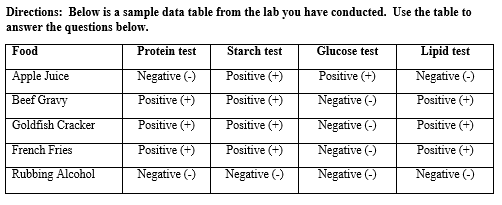

 Weighted Assessment Two (15%): Nutrients & Money Management2.2 Study Guide [ 2.2 Sequence Assessment 1/21 and 1/22] Ecosystems and Ecological Relationships Invasive Species ● An invasive species is a plant, animal, or organism that is not native to a specific area and causes harm to the environment or human health. Why are they harmful? Invasive species often outcompete native species for food, water, and space. They can spread quickly because they lack natural predators in the new environment. What is their impact on the ecosystem? Invasive species can reduce biodiversity by pushing native species to extinction or by changing the habitat in which native species live. Biodiversity and Its Importance to Ecosystems Biodiversity refers to the variety of life in a specific area, including different species of plants, animals, and microorganisms, and the ecosystems they form. ● Stability: Biodiversity makes ecosystems more resilient to changes such as climate change, diseases, and natural disasters. ● Food chains and webs: A greater variety of species means more sources of food for different animals, helping maintain a balanced food web. For example, a forest with many species of plants and animals can recover from a drought more easily than a forest with fewer species. Predator-Prey Relationships In a predator-prey relationship, one organism (the predator) hunts and eats another organism (the prey). The predator benefits by getting food, while the prey loses its life.The population sizes of predators and prey are often linked. If there are more prey, the predator population may grow, but if too many predators eat the prey, the predator population will decrease. This relationship can be shown in the graph below. ● For example: Lions hunt zebras for food. When there are many zebras, lions have more food and their population can grow. However, if too many lions eat the zebras, the zebra population can decrease. Predator-prey relationships help keep animal populations balanced, preventing one species from becoming too numerous and harming the environment. Ecological Relationships There are several types of relationships between organisms in an ecosystem. These include commensalism, parasitism, and mutualism. Commensalism In commensalism, one organism benefits from the relationship while the other is neither helped nor harmed. An example would be Barnacles and Whales. Barnacles attach to the skin of whales. The barnacles get access to nutrient-rich water while the whale swims, but the whale is not affected by their presence. Parasitism In parasitism, one organism (the parasite) benefits at the expense of the other organism (the host), which is harmed. For example, fleas live on dogs and feed on their blood. The fleas benefit, but the dog may suffer from itching, infections, or even anemia. Another example are tapeworms and humans. Tapeworms live in the intestines of humans and absorb nutrients, leaving the human host malnourished. Mutualism In mutualism, both organisms benefit from the relationship. An example would be bees and flowers: Bees collect nectar from flowers to make honey, while helping the flowers by transferring pollen, which helps them reproduce.• Landscape management A landscape is the evident factor of a land, its landforms, and the combined features of natural or artificial elements. Landscape management includes maintenance and integration of physical elements, water bodies, land cover, indigenous vegetation, human elements, such as structures and buildings, and climatic conditions. • Soil Preparation In the list of farming practices, soil preparation is placed second because of its importance for seed germination. Before a crop is grown, the soil is leveled and plowed a bit deeply to prepare it for the sowing of seed. After plowing, the soil loosens and develops proper aeration in the soil. • Sowing Seed selection from good quality varieties is the principal step of sowing. After preparing the soil, seeds are spread over the field, called sowing. Manual and mechanical (seeders) methods of sowing can be used. Some plants, such as rice, are first grown as seedlings in a small space and later transplanted to fields. • Manuring Plants need nutrients for their growth and fruit/seed production. Therefore, nutrients must be consumed at even intervals. Fertilization is the stage at which nutrients are introduced into the lands. These nutrients can be natural manure or artificial fertilizers. Decomposed products and waste of plants and animals are used as manure because of their nutrient richness. • Irrigation Irrigation means supplying water to plants. Water sources can be dams, ponds, wells, canals, etc. Excessive irrigation can damage crops and lead to waterlogging. The irrigation interval and frequency must be monitored, as they vary with the crop. • Weeding Unwanted plants grown alongside field crops are known as weeds. These plants are removed with the help of weed killers (weedicides), manually plucking with hands. Several weeds can be removed with better soil preparation techniques. • Integrated Pest Management • IPM – Integrated Pest Management, is a successful and ecologically sensitive technique to manage pests using combined sustainable practices. IPM is a series of methods including pest assessment, decision, and control techniques • Integrating Crops and Livestock Integrating crops and livestock increases the diversity and environmental sustainability of both sectors. In the meantime, it will offer opportunities to increase overall agricultural production and profitability. • Storage/Selling In the end steps of agricultural practices, the resulting grains are stored in warehouses for later use and selling purposes. Therefore, better plant protection methods must be used to protect grains from rodents and insect pests. The stores should be cleaned, dried, well-fumigated, etc., before storing grains. • Harvesting Among steps of farming practices, harvesting needs significant care otherwise it will result in yield reduction. When the crop reaches maturity, the cutting starts, and the produce will be stored in a dry place. This process is known as harvesting. After harvesting, manual or mechanical thrashing is done to separate grains from the plants.Nutrición animal: Part 1: Nutrition Foundations Scope & Role of the Veterinary Technician in Nutrition Nutritional Terminology & Key Definitions Nutrient Classes — Overview & Functions Energy Terminology — DE, ME & Caloric Density Reading Pet Food Labels — Guaranteed Analysis & Ingredients AAFCO Standards & Nutritional Adequacy Statements Life Stage Feeding — Growth, Maintenance & Senior Body Condition Scoring — Dogs & Cats Muscle Condition Scoring — Principles & Application Nutritional History Taking & Dietary AssessmentCreate me a multiple choice test questions with 4 options on the following topic:Consumer Education for Different Audience 1. Children and Youth: - Focus: Building foundational knowledge about basic consumer concepts, making safe choices, understanding money and value, and recognizing scams and unsafe situations. 2. Teens and Young Adults: - Focus: Building financial literacy, responsible debt management, understanding contracts and agreements, responsible technology use, online safety, and consumer rights. 3. Working Adults and Families: - Focus: Managing budgets, making informed purchasing decisions, understanding credit and debt, finding consumer protection resources, and navigating complex financial products (mortgages, insurance, investments). 4. Seniors: - Focus: Protecting themselves from scams and fraud, understanding common consumer issues like telemarketing, identity theft, and online scams, managing medications and healthcare costs, and accessing community resources. 5. Special Populations: - Focus: Adapting consumer education programs to the specific needs of people with disabilities, immigrants, refugees, and other marginalized communities. 6. Business and Industry:- Focus: Understanding ethical marketing practices, complying with consumer protection laws, and providing clear and accurate information to consumers. 7. Policymakers and Regulators: - Focus: Understanding consumer needs, developing effective consumer protection laws, enforcing regulations, and ensuring a fair and competitive marketplace. Adapting consumer education programs for children, teens, and seniors requires tailoring content and delivery methods to their unique needs and learning styles. Children (Ages 5-12): - Understanding the concept of money: Teaching children about saving, spending, and the value of money. - Developing basic budgeting skills: Helping children learn to make choices about how to spend their allowance or pocket money. EFFECTIVE STRATEGIES •Focus on basic concepts: Introduce core concepts like saving, spending, and budgeting in a fun and engaging way. Use simple language and relatable examples. •Real-life scenarios: Use age-appropriate scenarios to illustrate financial concepts, like buying toys or snacks. •Parental involvement: Encourage parent participation and provide resources to help them reinforce lessons at home. Teens (Ages 13-18): - Building budgeting and financial planning skills: Teaching teens how to manage their money, set financial goals, and plan for the future. - Navigating the digital marketplace: Equipping teens with the knowledge and skills to make safe and informed online purchases, understand digital marketing, and protect themselves from scams. EFFECTIVE STRATEGIES • Practical skills: Focus on skills relevant to teens, like managing money for social activities, saving for college, and understanding credit cards. • Digital literacy: Address the growing influence of online shopping, social media advertising, and financial scams. • Real-world applications: Connect financial concepts to real-life decisions teens make, like choosing a part-time job or making purchases online. Seniors (Ages 65+) - Managing retirement savings and healthcare costs: Providing information and resources on retirement planning, Medicare and Medicaid, and other healthcare options. - Navigating the digital world: Offering technology training and resources to help seniors access online services and information safely and securely. EFFECTIVE STRATEGIES • Addressing specific concerns: Focus on topics relevant to senior citizens, like retirement planning, managing healthcare expenses, and avoiding scams. • Clear and concise communication: Use simple language and visual aids to ensure easy understanding. • Social interaction: Create opportunities for seniors to share experiences and learn from each other. Teaching Financial Literacy in school and Communities In Schools: Curriculum Integration: Financial literacy concepts can be seamlessly integrated into existing subjects, making learning more relevant and engaging. - Math: Budgeting exercises, calculating interest rates, analyzing financial data, and understanding compound interest are all natural applications of math skills. - Social Studies: Exploring the history of money, financial institutions, economic systems, and the impact of financial decisions on society provide valuable context. - Economics: Discussions about supply and demand, inflation, investment, and the role of consumers in the economy enhance financial literacy. Dedicated Courses: Offering elective courses or workshops specifically focused on personal finance provides deeper dives into crucial topics. - Personal Finance: Cover budgeting, saving, investing, credit, debt management, and insurance. - Entrepreneurship: Introduce concepts like business planning, marketing, financial forecasting, and managing cash flow. In Communities: Community Centers and Libraries: Workshops, seminars, and classes tailored to adults and families provide accessible learning opportunities. - Financial Planning: Cover budgeting, retirement planning, debt management, and estate planning. - Homeownership: Provide guidance on buying, selling, and maintaining a home. - Consumer Protection: Educate individuals about their rights and how to avoid scams. Partnerships with Financial Institutions: Collaborations with banks, credit unions, and financial advisors offer valuable resources, workshops, and financial literacy programs. Consumer Education for Low-Income and Vulnerable Populations Low-income refers to individuals or households with limited financial resources, typically below a certain threshold. Low-income individuals may face challenges like: 1. Limited education and job opportunities 2. Poor living conditions and housing 3. Food insecurity and malnutrition Causes of low income: 1. Unemployment or underemployment 2. Low-paying jobs or minimum wage 3. Limited education or skills 4. Single parenthood or large family size Vulnerable population'' is a term that is used to describe a group of people who possess some sort of disadvantage. elderly people, people with low incomes, homeless people, people in prison, migrant workers, pregnant women, Family Consumer Education: Managing Household Finances and Resources Financial literacy is the ability to understand and manage personal finances effectively. 1. Debt Debt is money you spend that isn’t yours. If you borrow money from the bank, use a credit card, or take out a short-term loan, or a payday loan, you are accumulating debt. Good debt is considered money borrowed for things that are absolutely necessary for making a life e.g. a house and for advancing your money-making potential e.g. an education. Bad debt is considered borrowing money or using a credit card to pay for things you don’t need, such as expensive clothes, hi-tech electronics, eating out at restaurants, going on holidays, etc. 2. Saving Saving is an essential part of financial wellness, a secure present, and a happy future. 3. Budgeting Budgeting is the life skill of planning and managing your money. By understanding exactly where your money goes every month, you are empowered to create an actionable plan by which you can spend less, by curtailing those unnecessary expenses and saving more for the things you need and want. 4. Investing Investing is all about creating and growing the wealth you need to enjoy a financially secure and happy future. It’s about putting your money into something that will make you a profit over time, such as property, retirement funds, and unit trusts Integrating Consumer Education into the Home Economics Curriculum. Integrating consumer education into the home economics curriculum can provide students with essential skills for making informed choices about their personal finances, food, clothing, and overall well-being. Here are some strategies and ideas for effectively incorporating consumer education: Financial Literacy Budgeting: Teach students how to create and manage a personal budget, including setting financial goals, tracking expenses, and understanding savings. Saving and Investment: Cover the basics of saving, including different saving accounts, and introduce concepts related to investing. Food and Nutrition Food Label Literacy: Engage students in learning how to read and interpret food labels, including nutrition facts and ingredient lists. Grocery Shopping Skills: Teach students how to compare product costs, understand unit pricing, and make healthy, budget-friendly choices while shopping. Clothing and Textile Education Consumer Choices in Clothing:Discuss factors influencing clothing purchases, such as quality, price, and sustainability. Fashion and Trends: Analyze the impact of marketing and advertising on consumer behavior regarding clothing. Sustainable Purchasing Eco-Friendly Choices: Raise awareness about environmentally friendly products and the importance of sustainability in consumer choices. Project-Based Learning - Assign real-life projects where students must apply their knowledge, such as creating a meal plan within a budget, planning a shopping list based on nutrient needs, or evaluating the cost-effectiveness of different products. Technology Integration - Use technology to teach students about online shopping, price comparison websites, and apps that aid budgeting and financial planning. Collaborative Learning Opportunities - Organize team projects where students work together to solve consumer-related problems, emphasizing teamwork and communication skills. Assessment and Reflection - Incorporate assessments that allow students to reflect on what they have learned about consumer education and how they can apply these skills in their daily lives. nutrientsNutrients and food groups Nutrients & Nutrition in Humans