Tag the questions with any skills you have. Your dashboard will track each student's mastery of each skill.
Give this quiz to my class
Q 1/18
Score 0
In the case of measuring distances in space, not even kilometers are practical to use. In order to measure “local” distances, those inside our solar system, we use
30
Quadrants
Solstices
Light-years
astronomical units (AU's)
Q 2/18
Score 0
Represents periods of equal day and night
30
solstice
vernal
equinox
quadrant
18 questions
Q.
In the case of measuring distances in space, not even kilometers are practical to use. In order to measure “local” distances, those inside our solar system, we use
1
30 sec
Q.
Represents periods of equal day and night
2
30 sec
Q.
When does the Autumnal (fall) equinox occur in the northern hemisphere?
3
30 sec
Q.
On what day do we get the longest period of daylight?
4
30 sec
Q.
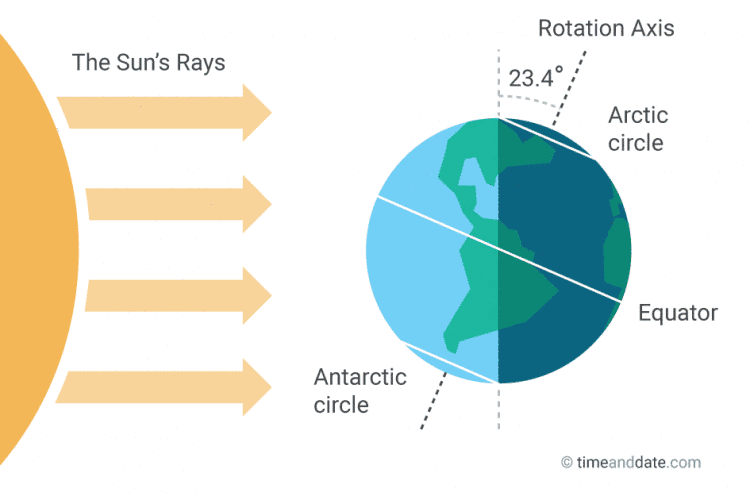
In the northern hemisphere, the image above represents
5
30 sec
Q.
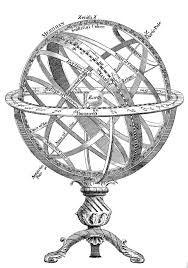
Which of the following statements are true of the Geocentric Model of our solar system?
6
30 sec
Q.
Who proposed the Heliocentric model of space?
7
30 sec
Q.
In the Geocentric model, the outermost stars did not move as they were thought to be attached to the outermost sphere called the ...
8
30 sec
Q.
What is the name for the device that tells the time of day by the position of the Sun?
9
30 sec
Q.
The name for an instrument that is used to measure angles up to 90°
10
30 sec
Q.
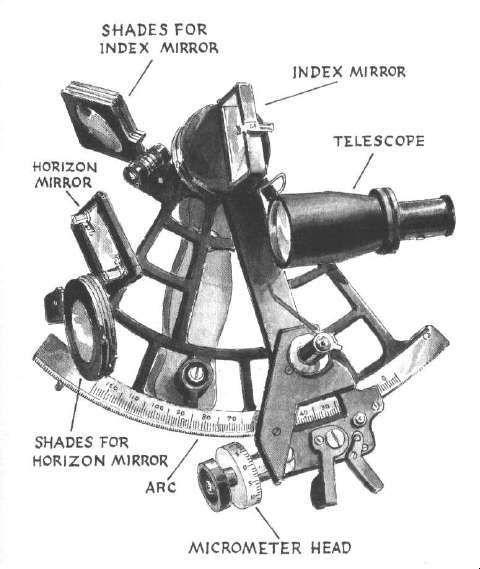
What is the name of the astronomers tool shown in the picture?
11
30 sec
Q.
The name for the tool for measuring the angular altitude of a star above the horizon, which was usually the sun ...
12
30 sec
Q.
A light year can be described as...
13
30 sec
Q.
The orbits of our planets around our sun can be described as
14
30 sec
Q.
In the 1920’s two scientists began comparing the surface temperature of stars with the star’s luminosity. They graphed their results in what is referred to as the …
15
30 sec
Q.
A star is a hot, glowing ball of what type gas?
16
30 sec
Q.
In the Hertzsprung-Russel diagram very hot stars look...
17
30 sec
Q.
Groupings of stars we see as patterns in the night sky are referred to as...