Loading...

Our Planet the Earth
Quiz by Teacher Natalia
Customize this quiz to suit your class
Instantly translate to 100+ languages
Tag the questions with any skills you have. Your dashboard will track each student's mastery of each skill.
Give this quiz to my class
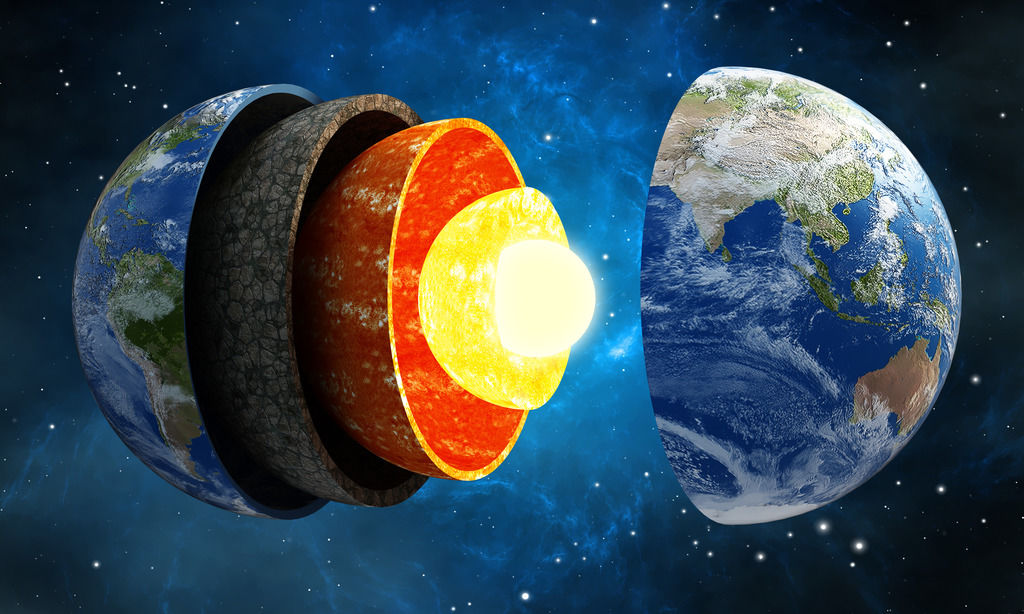
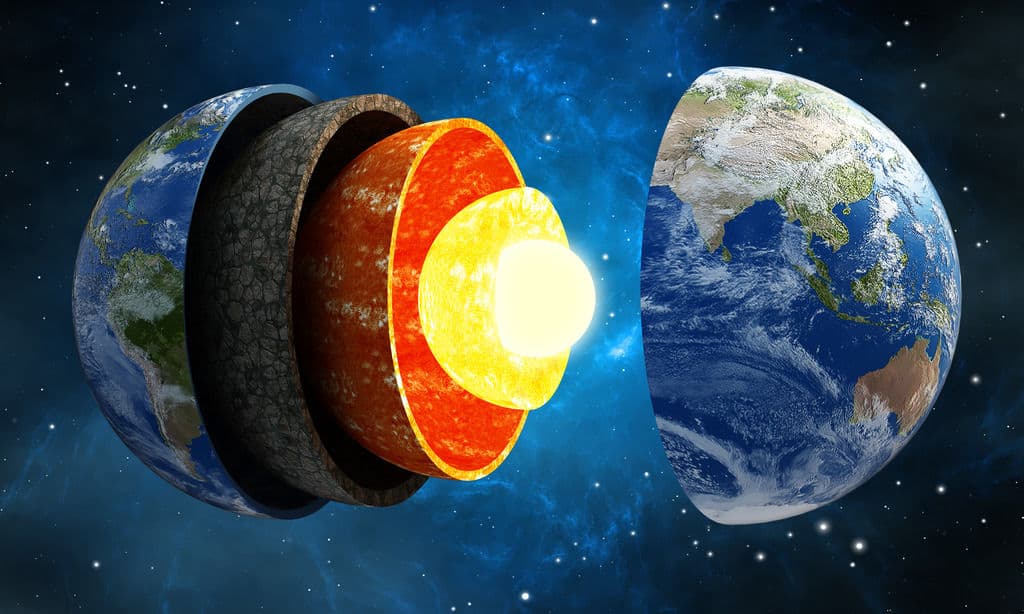
The Earth is made of............layers
three
four
five
seven
It is formed by continents, the islands, the bottom of the seas and everything below them, up to the centre of the Earth
Atmosphere
Hydrosphere
Geosphere
Crust
The Earth is made of............layers
It is formed by continents, the islands, the bottom of the seas and everything below them, up to the centre of the Earth
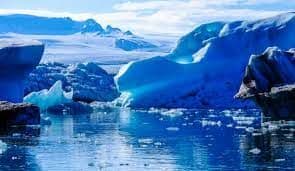
It's the total amount of water of the Earth
It's the layer of air that surrounds the Earth

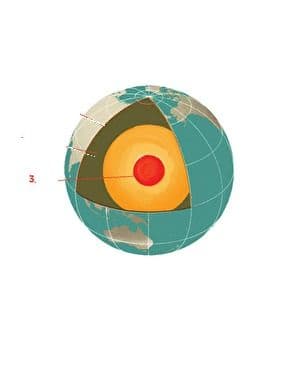
What is this layer of the Geosphere?

What is this layer of the Geosphere?
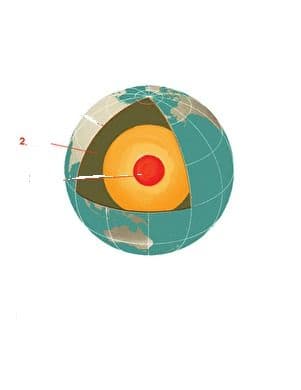
What is this layer of the Geosphere?
They are made up of a single component.
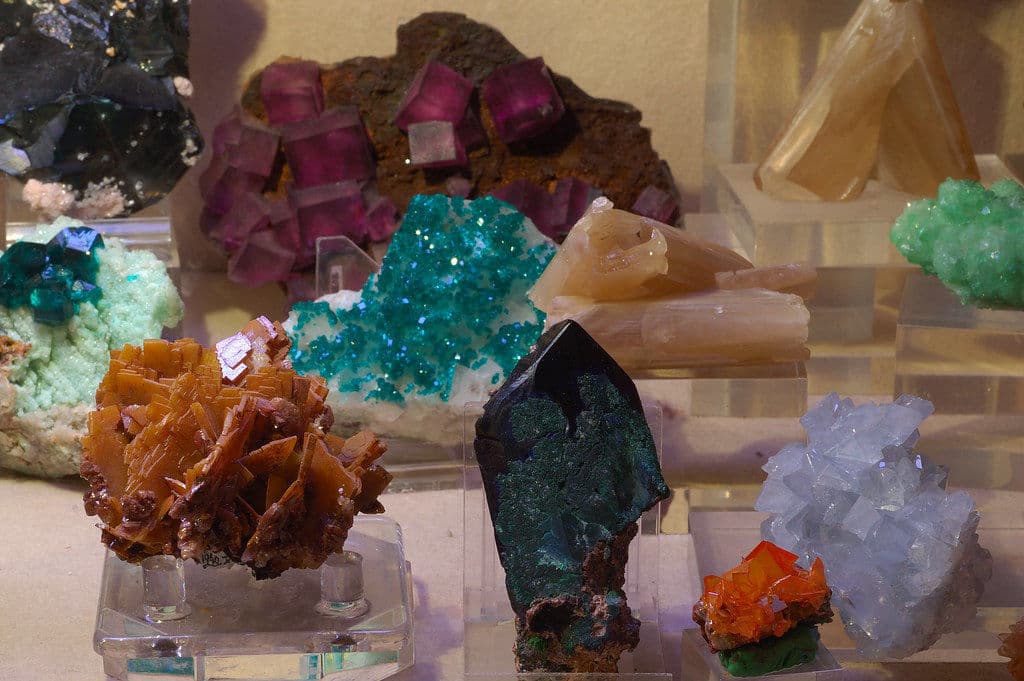
They are made up of many minerals
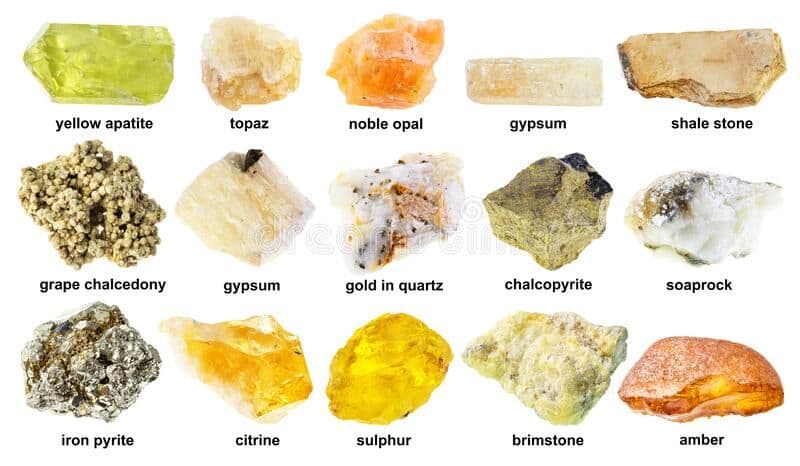
We use slate ....

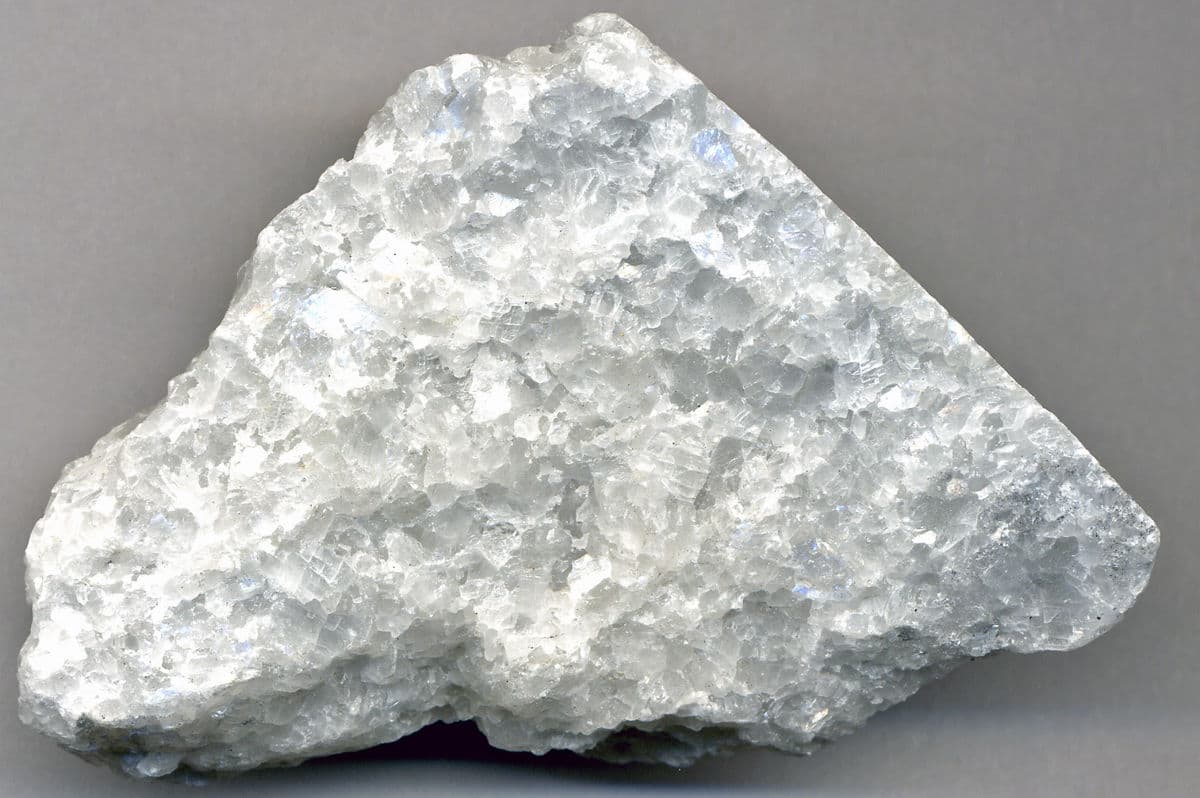
We use marble ....
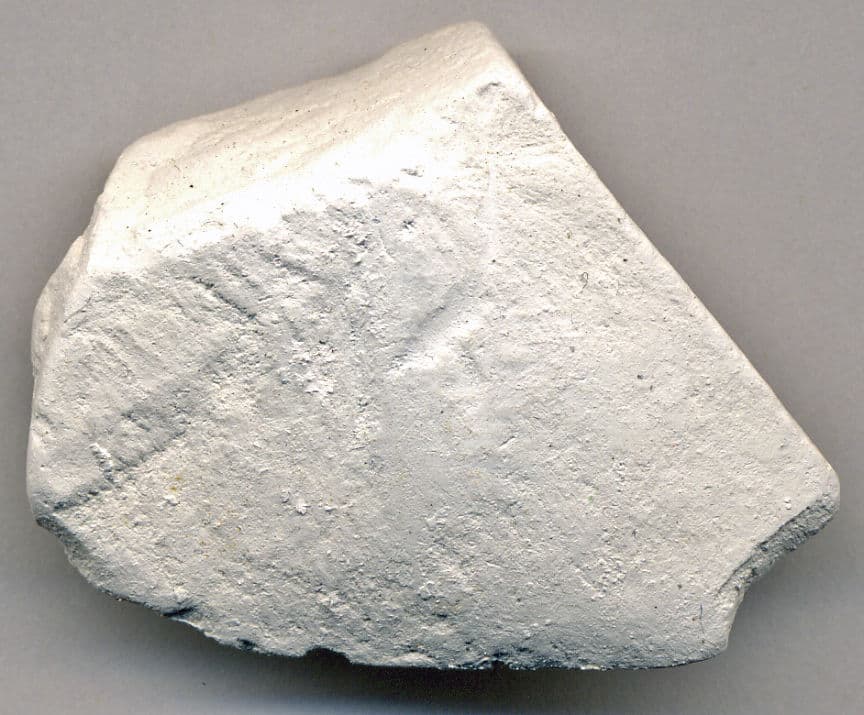
We use chalk....
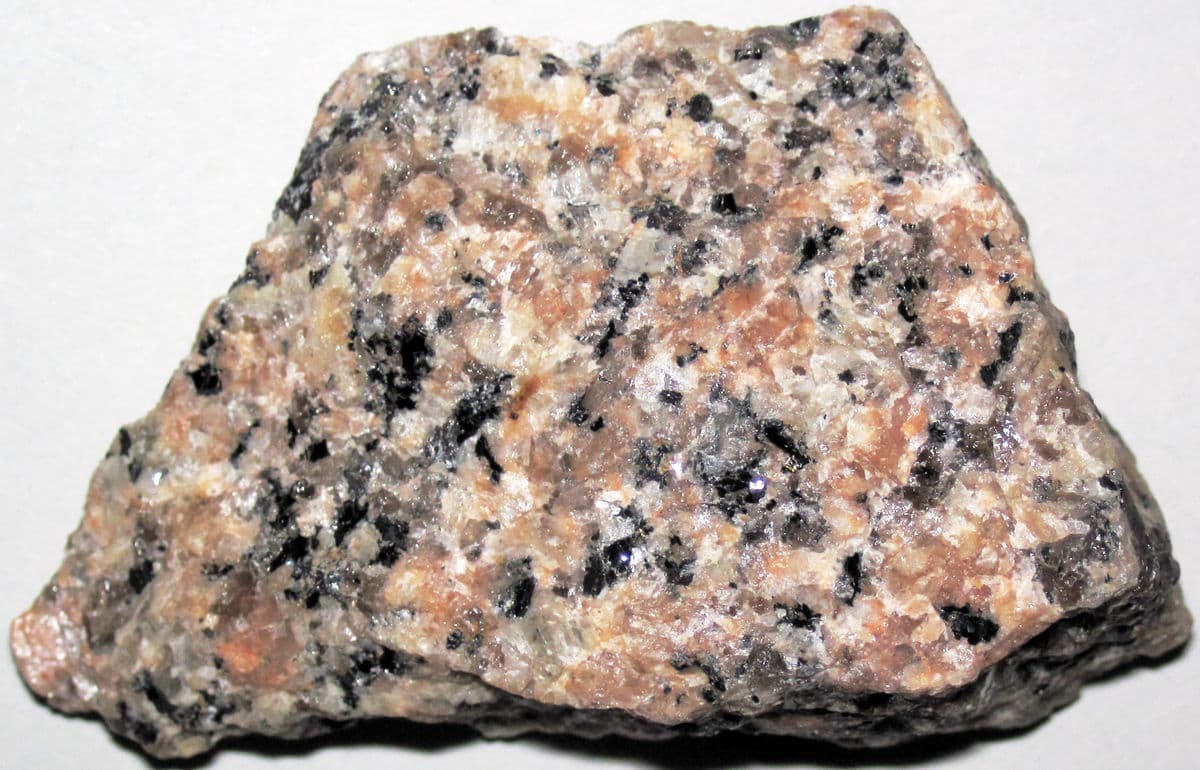
We use granite....
What stage of the water cycle is it?
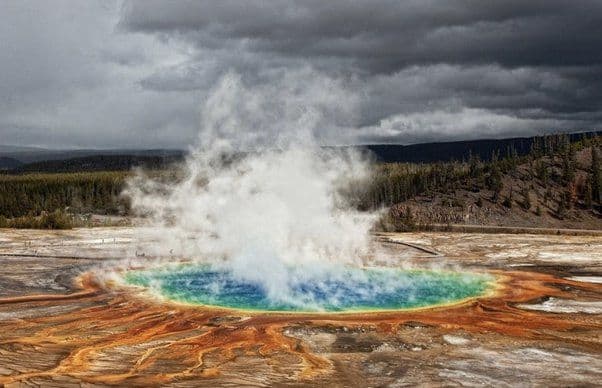
What stage of the water cycle is it?
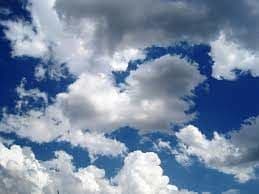
What stage of the water cycle is it?
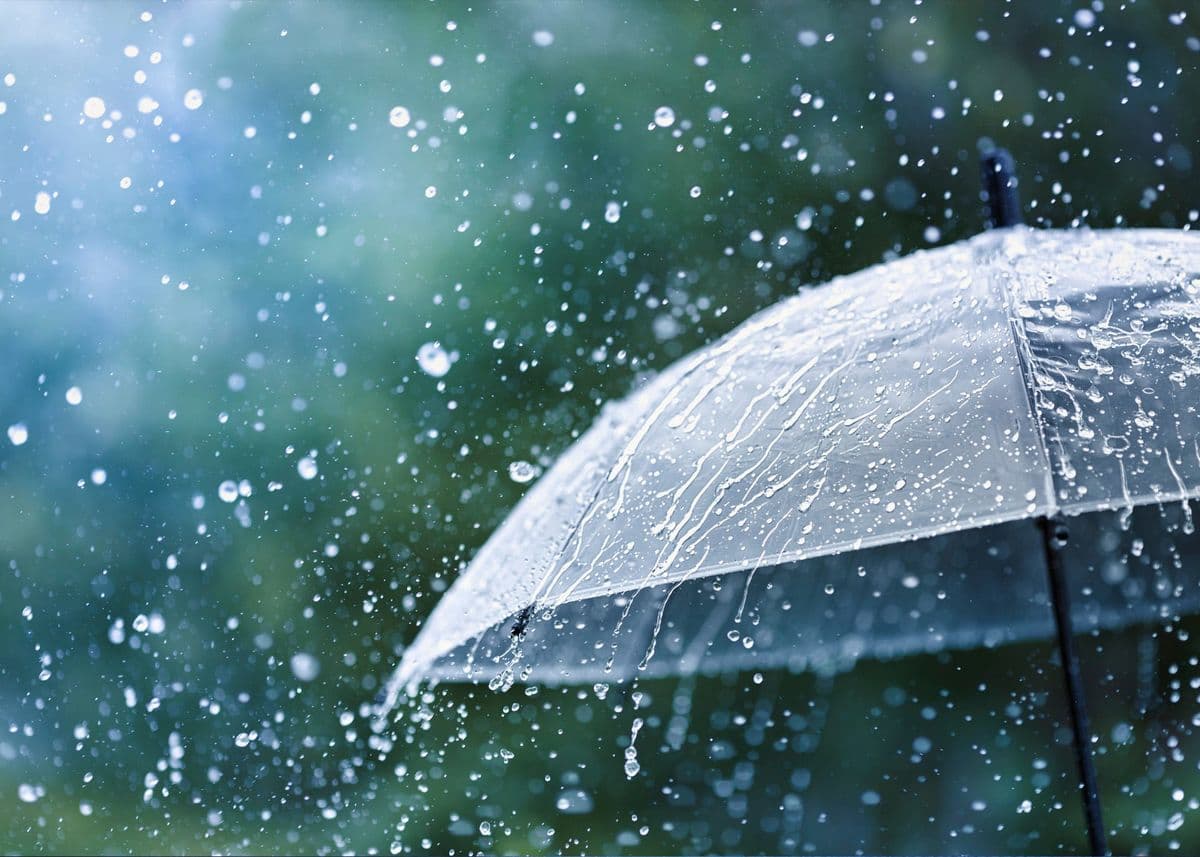
What stage of the water cycle is it?
What do you use water for?
What do you use water for?
What do you use water for?
What do you use water for?

What gases is the atmosphere made up of?
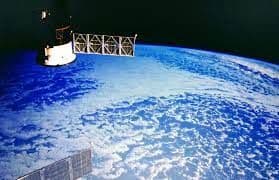
What gas is released into the atmosphere when we burn fossil fuels?
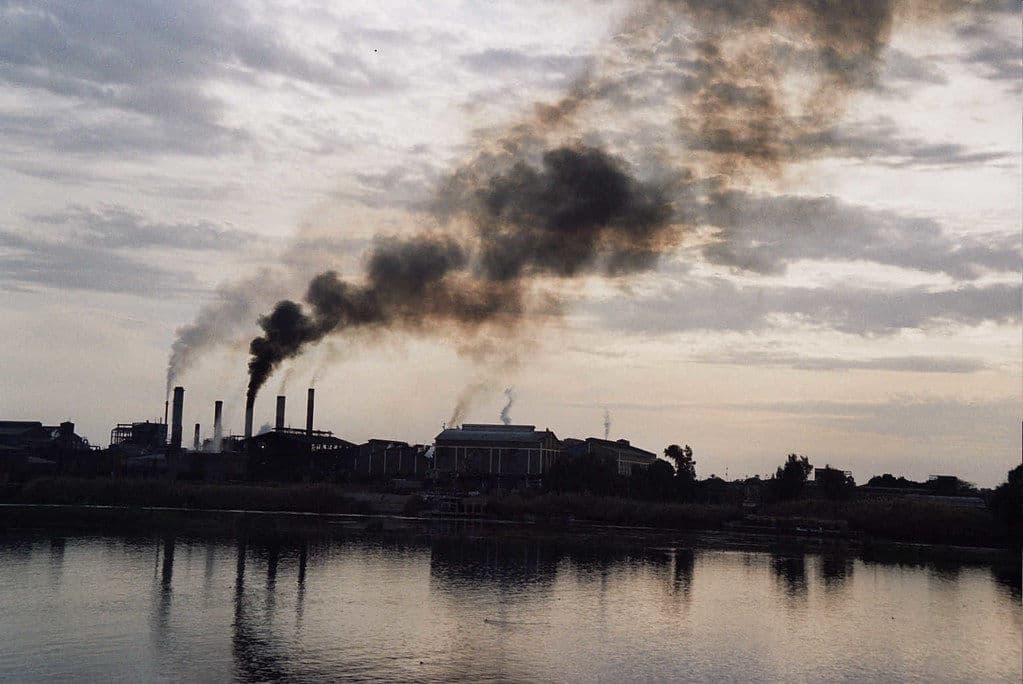
What can you do to reduce your carbon footprint?
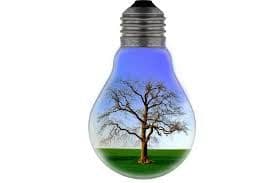
What can you do to reduce your carbon footprint?

What can you do to reduce your carbon footprint?

What can you do to reduce your carbon footprint?
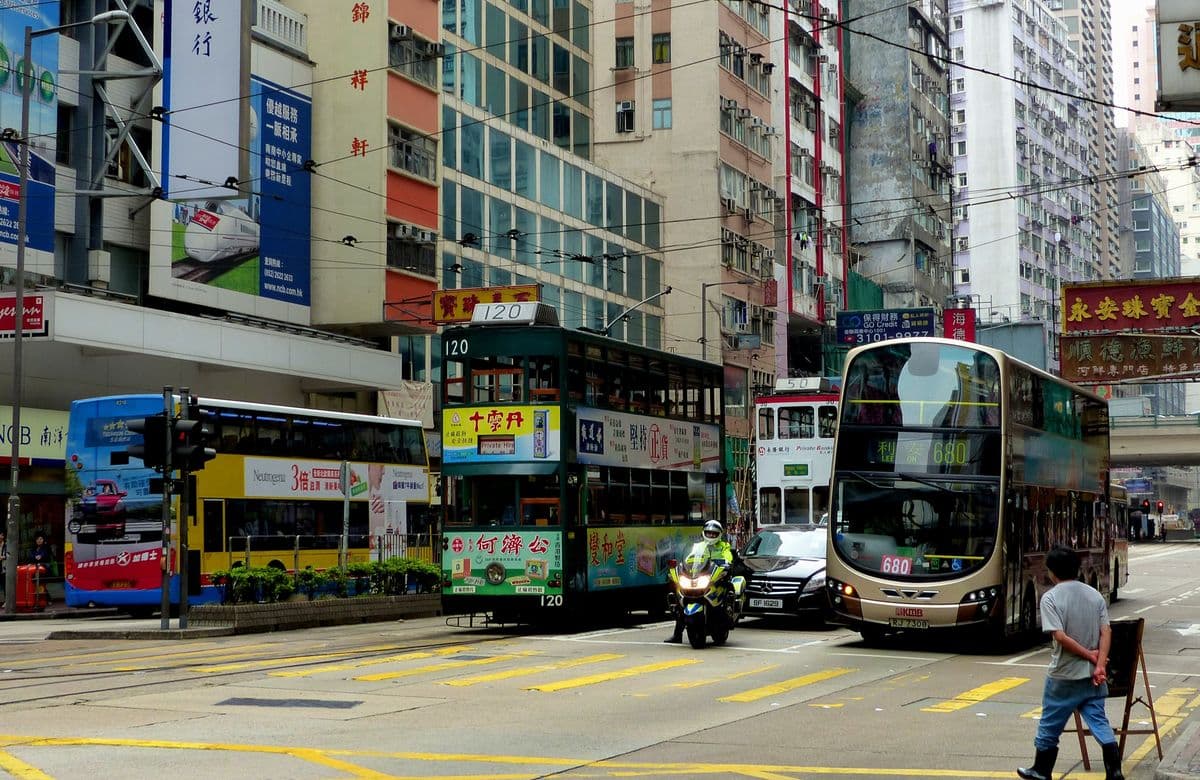
 The Blue Planet Earth is called the Blue Planet. Do you know why? The Earth looks blue from space because there is water on 70% of our planet. Sometimes there are storms over warm ocean water. These are hurricanes. The wind is very strong, and it blows in a circle. North of the equator, hurricane winds blow counterclockwise. South of the equator, the winds blow clockwise. Hurricanes form at the equator. It is very rainy and moist there. There are many different animals and beautiful plants. Lesson 1: Why is the interior of the Earth hot? The interior of Earth is very hot (the temperature of the core reaches more than 5,000 degrees Celsius) for two main reasons: . The heat from when the planet formed, . The heat from the decay of radioactive elements. The Earth was formed by the process of accretion. After the creation of our solar system, meteorites gravitationally attracted each other and formed bigger objects, which attracted bigger masses, until our planets reach their current size. This process accumulated a lot of heat; when two objects collide, heat is generated. That is why your hands will get hot when you clap them for too long, or a nail gets very hot when you hammer it for a long time. This heat has not dissipated totally and represents about 10% of the total heat inside the Earth. The main source of heat is the decay of radioactive elements. Radioactive decay is a natural process; unstable elements like 238U (Uranium) or 40K (Potassium) stabilize with time and produce what we call daughter products: 206P (Lead) for Uranium and 40Ar (Argon) for Potassium. This process produces heat, which represents about 90% of the total heat inside the Earth. Lesson 2: How Magma Forms Magma is a molten and semi-molten rock mixture found under the surface of the Earth. This mixture is usually made up the of four parts: hot liquid base, called a melt; minerals crystallized by the melt; solid rocks incorporated into the melt from the surrounding confines; and dissolved gases. When magma is ejected by a volcano or other vent, the material is called lava. Magma that has cooled into a solid isMake a multiple choice quiz for my year 8 science students based on the science in this transcript from a video: 3°C 0:04 It can be the difference between snow and sleet 0:08 Wearing a jacket or not 0:11 In your day-to-day life, it may not seem significant 0:15 But 3°C of global warming would be catastrophic 0:20 Heatwaves, droughts, extreme precipitation, even fire 0:25 3°C of warming is really disastrous 0:28 The scary thing is, the world is well on its way there 0:32 Since the industrial revolution, the Earth has warmed between 1.1°C and 1.3°C 0:40 This is a problem that babies you pass in the street will have to live with 0:46 Children born today... 0:47 ...are up to seven times more likely to face extreme weather than their grandparents 0:52 If global temperatures do rise by 3°C... 0:55 ...what would their world look like? Climate change is already having devastating effects 1:03 Rising sea levels 1:05 Desertification 1:07 Hollywood has always enjoyed imagining the end of the world 1:11 While blockbusters like this are clearly fiction... 1:14 ...this film will show the scenario we all face... 1:17 ...unless more drastic measures are taken to stop burning fossil fuels 1:30 In some parts of the world the effects of inaction are already clear 1:35 The slums of Bangladesh’s capital are filling up with climate migrants 1:41 Minara comes from Bhola District, an area in southern Bangladesh 1:46 There, like many other parts of the country... 1:49 ...rivers swollen by heavier rain and melting Himalayan glaciers... 1:53 ...are washing away people’s homes 1:56 Many, like her, have lost everything 2:00 Our home in Bhola had endless amounts of land 2:03 There was lots of space for farming, we had a spacious house 2:08 There were different types of fruits, vegetation and trees growing at home 2:12 We used to eat the fruit from our own trees 2:18 I can’t eat them now because they don't exist anymore 2:21 Since the river flooded for the third time, I had to flee to Dhaka 2:26 Life was much better back home 2:29 It was unbearable to live through, truly intolerable 2:33 We didn’t have the time to save anything at all 2:38 1.1°C to 1.3°C of global warming has already transformed Minara’s life 2:45 It’s one of the reasons why so many migrants like her... 2:47 ...are moving to the city each year... 2:50 ...nearly 400,000 according to the last estimate 2:53 And climate models show there could be much worse to come How climate modelling works 3:02 Climate scientist Joeri Rogelj... 3:04 ...has spent the last ten years modelling future climate scenarios... 3:08 ...for the United Nations 3:10 The models we use to carry out this exercise... 3:13 ...really represent the state of the art... 3:15 ...of our current knowledge of climate change and where we are heading 3:19 Joeri’s projections use data collected by hundreds of scientists around the world 3:26 Here this is the 3°C level... 3:28 ...and so there is at least a one-in-four chance that under current policies... 3:32 ...we would hit 3°C by the end of the century 3:36 This is just one of the scenarios Joeri looks at 3:40 Another one imagines that all policy promises are kept 3:44 The most optimistic assumes that all promises have been kept... 3:47 ...and net-zero targets are met 3:50 Where our best estimate ends up around 2°C at the end of the century... 3:54 ...there is still a one-in-20 chance that we end up with 3°C instead 3:59 One would not be entering a plane if there is a one-in-20 chance... 4:03 ...that the plane will crash Nowhere is safe from global warming 4:07 A rise of 3°C would affect everyone 4:10 Even wealthy cities in rich countries wouldn’t be immune to the consequences 4:15 European capitals like Paris and Berlin... 4:18 ...would bake under more extreme heatwaves 4:22 Frequent storm-surges in New York could turn parts of the city desolate 4:27 In many ways, cities magnify, intensify climate events 4:33 Cities are hotter than the places around them... 4:36 ...they tend to be more vulnerable to flooding 4:39 And you can get a really bad event in a city in a way that you can’t in the countryside 4:46 And because of their denser populations... 4:49 ...disasters in a city affect far more people 4:52 Some cities might be badly prepared for the changes coming 4:56 But they have the means to adapt 4:59 Cities tend to be wealthier than surrounding places 5:03 They have a lot of amenities 5:05 A city that has taken seriously the risks of a 3°C world... 5:08 …wouldn’t necessarily be a worse place to be in a 3°C world 5:12 But a city that hasn’t prepared for these sort of eventualities... 5:16 ...that might be a really nasty place The impact of prolonged droughts 5:20 So far, many developed cities have got off lightly... 5:24 ...but some rural parts of the world are suffering disproportionately 5:29 Smallholders—small-scale farmers—are particularly vulnerable to climate change 5:35 And there are over 600 million around the world 5:38 Smallholders with farms under two hectares... 5:40 ...produce around a third of the global food supply 5:46 Central America’s “Dry Corridor”... 5:48 ...supports a mix of smallholdings and medium-sized farms 5:53 Sandwiched between the Pacific Ocean and the Caribbean Sea... 5:56 ...the area is prone to droughts 6:08 Israel Ramírez Rivera is a smallholder in Guatemala 6:12 Here, climate change is making the dry seasons longer, and more severe 6:18 This is the biggest ear of maize that this plot could deliver 6:23 He depends on his crops of corn and beans 6:26 But they’re getting harder to grow 6:30 The surrounding mountains... 6:32 ...used to provide us with native food... 6:38 ...and now that isn’t an option anymore... 6:41 ...due to climate change and its effects 6:46 Nearly two-thirds of the smallholders in the Dry Corridor now live in poverty 6:52 The impact of all of this for us... 6:59 ...malnutrition among children 7:03 We’ve lost a few 7:07 For my crops especially, the midsummer heat is harder than before 7:16 The plant dries up and can’t provide us... 7:19 ...with the necessary food provision 7:24 Severe droughts in Central America... 7:26 ...are now four times more likely than they were last century 7:30 Many families from here have gone to the States 7:37 The economic despair and debts... 7:44 ...have pushed many people from this community to do this journey 7:53 Migration from Guatemala to the United States has quadrupled since 1990 7:59 Not all of this has been due to climate change 8:02 But longer droughts would force even more to move 8:05 In a 3°C world, annual rainfall in this region... 8:09 ...could drop by up to 14% 8:12 At 3°C, over a quarter of the world’s population... 8:16 ...could endure extreme droughts for at least a month of the year 8:19 Northern Africa could see droughts that last for years at a time Rising sea levels, storm surges and flooding 8:24 But for some, too much water will be the problem 8:29 10% of the world’s population lives on a coastline... 8:32 ...that’s less than 10 metres above sea level 8:35 For these coastal inhabitants, a 3°C world would spell disaster 8:40 By 2100, global sea levels could have climbed by half a metre from 2005 levels 8:46 Low-lying cities like Lagos would be especially vulnerable... 8:49 ...with up to up to a third of the population displaced 8:54 And in Fiji, rising waters are already upending lives 9:04 You can see the graveyard there, it’s all under water now... 9:08 ...due to this rising sea level and climate change 9:15 The village of Togoru in Fiji is being swallowed by the sea 9:19 Barney Dunn, the village headman, has seen over half the village disappear 9:24 Relatives’ houses have been abandoned, and family graves are now under water 9:29 We have been asked by the government to relocate... 9:32 ...but no one wants to relocate... 9:34 ...because we have our great-great-grandparents down there in the sea 9:39 This is the place we’ve been brought up in 9:41 ...it’s not easy to leave 9:44 Past attempts to build a seawall haven’t worked 9:48 But Barney sees building a new one as the village’s only hope 9:52 If they do that, maybe we can save whatever is left 9:56 But if we don’t have the seawall, then it will be keep eroding and time will come... 10:01 ...maybe in ten,15 years, Togoru will be all eroded 10:05 Rising seas also mean storms cause more floods 10:11 And many more countries could suffer 10:14 The Philippines and Myanmar are just two countries... 10:17 ...that will also see an increase in storm surges in a 3°C world 10:21 To escape, many will move… 10:24 …often, to urban areas Extreme heat and wet-bulb temperatures 10:27 Half the world’s population already lives in cities... 10:31 ...almost a third in slums 10:36 For them, a 3°C world could be deadly 10:40 Minara has moved to Dhaka to escape the impact of climate change 10:44 But life could get even worse for her 10:47 I’m struggling a lot nowadays 10:49 The heat during the day is unbearable 10:52 Even late at night it doesn’t cool down 10:57 The heat is getting more intense every day 10:59 I mean, it’s going to get much worse 11:03 I can barely survive it now, how will I live through it in the future? 11:08 Dhaka is getting hotter 11:11 In the last 20 years the average daytime temperature... 11:13 ...has crept up by nearly half a degree 11:17 Days that approach 40°C are now being reported 11:20 And high so-called wet-bulb temperatures are on the rise 11:26 A wet-bulb temperature is a measure of heat and humidity 11:30 Humans cool themselves by sweating… 11:32 But in these conditions, when relative humidity is near 100%... 11:36 ...sweat doesn’t evaporate well 11:38 So people can’t cool down… 11:41 ...even if given unlimited shade and water 11:45 At a high wet-bulb temperature, the body can’t lose heat... 11:49 ...and so it gets hotter and hotter... 11:51 ...and the body is designed to work at a given temperature 11:53 And if it gets too hot inside, you will die 11:58 The human limit for wet-bulb temperatures is 35°C... 12:02 ...around skin temperature 12:04 Dhaka will have a much higher chance... 12:05 ...of reaching dangerous wet-bulb temperatures... 12:07 ...if global warming reaches 3°C 12:12 You can’t really adapt to that 12:14 You have to get out. If the temperature is so high that you can’t work... 12:20 ...can’t do hard manual labour outside for significant parts of the year... 12:25 ...then many places will become functionally no longer part of the economy 12:33 Jacobabad in Pakistan, and Ras al Khaimah, in the United Arab Emirates... 12:37 ...have already recorded deadly wet-bulb temperatures 12:40 More of the tropics and the Persian Gulf... 12:43 ...as well as parts of Mexico and the south-eastern United States... 12:47 ...could all get to this threshold by the end of the century 12:50 Climate modelling might show us the weather Increased migration and conflict 12:52 But it doesn’t show us its other effects on society 12:56 Established migration patterns could change 12:59 Climate disasters may exacerbate reasons people cross borders 13:03 Within countries, more people will move to cities 13:07 In a 3°C world, tens of millions of people a year... 13:10 ...could be displaced by disasters made worse by climate change 13:15 When people are displaced by climate... 13:18 …they may well go to cities... 13:19 ...because cities are the places that attract people from the countryside already 13:25 A lot of people who can get to the developed world... 13:28 ...not least because the developed world tends to be less hot, will give that a go 13:35 As migration around the world increases... 13:38 ...there could be more competition for fewer resources 13:42 Water—already a highly contested resource—will be a focal point 13:47 Turkey’s new Ilisu dam has reduced the flow of water into Iraq 13:53 China lays claim to rivers vital to India and Pakistan 13:57 The prospect of a water-conflict makes people very uneasy 14:03 How national tensions would exacerbate those sorts of reactions... 14:08 ...in a 3°C world... 14:09 ...is the sort of thing that no one should really want to find out 14:14 I think you’d have to be incredibly sanguine... 14:16 ...not to think that the sort of climate extremes that we talk about... 14:19 ...in a 3°C world wouldn’t lead some places... 14:22 ...to the brink of societal collapse 14:25 Those lucky enough to escape unrest... Adaptation and mitigation are crucial 14:28 ...would still have to adapt to a radically different world 14:32 People can adapt to climate change in all sorts of ways, one of the most obvious ones... 14:37 ...is air conditioning 14:39 But other ways to adapt at a local or regional level... 14:42 ...I mean, one of the most obvious is diversifying agriculture 14:47 There are physical things you can do, like seawalls 14:52 The fact that people can adapt and that adaptation will reduce suffering... 14:57 ...doesn’t mean that it will eliminate suffering 15:00 Suffering is built into this whole process of heating up the planet 15:06 Adaptation will only get the world so far 15:09 The best way to deal with a 3°C world... 15:12 ...is not to go to a 3°C world 15:14 And that’s why increasing efforts on mitigation are important 15:17 It’s why working towards negative emissions... 15:20 ...that could bring down the temperature after it peaks are important 15:25 Once you get to a 3°C world, you are in real bad global trouble 15:33 The scale of change needed... 15:35 ...and the slow progress of governments so far... 15:38 ...means 3°C of warming is uncomfortably likely unless more is done 15:44 Despite existing pledges, greenhouse-gas emissions... 15:48 ...are still set to rise by 16% from 2010 levels by 2030 15:54 The need to act has never been clearer 15:57 There’s still time to reduce emissions, so that a 3°C world remains fiction... 16:02 ...rather than becoming factWhy should mankind explore space? Why should money, time and effort be spent exploring, investigating and researching something with so few apparent benefits? Why should resources be spent on space rather than on conditions and people on Earth? These are questions that, understandably, are very often asked. Perhaps the best answer lies in our genetic makeup as human beings. What drove our distant ancestors to move from the trees into the plains, and on into all possible areas and environments? It appears that we are driven to ensure the success and continuation of not just our own genes, but of the species as a whole. The wider the distribution of a species, the better its chance of survival. Perhaps the best reason for exploring space is this genetic predisposition to expand wherever possible. Nearly every successful civilisation has explored, because by doing so, any dangers in surrounding areas can be identified and prepared for. These might be enemies in neighbouring cultures, physical features of the area, a change in the area which might affect food supplies, or any number of other factors. They all pose a real danger, and all can be made less threatening if certain preparations are made. Without knowledge, we may be completely destroyed by the danger. With knowledge, we can lessen its effects. Exploration also allows minerals and other potential resources to be located. Additional resources are always beneficial when used wisely, and can increase our chances of survival. Even if we have no immediate need of them, they will perhaps be useful later. Resources may be more than physical assets. Knowledge or techniques acquired through exploration, or preparing to explore, filter from the developers into society at large. The techniques may have medical applications which can improve the length or quality of our lives. Techniques may be social, allowing members of society better to understand those within or outside the culture. Better understanding may lead to more efficient use of resources, or a reduction in competition for resources. We have already benefited from other spin-offs, including improvements in earthquake prediction – which has saved many lives – in satellites used for weather forecasting and in communications systems. Even non-stick saucepans and mirrored sunglasses are by-products of technological developments in the space industry! While many resources are spent on what seems a small return, the exploration of space allows creative, brave and intelligent members of our species to focus on what may serve to save us. While space may hold many wonders and explanations of how the universe was formed or how it works, it also holds dangers. The chances of a large comet or asteroid hitting the Earth are small, but it could happen in time. Such strikes in the past may account for the extinction of dinosaurs and other species. Human technology is reaching the point where it might be able to detect the possibility of this happening, and enable us to minimise the damage, or prevent it completely, allowing us as a species to avoid extinction. The danger exists, but knowledge can help human beings to survive. Without the ability to reach out across space, the chance to save ourselves might not exist. In certain circumstances, life on Earth may become impossible: over-population or epidemics, for instance, might eventually force us to find other places to live. While Earth is the only planet known to sustain life, surely the adaptive ability of humans would allow us to inhabit other planets and moons. It is true that the lifestyle would be different, but human life and cultures have adapted in the past and surely could in the future. The more a culture expands, the less chance there is that it will become extinct. Space allows us to expand and succeed: for the sake of everyone on the Earth, now and in the future, space exploration is essential. “On this night, we share a roof protecting us from fleets of inequity. Our unification promises a better tomorrow. Those larger than myself, sitting on their marble thrones, sipping blood from cups composed of human skin and singing songs of so-called virtue, grow weaker each moment. Their caravans are revolting. There is hope yet. There is progress! Though tonight may mark a countdown, it is still a celebration. Look at all we have done, not just for Trials but for Palatium Infra as a whole. In four years, when I’m no longer Sovereignty, the Spoiled Purity and his people will continue to strive. So drink! Smoke! Crush up those exotic plants and snort them! We will not falter, weaken, or wane. Our influence is expanding, and somebody new opens their eyes every day. Even the Silbys of Aculeus have reached alarming potentials despite their embittered minds. So long as you relish in tonight, dance, and pray to your “dead” Gods, our revolution shall rise beyond the bounds of class, and when I’m only a commoner, we shall rise again beyond our brainwashed adversaries! Cheers, my people. Cheers!” Followers raised their cups. Some clinked theirs together. Others stood still and screamed breathlessly in agreement. I smiled with courtesy, then stepped off my platform. My voice still rang across the cellar. Speeches before were grander. Those displays were supposed to be emptying, and yet this one left me bloated, swollen tight. I watched as they popped the corks of their bottles and chanted in the name of Purity. Maybe the quality of my words wasn’t what mattered to them anyway, so long as I screamed loud enough. There’s no merit in attacking your people, a voice corrected me. “That’s right,” I said aloud. “Knox, my-my Sovereign!” squealed a nearby devotee, jittering as he stuffed his face with catered pastries. He was one I’d never seen before or had failed to remember. “Look what I’ve found! It’s wine, and not the shoddy Infran kind, either. Earth-made with good fruit! I don’t know how anyone managed to get their hands on this. Maybe some space travel mischief.” He giggled and held up a small glass bottle. “How neat.” “I want you to have it, Sir.” I nodded my head. “Yes, of course. Thank you.” Backing off into the midst of rowdy disciples, I clutched the bottle. What a waste of grapes. It could have been jam instead. Earthly food had a superior taste, ripe with delicate intricacies and nostalgia, but Palatium Infra had mastered the art of alcohol. Why waste your time with a drunkenness so sad and sickening? The booze of trash. Not many more followers approached me. The barren peroration must have upset them. My hands itched to submerge into my suit pockets, and my legs stood suddenly numb, wobbling. Four more years until I’m nothing. But tonight, you are nothing. “Shut up,” I told myself. Tightly packed together in the corner of the dwelling sat the Sibyls. A mound of writhing fabric and tones of skin made up their unified silhouette. I snapped the strap of the nearest gown, balancing on my hands and knees, waving the bottle before them. In their almost rodent nature, narrow noses prodded my way. Their dresses wrinkled and fell to their ankles. Knees dropped, and eyes widened. Many grumbled at me like hungry she-beasts. Those newer ones with faded curtains for hair, sunken eyes, and dirtied nails looked, hid their face, then sobbed. I imagined them in a pack together, fighting wildly against the Spoiled Purity in their rat decorum–biting down with square teeth laced with rabies. “I’ve got you all something,” I said. “Go back off to your pedestal and yap some more. We don’t want it.” A woman rose from the pile and spat. “You don’t even know what it is yet. It's Earth hooch, or more likely a near-flawless replica. I figured you girls would also like a chance to enjoy yourselves tonight.” “Your playmates have been harassing us since the moment you hung the banners and opened the cellar door.” The youngest, with a striking cyan mop upon her head, uncoiled from the mass. What was she now? 20, 21? We celebrated a birthday recently, I thought as she spun around me. “I remember something about a promise. Multiple promises, actually. Are you trying to bribe us into just shutting up and taking it? Because if another sticky, 40-year-old, Earth-born virgin gropes my shoulder, I’m going to have an aneurysm!” the girl continued. “Why not an Infran follower? Do you like it when they touch you?” I returned her accusing tone. “I’m sorry, sweet prophets, that you feel I’ve neglected my duties. I’ll keep a better eye out. Remember, you can always just holler if somebody is bothering you. And Anwen, friend, if I’ve ever tried to bribe you with anything, it was certainly the hair dye. I mean, look at you! Such handsomeness!” I exclaimed. The other Siblys began to encircle her, uttering compliments or even announcements of their envy. Anwen disappeared in a wink with flushed cheeks back into the mound. “I’ll just leave this here.” Smiling, I set down the bottle. ** “141, 143. . .” I counted each step as I trekked the staircase. There was no doubt I lost track somewhere. The ledges kept spawning under my feet, infinitely multiplying until I wasn’t moving at all–swallowing me up in a whirlpool of stone. My tie still hung around my neck, and my blazer remained tied around my hips as a skirt. Streaks of red dribbled off from the cavity in my chest. It was a gorgeous marking, sensual to my fingertips as I traced its edges. Purity, oh, Purity. Purity and his wings of burnt skin. Purity and his many faces. Purity the spoiled. Purity the mutilated. The Silbys did not bother waiting for me. On bare feet, they stormed up the stairs to their room. A trail of red, though in paint unlike mine, streamed after them. None looked remotely near me as they squeaked and gossiped intangibly. I saved them, those Infran broads, enlightened them. As much as they liked to deny it, spit at me, and bask in the thought of their victimhood, in this home, they stood empowered. You’ve done well, my thoughts affirmed, though in the manner of an insincere commentator rather than a hype man. Teeth grace in tile violin goes laundry paper when. It dissolved into an intruding drivel. I rubbed my head and sniveled. “Do you need help, Knox?” called a Silby. Fattened by my coddling, her shadow fell upon me from the doorway steps ahead. I attempted counting again. There must’ve been at least another hundred between me and her. “I’m hallucinating some,” I said, breathing deeply to suppress a burp as I struggled to recall her name. Two syllables. Typically Latin, though sometimes English. Drops of slobber leaked from my mouth. “I’m hallucinating some, Tybal. Do you like your name, Tybal? I would have named you something better. Ty-Tyballinia. No, we’d have to eliminate the ‘ball’ aspect. It sounds too crude.” “One foot in front of the other,” she said. So I walked. Mess greeted me at the doorway. Dirtied culinary obscured the dark wooden countertops, and the sink lay running. I approached the kitchen table, sat, and set my face down upon its cool wooden surface. Assaulting my nose was the smell of neglected flowers, like soil mixed with the kind of sweet cough medicine that would have left me gagging as a child. Open windows whispered songs of the twilight hour through the vessels of busy trolleys and shooting guns. My mouth strained to vomit, but there was nothing in my stomach to regurgitate except the petals of Stulto’s bloom, which came out effortlessly in little sputters. Teetering, I stood up and brushed disgorged plant parts off the tabletop. “Love,” I said as I slogged up yet another staircase. “Are you awake?” She said she’d wait. Somebody’s gotten her. No, she always misses movie night. That sleepyhead, I assured myself. There was a stirring amidst the manor’s cloak of dusk. Portraits of myself, my wife, and my daughter turned to face me as the hallway lights flickered, escaping their quartz frames to penetrate my ears with nonsense. The taxidermied heads of Infran creatures bared their teeth. I stopped to stare at my favorite, an adabactor with daunting spiked tusks poking out from its forehead. Its nose remained black and sharp, and its eyes wide with malice. “Where is my Spes, Adaba-boy? Is she sleepy?” There’s someone in the house. The sounds of the stirring rose along with my blood pressure. Footsteps orbited around me, drawing near and far and then near again, little dancers in the dark. The carpet immersed me in its mass of purples and blues, leaving my skin stained indigo and my vision abstracted. I toiled to reach the master bedroom across the aisle as it stretched out to me with bright lights and celestial howling, like a dove struggling in a pool of oil. Never again with Stulto’s bloom. Never again on what was already a bad night. My hand brushed the doorknob, and the high abruptly faded into only a persistent hum-buzz twirling around my brain. The portraits returned to their typical depression–Spes posing with her ax, Ari’s school photo, and myself in the cap I wore when addressing the military with the Verbis emblem embroidered in its center. All lifeless shots. Who were they for when they captured not the subject’s essence but only some fragment of their identity? They used to feel personal, not advertisements of some supposed characters. Servants, babysitters, and likewise civilian guests, I reminded myself, mustn’t forget whose home they’re in. Yet my body moved independently, taking Ari’s from its hook and laying it backward against the wall to hide her distant grin and tamed posture. It was time for new pictures. Sweet ones, real ones; time was ticking. I approached my own when the stirring began again. Groans and squeals erupted from the vents as if someone had set a pen of pigs loose in my crawlspace. No, not the crawlspace, my bedroom door. I turned the ruby knob. Underneath a blanket wrestled my two squealing piglets, their skins melting together beneath the layer of duvet. Fishnet leggings and manicured nails outstretched and scraped at the sheet beneath them. One raised its head, a salmon-colored man with sweat running down his forehead. Through the crack in the door, we met eyes, his Infran Dr. Sesuss nose flaring its narrow nostrils. No mark of the Spoiled Purity existed carved onto his naked body. My chest felt tight. I stepped back. I was suffocating. Spes emerged from the linens, her hair flowing down her back and her dark skin glistening in front of the bedroom window. She giggled and held the man, the blanket falling and revealing inches of her body I had not seen in months. “Darling,” whispered the rosy-faced man, “look.” He was unfathomably ugly and grotesquely young, with beady, lifeless pupils that dilated when he faced me. The excess flesh on his face sagged while he bit down on his thin lips. My wife faced me, gasped, and strained to cover herself. Suddenly, I was a stranger. A small child who had walked into his parents having sex. I unfurled the door completely. “Get out of my house,” I said. The man stayed in place. “Get out of my house,” I repeated. “Knox,” Spes began. Tears ran down her round cheeks. “Shut up!” I turned to the man, picking up a marble trophy from on top of my dresser. “Get out of my house! I’ll kill you!” “Knox!” Spes sobbed. “God damn it! I hate you! You barely look at me. Every day, there’s less passion. God, God, God, I don’t want to fuck a dead man!” she screamed, “You get out! Get! Get!” My hands wrapped tighter around the statue. That pig of a man was attached to her at the side, his face equipped with a scowl that challenged mine. He thought I was weak; frail like a decaying dementia-ridden senior. I imagined his skull bashed in, his scowl gone, and the feist and confidence in his face beaten into numbness. A new portrait was in order of such brutality, him as a splintered slab of wood, rashed and beaten, a carcass licking my boot. The churning in my brain had come back. Every wall shook. Clock faces came to life and rang in alarm. Indescribable noises caressed my eardrum before breaking into sorrowful weeps. Was it my own? I stared at Spes in motionless frenzy, clenched my teeth, and screamed like a siren. Passionless. What a lie! An excuse, more like. One that erased all my ventures, reducing me to a nobody. But I was not a nobody. I thought of my sect, my campaigns, my endurance through the political brutality of my empty hive-mind world–even my collection of literature, maps, and artifacts. I thought of daring nights alone with Spes when we were young, ravaging each other, two sardonic eggheads suddenly overcome with desire. The veins in my neck throbbed as I gasped for air. It was all I had. I threw the figurine at the man’s head. Eye shut, I heard the thud. A million singing voices of victory flooded out of the cracks in the floorboard. Proving myself a man to the woman I loved in a display of fervent violence was passion. I strained my ears for his cries, though I did not look yet. There had to be a pause, a moment of relief, where I stood tall as a skyscraper and seemingly fought to stay contained in front of my wife and her wounded, quivering paramour. Frantic footsteps rushed off the bed and past my side. I turned and grappled against myself to seize my wife’s shoulder. “Spes!” My eyelids lifted. Escaping was the man with that same numb expression in which I had imagined him. “You’re insane,” he said. I swiveled back towards the bed. With her curly locks flowing over her breasts and her limbs bent at her sides, Spes sat limp pressed against the headboard, her forehead bludgeoned and the statue resting on her stomach. Lips pursed and sweet, my Renaissance beauty reclined there in the guise of a squashed bug. But she was not dead. The desk ornament I flung was only the size of my shoe. Spes, that dramatist, may have been slightly hurt but was far from dead. She only wanted me to think she was to observe me at my most distraught, like a leech feeding on misery. “Get up.” Staggering toward the bed, I said. “You wanted passion? I showed you passion. ‘Shoved it right into your head. Of course, we both know who that gesture was meant for. . .” I fumbled to find my wit. Cold skin met my hands as I stroked her face, unable to resist checking her pulse, even though she was not dead. “I love you, Spes,” I said. Rain pelted against a nearby window. “Spes, please. Please.” No vibration answered my plea. I lifted my hand, sitting next to her now. Tears did not come. There was not any blood on the trophy, but when I picked it up, it felt to be now only a cruel instrument. It depicted a younger me in white marble, with my glasses and collared shirt being the only things painted. Both were in pink. It was a favorable color. I scrambled from the bed to vomit pure digestive bile on the rug. My stomach heaved. I ran my nails along every piece of myself I saw, a dog chasing my tail. As I slammed myself against walls and convulsed, my own heart grew ever louder in my chest. “Dad? I heard–” Ari’s slippered feet hammered across the floor. “Mom? Mom?” I kept my eyes on the storm. Silence fell. “She-She isn’t—your—.” Gasps interrupted every syllable she spoke. “You’re a murderer. Bad. Like they said,” she breathed, “ You beat her!” The words became mush, alphabet soup. Ari ran back down the hall. “My-My mom is dead. . . .Yes. . . Manor of the Trials Sovereignty. . .Ari Sorkin. . . I’m afraid he’s going to hurt me,” she said, presumably over the phone. It was all too fast. I crawled onto the windowsill, opened the glass, and let myself plummet into the alley below. Gusts of wind howled. The lack of motion or sensation informed me I had passed and again lived. Another Palatium Infra, another strange planet in which the celestial endowed rotting men with the opportunity to inhabit. Was this it? Was it all just an impossible limbo of galactic traveling? My surroundings were overwhelmingly gray, an abyss of clouds. Perhaps I had now met the real coming world, and my family and old friends lived here, ready to rush to my sides, lift me up, and jump for joy. Spes would be there. She would be enraged, but at least she’d be there. You are a bad man. You are a bad man. My eyelashes fluttered. There was a tugging sensation in my leg. The fog was wavering along with my ascendance. “No,” I yearned, trying to grip the clouds and stick them in place. “Stay with me.” But the peace was fleeting. I felt the cement under me and the moist garments clinging to my figure. My leg burned. Carefully, I craned my neck, only to observe the promenade as my surroundings. The most underwhelming of filth and danger, individually Infran. Forever my coming world. What a fool I was, having forgotten my blessing. Those idiot Gods could not tell the difference between assassination and self-infliction; a faulty insurance plan. The urge to cry at last set over me, and so I sat and wailed hot salvia into my palm, shielding my mouth to muffle the noise. Thunder echoed my hushed howling. Raindrops turned to pebbles. Under the ambiance of the stormy night, I could have sworn I heard troops stomping, guns cocking, and the chanting of my name. They had all been waiting for this. Billboards came to life, and I could only sit and spectate as the scenery flashed red. I inhaled fear and sobriety through runny nostrils. “Trials Sovereign Vsevolod “Knox” Sorkin is currently at large for the suspected homicide of Spes Sorkin, breaking the first term of the Sovereignty Charter. We now instruct you to report any sightings of the Earth-born, caucasian, roughly 195 centimeters tall, brown-haired, and brown-eyed man to your local Guard post. One can identify the suspected convict specifically by an occult tattoo of Purity’s Coronet on his lower back. No attempted execution or elongated punishment will take place until our Guards conduct an autopsy proving his guilt, per Life’s 1238 commandment. We cannot be sure when or if the Gods will revoke his blessing. Remember, when Gods frown upon strife, opt for a peaceful life. We permit all grieving festivities until Cagidus 4th. Good year!” towering buildings sang out in broadcast, repeating that same convoluted message quicker the instant it ended. Sometimes, the announcer spoke in Latin for the Infran children, other times in Chinese, Hindi, or Spanish to cater to those of irrelevant tongues. You aren’t a bad man. You are a stupid boy. Puddles sloshed. Somebody was approaching. I didn’t dare waste any remaining energy avoiding the Guards and their prodding blades. How did that phrase go? You dug your grave. Now lie in it. And so I embraced the cement. “Knox?” said the Guard. No, her tone was too sincere, and no authority would proceed in such a manner. There wasn’t confirmation on whether or not I was armed, and it wasn’t as if she could shoot me first. She was a partygoer, having just left from the cellar’s backdoor. I shooed her away with my hand. She hovered, and I discerned her shadow hesitating over my body. A man could not rot in peace. “Come on, get up! They’re after you!” Hands reached around my torso, struggling to handle my weight as they urged me onto my feet. That leg, the burning one, my right, trembled and bent unnaturally upon impact with the ground. The partygoer slung my arm over her shoulder, balancing me. My eyes caught a glimpse of a cyan mop. “Anwen?” I rasped, “hu-who let you out?” Keys jangled in her hands–my keys. “I escaped,” she said casually, coercing me to walk beside her. “Quicken your pace. I just heard somebody on your front porch. ‘You see that compost bin down the alley? We’re gonna burrow right down into the depth of that. If they open it and uncover us, I’ll be on top, and I can hide you and act like I’m just a homeless amica trying to take a nap.” With a tightening grip, she led me like livestock to the stinking crate. “I don’t understand, Anwen,” I said. “They’re going to torture and kill you, stupid. You know they’ve been wanting to, and you just handed the opportunity to them!” “I understand that.” It was becoming increasingly challenging to hide the fragility emerging in my voice. “You said you were escaping. Why stop and help your captor?” “What else could I do? Leave you there?” Attempts to shove my wounded body inside its mass of discarded fruits and vegetables began. She yanked down upon my head and submerged me in the fertilizer sea. The evidence grows indisputable, I thought as I stared at the abruptly humane Infran girl, diving in after me, that I belong here. “Damn me to hell! I’ve killed her! My love is dead!” an uncontrollable cry leaped from my mouth. “Shut up! Soon you’ll be, too, if you don’t quiet down.” The actual noise of the Guards darted past us: disorientated marching, guns clanking against each other, cluttered belts rattling, the Latin squawking. One paused to open the bin’s lid, though only rummaged through the surface layer of peat before carrying on. “What are they talking about? I struggle with my Latin,” I whispered. “The search, mainly.” Aggression remained firey in Anwen’s clenched jaw. Though she sat on top of me, there was a monumental distance between our rain-soaked forms. I curled up into a ball, ducked my head between my knees, and dreamt of Spes, ignoring the stench of spoiled food rising from every crevice of my dwelling. The next coming world was due to adopt me again as I forced sleep. I prayed for a canyon of fluffy haze, where I waltzed with pale memories but found nothing but the petrifying stillness of my mind. Killed and ran. Violent as a Guard just to prove a point and watch it backfire. Why would any heaven want to welcome me? I clung to the picture of Spes in my head like it was the last ember of an extinguished flame. “Did you mean to kill her?” Anwen interrogated. “Someone like you would immutably believe yes.” “And who is someone like me? You can’t even treat me like a person for a moment, can you?” grating drama decorated her words. “You know my opinions. I have not seen much of your or your breed’s faces besides that of cruelty and ignorance.” I retorted. “I just saved you! Does that make me cruel and ignorant?” “It makes you an idiot, which is another word for somebody ignorant.” “And why am I an idiot?” She asked. “Because you helping me does no good. Thank you anyhow. Now, do yourself a favor and scram.” As she bent her leg in anticipation, preparing to strike me on the forehead, I sensed an invisible withdrawal widening the gap between us. “You never answered my question,” Anwen took me by the end of my tattered tie suddenly and started her game of shepherd and sheep over again, pulling me back up to the crate’s exit. It appeared as a shining light at the end of a maze of rubbish and mold. “No. Of course not. Spes was my everything,” I sniffled. “I knew it. You couldn’t even bring yourself to hit us, let alone murder your wife. The girls and I always figured you were sensitive.” My heart rate quickened. Today was one of humbling and misery–one to pray a hail spike would fall from the sky as sharp as a needle, pierce into my eyelid, and lobotomize me. I wished I could have merely died or hit my head hard enough not to have to deal with it all. No, I wished I was Anwen with her snarky, careless glow and lack of depth in her eyes. As we emerged from the compost bin together, I fantasized about strangling her until her face turned purple, her weakening spirit no longer categorizing me as “sensitive”, but the thought could only remind me of wielding that trophy and the microscopic traces of my wife’s tender skin tainting it, which turned my guts inside out. “That’s why I think you could use a little help,” Anwen said, “It seems like you can’t walk, either. Your leg is all twisted up.” She undid one of her trim pigtails and handed me the band. “Take off your tie and put up your hair. ‘Will make you less recognizable. Then swallow your pride and stick with me.”Do you know where do the things around us get the energy they are using? How about you? Where do you get the energy you need to do your daily activities? Do you remember what we have discussed in Unit 4? Very good! OBJECTIVES: - Names the sources of energy. - Classifies the different sources of energy. SCIENCE 2 – MODULE 6 SEIBO COLLEGE 4 Energy allows us and all the things around us to move, work and become useful. Different things use different sources of energy. Let us find out what are these sources. Let us begin with the major source of energy, the sun. Sun The sun is most important and the main source of energy on earth. It makes the day hot, dry and bright. It can also help in… a. drying our clothes b. growing of plants Do you know that the sun is a star? Yes, the reason why we could see it during day time is that it is the nearest star to our planet. Electricity Electricity allows electrical appliance work. SCIENCE 2 – MODULE 6 SEIBO COLLEGE 5 Fuel Fuel makes different kinds of vehicles move. We use different kinds of vehicles to transport us from one place to another place. Food Like what we have discussed in unit 4, we get the energy we need to do our daily activities from the food we eat.THE SOAR SYSTEM A solar system is a group of planets and other celestial bodies that revolve around a star. A solar nebula- a vast cloud of gas and dust, mostly hydrogen and helium. How the Solar System Form • COLLAPSE AND SPINNING DISK FORMATION - Gravity pulls material inward. The cloud flattens into a spinning disk due to conservation of angular momentum. • PROTOSTAR FORMATION- (BIRTH OF THE SUN). Material collects at the center, and begun to heat up. When it reaches to 10 million KELVIN, nuclear fusion begins. thus, SUN is born. • PLANETESIMALS AND PROTOPLANETS. Dust and gas in the disk stick together via static and gravitational forces. These form planetesimals, which grow into protoplanets collision and accretion. • PLANET FORMATION. Inner disk: too hot for gas rocky planets form Mercury, Venus, Earth, Mars. • PLANET FORMATION. Outer disk: gas and ice giants. Jupiter, Saturn, Uranus, Neptune • LEFTOVER DEBRIS. Remaining materials forms moon, asteroids, comets and dwarf planets. DIFFERENT HYPOTHESIS IN THE FORMATION OF SOLAR SYSTEM. 1. NEBULAR HYPOTHESIS- The Solar system formed from a rotating cloud of Gas and Dust (solar nebula). As it rotates conservation of angular momentum caused the cloud to flatten into a disk. the Sun formed at the center (DISK) while planets formed from the surrounding materials through acceleration. thus, it explains the coplanar and nearly circular orbit of the planets all planets orbits around the sun on the same flat, disk shaped plane. Proposed by Immanuel Kant in 1755 and Modified by Pierre Simon Laplace in 1756. PROTOPLANET HYPOTHESIS. The Solar system formed from a rotating cloud of Gas and Dust (solar nebula). As it rotates conservation of angular momentum caused the cloud to flatten into a disk. 2. Protoplanet hypothesis. Builds on the nebular model but focuses more on the role of planetesimals which then form into full planets. PROCESS: - Small solid particles stick together through collisions. As collisions takes place, it grows into kilometer-sized planetesimals. Gravitational interactions lead to the formation of planets. Lead to formation of steroids belts and varying planet sizes 3. Encounter hypothesis. States that the sun encountered a rogue star. The encounter led to the removal of hot gas from both stars due to their gravitational interaction. The hot gas then accumulated and formed the planets. The materials from the less dense rogue star formed the other planets, while that from the sun formed the inner planets. 4. TIDAL HYPOTHESIS. (also called the Tidal Theory) is an early scientific idea about how the solar system might have formed. Proposed by James Jeans and Harold Jeffreys. A massive star passed very close to the early Sun. The hot gas then accumulated and formed the planets. The materials from the less dense rogue star formed the other planets, while that from the sun formed the inner planets. Streams of hot gas were drawn out from the Sun in elongated shape. These streams eventually condensed and cooled, forming planets, moons, and other bodies in the solar system. 5. Not accepted theory. Later studies showed the streams of hot gas would disperse too quickly into space instead of condensing into planets. The theory also couldn’t explain the specific orbital patterns and compositions we see today. Modern science favors the Nebular Hypothesis, which explains solar system formation through the collapse of a rotating gas cloud. Earth as the only habitable planet 1. Right Distance from the Sun (The Goldilocks Zone). Not too hot, not too cold — just right for liquid water to exist. 2. Atmosphere with Oxygen. Earth has a mix of gases, especially oxygen, which most living things need to survive. 3. Liquid Water. Earth has oceans, rivers, and rain — water is essential for all life. 4. Magnetic Field. Earth’s magnetic field protects us from harmful solar radiation. 5. Stable Climate. The atmosphere and natural cycles keep temperatures and weather mostly stable over time. 6. Rich Resources. Earth has soil for growing food, minerals, and energy sources that support life and technology. Solar explorations 1. AUGUST 6, 2014. First space craft to orbit a comet (ROSETTA PROBE). Captures the comet photograph. -Comets have coma and tail as it approaches to the sun. 2. JULY 14, 2015. NASA’s New Horizons spacecraft made history by becoming the first spacecraft to fly by Pluto, giving us our first close-up look at the dwarf planet. First time visiting Pluto. Before this, Pluto was just a blurry dot in telescope images. Revealed a surprising world New Horizons showed mountains of ice, smooth plains, and a heart-shaped region called Tombaugh Regio. Changed what we knew. Scientists thought Pluto would be dull and frozen — instead, it turned out to be geologically active and incredibly complex. 3. SEPTEMBER 8, 2016. NASA launched OSIRIS-REx, the first U.S. mission to collect a sample from an asteroid and return it to Earth. Changed what we knew. Scientists thought Pluto would be dull and frozen — instead, it turned out to be geologically active and incredibly complex. OSIRIS-REx stands for: Origins, Spectral Interpretation, Resource Identification, Security–Regolith Explorer It was sent to study the asteroid Bennu, a near-Earth asteroid about 500 meters wide. Mission Goals: Collect a sample of surface material from Bennu Study the asteroid’s omposition, structure, and history. Mission Goals: Help scientists understand the origins of the solar system. Learn more about asteroids that could impact Earth. 4. August 12, 2018: Launch of NASA’s Parker Solar Probe, the first spacecraft to "touch" the Sun by flying through its outer atmosphere, called the corona. Mission Goal: To study the Sun up close and help scientists understand: How the solar wind (a stream of charged particles) is formed. Why the Sun’s corona is hotter than its surface. What causes solar storms that can affect Earth’s satellites and power grids. 5. November 26, 2018: NASA’s Insight Lander Touches Down on Mars. Its mission was focused on studying the interior of the Red Planet (crust, mantle, and core of the planet). Why the Sun’s corona is hotter than its surface. What causes solar storms that can affect Earth’s satellites and power grids 6. November 26, 2018: NASA’s Insight Lander Touches Down on Mars. Its mission was focused on studying the interior of the Red Planet (crust, mantle, and core of the planet) 7. JULY 30, 2020 PERSEVERANCE PROBE. Perseverance rover as part of the Mars 2020 mission aboard an Atlas V-541 rocket This marked a major step in Mars exploration. 8. DECEMBER 25, 2021-JAMES WEBB SPACE TELESCOPE. Investigate exoplanets’ atmospheres for signs of habitability. Observe the first galaxies formed after the Big Bang. Study the formation of stars and planetary systems. Look deeper into the infrared universe than ever before. RESULTS OF EXPLORATION • Evidence of Ancient Life-friendly Environment. • Sedimentary rocks formed in water-rich environments. • Signs of clay and carbonate minerals, which can preserve biosignatures (traces of past life). • Evidence of Ancient Life-friendly Environment. • Sedimentary rocks formed in water-rich environments. • Signs of clay and carbonate minerals, which can preserve biosignatures (traces of past life). • Evidence of Ancient Life-friendly Environment. • Sedimentary rocks formed in water-rich environments. • Signs of clay and carbonate minerals, which can preserve biosignatures (traces of past life).Create a multiple choice test (10 questions with answers) from the following text: The Environment The environment is the combination of forces and conditions that surround and influence living and non-living things. Human beings’ environment includes such factors as temperature, food supply and other people that surround them. A plant’s environment may be made up of soil, sunlight, and animals that will eat the plant. A rock’s environment may be made up of seaweed, water and fish. Non-living environmental factors, such as temperature and sunlight, make up the abiotic (non-living) environment. Living organisms such as seaweed and food, make up the biotic environment. Both the abiotic and biotic environments interact to make up the total environment of living and non-living things. Ecology Ecology studies the relationships between living things and their environment. No living thing, plant or animal, lives alone. Every living thing depends in some way upon certain other living and non-living things to survive. The study of ecology increases our understanding of the world and all its creatures. This is crucial because humanity’s survival and well-being depend on relationships that exist on a world-wide basis: changes in distant parts of the world affect us and our environment. One concern of ecologists is the rate at which we are using up natural resources such as coal, gas, and oil. Along with scientists, they are searching for ways to use sunlight and atomic energy for fuel and power as alternative energy sources. Ecology also studies how many living organisms there are on Earth and how they are distributed. It also considers non-living physical factors of the environment, for example the presence of water, as these can influence where organisms decide to live. It is also important to know which organisms share the same environment, as they may need each other to survive. This kind of information helps ecologists to conserve our natural world, protecting the habitat of animals that are in danger of extinction, or trying to reduce pollution and global warming. Ecosystems Ecosystems are biological communities of all living things like plants, animals and organisms in a specific area that interact with each other and with the non-living forms present in their environment. They are the foundations of the biosphere and determine the health of the entire planet’s system. A biosphere is a global ecosystem, containing many different kinds of ecosystems.