Loading...


P 1 - first semester test
Quiz by FH Baradaran
Customize this quiz to suit your class
Instantly translate to 100+ languages
Tag the questions with any skills you have. Your dashboard will track each student's mastery of each skill.
Give this quiz to my class
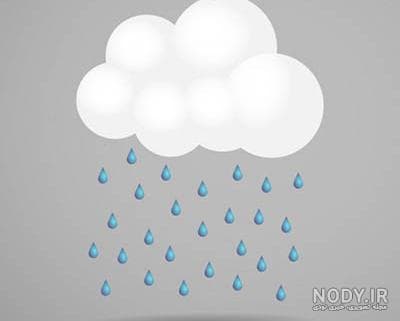
What is the name of this picture in Farsi?
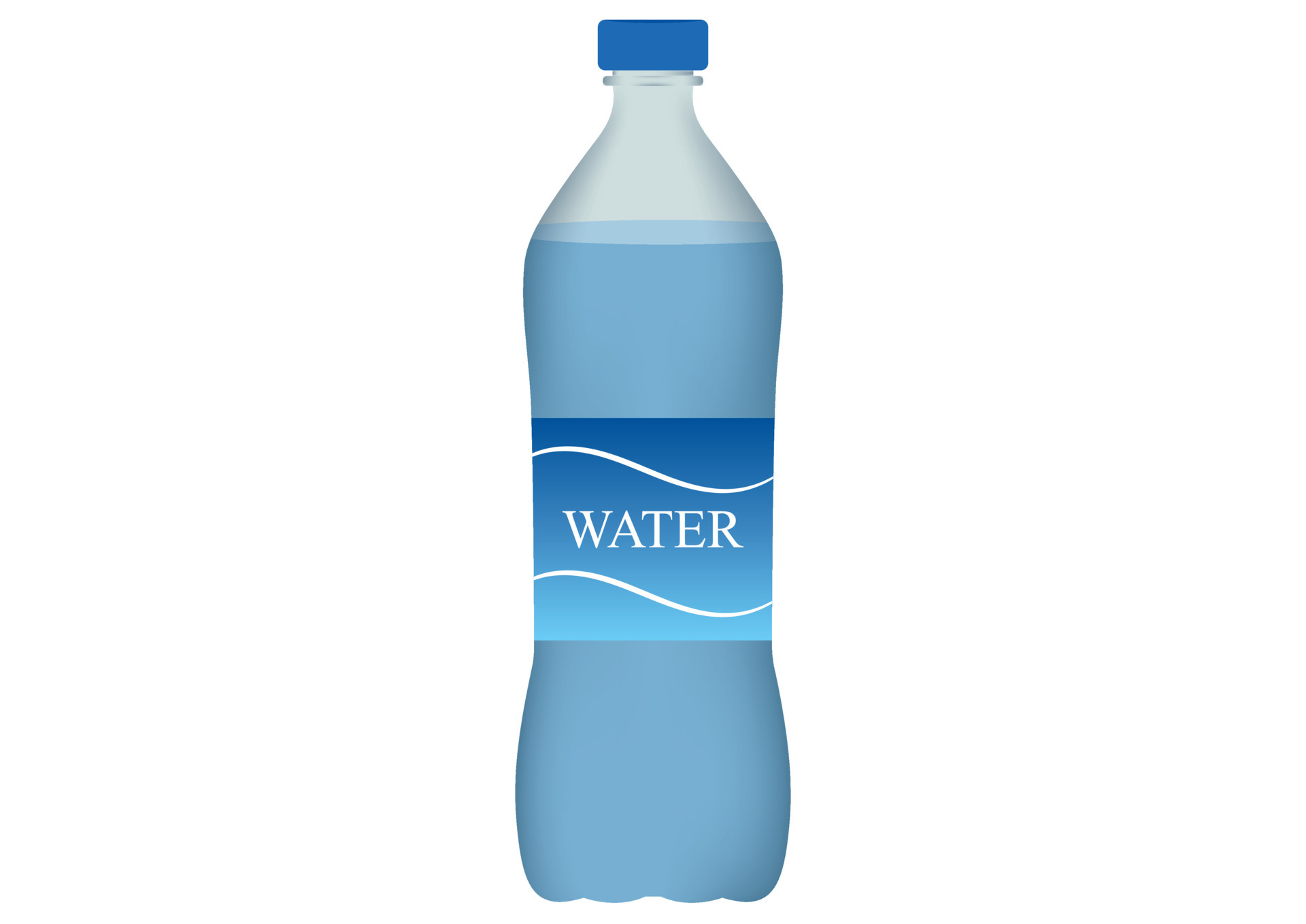
بابا
آب
مادرَ
What is the name of this picture in Farsi?
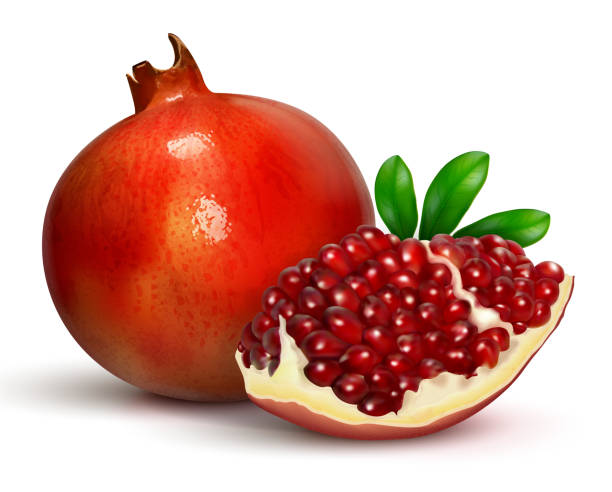
بادام
اَنار
نان
What is the name of this picture in Farsi?
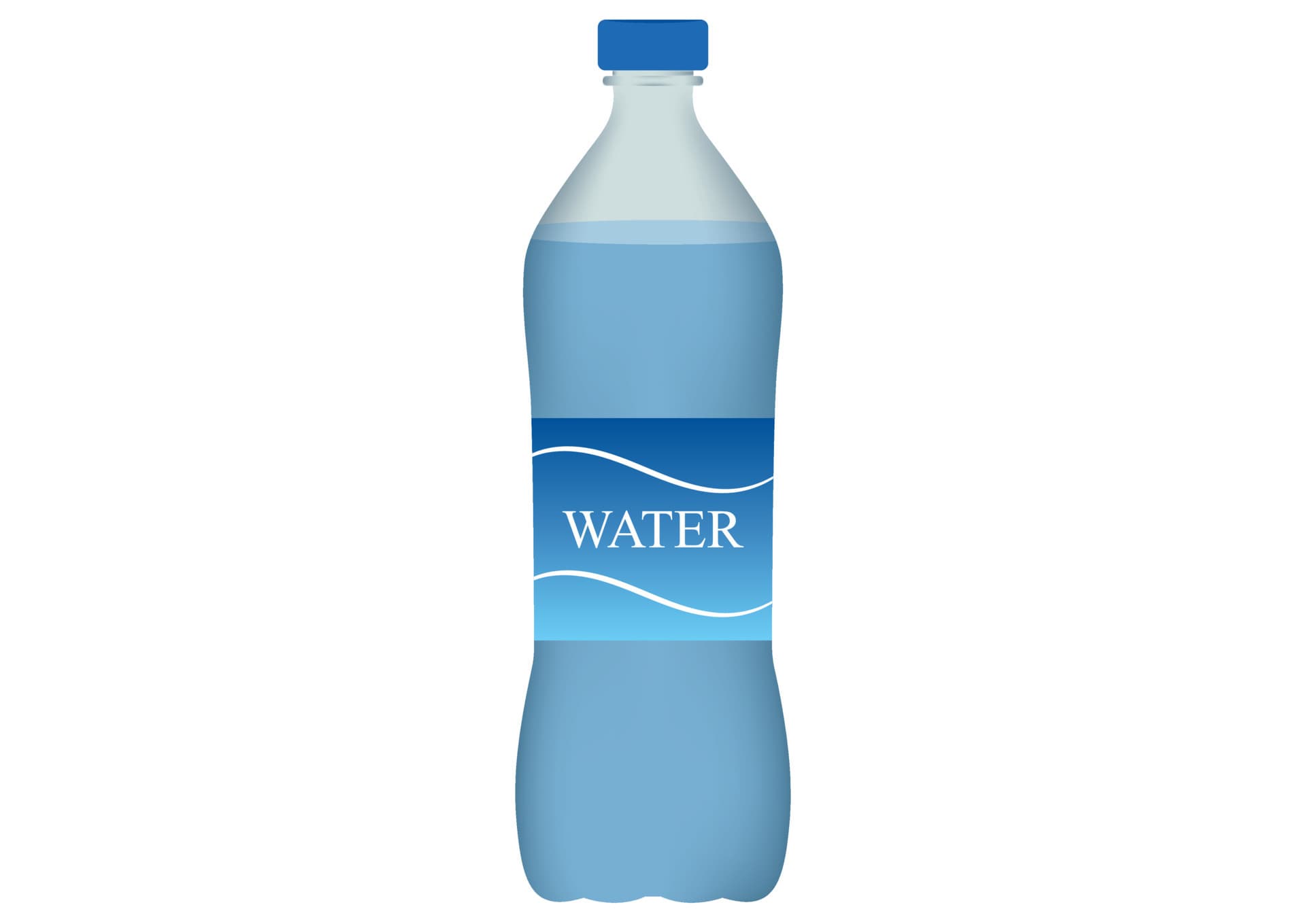
What is the name of this picture in Farsi?
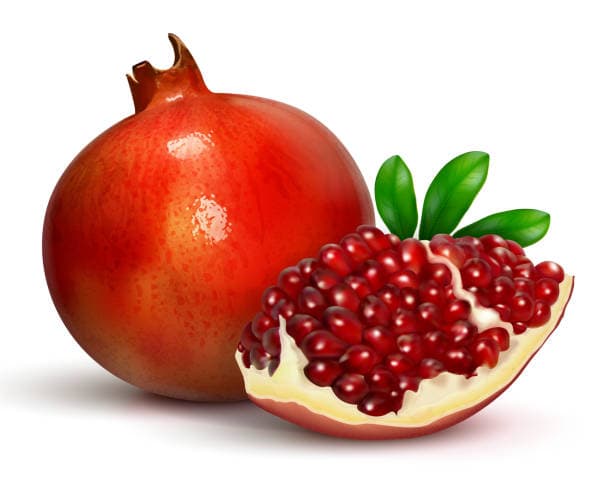
What is the name of this picture in Farsi?

What is this in Farsi?
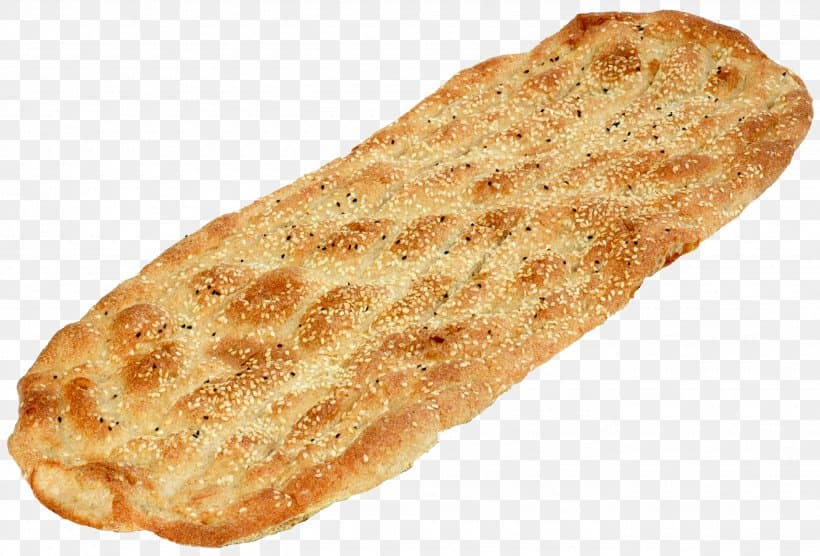
In Farsi?

؟
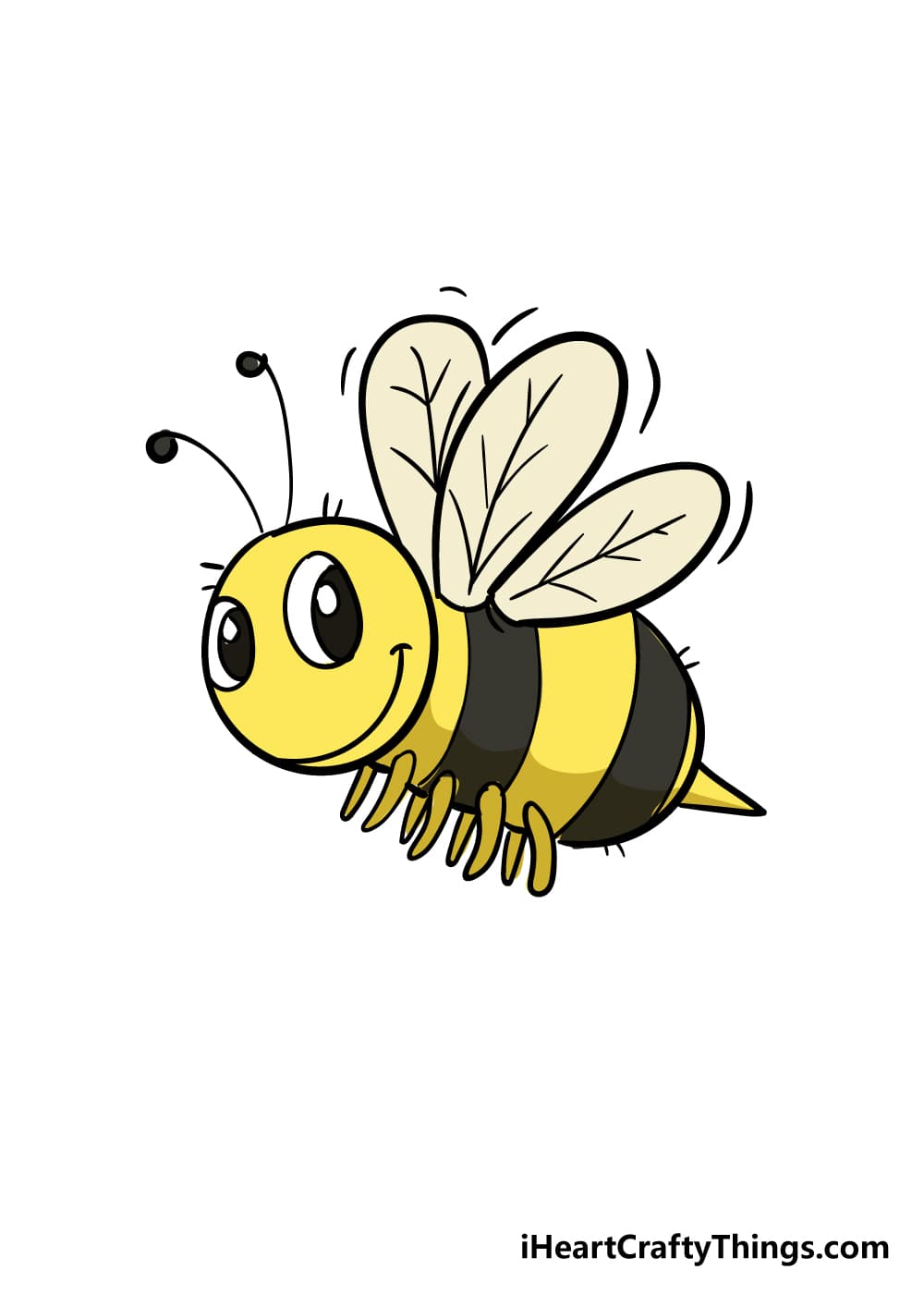
?

؟
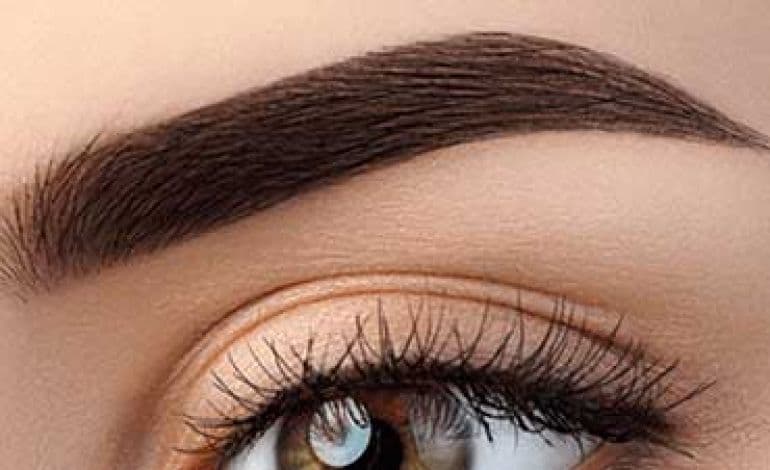
؟
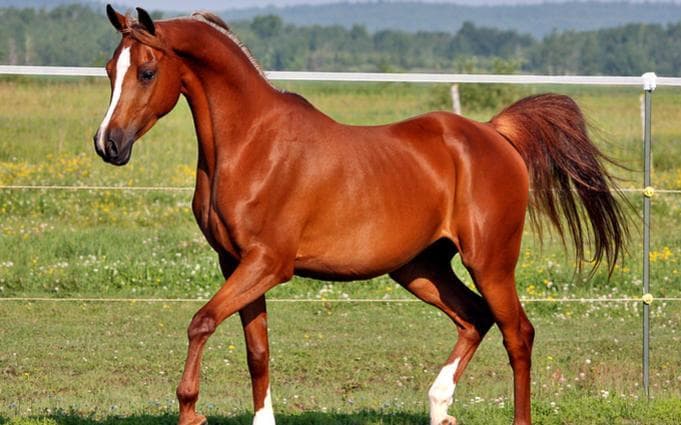
؟

؟
name
is?
؟
 LESSON 4. Cellular Respiration • Define cellular respiration • Identify the stages of clan respiration You have just learned how the energy from the sun is captured, processed, and stored in the form of glucose. Cellular respiration, another important life process, is the means by which cells release the stored energy in glucose to make adenosine triphosphate (ATP). The primary goal of this life process is to convert stored energy into usable form, such as ATP, for the cells to carry out their functions. Cellular respiration involves several chemical reactions. The reactions can be summed up in the following equation: C6 H12 O6 + 602 ----- 6 CO₂ +6H₂O + ATP Glucose oxygen carbon dioxide water energy Aerobic respiration reactions, or cellular respiration that takes place in the presence of oxygen, can be grouped into three stages glycolysis, Krebs cycle, and electron transport chain (ETC). Stage 1: Glycolysis Glycolysis is the process that breaks down one molecule of 6-C glucose into 3-C pyruvates or pyruvic acids. It also releases four molecules of ATP. This process occurs in the cytoplasm of the cell. The following is the step-by-step process of glycolysis. Take note that several enzymes are involved in this process. 1. The first step of glycolysis requires energy. It can only proceed when the two ATP molecules donate energy to the glucose by transferring a phosphate group with the help of an enzyme, producing glucose 6-phosphate 2. Then, a specific enzyme promotes the rearrangement of the atoms, producing the fructose 6-phosphate. 3. The action of the enzyme in step 2 promotes the transfer of a phosphate group from another ATP molecule, forming fructose 1,6-bisphosphate. 4. The resulting fructose 1,6-bisphosphate molecules, with the help of another enzyme, splits into two molecules, each with three carbon backbones. These two sugars are dihydroxyacetone phosphate and glyceraldehyde 3-phosphate. 5. Another important enzyme then rapidly interconverts the molecules of dihydro-xyacetone phosphate and glyceraldehyde 3-phosphate. This produces two molecules of glyceraldehyde 3-phosphate or 3-phosphoglyceraldehyde (PGAL) 6. The succeeding step involves another enzyme-mediated action. The hydrogen (H) from PGAL is transferred to the oxidizing agent, nicotinamide adenine dinucleotide (NAD), which forms NADH. A phosphate (P) is also added from the cytosol of the cell to oxidize the two molecules of PGAL, forming two 1.3-bisphosphoglycerate. 7. A phosphate (P) from 1,3-biphosphoglycerate is transferred to ADP to form ATP. This happens for each of the two 1,3-bisphosphoglycerate. resulting to a yield of two ATP and two 3-phosphoglycerate molecules. 8. A phosphate is transferred from 3-phosphoglycerate molecules from the third carbon to the second carbon, forming 2-phosphoglycerate molecules A hydrogen atom and a hydroxyl ((OH) group is released, which then combines to form water (H2O). The removal of H2O from 2-phosphoglycerate results in the formation of 2- phosphoglycerate molecules. 9. A hydrogen atom and a hydroxyl ((OH) group is released, which then combines to form water (H2O). The removal of H2O from 2-phosphoglycerate results in the formation of two phosphoenolpyruvic acid (PEP) 10. Phosphate (P) from PEP is transferred to ADP (and forms ATP) and the final product, pyruvic acid. This reaction yields two molecules of pyruvic acid and two ATP molecules In summary, a single glucose molecule that undergoes the process of glycolysis produces two molecules of pyruvic acid, four molecules of ATP, two molecules of NADEL and two molecules of H.O. However, only two molecules of ATP are counted as net products since two molecules of ATP are spent throughout the process. Stage II: Krebs Cycle The Krebs cycle, named after its proponent Sir Hans Adolf Krebs, is a cyclical series of enzyme-controlled reactions. This stage of cellular respiration occurs in the matrix of the mitochondria. It is sometimes. called the citric acid cycle (CAC) since it produces citric acid. Citric acid contains three carboxyl (COOH) groups; hence, it is also called the tricarboxylic acid cycle (TCA). This requires the pyruvic acids produced during glycolysis. The main function of this cycle is to produce high-energy-yielding molecules, namely, NADH and flavin adenine dinucleotide (FADH) that will later on be used in the electron transport chain reaction. Figure 6-7. Summary of glycolysis and corresponding products in each reaction presented (See Appendix F on page 285 for an enlarged and complete version of the image.) An initial process is needed for the Krebs cycle to begin. As a pyruvate molecule from glycolysis enters the mitochondrion, it undergoes an important preliminary ate to form acetyl-CoA reaction. Coenzyme-A (COA) combines with pyruvate help of an enzymatic complex. This conversion also produces CO, and NADH. The Krebs cycle is summarized as follows. Take note that several enzymes are involved in this process. 1. The Krebs cycle technically begins when the acetyl-CoA combines with oxaloacetic acid (OAA), a 4-C molecule, to produce citric acid, a 6-C molecule. 2. With the aid of an enzyme, the citric acid now goes through a series of reactions that releases energy. Water molecule is removed from the citric acid and is returned in a different location. The-OH group is repositioned, forming the molecule isocitrate. 3. Isocitrate is then oxidized, forming the a-ketoglutarate, a 5-C molecule. The byproducts of this reaction are NADH and CO, 4 The a-ketoglutarate loses its CO, and a coenzyme-A is added in its place. The decarboxylation occurs with the help of NAD, which then becomes NADH. The resulting molecule is called succinyl-CoA. 5. Succinyl-CoA is converted into succinate. Also in this reaction, a molecule of guanosine triphosphate (GTP) is synthesized. The GTP molecule has similar structure and energy properties to that of ATP and is used by cells the same way. The free phosphate group attacks the succinyl-CoA molecule, which detaches the COA. Then, phosphate is attached to GDP to come up with GTP, similar to the process that occur in ATP synthesis (from ADP to ATP). 6. Two hydrogens are removed from succinate, A molecule of flavin adenine dinucleotide (FAD), a coenzyme similar to NAD, is reduced to FADH, as it takes the hydrogens from the succinate. This reaction produces the fumarate. 7. Fumarate is then converted into malate as the addition of a water molecule is catalyzed. The final reaction is the regeneration of oxaloacetate. The resulting byproduct of this regeneration is NADH Recall that two pyruvate molecules were produced during glycolysis, causing the Krebs cycle to turn twice. Each tuts produces three molecules of NADH, single ATH one FADIH, and the by-product CO, which is exhaled. Stage III: Electron Transport Chain The electron transport chain (ETC) is a series of photon pumps on the inner membrane of the mitochondrion. Electron transport is the last stage of the cellular respiration. In this stage, the energy from NADH and FADH, from the Krebs cycle is transferred to ADP to produce ATP. This process is generally known as oxidative phosphorylation. This energy coupling mechanism in the cell was revealed by the work of Peter stored energy in the form of proton (1) gradient to phosphorylate (add phosphate) ADP and produce ATP. The pumping of hydrogen sons across the inner membrane creates higher concentration ions in the inner membrane than on the outside of the membrane. This chemiosmotic gradient causes the ions to flow back across the membrane where the concentration of ions is lower. ATP synthase lined in the matrix serve as a channel protein, helping the ions to move across the membrane. The chemiosmotic gradient powers the phosphorylation of ADP to ATP, which also occurs in the ATP synthase. After passing through the ETC, the oxygen, being the final hydrogen acceptor, combines with two electrons and two protons, forming a water molecule. Water is a by-product of cellular respiration and is excreted. MINI TEST 6-3 1. Which energy-releasing pathway yields the most ATF in each glucose molecule? 2. Briefly describe the two stages of aerobic respiration that follow glycolysis: (a) Krebs cycle (b) Electron transport chain Anaerobic Respiration Most cells carry out arrobic respiration when oxygen is present. Aerobic respiration is an efficient process that yields a lot of ATP. However, many organisms thrive in mud, marshes, animal gut, canned goods, sewage treatment pond, and deep oceans where oxygen is scarce. Organisms that can live without oxygen are called anaerobes. Cellular respiration that proceeds without the presence of oxygen is called anaerobic respiration. In the event that the oxygen supply becomes low, aerobic cells also perform fermentation and lactic acid fermentation anaerobic pathways. There are two common anaerobic pathways in these cells, alcoholic fermentation and lactic acid fermentation. In alcoholic fermentation, ethyl alcohol and carbon dioxide are produced by some cells using the pyruvate from glycolysis. Each pyruvate molecule is rearranged into acetaldehyde and carbon dioxide, which is eventually released. NADII gives up electrons to acetaldehyde to form ethanol Fermentation is widely used in the industry. Yeast, a fungus used in making bread. can undergo anaerobic respiration. Bakers aux sugar, flour, water, and yeast to form the bread dough. The dough rises due to the carbon dioxide and alcohol released by the yeast cells trapped in air bubbles. Beer and wine manufacturers, we yeast to ferment the sugars in wheat and grape juice, forming alcoholic beverages such as beer and wine. In some cells, glycolysis produces two pyruvates, two NADH molecules, and two ATP molecules. Pyruvate itself becomes the final acceptor of the electrons from the NADH that produces the final product: lactate. Oftentimes, this product is called lactic acid. Human skeletal muscles can carry out fermentation when the blood cannot supply the cells with adequate oxygen during strenuous activities. When lactic acid builds up in the muscles, fatigue, burning sensation, and cramps result. Lactic acid will continue to build up until there is adequate supply of oxygen. Lactic acid is then converted back into pyruvate in the liver. Muscles also restore normal functions. Have you ever wondered why milk or cream turns sour after some time? Bacterial cells that undergo fermentation are responsible in producing lactate that turns the milk sour. These bacteria are used in manufacturing yogurt and sour milk products. Fermentation pathways do not breakdown and utilize the glucose completely. ATP is no longer produced beyond the process of glycolysis. Thus, energy produced is just enough for some single-celled organisms, or the energy can only be used by multicellular organisms for a short period.Objective First unit 17.1 Vocabulary p 111Understanding Quantum Theory of Electrons in Atoms The goal of this section is to understand the electron orbitals (location of electrons in atoms), their different energies, and other properties. The use of quantum theory provides the best understanding to these topics. This knowledge is a precursor to chemical bonding. As was described previously, electrons in atoms can exist only on discrete energy levels but not between them. It is said that the energy of an electron in an atom is quantized, that is, it can be equal only to certain specific values and can jump from one energy level to another but not transition smoothly or stay between these levels. The energy levels are labeled with an n value, where n = 1, 2, 3, …. Generally speaking, the energy of an electron in an atom is greater for greater values of n. This number, n, is referred to as the principal quantum number. The principal quantum number defines the location of the energy level. It is essentially the same concept as the n in the Bohr atom description. Another name for the principal quantum number is the shell number. The shells of an atom can be thought of concentric circles radiating out from the nucleus. The electrons that belong to a specific shell are most likely to be found within the corresponding circular area. The further we proceed from the nucleus, the higher the shell number, and so the higher the energy level (Figure 9.4.1). The positively charged protons in the nucleus stabilize the electronic orbitals by electrostatic attraction between the positive charges of the protons and the negative charges of the electrons. So the further away the electron is from the nucleus, the greater the energy it has. This quantum mechanical model for where electrons reside in an atom can be used to look at electronic transitions, the events when an electron moves from one energy level to another. If the transition is to a higher energy level, energy is absorbed, and the energy change has a positive value. To obtain the amount of energy necessary for the transition to a higher energy level, a photon is absorbed by the atom. A transition to a lower energy level involves a release of energy, and the energy change is negative. This process is accompanied by emission of a photon by the atom. The following equation summarizes these relationships and is based on the hydrogen atom: The values nf and ni are the final and initial energy states of the electron. The principal quantum number is one of three quantum numbers used to characterize an orbital. An atomic orbital, which is distinct from an orbit, is a general region in an atom within which an electron is most probable to reside. The quantum mechanical model specifies the probability of finding an electron in the three-dimensional space around the nucleus and is based on solutions of the Schrödinger equation. In addition, the principal quantum number defines the energy of an electron in a hydrogen or hydrogen-like atom or an ion (an atom or an ion with only one electron) and the general region in which discrete energy levels of electrons in a multi-electron atoms and ions are located. Another quantum number is l, the angular momentum quantum number. It is an integer that defines the shape of the orbital, and takes on the values, l = 0, 1, 2, …, n – 1. This means that an orbital with n = 1 can have only one value of l, l = 0, whereas n = 2 permits l = 0 and l = 1, and so on. The principal quantum number defines the general size and energy of the orbital. The l value specifies the shape of the orbital. Orbitals with the same value of l form a subshell. In addition, the greater the angular momentum quantum number, the greater is the angular momentum of an electron at this orbital. Orbitals with l = 0 are called s orbitals (or the s subshells). The value l = 1 corresponds to the p orbitals. For a given n, p orbitals constitute a p subshell (e.g., 3p if n = 3). The orbitals with l = 2 are called the d orbitals, followed by the f-, g-, and h-orbitals for l = 3, 4, 5, and there are higher values we will not consider. There are certain distances from the nucleus at which the probability density of finding an electron located at a particular orbital is zero. In other words, the value of the wavefunction ψ is zero at this distance for this orbital. Such a value of radius r is called a radial node. The number of radial nodes in an orbital is n – l – 1. Consider the examples in Figure 9.4.2. The orbitals depicted are of the s type, thus l = 0 for all of them. It can be seen from the graphs of the probability densities that there are 1 – 0 – 1 = 0 places where the density is zero (nodes) for 1s (n = 1), 2 – 0 – 1 = 1 node for 2s, and 3 – 0 – 1 = 2 nodes for the 3s orbitals. The s subshell electron density distribution is spherical and the p subshell has a dumbbell shape. The d and f orbitals are more complex. These shapes represent the three-dimensional regions within which the electron is likely to be found. Principal quantum number (n) & Orbital angular momentum (l): The Orbital Subshell: https://youtu.be/ms7WR149fAY If an electron has an angular momentum (l ≠ 0), then this vector can point in different directions. In addition, the z component of the angular momentum can have more than one value. This means that if a magnetic field is applied in the z direction, orbitals with different values of the z component of the angular momentum will have different energies resulting from interacting with the field. The magnetic quantum number, called ml, specifies the z component of the angular momentum for a particular orbital. For example, for an s orbital, l = 0, and the only value of ml is zero. For p orbitals, l = 1, and ml can be equal to –1, 0, or +1. Generally speaking, ml can be equal to –l, –(l – 1), …, –1, 0, +1, …, (l – 1), l. The total number of possible orbitals with the same value of l (a subshell) is 2l + 1. Thus, there is one s-orbital for ml = 0, there are three p-orbitals for ml = 1, five d-orbitals for ml = 2, seven f-orbitals for ml = 3, and so forth. The principal quantum number defines the general value of the electronic energy. The angular momentum quantum number determines the shape of the orbital. And the magnetic quantum number specifies orientation of the orbital in space, as can be seen in Figure 9.4.3. Figure 9.4.4 illustrates the energy levels for various orbitals. The number before the orbital name (such as 2s, 3p, and so forth) stands for the principal quantum number, n. The letter in the orbital name defines the subshell with a specific angular momentum quantum number l = 0 for s orbitals, 1 for p orbitals, 2 for d orbitals. Finally, there are more than one possible orbitals for l ≥ 1, each corresponding to a specific value of ml. In the case of a hydrogen atom or a one-electron ion (such as He+, Li2+, and so on), energies of all the orbitals with the same n are the same. This is called a degeneracy, and the energy levels for the same principal quantum number, n, are called degenerate energy levels. However, in atoms with more than one electron, this degeneracy is eliminated by the electron–electron interactions, and orbitals that belong to different subshells have different energies. Orbitals within the same subshell (for example ns, np, nd, nf, such as 2p, 3s) are still degenerate and have the same energy. While the three quantum numbers discussed in the previous paragraphs work well for describing electron orbitals, some experiments showed that they were not sufficient to explain all observed results. It was demonstrated in the 1920s that when hydrogen-line spectra are examined at extremely high resolution, some lines are actually not single peaks but, rather, pairs of closely spaced lines. This is the so-called fine structure of the spectrum, and it implies that there are additional small differences in energies of electrons even when they are located in the same orbital. These observations led Samuel Goudsmit and George Uhlenbeck to propose that electrons have a fourth quantum number. They called this the spin quantum number, or ms. The other three quantum numbers, n, l, and ml, are properties of specific atomic orbitals that also define in what part of the space an electron is most likely to be located. Orbitals are a result of solving the Schrödinger equation for electrons in atoms. The electron spin is a different kind of property. It is a completely quantum phenomenon with no analogues in the classical realm. In addition, it cannot be derived from solving the Schrödinger equation and is not related to the normal spatial coordinates (such as the Cartesian x, y, and z). Electron spin describes an intrinsic electron “rotation” or “spinning.” Each electron acts as a tiny magnet or a tiny rotating object with an angular momentum, even though this rotation cannot be observed in terms of the spatial coordinates. The magnitude of the overall electron spin can only have one value, and an electron can only “spin” in one of two quantized states. One is termed the α state, with the z component of the spin being in the positive direction of the z axis. This corresponds to the spin quantum number ms=12. The other is called the β state, with the z component of the spin being negative and ms=−12. Any electron, regardless of the atomic orbital it is located in, can only have one of those two values of the spin quantum number. The energies of electrons having ms=−12 and ms=12 are different if an external magnetic field is applied. Figure 9.4.5 illustrates this phenomenon. An electron acts like a tiny magnet. Its moment is directed up (in the positive direction of the z axis) for the 12 spin quantum number and down (in the negative z direction) for the spin quantum number of −12. A magnet has a lower energy if its magnetic moment is aligned with the external magnetic field (the left electron) and a higher energy for the magnetic moment being opposite to the applied field. This is why an electron with ms=12 has a slightly lower energy in an external field in the positive z direction, and an electron with ms=−12 has a slightly higher energy in the same field. This is true even for an electron occupying the same orbital in an atom. A spectral line corresponding to a transition for electrons from the same orbital but with different spin quantum numbers has two possible values of energy; thus, the line in the spectrum will show a fine structure splitting. The Pauli Exclusion Principle An electron in an atom is completely described by four quantum numbers: n, l, ml, and ms. The first three quantum numbers define the orbital and the fourth quantum number describes the intrinsic electron property called spin. An Austrian physicist Wolfgang Pauli formulated a general principle that gives the last piece of information that we need to understand the general behavior of electrons in atoms. The Pauli exclusion principle can be formulated as follows: No two electrons in the same atom can have exactly the same set of all the four quantum numbers. What this means is that electrons can share the same orbital (the same set of the quantum numbers n, l, and ml), but only if their spin quantum numbers ms have different values. Since the spin quantum number can only have two values (±12), no more than two electrons can occupy the same orbital (and if two electrons are located in the same orbital, they must have opposite spins). Therefore, any atomic orbital can be populated by only zero, one, or two electrons. The properties and meaning of the quantum numbers of electrons in atoms are brieflyMYTH The British helped the Jews displace the native Arab population of Palestine. FACT Herbert Samuel, a British Jew who served as the first High Commissioner of Palestine, placed restrictions on Jewish immigration “in the ‘interests of the present population’ and the ‘absorptive capacity’ of the country.”1 The influx of Jewish settlers was said to force the Arab fellahin (native peasants) from their land. This was when less than a million people lived in an area that now supports more than nine million. The British limited the absorptive capacity of Palestine when, in 1921, Colonial Secretary Winston Churchill severed nearly four-fifths of Palestine—some thirty-five thousand square miles—to create a new Arab entity, Transjordan. As a consolation prize for the Hejaz and Arabia (which are both now Saudi Arabia) going to the Saud family, Churchill rewarded Sharif Hussein’s son Abdullah for his contribution to the war against Turkey by installing him as Transjordan’s emir. The British went further and placed restrictions on Jewish land purchases in what remained of Palestine. By 1949, the British had allotted 87,500 acres of the 187,500 acres of cultivable land to Arabs and only 4,250 acres to Jews. This contradicted Article 6 of the Mandate which stated that “the Administration of Palestine…shall encourage, in cooperation with the Jewish Agency…close settlement by Jews on the land, including State lands and waste lands not acquired for public purposes.”2 Ultimately, the British admitted that the argument about the country’s absorptive capacity was specious. The Peel Commission said, “The heavy immigration in the years 1933–36 would seem to show that the Jews have been able to enlarge the absorptive capacity of the country for Jews.”3 MYTH The British allowed Jews to flood Palestine while Arab immigration was tightly controlled. FACT The British response to Jewish immigration set a precedent of appeasing the Arabs, which was followed for the duration of the Mandate. The British restricted Jewish immigration while allowing Arabs to enter the country freely. Apparently, London did not feel that a flood of Arab immigrants would affect the country’s “absorptive capacity.” During World War I, the Jewish population in Palestine declined because of the war, famine, disease, and expulsion by the Turks. In 1915, approximately 83,000 Jews lived in Palestine among 590,000 Muslim and Christian Arabs. According to the 1922 census, the Jewish population was 83,000, while the Arabs numbered 643,000.4 Thus, the Arab population grew exponentially while that of the Jews stagnated. In the mid-1920s, Jewish immigration to Palestine increased primarily because of anti-Jewish economic legislation in Poland and Washington’s imposition of restrictive quotas.5 The record number of immigrants in 1935 (see table) was a response to the growing persecution of Jews in Nazi Germany. The British administration considered this number too large, however, so the Jewish Agency was informed that less than one-third of the quota it asked for would be approved in 1936.6 The British gave in further to Arab demands by announcing in the 1939 White Paper that an independent Arab state would be created within ten years and that Jewish immigration was to be limited to 75,000 for the next five years, after which it was to cease altogether. It also forbade land sales to Jews in 95% of the territory of Palestine. The Arabs, nevertheless, rejected the proposal. Jewish Immigration to Palestine7 1919 1,806 1931 4,075 1920 8,223 1932 12,533 1921 8,294 1933 37,337 1922 8,685 1934 45,267 1923 8,175 1935 66,472 1924 13,892 1936 29,595 1925 34,386 1937 10,629 1926 13,855 1938 14,675 1927 3,034 1939 31,195 1928 2,178 1940 10,643 1929 5,249 1941 4,592 1930 4,944 By contrast, throughout the Mandatory period, Arab immigration was unrestricted. In 1930, the Hope Simpson Commission, sent from London to investigate the 1929 Arab riots, said the British practice of ignoring the uncontrolled illegal Arab immigration from Egypt, Transjordan, and Syria had the effect of displacing the prospective Jewish immigrants.8 The British governor of the Sinai from 1922 to 1936 observed, “This illegal immigration was not only going on from the Sinai, but also from Transjordan and Syria, and it is very difficult to make a case out for the misery of the Arabs if at the same time their compatriots from adjoining states could not be kept from going in to share that misery.”9 The Peel Commission reported in 1937 that the “shortfall of land is…due less to the amount of land acquired by Jews than to the increase in the Arab population.”10 MYTH The British changed their policy to allow Holocaust survivors to settle in Palestine. FACT The gates of Palestine remained closed for the duration of the war, stranding hundreds of thousands of Jews in Europe, many of whom became victims of Hitler’s “Final Solution.” After the war, the British refused to allow the survivors of the Nazi nightmare to find sanctuary in Palestine. On June 6, 1946, President Truman urged the British government to relieve the suffering of the Jews confined to displaced persons camps in Europe by immediately accepting 100,000 Jewish immigrants. Britain’s foreign minister Ernest Bevin replied sarcastically that the United States wanted displaced Jews to immigrate to Palestine “because they did not want too many of them in New York.”11 Some Jews reached Palestine, many smuggled in on dilapidated ships organized by the Haganah. Between August 1945 and the establishment of the State of Israel in May 1948, sixty-five “illegal” immigrant ships, carrying 69,878 people, arrived from European shores. In August 1946, however, the British began to intern those they caught in camps on Cyprus. Approximately 50,000 people were detained in the camps, and 28,000 remained imprisoned when Israel declared independence.12 MYTH As the Jewish population grew, the plight of the Palestinian Arabs worsened. FACT In July 1921, Hasan Shukri, the mayor of Haifa and president of the Muslim National Associations, sent a telegram to the British government in reaction to a delegation of Palestinians that went to London to try to stop the implementation of the Balfour Declaration. Shukri wrote: We are certain that without Jewish immigration and financial assistance there will be no future development of our country as may be judged from the fact that the towns inhabited in part by Jews such as Jerusalem, Jaffa, Haifa, and Tiberias are making steady progress while Nablus, Acre, and Nazareth where no Jews reside are steadily declining.13 The Jewish population increased by 470,000 between World War I and World War II, while the non-Jewish population rose by 588,000.14 The permanent Arab population increased by 120% between 1922 and 1947.15 This rapid growth of the Arab population was a result of several factors. One was immigration from neighboring states—constituting 37% of the total immigration to pre-state Israel—by Arabs who wanted to take advantage of the higher standard of living the Jews had made possible.16 The Arab population also grew because of the improved living conditions created by the Jews as they drained malarial swamps and brought improved sanitation and health care to the region. Thus, for example, the Muslim infant mortality rate fell from 201 per thousand in 1925 to 94 per thousand in 1945, and life expectancy rose from 37 years in 1926 to 49 in 1943.17 The Arab population increased the most in cities where large Jewish populations had created new economic opportunities. From 1922–1947, the non-Jewish population increased by 290% in Haifa, 131% in Jerusalem, and 158% in Jaffa. The growth in Arab towns was more modest: 42% in Nablus, 78% in Jenin, and 37% in Bethlehem.18 MYTH Jews stole Arab land. FACT Despite the growth in their population, the Arabs continued to assert they were being displaced. From the beginning of World War I, however, part of Palestine’s land was owned by absentee landlords who lived in Cairo, Damascus, and Beirut. About 80% of the Palestinian Arabs were debt-ridden peasants, semi-nomads, and Bedouins.19 Jews went out of their way to avoid purchasing land in areas where Arabs might be displaced. They sought land that was largely uncultivated, swampy, cheap, and—most important—without tenants. In 1920, Labor Zionist leader David Ben-Gurion expressed his concern about the Arab fellahin, whom he viewed as “the most important asset of the native population.” He insisted that “under no circumstances must we touch land belonging to fellahs or worked by them.” Instead, he advocated helping liberate them from their oppressors. “Only if a fellah leaves his place of settlement,” Ben-Gurion added, “should we offer to buy his land, at an appropriate price.”20 Jews only began to purchase cultivated land after buying all the uncultivated territory. Many Arabs were willing to sell because of the migration to coastal towns and because they needed money to invest in the citrus industry.21 When John Hope Simpson arrived in Palestine in May 1930, he observed, “They [the Jews] paid high prices for the land and, in addition, they paid to certain of the occupants of those lands a considerable amount of money which they were not legally bound to pay.”22 In 1931, Lewis French conducted a survey of landlessness for the British government and offered new plots to any Arabs who had been “dispossessed.” British officials received more than 3,000 applications, of which 80% were ruled invalid by the government’s legal adviser because the applicants were not landless Arabs. This left only about 600 landless Arabs, 100 of whom accepted the government land offer.23 In April 1936, a new outbreak of Arab attacks on Jews was instigated by local Palestinian leaders who were later joined by Arab volunteers led by a Syrian guerrilla named Fawzi al-Qawuqji, the commander of the Arab Liberation Army. By November, when the British finally sent a new commission headed by Lord Peel to investigate, 89 Jews had been killed and more than 300 wounded.24 The Peel Commission’s report found that Arab complaints about Jewish land acquisition were baseless. It pointed out that “much of the land now carrying orange groves was sand dunes or swamp and uncultivated when it was purchased…There was at the time of the earlier sales little evidence that the owners possessed either the resources or training needed to develop the land.”25 Moreover, the Commission found the shortage was “due less to the amount of land acquired by Jews than to the increase in the Arab population.” The report concluded that the presence of Jews in Palestine, along with the work of the British administration, had resulted in higher wages, an improved standard of living, and ample employment opportunities.26 It is made quite clear to all, both by the map drawn up by the Simpson Commission and by another compiled by the Peel Commission, that the Arabs are as prodigal in selling their land as they are in useless wailing and weeping (emphasis in the original). —Transjordan’s king Abdullah27 Even at the height of the Arab revolt in 1938 (which began in April 1936 with the murder of two Jews by Arabs and the subsequent murder of two Arab workers by members of the Jewish underground28), the British high commissioner to Palestine believed the Arab landowners were complaining about sales to Jews to drive up prices for lands they wished to sell. Many Arab landowners had been so terrorized by Arab rebels they decided to leave Palestine and sell their property to the Jews.29 The Jews paid exorbitant prices to wealthy landowners for small tracts of arid land. “In 1944, Jews paid between $1,000 and $1,100 per acre in Palestine, mostly for arid or semiarid land; in the same year, rich black soil in Iowa was selling for about $110 per acre.”30 By 1947, Jewish holdings in Palestine amounted to about 463,000 acres. Approximately 45,000 were acquired from the mandatory government, 30,000 were bought from various churches, and 387,500 were purchased from Arabs. Analyses of land purchases from 1880 to 1948 show that 73% of Jewish plots were purchased from large landowners, not poor fellahin.31 Many leaders of the Arab nationalist movement, including members of the Muslim Supreme Council, and the mayors of Gaza, Jerusalem, and s sold land to the Jews. As’ad el-Shuqeiri, a Muslim religious scholar and father of Palestine Liberation Organization chairman Ahmed Shuqeiri, took Jewish money for his land. Even King Abdullah leased land to the Jews.32 MYTH The British helped the Palestinians to live peacefully with the Jews. FACT In 1921, Haj Amin el-Husseini first began to organize fedayeen (“one who sacrifices himself”) to terrorize Jews. El-Husseini hoped to duplicate the success of Kemal Atatürk in Turkey by driving the Jews out of Palestine just as Kemal had driven the invading Greeks from his country.33 Arab radicals gained influence because the British administration was unwilling to take effective action against them until they began a revolt against British rule. Colonel Richard Meinertzhagen, former head of British military intelligence in Cairo, and later chief political officer for Palestine and Syria, wrote in his diary that British officials “incline towards the exclusion of Zionism in Palestine.” The British encouraged the Palestinians to attack the Jews. According to Meinertzhagen, Col. Bertie Harry Waters-Taylor (financial adviser to the military administration in Palestine 1919–23) met with el-Husseini in 1920, a few days before Easter, and told him that “he had a great opportunity at Easter to show the world…that Zionism was unpopular not only with the Palestine administration but in Whitehall.” He added that “if disturbances of sufficient violence occurred in Jerusalem at Easter, both General [Louis] Bols [chief administrator in Palestine, 1919–20] and General [Edmund] Allenby [commander of the Egyptian force, 1917–19, then high commissioner of Egypt] would advocate the abandonment of the Jewish Home. Waters-Taylor explained that freedom could only be attained through violence.”34 El-Husseini took the colonel’s advice and instigated a riot. The British withdrew their troops and the Jewish police from Jerusalem, allowing the Arab mob to attack Jews and loot their shops. Because of el-Husseini’s overt role in instigating the pogrom, the British decided to arrest him. He escaped, however, and was sentenced to ten years in absentia. A year later, some British Arabists convinced High Commissioner Herbert Samuel to pardon el-Husseini and to appoint him Mufti (a cleric in charge of Jerusalem’s Islamic holy places). By contrast, Vladimir Jabotinsky and several followers, who had formed a Jewish defense organization during the unrest, were sentenced to 15 years. They were released a few months later.35 Samuel met with el-Husseini on April 11, 1921, and was assured “that the influences of his family and himself would be devoted to tranquility.” Three weeks later, riots in Jaffa and elsewhere left forty-three Jews dead.36 El-Husseini consolidated his power and took control of all Muslim religious funds in Palestine. He used his authority to gain control over the mosques, the schools, and the courts. No Arab could reach an influential position without being loyal to the Mufti. His power was so absolute that “no Muslim in Palestine could be born or die without being beholden to Haj Amin.”37 The Mufti’s henchmen also ensured he would have no opposition by systematically killing Palestinians who discussed cooperation with the Jews from rival clans. As the spokesman for Palestinian Arabs, el-Husseini did not ask that Britain grant them independence. On the contrary, in a letter to Churchill in 1921, he demanded that Palestine be reunited with Syria and Transjordan.38 The Arabs found rioting an effective political tool because of the lax British response toward violence against Jews. In handling each riot, the British prevented Jews from protecting themselves but made little effort to prevent the Arabs from attacking them. After each outbreak, a British commission of inquiry would try to establish the cause of the violence. The conclusion was always the same: The Arabs feared being displaced by the Jews. To stop the rioting, the commissions would recommend that restrictions be placed on Jewish immigration. Thus, the Arabs learned they could always stop the influx of Jews by staging riots. This cycle began after a series of riots in May 1921. After failing to protect the Jewish community from Arab mobs, the British appointed the Haycraft Commission to investigate the cause of the violence. Although the panel concluded the Arabs had been the aggressors, it rationalized the cause of the attack: “The fundamental cause of the riots was a feeling among the Arabs of discontent with, and hostility to, the Jews, due to political and economic causes, and connected with Jewish immigration, and with their conception of Zionist policy.”39 One consequence of the violence was the institution of a temporary ban on Jewish immigration. The Arab fear of being “displaced” or “dominated” was an excuse for their attacks on Jewish settlers. Note, too, that these riots were not inspired by nationalistic fervor—nationalists would have rebelled against their British overlords—they were motivated by economics, the radical Islamic views of the Mufti, and misunderstanding. In 1929, Arab provocateurs convinced the masses that the Jews had designs on the Temple Mount (a tactic still used today to incite violence). A Jewish religious observance at the Western Wall, which forms a part of the Temple Mount, served as a pretext for rioting by Arabs against Jews, which spilled out of Jerusalem into other villages and towns, including Safed and Hebron. Again, the British administration made no effort to prevent the violence, and, after it began, the British did nothing to protect the Jewish population. After six days of mayhem, the British finally brought troops in to quell the disturbance. By this time, most of Hebron’s Jews had fled or been killed. In all, 133 Jews were killed and 399 wounded in the pogroms.40 After the riots, the British ordered an investigation, resulting in the Passfield White Paper. It said the “immigration, land purchase and settlement policies of the Zionist Organization were already or were likely to become, prejudicial to Arab interests. It understood the mandatory government’s obligation to the non-Jewish community to mean that Palestine’s resources must be primarily reserved for the growing Arab economy.”41 This meant it was necessary to restrict Jewish immigration and land purchases. MYTH The Mufti was not a Nazi collaborator. FACT In 1941, Haj Amin al-Husseini, the Mufti of Jerusalem, fled to Germany and met with Adolf Hitler, Heinrich Himmler, Joachim Von Ribbentrop, and other Nazi leaders. He wanted to persuade them to extend the Nazis’ anti-Jewish program to the Arab world. The Mufti sent Hitler fifteen drafts of declarations he wanted Germany and Italy to make concerning the Middle East. One called on the two countries to declare the illegality of the Jewish home in Palestine. He also asked the Axis powers to “accord to Palestine and to other Arab countries the right to solve the problem of the Jewish elements in Palestine and other Arab countries in accordance with the interest of the Arabs, and by the same method that the question is now being settled in the Axis countries.”42 In November 1941, the Mufti met with Hitler, who told him the Jews were his foremost enemy. The Nazi dictator rebuffed the Mufti’s requests for a declaration in support of the Arabs, however, telling him the time was not right. The Mufti offered Hitler his “thanks for the sympathy which he had always shown for the Arab and especially Palestinian cause, and to which he had given clear expression in his public speeches.” He added, “The Arabs were Germany’s natural friends because they had the same enemies as had Germany, namely…the Jews.” Hitler told the Mufti he opposed the creation of a Jewish state and that Germany’s objective was destroying the Jewish element in the Arab sphere.43 In 1945, Yugoslavia sought to indict the Mufti as a war criminal for his role in recruiting twenty thousand Muslim volunteers for the SS, who participated in the killing of Jews in Croatia and Hungary. He escaped French detention in 1946, however, and continued his fight against the Jews from Cairo and later Beirut where he died in 1974. MYTH The bombing of the King David Hotel was part of a deliberate terror campaign against civilians. FACT British troops seized the Jewish Agency compound on June 29, 1946, and confiscated large quantities of documents. At about the same time, more than 2,500 Jews from all over Palestine were arrested. A week later, news of a massacre of 40 Jews in a pogrom in Poland reminded the Jews of Palestine how Britain’s restrictive immigration policy had condemned thousands to death. In response to the British provocations, and a desire to demonstrate that the Jews’ spirit could not be broken, the United Resistance Movement planned to bomb the King David Hotel, which housed the British military command and the Criminal Investigation Division in addition to hotel guests. The Haganah pulled out of the plot and left it up to the Irgun. Irgun leader Menachem Begin stressed his desire to avoid civilian casualties and the plan was to warn the British so they would evacuate the building before it was blown up. Three telephone calls were placed on July 22, 1946, one to the hotel, another to the French Consulate, and a third to the Palestine Post warning that explosives in the King David Hotel would soon be detonated. The call to the hotel was received and ignored. Begin quotes one British official who supposedly refused to evacuate the building, saying, “We don’t take orders from the Jews.”44 As a result, when the bombs exploded, the casualty toll was high: 91 killed and 45 injured. Among the casualties were 15 Jews. Few people in the main part of the hotel were injured.45 For decades, the British denied they had been warned. In 1979, however, a member of the British Parliament provided the testimony of a British officer who heard other officers in the King David Hotel bar joking about a Zionist threat to the headquarters. The officer who overheard the conversation immediately left the hotel and survived.46 In contrast to Arab attacks against Jews, which Arab leaders hailed as heroic actions, the Jewish National Council denounced the bombing of the King David.47 1 Aharon Cohen, Israel and the Arab World, (NY: Funk and Wagnalls, 1970), p. 172THE FIDE LAWS OF CHESS. Introduction FIDE Laws of Chess cover over-the-board play. The Laws of Chess have two parts: 1. Basic Rules of Play and 2. Competitive Rules of Play. The English text is the authentic version of the Laws of Chess (which were adopted at the 93rd FIDE Congress at Chennai, India) coming into force on 1 January 2023. Preface. The Laws of Chess cannot cover all possible situations that may arise during a game, nor can they regulate all administrative questions. Where cases are not precisely regulated by an Article of the Laws, it should be possible to reach a correct decision by studying analogous situations which are regulated in the Laws. The Laws assume that arbiters have the necessary competence, sound judgement and absolute objectivity. Too detailed a rule might deprive the arbiter of his/her freedom of judgement and thus prevent him/her from finding a solution to a problem dictated by fairness, logic and special factors. FIDE appeals to all chess players and federations to accept this view. A necessary condition for a game to be rated by FIDE is that it shall be played according to the FIDE Laws of Chess. It is recommended that competitive games not rated by FIDE be played according to the FIDE Laws of Chess. Member federations may ask FIDE to give a ruling on matters relating to the Laws of Chess. BASIC RULES OF PLAY. Article 1: The Nature and Objectives of the Game of Chess 1.1 1.2 1.3 1.4 The game of chess is played between two opponents who move their pieces on a square board called a ‘chessboard’. The player with the light-coloured pieces (White) makes the first move, then the players move alternately, with the player with the dark-coloured pieces (Black) making the next move. A player is said to ‘have the move’ when his/her opponent’s move has been ‘made’. The objective of each player is to place the opponent’s king ‘under attack’ in such a way that the opponent has no legal move. 1.4.1 The player who achieves this goal is said to have ‘checkmated’ the opponent’s king and to have won the game. Leaving one’s own king under attack, exposing one’s own king to attack and also ’capturing’ the opponent’s king is not allowed. 1.4.2 The opponent whose king has been checkmated has lost the game. 1.5 If the position is such that neither player can possibly checkmate the opponent’s king, the game is drawn (see Article 5.2.2). Article 2: The Initial Position of the Pieces on the Chessboard 2.1 2.2 The chessboard is composed of an 8 x 8 grid of 64 equal squares alternately light (the ‘white’ squares) and dark (the ‘black’ squares). The chessboard is placed between the players in such a way that the near corner square to the right of the player is white. At the beginning of the game White has 16 light-coloured pieces (the ‘white’ pieces); Black has 16 dark-coloured pieces (the ‘black’ pieces). These pieces are as follows: A white king usually indicated by the symbol K A white queen Two white rooks Two white bishops Two white knights Eight white pawns A black king A black queen Two black rooks Two black bishops Two black knights Eight black pawns usually indicated by the symbol Q usually indicated by the symbol R usually indicated by the symbol B usually indicated by the symbol N usually indicated by the symbol usually indicated by the symbol K usually indicated by the symbol Q usually indicated by the symbol R usually indicated by the symbol B usually indicated by the symbol N usually indicated by the symbol Staunton Pieces p Q K B N R 9 2.3 The initial position of the pieces on the chessboard is as follows: 2.4 The eight vertical columns of squares are called ‘files’. The eight horizontal rows of squares are called ‘ranks’. A straight line of squares of the same colour, running from one edge of the board to an adjacent edge, is called a ‘diagonal’. Article 3: The Moves of the Pieces 3.1 It is not permitted to move a piece to a square occupied by a piece of the same colour. 3.1.1 If a piece moves to a square occupied by an opponent’s piece the latter is captured and removed from the chessboard as part of the same move. 3.1.2 A piece is said to attack an opponent’s piece if the piece could make a capture on that square according to Articles 3.2 to 3.8. 3.1.3 A piece is considered to attack a square even if this piece is constrained from moving to that square because it would then leave or place the king of its own colour under attack. 3.2 The bishop may move to any square along a diagonal on which it stands. 3.3 The rook may move to any square along the file or the rank on which it stands. 3.4 The queen may move to any square along the file, the rank or a diagonal on which it stands. 3.5 3.6 3.7 When making these moves, the bishop, rook or queen may not move over any intervening pieces. The knight may move to one of the squares nearest to that on which it stands but not on the same rank, file or diagonal. 3.7 When making these moves, the bishop, rook or queen may not move over any intervening pieces. The knight may move to one of the squares nearest to that on which it stands but not on the same rank, file or diagonal. The pawn: 3.7.1 The pawn may move forward to the square immediately in front of it on the same file, provided that this square is unoccupied, or 3.7.2 on its first move the pawn may move as in 3.7.1 or alternatively it may advance two squares along the same file, provided that both squares are unoccupied, or 3.7.3 the pawn may move to a square occupied by an opponent’s piece diagonally in front of it on an adjacent file, capturing that piece. 3.7.3.1 A pawn occupying a square on the same rank as and on an adjacent file to an opponent’s pawn which has just advanced two squares in one move from its original square may capture this opponent’s pawn as though the latter had been moved only one square. 3.7.3.2 This capture is only legal on the move following this advance and is called an ‘en passant’ capture. 3.7.3.3 When a player, having the move, plays a pawn to the rank furthest from its starting position, he/she must exchange that pawn as part of the same move for a new queen, rook, bishop or knight of the same colour on the intended square of arrival. This is called the square of ‘promotion’. 3.7.3.4 The player's choice is not restricted to pieces that have been captured previously. 3.7.3.5 This exchange of a pawn for another piece is called promotion, and the effect of the new piece is immediate. 3.8 There are two different ways of moving the king: 3.8.1 by moving to an adjoining square. 3.8.2 by ‘castling’. This is a move of the king and either rook of the same colour along the player’s first rank, counting as a single move of the king and executed as follows: the king is transferred from its original square two squares towards the rook on its original square, then that rook is transferred to the square the king has just crossed. 3.8.2.1 The right to castle has been lost: 3.8.2.1.1 If the king has already moved, or 3.8.2.1.2 With a rook that has already moved. 3.8.2.2 Castling is prevented temporarily: 3.8.2.2.1 if the square on which the king stands, or the square which it must cross, or the square which it is to occupy, is attacked by one or more of the opponent's pieces, or 3.8.2.2.2 if there is any piece between the king and the rook with which castling is to be effected. 3.9 The king in check: 3.9.1 The king is said to be 'in check' if it is attacked by one or more of the opponent's pieces, even if such pieces are constrained from moving to the square occupied by the king because they would then leave or place their own king in check. 3.9.2 No piece can be moved that will either expose the king of the same colour to check or leave that king in check. 3.10 Legal and illegal moves; illegal positions: 3.10.1 A move is legal when all the relevant requirements of Articles 3.1 – 3.9 have been fulfilled. 3.10.2 A move is illegal when it fails to meet the relevant requirements of Articles 3.1 –3.9. 3.10.3 A position is illegal when it cannot have been reached by any series of legal moves. Article 4: The Act of Moving the Pieces 4.1 4.2 Each move must be played with one hand only. Adjusting the pieces or other physical contact with a piece: 4.2.1 Only the player having the move may adjust one or more pieces on their squares, provided that he/she first expresses his/her intention (for example by saying “j’adoube” or “I adjust”). 4.2.2 Any other physical contact with a piece, except for clearly accidental contact, shall be considered to be intent. 4.3 Except as provided in Article 4.2.1, if the player having the move touches on the chessboard, with the intention of moving or capturing: 4.3.1 one or more of his/her own pieces, he/she must move the first piece touched that can be moved. 4.3.2 one or more of his/her opponent’s pieces, he/she must capture the first piece touched that can be captured. 4.3.3 one or more pieces of each colour, he/she must capture the first touched opponent’s piece with his/her first touched piece or, if this is illegal, move or capture the first piece touched that can be moved or captured. If it is unclear whether the player’s own piece or his/her opponent’s was touched first, the player’s own piece shall be considered to have been touched before his/her opponent’s. 4.4 If a player having the move: 4.4.1 touches his/her king and a rook he/she must castle on that side if it is legal to do so 4.4.2 deliberately touches a rook and then his/her king he/she is not allowed to castle on that side on that move and the situation shall be governed by Article 4.3.1. 4.4.3 intending to castle, touches the king and then a rook, but castling with this rook is illegal, the player must make another legal move with his/her king (which may include castling with the other rook). If the king has no legal move, the player is free to make any legal move. 4.4.4 promotes a pawn, the choice of the piece is finalised when the piece has touched the square of promotion. 4.5 4.6 If none of the pieces touched in accordance with Article 4.3 or Article 4.4 can be moved or captured, the player may make any legal move. The act of promotion may be performed in various ways: 4.6.1 the pawn does not have to be placed on the square of arrival. 4.6.2 removing the pawn and putting the new piece on the square of promotion may occur in any order. 4.6.3 If an opponent’s piece stands on the square of promotion, it must be captured. 4.7 When, as a legal move or part of a legal move, a piece has been released on a square, it cannot be moved to another square on this move. The move is considered to have been made in the case of: 4.7.1 A capture, when the captured piece has been removed from the chessboard and the player, having placed his/her own piece on its new square, has released this capturing piece from his/her hand. 4.7.2 Castling, when the player's hand has released the rook on the square previously crossed by the king. When the player has released the king from his/her hand, the move is not yet made, but the player no longer has the right to make any move other than castling on that side, if this is legal. If castling on this side is illegal, the player must make another legal move with his/her king (which may include castling with the other rook). If the king has no legal move, the player is free to make any legal move. 4.7.3 Promotion, when the player's hand has released the new piece on the square of promotion and the pawn has been removed from the board. 4.8 4.9 A player forfeits his/her right to claim against his/her opponent’s violation of Articles 4.1 – 4.7 once the player touches a piece with the intention of moving or capturing it. 4.8. A player forfeits his/her right to claim against his/her opponent’s violation of Articles 4.1 – 4.7 .4.9. If a player is unable to move the pieces, an assistant, who shall be acceptable to the arbiter, may be provided by the player to perform this operation. Article 5: The Completion of the Game 5.1.1 The game is won by the player who has checkmated his/her opponent’s king. This immediately ends the game, provided that the move producing the checkmate position was in accordance with Article 3 and Articles 4.2 – 4.7. 5.1.2 The game is lost by the player who declares he/she resigns (this immediately ends the game), unless the position is such that the opponent cannot checkmate the player’s king by any possible series of legal moves. In this case the result of the game is a draw. 5.2.1 The game is drawn when the player to move has no legal move and his/her king is not in check. The game is said to end in ‘stalemate’. This immediately ends the game, provided that the move producing the stalemate position was in accordance with Article 3 and Articles 4.2 – 4.7. 5.2.2 The game is drawn when a position has arisen in which neither player can checkmate the opponent’s king with any series of legal moves. The game is said to end in a ‘dead position’. This immediately ends the game, provided that the move producing the position was in accordance with Article 3 and Articles 4.2 – 4.7. 5.2.3 The game is drawn upon agreement between the two players during the game, provided both players have made at least one move. This immediately ends the game. COMPETITIVE RULES OF PLAY Article 6: The Chessclock 6.1 ‘Chessclock’ means a clock with two time displays, connected to each other in such a way that only one of them can run at a time. ‘Clock’ in the Laws of Chess means one of the two time displays. Each time display has a ‘flag’. ‘Flag-fall’ means the expiration of the allotted time for a player. 6.2 Handling the chessclock: 6.2.1 During the game each player, having made his/her move on the chessboard, shall pause his/her own clock and start his/her opponent’s clock (that is to say, he/she shall press his/her clock). This “completes” the move. A move is also completed if: 6.2.1.1 6.2.1.2 the move ends the game (see Articles 5.1.1, 5.2.1, 5.2.2, 9.2.1, 9.6.1 and 9.6.2), or the player has made his/her next move, when his/her previous move was not completed. 6.2.2 A player must be allowed to pause his/her clock after making his/her move, even after the opponent has made his/her next move. The time between making the move on the chessboard and pressing the clock is regarded as part of the time allotted to the player. 6.2.3 A player must press his/her clock with the same hand with which he/she made his/her move. It is forbidden for a player to keep his/her finger on the clock or to ‘hover’ over it. 6.2.4 The players must handle the chessclock properly. It is forbidden to press it forcibly, to pick it up, to press the clock before moving or to knock it over. Improper clock handling shall be penalised in accordance with Article 12.9. 6.2.5 6.2.6 Only the player whose clock is running is allowed to adjust the pieces. If a player is unable to use the clock, an assistant, who must be acceptable to the arbiter, may be provided by the player to perform this operation. His/Her clock shall be adjusted by the arbiter in an equitable way. This adjustment of the clock shall not apply to the clock of a player with a disability. 6.3 Allotted time: 6.3.1 When using a chessclock, each player must complete a minimum number of moves or all moves in an allotted period of time including any additional amount of time added with each move. All these must be specified in advance. 6.3.2 The time saved by a player during one period is added to his/her time available for the next period, where applicable. In the time-delay mode both players receive an allotted ‘main thinking time’. Each player also receives a ‘fixed extra time’ with every move. The countdown of the main thinking time only commences after the fixed extra time has expired. Provided the player presses his/her clock before the expiration of the fixed extra time, the main thinking time does not change, irrespective of the proportion of the fixed extra time used. 6.4 Immediately after a flag falls, the requirements of Article 6.3.1 must be checked. 6.5 Before the start of the game the arbiter shall decide where the chessclock is placed. 6.6 At the time determined for the start of the game White’s clock is started.6.7. Default time: 6.7.1 The regulations of an event shall specify a default time in advance. If the default time is not specified, then it is zero. Any player who arrives at the chessboard after the default time shall lose the game unless the arbiter decides otherwise. 6.7.2 If the regulations of an event specify that the default time is not zero and if neither player is present initially, White shall lose all the time that elapses until he/she arrives, unless the regulations of an event specify, or the arbiter decides otherwise. 6.8 A flag is considered to have fallen when the arbiter observes the fact or when either player has made a valid claim to that effect. 6.9 Except where one of Articles 5.1.1, 5.1.2, 5.2.1, 5.2.2, 5.2.3 applies, if a player does not complete the prescribed number of moves in the allotted time, the game is lost by that player. However, the game is drawn if the position is such that the opponent cannot checkmate the player’s king by any possible series of legal moves. 6.10 Chessclock setting: 6.10.1 Every indication given by the chessclock is considered to be conclusive in the absence of any evident defect. A chessclock with an evident defect shall be replaced by the arbiter, who shall use his/her best judgement when determining the times to be shown on the replacement chessclock. 6.10.2 If during a game it is found that the setting of either or both clocks is incorrect, either player or the arbiter shall pause the chessclock immediately. The arbiter shall install the correct setting and adjust the times and move-counter, if necessary he/she shall use his/her best judgement when determining the clock settings. 6.11.1 If the game needs to be interrupted, the arbiter shall pause the chessclock. 6.11.2 A player may pause the chessclock only in order to seek the arbiter’s assistance, for example when promotion has taken place and the piece required is not available. 6.11.3 The arbiter shall decide when the game restarts. 6.11.4 If a player pauses the chessclock in order to seek the arbiter’s assistance, the arbiter shall determine whether the player had any valid reason for doing so. If the player has no valid reason for pausing the chessclock, the player shall be penalised in accordance with Article 12.9. 6.12.1 Screens, monitors, or demonstration boards showing the current position on the chessboard, the moves and the number of moves made/completed, and clocks which also show the number of moves, are allowed in the playing hall. 6.12.2 The player may not make a claim relying only on information shown in this manner.In many cases, cells must move materials from an area of lower concentration to an area of higher concentration, or “up” their concentration gradient. Such movement of materials is known as active transport. Unlike passive transport, active transport requires a cell to expend energy. CELL MEMBRANE PUMPS Ion channels and carrier proteins not only assist in passive trans- port but also help with some types of active transport. The car- rier proteins that serve in active transport are often called cell membrane “pumps” because they move substances from lower to higher concentrations. Carrier proteins involved in facilitated diffusion and those involved in active transport are very similar. In both, the molecule first binds to a specific kind of carrier protein on one side of the cell membrane. Once it is bound to the molecule, the protein changes shape, shielding the molecule from the hydrophobic interior of the phospholipid bilayer. The protein then transports the molecule through the membrane and releases it on the other side. However, cell membrane pumps require energy. Most often the energy needed for active transport is supplied directly or indirectly by ATP. Sodium-Potassium Pump One example of active transport in animal cells involves a carrier protein known as the sodium-potassium pump. As its name sug- gests, this protein transports Na ions and K ions up their con- centration gradients. To function normally, some animal cells must have a higher concentration of Na ions outside the cell and a higher concentration of K ions inside the cell. The sodium- potassium pump maintains these concentration differences. Follow the steps in Figure 5-6 on the next page to see how the sodium-potassium pump operates. First, three Na ions bind to the carrier protein on the cytosol side of the membrane, as shown in step . At the same time, the carrier protein removes a phosphate group from a molecule of ATP. As you can see in step , the phos- phate group from the ATP molecule binds to the carrier protein. Step shows how the removal of the phosphate group from ATP supplies the energy needed to change the shape of the carrier pro- tein. With its new shape, the protein carries the three Na ions through the membrane and then forces the Na ions outside the cell where the Na concentration must remain high. 3 2 1 SECTION 2 OBJECTIVES ● Distinguish between passive transport and active transport. ● Explain how the sodium-potassium pump operates. ● Compare endocytosis and exocytosis. VOCABULARY active transport sodium-potassium pump endocytosis vesicle pinocytosis phagocytosis phagocyte exocytosis www.scilinks.org Topic: Active Transport Keyword: HM60018 mb06se_homs02.qxd 5/18/07 11:02 AM Page 103 104 CHAPTER 5 K+ K+ K+ K+ K+ K+ INSIDE OF CELL OUTSIDE OF CELL Carrier protein Cell membrane P P P P Na+ Na+ Na+ ATP ADP Na+ Na+ Na+ Na+ Na+ Na+ 1 2 3 4 5 6 At this point, the carrier protein has the shape it needs to bind two K ions outside the cell, as step shows. When the K ions bind, the phosphate group is released, as indicated in step , and the carrier protein restores its original shape. As shown in step this time, the change in shape causes the carrier protein to release the two K ions inside the cell. At this point the carrier protein is ready to begin the process again. Thus, a complete cycle of the sodium-potassium pump transports three Na ions out of the cell and two K ions into the cell. At top speed, the sodium-potassium pump can transport about 450 Na ions and 300 K ions per second. The exchange of three Na ions for two K ions creates an electrical gradient across the cell membrane. That is, the outside of the membrane becomes positively charged relative to the inside of the membrane, which becomes relatively negative. In this way, the two sides of the cell membrane are like the positive and nega- tive terminals of a battery. This difference in charge is important for the conduction of electrical impulses along nerve cells. The sodium-potassium pump is only one example of a cell membrane pump. Other pumps work in similar ways to transport important metabolic materials across cell membranes.Covalent Molecules and Compounds Just as an atom is the simplest unit that has the fundamental chemical properties of an element, a molecule is the simplest unit that has the fundamental chemical properties of a covalent compound. Some pure elements exist as covalent molecules. Hydrogen, nitrogen, oxygen, and the halogens occur naturally as the diatomic (“two atoms”) molecules H2, N2, O2, F2, Cl2, Br2, and I2 (part (a) in Figure 3.1.1). Similarly, a few pure elements exist as polyatomic (“many atoms”) molecules, such as elemental phosphorus and sulfur, which occur as P4 and S8 (part (b) in Figure 3.1.1). Each covalent compound is represented by a molecular formula, which gives the atomic symbol for each component element, in a prescribed order, accompanied by a subscript indicating the number of atoms of that element in the molecule. The subscript is written only if the number of atoms is greater than 1. For example, water, with two hydrogen atoms and one oxygen atom per molecule, is written as H2O. Similarly, carbon dioxide, which contains one carbon atom and two oxygen atoms in each molecule, is written as CO2. Covalent compounds that predominantly contain carbon and hydrogen are called organic compounds. The convention for representing the formulas of organic compounds is to write carbon first, followed by hydrogen and then any other elements in alphabetical order (e.g., CH4O is methyl alcohol, a fuel). Compounds that consist primarily of elements other than carbon and hydrogen are called inorganic compounds; they include both covalent and ionic compounds. In inorganic compounds, the component elements are listed beginning with the one farthest to the left in the periodic table, as in CO2 or SF6. Those in the same group are listed beginning with the lower element and working up, as in ClF. By convention, however, when an inorganic compound contains both hydrogen and an element from groups 13–15, hydrogen is usually listed last in the formula. Examples are ammonia (NH3) and silane (SiH4). Compounds such as water, whose compositions were established long before this convention was adopted, are always written with hydrogen first: Water is always written as H2O, not OH2. The conventions for inorganic acids, such as hydrochloric acid (HCl) and sulfuric acid (H2SO4), are described elswhere. Note! For organic compounds: write C first, then H, and then the other elements in alphabetical order. For molecular inorganic compounds: start with the element at far left in the periodic table; list elements in same group beginning with the lower element and working up. Write the molecular formula of each compound. a. The phosphorus-sulfur compound that is responsible for the ignition of so-called strike anywhere matches has 4 phosphorus atoms and 3 sulfur atoms per molecule. b. Ethyl alcohol, the alcohol of alcoholic beverages, has 1 oxygen atom, 2 carbon atoms, and 6 hydrogen atoms per molecule. c. Freon-11, once widely used in automobile air conditioners and implicated in damage to the ozone layer, has 1 carbon atom, 3 chlorine atoms, and 1 fluorine atom per molecule. Solution: a. • A The molecule has 4 phosphorus atoms and 3 sulfur atoms. Because the compound does not contain mostly carbon and hydrogen, it is inorganic. • B Phosphorus is in group 15, and sulfur is in group 16. Because phosphorus is to the left of sulfur, it is written first. • C Writing the number of each kind of atom as a right-hand subscript gives P4S3 as the molecular formula. b. • A Ethyl alcohol contains predominantly carbon and hydrogen, so it is an organic compound. • B The formula for an organic compound is written with the number of carbon atoms first, the number of hydrogen atoms next, and the other atoms in alphabetical order: CHO. • C Adding subscripts gives the molecular formula C2H6O. c. • A Freon-11 contains carbon, chlorine, and fluorine. It can be viewed as either an inorganic compound or an organic compound (in which fluorine has replaced hydrogen). The formula for Freon-11 can therefore be written using either of the two conventions. • B According to the convention for inorganic compounds, carbon is written first because it is farther left in the periodic table. Fluorine and chlorine are in the same group, so they are listed beginning with the lower element and working up: CClF. Adding subscripts gives the molecular formula CCl3F. • C We obtain the same formula for Freon-11 using the convention for organic compounds. The number of carbon atoms is written first, followed by the number of hydrogen atoms (zero) and then the other elements in alphabetical order, also giving CCl3F. Write the molecular formula for each compound. a. Nitrous oxide, also called “laughing gas,” has 2 nitrogen atoms and 1 oxygen atom per molecule. Nitrous oxide is used as a mild anesthetic for minor surgery and as the propellant in cans of whipped cream. b. Sucrose, also known as cane sugar, has 12 carbon atoms, 11 oxygen atoms, and 22 hydrogen atoms. c. Sulfur hexafluoride, a gas used to pressurize “unpressurized” tennis balls and as a coolant in nuclear reactors, has 6 fluorine atoms and 1 sulfur atom per molecule. Answer: a. N2O b. C12H22O11 c. SF6. Ionic Compounds The substances described in the preceding discussion are composed of molecules that are electrically neutral; that is, the number of positively-charged protons in the nucleus is equal to the number of negatively-charged electrons. In contrast, ions are atoms or assemblies of atoms that have a net electrical charge. Ions that contain fewer electrons than protons have a net positive charge and are called cations. Conversely, ions that contain more electrons than protons have a net negative charge and are called anions. Ionic compounds contain both cations and anions in a ratio that results in no net electrical charge. Note! Ionic compounds contain both cations and anions in a ratio that results in zero electrical charge.An ionic compound that contains only two elements, one present as a cation and one as an anion, is called a binary ionic compound. One example is MgCl2, a coagulant used in the preparation of tofu from soybeans. For binary ionic compounds, the subscripts in the empirical formula can also be obtained by crossing charges: use the absolute value of the charge on one ion as the subscript for the other ion. This method is shown schematically as follows: Crossing charges. One method for obtaining subscripts in the empirical formula is by crossing charges. When crossing charges, it is sometimes necessary to reduce the subscripts to their simplest ratio to write the empirical formula. Consider, for example, the compound formed by Mg2+ and O2−. Using the absolute values of the charges on the ions as subscripts gives the formula Mg2O2:Polyatomic Ions Polyatomic ions are groups of atoms that bear net electrical charges, although the atoms in a polyatomic ion are held together by the same covalent bonds that hold atoms together in molecules. Just as there are many more kinds of molecules than simple elements, there are many more kinds of polyatomic ions than monatomic ions. Two examples of polyatomic cations are the ammonium (NH4+) and the methylammonium (CH3NH3+) ions. P. The method used to predict the empirical formulas for ionic compounds that contain monatomic ions can also be used for compounds that contain polyatomic ions. The overall charge on the cations must balance the overall charge on the anions in the formula unit. Thus, K+ and NO3− ions combine in a 1:1 ratio to form KNO3 (potassium nitrate or saltpeter), a major ingredient in black gunpowder. Similarly, Ca2+ and SO42− form CaSO4 (calcium sulfate), which combines with varying amounts of water to form gypsum and plaster of Paris. The polyatomic ions NH4+ and NO3− form NH4NO3 (ammonium nitrate), a widely used fertilizer and, in the wrong hands, an explosive. One example of a compound in which the ions have charges of different magnitudes is calcium phosphate, which is composed of Ca2+ and PO43− ions; it is a major component of bones. The compound is electrically neutral because the ions combine in a ratio of three Ca2+ ions [3(+2) = +6] for every two ions [2(−3) = −6], giving an empirical formula of Ca3(PO4)2; the parentheses around PO4 in the empirical formula indicate that it is a polyatomic ion. Writing the formula for calcium phosphate as Ca3P2O8 gives the correct number of each atom in the formula unit, but it obscures the fact that the compound contains readily identifiable PO43− ions.Summary • There are two fundamentally different kinds of chemical bonds (covalent and ionic) that cause substances to have very different properties. • The composition of a compound is represented by an empirical or molecular formula, each consisting of at least one formula unit.Contributors The atoms in chemical compounds are held together by attractive electrostatic interactions known as chemical bonds. Ionic compounds contain positively and negatively charged ions in a ratio that results in an overall charge of zero. The ions are held together in a regular spatial arrangement by electrostatic forces. Most covalent compounds consist of molecules, groups of atoms in which one or more pairs of electrons are shared by at least two atoms to form a covalent bond. The atoms in molecules are held together by the electrostatic attraction between the positively charged nuclei of the bonded atoms and the negatively charged electrons shared by the nuclei. The molecular formula of a covalent compound gives the types and numbers of atoms present. Compounds that contain predominantly carbon and hydrogen are called organic compounds, whereas compounds that consist primarily of elements other than carbon and hydrogen are inorganic compounds. Diatomic molecules contain two atoms, and polyatomic molecules contain more than two. A structural formula indicates the composition and approximate structure and shape of a molecule. Single bonds, double bonds, and triple bonds are covalent bonds in which one, two, and three pairs of electrons, respectively, are shared between two bonded atoms. Atoms or groups of atoms that possess a net electrical charge are called ions; they can have either a positive charge (cations) or a negative charge (anions). Ions can consist of one atom (monatomic ions) or several (polyatomic ions). The charges on monatomic ions of most main group elements can be predicted from the location of the element in the periodic table. Ionic compounds usually form hard crystalline solids with high melting points. Covalent molecular compounds, in contrast, consist of discrete molecules held together by weak intermolecular forces and can be gases, liquids, or solids at room temperature and pressure. An empirical formula gives the relative numbers of atoms of the elements in a compound, reduced to the lowest whole numbers. The formula unit is the absolute grouping represented by the empirical formula of a compound, either ionic or covalent. Empirical formulas are particularly useful for describing the composition of ionic compounds, which do not contain readily identifiable molecules. Some ionic compounds occur as hydrates, which contain specific ratios of loosely bound water molecules called waters of hydration. Received: 26 November 2019 Revised: 10 January 2020 Accepted: 19 January 2020 DOI: 10.1111/obr.13005 PEDIATRICS/PHYSIOLOGY Adipokines: A gear shift in puberty Desirée Nieuwenhuis | Natàlia Pujol-Gualdo Amanda J. Kiliaan Department of Anatomy, Radboud university medical center, Donders Institute for Brain, Cognition and Behaviour, Preclinical Imaging Center PRIME, Nijmegen, The Netherlands Correspondence Amanda J. Kiliaan, PhD, Associate Professor, Department of Anatomy, Donders Institute for Brain, Cognition, and Behaviour, Preclinical Imaging Center PRIME, Radboud university medical center, 6500 HB Nijmegen, Geert Grooteplein 21N 6525 EZ Nijmegen, The Netherlands. Email: amanda.kiliaan@radboudumc.nl Funding information Europees Fonds voor Regionale Ontwikkeling (EFRO), Grant/Award Number: BriteN 2016 1 | INTRODUCTION The prevalence of obesity in adolescents and children is increasing in | Ilse A.C. Arnoldussen | Summary In this review, we discuss the role of adipokines in the onset of puberty in children with obesity during adrenarche and gonadarche and provide a clear and detailed overview of the biological processes of two major players, leptin and adiponectin. Adipokines, especially leptin and adiponectin, seem to induce an early onset of puberty in girls and boys with obesity by affecting the hypothalamic-pituitary- gonadal (HPG) axis. Moreover, adipokines and their receptors are expressed in the gonads, suggesting a role in sexual maturation and reproduction. All in all, adipokines may be a clue in understanding mechanisms underlying the onset of puberty in child- hood obesity and puberty onset variability. KEYWORDS adipokines, obesity, puberty 1,2 the age of 5 years were overweight or were with obesity in 2016, and 3 Obesity is defined by an excessive accumulation of white adipose tissue (WAT), and it is often indicated by a body mass index (BMI) 4 above 30. Two main types of adipose tissue were described: WAT and brown adipose tissue (BAT), which differ in morphology and func- 5-7 Ilse A.C. Arnoldussen and Amanda J. Kiliaan contributed equally to this work. This is an open access article under the terms of the Creative Commons Attribution License, which permits use, distribution and reproduction in any medium, provided the original work is properly cited. © 2020 The Authors. Obesity Reviews published by John Wiley & Sons Ltd on behalf of World Obesity Federation Obesity Reviews. 2020;21:e13005. wileyonlinelibrary.com/journal/obr 1 of 10 https://doi.org/10.1111/obr.13005 alarming rates. Specifically, worldwide, 41 million children below this number is expected to increase to 70 million in 2025. obesity is associated with various severe health complications, includ- ing increased risk of diabetes mellitus type 2, hypertension, heart dis- eases, and disturbances in sex hormone levels. 5,6 and mitochondria and plays a role in thermogenesis. Adipocytes in tion. BAT consists of adipocytes containing multiple lipid droplets WAT contain only a few mitochondria and a single lipid droplet. Adipose tissue has several functions including the storage of energy, thermogenesis, and the production and secretion of adipokines Generally, two physiological processes, adrenarche and gonadarche, 11,24 Childhood 5,7,8 a key role in puberty onset. Puberty is known as a period through which the body changes physically, being a physiological process resulting in the maturation of children, i.e. they develop sexual characteristics and obtain reproduc- 9,11 Adipokines are involved in a number of physiological processes including blood pressure, metabo- lism, glucose, and vascular homeostasis and may play amongst others 8-10 (hormones, cytokines, and peptides). tive functions. between obesity and puberty,2,12-23 the biological mechanisms under- lying obesity and puberty onset remain unclear. Hereafter, we review in detail the role of adipokines in the onset of puberty in childhood obesity. Although many studies have shown associations 2 | INITIATION OF PUBERTY PHYSIOLOGICAL PROCESSES IN THE interact to regulate the onset of puberty. During adrenarche, the adrenal cortex secretes steroid hormones (including 2 of 10 NIEUWENHUIS ET AL. androstenedione, dehydroepiandrosterone, dehydroepiandrosterone sulfate (DHEAS), androstenedione, and cortisol), insulin-like growth factor, and growth hormone, which contribute to the pubertal insights on new genetic loci (e.g. melanocortin-4 receptor, mitochon- drial carrier 2, and mitogen-activated protein kinase 13) and on sev- eral pathways that regulate the timing of puberty; however, it partly 34 9,24,25 Both adrenarche and gonadarche are involved in the development growth spurt, body odor, skin oiliness, and skeletal maturation. explains puberty timing variation. Thereby, defining the role of 25 adipokines is of importance in elucidating the variability in puberty as the expression of adipokines is sex-specific and is altered with body composition, adiposity, and during growth spurts. Moreover, adipokines and their receptors are expressed in gonads and several brain regions suggesting involvement in the onset of puberty and sex- ual maturation. Lastly, adipokines interfere in processes regulating timing and duration of puberty, for instance in the HPA and HPG axes which are both key players during adrenarche and gonadarche. Involvement of adipokines in the onset of puberty and specifically in individuals with obesity will be further reviewed in the next 2,24 3 | Puberty onset in girls is assessed using different markers, such as thelarche (breast development), menarche (the start of of pubic hair. pituitary-gonadal (HPG) axis is activated,2,26 and several hormones have been identified to participate in the activation of the HPG axis During gonadarche (Figure 1), the hypothalamic- 2,27 Kisspeptin, neurokinin B, and dynorphin are released by specialized including kisspeptin, neurokinin B, dynorphin, leptin, and ghrelin. 28 key regulator of the pulsatile secretion of gonadotropin releasing neurons, the KNDy neurons in the hypothalamus. Kisspeptin is a 29,30 B stimulates, and dynorphin inhibits the release of kisspeptin, which hormone (GnRH) from the hypothalamus. In addition, neurokinin implies that both coordinate a pulsatile release of kisspeptin. 31 Sub- sections. sequently, the activated HPG axis induces the pituitary gland to secrete luteinising hormone (LH) and follicle stimulating hormone (FSH). As a result, gametogenesis occurs, and the gonads will release sex hormones. Consequently, secondary sex characteristics develop including breast development in girls and an increased testicular vol- 2,26,32 is possibly due to differences in levels of body fat, hypothalamic-pitui- THE ONSET OF PUBERTY IN GIRLS ume in boys. The age at puberty onset varies greatly among individuals, which 19 35 menstruation), and pubic hair development. 33 genome-wide association studies have provided important new tary-adrenal (HPA) axis activity, and genetic background. Recent The average age of However, this age differs between cultures and ethnicities, and since 1980, age at menarche is girls at start of menarche is 12.4 years. 36 significantly decreasing. 36-39 F I G U R E 1 Hormonal regulation in the initiation of puberty in boys and girls. The secretion of kisspeptin, neurokinin B, and dynorphin from KNDy neurons initiate the release of gonadotropin releasing hormone (GnRH) from the hypothalamus. This activates the pituitary gland to produce and secrete luteinising hormone (LH) and follicle stimulating hormone (FSH), which in turn stimulate the gonads to produce estrogen and testosterone in girls and boys, respectively 1467789x, 2020, 6, Downloaded from https://onlinelibrary.wiley.com/doi/10.1111/obr.13005, Wiley Online Library on [10/03/2024]. See the Terms and Conditions (https://onlinelibrary.wiley.com/terms-and-conditions) on Wiley Online Library for rules of use; OA articles are governed by the applicable Creative Commons License NIEUWENHUIS ET AL. 3 of 10 T A B L E 1 Summary of included studies Authors Year Country Study Design Primary Outcome Sex Sample Size (n) Age (y) Data Collection Lian et al21 2019 China Cross-sectional Puberty starts earlier in Chinese Han girls with obesity compared with Chinese Han girls with normal weight. Girls 2996 9-19 2012 and 2013 Biro et al12 Lazzeri et al20 2018 USA 2018 Italy Longitudinal Cross-sectional Body mass index had a greater effect on age at menarche than did race and ethnicity. Girls 946 6-16 2004-2014 Li et al23 2018 China Longitudinal For both, boys and girls, a higher BMI (ie, overweight and obese) is associated with earlier onset of puberty Girls Girls Boys Girls 542 Deng et al22 Flom et al15 2017 China Cross-sectional Increased BMI is associated with early timing spermarche and menarche. Boys Girls Girls 1278258 9-15 2005-2012 He et al24 Holmgren et al17 2017 China 2017 Sweden Cross-sectional Longitudinal Onset of puberty is not related to obesity in boys. Boys Boys Girls Girls 782 7-17 972 929 5839 Kelly et al19 2017 UK 2016 Brazil 2016 USA Longitudinal prospective cohort Higher BMI in girls is associated with the onset of menstruation at an earlier age. 11 10-18 11-17 Barcellos Gemelli et al25 Cross-sectional Longitudinal Excess weight is associated with early age of menarche. Girls 727 2014 2003-2009 Glass et al16 Lee et al26 In girls, but not in boys, greater adiposity is associated with the earlier onset of puberty. Boys Girls 135 Cabrera et al27 Leonibus et al14 2014 USA 2013 Italy Cross-sectional Longitudinal Thelarche occurred earlier than recently reported, while age of menarche remained unchanged. Girls 610 3-17.9 2007 2005-2012 Currie et al13 2012 Europe, USA, Canada Cross-sectional Overweight/obesity during childhood predicts the early onset of puberty in girls. Girls 20410 11, 13, 15 2005-2006 2017 USA Prospective birth cohort Overweight/obese status at the age of 7 ye was associated with increased risk of early menarche 788 From birth to menarche occurred Pregnancies 1959-1966 2016 USA Cross-sectional Boys with overweight enter puberty earlier compared with boys with normal weight or obesity, while puberty starts later in boys with obesity compared with boys with normal weight and overweight. Boys 3872 6-16 2005-2010 Overweight during childhood shows a relation with the early onset of puberty in girls. 6535 4259 695 11 15 5.8-12.2 2009/2010 2013/2014 2014-2017 Higher BMI during childhood is associated with early puberty. 2008 and 2009 2000-2002 Obesity during childhood is related to the earlier onset of puberty. Boys Girls 84 123 71 (Continues) 1467789x, 2020, 6, Downloaded from https://onlinelibrary.wiley.com/doi/10.1111/obr.13005, Wiley Online Library on [10/03/2024]. See the Terms and Conditions (https://onlinelibrary.wiley.com/terms-and-conditions) on Wiley Online Library for rules of use; OA articles are governed by the applicable Creative Commons License 4 of 10 NIEUWENHUIS ET AL. 3.1 | Fat storage For the initiation of puberty, the timing of stimulation and/or inhibi- tion of different hormones is important, and additionally, a certain amount and distribution of body fat is needed in order to start menar- che, which emphasizes the importance of body fat. From an evolution- ary point of view, body fat increases in mammalian females during puberty onset, and it highlights the need to guarantee a healthy preg- 40 women with anorexia nervosa. particularly body fat localized predominantly on the gluteofemoral fat depots, is profoundly associated with start of menarche, more than nancy, offspring, and maternal survival. fat, sex-hormones, and neuroendocrine alterations can evolve in men- strual dysfunction, for instance, in women with severe obesity or in 41-43 44-46 to gluteofemoral fat depots suggesting that leptin may convey infor- amount of total body fat. mation on body fat distribution to the hypothalamus during puberty. An improper level of body Importantly, body fat distribution, Blood leptin levels are strongly related 45 3.2 | HPG axis The HPG axis is activated by the release of kisspeptin resulting in the release of GnRH from the hypothalamus, and LH and FSH from the pituitary gland. In girls, FSH is involved in the development of the folli- cles in the ovaries, and it promotes the secretion of estrogen. LH stim- ulates the production of androgen hormones and induces ovulation 48 9,47 the release of kisspeptin and neurokinin B, and kisspeptin thereby (Figure 1). The secretion of estrogen has an inhibitory effect on inhibits the GnRH release from the hypothalamus. pattern of GnRH is important for the regulation of the menstrual cycle. This roughly 28-day-cycle comprises several phases, including the follicular phase and luteal phase. During the follicular phase, increasing levels of FSH stimulate the maturation of follicles and the production of estrogen from the ovaries. This in turn inhibits the release of FSH from the pituitary gland. A high level of estrogen will induce the production of LH by the pituitary gland, resulting in ovula- tion. The matured follicle secretes progesterone thereby inhibiting the release of GnRH. When the corpus luteum is demolished, there is less 48 3.3 | Adipokines According to results from studies reported in Table 1, girls with obe- sity enter puberty earlier compared with girls with normal higher leptin concentrations inhibit the intake of food and increases inhibition of GnRH. As a consequence, the cycle will start again. whole process, starting from the activated HPG axis, results in the development of the secondary sex characteristics in girls including 9,47 thelarche and menarche. 13,14,16-23,49-51 weight. these girls might be found in the secretion of adipokines. For instance, leptin is positively associated with the amount of body fat. Generally, energy expenditure. 9,52-54 An explanation for the early onset of puberty in The expression This TABLE 1 (Continued) Authors Year Country Study Design Primary Outcome Sample Sex Size (n) Age (y) Data Collection Herman-Giddens et al28 2012 USA Cross-sectional Observed mean ages of beginning genital and pubic hair growth and early testicular volumes were earlier than in past studies, depending on the characteristic and race/ethnicity. Boys 4131 6-16 2005-2010 Sorensen et al29 Aksglaede et al30 2010 2009 Denmark Denmark Cross-sectional/longitudinal Longitudinal Puberty onset at earlier ages was associated with an increased BMI in boys. Boys 1528 5.8-19.9 1991-1993/2006-2008 1930-1969 Juul et al31 Ribeiro et al32 2007 2006 Denmark Portugal Retrospective cohort Cross-sectional Higher BMI is associated with early voice break. 11-15 10-15 1990-1999 Kaplowitz et al18 Abbreviation: BMI, body mass USA Cross-sectional The early onset of puberty in Caucasian girls is likely related to an increased BMI. 5-12 1992-1993 2001 index. The higher BMI in boys and girls at 7 y of age, the earlier they enter puberty. Boys 21 612 Girls 135 223 Boys 463 Boys 382 Girls 437 Girls 10 750 Early sexual maturation in boys and girls is associated with overweight. 1467789x, 2020, 6, Downloaded from https://onlinelibrary.wiley.com/doi/10.1111/obr.13005, Wiley Online Library on [10/03/2024]. See the Terms and Conditions (https://onlinelibrary.wiley.com/terms-and-conditions) on Wiley Online Library for rules of use; OA articles are governed by the applicable Creative Commons License NIEUWENHUIS ET AL. 5 of 10 Leptin may possibly play a role in adrenarche as its plasma level increases with higher levels of body fat and as it can modulate both girls. 33 ing adrenarche. In coherence, in children with obesity, the androgen These findings suggested that lower reproductive status was associated with higher total adiponectin concentrations and that a higher reproductive status was related to higher HMW adiponectin the HPA and HPG axes. These axes are functionally integrated dur- DHEAS was positively associated with leptin levels. Nevertheless, concentrations in girls. In addition, individuals with obesity often another study showed that enhanced adrenal androgen secretion in girls with premature adrenarche was not explained by leptin or BMI 55 ated with androgen levels in girls ; however, it was not related to levels. and IL-6. TNF-α alters, and IL-6 inhibits the expression of 56 8 In addition, the adipokine adiponectin was negatively associ- 57 differences of adiponectin seem to develop during the progression of 56 adiponectin (Figure 2). Thereby, a low level of total adiponectin and/or high levels of inflammatory cytokines in individuals with obe- sity can promote the onset of puberty. Many more adipokines are secreted by WAT including omentin, 52,65-67 9,36,62,68 adrenarche in girls with Prader-Willi syndrome. Interestingly, sex puberty. adrenarche; however, both are not required factors. Thus, leptin and adiponectin might be able to influence In gonadarche, leptin can stimulate the secretion of kisspeptin, and subsequently activation of the HPG axis, which eventually increases the expression of estrogen and androstenedione in the ova- 58 2,60 65-67 The expression of these ries (Figure 2). Ob gene in WAT, resulting in the synthesis and secretion of leptin. Thus, high levels of leptin promote onset of puberty in girls via secre- tion of kisspeptin, and estrogen stimulates leptin secretion addition- ally. Moreover, adiponectin can affect the HPG axis due to the expression of adiponectin receptors in the hypothalamus, pituitary In return, estrogen stimulates the expression of the 59 gland, and gonads. onset as it inhibits the secretion of kisspeptin and GnRH in the hypo- thalamus and the release of GH and LH in the pituitary gland, and 2,60-62 52,60 63 girls with central precocious puberty (CPP). Moreover, total adiponectin had negative correlations with progression of puberty in girls (defined by Tanner stages), whereas HMW adiponectin had FIGURE 2 Adipokinesaffectingthe initiation of puberty in girls. Leptin stimulates the release of kisspeptin in KNDy neurons, which activates the hypothalamus to produce gonadotropin releasing hormone (GnRH). In response to the release of GnRH, the pituitary gland secretes follicle stimulating hormone (FSH) and luteinising hormone (LH), which stimulates the ovaries to release estrogen resulting in the formation of secondary sex characteristics in girls. Estrogen stimulates the production of leptin. Adiponectin inhibits GnRH release resulting in reduced levels of GnRH and thereby a delayed onset of puberty. TNF- α and IL-6 inhibit the production of adiponectin and therefore stimulate the onset of puberty In detail, adiponectin is a regulator of puberty thereby inhibiting the onset of puberty (Figure 2). with obesity often have low levels of adiponectin. et al. showed that total adiponectin was significantly lower, whereas high molecular weight (HMW) adiponectin was significantly higher in ment. 55 63 develop a chronic low-grade inflammatory state, which can be indi- cated by a high level of circulating inflammatory cytokines like TNF-α 64 Individuals Sitticharoon positive associations with LH levels and the progression of puberty in 63 visfatin, resistin, and chemerin. and visfatin are expressed in the ovaries. adipokines in the ovaries suggests a role within the reproductive sys- tem; however, the exact biological processes have to be examined. Thus, specifically leptin, adiponectin, and inflammatory cytokines pro- duced by WAT could be permissive key players during an early onset of puberty in girls with obesity. As an exception, HMW adiponectin seems to have a stimulatory effect on peripheral repro- ductive function as HMW is not able to cross the blood brain 63 barrier. 4 | Markers that are used to assess puberty onset in boys are THE ONSET OF PUBERTY IN BOYS spermarche, voice break, testicular volume, and pubic hair develop- 35 spermarche develop in the early stages of puberty onset, voice In women, omentin, chemerin, While pubic hair development, larger testicular volume, and 69 testicular volume increases, which occurs at an average age of break usually appears in later stages of puberty. Generally, first 1467789x, 2020, 6, Downloaded from https://onlinelibrary.wiley.com/doi/10.1111/obr.13005, Wiley Online Library on [10/03/2024]. See the Terms and Conditions (https://onlinelibrary.wiley.com/terms-and-conditions) on Wiley Online Library for rules of use; OA articles are governed by the applicable Creative Commons License 6 of 10 NIEUWENHUIS ET AL. 11.9 years, followed by the development of pubic hair at 12.2 years of average, and lastly, boys experience spermarche around an aver- 55 related with leptin levels. Thereby, leptin plausibly has a minor impact in adrenarche in boys. Since leptin receptors are found in the hypothalamus, pituitary gland, and testes, they might be involved in the onset of puberty by affecting the HPG axis during gonadarche. Leptin stimulates the release of kisspeptin and GnRH, and as a consequence, it accelerates the onset of puberty (Table 1, Figure 3). In contrast, adiponectin inhibits the secretion of GnRH, GH, LH, and FSH therewith delaying the onset of puberty. However, adiponectin levels are generally lower in men compared with women and even lower in men with obe- age age of 13.4 years. 70 4.1 | Fat storage Many aspects of the reproductive physiology are energetically demanding,71 and therefore, an adequate energy level is necessary. In boys, a dynamic change in body composition occurs around the age of 10 to 13 years, in which they gain approximately 40% of sity. culating inflammatory cytokines. levels can stimulate the HPG axis and therewith an early onset of puberty in boys. Nevertheless, leptin can inhibit the production of tes- 72 mostly consisting of lean mass, which causes exhaustion of most of fat. Subsequently, a growth spurt follows in which they gain tissue 72 in boys, an adequate amount of body fat is important in the onset of their body fat. These alterations in amount of body fat indicate that 4.2 | Puberty in boys is initiated by the release of kisspeptin. As mentioned before, this activates the HPG axis, resulting in the release of GnRH from the hypothalamus, and consequently the release of LH and FSH 9,74 puberty. tosterone from the testes, to estrogen (Figure 3). of the development of secondary sex characteristics in boys. Additionally, leptin can affect fertility in men as it can modulate the nutritional support of spermatogenesis, and moreover, dysfunction of spermatogenesis is associated with an increased leptin level and 73 58 2,60-62 HPG axis from the pituitary gland (Figure 1). and LH stimulates the secretion of testosterone from the testes, which inhibits the release of kisspeptin from the KNDy neurons and 9,48 in men, the release of kisspeptin is more consistent, causing a con- 29,48 subsequently GnRH from the hypothalamus. receptors expressed on KNDy neurons. In humans, KNDy neurons Contrarily to women, LH-induced testosterone levels lead to the stant release of LH. development of secondary sex characteristics in boys. differences between sexes in kisspeptin release are related to a sex- specific and sex steroid-dependent kisspeptin system as estrogen and progesterone modulate kisspeptin activity through the sex-steroid 48 in the infundibular nucleus are involved in negative and positive sex- 48 tal exposure to sex steroids and result in sex-specific differences in steroid feedbacks. kisspeptin release. These sexual dimorphisms are induced by perina- 75,76 4.3 | Adipokines The association between obesity and puberty onset in boys is rather controversial compared with findings in girls. Most studies reported an early onset of puberty in boys associated with increased ate adipose tissue from actual breast tissue. stages are more difficult to assess than female stages as boys lack a more determined marker such as menarche. Thirdly, puberty onset can be indicated by the activation of the HPG axis, and the presence of these secondary sex characteristics is the result of hormonal 2 14,17,22,23,50,51,77,78 BMI, 20,49 all while others reported no associations at Current markers used 79 16,80 or a delayed onset of puberty (Table 1). The presence of excessive adipose tissue can be involved in puberty onset in boys as the secretion of adipokines can modulate both adrenarche and gonadarche. Leptin can affect adrenarche by modulating both the HPG and HPA axes,33 and moreover, androgen levels were positively 55 nal androgen secretion in boys with premature adrenarche was not associated with plasma leptin levels. Nevertheless, enhanced adre- 9 In more detail, 61,62 adiponectin, and individuals with obesity often have high levels of cir- Moreover, inflammatory cytokines, TNF-α, and IL-6, inhibit expression of the leptin receptor in the testis. FSH induces spermatogenesis, too. function and role still have to be examined. 64 High leptin and low adiponectin and fat tissue can convert testosterone Both processes might result in the delay 29,61,79 81,82 In men, other adipokines like chemerin are found in the gonads 65 Thus, particularly high leptin and low adiponectin levels stimulate the HPG axis and thereby accelerate the onset of puberty in boys. Additionally, leptin can dysregulate the development of secondary sex characteristics and spermatogenesis by affecting testosterone levels and nutritional sup- port of spermatogenesis. 5 | LIMITATIONS AND FUTURE RESEARCH DIRECTIONS Even though multiple epidemiological studies have shown the link between puberty onset and obesity, there are some important limita- tions. Firstly, determining both the onset and stage of puberty is rather difficult. For instance, assessing the stage of breast develop- ment in girls with obesity is complicated as clinicians should differenti- 2 changes in response to the activated HPG axis. to determine the onset of puberty refer to secondary sex characteris- tics, such as testicular volume in boys and breast development in girls. A more accurate measurement of puberty onset would be to combine secondary sex characteristics with plasma or serum hormone level measurements such as LH, FSH, adipokines, e.g. leptin. Thereby, differences in puberty measurements could explain variations in the age of puberty onset between boys and girls within different Thereby, resistin is expressed in the testes of rats, but its exact 83 Secondly, male pubertal 1467789x, 2020, 6, Downloaded from https://onlinelibrary.wiley.com/doi/10.1111/obr.13005, Wiley Online Library on [10/03/2024]. See the Terms and Conditions (https://onlinelibrary.wiley.com/terms-and-conditions) on Wiley Online Library for rules of use; OA articles are governed by the applicable Creative Commons License NIEUWENHUIS ET AL. 7 of 10 FIGURE 3 Adipokines affecting the initiation of puberty in boys. Leptin activates kisspeptin secretion in KNDy neurons, this activates the production of gonadotropin releasing hormone (GnRH) from the hypothalamus. GnRH stimulates the pituitary gland to secrete follicle stimulating hormone (FSH) and luteinising hormone (LH), activating the production of testosterone from the testes allowing the development of secondary sex characteristics. Leptin also inhibits the production of testosterone, which may cause a delayed onset of puberty. Adiponectin inhibits GnRH release. Low levels of adiponectin, as a result of TNF-α and IL-6 expression, lead to a reduced inhibition of GnRH. In response to GnRH release, the pituitary gland will secrete FSH and LH, and the testes will produce testosterone resulting in the development of secondary sex characteristics in boys countries, and In addition, the inclusion of a of puberty. ferent time points is complicated, as subjects examined several decades ago presented pronounced differences concerning lifestyle patterns such as nutrition and exercise habits. Lastly, obesity or over- weight is often determined by BMI, a classification based on weight and height measurements. Additionally, it is important that all studies studies or across continents, ethnicities proper age range (8-16 years) is important when assessing the onset (Figure 4). 12-15,17,20-23,49,77-79,84,85 30,47 Furthermore, comparison between studies from dif- 86 Specifically in children, BMI is often dependent on age and growth use the same anthropometric standards and sex-specific cut-offs. 13,14,16-23,49-51,77-80 fat and would represent a more accurate measurement in its regard. Based on this review, several suggestions can be made for further research. Firstly, the roles of adipokines like resistin, chemerin, visfatin, and omentin in puberty onset, fertility, and sexual maturation should be examined in detail. Secondly, future research examining the onset of puberty should combine indicators of puberty onset (e.g. breast development or testicular volume) with plasma or serum hor- mone measurements such as LH, FSH, sex-steroids, adipokines (e.g. spurts. ment in case of growth spurts. distribution of body fat should be taken into account in determining puberty and obesity in children. For instance, the body adiposity index (BAI), which was introduced in 2011 by Bergman et al.,87 uses hip cir- cumference and height in order to estimate the percentage of body 87 Thereby, BMI is a less accurate measure- F I G U R E 4 87,88 Therefore, both percentage and Average age of puberty onset in Europe, China, and the United States according to several studies from Table 1. Age of puberty onset ranges from 8.47 to 13.33 years in girls and from 8.63 leptin), and body fat distribution (e.g. BAI,87 waist-hip ratio's and/or dual-energy X-ray absorptiometry (DXA)2). Additionally, defining con- sistent and general measurements of puberty in both boys and girls, combined with a proper age range (8-16 years), would facilitate the comparisons between different studies and their results. 12-15, 17, 20-23, 25-29, 31 to 13.7 years in boys. included if average age of markers used to assess puberty was not reported. Pink: girls. Blue: boys Studies (Table 1) were not 39, 56 1467789x, 2020, 6, Downloaded from https://onlinelibrary.wiley.com/doi/10.1111/obr.13005, Wiley Online Library on [10/03/2024]. See the Terms and Conditions (https://onlinelibrary.wiley.com/terms-and-conditions) on Wiley Online Library for rules of use; OA articles are governed by the applicable Creative Commons License 8 of 10 NIEUWENHUIS ET AL. 6 | CONCLUSION In conclusion, epidemiological data regarding obesity and puberty onset in girls show similar outcomes as adiposity results in the early onset of puberty in girls. The majority of the studies examining boys with obesity indicate an early onset of puberty, while not all reported an earlier onset of puberty. In detail, high leptin, TNF-α, and IL-6 levels combined with low adiponectin levels stimulate the activation of the HPG axis in girls and boys with obesity, and 5, 45, 50, 51 REFERENCES 1. Kumar S, Kelly AS. Review of childhood obesity: from epidemiology, etiology, and comorbidities to clinical assessment and treatment. May- o Clin Proc. 2017;92(2):251-265. 2. Reinehr T, Roth CL. Is there a causal relationship between obesity and puberty? The Lancet Child & adolescent health. 2019;3(1):44-54. 3. WorldHealthOrganization. Facts and figures on childhood obesity. 2017. 4. Guglielmi V, Sbraccia P. Obesity phenotypes: depot-differences in adipose tissue and their clinical implications. Eat Weight Disord. 2018; 23(1):3-14. 5. Gomez-Hernandez A, Beneit N, Diaz-Castroverde S. Escribano O. Dif- ferential role of adipose tissues in obesity and related metabolic and vas- cular complications. 2016;2016:1-15, 1216783. 6. Zwick RK, Guerrero-Juarez CF, Horsley V, Plikus MV. Anatomical, physiological, and functional diversity of adipose tissue. Cell Metab. 2018;27(1):68-83. 7. Gulyaeva O, Dempersmier J, Sul HS. Genetic and epigenetic control of adipose development. Biochimica et Biophysica Acta (BBA)— Molecular and Cell Biology of Lipids. 2019;1864:3-12. 8. Khan M, Joseph F. Adipose tissue and adipokines: the association with and application of adipokines in obesity. Forensic Sci. 2014;2014: 711-724, 328592. 9. Alotaibi MF. Physiology of puberty in boys and girls and pathological disorders affecting its onset. J Adolesc. 2019;71:63-71. 10. Cousminer DL, Stergiakouli E, Berry DJ, et al. Genome-wide associa- tion study of sexual maturation in males and females highlights a role for body mass and menarche loci in male puberty. Hum Mol Genet. 2014;23(16):4452-4464. 11. Ahmed ML, Ong KK, Dunger DB. Childhood obesity and the timing of puberty. Trends in endocrinology and metabolism: TEM. 2009;20(5): 237-242. 12. Biro FM, Pajak A, Wolff MS, et al. Age of menarche in a longitudinal US cohort. J Pediatr Adolesc Gynecol. 2018;31(4):339-345. 13. Currie C, Ahluwalia N, Godeau E, Nic Gabhainn S, Due P, Currie DB. Is obesity at individual and national level associated with lower age at menarche? Evidence from 34 countries in the Health Behaviour in School-aged Children Study. The Journal of adolescent health: official publication of the Society for Adolescent Medicine. 2012;50(6): 621-626. 14. De Leonibus C, Marcovecchio ML, Chiavaroli V, de Giorgis T, Chiarelli F, Mohn A. Timing of puberty and physical growth in obese children: a longitudinal study in boys and girls. Pediatr Obes. 2014; 9(4):292-299. 15. Flom JD, Cohn BA, Tehranifar P, et al. Earlier age at menarche in girls with rapid early life growth: cohort and within sibling analyses. Ann Epidemiol. 2017;27(3):187-93.e2. 16. Glass NA, Torner JC, Letuchy EM, et al. The relationship between greater prepubertal adiposity, subsequent age of maturation, and bone strength during adolescence. Journal of bone and mineral research: the official journal of the American Society for Bone and Min- eral Research. 2016;31(7):1455-1465. 17. Holmgren A, Niklasson A, Nierop AF, et al. Pubertal height gain is inversely related to peak BMI in childhood. Pediatr Res. 2017;81(3): 448-454. 18. Kaplowitz PB, Slora EJ, Wasserman RC, Pedlow SE, Herman- Giddens ME. Earlier onset of puberty in girls: relation to increased body mass index and race. Pediatrics. 2001;108(2):347-353. 19. Kelly Y, Zilanawala A, Sacker A, Hiatt R, Viner R. Early puberty in 11-year-old girls: Millennium Cohort Study findings. Arch Dis Child. 2017;102(3):232-237. 20. Lazzeri G, Tosti C, Pammolli A, et al. Overweight and lower age at menarche: evidence from the Italian HBSC cross-sectional survey. BMC Womens Health. 2018;18(1):168-174. thereby an early onset of obesity. leptin can inhibit the production of testosterone in boys and subse- quently inhibit the development of secondary sex characteristics affecting spermatogenesis. for other adipokines, like resistin and omentin, are present in the testes and ovaries suggesting a role in puberty or reproduction; 58, 71 however, their plausible function is still unknown. that adipokines may be key regulators in an early onset of puberty in both girls and boys with obesity, specifically by affecting the HPG axis during gonadarche. Future research should focus on assessing puberty onset by measuring consistent puberty markers and determine the percentage of body fat and its distribution and adipokines and hormone serum levels particularly involved in the HPG axis. CONFLICTS OF INTEREST The authors declare no conflict of interest. FUNDING INFORMATION This research was funded by Europees Fonds voor Regionale Ontwikkeling (EFRO), project BriteN 2016. ORCID Ilse A.C. Arnoldussen Amanda J. Kiliaan https://orcid.org/0000-0002-7395-5284 https://orcid.org/0000-0002-2158-6210 13, 14, 16-26, 29-32 Furthermore, several receptors Nevertheless, We conclude Search strategy We searched PubMed for articles published before Novem- ber 15th, 2019 using relevant keywords, including ‘onset of puberty and adiposity/obesity’, ‘onset of puberty’, ‘children with obesity’, ‘adipose tissue’, ‘childhood obesity’, ‘adiposity’, ‘obesity’, ‘adipokine(s)’, ‘HPG axis’, ‘adipokines ovary/ova- ries’, or ‘adipokines testes’, either alone or in combination. Selection criteria used were English language, longitudinal or cross-sectional studies assessing the onset of puberty, including menarche, thelarche, spermarche, or voice break, combined with high BMI or obesity/adiposity, and articles assessing or reviewing adipokines and its effects on the reproductive system. 1467789x, 2020, 6, Downloaded from https://onlinelibrary.wiley.com/doi/10.1111/obr.13005, Wiley Online Library on [10/03/2024]. See the Terms and Conditions (https://onlinelibrary.wiley.com/terms-and-conditions) on Wiley Online Library for rules of use; OA articles are governed by the applicable Creative Commons License NIEUWENHUIS ET AL. 9 of 10 21. Lian Q, Mao Y, Luo S, et al. Puberty timing associated with obesity and central obesity in Chinese Han girls. BMC Pediatr. 2019; 19(1):1-7. 22. Deng Y, Liang J, Zong Y, et al. Timing of spermarche and menarche among urban students in Guangzhou, China: trends from 2005 to 2012 and association with Obesity. Sci Rep. 2018;8(1):263-270. 23. Li W, Liu Q. Association of prepubertal obesity with pubertal devel- opment in Chinese girls and boys: a longitudinal study. 2018;30: e23195. 24. Mendle J, Beltz AM, Carter R, Dorn LD. Understanding puberty and its measurement: ideas for research in a new generation. Journal of research on adolescence: the official journal of the Society for Research on Adolescence. 2019;29(1):82-95. 25. Pagani S, Meazza C, Gertosio C, Bozzola E, Bozzola M. Growth hor- mone receptor gene expression in puberty. Hormone and metabolic research = Hormon- und Stoffwechselforschung = Hormones et metabolisme. 2015;47:581-584. 26. Abreu AP, Kaiser UB. Pubertal development and regulation. Lancet Diabetes Endocrinol. 2016;4(3):254-264. 27. Aguirre RS, Eugster EA. Central precocious puberty: from genetics to treatment. Best Pract Res Clin Endocrinol Metab. 2018;32(4): 343-354. 28. Sultan C, Gaspari L, Maimoun L, Kalfa N, Paris F. Disorders of puberty. Best Pract Res Clin Obstet Gynaecol. 2018;48:62-89. 29. Skorupskaite K, George JT, Anderson RA. The kisspeptin-GnRH path- way in human reproductive health and disease. Hum Reprod Update. 2014;20(4):485-500. 30. Dahl SK, Amstalden M, Coolen L, Fitzgerald M, Lehman M. Dynorphin immunoreactive fibers contact GnRH neurons in the human hypothal- amus. Reprod Sci. 2009;16(8):781-787. 31. Navarro VM, Gottsch ML, Chavkin C, Okamura H, Clifton DK, Steiner RA. Regulation of gonadotropin-releasing hormone secretion by kisspeptin/dynorphin/neurokinin B neurons in the arcuate nucleus of the mouse. J Neurosci. 2009;29(38):11859-11866. 32. Zhai L, Liu J, Zhao J, et al. Association of obesity with onset of puberty and sex hormones in chinese girls: a 4-year longitudinal study. PLoS ONE. 2015;10(8):1-12, e0134656. 33. Cizza G, Dorn LD, Lotsikas A, Sereika S, Rotenstein D, Chrousos GP. Circulating plasma leptin and IGF-1 levels in girls with premature adrenarche: potential implications of a preliminary study. Horm Metab Res. 2001;33(3):138-143. 34. Cousminer DL, Widén E, Palmert MR. The genetics of pubertal timing in the general population: recent advances and evidence for sex-spec- ificity. Curr Opin Endocrinol Diabetes Obes. 2016;23(1):57-65. 35. Marshall WA, Tanner JM. Variations in pattern of pubertal changes in girls. Arch Dis Child. 1969;44(235):291-303. 36. Lacroix AE, Whitten R. Physiology. Treasure Island (FL): Menarche. StatPearls. StatPearls Publishing; 2018. 37. McDowell MA, Brody DJ, Hughes JP. Has Age at Menarche Chan- ged? Results from the National Health and Nutrition Examination Sur- vey (NHANES) 1999–2004. J Adolesc Health. 2007;40(3):227-231. 38. de Muinich Keizer SM, Mul D. Trends in pubertal development in Europe. Hum Reprod Update. 2001;7(3):287-291. 39. Talma H, Schönbeck Y, van Dommelen P, Bakker B, van Buuren S, Hirasing RA. Trends in menarcheal age between 1955 and 2009 in the Netherlands. PLoS ONE. 2013;8:e60056-e60056. 40. Kaplan HS, Lancaster JB. An evolutionary and ecological analysis of human fertility, mating patterns, and parental investment. Off- spring: Human fertility behavior in biodemographic perspective. 2003;1: 170-223. 41. Mitan LA. Menstrual dysfunction in anorexia nervosa. J Pediatr Adolesc Gynecol. 2004;17(2):81-85. 42. Xu H, Li P-H, Barrow TM, et al. Obesity as an effect modifier of the association between menstrual abnormalities and hypertension in young adult women: Results from Project ELEFANT. PLoS ONE. 2018; 13(11):e0207929-e0207929. 43. Tauqeer Z, Gomez G, Stanford FC. Obesity in women: insights for the clinician. J Womens Health (Larchmt). 2018;27(4):444-457. 44. de Ridder CM, Thijssen JH, Bruning PF, Van den Brande JL, Zonderland ML, Erich WB. Body fat mass, body fat distribution, and pubertal development: a longitudinal study of physical and hormonal sexual maturation of girls. J Clin Endocrinol Metab. 1992;75(2): 442-446. 45. Lassek W, Gaulin S. Brief communication: menarche is related to fat distribution. Am J Phys Anthropol. 2007;133(4):1147-1151. 46. Loomba-Albrecht LA, Styne DM. Effect of puberty on body composi- tion. Curr Opin Endocrinol Diabetes Obes. 2009;16:10-15. 47. Simonneaux V, Bahougne T. A multi-oscillatory circadian system times female reproduction. Front Endocrinol. 2015;6:1-15. 48. Marques P, Skorupskaite K, George JT, Anderson RA. Physiology of GNRH and gonadotropin secretion. In: Feingold KR, Anawalt B, Boyce A, et al., eds. Endotext. Endotext.org: South Dartmouth (MA); 2000. 49. Barcellos Gemelli IF, Farias EDS, Souza OF. Age at menarche and its association with excess weight and body fat percentage in girls in the Southwestern Region of the Brazilian Amazon. J Pediatr Adolesc Gynecol. 2016;29(5):482-488. 50. Aksglaede L, Juul A, Olsen LW, Sorensen TI. Age at puberty and the emerging obesity epidemic. PLoS ONE. 2009;4:1-6, e8450. 51. Ribeiro J, Santos P, Duarte J, Mota J. Association between over- weight and early sexual maturation in Portuguese boys and girls. Ann Hum Biol. 2006;33(1):55-63. 52. Budak E, Fernandez Sanchez M, Bellver J, Cervero A, Simon C, Pellicer A. Interactions of the hormones leptin, ghrelin, adiponectin, resistin, and PYY3-36 with the reproductive system. Fertil Steril. 2006;85(6):1563-1581. 53. Castellano JM, Tena-Sempere M. Metabolic control of female puberty: potential therapeutic targets. Expert Opin Ther Targets. 2016; 20(10):1181-1193. 54. Venancio JC, Margatho LO, Rorato R, et al. Short-term high-fat diet increases leptin activation of CART neurons and advances puberty in female mice. Endocrinology. 2017;158(11):3929-3942. 55. l'Allemand D, Schmidt S, Rousson V, Brabant G, Gasser T, Gruters A. Associations between body mass, leptin, IGF-I and circulating adrenal androgens in children with obesity and premature adrenarche. Eur J Endocrinol. 2002;146(4):537-543. 56. Böttner A, Jr K, Müller G, et al. Gender Differences of adiponectin levels develop during the progression of puberty and are related to serum androgen levels. J Clin Endocrinol Metabol. 2004;89(8):4053- 4061. 57. Unanue N, Bazaes R, Iñiguez G, Cortes F, Avila A, Mericq V. Adre- narche in Prader-Willi syndrome appears not related to insulin sensi- tivity and serum adiponectin. Horm Res. 2007;67(3):152-158. 58. Michalakis K, Mintziori G, Kaprara A, Tarlatzis BC, Goulis DG. The complex interaction between obesity, metabolic syndrome and repro- ductive axis: a narrative review. Metabolism: clinical and experimental. 2013;62(4):457-478. 59. Machinal-Quelin F, Dieudonne MN, Pecquery R, Leneveu MC, Giudicelli Y. Direct in vitro effects of androgens and estrogens on ob gene expression and leptin secretion in human adipose tissue. Endo- crine. 2002;18(2):179-184. 60. Dobrzyn K, Smolinska N, Kiezun M. Adiponectin: A new regulator of female reproductive system. Int J Endocrinol. 2018;2018:1-12, 7965071. 61. Martin LJ. Implications of adiponectin in linking metabolism to testic- ular function. Endocrine. 2014;46(1):16-28. 62. Mathew H, Castracane VD, Mantzoros C. Adipose tissue and repro- ductive health. Metabolism: clinical and experimental. 2018;86:18-32. 1467789x, 2020, 6, Downloaded from https://onlinelibrary.wiley.com/doi/10.1111/obr.13005, Wiley Online Library on [10/03/2024]. See the Terms and Conditions (https://onlinelibrary.wiley.com/terms-and-conditions) on Wiley Online Library for rules of use; OA articles are governed by the applicable Creative Commons License 10 of 10 NIEUWENHUIS ET AL. 63. Sitticharoon C, Sukharomana M, Likitmaskul S, Churintaraphan M, Maikaew P. Corrigendum to: Increased high molecular weight adiponectin, but decreased total adiponectin and kisspeptin, in central precocious puberty compared with aged-matched prepubertal girls. Reprod Fertil Dev. 2017;29:2506-2517. 64. Das UN. Is obesity an inflammatory condition? Nutrition. 2001; 17(11-12):953-966. 65. Comninos AN, Jayasena CN, Dhillo WS. The relationship between gut and adipose hormones, and reproduction. Hum Reprod Update. 2014; 20(2):153-174. 66. Singh A, Choubey M, Bora P, Krishna A. Adiponectin and chemerin: contrary adipokines in regulating reproduction and metabolic disor- ders. Reproductive sciences (Thousand Oaks, Calif). 2018;25:1462- 1473. 67. Tsatsanis C, Dermitzaki E, Avgoustinaki P, Malliaraki N, Mytaras V, Margioris AN. The impact of adipose tissue-derived factors on the hypothalamic-pituitary-gonadal (HPG) axis. Hormones (Athens). 2015; 14:549-562. 68. Kang MJ, Oh YJ, Shim YS, Baek JW, Yang S. Hwang IT. The usefulness of circulating levels of leptin, kisspeptin, and neurokinin B in obese girls with precocious puberty. 2018;34:627-630. 69. Lee J, Song J, Hootman JM, et al. Obesity and other modifiable fac- tors for physical inactivity measured by accelerometer in adults with knee osteoarthritis: data from the osteoarthritis initiative (OAI). Arthritis Care Res (Hoboken). 2012;53-61. 70. Bramswig J, Dubbers A. Disorders of pubertal development. Deutsches Arzteblatt international. 2009;106:295-303. quiz 04 71. Elias CF, Purohit D. Leptin signaling and circuits in puberty and fertil- ity. Cell Mol Life Sci. 2013;70(5):841-862. 72. Riumallo J, Durnin JV. Changes in body composition in adolescent boys. Eur J Clin Nutr. 1988;42(2):107-112. 73. Siervogel RM, Demerath EW, Schubert C, et al. Puberty and body composition. Horm Res. 2003;60(Suppl 1):36-45. 74. Zhang J. Gong M. Andrologia: Review of the role of leptin in the regu- lation of male reproductive function; 2018. 75. Kauffman AS, Gottsch ML, Roa J, et al. Sexual differentiation of Kiss1 gene expression in the brain of the rat. Endocrinology. 2007;148(4): 1774-1783. 76. Zeydabadi Nejad S, Ramezani Tehrani F, Zadeh-Vakili A. The role of kisspeptin in female reproduction. Int J Endocrinol Metab. 2017;15:1- 11, e44337. 77. Sorensen K, Aksglaede L, Petersen JH, Juul A. Recent changes in pubertal timing in healthy Danish boys: associations with body mass index. J Clin Endocrinol Metab. 2010;95(1):263-270. 78. Juul A, Magnusdottir S, Scheike T, Prytz S, Skakkebaek NE. Age at voice break in Danish boys: effects of pre-pubertal body mass index and secular trend. Int J Androl. 2007;30(6):537-542. 79. Lee JM, Wasserman R, Kaciroti N, et al. Timing of puberty in overweight versus obese boys. Pediatrics. 2016;137(2):137-146, e20150164. 80. He F, Guan P, Liu Q, Crabtree D, Peng L, Wang H. The relationship between obesity and body compositions with respect to the timing of puberty in Chongqing adolescents: a cross-sectional study. BMC Pub- lic Health. 2017;17:664-673. 81. Ishikawa T, Fujioka H, Ishimura T, Takenaka A, Fujisawa M. Expres- sion of leptin and leptin receptor in the testis of fertile and infertile patients. Andrologia. 2007;39(1):22-27. 82. Martins AD, Moreira AC, Sa R, et al. Leptin modulates human Sertoli cells acetate production and glycolytic profile: a novel mechanism of obesity-induced male infertility? Biochim Biophys Acta. 1852;2015: 1824-1832. 83. Morash BA, Willkinson D, Ur E, Wilkinson M. Resistin expression and regulation in mouse pituitary. FEBS Lett. 2002;526(1-3):26-30. 84. Cabrera SM, Bright GM, Frane JW, Blethen SL, Lee PA. Age of thelarche and menarche in contemporary US females: a cross- sectional analysis. Journal of pediatric endocrinology & metabolism: JPEM. 2014;27(1-2):47-51. 85. Herman-Giddens ME, Steffes J, Harris D, et al. Secondary sexual characteristics in boys: data from the Pediatric Research in Office Settings Network. Pediatrics. 2012;130(5):e1058-e1068. 86. WHO. Physical status: the use and interpretation of anthropometry. Report of a WHO Expert Committee. World Health Organ Tech Rep Ser. 1995;854:1-452. 87. Akin I, Tolg R, Hochadel M, et al. No evidence of “obesity paradox” after treatment with drug-eluting stents in a routine clinical practice: results from the prospective multicenter German DES.DE (German Drug-Eluting Stent) Registry. JACC Cardiovasc Interv. 2012;5(2): 162-169. 88. Marcovecchio ML, Chiarelli F. Obesity and growth during childhood and puberty. World Rev Nutr Diet. 2013;106:135-141. How to cite this article: Nieuwenhuis D, Pujol-Gualdo N, Arnoldussen IAC, Kiliaan AJ. Adipokines: A gear shift in puberty. Obesity Reviews. 2020;21:e13005. https://doi.org/ 10.1111/obr.13005 1467789x, 2020, 6, Downloaded from https://onlinelibrary.wiley.com/doi/10.1111/obr.13005, Wiley Online Library on [10/03/2024]. See the Terms and Conditions (https://onlinelibrary.wiley.com/terms-and-conditions) on Wiley Online Library for rules of use; OA articles are gover