P.7CDE Progress Check 1
Quiz by ALEJANDRO URBY
High School
Physics (2017)
Texas Essential Knowledge and Skills (TEKS)
Feel free to use or edit a copy
includes Teacher and Student dashboards
Measures 1 skill from
Measures 1 skill from
Track each student's skills and progress in your Mastery dashboards
With a free account, teachers can
- edit the questions
- save a copy for later
- start a class game
- automatically assign follow-up activities based on students’ scores
- assign as homework
- share a link with colleagues
- print as a bubble sheet
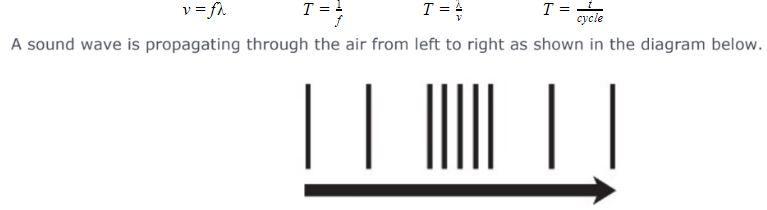
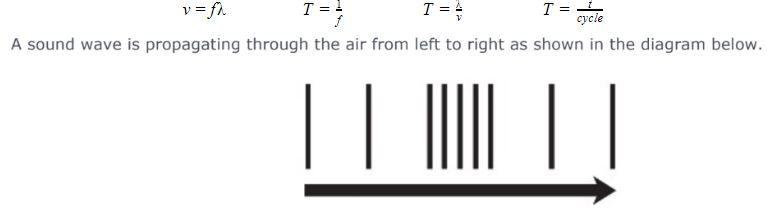
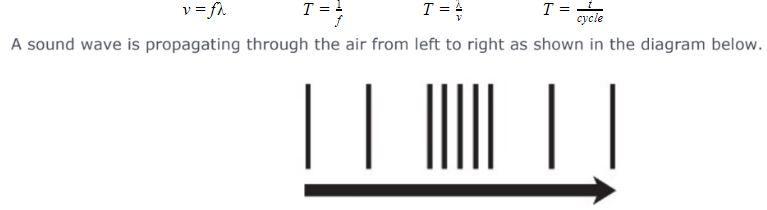
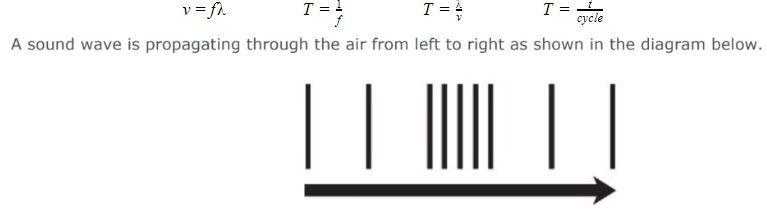
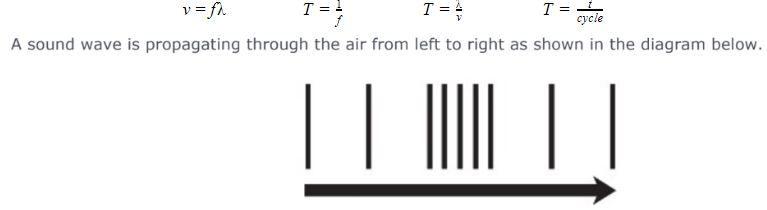
- Q 1/5Score 0What direction is the air oscillating and what direction is the wave moving?29The air is oscillating perpendicular (right/left) to the velocity of the wave (up).The air is oscillating parallel to the velocity of the wave (up)The air is oscillating parallel to the velocity of the wave (right).The air is oscillating perpendicular (up/down) to the velocity of the wave (right)


5 questions
Show answers
- Q1What direction is the air oscillating and what direction is the wave moving?The air is oscillating perpendicular (right/left) to the velocity of the wave (up).The air is oscillating parallel to the velocity of the wave (up)The air is oscillating parallel to the velocity of the wave (right).The air is oscillating perpendicular (up/down) to the velocity of the wave (right)120s112.39.c.7.c
- Q2How are transverse and longitudinal waves different?Longitudinal waves have oscillations perpendicular to wave velocity. Transverse waves have oscillations parallel to the wave velocity.Both waves oscillate and move the same way, but transverse waves don't require a medium.Longitudinal waves have oscillations parallel to wave velocity. Transverse waves have oscillations perpendicular to the wave velocity.They're the same.120s112.39.c.7.c
- Q3The wave in the diagram above can best be described as ―ElectromagneticTransversePulseLongitudinal120s112.39.c.7.c
- Q4If the wave travels at 343m/s and has a period of 1.2s, then what is the wavelength?411.6mNot enough information285.8m0.0035m120s112.39.c.7.c
- Q5The wavelength of the sound wave gradually increases. How does this affect the pitch of the sound?Stays the sameDecreasesIncreases120s112.39.c.7.c